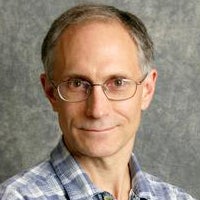
David R. Heskett is a Professor of Physics and Undergraduate Program Director at the University of Rhode Island's Department of Physics. He holds positions in East Hall and has a laboratory in Pastore 353. His research focuses on experimental surface physics, thin films, and advanced materials characterization using techniques like HAXPES. He has been with URI since 1988, progressing from Assistant to Full Professor. Education includes a Sc.B. in Physics from Brown University (Providence, RI) and a Ph.D. in Physics from the University of Pennsylvania. Postdoctoral research was conducted at the University of Pennsylvania and University of Erlangen (Germany). Research interests emphasize electronic and structural properties of surfaces, with recent work on lithium-ion battery components and semiconductor interfaces. His publications explore topics like SEI formation in batteries, nanowire synthesis, and electromigration effects in microelectronics. His lab employs advanced spectroscopic methods to study material interfaces, contributing to energy storage and nanotechnology advancements. Collaborations involve co-authors such as Joseph C. Woicik and Brett L. Lucht in battery-related studies.
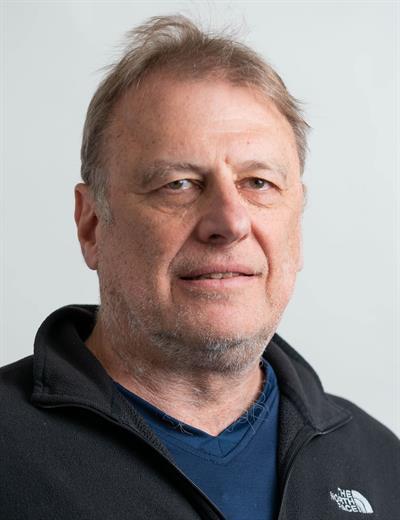
Michael Zimmerman is a Professor of the Practice in the Department of Mechanical Engineering at Tufts University's School of Engineering, where he has been teaching for over 30 years. He also serves as a Visiting Professor at Imperial College London. His career uniquely bridges academia and industry, having founded four startup companies while maintaining his academic position. Zimmerman directs the RECCAP Lab at Tufts, focusing on advanced materials research with applications in energy storage and semiconductor technologies. Education: PhD in Mechanical Engineering, University of Pennsylvania (1988) S.M. in Mechanical Engineering, Massachusetts Institute of Technology (1981) B.B. in Mechanical Engineering, Rensselaer Polytechnic Institute (1979) Dr. Zimmerman's research focuses on materials science with particular expertise in novel polymer electrolytes for batteries , liquid crystal polymers , and composite materials . His work spans from fundamental materials characterization to commercial product development. At the RECCAP Lab, his team investigates structure-property relationships in advanced polymers, with applications ranging from solid-state batteries to high-frequency semiconductor packaging. His research has significant implications for the EV industry, 5G technology, and hydrogen economy solutions through his work on "super-polymers" for fuel cells. Zimmerman's publication record demonstrates consistent contributions to materials science, with recent work focusing on 3D printed composites, lithium metal battery components, and liquid crystal polymer processing. His research shows a clear trajectory from fundamental polymer science to practical applications in energy storage and electronics. Particularly notable is his work on solid polymer electrolytes for batteries, which has been featured on NOVA PBS's "Search for the Super Battery." Scientific Awards: Vebleo Fellow award (2022) for career achievements in fundamental battery research Consulting Member of Technical Staff at Bell Labs (top 1% of technical community) Throughout his career, Zimmerman has secured significant research funding, including grants from the U.S. Department of Energy for novel polymer electrolyte development and industry partnerships with Interplex Industries for high-frequency RF materials. His unique approach integrates academic research with commercial application, providing students opportunities to work on real-world problems through his companies. Zimmerman has advised numerous students through thesis and research work, connecting academic learning with industrial innovation. Zimmerman leads the RECCAP Lab at Tufts University, which focuses on advanced composite and polymer research. His lab work bridges fundamental materials science with practical engineering applications, particularly in the areas of energy storage and high-performance polymers. The lab maintains strong industry connections, facilitating technology transfer from academic research to commercial products.
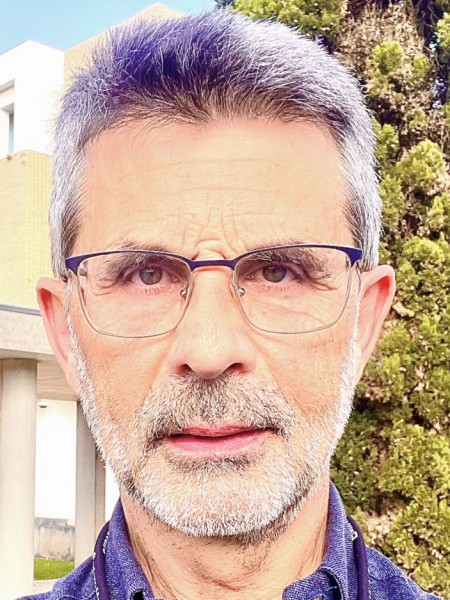
João Rocha is a Full Professor of Chemistry at the University of Aveiro, Portugal, and Director of the Portuguese Nuclear Magnetic Resonance Centre. He holds leadership roles, including representing Portugal in the European Commission's Technology Council for Advanced Materials and serving as Director of CICECO (University of Aveiro Institute of Materials) from 2002 to 2021. His research focuses on microporous silicates, metal-organic frameworks (MOFs), and ferroelectric materials, with notable contributions to drug delivery systems (e.g., Lokelma for hyperkalemia) and sustainable materials. He has mentored 36 PhD students and 43 post-docs, published over 550 SCI papers, and received prestigious awards like the Fraústo da Silva Prize (2025) and Medal of Scientific Merit (2024). Education: PhD in Chemistry from the University of Cambridge (1990), Habilitation (Agregação) from the University of Aveiro (1997). Professional activities include editorial roles for journals like European Journal of Inorganic Chemistry and advisory roles for national and EU funding bodies. Key achievements include pioneering titanium silicate ETS-10, luminescent lanthanide MOFs, and photoresponsive ferroelectric materials. Current projects focus on MOFs for lithium-ion batteries and organic-inorganic hybrids. Collaborations span academic and industry partners, including AstraZeneca and Bosch. Scientific awards include membership in the European Academy of Sciences, Royal Society of Chemistry Fellowship, and multiple national/international prizes for research excellence. His work bridges fundamental materials science with industrial applications, emphasizing sustainability and biomedical innovation.
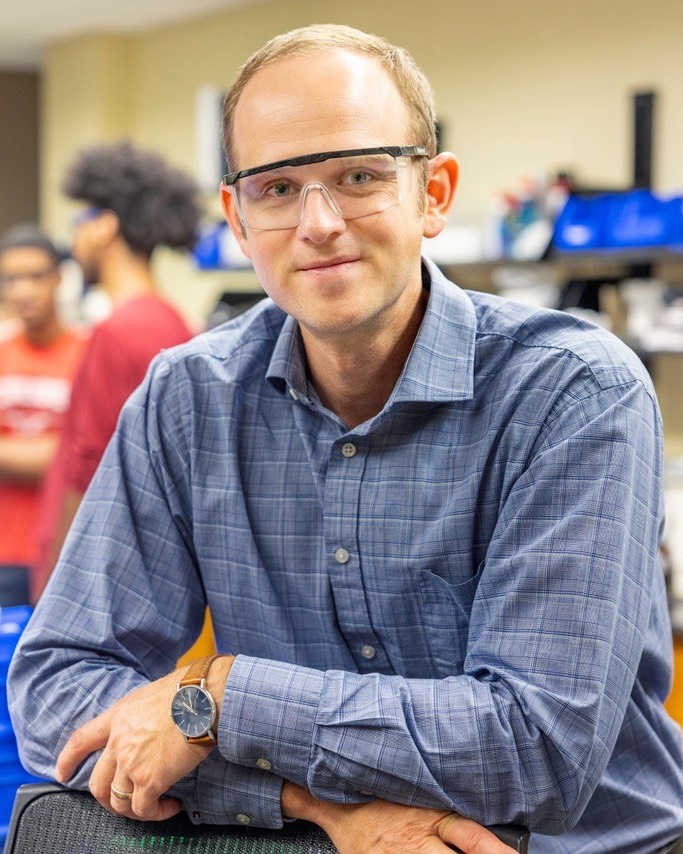
Morgan Stefik is the George H. Bunch Sr. Professor of Science and Professor of Chemistry and Biochemistry at the University of South Carolina, within the McCausland College of Arts and Sciences. His research focuses on developing polymer-derived nanomaterials for energy applications, leveraging self-assembly techniques to create tunable materials with precise nanostructures. Key areas include functional nanostructures, energy storage devices, and advanced materials for batteries and solar technologies. Stefik holds a B.E. from California Polytechnic State University, an M.S. and Ph.D. from Cornell University. His academic career includes roles as Associate Professor (2019–2023) and Assistant Professor (2013–2019) at USC, alongside postdoctoral and visiting research positions at institutions like EPFL and Fraunhofer IFAM. He directs the South Carolina SAXS Collaborative, offering advanced scattering analysis tools. Stefik’s research emphasizes reproducible nanomaterials via methods like Persistent Micelle Templates, enabling controlled pore and material dimensions. His work has led to breakthroughs in pseudocapacitive materials, isotropic architectures, and high-performance energy storage systems. Awards include the NSF CAREER Award (2018), Mungo Teaching Award (2023), and multiple Emerging Investigator recognitions. He teaches courses in general chemistry and nanoscale materials, mentoring students in experimental and theoretical aspects of materials science. Grants total over $4.1M, supporting projects on energy storage, nanomaterials, and collaborative workshops. His lab actively investigates lithium diffusion mechanisms and novel battery architectures, with a focus on scalable, sustainable solutions.
Dr. Aman Behal is a Professor in the Department of Electrical and Computer Engineering at the University of Central Florida's College of Engineering and Computer Science. He directs the Assistive Robotics and Hybrid Systems laboratories, with research focusing on rehabilitation robotics, human-robot interaction, nonlinear controls, and assistive technologies. His educational background includes a PhD in Electrical Engineering from Clemson University and an M.Tech from Indian Institute of Technology Bombay. Research develops novel interfaces for wheelchair-mounted robotic arms to assist with daily living tasks, supported by NSF funding. Additional projects include computational neuronal network modeling for predictive neurobiology and deep learning approaches for robotic grasping. The UCF-MANUS robotic manipulator system enables real-world evaluation of assistive technologies through clinical collaborations. Recent publications emphasize adaptive control strategies for robotic manipulation, human-robot interaction safety frameworks, and computer vision for autonomous grasping. Work frequently integrates machine learning with control theory for assistive applications. Charles N. Millican Faculty Fellow (2016 onwards) Substantial grant funding includes NSF awards for adaptive human-robot interaction frameworks and social learning in mixed human-robot groups. Current doctoral students investigate neural interfaces, control algorithms, and assistive device applications. Editorial responsibilities include IEEE Transactions on Control Systems Technology and Journal of Aerospace Engineering.
Robert J. Messinger serves as an Associate Professor within the Department of Chemical Engineering at the City College of New York (CCNY), part of the City University of New York (CUNY) system. His academic office is situated in Steinman Hall, Room 327, and he maintains professional contact via telephone at 212-650-8204 and electronic correspondence at rmessinger@ccny.cuny.edu. His position reflects substantial scholarly contributions to electrochemical engineering and energy storage research. Professor Messinger's research program centers on advanced battery systems including aluminum-sulfur, lithium-ion, and zinc-based chemistries, with particular focus on extreme-environment operation (high and low temperatures) and sustainable resource recovery. He employs nuclear magnetic resonance spectroscopy to investigate fundamental electrochemical mechanisms such as ion intercalation, electrodeposition, and interfacial phenomena. His work extends to rare earth element recycling using peptide-based surfactants and foam fractionation techniques, addressing critical challenges in energy storage sustainability and materials science. Analysis of his 2023-2025 publications reveals dominant research trajectories in electrolyte engineering for temperature-resilient batteries, mechanistic studies of multivalent-ion systems, and biomimetic separation methods for critical minerals. Key trends include the development of chloroaluminate and ionic liquid electrolytes, molecular-level characterization of electrode processes via NMR, and innovative approaches to rare earth element recovery that minimize environmental impact. His work consistently bridges fundamental electrochemistry with practical battery engineering applications. No scientific awards or major recognitions are documented in the provided source material. Similarly, details regarding graduate student mentorship, sponsored research grants, or laboratory infrastructure are absent from the available information.
Dilhan M. Kalyon is an Institute Professor and Director of the Highly Filled Materials Institute at Stevens Institute of Technology, where he has held academic and administrative positions since 1980. He serves in the Department of Chemical Engineering and Materials Science within the Charles V. Schaefer, Jr. School of Engineering and Science. Previously, he held faculty appointments in the Departments of Chemistry and Chemical Engineering; Chemical, Biomedical, and Materials Engineering; and served as Interim Vice Provost for Research, Innovation, and Entrepreneurship (2019-2020) and Vice Provost for Research and Innovation (2020-2022). Professor Kalyon earned his B.Eng. from Middle East Technical University in Ankara, and his M.Eng. and Ph.D. in Chemical Engineering from McGill University in Canada. His academic progression at Stevens includes Assistant Professor (1984-1987), Associate Professor (1987-1990), Professor (1990-1999), and Institute Professor (1999-present). He also served as Joint Affiliate Professor in the Department of Chemistry, Chemical Biology and Biomedical Engineering from 2010-2015. Professor Kalyon's research focuses on rheology, simulation, and processing of complex fluids including polymers, biopolymers, and energetic, ceramic, magnetic, and composite materials. His work places particular emphasis on suspensions filled with rigid particles at concentrations approaching their maximum packing fraction. His multidisciplinary research integrates mathematical modeling, experimental studies using industrial-scale processing equipment, and detailed analysis of microstructure and final material properties. Key innovations from his group include new rheometers and methods for rheological characterization of viscoplastic fluids, mathematical models for optimizing processing of viscoplastic fluids subject to wall slip, functionally graded constructs for bone grafting, novel methods for manufacturing nanofibers with nanoparticles, and X-ray diffraction techniques for analyzing particle size distribution. Analysis of Professor Kalyon's recent publications reveals a strong focus on advanced biomaterials, particularly for tissue engineering and regenerative medicine applications. His work demonstrates continued expertise in rheology and processing of complex fluids, with increasing emphasis on 3D bioprinting, hydrogel scaffolds with controlled mineral gradients, and novel fabrication techniques like electrowriting. His research bridges traditional polymer processing with cutting-edge biomedical applications, showing particular strength in translating fundamental rheological understanding into practical biomaterial solutions for bone and tissue regeneration. Thomas Baron Award in Fluid-Particle Systems by AIChE (2008) International Research Award by Society of Plastics Engineers (2008) Harvey N. Davis Distinguished Teaching Assistant Professor Award (1987) Henry Morton Distinguished Teaching Full Professor Award (2000) Faculty Appreciation Award (2017) DuPont Central Research and Development Fellowship (1997) Exxon Education Foundation Fellowship (1990) Unilever Education Fellowship (1991) Fellow of Society of Plastics Engineers (2004) Fellow of American Institute of Chemical Engineers (2006) Professor Kalyon has advised numerous graduate students and postdoctoral researchers throughout his career, with research spanning biomaterials development, rheological characterization, and advanced processing techniques. His work has been supported by various funding sources including industry fellowships and research grants. He directs the Highly Filled Materials Institute at Stevens, which serves as the hub for his multidisciplinary research team working on complex fluids and advanced materials. The institute facilitates collaboration between chemical engineers, materials scientists, and biomedical researchers to develop innovative solutions for challenges in materials processing, tissue engineering, and environmental safety.
Dr. Balakumar Balasingam is an Associate Professor in the Department of Electrical and Computer Engineering at the University of Windsor, Faculty of Engineering. His research focuses on Battery Management Systems, Human-Machine Systems, Signal Processing, Machine Learning, and Information Fusion. He holds a Ph.D. in Electrical Engineering from McMaster University (2008). He is a Professional Engineer of Ontario and a Senior Member of the IEEE. His work emphasizes robust battery management techniques, including parameter estimation for lithium-ion batteries and real-time state-of-charge/state-of-power estimation. He also investigates human factors in automated systems, leveraging eye-tracking and pupilometry for cognitive load assessment. Key contributions include the book *Robust Battery Management Systems With MATLAB* (Artech House, 2023) and over 100 peer-reviewed articles in IEEE Transactions, Energies, and other journals. Dr. Balasingam directs the Battery Management Systems Lab and Human Machine Systems Lab, advancing innovations in battery diagnostics, autonomous driving interfaces, and adaptive automation. His research integrates signal processing, machine learning, and control systems to address challenges in energy storage and human-technology interaction. His professional affiliations include the International Society of Information Fusion (ISIF) and active roles in IEEE technical committees. Research grants include funding for battery thermal management systems and cognitive load detection in automated driving scenarios.
Dr. Andreas Beyer-Leser is a Researcher in the Physics Department (Department 13) at Philipps University of Marburg, where he leads the Structural and Technological Research Laboratory (STRL) and Functional Materials Group (AG Volz) within the Marburg Center for Quantum Materials and Sustainable Technology (mar.quest). His office is located in Building H|04 (Room 02C14) at Hans-Meerwein-Straße 6, 35032 Marburg. His research focuses on advanced electron microscopy techniques for materials characterization, particularly in energy storage systems and semiconductor heterostructures. Key areas include 4D-STEM electric field mapping , solid-state battery materials , quantum well formation , and 2D material synthesis . His work bridges fundamental physics with practical applications in sustainable energy technologies. Analysis of his recent publications reveals a strong emphasis on developing novel electron microscopy methodologies for nanoscale characterization. His 2025-2024 work shows increasing focus on in-situ characterization of battery materials under operational conditions and precise control of quantum heterostructures for optoelectronic applications. The research consistently integrates advanced computational analysis with experimental validation. Dr. Beyer-Leser maintains active laboratory facilities including the Structural and Technological Research Laboratory (STRL) and Functional Materials Group, which provide specialized infrastructure for electron microscopy, semiconductor growth, and materials synthesis. His work supports the university's strategic focus on quantum materials and sustainable technology development through the mar.quest initiative.
Marina Ioanniti serves as a Research Scientist at the Department of Nanoscale Science & Engineering within the College of Nanotechnology, Science, and Engineering at the University at Albany, focusing on transformative battery technologies for next-generation energy storage solutions. Education: PhD in Chemical Engineering, University of Rochester, 2020 MEng in Mechanical Engineering, University of Thessaly, 2013 BEng in Computer and Communication Engineering, University of Thessaly, 2011 Her research program centers on critical challenges in lithium battery development, with particular emphasis on silicon anode modification to address degradation mechanisms, ceramic and thin-film solid electrolytes for lithium-metal systems, and protective Li-bearing coatings that enable stable electrode-electrolyte interfaces. She employs advanced structural, chemical, and electrochemical characterization techniques across aqueous and non-aqueous environments to optimize material performance. Analysis of her 2017-2020 publications reveals a concentrated trajectory toward thin-film engineering solutions for solid-state batteries, with recurring themes in composite electrolyte separators, energy-density enhancement through interfacial engineering, and stabilization of ceramic conductors against aqueous degradation. These works consistently bridge fundamental materials science with practical electrochemical applications in energy storage. Dr. Ioanniti instructs for NYSERDA-supported Energy Storage Technology Training Programs, conducting specialized battery workshops and laboratory demonstrations while supervising graduate research in the Renewable Energy Laboratory. Her industry engagement includes technical roles at Sionic Energy (2022), Soelect Inc (2021), and Technology Professionals Group (2020), where she maintained Magnetron Sputtering systems. Based in NanoFab East (Room 4317), she operates within the Renewable Energy Laboratory ecosystem and maintains active industry partnerships to translate thin-film deposition expertise into commercial battery innovations, with ongoing focus on silicon anode stabilization and solid electrolyte interfaces for safer high-capacity energy storage.
Anastasios Georgoulas is a Senior Lecturer and Deputy Director of Academic Communication in the Advanced Engineering Centre at the University of Brighton. He serves as Course Leader for Aeronautical/Aerospace Engineering, leading to the program's accreditation by IET and IMechE. His academic roles include leadership in research and education, with a focus on Multiphase Thermofluids and Computational Fluid Dynamics (CFD). Georgoulas holds a PhD in Numerical Simulation of Turbidity Currents from Democritus University of Thrace (2010), alongside advanced degrees in Structural and Hydraulic Engineering. His career includes Marie Curie Fellowships at the University of Bergamo and Caterpillar Inc., and adjunct roles at institutions like the International Hellenic University. Research Interests: Georgoulas' work bridges CFD, Multiphase Flows, Thermofluid Physics, and Heat Transfer across scales. He develops multi-scale models for diabatic/adiabatic flows, with applications in two-phase cooling systems (e.g., heat pipes, pulsating heat pipes) and aerodynamics. His research integrates high-resolution diagnostics for thermal and fluidic characterization. Grants & Funding: Georgoulas has secured £5.7M in funding, including a £408.5k Leverhulme Trust Grant (2022) and £2.9M EPSRC interdisciplinary grant (2022). Notable projects include biomimetic thermal management systems and space applications of heat pipes. Awards & Recognition: He is a Fellow of the HEA, a Full Member of the EPSRC Peer Review College, and part of the European Space Agency's Fluid Physics Facility Definition Team. His work has been highlighted in Nature Communications and earned Best Oral Presentation Awards at international conferences.
Xinyu Zhang is an Associate Professor in the Department of Chemical Engineering at Auburn University , where they also serves as a Graduate Program Officer . Their research focuses on microwave-assisted nanomanufacturing , conductive polymer composites , and green synthesis methods for energy and environmental applications. Ph.D. and M.S. in Materials Engineering from University of Texas at Dallas and Tianjin University Over 2000 citations and 150+ peer-reviewed publications Research spans supercapacitors , biomedical sensors , and anti-corrosion coatings , with emphasis on rapid microwave synthesis and functional nanocomposites . Recent work includes portable opioid biosensors (NSF grant) and smart mask sensors for breath monitoring. Their 15 most recent articles (2025-2022) cover microwave fabrication of MoSSe/Graphene for Li-S batteries, PEDOT:PSS-cellulose composites for flexible capacitors , and bio-inspired corrosion coatings using tannic acid . Collaborations include NSF-funded projects and LAUNCH Innovation grants . Awards : NSF Convergence Accelerator grant (2025) LAUNCH Fund for Research and Innovation (2025) Their group develops scalable nanomaterials platforms for energy storage , environmental monitoring , and biomedical applications , with industrial partnerships for roll-to-roll microwave production .
Dr. Tariq Sajjad is an Associate Professor of Energy Engineering and Materials Devices at the School of Engineering and Design, London South Bank University (LSBU). He leads the TEMD research group, focusing on energy materials and devices. Previously, he held roles at the University of St Andrews, including Senior Research Fellow and Project Manager of the Advanced Functional Materials Research Centre. His expertise spans optoelectronics, renewable energy systems, and nanotechnology. He has secured £1.4 million in research funding as PI/Co-I from EPSRC, the British Council, and industry partners. Key projects include collaborations with Edinburgh Instruments Ltd, Nano2D, and Lambda Energy Ltd on LEDs, hydrogen production, and agritech applications. Research interests include solar cells, photo-assisted batteries, green hydrogen via seawater electrolysis, and semiconductor photophysics. He has published 46+ articles in journals like *Advanced Materials* and *Small*, with a focus on carbon quantum dots, perovskites, and photocatalysts. Awards include the Royal Society of Chemistry’s 2020 Emerging Investigator Award. He serves on the EPSRC Peer Review College and as Associate Editor for *Frontiers in Energy Research*. His lab (tariq-lab.com) emphasizes sustainable energy solutions aligned with UN SDGs 7 (Affordable Energy) and 13 (Climate Action).
Francisco C. Robles Hernández is a Professor in the Department of Engineering Technology at the University of Houston, College of Technology. He holds academic roles including MS Program Coordinator and membership in the Center of Advanced Materials (CAM). His research focuses on nanostructured materials and structural alloys, with applications in automotive/railroad industries and photocatalytic systems. He earned a Ph.D. in Materials Science and Engineering from the University of Windsor (2004), and M.S./B.S. degrees from the National Polytechnic Institute (Mexico). Research Interests: - Nanostructured Materials: Development of carbon nanostructure-reinforced composites and sonochemical synthesis of TiO₂ for solar cell/sensor applications. - Structural Materials: Ferrous/non-ferrous alloy design, mechanical properties optimization for automotive/rail components. Awards: - Best Paper Award (MAES 2011, Heavy Haul Conference 2009) - CONACYT scholarships (Master/PhD) - Five American Foundry Society scholarships (2002-2004) Professional Contributions: - Advisor to Materials Technology Group - Over 150+ peer-reviewed publications - Key roles in railroad steel innovation (US Patents 7,559,999 & 7,591,909)
Dr. Michael Nikolaou is a Professor and Associate Chair for Academic Affairs in the William A. Brookshire Department of Chemical and Biomolecular Engineering at the University of Houston's Cullen College of Engineering. He holds a Ph.D. from UCLA (1989) and a Diploma from the National Technical University of Athens (1984). His research spans chemical engineering, biomedical applications, materials science, and energy systems , with a focus on antimicrobial dosing optimization, machine learning-driven material discovery, and geothermal energy innovation. His work integrates process control, data analytics, and mathematical modeling to address challenges in drug efficacy, energy storage, and reservoir engineering. Key research themes include: Design of antimicrobial therapies targeting persister bacteria Machine learning applications in chemical processes and material discovery Geothermal energy reserve estimation and shale gas production optimization Control systems for drilling operations and managed-pressure drilling His recent publications highlight advancements in in vitro pharmacodynamic modeling , solid-state electrolyte design , and epidemiological modeling frameworks . Dr. Nikolaou has contributed to industry-relevant solutions such as real-time ESP health monitoring systems and optimization of unconventional gas reservoir stimulation. His work bridges fundamental chemical engineering principles with applied industrial challenges. Professional activities include academic leadership roles and contributions to the development of predictive analytics tools for the energy sector. His research emphasizes interdisciplinary collaboration, merging computational methods with experimental validation to drive innovation in chemical and biomedical engineering domains.