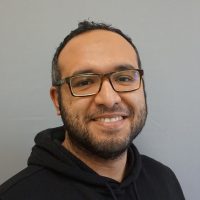
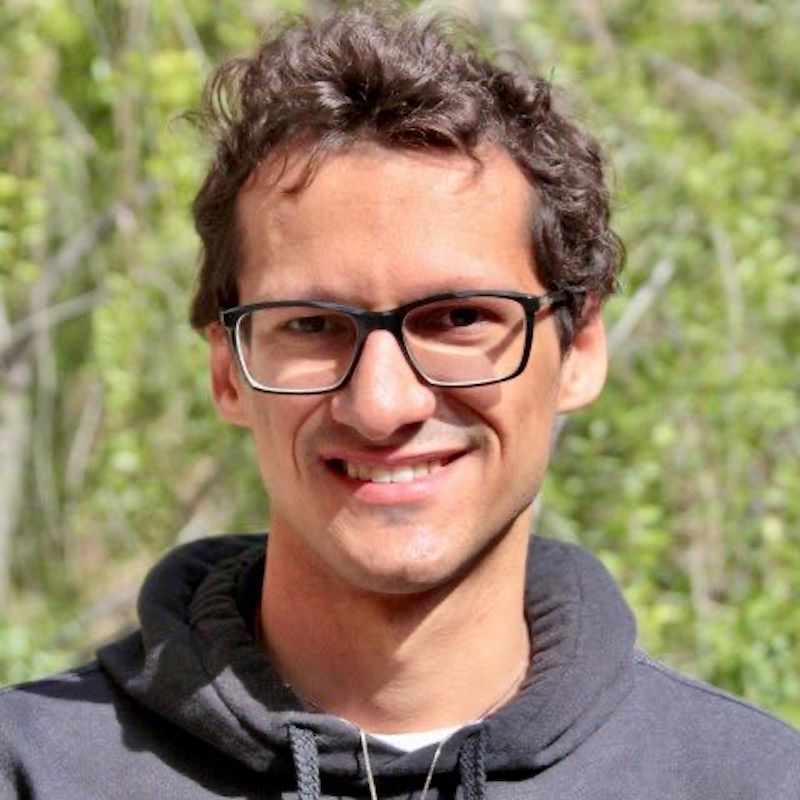
Ahmed El-Roby is an Associate Professor in Carleton University's School of Computer Science, affiliated with the Institute for Data Science. His research spans question answering over knowledge graphs, domain adaptation, and sports analytics. He leads projects on cross-domain recommendation systems and knowledge graph benchmarking, with applications ranging from healthcare to antiquities trafficking analysis. His teaching includes database systems and big data trends. Research groups focus on knowledge graph analytics and machine learning applications, with active collaborations in sports analytics and healthcare AI.
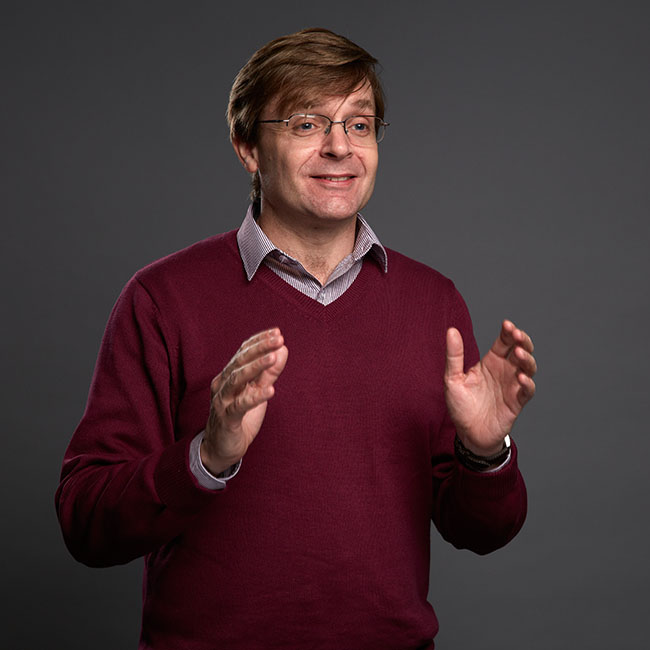
Dr. Mark Thompson is a Recruitment Lead at the Department of Engineering and Mathematics, Sheffield Hallam University, within the College of Business, Technology and Engineering. He collaborates with institutions like Selby College, Derby College, and employers such as Tata Steel, JCB, and Rolls-Royce to develop academic pathways for employee development, including foundation degrees, bachelor's, and master's programs. His research interests span Artificial Intelligence Software Design Electronics Optical Communication Systems Evolutionary Algorithms Sensor Technology . His work focuses on evolutionary algorithms in optimization and sensing technologies, particularly thickness shear mode resonators for organic vapor detection and impedance analysis. He has published extensively in journals like Sensors and Actuators B Chemical and IEEE Transactions on Circuits and Systems , covering topics from LC filter tuning to network topologies. Scientific awards include Fellow of the Higher Education Academy (FHEA) Member of the Institution of Engineering and Technology (MIET) .
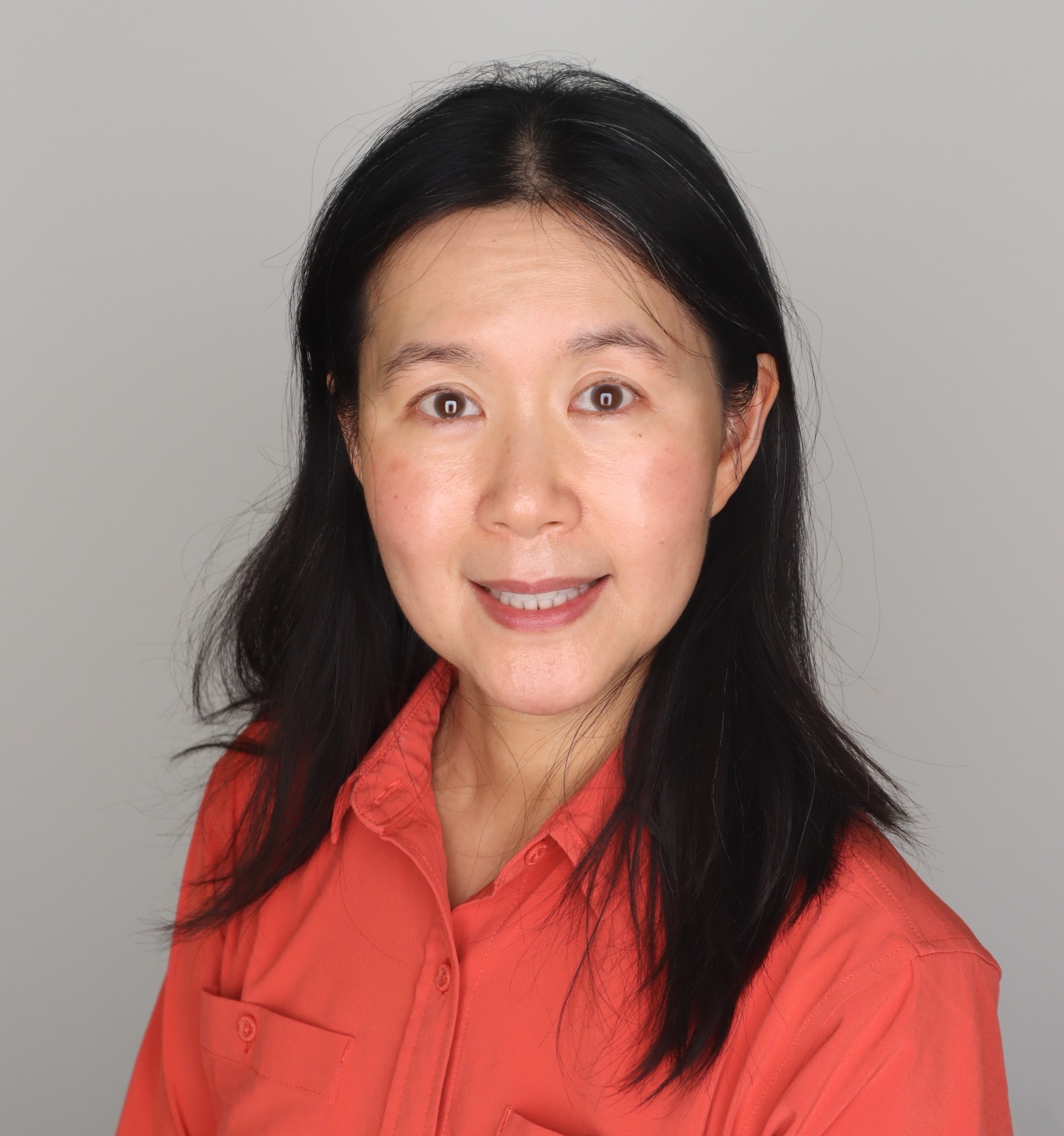
Professor Katy Kao leads the Chemical and Materials Engineering Department at San José State University (2021–present), previously serving as Associate Professor there (2019–2021). She held roles at Texas A&M University, including Adjunct Graduate Faculty (2019–2021), Associate Director of Undergraduate Programs (2018–2019), and Associate/Assistant Professor (2014–2019). Her research focuses on microbial evolution, metabolic engineering, and biomanufacturing, with contributions to biofilm control, strain development via adaptive laboratory evolution, and sustainable biorefinery processes. Recognized for teaching excellence, she has received awards such as the NSF CAREER Award (2011) and the 2024 Society of Women Engineers Distinguished Engineering Educator Award. Education: B.S. Chemical Engineering (UC Irvine), Ph.D. Chemical and Biomolecular Engineering (UCLA), and postdoctoral training at Stanford University’s Department of Genetics. Research Interests: Her work bridges microbiology and engineering, emphasizing directed evolution of microbes for enhanced biocatalyst performance, biofilm mechanisms, and integration of machine learning in bioprocess modeling. Notable projects include improving carotenoid production in yeast, optimizing lignocellulosic biomass conversion, and developing anti-biofilm materials. Awards highlight both research and teaching excellence, including multiple university-level teaching accolades and national grants.
Yasser M. Dessouky is a Professor and Chair of the Department of Industrial and Systems Engineering at San José State University . He also serves as the Undergraduate Program Coordinator. His academic journey includes a Ph.D. from Arizona State University (1993), an M.S. from Arizona State University (1987), and a B.S. from the University of Wisconsin-Madison (1984). His research focuses on simulation and modeling , supply chain optimization , logistics systems , and microelectronics manufacturing . Notable contributions include work on automated guided vehicle (AGV) scheduling, transportation systems simulation, and interdisciplinary engineering education programs. He has led funded projects totaling over $500,000, including initiatives in supply chain sustainability, virtual plant modeling, and educational curriculum development. Research Highlights: • Developed simulation frameworks for optimizing transportation infrastructure (e.g., light rail systems, truck productivity). • Pioneered object-oriented simulation tools for real-time manufacturing processes. • Co-founded San José State’s Microelectronics Process Engineering program, recognized for its industry-aligned curriculum. • Authored over 50 peer-reviewed articles in journals like Computers & Industrial Engineering and International Journal of Production Research . Professional Experience: Consulted for major corporations including Applied Materials, Texas Instruments, and General Electric. His applied research addresses challenges in manufacturing efficiency, transportation logistics, and facility management. He has also served as a PI/Co-PI on NSF-funded projects and industry-sponsored initiatives. Grants & Projects: • $478,817 NSF grant for developing an interdisciplinary microelectronics curriculum (2000–2002). • $58,948 PATH grant for improving truck trailer safety and productivity (2004–2005). • Multiple SJSU COE Development Grants for supply chain research and Six Sigma education. Labs & Programs: Leads the Microelectronics Process Engineering laboratory, equipping students with skills in semiconductor manufacturing and process engineering. Collaborates with industry partners on real-world projects, emphasizing hands-on learning and innovation.
Miriam Nauenburg is an Associate Professor and Head of Metadata Management and Discovery Services at the University of West Georgia's Ingram Library. She oversees strategies for acquisition, access, and discovery of library collections and resources, with expertise in cataloging serials and electronic resources. Education: B.A. in English and Biology from Eastern Michigan University (2001), and MLIS in Library and Information Science from Wayne State University (2006). Her research focuses on metadata standards, Library Services Platform administration, statistical reporting, batch processing, migration data cleanup, and collection inventory management. She actively contributes to the Metadata and Collections section of Core (ALA's technical services division) and has presented on cataloging-related topics. No academic awards or grants are listed in the provided text.
Angelo Canty is an Associate Professor in the Department of Mathematics and Statistics at McMaster University. His research focuses on statistical genetics, genetic epidemiology, and biostatistical methods applied to diabetes and related conditions. He has contributed to studies on genome-wide association analyses, epigenetic mechanisms, and the genetic basis of diabetes complications. His work often integrates statistical methodologies with biological data to uncover associations between genetic variants and disease outcomes. Dr. Canty teaches advanced statistical courses including Probability and Statistics for Engineering, Computational Methods for Inference, and Graduate Level Topics in Statistics. His research spans disciplines such as genetic risk factor identification, DNA methylation analysis, and longitudinal studies of diabetic kidney disease and cardiovascular complications. Notable contributions include studies on glycemic control in Type 1 Diabetes and the role of specific genetic loci in disease progression. He has collaborated extensively with researchers in diabetes and immunology, publishing in journals like Genetic Epidemiology, Diabetes, and BMC Genetics. While no awards are explicitly listed, his prolific publication record and teaching roles highlight his academic impact. His research often emphasizes methodological advancements in statistical genetics and their application to real-world health challenges.
Jack Dongarra is a Professor and Turing Fellow in Pure Mathematics. He is affiliated with research groups in the Data Science Institute, Software Systems, Numerical Analysis and Scientific Computing, and Applied Mathematics. His work contributes to UN Sustainable Development Goals through research in Digital Futures. Research Interests: High-Performance Computing, Parallel Architectures, Linear Algebra, GPU Computing, and Scientific Software Development. His fingerprint includes topics like Graphics Processing Units, Multicore Systems, and Performance Analysis. Publications (429 total) focus on algorithm design, high-performance computing frameworks, and exascale technologies. Notable contributions include the MAGMA project for GPU/multicore architectures and the development of the heFFTe library for exascale FFT. Awards: Turing Fellow Supervised 1 student. Active in datasets like 'Accelerating scientific computations with mixed precision algorithms' (2009) and impacts such as MAGMA's development.
WONG Lim Soon is the KITHCT Chair Professor at the School of Computing , National University of Singapore (NUS). He also served as Deputy Dean of the NUS Graduate School and currently directs the Integrative Sciences and Engineering Programme . His career spans significant contributions to database theory, computational biology, and knowledge discovery technologies. Education: B.Sc. (Engineering) in Computing Science, First Class Honours, Imperial College London Ph.D. in Computer & Information Science, University of Pennsylvania His research interests intersect computational biology , database theory , and knowledge discovery . He focuses on enhancing proteomic profile analysis, addressing confounders in omics data, predicting transcription factor interactions, and rethinking synchronized iteration in programming languages. His work aims to improve biomarker reproducibility in proteomics and design robust statistical methods for omics analysis. His recent publications highlight advancements in genomic data processing , proteomics , and database algorithms . Key themes include non-equijoin efficiency , batch effect normalization , and protein family prediction in low-similarity regimes. Scientific Awards & Honours: Fellow of the ACM, 2013 ICDT 2014 Test of Time Award (with Peter Buneman and Val Tannen) FEER Asian Innovation Gold Award, 2003 (with Allen Yeoh, Huiqing Liu, and Jinyan Li) Singapore Youth Award Medal of Commendation, 2006 Limsoon co-founded Molecular Connections in India and has chaired the company for over a decade, growing it into a 2,000-person organization. His research is supported by grants from Singapore’s National Research Foundation and Ministry of Education Academic Research Fund (Tier-1 and Tier-2). He also develops open-source tools like Synchrony DBModel and GMQL implementations in Scala/Python.
Ciara Pike-Burke is a Lecturer in Statistics at the Department of Mathematics, Imperial College London, within the Faculty of Natural Sciences. Her research focuses on statistical machine learning, particularly sequential decision making under uncertainty, including multi-armed bandits, reinforcement learning, and online learning. She holds a PhD from Lancaster University (STOR-i program) and was a postdoc at Universitat Pompeu Fabra in Barcelona. Education: PhD in Statistics (Lancaster University, 2019) Postdoctoral Researcher (Universitat Pompeu Fabra, 2019-2022) Research Interests: She explores theoretical aspects of sequential decision problems in areas like education and healthcare, emphasizing algorithmic efficiency and regret minimization. Her work addresses challenges such as delayed feedback, sparse rewards, and privacy constraints in bandit and reinforcement learning frameworks. Publications: Her recent work includes advancements in hierarchical reinforcement learning, bandit algorithms with delayed feedback, and privacy-preserving techniques. Notable contributions include the QuACK algorithm for cooperative bandits and theoretical analyses of optimistic exploration strategies. Outreach: She develops educational tools like the TryBandits web-based game to introduce students to statistical concepts. She actively recruits PhD students in reinforcement learning theory, bandits, and online learning.
Phil Gibbons is a Professor in the Electrical & Computer Engineering and Computer Science Departments at Carnegie Mellon University. He holds a Ph.D. from UC Berkeley (1989) and has extensive industry experience at AT&T Bell Labs, Lucent Bell Labs, and Intel Research. His research focuses on parallel computing, distributed systems, databases, and machine learning, with a emphasis on algorithmic and systems-level innovations. He has led major initiatives like the Intel Science and Technology Center for Cloud Computing and contributed to projects such as IrisNet (a planetary-scale sensor network). Education : Ph.D. in Computer Science, University of California at Berkeley (1989) Research Interests : Gibbons' work spans big data analytics , high-performance computing , and cloud systems . He develops scalable algorithms and systems for emerging memory technologies, distributed ML, and robotics. Notable contributions include processing-in-memory (PIM) optimizations, pipeline parallelism for DNN training, and system architectures for robotic processors. Awards : IEEE Fellow (2014) ACM Fellow (2006) ACM Paris Kanellakis Theory and Practice Award (2019) Best Paper Award at NSDI 2006 Grants & Leadership : Co-PI of the $15M Intel STC for Cloud Computing (2011-2015) Editor-in-Chief of ACM Transactions on Parallel Computing (2012-2018) Leadership roles in conferences like SPAA, EuroSys, and MLSys Teams & Labs : Active in robotics computing (RobotPerf benchmark), distributed ML systems, and hardware-software co-design initiatives.
Andrea Zanette is an incoming Assistant Professor in the Department of Electrical and Computer Engineering at Carnegie Mellon University's College of Engineering. His research focuses on the theoretical foundations of reinforcement learning, particularly in data-efficient exploration, function approximation, adaptivity, and offline learning. He received his Ph.D. from Stanford University in 2021. Research interests center on: Fundamental limits of reinforcement learning efficiency Robust decision-making under uncertainty Theoretical guarantees for offline learning Efficient exploration strategies Stable learning algorithms His publications establish fundamental results in reinforcement learning theory, including provable efficiency bounds for offline RL, theoretical characterization of exploration challenges, and algorithm stabilization methods. Recent work develops techniques for language model reasoning optimization and evaluation acceleration. He received the Gene Golub Outstanding Dissertation Award for his Ph.D. work on modern RL challenges.
Karthik Sridharan is an Associate Professor in the Department of Computer Science at Cornell University. His research focuses on theoretical machine learning, including online learning, optimization, and statistical learning theory. He holds a PhD from the Toyota Technological Institute at Chicago (2011) and has held postdoctoral roles at the University of Pennsylvania. His work bridges foundational theory with practical applications in optimization and decision-making. Education: PhD, Computer Science (2011), Toyota Technological Institute at Chicago MS, Computer Science (2006), SUNY Buffalo B.E., Computer Science and Engineering (2004), M. S. Ramaiah Institute of Technology Research Interests: Dr. Sridharan explores machine learning theory with emphases on online learning dynamics, optimization algorithms, and the theoretical underpinnings of stochastic methods. His work often addresses challenges like adversarial decision-making and the interplay between optimization and sampling techniques. Recent Trends in Publications: His recent work spans advancements in reinforcement learning with function approximation, minimax analysis of online learning, and the theoretical properties of stochastic gradient descent. These contributions highlight his focus on foundational guarantees for modern machine learning systems. Awards and Honors: Alfred P. Sloan Research Fellow (2018) NSF CAREER Award (2018) Best Paper Awards at COLT (2019, 2018) and ALT (2019) Simons-Berkeley Research Fellowship (2016) Advising and Grants: He advises PhD students on topics like optimization, machine unlearning, and safety in ML. His grants include NSF CDS&E-MSS and collaborations on robust intelligence. He also serves on program committees for leading conferences like NeurIPS and ICML. Labs and Teams: His research group contributes to theoretical foundations of machine learning, with active projects on plug-and-play ML systems, learning on graphs, and de-polarizing recommendation systems.
Hyun-Soo Ahn is a Professor of Technology and Operations and Ford Motor Co. Director of the Tauber Institute for Global Operations at the University of Michigan's Stephen M. Ross School of Business. His research focuses on supply chain management, service operations, pricing strategies, and value chain innovations, supported by NSF and Department of Energy grants. He teaches business analytics, machine learning, and consulting methodologies across EMBA, MBA, MSCM, and BBA programs, along with executive education for firms like ICBC and Bank of America. Education: PhD in Technology and Operations, University of Michigan (2001) MSE, University of Michigan (1997) BSE in Engineering, KAIST (1994) His research interests emphasize data-driven decision-making in supply chains, dynamic pricing models, and collaborative strategies. Notable contributions include work on subsidy policies for innovation, capacity investment collaboration, and pandemic control through multi-model integration. He leads the Supply Chain Consulting Studio, guiding over 70 projects with companies such as Amazon, Google, and General Motors. Teaching and Awards: Six teaching excellence awards (student-voted) and the 2019 Ross Researcher of the Year Award highlight his dual impact in education and research. His executive education focuses on digital transformation and business analytics. Key Projects: Consulting for 70+ companies across sectors Founder of Ross MSCM's Supply Chain Consulting Studio
Patrick Thiran is a Full Professor at the École Polytechnique Fédérale de Lausanne (EPFL) in Switzerland, affiliated with the School of Computer and Communication Sciences and the Department of Computer Science. His research focuses on network science, wireless networks, machine learning, and complex systems. Laboratoire de la dynamique de l'information et des réseaux Chair in Communication Systems Teaching: Modèles stochastiques pour les communications, Networks out of control His work explores the fundamental properties of wireless networks , source localization in large-scale networks , and network tomography . Recent publications demonstrate expertise in graph neural networks, epidemic modeling, and stochastic optimization. His 15 most recent publications show consistent contributions to network science, machine learning, and wireless communications, with a focus on graph algorithms , source localization , and network dynamics . Key subfields include metric dimension , community detection , and Bayesian optimization . He has advised numerous PhD students including Elahi Sepehr, Fua Raphaël Andrew, and Kuroda Daichi, reflecting his significant contributions to graduate education and research mentorship.
Dr. Thomas Sauerwald is a Senior Lecturer in Algorithms and Probability at the Department of Computer Science and Technology, University of Cambridge. His research focuses on algorithms, probability theory, distributed computing, and graph theory, with particular emphasis on random walks, load balancing, and network analysis. He teaches courses such as 'Introduction to Probability' and 'Randomised Algorithms.' His work explores theoretical foundations of randomized processes in networks, including rumor spreading, balanced allocations, and the robustness of graph structures. He has contributed significantly to understanding the performance of distributed systems and stochastic algorithms in dynamic environments. His research often bridges algorithm design with probabilistic analysis, yielding insights into efficient resource distribution and information dissemination. Dr. Sauerwald's recent studies include analyzing time-biased random walks, coalescence dynamics in graphs, and the impact of noise in allocation processes. His findings have implications for optimizing network protocols, improving load balancing strategies, and modeling real-world information propagation phenomena.