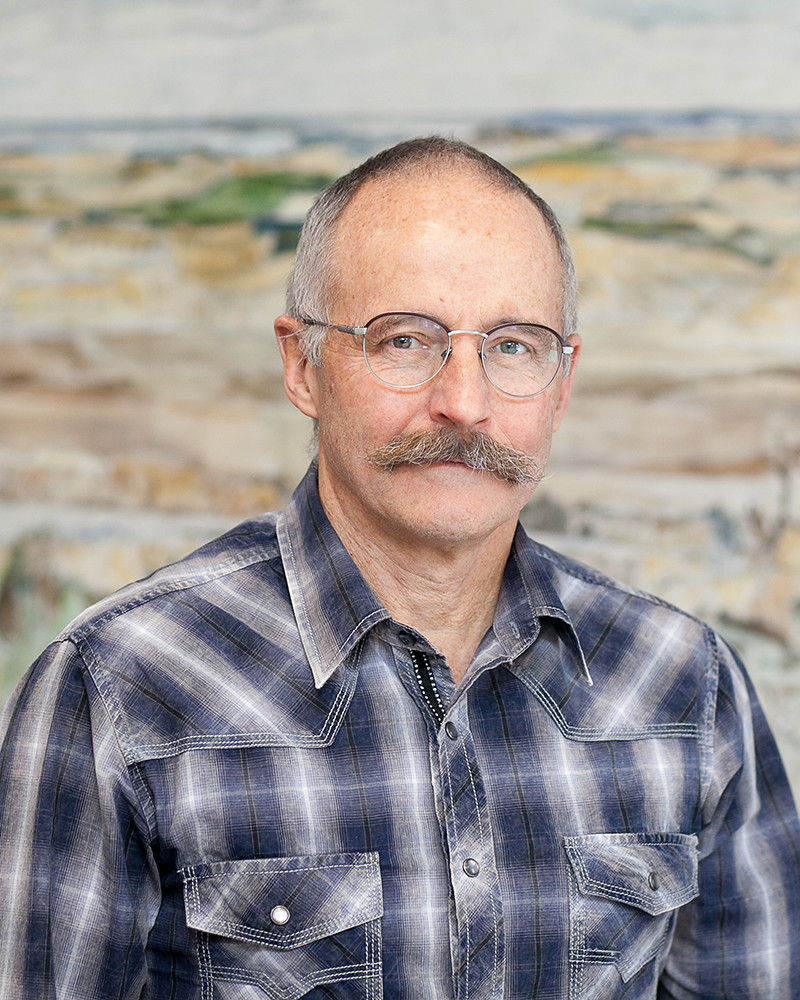
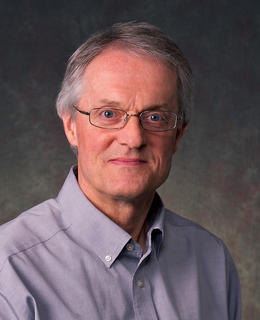
Kenneth S. Breuer is a Professor of Engineering at Brown University, serving as Director of the Center for Fluid Mechanics. He holds appointments in the School of Engineering and collaborates across disciplines, including Biology and Physics. His research focuses on fluid mechanics, animal flight mechanics (particularly bats), bacterial motility, renewable energy, and turbulence. Breuer earned his Sc.B. from Brown University and M.Sc./Ph.D. from MIT, returning to Brown in 1999 after faculty service at MIT. Education: Sc.B. (Brown), M.Sc./Ph.D. (MIT). Awards include Fellowships from the American Physical Society and American Society of Mechanical Engineers, and the Harold and Esther Edgerton Chair at MIT. He has authored over 100 publications and edited books such as *Microscale Diagnostic Techniques*. Research Interests: Fluid mechanics at micro/nanoscales, bio-inspired flight mechanisms, energy harvesting, and vortex dynamics. Collaborations include Professors Sharon Swartz (Biology) and Thomas Powers (Engineering). Current projects explore bat wing aerodynamics, membrane hydrofoils, and aerosol transmission in vehicles. Awards: APS Division of Fluid Dynamics Chair (2012), Midwest Mechanics Lecturer, and multiple fellowships. Teaching includes courses in Fluid Mechanics, Transport Phenomena, and Renewable Energy Systems. His lab develops bio-inspired robotic systems and studies flow interactions in animal and engineered systems.
Christopher Turbill is an Associate Professor in Animal Science at Western Sydney University's School of Science, where he maintains an active research program focused on animal physiological ecology. He is affiliated with the Hawkesbury Institute for the Environment and serves as a Principal Investigator on multiple research projects while accepting HDR candidates for supervision. PhD from University of New England (2006) Thesis: Thermoregulatory Ecology of Tree-roosting Bats Supervised by Prof. Fritz Geiser Postdoctoral fellowships from Austrian Science Fund and Australian Research Council (DECRA) Former ecologist with NSW Government Professor Turbill's research integrates thermal and metabolic physiology with behavioral ecology to understand animal-environment interactions. His work has revealed significant ecological consequences of controlled body temperature variation in mammals and birds, linking these processes with metabolic energy expenditure, activity patterns, and life-history strategies. He specializes in bat biology and investigates conflicts between human environmental change and animal conservation requirements. His research keywords include ecophysiology, thermoregulation, energy expenditure, life-history ecology, body temperature, torpor, hibernation, and wildlife conservation. Analysis of Turbill's recent publications reveals a strong focus on thermal biology and conservation physiology, particularly regarding bats and birds. His work examines how animals manage energy through torpor, respond to climate change through thermal regulation, and adapt to anthropogenic disturbances. The research spans field studies of flying-foxes, microbats, and passerine birds across Australian ecosystems, with increasing emphasis on conservation applications related to white-nose syndrome, fire impacts, and wind energy development. Turbill leads significant research projects including the Ecology of the eastern horseshoe bat and its sensitivity to fire impacts (2024-2027), Vulnerability of Australian bats to white-nose syndrome (2021-2026), and Torpor use and burrowing behaviour in an arid zone passerine (2024). His work attracts funding from diverse sources including the Australian Research Council, Department of Planning and Environment, and various conservation organizations. Professor Turbill directs the BatsLab research group, which maintains a virtual hub for bat research at Western Sydney University. His team employs advanced methodologies including thermal imaging, GPS tracking, and physiological monitoring to study animal responses to environmental challenges. Current work focuses on developing conservation interventions for heat-stressed flying-foxes and assessing vulnerabilities of Australian bat species to emerging diseases.
Trent K. Bollinger is a Professor in the Department of Veterinary Pathology at the University of Saskatchewan's Western College of Veterinary Medicine (WCVM), and serves as Regional Director for the Western/Northern Region of the Canadian Wildlife Health Cooperative (CWHC). His academic credentials include a BSc (Honours) from the University of Saskatchewan (1984), a DVM (Distinction) from the University of Saskatchewan (1988), and a DVSc in Pathology from the Ontario Veterinary College (1992). Dr. Bollinger's research focuses on the pathology and epidemiology of diseases in wildlife and fish, with particular emphasis on chronic wasting disease in deer/elk and white-nose syndrome in bats. He has conducted extensive studies on disease transmission dynamics, wildlife population health, and the ecological impacts of emerging pathogens. His work bridges veterinary science, ecology, and conservation biology. His publications demonstrate expertise in viral and bacterial zoonoses, fungal pathogens affecting bats, and spatial epidemiology of wildlife diseases. Recent research highlights include investigating sylvatic plague in prairie dogs, coronavirus persistence in hibernating bats, and landscape connectivity's role in chronic wasting disease spread. His studies often combine molecular diagnostics, field observations, and ecological modeling. Dr. Bollinger collaborates with national and international wildlife agencies, contributing to disease surveillance and management strategies for endangered species. His work emphasizes the interconnectedness of wildlife health, ecosystem health, and public health concerns.
Professor John W. Edmunds is a leading academic in Infectious Disease Modelling at the London School of Hygiene and Tropical Medicine (LSHTM). Holding a Professor position since 2013 and serving as Dean of the Faculty of Epidemiology and Population Health (2013-2019), he combines mathematical, statistical, and economic models to inform public health policy. His part-time role at the Health Protection Agency (HPA) since 2008 underscores his policy advisory contributions. PhD in Infectious Disease Modelling (Imperial College, 1994) MSc in Health Economics (University of York, 1995) BSc in Biology (Imperial College, 1989) His research focuses on understanding disease transmission and optimizing control strategies. He has pioneered methods integrating social contact surveys , participatory surveillance (e.g., Influenzanet), and economic analysis to evaluate vaccines and interventions. Recent work includes SARS-CoV-2 dynamics , Ebola spatial forecasting , and typhoid vaccine prioritization . His 15 most recent publications highlight social contact patterns (Reconnect, CoMix studies), vaccine impact (HPV, typhoid), and real-time outbreak analytics (Ebola, cholera). Key trends include digital epidemiology , behavioral surveillance , and cross-country modeling for global health. Knighthood (2024) for services to epidemiology Weldon Memorial Prize (2022) for biostatistics contributions FMedSci (2018) for medical science excellence OBE (2016) for public service As an educator, he teaches "Modelling and the Dynamics of Infectious Diseases" and co-organizes "Pandemics: Emergence, Spread and Response" . Current grants include National Institute for Health and Care Research projects on post-pandemic surveillance and Bill & Melinda Gates Foundation funding for polio eradication. He leads collaborations with the Centre for Mathematical Modelling of Infectious Diseases , Vaccine Centre , and Health in Humanitarian Crises Centre , while advising UK and WHO committees on zoonotic influenza , variants , and testing programs .
Ximena E. Bernal is a Professor of Biological Sciences at Purdue University's College of Science, where she leads the Bernal Lab. Her research focuses on animal communication systems in anurans (frogs and toads) and their interactions with eavesdropping enemies and anthropogenic environmental changes. Her lab integrates behavioral and sensory ecology to investigate how natural enemies like frog-biting midges and frog-eating bats shape signal evolution in vocal anurans. Research examines the dual pressures of predation and sexual selection, alongside human impacts including traffic noise and habitat fragmentation on threatened amphibian populations. The work combines neuroethological mechanisms with functional analyses of communication networks. Recent publications demonstrate how defensive strategies in male túngara frogs alter attractiveness to both mates and predators, revealing receiver-dependent trade-offs in signal evolution. This research highlights the vulnerability of communication systems to environmental disruption and the ecological consequences of signal interference. Dr. Bernal actively promotes inclusive excellence in STEM through mentoring and program development. She supports undergraduate and graduate education initiatives aimed at broadening participation of underrepresented groups in science. The Bernal Lab operates as a collaborative unit within Purdue University and maintains a research associate affiliation with the Smithsonian Tropical Research Institute. Field and laboratory studies focus on anuran communication networks in natural contexts, emphasizing the integration of mechanistic and functional approaches to understand signal evolution.
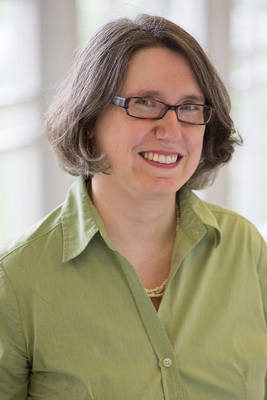
Andrea Megela Simmons is a Professor at Brown University in the Department of Cognitive, Linguistic, and Psychological Sciences with a secondary appointment in the Department of Neuroscience . She is a member of the Carney Institute for Brain Science and serves as a Principal Investigator on an ONR MURI project. Education : A.B. from the University of Pennsylvania (1973), Ph.D. from Harvard University (1978), Postdoctoral research at Cornell University Simmons specializes in cognitive and neural mechanisms of sound perception and communication across species including frogs, bats, dolphins, and humans. Her work bridges behavioral neuroscience, comparative neurology, and developmental studies to explore auditory processing, echolocation, and sensory integration. Her recent publications highlight interdisciplinary trends in auditory neuroscience, focusing on sound exposure effects, metamorphic neurodevelopment, and sensory-motor coordination in cluttered environments. Key subfields include echolocation, lateral line function, tectal connectivity, and acoustic adaptation across species. Scientific Awards : Fellow, Acoustical Society of America Simmons has received grants from the Office of Naval Research (ONR) for MURI projects and has taught courses such as Animal Behavior , Evolution and Development of the Brain , and Auditory Perception Laboratory .
Gregory Keller is the Dean of the School of Science and Health and Professor of Biology at Gordon College. He holds a Ph.D. in Ecology with a Conservation Biology emphasis from The Pennsylvania State University, an M.A. from The College of William and Mary, and a B.S. from Alma College. He joined Gordon College in 2007 after serving as an Assistant Professor of Wildlife Ecology at Eastern New Mexico University. B.S.: Alma College M.A.: The College of William and Mary Ph.D.: The Pennsylvania State University (Ecology with Conservation Biology Emphasis) Dr. Keller's research centers on conservation biology, habitat use, and the effects of human-altered landscapes on wildlife, particularly birds and small mammals. His work spans multiple ecosystems in Belize, Massachusetts, New Hampshire, and Iceland. He employs Geographic Information Systems (GIS) and field studies to analyze migratory bird behavior, forest fragmentation, climate change impacts, and Lyme disease vectors. His research integrates landscape ecology with practical conservation strategies. His recent scholarly and public writings, such as 'Denizens of the Autumn Air' and 'Corridors of Abundance,' reflect a strong commitment to science communication and ecological awareness. These works, along with news features on his fieldwork, highlight his role in mentoring students and advancing conservation science. Fulbright Scholarship recipient Dr. Keller actively involves undergraduate students in research, guiding projects on warbler ecology, bat habitat use, sea ducks, and shorebird distribution. He teaches key courses including Conservation Biology, Landscape Ecology & GIS, Environmental Science, and Field Ornithology. His lab focuses on field-based ecological studies in human-dominated landscapes, with ongoing collaborations in international and local ecosystems.
Nicole C. Riddle is a Professor and Associate Chair for Research and Facilities in the Department of Biology at the University of Alabama at Birmingham (UAB). She holds a B.S. in Biology from the University of Missouri Columbia and a Ph.D. in Evolutionary and Population Biology from Washington University in St. Louis. Her research focuses on epigenetics and chromatin dynamics, particularly in the context of aging and sex differences using Drosophila melanogaster as a model system. Dr. Riddle's work explores how epigenetic mechanisms influence lifespan, genome stability, and phenotypic variation. She has pioneered the use of Drosophila to study exercise-induced physiological changes and their genetic underpinnings. Her lab investigates the roles of HP1 proteins in transcriptional regulation and chromatin organization, with recent studies emphasizing cross-species comparisons of aging mechanisms. Her research has been supported by grants including the BII: IISAGE project on sex-specific aging mechanisms. Notable contributions include developing novel tools like the Rotating Exercise Quantification System (REQS) to measure Drosophila activity levels. Dr. Riddle actively mentors students and postdoctoral researchers, inviting inquiries via riddlenc@uab.edu to join her lab.
Philippe Christe is an Associate Professor in the Department of Ecology and Evolution at the University of Lausanne (UNIL), Faculty of Biology and Medicine. His research centers on host-parasite interactions, with a focus on bats, birds, and their ectoparasites, integrating behavioral, physiological, and genetic approaches. He leads the Christe Group, which investigates evolutionary and ecological dynamics in host-parasite systems, particularly avian malaria and bat-mite relationships. He is actively involved in conservation initiatives, including the Jorat Peri-Urban Nature Park, and collaborates with KORA on human-wildlife interactions. Bachelor's degree in biology, UNIL (1989) PhD in Zoology and Animal Ecology, UNIL (1994) Philippe Christe’s research interests lie at the intersection of parasitology, evolutionary ecology, and conservation biology. He investigates how host defenses evolve in response to parasitic pressures, examining trade-offs between immunity and life history traits such as reproduction and survival. His work often integrates field studies with experimental and molecular techniques. Key model systems include Parus major (great tit) and Culex pipiens in avian malaria, and bat species with their ectoparasitic mites. He also explores broader ecological interactions, including predator-prey dynamics and wildlife conservation in human-modified landscapes. His recent publications reflect a strong emphasis on disease ecology, wildlife conservation, and molecular methods. Articles span topics such as avian malaria transmission, lynx population dynamics, snow leopard behavior, and habitat fragmentation effects on insects. These works employ advanced techniques like DNA metabarcoding, spatial modeling, and long-term monitoring, demonstrating a trend toward interdisciplinary, data-driven ecological research with direct conservation applications. Dubois Foundation Prize for an educational CD-Rom on bats (2004) Communication Award from the Faculty of Biology and Medicine of UNIL (2017) Philippe Christe has supervised numerous PhD and Master’s students, contributing significantly to training the next generation of ecologists and evolutionary biologists. His group collaborates widely with institutions such as the Museum of Zoology in Lausanne and KORA, and participates in large-scale conservation projects involving snow leopards, lynx, and bats. He has been involved in research grants related to host-parasite coevolution, wildlife monitoring, and conservation strategies. His leadership in establishing the Jorat Peri-Urban Nature Park and involvement in the UNIL Interdisciplinary Center for Mountain Research highlight his commitment to applied science and environmental stewardship. He leads the Christe Group, which conducts research on host-parasite coevolution, with a focus on bats and their ectoparasites, and birds affected by avian malaria. The group combines fieldwork, laboratory experiments, and molecular analyses, and includes post-docs, PhD students, and technical staff. Collaborations extend to researchers in Bern, Paris, and Spain, fostering an international and interdisciplinary research environment.
Duncan Wilson is a Professor of Connected Environments at the Bartlett Centre for Advanced Spatial Analysis (CASA) at University College London. His work bridges academia and industry, focusing on IoT, AI, and spatial analysis to enhance understanding of built and natural environments. Current role: Professor of Connected Environments at UCL Education: PhD in Artificial Intelligence and Machine Vision (UCL, 1997), BEng (Hons) in Electrical Engineering (Loughborough University, 1993) Research interests include: Cognitive computing at the network edge Extraordinary sensory systems for data capture Spatial reasoning and digital twins IoT for healthcare and biodiversity Edge AI and TinyML Recent articles span digital twin development , IoT for biodiversity monitoring , and smart healthcare infrastructure . He has received recognition for collaborative R&D approaches during his directorship at Intel's Sustainable Connected Cities institute. Teaching: Leads MSc Connected Environments and modules on IoT ethics, AI on microcontrollers, and sensor network deployment Projects: IoT Living Lab at UCL, Project Hercules for eye clinic analytics, and Shazam for Bats environmental monitoring Professional activities: Former Director of Intel Collaborative Research Institute (2012-2018), ex-member of Smart London Board (2017-2022)
Robert Barclay is a Professor Emeritus in the Department of Biological Sciences at the University of Calgary, Faculty of Science. He holds a PhD (Carleton University, 1981), MSc (Carleton University, 1978), and BSc (Trent University, 1976). His research focuses on the behavioral and physiological ecology of mammals and birds, particularly bats, investigating roosting behavior, thermoregulation, and responses to environmental disturbances like wind energy, urbanization, and wildfires. He has contributed to understanding bat migration, torpor physiology, and conservation challenges. Key awards include the Order of the University of Calgary (2024), Faculty of Science Excellence in Research Award (2021), and multiple teaching awards. His work spans bat-habitat interactions, climate impacts, and wildlife management. Retired since 2021, he no longer advises students but retains a legacy of influential research and mentorship. Education: PhD Biological Sciences, Carleton University, 1981 MSc Biological Sciences, Carleton University, 1978 BSc Biological Sciences, Trent University, 1976 Research highlights include studies on bat responses to wind turbines, urbanization effects on prairie bats, and Yukon bat ecology. His publications address topics like bat diet, roost selection, and population dynamics. Collaborative projects include investigating bat fatalities at wind facilities and the impact of forest disturbances on bat communities.
Katrine Eldegard is a Professor at the Norwegian University of Life Sciences (NMBU), Faculty of Environmental Sciences and Natural Resource Management (MINA), Department of Ecology and Natural Resource Management (INA). She leads BatLab Norway and contributes extensively to national and international conservation science policy. Institution: Norwegian University of Life Sciences School: Faculty of Environmental Sciences and Natural Resource Management Department: Department of Ecology and Natural Resource Management Position: Professor Her research centers on understanding how human activities and land use affect natural ecosystems and species across taxa and spatial scales. She specializes in the behavioral, population, and community-level responses of mammals, birds, and insects to anthropogenic pressures such as energy infrastructure, transport networks, and forestry. A major focus is on bat ecology and conservation, pollination dynamics, and biodiversity monitoring in boreal and agricultural landscapes. Her recent publications reveal strong trends in climate change impacts on bat morphology and distribution, pollinator-plant interactions under environmental change, and the ecological consequences of infrastructure development. These works integrate field ecology with advanced modeling and policy-relevant assessments. She has played leading roles in key scientific committees: Chair, Mammal Committee, Norwegian Red List for Species (2021) Chair, Mammal Committee, Norwegian Alien Species List (2023) Member, Norwegian Scientific Committee for Food and Environment (VKM), CITES Expert Panel Norway’s representative, UNEP/Eurobats Advisory Committee Eldegard has supervised numerous research projects and collaborated with government agencies and private partners on applied ecology. She teaches courses including NATF200 Vern og forvaltning av norsk natur and the upcoming NATF300 Conservation Science. Her work is supported by extensive fieldwork, interdisciplinary collaboration, and integration of ecological theory with practical conservation. She leads BatLab Norway, a research group dedicated to advancing knowledge on bat ecology, behavior, and conservation through innovative methods including telemetry, acoustic monitoring, and landscape analysis.
Prof. Dr. Florian Jeltsch leads the Plant Ecology and Nature Conservation research group at the Institute of Biology and Biochemistry, University of Potsdam. His work spans multiple ecological domains with a focus on understanding biodiversity patterns and processes in changing environments. His research group investigates community ecology across various landscapes including grasslands, agricultural systems, and drylands. Dr. Jeltsch's research interests encompass Community Ecology of Grasslands and Agricultural Landscapes, Community Ecology of Drylands, Biodiversity in Heterogeneous Environments, Movement Ecology and Biodiversity Dynamics, and Applied Regional Conservation. His work integrates theoretical and empirical approaches to address pressing ecological questions related to global change. He has been instrumental in developing and applying individual-based models to understand complex ecological systems. Analysis of Dr. Jeltsch's recent publications reveals a strong focus on individual-based ecological modeling, movement ecology, and the impacts of landscape heterogeneity on biodiversity. His work spans from theoretical foundations to practical conservation applications, with particular emphasis on savanna ecosystems, habitat fragmentation effects, and climate change impacts. The research demonstrates integration of multiple scales from individual energetics to community dynamics. Dr. Jeltsch has mentored numerous doctoral students and postdoctoral researchers who have gone on to establish their own research careers. His group has been involved in multiple collaborative projects including BioHet, GrassYear, BioMove, and ORYCS, addressing biodiversity conservation in heterogeneous environments. The Plant Ecology and Nature Conservation group maintains active research stations including the Gülpe Research Station, providing field-based research opportunities. The group's work bridges theoretical ecology with practical conservation applications, particularly in the context of global environmental change.
Florian Muijres is an Associate Professor and Chairholder at the Experimental Zoology Group, Wageningen University & Research, where he leads the Animal Flight Lab. His research focuses on the biomechanics, aerodynamics, and flight control of natural flyers such as insects, birds, and bats, with applications in bio-inspired robotics and ecological solutions like mosquito traps and flapping-wing drones. He holds a PhD from Lund University (Sweden) and conducted postdoctoral research at the Dickinson Lab, University of Washington (USA). Research Interests: Merging experimental and computational methods, his work explores primary research on flight mechanics (e.g., mosquito evasion, butterfly gliding) and applied studies (e.g., drone design, pollinator behavior in greenhouses). His lab uses advanced videography and robotic models to study flight dynamics under real-world conditions. Labs & Teams: The Animal Flight Lab collaborates with biologists, physicists, and engineers to investigate flight adaptations in mosquitoes, bumblebees, and pied flycatchers. Projects include developing high-efficiency traps and analyzing flight performance in complex environments.
Navid Bayati is an Associate Professor at the University of Southern Denmark, affiliated with the Institute of Mechanical and Electrical Engineering and the Centre for Industrial Electronics. He leads the Control and Protection of Smart Grids (CAP-SG) group and focuses on renewable/hybrid power systems, microgrid protection, and grid code compliance. Education: Ph.D. in Power Systems & Microgrid Protection (2020, Aalborg University); M.Sc. in Power Systems (2017, Amirkabir University of Technology) His research spans renewable energy integration , transient analysis , grid interconnection , and digital twin applications . Recent work includes machine learning for carbon emission prediction, fault localization in DC microgrids, and supercapacitor resilience in hybrid systems. Collaborations include projects like IEA Wind Task 50 and RePoSys , addressing grid renovation, life cycle assessment, and digital twin resilience. His teaching portfolio covers power electronics , energy management , and microgrid control .