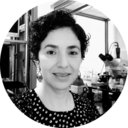
Dr. Christine Gee is a neuroscience researcher at the University Medical Center Hamburg-Eppendorf, affiliated with the Institute of Synaptic Neuroscience. She conducts cutting-edge research on synaptic plasticity mechanisms, memory formation processes, and neuroinflammatory conditions with a particular focus on astrocyte function in neurological disorders. Her research spans multiple domains within neuroscience, with emphasis on: The molecular mechanisms underlying synaptic strength and stability Role of cAMP and cGMP signaling pathways in neural function Application of optogenetic techniques to study neural circuits Investigation of astrocyte involvement in neuroinflammatory conditions like multiple sclerosis Development of novel imaging and computational approaches for neural analysis Dr. Gee's publication record demonstrates consistent contributions to understanding synaptic plasticity mechanisms, with recent work focusing on the interplay between structural changes at synapses and functional neural outcomes. Her research employs sophisticated techniques including optogenetics, advanced microscopy, and molecular approaches to unravel complex neural processes. She has been principal investigator on several significant research projects: FG 2419: GE 2762/1-1 (2016-2022): Investigating synaptic plasticity consequences for network stability FG 2419: GE 2762/3-2 (2019-2021): Further exploration of synaptic plasticity mechanisms SFB 1328 A07 (2018-2022): Studying astrocytic cAMP signaling in neuronal inflammation Her work bridges basic neuroscience with potential clinical applications, particularly in understanding neuroinflammatory conditions and developing novel approaches for neurological disorders.
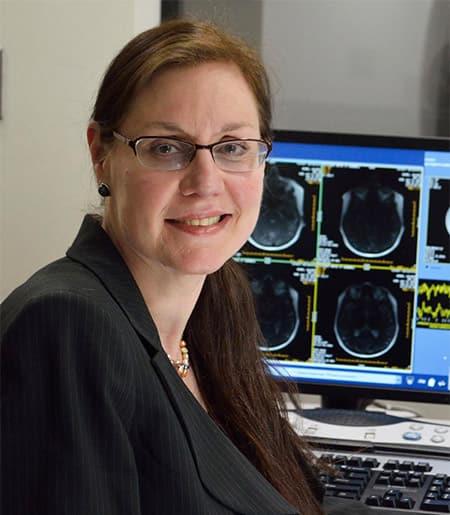
Raquel Gil-Gouveia is an active Research Fellow at the Center for Interdisciplinary Research in Health (CIIS) within the School of Health Sciences at Universidade Católica Portuguesa, holding an external position at Hospital da Luz. Her work focuses on migraine pathophysiology and headache management, with significant contributions to national and international consensus guidelines. Her research interests center on migraine neurobiology, particularly investigating peri-ictal brain changes, white matter microstructure alterations, and cognitive function preservation during attacks. Key areas include calcitonin gene-related peptide mechanisms , monoclonal antibody therapies , and working memory dynamics in headache disorders, leveraging advanced neuroimaging techniques to understand pain perception. Analysis of her recent publications reveals three dominant research trajectories: (1) neuroimaging studies on migraine pathophysiology using fMRI and diffusion tensor imaging, (2) development of national clinical guidelines for headache management in Portugal, and (3) leadership in global headache advocacy through the European Headache Federation and Lifting The Burden campaign. Her work consistently bridges basic neuroscience with clinical implementation. Key projects: BBH: The Bayesian Brain Hypothesis and pain perception in migraine (2022-2023) Collaborations: Extensive international networks across 15+ countries, with high-impact partnerships in headache epidemiology and treatment guidelines development.
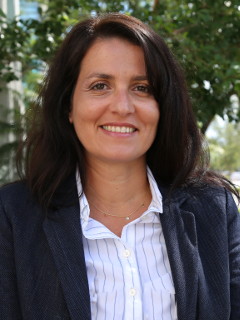
Francisco Jose Esmoris Arranz is a university professor affiliated with the Faculty of Psychology at the University of Santiago de Compostela , specializing in the Department of Social, Basic and Methodological Psychology . Education Doctorate in Psychology (1996) from the University of Santiago de Compostela, with a thesis on the ontogeny of stimulus selection in classical conditioning and fear response mechanisms. Research Interests His work focuses on behavioral psychology, classical conditioning, fear response dynamics, and the role of context extinction in cognitive and emotional processes. Additional interests include learning and memory mechanisms, neuroscience, and animal behavior.
Jaime Mauro Redondo Lago is a University Professor at the Department of Social, Basic and Methodological Psychology within the Faculty of Psychology at the University of A Coruña. His work focuses on cognitive processes, behavioral neuroscience, and psychophysiological mechanisms in learning and memory. Doctorate: Thesis on associative bases of electro-dermal response in human conditioning (2000). Research interests include psychological conditioning, experimental psychology, and cognitive-behavioral interactions. He collaborates within the Behavioral Cognition research group, emphasizing empirical studies of cognitive processes and behavior.
Dr. Fabrice Parmentier is a Full Professor in the Department of Psychology at the University of the Balearic Islands (UIB), Spain. He is based in the Basic Psychology area and is an active member of the Neuropsychology and Cognition (Neurocog) research group and the Bilingualism and Spanish Language Acquisition (BASLA) group. His work is affiliated with the University's Research Institute for Health Sciences (iUNICS) and the Instituto de Investigación Sanitaria de Palma (IdISPa). His research focuses on the cognitive mechanisms underlying attention, memory, and executive functions. He investigates how these processes are affected by unexpected auditory stimuli, emotional states, physical activity, mindfulness, and neurological conditions. His methodological approach integrates controlled laboratory experiments with neuropsychological assessments across the lifespan. The recent publications highlight a strong trend in auditory distraction, particularly how unexpected sounds disrupt eye movements, inhibit motor responses, and influence cognitive control. These studies fall within experimental cognitive psychology and cognitive neuroscience, with implications for understanding attentional disorders, human factors, and real-world performance in complex environments. Herramientas para el diagnóstico temprano de la demencia y cómo afectan los estilos de vida y el bilingüismo en los primeros síntomas (IdISPa, 2015–2018) La actividad física como factor protector del envejecimiento cognitivo (Spanish Ministry of Science and Innovation, 2011–2014) Toward a more integrative understanding of distraction by unexpected sounds (Spanish Ministry of Economy and Competitiveness, 2015–2018) A study of the relationship between mindfulness, distraction and brain stimulation (Bial Foundation, 2015–2017) An empirical study of behavioral distraction by auditory novelty (Spanish Ministry of Science and Innovation, 2010–2013) Warning! Investigating what auditory alarms affect attention and performance in complex settings (Swedish Council for Working Life and Social Research, 2012–2016) Dr. Parmentier supervises master's theses and research training in the Master's Degree in Human Cognition and Evolution and the Master's Degree in Cognition and Society. He teaches undergraduate courses such as Perception and Attention and mentors undergraduate involvement in research. He is actively involved in securing external funding and fostering interdisciplinary collaboration. He is a core member of the Neurocog research group, which emphasizes experimental approaches to cognition and welcomes PhD candidates and postdoctoral researchers. The lab promotes a collaborative and enthusiastic environment for cognitive research and encourages student participation in ongoing projects.
Maria Jose Soler Boada is a Titular Professor at the Universitat de València, specializing in Basic Psychology . She is affiliated with the research groups: TMEIC : Psychological assessment and intervention in cognition in mental disorders UIPD : Sport Psychology Research Group Her research focuses on cognitive processes, memory retrieval, and psychological well-being in adolescents. She holds two doctoral degrees: Universitat de València (1986) : Thesis on memory search and reaction time effects Universidad de Flores (2016) : Thesis on courage and psychological well-being in adolescents
Sanja Zambelli is an Assistant Professor and Senior Lecturer at Rijeka University of Applied Sciences. She specializes in Quality Management Systems, Supply Chain Management, and Occupational Health and Safety. Her teaching portfolio includes courses such as Integrated Quality Management Systems, Marketing Basics, and Quality Management in Road and Railway Transport. Dr. Zambelli holds a PhD and is actively involved in research, with a focus on applying quality management principles across public administration, logistics, and education sectors. Her research explores themes like ISO 45001 compliance, human resource optimization in project management, and the impact of mobility on logistics quality. She has published extensively since 2014, addressing topics ranging from knowledge management systems in organizations to comparative analyses of certified and non-certified Croatian foreign trade enterprises. No scientific awards are listed for Dr. Zambelli. She maintains office hours on Tuesdays and Thursdays for student consultations and can be reached via email at sanja.zambelli@veleri.hr .
Christoph Grabmer is a Senior Consultant at the University Institute for Transfusion Medicine, Paracelsus Medical University. His work focuses on virology, immunology, and transfusion medicine with a strong emphasis on SARS-CoV-2 research, including antibody persistence, reinfection dynamics, and blood donor surveillance. He has organized multiple conferences such as the Apheresis Symposium St. Gilgen and serves on committees like the Austrian Society for Blood Group Serology and Transfusion Medicine. His research integrates clinical and epidemiological approaches to address infectious disease challenges, particularly related to pandemic response and healthcare technology innovation. Contact: christoph.grabmer@stud.pmu.ac.at Education: Not explicitly listed in text Research Interests: SARS-CoV-2 pathogenesis, reinfection mechanisms, transfusion safety, and medical device optimization Recent activities include evaluating photopheresis systems and investigating health literacy impacts on infection risks. His work bridges basic science with clinical applications, emphasizing translational outcomes.
Professor Simon Killcross (BA, MA, PhD, FRSN, FASSA) is the Head of the School of Psychology at the University of New South Wales (UNSW). After completing his doctorate at the University of Cambridge, he held research and academic positions at Magdalene College (Cambridge), University of York, and Cardiff University, where he was promoted to Professor and served as Deputy Head of School (2006–2009) before moving to UNSW. His research focuses on brain mechanisms underlying learning, cognition, and executive function, particularly in relation to fronto-striatal systems, addiction, and psychiatric disorders like schizophrenia. Education: PhD from University of Cambridge (Cantab) Affiliations: UNSW Sydney, School of Psychology; previously at Cardiff University and University of York Killcross employs associative learning theory and behavioral neuroscience to investigate neural substrates of executive control, decision making, and habit formation. His work bridges basic science and translational applications, targeting dopamine systems, amygdala, and prefrontal cortex in rodent models. Recent studies explore how maternal immune activation, diet, and neuroinflammation affect cognition, with implications for dementia risk reduction and addiction treatment. Key published work includes 15 recent articles (2018–2025) on topics like: Neural circuits regulating fear and sensory memory integration Dopamine receptor roles in neutral-valence learning Sex-specific behavioral alterations post-immune activation Contextual control of habitual behavior Orbitofrontal and prefrontal cortex in model-based vs. model-free learning Scientific Awards: Fellow of the Royal Society of NSW (2020) Vice-Chancellor’s Award for Teaching Excellence (2017) Spearman Medal (1999) and Young Psychopharmacologist Prize (1997) Supervision & Grants: Supervised 8 PhD/Honours students (2012–2023). Secured 11 major grants (2004–2022), including NHMRC and ARC funding for projects on neuroinflammation in cognition, neural substrates of fear, and behavioral interventions for addiction and psychiatric disorders.
Dima Amso is a Professor of Psychology at Columbia University and currently serves as Vice Provost for Faculty Advancement. She holds a BS from Tufts University, a PhD from New York University (2005), and has held faculty positions at Weil Medical College of Cornell University, Brown University (2010–2020), and Columbia University (2020–present). Her research focuses on brain and cognitive development in infancy, particularly how environmental variables shape developmental trajectories. She leads the Developmental Cognitive Neuroscience Lab and has authored over 100 papers, funded by institutions like the National Institutes of Health and the Simons Foundation. Her research interests include neurodevelopmental mechanisms, the impact of socioeconomic factors, and interventions to promote resilience. Notable awards include the James S. McDonnell Scholar Award and Fellow of the American Psychological Society. In her administrative role, she oversees faculty development initiatives, policy committees, and maintains active research and teaching commitments. Her work bridges basic science and applied contexts, addressing global health disparities through studies in South Africa, Malawi, and Jordan. Recent studies explore pandemic impacts on neurodevelopment, caregiver influence on learning, and microbial metabolism interactions with visual systems. She advocates for inclusive methodologies and cross-cultural research to advance developmental neuroscience.
Jonas Persson is a Professor at the Department of Behavioral, Social and Legal Sciences, School of Behavioural, Social and Legal Sciences, Örebro University. He leads research in cognitive neuroscience with a focus on aging, working memory, and brain plasticity. His work includes studies on developmental dyslexia, probiotics' neural effects, and the interplay between insomnia, pain, and mood in adolescents. Persson is affiliated with the LEADER Center for Lifespan Developmental Research and contributes to projects like the IDA program on brain aging mechanisms. Research environments: LEADER Center, Cognitive Medicine Biomarkers group Key projects: Probiotic efficacy on brain function, predictors of cognitive aging, implicit sequence learning in dyslexia His research integrates neuroimaging (fMRI, MRI), genetics, and behavioral studies to explore age-related cognitive changes. Recent findings highlight hippocampal GABA/glutamate roles in working memory and structural brain changes linked to probiotic interventions. Persson collaborates internationally across psychology, neuroscience, and clinical domains. Publications emphasize longitudinal studies on memory mechanisms, neural correlates of interference control, and the impact of iron deposition on aging brains. His work bridges basic research and clinical applications, particularly in aging populations and neurodevelopmental disorders.
Dr. Mariana Vargas-Caballero is an Associate Professor of Neuroscience at the University of Southampton, Faculty of Natural and Environmental Sciences, Department of Biological Sciences. She has been at the University of Southampton since 2012, progressing from Research Career Track Lecturer to Lecturer in Neuroscience (2017-2022), and currently serving as Associate Professor since 2022. Her research is centered at the intersection of basic neuroscience and clinical applications for neurodegenerative diseases. Her academic qualifications include: PhD in Neuroscience (2005), Department of Physiology, University of Cambridge, UK MPhil in Biological Sciences (2001), Department of Physiology, University of Cambridge, UK BSc in Biology, Honours (1999), Universidad Autonoma del Estado de Mexico (UAEM), Mexico Dr. Vargas-Caballero's research focuses on understanding neuronal communication in the brain and how it is affected in neurological disease, particularly Alzheimer's disease and other neurodegenerative conditions. Her laboratory investigates synaptic dysfunction, tau protein pathology, neuroinflammation, and the mechanisms underlying cognitive decline. She employs electrophysiological techniques, molecular biology approaches, and human tissue models to investigate how amyloid beta and tau proteins contribute to synaptic failure in early Alzheimer's disease. Her work has established that tau protein is required for amyloid beta-mediated synaptic dysfunction, a critical finding in understanding Alzheimer's disease mechanisms. Analysis of her recent publications reveals a clear research trajectory focusing on tau protein propagation mechanisms, microglial involvement in neurodegeneration, and synaptic changes in Alzheimer's disease. Her work has evolved from basic synaptic physiology to complex models of human neurodegenerative disease, with increasing emphasis on translational approaches for potential therapies. Notably, she has developed innovative methods including microfluidic neuronal culture systems to study tau pathology propagation between individual neurons. Dr. Vargas-Caballero has received notable recognition: Ion Channels and Disease Initiative (OXION) Training Fellowship (2008-2012), Wellcome Trust, University of Oxford International Research Fellowship (2004-2007), Wellcome Trust, UK She actively supervises PhD students and has secured substantial research funding from major organizations including the Medical Research Council, Alzheimer's Research UK, Wessex Medical Research, and Rosetrees Trust. Her research group investigates mechanisms of synapse loss in Alzheimer's disease and develops novel approaches to study tau pathology propagation. She has led multiple projects including 'Brain Biolink' (MRC-funded), 'Uncovering the epigenetic mechanisms shaping the brain after early life adversity,' and several Alzheimer's Research UK projects investigating tau protein mechanisms. Dr. Vargas-Caballero is a member of several research groups including the Precision Biosciences Innovation Hub, Neuroscience Institute for Life Sciences, and the Interdisciplinary Dementia and Ageing Centre. Her laboratory employs advanced techniques including electrophysiology, microfluidic neuronal culture systems, and human tissue models to study neurodegenerative processes. She has established collaborations with multiple institutions and researchers worldwide, contributing to her extensive publication record of over 50 papers with significant citations.
Andreana P Haley is a Professor of Psychology at the University of Texas at Austin's College of Liberal Arts, Department of Psychology. She holds a Ph.D. in Clinical Psychology from the University of Virginia and has been at UT Austin since 2007. Her research focuses on aging, cognition, and neurobiology, particularly examining obesity-related brain vulnerability and interventions like transcranial laser stimulation. She directs the Clinical Neuroscience Lab, which explores early indicators of brain vulnerability and mechanisms underlying cognitive decline. Haley has taught courses in Statistics and Neuropsychology, served as Undergraduate Faculty Advisor, and contributed to interdisciplinary collaborations. Her work bridges clinical and basic neuroscience, emphasizing translational research to improve cognitive health in at-risk populations. Over 75+ publications span neuroimaging, metabolic syndrome effects, and cognitive neuroscience, with recent focus on midlife obesity’s neurobiological impacts.
Valerie Reyna is the Lois and Melvin Tukman Professor of Psychology at Cornell University, affiliated with the College of Arts and Sciences. Her research focuses on dual processes in memory and decision-making, particularly through fuzzy-trace theory, which examines how gist and verbatim information influence judgments. She explores these processes in contexts like law, healthcare, and neuroscience, addressing topics such as risky decision-making, false memory, and developmental neuroscience. Her work integrates cognitive, developmental, and social neuroscience perspectives to explain how people process information across the lifespan. Key areas include understanding age-related changes in decision-making, the impact of cognitive biases in legal and medical settings, and the mechanisms behind misinformation susceptibility. Recent publications highlight applications of fuzzy-trace theory to pandemic behavior, legal decision-making, and health communication. She has contributed to theories explaining developmental reversals in memory and reasoning, and her work bridges basic science with practical interventions to improve patient communication, jury deliberation, and public health outcomes. Reyna holds leadership roles in interdisciplinary research and has collaborated on projects involving AI applications to predict health decisions and mitigate misinformation. Her research emphasizes the importance of meaningful communication strategies to enhance comprehension and decision quality in complex domains.
Ekaterina Denkova, Ph.D. is a Research Assistant Professor and Assistant Director of the Neuroimaging Facility at the University of Miami's Department of Psychology within the College of Arts and Sciences. Her work focuses on cognitive neuroscience, particularly attention, working memory, and the neural mechanisms underlying mind-wandering. She employs techniques like fMRI and EEG to investigate how attentional control influences information processing and emotional regulation. Her research lab explores the neural bases of attention, the effects of mindfulness training on cognition, and applications in high-demand settings like military and corporate environments. Key projects include understanding the vigilance decrement and how mindfulness interventions mitigate attentional lapses. Denkova has co-authored over 40 peer-reviewed articles, with notable contributions to meta-analytic reviews of mind-wandering dynamics and the impact of mindfulness in applied contexts. Her work bridges basic cognitive neuroscience with practical applications, aiming to enhance resilience and cognitive performance in diverse populations. She directs the Neuroimaging Facility, overseeing state-of-the-art neuroimaging resources for collaborative research. Her email is exn67@miami.edu , and she collaborates with teams in psychology, neuroscience, and applied behavioral science.