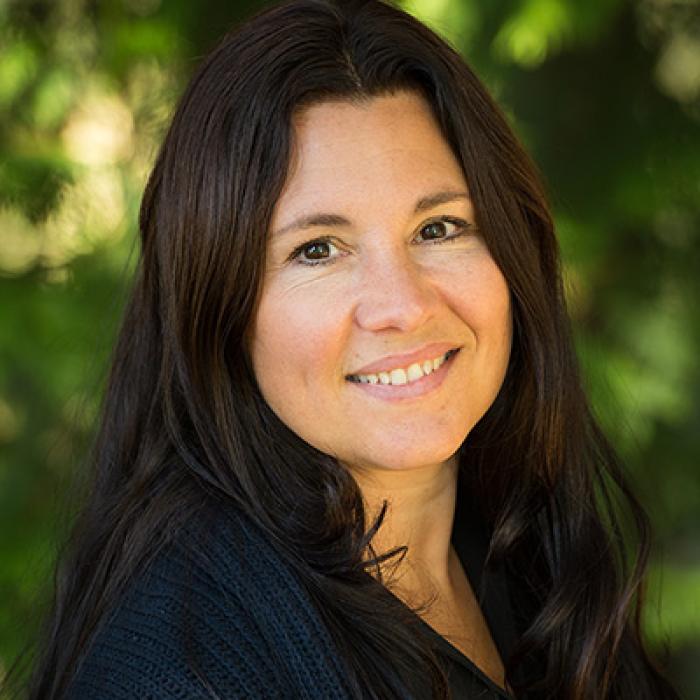
Rasna Sabharwal, PhD is an Assistant Professor at the University of Iowa in the Department of Cardiovascular Medicine and Department of Neuroscience and Pharmacology. Her research focuses on neurohumoral control of circulation in diseases like cardiomyopathy, heart failure, hypertension, Alzheimer’s disease, and amyotrophic lateral sclerosis (ALS), utilizing integrative physiological approaches in genetically modified mice. Education: PhD in Physiology (University of Birmingham, UK); Research Fellow in Internal Medicine (University of Iowa) Affiliations: Biomedical Science (Molecular Medicine), Neuroscience Graduate Program; Cardiovascular Research Center, Fraternal Order of Eagles Diabetes Research Center, Iowa Neuroscience Institute Her laboratory combines in vivo techniques (radiotelemetry, optogenetics, microdialysis) with molecular methods (siRNA, RNAseq) to study the renin-angiotensin system, sympathetic nervous system, and hypothalamic-pituitary-adrenal axis. Recent work includes Alzheimer’s disease models , sex-based differences in autonomic regulation , and microparticle-based therapies for muscular dystrophy. She has received training grants from the National Institutes of Health and collaborates with the Pain Research Program.
Stephen Abbott is an Assistant Professor in the Department of Pharmacology at the University of Virginia, where he leads research on neural mechanisms governing cardiovascular and respiratory control. His work integrates neuroanatomy, physiology, and disease modeling to investigate autonomic nervous system functions critical for homeostasis. Dr. Abbott's research focuses on Cardiovascular Biology and Neuroscience, specifically examining how neural networks regulate breathing and blood flow across physiological states. His laboratory investigates breakdowns in cardiorespiratory homeostasis that underlie conditions like neurogenic hypertension and Parkinson's disease, utilizing animal models of disease including intermittent hypoxia and diet-induced obesity. Key neural structures studied include the retrotrapezoid nucleus, median preoptic nucleus, and carotid body. Analysis of his 15 most recent publications (2009-2018) reveals consistent emphasis on neural circuitry for autonomic control. His work demonstrates how specific brain regions (e.g., rostral ventrolateral medulla, supramammillary nucleus) modulate breathing, blood pressure, and thermoregulation through glutamatergic signaling and chemoreceptive mechanisms. Methodologically, his research combines optogenetics, physiological recordings, and targeted lesions to dissect pathways involved in CO 2 sensing, arousal, and stress responses. Dr. Abbott directs a laboratory dedicated to understanding neural basis of cardiorespiratory homeostasis, employing transgenic models and advanced physiological techniques to explore how sensory feedback from the body is processed by the brain to maintain oxygen delivery and CO 2 removal during challenges like exercise, stress, and disease states.
Joseph P. Mathew is the Jerry Reves, M.D. Distinguished Professor of Cardiac Anesthesiology at Duke University School of Medicine, where he also serves as Professor of Anesthesiology and Core Faculty in Innovation & Entrepreneurship. His research focuses on postoperative neurocognitive disorders, brain-heart-immune axis interactions, and sleep apnea implications in surgical patients. Education: MD (University of Texas, 1986), MHS (Duke, 2008), MBA (UMass, 2013) Key Research Areas: Functional connectivity analysis, beta-amyloid deposition, and genetic influences on surgical outcomes Current investigations include: White matter patency and fMRI correlations post-cardiac surgery Genotype-outcome associations in cardiovascular procedures Pharmacological interventions (lidocaine) for neurocognitive preservation Recent grants from NIH and NIA support his work on atrial fibrillation, blood-brain barrier breakdown, and aging-related surgical complications. His publications across Anesthesiology , British Journal of Anaesthesia , and JTCVS Tech demonstrate multidisciplinary approaches integrating neuroimaging, molecular biology, and clinical outcomes.
Paul Michael Macey is a Professor in the Nursing Department at the University of California Los Angeles (UCLA), where he leads a productive research program focused on neuroimaging and autonomic regulation in sleep disorders. His work primarily examines the neurological consequences of obstructive sleep apnea, with particular attention to gender differences and pain processing mechanisms. As Principal Investigator on multiple NIH-funded projects, he has established himself as a significant contributor to sleep medicine research. Sex-specific brain injury and symptoms in sleep apnea (NIH R56NR017435, 2018-2020) GABA and glutamate changes underlying altered autonomic function in obstructive sleep apnea (NIH R01HL135562, 2018-2022) Obstructive Sleep Apnea, Gender Biology, and Autonomic Regulation (NIH R01NR013693, 2013-2019) Gender Differences in Neural Deficits Associated with Obstructive Sleep Apnea (NIH R21NR011230, 2009-2012) Dr. Macey's research interests center on the neurological and physiological impacts of sleep disorders, particularly obstructive sleep apnea. His work employs advanced neuroimaging techniques including ultra-high field MRI to examine brain structure and function. A significant portion of his research investigates sex differences in how sleep apnea affects the brain and autonomic regulation, recognizing that men and women may experience different neurological consequences from the same condition. His recent work has expanded into pain processing mechanisms, migraine research, and the relationship between sleep disorders and cardiovascular function. Analysis of his recent publications reveals a clear progression in methodology, with increasing use of 7-Tesla MRI technology for more precise imaging of brain structures involved in pain processing and autonomic control. His research consistently demonstrates how obstructive sleep apnea alters brain chemistry (particularly GABA and glutamate levels), disrupts functional connectivity networks, and affects autonomic regulation. The gender-specific focus remains prominent across his publications, showing how neurological impacts differ between men and women. Dr. Macey's laboratory has made significant contributions to understanding how sleep apnea affects brain structure, particularly in regions like the insular cortex, hippocampus, and brainstem structures involved in pain modulation. His work has helped establish connections between sleep-disordered breathing and altered pain processing, providing insights that could improve treatment approaches for patients with both sleep disorders and chronic pain conditions. As a mentor and research leader, Dr. Macey has directed numerous NIH-funded projects examining the neurological consequences of sleep disorders. His laboratory regularly publishes high-impact research in top journals across neuroscience, sleep medicine, and neuroimaging fields. His collaborative approach is evident in the diverse author lists on his publications, which include researchers from multiple disciplines and institutions.
Dr. Renato Filogonio is a Research Fellow at the University of Missouri's Santin Lab. He holds a Ph.D. in Biosciences from Aarhus University (Denmark) and a B.S. in Biological Sciences from Pontifical Catholic University of Minas Gerais (Brazil). His research focuses on neurobiological mechanisms underlying homeostatic plasticity in cold-acclimated bullfrogs, particularly examining neuronal function and ion channel dynamics. He explores how environmental stressors like temperature and hypoxia influence cardiovascular and respiratory systems across vertebrates. His work spans reptiles, amphibians, and snakes, investigating baroreflex regulation, autonomic nervous system evolution, and vascular adaptations. Key contributions include studies on nitric oxide roles in snake cardiovascular systems, ontogenetic scaling of baroreflex function in reptiles, and effects of prenatal hypoxia on turtle arterial mechanics. Dr. Filogonio collaborates with the Santin Lab to advance understanding of comparative physiology and evolutionary adaptations in vertebrate systems. No specific grants or advising roles are listed, though his publications reflect interdisciplinary research in animal physiology and neurobiology.
Dr. Anita Coté is an Assistant Professor in the School of Human Kinetics at Trinity Western University (TWU) and holds a Canada Research Chair Tier 2 in Cardiovascular Adaptation to Exercise (2018). She also holds affiliate appointments at the University of British Columbia (UBC) and BC Children’s Hospital Research Institute, as well as an adjunct role at Simon Fraser University. Her research focuses on cardiovascular adaptations to exercise in health and disease, particularly in women and children, emphasizing early-life exercise habits as determinants of long-term cardiovascular health. Dr. Coté earned her PhD in Cardiovascular Physiology from UBC, followed by postdoctoral training in Pediatrics at UBC’s Faculty of Medicine. Her work combines advanced imaging techniques and genetic analyses to study how exercise influences heart and vascular structure/function across developmental stages. Key areas include pediatric heart transplant outcomes, obesity-related cardiovascular dysfunction, and autonomic regulation in athletes. Her research lab, supported by the Canada Foundation for Innovation (CFI), explores mechanisms linking exercise to cardiovascular health disparities between genders. Awards include the Canada Research Chair designation. Dr. Coté has advised students in both basic and clinical research projects and is on sabbatical during the 2024/2025 academic year.
Dr. Masaki Mizuno is an Associate Professor in the Department of Internal Medicine at UT Southwestern Medical Center, specializing in autonomic control of the cardiovascular system. He earned his PhD from Waseda University (2005) and joined UT Southwestern’s faculty in 2011 after postdoctoral training there. His research focuses on mechanisms underlying circulatory control alterations in diabetes and hypertension, particularly insulin resistance’s role in sympathetic nerve activity abnormalities. He holds leadership roles in professional societies, including Fellow status with the American College of Sports Medicine. Research Interests: Dr. Mizuno’s lab investigates central and peripheral mechanisms of autonomic dysregulation in diabetes, hypertension, and Alzheimer’s disease. Key topics include insulin signaling’s effects on muscle afferents, TRPV channels in mechanosensation, and exercise pressor reflex dysfunction in metabolic disorders. His work bridges basic science and clinical implications, emphasizing translational outcomes. Grants: NIH NHLBI R01HL151632 supports his studies on insulin resistance and cardiovascular control during exercise in diabetes. His lab includes postdoctoral fellows (Amane Hori, Ayumi Fukazawa) and collaborators like Dr. Vongpatanasin and Smith. Alumni include Rie Ishizawa (now at National Institute of Fitness and Sports in Kanoya) and Norio Hotta (Chubu University). Labs/Teams: Mizuno Lab at UT Southwestern focuses on cardiovascular autonomic regulation, with ongoing projects on metabolic and neurological influences on sympathetic activity. Recent findings highlight TRPV4 channel roles in mechanotransduction and insulin’s modulation of muscle reflex pathways.
Michael Smith is Professor of Physiology & Anatomy at the University of North Texas Health Science Center. His research investigates neural mechanisms controlling cardiovascular function, particularly regarding sudden cardiac death, syncope, exercise training effects, and links between obstructive sleep apnea and hypertension. Uses measures including muscle sympathetic nerve activity and heart rate variability. Research employs physiological interventions like lower body negative pressure to study autonomic regulation. Current projects examine sympathetic threshold modulation in sleep apnea and oxidative stress contributions to cardiovascular pathology.
Professor Johnny T. Ottesen is affiliated with Roskilde University's Department of Science and Environment Mathematics and Physics (IMFUFA), where he leads the Centre for Mathematical Modeling - Human Health and Disease. His research focuses on applying mathematical modeling to biomedical systems, particularly in hematology, immunology, and physiological processes. He has published extensively on topics including cancer dynamics, inflammation mechanisms, and clinical decision-support systems. Education background includes a PhD in mathematical modeling with a focus on biomedical applications. His work integrates mathematical analysis with clinical data to address challenges in personalized medicine, disease progression modeling, and systems biology. Notable contributions include models for hematopoietic stem cell dynamics, endotoxin-induced inflammation responses, and intracranial pressure regulation. His research outputs (132+ articles) emphasize interdisciplinary approaches, with recent work analyzing myeloproliferative neoplasms, kidney function biomarkers, and immunotherapy optimization. He actively collaborates internationally, organizing conferences like the 12th European Conference on Mathematical and Theoretical Biology and leading the Nordic Biomathematics community. Media engagements highlight his innovative 'mathematical microscope' methodology, which provides novel diagnostic tools for conditions like depression. Despite no listed awards, his work has received attention for bridging clinical and computational sciences through dynamic models predicting treatment outcomes and disease behavior. He has supervised numerous interdisciplinary projects and participates in initiatives like Greater Copenhagen Health Science Partners. His activities span peer review, academic leadership, and public engagement, emphasizing the translation of mathematical insights into clinical practice.
Roberta M. Kato, MD is a Clinical Assistant Professor of Pediatrics at the Keck School of Medicine of the University of Southern California, affiliated with Children's Hospital Los Angeles (CHLA). Her research focuses on pediatric pulmonology, sickle cell disease pathophysiology, autonomic nervous system dysfunction, and respiratory outcomes in critically ill children. She has contributed to studies on vascular responses in sickle cell disease, pulmonary function in congenital heart disease, and sleep disorders in craniofacial anomalies. Her work bridges clinical care and translational research, with a particular emphasis on understanding mechanisms underlying vasoconstriction, oxidative stress, and autonomic dysregulation in chronic pediatric conditions. Notable areas of investigation include the impact of chronic transfusion therapy on vasculopathy in sickle cell disease and the role of thermal and mental stress in exacerbating vascular dysfunction. Dr. Kato collaborates on interdisciplinary projects involving neuroimaging (functional near-infrared spectroscopy), biomechanical modeling of respiratory mechanics, and novel methodologies for assessing pain-related biophysical responses. Her clinical expertise spans neonatal and pediatric critical care, with published studies on ventilator management strategies and infectious disease management in tracheostomy-dependent patients.
Dr. Jaimie Polson is a Lecturer in Physiology at the School of Medical Sciences, University of Sydney. Her research focuses on hypertension pathogenesis, autonomic nervous system regulation, and fetal programming of cardiovascular health. She investigates how maternal diet, gestational stress, and developmental anomalies (e.g., aortic coarctation) influence long-term cardiovascular risk. Her work combines physiological and anatomical techniques in human and rodent models. Key research themes include: Hypertension mechanisms and prevention Role of the brain in blood pressure control Fetal environment impacts on offspring health Exercise-induced cardiovascular responses Recent studies highlight maternal carbohydrate intake effects on neonatal body composition, autonomic dysfunction in programmed hypertension, and cardiorespiratory responses to hypothalamic activation. Publications (2010–2021) span topics like baroreceptor reflex dysfunction, gestational drug exposure impacts, and surgical outcomes for aortic coarctation. Her work bridges basic science and clinical applications in cardiovascular medicine.
Hakan S. Orer is a Professor at Koç University School of Medicine, serving as Chairman of the Ethics Committees (IRB). He holds an MD from Hacettepe University Medical School (1986) and a PhD in Pharmacology from Hacettepe University and the Pitié-Salpêtrière School of Medicine (Paris, 1992). After postdoctoral research at Michigan State University, he joined Hacettepe University’s Pharmacology Department (1995-2012), later becoming Director of Graduate Studies in Allied Health Sciences (2003-2012). His research focuses on brainstem control of blood pressure, preclinical drug development, bioethics, and transgenic mouse models. He is a TUBITAK Junior Scientist Award recipient (1998) and serves on national ethics committees for animal experiments and UNESCO bioethics initiatives. Dr. Orer is a member of the American Physiological Society and Turkish Pharmacological Society. His work explores autonomic nervous system pharmacology, serotonin’s role in cardiovascular regulation, and neurophysiological mechanisms underlying sympathetic nerve activity. Key contributions include studies on rostral ventrolateral medulla (RVLM) pathways and cannabinoid receptor effects on baroreflex responses. He also engages in educational initiatives, including doctoral program evaluations and scientific integrity advocacy. Affiliations: UNESCO Bioethics Expert Committee, TUBITAK Health Sciences Advisory Board Key Research Tools: Transgenic mice, pharmacological assays, electrophysiological recordings Notable Collaborations: Michigan State University (visiting scholar roles) Dr. Orer’s publications span 30+ years, analyzing fractal dynamics in neural activity, cannabinoid effects, and serotonin-mediated cardiovascular responses. His recent work emphasizes ethical research supervision and national scientific performance metrics.
Zyad James Carr, MD, is an Associate Professor of Anesthesiology and Medical Director of the Pre-Surgical Evaluation Clinic at Yale New Haven Hospital. He holds appointments in the Department of Anesthesiology at Yale School of Medicine. His clinical expertise lies in critical care anesthesia and perioperative medicine, focusing on advanced monitoring of vital functions during high-risk surgical procedures. Dr. Carr completed his medical degree at University College Cork (National University of Ireland, 2005), anesthesiology residency at Cooper University Hospital (2010), and a critical care fellowship at Dartmouth Hitchcock Medical Center (2014). He joined Yale in 2020. His research prioritizes identifying and mitigating perioperative complications, particularly in vulnerable populations such as elderly patients and those with pulmonary comorbidities. Key areas include personalized risk assessment, perioperative pulmonary physiology, and the impact of emerging conditions like cannabis use disorder on postoperative outcomes. Dr. Carr has contributed to over 50 peer-reviewed publications and holds multiple awards, including the Junior Faculty Teaching Award (2016) and recognition for patient satisfaction (HCAHPS 99th percentile, 2017). He serves on editorial boards for journals like PLOS ONE and Frontiers in Pharmacology, and chairs committees for the Society of Critical Care Anesthesiologists. His clinical innovations include implementing submaximal cardiopulmonary testing in presurgical evaluations and advancing protocols for perioperative delirium management. Current projects explore AI-enhanced risk prediction models and telehealth integration in preoperative care.
Elisabeth Lambert is a Senior Research Fellow at Swinburne University of Technology, affiliated with the School of Health Science and the Iverson Health Innovation Research Institute. She previously worked at the Baker Heart and Diabetes Institute for 18 years. Her research focuses on cardiovascular and metabolic diseases, particularly the role of the sympathetic nervous system in conditions like hypertension, obesity, type-2 diabetes, and intellectual disability-related cardiometabolic risks. She has published over 220 papers and secured 12 NHMRC grants. Recent achievements include refining techniques for identifying brain areas linked to muscle sympathetic nerve activity and demonstrating links between sympathetic activity and vascular aging in anorexia nervosa patients. Education: PhD from the University of Paris, France. Research Interests: Mechanisms of cardiovascular and metabolic disorders, sympathetic nervous system regulation, clinical applications of neuroimaging (MEG, MRI), and translational research in hypertension and obesity. Key areas include stress-induced cardiovascular responses, renal denervation efficacy, and the impact of loneliness on vascular health. Publications: Recent work highlights brain-sympathetic interactions in stress, long-term outcomes of renal denervation, and the role of microRNAs in metabolic diseases. Articles span neurophysiology, cardiovascular risk factors, and translational clinical studies. Advising & Grants: Supervised 7 PhD students on topics like brain pathways in hypertension, vagus nerve stimulation, and cardiometabolic risks in intellectual disability. NHMRC grants support her research on sympathetic nervous system dysregulation. Labs/Teams: MedTechVic and the Iverson Health Innovation Research Institute, focusing on interdisciplinary health solutions.
Dr. William H. Cooke is a Professor in the Department of Kinesiology and Integrative Physiology at Michigan Technological University , where he investigates autonomic cardiovascular control mechanisms under extreme conditions. PhD in Kinesiology/Exercise Physiology from Texas A&M University MA and BS in Health and Human Performance from University of Houston Research Focus: His work spans autonomic regulation during orthostatic stress, traumatic injury diagnostics, and device development for circulatory monitoring. Key contributions include studies on fasting-induced hypovolemia tolerance, respiratory-autonomic coupling, and nicotine vapor effects on blood pressure. Publication Trends: Over the last decade, his research has emphasized human autonomic responses to simulated hemorrhage ( 2011-2024 ), spaceflight analogs ( 2013-2016 ), and metabolic-cardiovascular interactions ( 2015-2022 ). Labs & Teams: Leads the Integrative Physiology Lab in H-STEM Building #134, collaborating with military researchers on hemorrhage tolerance metrics and clinical physiologists on autonomic dysfunction.