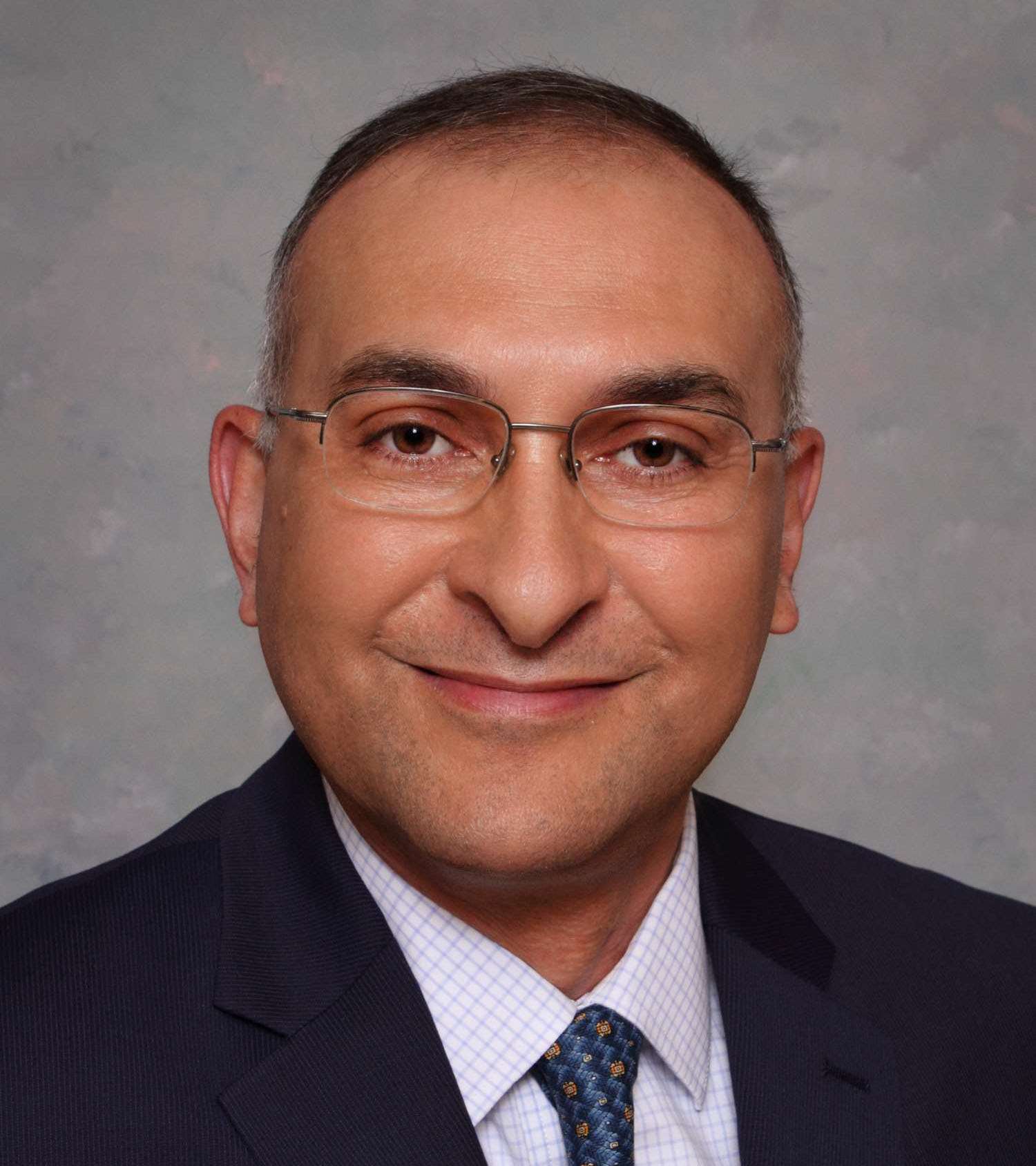
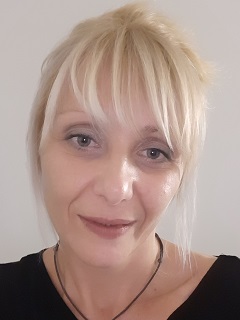
Assoc. Prof. Vítězslava Pešková is an educator at the Department of Forest Protection and Entomology, Faculty of Forestry and Wood Technology, Czech University of Life Sciences Prague. Her research focuses on forest pathology, mycology, and environmental impacts on tree health. Current research themes include Phytophthora infections in black alder, CO2 effects on plant diseases, and bark wood utilization Developed TreeZ app for monitoring harmful organisms on trees Expert in fungal pathogenesis and sustainable forest management Recent publications highlight interdisciplinary approaches combining analytical chemistry with forest health assessment. Collaborates extensively with researchers like M. Samek, I. Tomášková, and R. Modlinger.
Reza Hosseinpourpia is an Associate Professor at the Department of Forestry and Wood Technology, Linnaeus University, Sweden. With a Dr. rer. nat. degree in wood biology from Göttingen University, his work focuses on enhancing wood properties through thermal and chemical modifications, bio-based adhesives, and sustainable composites. Research Themes: Thermal/chemical wood modification Renewable adhesive systems Hygroscopicity control Wood-polymer composites Current Projects: Graphene applications in bioadhesives Artificial heartwood development Fire protection with bio-modification Machine learning for moisture prediction Publication Trends: Recent work emphasizes tannin-based treatments, starch modification for adhesives, and agricultural byproduct utilization in composites. Key journals include BioResources , Polymers , and Wood and Fiber Science . Methodology: Combines analytical chemistry (FTIR, TGA), mechanical testing, and environmental aging studies to improve bio-based materials' durability and industrial viability.
Michał Drożdżek is an Assistant Professor at the Department of Wood Science and Wood Preservation, part of the Institute of Wood Sciences and Furniture at Warsaw University of Life Sciences - SGGW. He holds a PhD and has been active since 2010. His research focuses on forestry, physical properties of wood, extractives, and biotechnology applications in wood science. Education: PhD (Year unspecified, but listed under career details) Research Interests: Explores bark composition, influence of physical factors on wood, pine and poplar wood properties, nitrogen effects, and lignin-cellulose interactions. His work contributes to advancements in wood preservation and biomaterials. Key Metrics: 79 publications 19 promoted theses 1 patent 9 achievements (specific details not listed) h-index: 8 (Scopus), 12 (Web of Science) Awards & Recognition: Achievements section lists 9 honors, though specific names are not provided. Teaching & Collaboration: Advised 19 theses. Consultation hours: Tuesdays 11-12 in room 2/48A. Labs/Teams: Affiliated with the Institute of Wood Sciences and Furniture, though specific lab names are not detailed.
Janusz Zawadzki is a Professor and Vice Director at the Department of Wood Science and Wood Preservation, part of the Institute of Wood Sciences and Furniture at Warsaw University of Life Sciences - SGGW. He holds a Doctorate (2001), became a Professor Assistant in 2009, and was promoted to Professor in 2014. His research focuses on forestry, wood chemistry, and bioenergy, with key topics including pine and poplar wood properties, enzymatic hydrolysis, lignin, and bioethanol production. He has authored 129 publications, supervised 16 promoted theses, and holds 1 patent. His work involves studies on wood extractives, mineral substances, and physical chemistry of wood materials. Bibliometric indices include an h-index of 10 (Scopus) and 13 (Web of Science), with a total IF of 70.028. He leads research in wood preservation, bark analysis, and XRF applications in forestry. Collaborations and projects emphasize sustainable wood utilization and biotechnological applications. Notable achievements include 16 recognized accomplishments and contributions to 2 major projects. His research bridges fundamental and applied aspects of wood science, addressing both environmental and industrial challenges in forestry and material science.
Prof. Rolf Daniels is a Professor in the Department of Pharmaceutical Technology at the University of Tübingen’s Faculty of Science, located at Auf der Morgenstelle 8, Tübingen. His research focuses on innovative drug delivery systems, including nanodispersions, electrospun fibers, and formulations derived from natural extracts. He specializes in dermatological applications, wound healing, and phytochemical characterization of medicinal plants like Matricaria recutita (chamomile) and Hypericum perforatum (St. John’s wort). His work spans supercritical fluid extraction, emulsion science, and the development of biomaterials for controlled drug release. Key contributions include studies on betulin-containing foams, probiotic orodispersible tablets, and the use of alkyl polyglucosides in topical formulations. He has also explored the impact of fermentation on plant extracts and the optimization of oral drug delivery systems for pediatric use. Prof. Daniels’ publications emphasize interdisciplinary approaches, combining analytical chemistry, material science, and pharmacology. His recent work (2023–2025) highlights advancements in phase-reversal foams, electrospun wound dressings, and co-amorphous drug formulations. While no specific awards are listed, his extensive publication record reflects sustained contributions to pharmaceutical technology. His research also includes collaborations on formulation stability, skin permeation studies using confocal Raman microscopy, and the development of thixotropic silicone oils for medical applications. Ongoing projects involve supercritical fluid technology for 3D-printed drug delivery systems and the evaluation of natural preservatives in semisolid dosage forms.
Dr. Jessica de Araujo Isaias Muller is a Postdoctoral Research Fellow at the Institute for Molecular Bioscience (IMB), University of Queensland. Her research focuses on venom peptides, neurotoxins, anti-inflammatory agents, and phytochemicals. She explores the pharmacological potential of natural products and venom-derived compounds for applications in drug discovery, inflammation modulation, and neurodegenerative diseases. Key areas include the study of venom peptides targeting sodium channels for ALS treatment, anti-ulcer and anti-inflammatory plant extracts, and synthetic drug prototypes. Her work bridges toxicology, pharmacology, and molecular biology, with contributions to understanding venom mechanisms and plant-based therapies. Recent conference presentations highlight her exploration of venom peptides from Australian spiders and novel targets for neurodegenerative diseases. Collaborations with institutions like IMB and international toxinology societies underscore her interdisciplinary approach.
Ehab A. Abourashed serves as Professor and Assistant Dean for Academic and Curricular Affairs in the Department of Biopharmaceutical Sciences at the Medical College of Wisconsin (MCW) School of Pharmacy. Previously, he held academic positions at Chicago State University, King Saud University, and the University of Mississippi National Center for Natural Products Research, alongside industry roles at GlaxoSmithKline and ElSohly Labs, Inc. His educational background includes: PhD in Pharmacognosy, University of Mississippi MS in Organic Chemistry, University of Tennessee BPharm, Cairo University, Egypt Dr. Abourashed's research centers on natural products chemistry and pharmacognosy , with emphasis on drug discovery from traditional medicinal plants. His work spans isolation/structural elucidation of bioactive compounds, microbial transformation, biomimetic synthesis, and HPLC/LC-MS applications in phytochemical analysis. He investigates quality control and pharmacology of herbal medicines, contributing over 50 peer-reviewed publications and a co-authored textbook. Recent publications demonstrate expertise in nutmeg phytochemistry (endocannabinoid modulation, antioxidant effects), drug stability testing, analytical method development, and tuberculosis drug discovery. These works reflect an interdisciplinary approach bridging pharmaceutical sciences, natural products chemistry, and pharmacology. Professional activities include editorial board membership for Antioxidants and SM Bioequivalence and Bioavailability Journal , alongside active grant and manuscript reviewing for national/international bodies. As an educator, Dr. Abourashed champions "performance with integrity, leadership by example, and success through simplicity." His teaching methodology prioritizes passion, deep knowledge, efficient delivery, and student engagement to advance pharmacy education.
Riikka Räisänen is a Professor at the University of Helsinki's Department of Education under the Faculty of Educational Sciences. She also leads the Helsinki Institute of Sustainability Science (HELSUS) and serves as Program Director for Craft Science and Craft Teacher Education. Her academic roles include being an Adjunct Professor at North Carolina State University (2023–present). Her research focuses on sustainable natural dyes, craft science, and education for sustainability. Key projects include leading the BioColour consortium (2019–2025), funded by the Academy of Finland's Strategic Research Council, which develops bio-based colorants. She also coordinates EU-funded initiatives like Colour4CRAFTS (2023–2026) and DyeAnotherWay (2025–2029). Räisänen's research spans chemical characterization of natural dyes, eco-toxicology assessments, and pedagogical models integrating design learning. Over 140 publications reflect her work on anthraquinone pigments, traditional dyeing practices, and sustainable textile innovations. Notable awards include the Silver Medal of the Society of Dyers and Colourists (2016) and the ISHS Medal (2022). She has supervised multiple doctoral theses and collaborates internationally with institutions in Europe and North America. Her lab's work on 3D modeling of traditional folk costumes and bio-based dye databases bridges heritage preservation with modern applications. Recent activities include organizing the Biocolours2024 conference and presenting at global forums on sustainable coloration technologies.
Jane Hubert is an Associate Professor at the University of Reims Champagne-Ardenne, affiliated with the Faculty of Pharmacy and the Institute of Molecular Chemistry (UMR CNRS 7312). Her research focuses on advanced analytical methods for natural substances, including chromatography and metabolomics. She specializes in developing dereplication strategies for rapid characterization of natural cosmetic ingredients and phytochemical screening techniques. Hubert has led participation in major European projects such as Natprotec (FP7 Marie Curie IAPP) and Microsmetics (FP7 Marie Curie IAPP), focusing on exploiting plant and microbial biodiversity for cosmeceutical development. Her work bridges academia and industry through partnerships with pharmaceutical and cosmetic sectors. Her recent publications emphasize innovative applications of centrifugal partition chromatography combined with NMR spectroscopy for natural product analysis. These methods enable efficient fractionation, purification, and identification of biologically active compounds from complex mixtures. She has presented her research at high-profile conferences including the International Federation of Societies of Cosmetic Chemists (Paris, 2014) and Countercurrent Chromatography meetings (London, 2014). Her contributions advance both fundamental analytical chemistry and applied cosmeceutical development.
Susan Jane Dewar is a Professor at Heriot-Watt University, affiliated with the School of Energy, Geoscience, Infrastructure and Society and the Institute for Life and Earth Sciences. Her research focuses on molecular and physiological controls of bacterial growth, particularly in food manufacturing contexts. She investigates microbial biofilms, foodborne pathogens like Listeria monocytogenes and Arcobacter butzleri, and natural antimicrobial substances. Her work includes collaborative projects such as developing selective isolation media for Listeria in smoked fish and studying teak bark extracts to inhibit pathogens. She has published widely in areas like food safety, microbial inhibition, and bacterial growth dynamics. Her email is S.J.Dewar@hw.ac.uk . No scientific awards are listed for Susan Dewar. Her research outputs span 2000–2009, with notable contributions to Food Hydrocolloids and Letters in Applied Microbiology. She has no listed advisees or grants in the provided texts.
Christiana Charalambous is an Associate Professor of Molecular Biology at the University of Nicosia Medical School. She holds a BSc (Honours) in Biochemistry from the University of Surrey (UK) and a PhD in Molecular Microbiology and Immunology from the University of Southern California (USA). Her research focuses on two main areas: (1) molecular mechanisms of tamoxifen resistance in breast cancer, and (2) evaluating natural compounds and their metabolites for cancer treatment and prevention. Her work integrates molecular biology, pharmacology, and biochemistry to uncover novel therapeutic strategies. Research Highlights: Investigation of CTR1 gene variants in copper metabolism disorders Phytochemical profiling of plants like Vernonia kotschyana and Pinus species Study of tocotrienols and equol as synergistic agents with tamoxifen Epigenetic regulation of estrogen receptor pathways in cancer Her publications span from 2004 to 2022, demonstrating sustained contributions to understanding cancer biology, drug resistance mechanisms, and natural product applications in oncology.
Nina Dragićević is a Professor at Singidunum University's Faculty of Pharmacy, specializing in Pharmaceutical Technology. She holds a PhD from Friedrich-Schiller University Jena with summa cum laude honors for her work on temoporfin liposomal formulations. With extensive international academic experience including collaborations with Howard Maibach and Springer monograph editing, her research focuses on nanocarriers for dermal/transdermal drug delivery, photodynamic therapy, and pharmaceutical quality control. Doctorate: Friedrich-Schiller University Jena (2011) Master's: University of Belgrade (2004) Specialist: Pharmaceutical Technology (2007), Pharmaceutical Management (2018), Drug Commercialization (2019) Her scientific work bridges nanotechnology with dermatological applications, developing invasomes and liposomes for enhanced skin penetration. Key contributions include improving photodynamic therapy efficacy, creating novel skincare solutions, and analyzing botanical extracts like pomegranate and smoketree for therapeutic applications. Current research explores nanoemulsion stability and transdermal delivery systems. She has published extensively in journals like Pharmaceutics and Expert Opinion on Drug Delivery , maintaining an h-index of 18. Her work includes six edited books on percutaneous absorption and three patented technical solutions. As a principal investigator, she led EU-funded projects on rheumatic disease treatments and mentored pharmaceutical researchers. Summa Cum Laude Doctorate (2011) DAAD Scholarship Recipient Primarius Professional Title (2017) Previously managing Belgrade Pharmacy's production labs (2013-2017), she now leads academic initiatives at Singidunum while maintaining active roles in international conference committees and scientific reviews.
Mimica Stefanović is an Associate in Higher Education at the Department of Wood Protection, Faculty of Forestry, University of Belgrade . She graduated in 2005 with high honors and has been engaged in teaching and research for over a decade. Her academic journey includes prior roles as a demonstrator and technical director in wood industry sectors before returning to academia. Doctoral studies in Tree Protection (2016/17) Teaches Wood Protection at the Faculty of Forestry Research Focus : Her work centers on combating wood decay through innovative treatments. Key areas include: Chemical and thermal modification of wood Fungal resistance in oak and beech species Xylophagous insect infestations Use of natural extracts (white alder bark) for preservation Publication Trends : Her recent papers examine fungal interactions with treated wood, eco-friendly preservation techniques, and pest dynamics in timber storage. Collaborative studies with Mirić and Jevtić dominate her work in wood decay resistance. Teaching Engagement : She actively supports practical instruction, fieldwork, and examinations in Wood Protection courses.
Per Sjöberg is a Senior Lecturer/Associate Professor in Analytical Chemistry at the Department of Chemistry - BMC, Uppsala University. His research focuses on the development and application of advanced analytical techniques, particularly in the areas of mass spectrometry and chromatography for environmental analysis. His main research interests include: Environmental analysis of phosphorus compounds and dissolved organic matter Development of novel mass spectrometry techniques, particularly electrospray ionization Chromatographic separation methods for complex environmental samples Electrochemistry coupled with mass spectrometry Phosphorus speciation in aquatic environments Professor Sjöberg's recent publications demonstrate a strong focus on environmental chemistry, with particular emphasis on phosphorus cycling in aquatic systems and the characterization of dissolved organic matter. His work combines fundamental method development with practical environmental applications, contributing significantly to our understanding of biogeochemical processes. His research spans from the molecular characterization of complex organic matter to ecosystem-level nutrient cycling studies. His scientific contributions include: Development of methods for analyzing inositol phosphates in environmental samples Studies on the isomeric complexity of dissolved organic matter Applications of advanced mass spectrometry for environmental analysis Investigation of phosphorus speciation in the Baltic Sea Sjöberg has been actively collaborating with researchers across disciplines, including environmental scientists, microbiologists, and animal nutrition specialists. His work has implications for understanding nutrient cycling in aquatic ecosystems, addressing eutrophication issues, and developing sustainable analytical methodologies for environmental monitoring.