Alina Meindl is a Senior Researcher in the Department of Material Science & Green Engineering at the Salzburg Center for Smart Materials 2.0. Her work focuses on green methodologies for biomass valorization, lignin processing, and sustainable material development. She leads and collaborates on funded projects such as ADAPT (Artificial Photosynthesis Technology), SCSM 2.0, and Circular Wood, aiming to advance eco-friendly technologies. Projects: ADAPT (2023–2025): Project Manager SCSM 2.0 (2023–2026): Project Staff Member BioSonoScan (2024–2025): Deputy Project Lead Her research aligns with UN Sustainable Development Goals (SDGs), particularly in sustainable materials and carbon mitigation. She has published extensively on topics like lignin extraction, CO2 conversion, and biomass processing, with a 2025 highlight in Angewandte Chemie on direct CO2-to-ethanol conversion. Her scientific contributions have earned recognition, including the 2001 Recognition Award for Science by the Province of Lower Austria.
Gertie Janneke Oostingh is University Professor of Biomedical Analytics and heads the Department of Health Sciences at Salzburg University of Applied Sciences (Fachhochschule Salzburg) , Austria. She additionally serves as Head of Research for the same department and directs the Biomedical Analytics bachelor programme, driving strategic research initiatives and academic development in health sciences. Educational background: Doctorate (Dr.) – field not explicitly stated, but context points to biomedical/immunological sciences Habilitation (Priv.-Doz.) – attesting to advanced research and teaching qualifications Research interests span biomedical analytics, immunology, nanotoxicology, allergy diagnostics, AI-driven biomedical imaging, natural product pharmacology, and oxidative-stress-related diseases . Her work interfaces cutting-edge laboratory analytics with translational research aimed at improving diagnostics and therapy for immune-mediated and chronic diseases. Recent publication trends (2023-2025) reveal a strong emphasis on natural antioxidant compounds from European tree bark , SARS-CoV-2 immune responses and hormonal correlates , HPV health literacy interventions , and AI-enhanced imaging technologies . These studies collectively bridge molecular mechanisms, clinical outcomes, and public health applications. Scientific awards received: MSD-Förderpreis 2022 MSD HPV Förderpreis 2023 (shared with M. Meikl) OIS zam: Preis 2023 (shared with M. Meikl) Ludwig Boltzmann Society Teaching Award 2012 Sir Roy Calne Award 2001 She currently leads or co-leads six major funded projects , including REVELATION (AI-driven imaging), DIAG_NOSE (saliva/nasal fluid allergy tests), DigiCare Innovation , UnlockHealth , FT-MB (medical biology transfer), and DM2CUA (diabetes app). These initiatives involve interdisciplinary teams of post-docs, PhD students, and industry partners, though specific advisee names are not listed in the provided text. Laboratory & teams: Professor Oostingh oversees the Biomedical Analytics Research Group within the Department of Health Sciences, equipped with state-of-the-art facilities for cellular and molecular analytics, nanomaterial testing, and AI-supported imaging workflows.
Andrzej Antczak is a Professor and Head of the Department of Wood Science and Wood Preservation at the Institute of Wood Sciences and Furniture, Warsaw University of Life Sciences - SGGW. His research focuses on wood chemistry, bioenergy production, and environmental impacts on plant materials. With 112 publications and 20 promoted theses, his work spans forestry, materials science, and biotechnology. Key areas include lignocellulosic biomass pretreatment, enzymatic hydrolysis optimization, and the effects of urban pollution on wood composition. His research highlights the interplay between wood structure and environmental factors, with studies on Scots pine, poplar, and other species. Antczak has contributed to advancements in bioethanol production through innovative pretreatment methods and characterization of lignin and cellulose properties. He has also explored applications of bacterial cellulose and agricultural waste valorization. Notable achievements include 12 scientific awards and a h-index of 14 (Web of Science). His advising spans 20 doctoral candidates, emphasizing interdisciplinary approaches to wood science challenges. Antczak collaborates with international teams and utilizes cutting-edge analytical techniques like SEC and XRF spectrometry in his research.
Emesiri Asakitikpi is a Researcher in the Department of Earth and Environmental Sciences, holding a Doctor of Philosophy degree. Their research focuses on pharmacological and chemical analysis of natural products, particularly investigating bioactive compounds in plants for medicinal applications. Key research interests include phytochemistry, toxicology, and the exploration of antioxidant and anti-inflammatory properties of plant extracts. Recent studies have examined Polyalthia longifolia root and Peltophorum pterocarpum stem bark for their therapeutic potential. No academic awards, grants, or advising roles are explicitly mentioned in the available information. No laboratory affiliations or teams are noted.
Dr. ALABDUL MAGID Abdulmagid is an Associate Professor at the Faculty of Pharmacy, University of Reims Champagne-Ardenne, affiliated with the Reims Institute of Molecular Chemistry (ICMR - UMR CNRS 7312). His research focuses on polyphenols, chromatography, and natural substances , with a particular emphasis on isolating and characterizing bioactive compounds from plants. His work spans phytochemistry, pharmaceutical chemistry, and enzyme inhibition mechanisms. Key research interests include the cytotoxic potential of plant extracts, triterpene saponins, and the development of natural products for biomedical applications. His publications highlight contributions to understanding plant-derived compounds' roles in cancer research, anti-inflammatory activity, and chemotaxonomy. He collaborates on projects related to molecular aspects of viticulture, including phytosanitary product dispersion, biodegradable materials for agriculture, and wine metabolomics analysis. His lab also explores surface-active macromolecules in Champagne foam stabilization. Dr. Abdulmagid's expertise includes advanced analytical techniques such as chromatography and structural elucidation of natural products. His research bridges fundamental chemistry with applied pharmacology, contributing to drug discovery and sustainable agricultural practices.
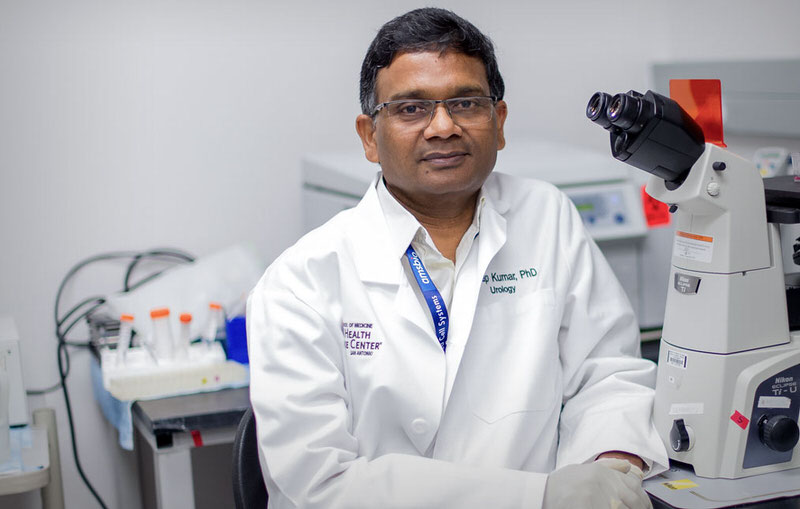
Dr. A. Pratap Kumar is a Professor in the Departments of Urology and Molecular Medicine at the University of Texas Health Science Center San Antonio. His research focuses on natural products, particularly Nexrutine, an extract from Amur cork tree bark (Phellodendron amurense), exploring its cancer-fighting potential and ability to reduce side effects of cancer treatments. His work aims to delay cancer progression and improve treatment efficacy. Dr. Kumar’s research emphasizes translational applications of natural compounds in oncology. Featured in Our Stories (August 11, 2015), his work highlights the potential of Nexrutine to mitigate chemotherapy side effects while enhancing therapeutic outcomes. No specific grants, awards, or student advisees are detailed in the provided texts. His affiliation remains active without indication of part-time status or prior roles.
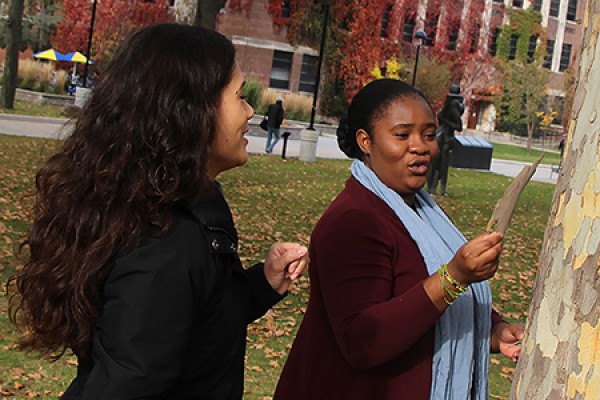
Pam Ovadje is a Research Fellow at the University of Windsor’s Department of Biochemistry, affiliated with the Faculty of Science. Her work focuses on investigating natural health products (NHPs) as potential anticancer agents, particularly dandelion root and long pepper extracts. She has conducted groundbreaking research on these extracts’ ability to induce apoptosis and autophagy in cancer cells across various malignancies, including leukemia, colorectal cancer, and pancreatic cancer. Collaborating with Prof. Siyaram Pandey, Ovadje’s research has explored mechanisms such as oxidative stress targeting and drug sensitization. Her team’s findings were recognized with top honours at the Natural Health Products Research Society Conference in 2014 for both oral and poster presentations. Ovadje’s work also involves interdisciplinary projects, such as studying sycamore tree bark for canine anxiety treatments, showcasing her broader interest in plant-derived therapeutics. Key contributions include patents on dandelion root extract-based medications and seminal studies on Piper longum’s anticancer efficacy. Her research aligns with advancing NHPs as mainstream cancer therapies, emphasizing translational applications. Ovadje’s lab, dedicated to leukemia patient Kevin Couvillon, underscores her commitment to impactful, patient-driven science.
Adam Charlton serves as a Senior Research Fellow at Bangor University's BioComposites Centre, with extensive contributions to bioeconomy research and sustainable materials development. His work bridges academic research with practical applications in agricultural waste valorization and bioproduct development. His research spans multiple domains including biomaterials engineering , bioeconomy policy , and sustainable agricultural systems . Specializing in converting crop residues into valuable products, Charlton's work addresses critical challenges in plastic waste reduction and circular economy implementation, particularly through projects like the Biopots initiative that transforms agricultural waste into biodegradable seedling containers for East African markets. Recent publications demonstrate consistent output in high-impact journals, with a clear trajectory toward practical implementation of bio-based solutions. His 2023-2025 work shows increasing focus on interregional collaboration , thermal stabilization of biocontrol agents , and valorization of lignocellulosic biomass for integrated biorefineries. Award highlights include: EU Regiostars finalist and award winner for the BEACON project (2014) St Davids Awards 2025 finalist for innovation in science and technology Charlton maintains active engagement with both academic and industry partners through 32 research projects and 136 professional activities, including international workshops in Kenya, Finland, and Wales. His work with Environment Platform Wales and the Global Bioeconomy Summit demonstrates strong policy engagement, while media appearances on BBC Wales Science Cafe and Radio Wales extend his research impact to public audiences. The BioComposites Centre at Bangor University serves as his primary research hub, with significant collaborative networks across Europe and East Africa. His current projects focus on sustainable packaging solutions (Valorisation of Agricultural Crop Processing Waste), bioeconomy collaboration (SCORE funding - Finland), and practical implementation through initiatives like the Biopots project farmer workshops in Kitale, Kenya.
Ināra Nokalna is a Lecturer in the Department of Human Physiology and Biochemistry at Riga Stradins University. She actively participates in research projects and academic conferences, including collaborations with agricultural technology companies like Nordic Food LLC and Rasa Botanicals LLC. Her research spans: Biochemistry : Enzyme kinetics and plant extract analysis Pharmacology : Bioactive compounds in medicinal plants Dermatology : Cosmetic product efficacy testing Antioxidant Research : Seasonal variations in plant antioxidants Publication trends show progression from foundational plant biochemistry (2017-2021) toward applied dermatological science (2024), with consistent focus on phytochemical applications in health and technology. She has contributed to projects including: EU-funded development of agricultural plant stem cell technologies (2019-2022) Conference participation includes RSU International Research Conference 2019 and workshops on research methodology and technology-enhanced study processes.
Prof. Dr. Zbynek Malenovsky is a full Professor at the Institute of Geography, University of Bonn , where he leads the Remote Sensing Research Group (AG Malenovsky) . His work integrates advanced optical remote sensing, imaging spectroscopy, and 3D radiative transfer modeling to study plant eco-physiology and ecosystem responses to climate change. His research interests include: Quantitative remote sensing of vegetation biochemical and structural traits Solar-induced chlorophyll fluorescence (SIF) detection 3D radiative transfer modeling (e.g., DART model development) Climate change impacts on terrestrial ecosystems Machine learning applications in hyperspectral data analysis Land surface modeling and data assimilation His recent publications span high-impact journals in remote sensing and environmental science, with a strong focus on vegetation stress detection, canopy-level photosynthesis modeling, and deep learning-based biodiversity estimation using multisensor satellite data (Sentinel-1/2, Landsat, hyperspectral UAS). His work often involves collaborations with institutions like CESBIO (France) and the Global Change Research Institute (Czech Republic). Scientific awards and honors are not mentioned in the provided text. He actively supervises graduate students, including PhD candidates Thang Quang Nguyen and Lucas Casuccio , and offers thesis topics in areas such as bark beetle infestation mapping, pollinator habitat monitoring, and urban imperviousness analysis. He teaches advanced courses in physical geography, remote sensing methods, and land surface modeling, emphasizing hands-on use of software like ENVI, QGIS, SNAP, and Google Earth Engine. His research group is embedded in key initiatives such as PhenoRob (DFG Cluster of Excellence) and the Center for Remote Sensing of Land Surfaces (ZFL) , highlighting strong institutional support and interdisciplinary collaboration.
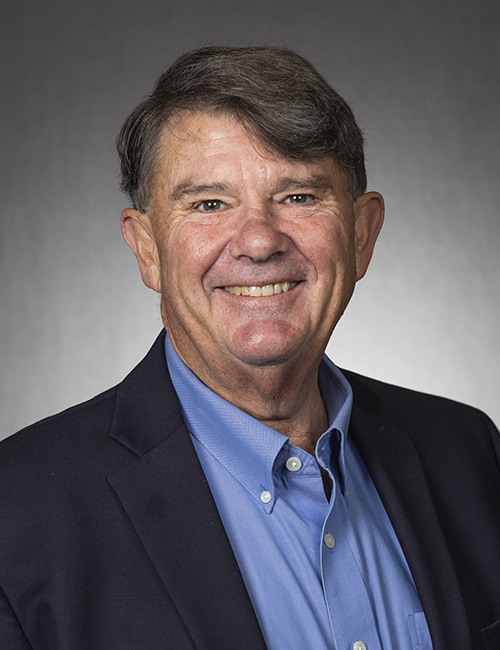
Dr. Patrick Minogue is an Associate Professor of Silviculture at the North Florida Research and Education Center, affiliated with the University of Florida's School of Forest, Fisheries, and Geomatics Sciences. He also holds adjunct roles at Florida Agricultural and Mechanical University's College of Agriculture and Life Sciences and collaborates with The Water Institute and UF School of Natural Resources and Environment. His work focuses on applied forest management, invasive species control, and sustainable forestry practices. Research interests include silviculture best management practices (BMPs), alternative forest crops (e.g., pine straw, eucalyptus, tung oil), and ecological restoration. He disseminates findings through peer-reviewed journals, Extension programs, and conferences. Key areas of expertise involve herbicide efficacy, soil preparation techniques, and longleaf pine ecosystem restoration. His publications emphasize practical solutions for forestry challenges, with recent work analyzing herbicide treatments for invasive species control, nitrogen cycling in pinestraw systems, and genetic improvement of eucalyptus species. Minogue actively supervises graduate students and chairs thesis committees, contributing to forestry education and workforce development. Collaborations extend to interdisciplinary projects addressing water resource protection and agroforestry sustainability. He advises on BMP implementation for both commercial and conservation forestry operations, balancing ecological integrity with economic viability.
Radim Löwe is an Educator and Deputy Manager at the Department of Forestry Technologies and Constructions within the Faculty of Forestry and Wood Technology at the Czech University of Life Sciences Prague. Additionally, he serves as Vice-Dean for External Relations, overseeing institutional partnerships and outreach initiatives. His academic roles integrate teaching, research leadership, and administrative responsibilities in forest resource management. Löwe's research centers on optimizing forestry operations and ecological sustainability. Key interests include: Timber harvesting efficiency and volume estimation algorithms Bark beetle outbreak mitigation using pheromone traps and anti-attractants Mechanical properties of beetle-affected wood Forwarder performance standardization in Czech forestry Climate-resilient forest management strategies His recent publications (2022-2024) demonstrate a strong focus on solving pressing forestry challenges through technological innovation. Predominant themes include bark beetle management (7 papers), timber measurement methodologies (5 papers), and sustainable forest bioeconomy (3 papers), reflecting applied research with direct industry relevance. Löwe secured research funding for the project Rozklad přesnosti metodik používaných v harvestorech pro stanovení objemu vyrobených sortimentů (GA FLD 2018-2019), advancing precision in harvester-based timber volume calculations. As Vice-Dean, he coordinates faculty-level external partnerships and industry engagement initiatives.
Karolina Śliwa is a Lecturer at the Department of Organic Chemistry and Technology (C-2), Faculty of Chemical Engineering and Technology, Tadeusz Kościuszko Cracow University of Technology. She holds a Doctor of Engineering degree (2019) and specializes in cosmetic chemistry and organic technology. MSc Eng, Cracow University of Technology, 2008 Postgraduate studies: Management of chemicals (REACH regulation), 2009 Postgraduate studies: Manager of R&D works, 2012 Her research focuses on cosmetic formulations, surfactant chemistry, and sustainable use of natural resources like shea butter, birch bark, and bee products. She has collaborated on EU and Polish projects targeting dermatological solutions, including anti-inflammatory nanogels and eco-cosmetics for atopic dermatitis. Key projects include: (1) EU-funded development of shea butter-based cosmetics (2011–2013), (2) research on three-leafed scabious in dermatological products (2015), (3) nanogel-based medical devices for skin inflammation (RPMP.01.02.01-12-0186/19, 2020–2021), and (4) eco-cosmetics using ultrasound extraction and betulin (RPMP.01.02.03-12-0005/21, 2021–2022). She has industrial experience from internships at Huzar Sp. z o.o. (2012), Adamed Sp. z o.o. (2013), and Loránd Eötvös University (Hungary, 2011).
Sissy Häsler Gunnarsdottir is a Junior Researcher affiliated with the schools of Health Sciences and Design and Green Engineering. Holding an MSc degree, she actively contributes to UN Sustainable Development Goals through research on sustainable plant resource utilization for health applications. Her expertise centers on phytochemistry and dermatological sciences, with intensive focus on antioxidant systems, wound healing mechanisms, and antimicrobial properties of natural compounds. She specializes in extracting bioactive potential from European tree bark, particularly examining oxidative stress reduction and dermal application efficacy through rigorous biochemical evaluation. Recent publications (2023-2025) demonstrate consistent thematic progression in analyzing tree bark extracts' multifunctional properties. Her work reveals significant correlations between antioxidant capacity, wound healing promotion, and pathogen inhibition across European tree species, establishing a robust foundation for sustainable biomaterial development in dermatological therapeutics. No scientific awards were documented in the provided information. While no student advisees are listed, she maintains active grant involvement as Co-Investigator or Co-Principal Investigator across five major funded projects: 3DSkin (3D skin modeling), NETTLE (alpine plant valorization), PlantApp4Health (plant-extract applications), BioSonoScan (biomass ultrasonification), and OxiWoundWood (wood waste wound-healing properties). She operates within a dynamic interdisciplinary network focused on sustainable biomaterial innovation, collaborating across health sciences and engineering disciplines through cross-border alpine research consortia that integrate laboratory experimentation with practical therapeutic development.
Cedric Vega is a Research Director at the National Institute of Geographic and Forest Information (IGN) in France, where he leads research in the Laboratory of Forest Inventory (LIF) since March 2014. His work focuses on developing advanced methodologies for forest monitoring using remote sensing technologies, particularly lidar, photogrammetry, and satellite imagery. He has established himself as a leading expert in integrating National Forest Inventory data with remote sensing sources to create high-resolution forest attribute maps across France. Dr. Vega completed his education with a focus on Environmental Sciences at the University of Quebec in Montreal (2000-2006) and Ecology at Université Toulouse III - Paul Sabatier (1999-2000). His professional journey includes significant international experience as Head of the Laboratory of Applied Informatics and Geomatics at the Institut Français de Pondichéry in India (2010-2014) and teaching positions in Lidar remote sensing at AgroParisTech. Vega's research interests center on remote sensing of forest ecosystems, with particular emphasis on developing methods for monitoring forest structure and dynamics using lidar, photogrammetry, and very high-resolution optical imagery. His work addresses critical challenges in estimating forest biophysical parameters, mapping forest attributes at high spatial resolution, and improving the accuracy of national forest inventories through multisource approaches. Recent research increasingly incorporates machine learning and deep learning techniques to process complex remote sensing data streams. Analysis of his recent publications reveals a strong trend toward integrating multiple remote sensing data sources (particularly GEDI, Sentinel-1, and Sentinel-2) with traditional forest inventory data to create high-resolution forest attribute maps. His work demonstrates consistent innovation in solving spatial misalignment issues between satellite measurements and ground plots, improving geolocation accuracy, and developing robust small-area estimation techniques for forest management applications. Vega has established significant collaborations across European research institutions, particularly with French National Institute for Agriculture, Food, and Environment (INRAE), and has contributed to advancing forest monitoring methodologies that support carbon stock assessment and climate change adaptation strategies. As a Research Director at IGN, Vega leads the Laboratory of Forest Inventory which serves as a critical hub for developing and implementing advanced forest monitoring techniques in France. His team works at the intersection of remote sensing technology and practical forest management needs, focusing on creating operational tools that can be deployed at national scale while maintaining statistical rigor.