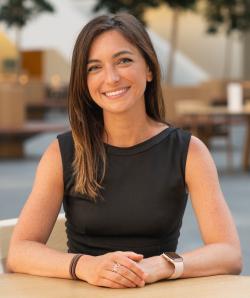
Martin Turner is a Research Fellow at the University of Cambridge , affiliated with the Cambridge Stem Cell Institute and Immunology Programme . His work focuses on post-transcriptional gene regulation in lymphocytes. First systematic application of molecular biology to cytokine gene expression in human immune cells Defined phosphoinositide 3-kinase roles in lymphocyte development Instrumental in microRNA-155 biology research Developed cutting-edge methods like iCLIP and ribosome profiling His research combines mouse genetics with multiomics to study RNA binding proteins' regulatory roles in B-cell diseases and immune responses . Collaborative work with ICOS Corporation established PI3K inhibition rationale. 2016 Wellcome Investigator awardee 2007 MRC Senior Non-Clinical Fellowship recipient 2005 Research Council Individual Merit promotion Publications reveal expertise in RNA-protein interactions and lymphocyte signaling pathways , with recent work on translational control and multi-omics integration . Leads a team of 12 researchers including PhD students and postdocs at The Babraham Institute .
Magdalena Berkowska is a researcher at Erasmus MC, a leading academic medical center in the Netherlands. Her work is centered in the field of immunology, with a strong focus on B cell biology, immune homeostasis, and clinical applications of immune monitoring. She is actively involved in translational research connecting laboratory findings with patient care, particularly in autoimmune and infectious diseases. Her research interests include: B cell differentiation and maturation Immunoglobulin diversity and function Flow cytometry-based immune monitoring Rituximab treatment and B cell depletion Immune defects in HIV-infected children Autoimmune conditions such as scleritis The analysis of her recent publications reveals a consistent focus on B lymphocyte biology across both health and disease. Her work spans fundamental mechanisms like VDJ recombination and IgE+ B cell development, as well as clinical applications including long-term monitoring of patients post-rituximab. Key themes include immune reconstitution, polyreactive antibodies, and the role of memory B cells in immunity. Her research integrates advanced cytometric techniques with clinical data, demonstrating a strong translational approach. Scientific contributions and collaborations: Active collaborator with leading immunologists such as J.J.M. van Dongen and M.C. van Zelm Contributions to understanding B cell defects in pediatric HIV Research cited in patents and widely read on platforms like Mendeley Publications in high-impact journals including Journal of Allergy and Clinical Immunology and AIDS While no formal advising or grant information is available in the text, her role in multi-center studies and doctoral thesis contribution suggests involvement in research training and team-based science. She has contributed to a doctoral thesis and co-authored a book chapter on immune monitoring, indicating knowledge dissemination beyond primary research articles. She is associated with research teams focusing on: B cell immunophenotyping Clinical immunology diagnostics Translational immunology in autoimmune and infectious diseases
Dr. Henk Roest is a Researcher in the Department of Surgery at Erasmus University Rotterdam's Faculty of Medicine. With 67 research outputs including articles, posters, and book chapters, his work focuses on developing advanced organotypic models for immunological and oncological research. Ph.D. Student, Rijksuniversiteit Leiden (Dec 1988 - Sept 1993) Post-doc, Erasmus University Rotterdam (Oct 1993 - Jul 1996) Post-doc, Nederlandse Organisatie voor Wetenschappelijk Onderzoek (NWO) (Aug 1996 - Dec 1999) Dr. Roest's research spans organoid systems with particular expertise in cholangiocyte biology, lymph node immunology, and cancer resistance mechanisms. His work bridges basic cell biology with clinical applications in transplantation medicine and oncology, using advanced cell culture techniques to model complex biological systems. Analysis of his recent publications reveals a consistent focus on developing physiologically relevant models that better mimic human tissue function. His work on lymph node models, cholangiocarcinoma organoids, and lymphoma-on-chip systems demonstrates methodological innovation across immunology and oncology. His research on nanoplastics effects on marine mammals shows the versatility of his cell culture expertise. Dr. Roest has supervised at least one student as indicated by the 'Supervised Work (1)' notation in his profile. His collaborative network spans multiple institutions with international research partnerships, reflecting the interdisciplinary nature of his work in biomedical modeling.
Professor Jonathan Pettitt is a faculty member at the University of Aberdeen, holding a Personal Chair in the School of Medicine, Medical Sciences and Nutrition. He leads a research group focused on RNA processing mechanisms using C. elegans as a model organism, with significant implications for understanding and treating parasitic nematodes. BSc (Hons) in Biochemistry, Imperial College London (1988) PhD, University of Cambridge (1992), studying collagen genes in Ascaris suum Postdoctoral Fellow, University of Colorado, Boulder (HFSPO Fellowship) Postdoctoral Fellow, Netherlands Cancer Institute (EMBO Fellowship) His research centers on spliced leader trans-splicing and cap-adjacent RNA methylation , both critical processes in gene expression. His lab aims to exploit nematode-specific molecular mechanisms for therapeutic development. He also contributes to public discourse on genetics through The Conversation . The recent publications reflect a strong focus on RNA processing , trans-splicing mechanisms , and nematode molecular biology , with increasing integration of bioinformatics and public understanding of science . His work combines genetic screens, molecular biology, and computational analysis to uncover fundamental biological processes. His scientific awards include: HFSPO Long-Term Postdoctoral Fellowship EMBO Fellowship Professor Pettitt has secured ongoing funding from the BBSRC (2020–2023) for research on a 'nematode molecular Achilles' heel,' indicating active grant support. He collaborates widely, particularly with B. Müller and B. Connolly, and has mentored numerous early-career researchers, evident through co-authorship on key publications. He is a central figure in the Aberdeen Worm Lab ( aberdeenwormlab.org ), which fosters collaborative research in nematode genetics.
Virginia M. Shapiro, Ph.D., is a Professor in the Department of Immunology at Mayo Clinic and a key leader in the Mayo Clinic Graduate School of Biomedical Sciences, where she serves as Associate Dean for Faculty Affairs. She leads the David F. and Margaret T. Grohne Cancer Immunology and Immunotherapeutics Research Program within the Mayo Clinic Comprehensive Cancer Center. Her research is centered on the molecular mechanisms governing T cell development, activation, and immune regulation, with significant implications for autoimmune diseases and cancer immunotherapy. Dr. Shapiro’s research focuses on transcriptional and epigenetic regulation in lymphocyte development, particularly how chromatin-modifying enzymes and transcriptional repressors control T cell maturation. She also investigates the role of sialic acid modifications in immune signaling through Siglec receptors and studies early hematopoietic processes. Her lab explores how dysregulation in these pathways contributes to diseases such as arthritis, diabetes, and cancer. Recent studies highlight her work on B cell immunity, mitochondrial fitness, and immune modulation in tumor environments. Her research is supported by multiple NIH grants, including ongoing projects on autoimmune diabetes, T cell anergy, and B cell development. Dr. Shapiro leads a major NIH-funded Training Program in Immunology, emphasizing her role in mentoring the next generation of scientists. Her publication record includes high-impact articles in journals such as Nature Communications , Immunity , Science , and eLife , demonstrating sustained contributions to immunology and molecular medicine. Dr. Shapiro has received notable honors, including Teacher of the Year (2012) and the Dean’s Recognition Award (2019) from the Mayo Clinic Graduate School. She has held national leadership roles, such as Standing Member of the NIH Molecular and Cellular Hematology Study Section and Chair of the American Association of Immunologists’ Nominating Committee and Committee on the Status of Women. She earned her Ph.D. in Molecular and Cell Biology from the University of California, Berkeley, completed a postdoctoral fellowship at the University of California, San Francisco, and holds an AB in Biochemistry, magna cum laude, from Harvard University. She is actively involved in academic service, grant review, and scientific conferences, and her work continues to advance understanding of immune system development and regulation.
Félix A. Rey is Head of the Structural Virology Unit at the Institut Pasteur in Paris, within the Department of Virology . He leads a multidisciplinary research group focused on understanding the structural mechanisms of viral entry and replication, particularly in enveloped RNA viruses. Research Interests: Dr. Rey's work centers on structural biology and virology , with a focus on: Molecular mechanisms of membrane fusion in enveloped viruses Structural analysis of viral glycoproteins (e.g., dengue, chikungunya, SARS-CoV-2) Host-pathogen interactions and viral entry pathways Applications in vaccine and antiviral development Recent Research Trends: His recent publications (2023–2024) highlight a strong focus on coronavirus entry mechanisms (especially TMPRSS2 and HKU1), flavivirus immunity and cross-reactivity, and structural insights into foamy and alphaviruses. These studies combine X-ray crystallography , cryo-EM , and functional assays to reveal atomic-level details of viral proteins and their interactions with host factors. Scientific Awards: ERC Advanced Grant (ERC-2013-ADG CELCELFUS) – Cell-Cell fusion in fertilization and developmental biology: a structural biology approach Advising and Grants: Dr. Rey mentors PhD students such as Andres Ferrino Iriarte and Charlotte Romanet. He serves as Principal Investigator (PI) on multiple ongoing projects, including those on Chikungunya virus, respiratory syncytial virus, picobirnavirus, pestivirus, and cell-cell fusion. His research has been supported by prestigious grants, including the ERC Advanced Grant, and he leads collaborative efforts such as the CORONABODIES project. Laboratories and Teams: He leads the Structural Virology Unit at the Institut Pasteur, housed in the François Jacob building. His team includes permanent researchers, postdoctoral scientists, PhD students, and technical staff, working collaboratively on structural studies of viruses with global health impact.
Sebastian Mertowski is an Associate Professor at the Department of Experimental Immunology within the Faculty of Medical Sciences at the Medical University of Lublin. His research focuses on chronic inflammation, autoimmune diseases, and cytokine biology, with a specific emphasis on B cell responses and kidney diseases. Education: Doctoral Degree (2023) His work explores the intersection of immunology, molecular biology, and clinical medicine, particularly in biomarker discovery and gene expression related to chronic immune responses. The tag cloud indicates recurring themes like interleukin 6, kidney function, and lymphocytic activity. He has published extensively (73 publications) and participated in multi-center collaborations. His ORCID (0000-0002-7121-1396) links to external profiles for further details.
Dr. Alexandra Grubman is an Adjunct Research Fellow at Monash University's Anatomy & Developmental Biology department, with a career spanning microbiology, neurodegenerative disorders, and Alzheimer's disease (AD). She completed her PhD at Monash under Prof Richard Ferrero, identifying Vitamin B synthesis as critical for Helicobacter pylori survival. Her postdoctoral work at the University of Melbourne focused on biometal homeostasis in Batten disease. In 2016, she joined Prof Jose Polo's lab at Monash to study microglia diversity in AD using single-cell sequencing, brain organoids, and iPSC models. Research Interests: Mechanisms of cell identity in AD, microglia-based therapies, and diet/gut-brain axis effects on cognition. Funding: Secured $1.9M as Chief Investigator across projects on brain organoids, iPSC reprogramming, and anti-inflammatory copper complexes. Key Contributions: Developed a single-cell transcriptome database for AD (http://adsn.ddnetbio.com/), a dual-fluorescent microglia reporter line, and demonstrated transcription factor -driven AD cell-state transitions. Scientific Awards: NHMRC Dora Lush Scholarship Melbourne Neuroscience Institute Fellowship (2015) NHMRC-ARC Dementia Research Development Fellow (2016) Supervision: Mentored 1 PhD graduate (1 current), 1 Master's, 4 Honours, and 5 undergraduate students.
Juan José Arranz Santos is a Professor at the University of León, affiliated with the Faculty of Veterinary Science and Department of Animal Production. His research focuses on animal genetics , genomics , and feed efficiency in dairy sheep, with significant contributions through the MEGA MEJORA GENÉTICA ANIMAL research group. He is actively involved in genomic selection programs and uses machine learning and transcriptomic analysis to improve dairy sheep productivity and resilience. Education : Ph.D. in Animal Production from the University of León (1994) His research synthesizes genomic , transcriptomic , and microbiome data to identify biomarkers for feed efficiency, milk quality, and disease resistance. Recent work includes developing the SMARTER-database for integrating sheep/goat genomic data and analyzing epigenetic impacts of early nutrition on lactation performance. Key sub-fields include selective sweeps , long non-coding RNAs , and circular transcriptomes in ruminants. The 15 most recent publications (2025-2023) reveal trends in machine learning applications for feed efficiency prediction, SNP array integration , lncRNA annotation , and milk metabolite biomarkers . His work spans functional genomics, microbiota analysis, and innovative educational tools like gamification for teaching quantitative genetics . Research Groups : MEGA MEJORA GENÉTICA ANIMAL
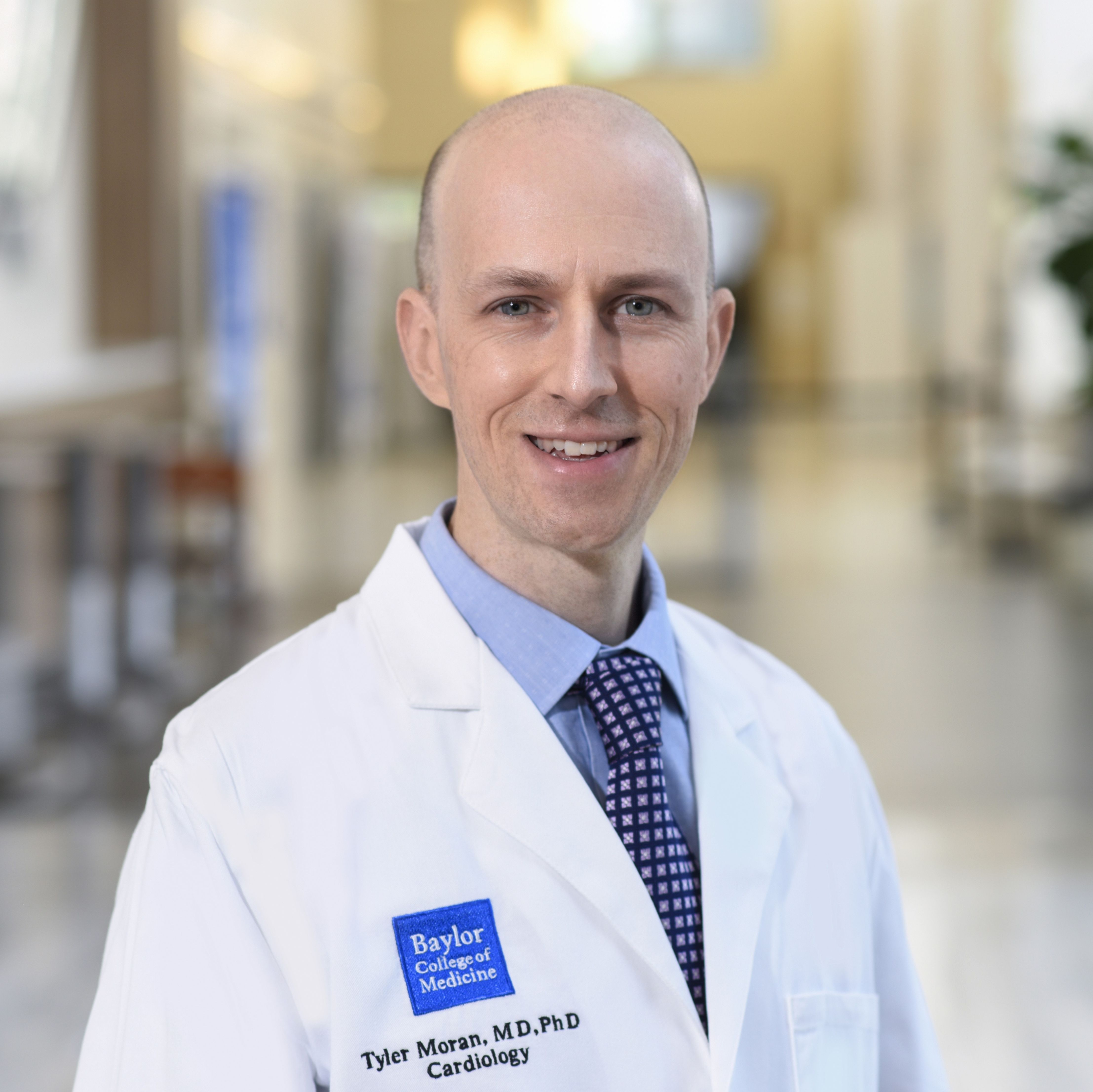
Tyler B Moran, M.D., Ph.D., is an Assistant Professor in the Department of Medicine – Cardiology at Baylor College of Medicine. He is also a member of the Dan L. Duncan Comprehensive Cancer Center. Dr. Moran is a non-invasive cardiologist at the Baylor Heart Clinic with a focus on general cardiology, disease prevention, and cardio-oncology. He serves as the Director of Research for the cardiology fellowship program and is actively involved in training medical students, residents, and fellows. His research spans two major domains: molecular mechanisms in hematopoiesis and transcriptional regulation from his early work, and clinical cardiology with a focus on cancer-related cardiovascular complications. His early research involved studying transcription factors such as GATA-1, RUNX1, and FOG-1 in blood cell development, using models like zebrafish and mouse systems. More recently, his work has transitioned into clinical and translational cardiology, particularly in managing acute coronary syndromes in cancer patients, pericardial disease, and myocardial protection strategies during ischemia-reperfusion injury. His publications reflect a trajectory from basic science to clinical applications in cardiovascular medicine. The trend in his publications shows a shift from fundamental molecular biology (2004–2012) to focused clinical cardiology and cardio-oncology (2020–2025), indicating evolving expertise bridging laboratory science and patient care. His work in both domains emphasizes mechanistic understanding and therapeutic implications. Professional Training and Education: MD-PhD, University of Illinois at Urbana-Champaign – Molecular and Integrative Physiology Residency: Internal Medicine, The Ohio State University Fellowship: Cardiovascular Disease, Baylor College of Medicine Scientific Contributions: Extensive research on transcriptional regulation in hematopoiesis Leadership in cardio-oncology research and education Prominent publications in journals such as Molecular Cell , Genes & Development , Blood , and Current Cardiology Reports Dr. Moran advises trainees through his role as Director of Research in the cardiology fellowship and contributes to institutional research development. He does not currently list named students or grants, but his leadership role implies active mentorship. He is affiliated with the Division of Cardiology and the Dan L. Duncan Comprehensive Cancer Center, where he integrates cardiovascular and oncology research. His future work is likely to expand in cardio-oncology, metabolic cardioprotection, and clinical outcomes in high-risk cardiovascular populations.
Yan Zhang is a Research Assistant Professor in the Department of Biological Sciences at Michigan Technological University. Their work focuses on autosomal dominant polycystic kidney disease (ADPKD), investigating the role of innate immunity in ADPKD's pathological microenvironment and the function of polycystin-1 encoded by the PKD1 gene. They are actively developing therapeutic strategies to target cyst formation and fibrosis in ADPKD. Education: PhD in Pharmacology and Toxicology from the University of Missouri-Kansas City MS in Pharmacology from Peking Union Medical College BS in Pharmacy from Sichuan University Research Trends: Recent publications highlight molecular mechanisms of cyst growth in ADPKD, including B-Raf signaling, mTOR-mediated proliferation, TGF-β1-induced fibrosis, and dietary phosphate restriction as potential therapeutic interventions. Subfields span from genetic disorder analysis to translational research in renal pathology. Advising: No student names are listed in the available information.
Prof. Dr. Türkan Yiğitbaşı is a Professor in the Department of Medical Biochemistry at Istanbul Medipol University's School of Medicine, where she has held a faculty position since 2012. She serves as the director of the university's Genetic Evaluation Center, accredited under ISO 15189 standards. Dr. Yiğitbaşı graduated from Ege University Faculty of Medicine in 1988 and completed her specialization in Biochemistry and Clinical Biochemistry at Erciyes University in 1994. Earlier in her career (1996–2002), she established and managed clinical laboratories, and she conducted research at Baylor College of Medicine (2002–2004). Her research focuses on cancer metabolism , clinical biochemistry , and oxidative stress , with significant work in biomarker discovery, reproductive biology, and metabolic disorders. She investigates molecular mechanisms in cancer, endocrine function, and environmental toxicology using models ranging from cell lines to zebrafish embryos. Analysis of her 15 most recent publications reveals dominant themes: cancer therapeutics (breast, prostate, colorectal, lung), oxidative stress biomarkers in diseases, reproductive biochemistry (infertility, minipuberty), and molecular mechanisms of metabolic enzymes (LDH, NOX5). Her work bridges clinical applications with experimental pharmacology. Dr. Yiğitbaşı leads the Genetic Evaluation Center, which supports clinical diagnostics and research. No grants, awards, or student advisement details were available in the provided text.
Priscilla Turelli is a Lecturer at EPFL's EDMS (Doctoral School of Life Sciences) and a Senior Scientist in the Federal School of Life Sciences. Her primary affiliation is with the Laboratory of Virology and Structural Immunology under the SV-IN unit, and she also collaborates with the Antanasijevic Group. She holds positions in both research and teaching roles, including faculty representation for P3-related scientific activities. Education: PhD in Cellular Biology (1997) - Université de la Méditerranée Master in Cellular Biology (1992) - Université de la Méditerranée Scientific Baccalaureate (1987) - France Research Focus: Her work spans virology, immunology, and epigenetics with a focus on: - KRAB zinc finger proteins' role in cancer and gene regulation - SARS-CoV-2 antibody development and viral mechanisms - Transposable elements' impact on human development and disease Key Research Trends in Publications: Recent work emphasizes structural virology (e.g., ACE2/SARS-CoV-2 interactions), epigenetic control via KRAB-ZFPs, and translational research in antiviral therapeutics. Her lab pioneered the discovery of KRAB-ZFPs' dual role in tumor suppression and immune defense mechanisms. Awards: 2023: Innosuisse Business Concept Training 2004: Bristol-Myers Squibb AIDS Award 1997-1999: Human Frontier Science Program Fellowship Grants & Teams: Leads interdisciplinary projects at EPFL's SV-IN lab and collaborates with industry partners (e.g., Innosuisse). Current projects include: - Development of broad-spectrum SARS-CoV-2 antibodies - KRAB-ZFP-driven cancer immunotherapies - Machine learning applications in protein design Labs/Teams: Core member of the Antanasijevic Lab (UPANTANASIJEVIC unit), coordinating multidisciplinary teams in structural immunology and viral pathogenesis.
Prof. Dr. Robert Schneider is the Director of the Institute of Functional Epigenetics at Helmholtz Munich and Professor at the Faculty of Biology of Ludwig-Maximilians-University Munich since 2016. His research focuses on epigenetics, chromatin dynamics, and the interplay between cellular metabolism and histone modifications to decode gene expression regulation and disease mechanisms. Education: Ph.D. from Ludwig-Maximilian University Munich; Postdoctoral research at the Gurdon Institute (University of Cambridge, UK). Robert’s work spans the study of histone methylation, epigenetic reprogramming, and environmentally triggered diseases. His lab also explores epitranscriptomics and epigenetic memory in single cells to identify novel therapeutic targets. His scientific contributions include leadership roles in international research schools like Epigenetics@HelmholtzMunich and the International Helmholtz-Edinburgh Research School for Epigenetics “EpiCrossBorders.” Scientific Awards: Elected Member of Academia Europeae (2021), HFSP and EMBO Fellow (2000-2004), HFSP Career Development Award (2005-2012), ERC Grantee, Chaire Gutenberg (2012). Robert is deeply committed to mentoring future scientists, co-founding the International Max Planck Research School (IMPRS-MCB) and leading the EpiCrossBorders training program for epigenetics research.
Marissa Scavuzzo is an Assistant Professor at the Department of Genetics and Genome Sciences within the Case Western Reserve University School of Medicine . Her research program focuses on enteric glial biology , investigating how these "second brain" cells regulate intestinal physiology and dysfunction. She combines genetics , stem cell , glial biology , and digestive system expertise to develop innovative technologies for mapping glial cell functions. Baldwin Wallace University - B.S. in Neuroscience and Biology Baylor College of Medicine - Ph.D. in Developmental Biology Her scientific work addresses fundamental questions about cell fate regulation and homeostasis maintenance in dynamic environments. Key research areas include: Enteric nervous system structure and function Glial cell diversity and specialization Environmental response mechanisms in gut neurons Neurogastroenterology disease models Stem cell-based developmental studies Marissa's research has established critical links between gut disturbances and neurological conditions like Parkinson's and Autism Spectrum Disorders . Her lab develops sophisticated tools to study: Glial subtype functional states Intestinal motility coordination Microenvironment interactions in pancreas/intestine Regenerative responses in enteric neurons She has received prestigious awards including: NYSCF Druckenmiller Fellowship HHMI Hanna H. Gray Fellowship 2024 Eppendorf & Science Prize for neurobiology Edith C. Robinson Award in developmental neuroscience Thomas Surrarrer Biology Award Deborah K. Martin Achievement Award in biomedical science As part of the Institute for Glial Sciences at Case Western Reserve University, her lab receives support from: New York Stem Cell Foundation Howard Hughes Medical Institute Simons Foundation Autism Research Cystic Fibrosis Foundation Digestive Diseases Research Core