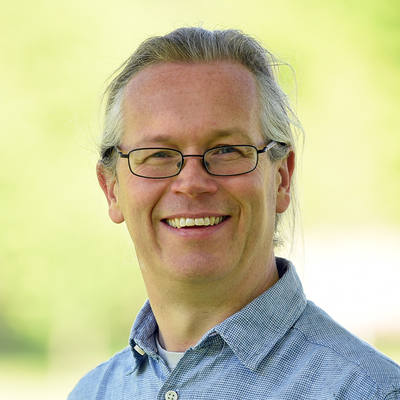
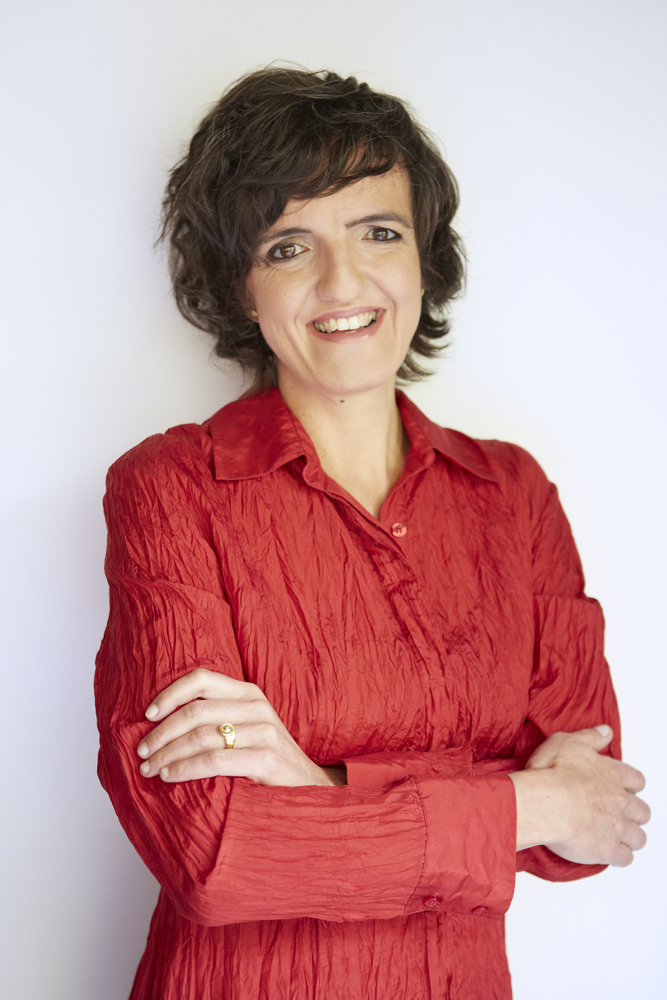
Michael McAlpine is a Professor in the Mechanical Engineering department at the University of Minnesota . He also holds affiliations with the Biomedical Engineering and Electrical and Computer Engineering departments. His research focuses on 3D printing functional materials & devices , Nanoscale inks , Biomedical devices , Bioelectronics , and Flexible Microsystems . Research Interests : 3D Printing, Biomedical Engineering, Nanotechnology, Flexible Electronics, Microfluidics Labs : ME 361/363 Contact : mcalpine@umn.edu , (612) 626-3303, ME 117 Recent Research Trends include 3D Printed Biomedical Devices , Flexible Electronics , and Bioprinting Applications . His work spans from Spinal Organoid Formation to Programmable Drug Release Capsules . Scientific Award : Circulation Research 2020 Best Manuscript Award
Professor Matthias Mann is a world-leading scientist serving as Director of the Proteomics and Signal Transduction department at the Max Planck Institute of Biochemistry in Martinsried, Germany, and Director of the Proteomics department at the Novo Nordisk Foundation Center for Protein Research, Faculty of Health Sciences, University of Copenhagen, Denmark. With an h-index exceeding 277 and over 350,000 citations, he is recognized as the highest cited German researcher and one of the most influential scientists globally in proteomics. His educational background includes: Ph.D. in Chemical Engineering from Yale University (1988) Master's Degree in Physics from Georg August University Göttingen (1984) Bachelor's of Arts in Mathematics from Georg August University Göttingen (1982) Professor Mann's research focuses on advancing mass spectrometry-based proteomics to understand biological systems at the protein level. His work spans technological developments in mass spectrometry, bioinformatics and computational analysis, signal transduction and posttranslational modifications, and clinical proteomics applications for disease diagnosis and treatment. The Mann lab has pioneered groundbreaking methods like SILAC for quantitative proteomics and MaxQuant for proteome data analysis. Their vision is to translate proteomics knowledge into clinical practice for predictive, diagnostic, and preventive medicine, with recent work focusing on AI-guided platforms for analyzing proteomes from minimal tissue samples. Analysis of Professor Mann's recent publications reveals a strong trend toward clinical applications of proteomics, particularly in cancer research, metabolic diseases, and neurodegenerative disorders. His work increasingly integrates spatial proteomics, single-cell resolution techniques, and artificial intelligence approaches to uncover disease mechanisms and identify potential biomarkers, with a clear shift from basic technology development toward direct clinical applications and personalized medicine. Professor Mann has received numerous prestigious awards throughout his career: 2025: Elected member of the American National Academy of Sciences 2024: Dr. H.P. Heineken Award for Biochemistry and Biophysics 2023: Otto Warburg Medal 2019: Nominated member of the Bavarian Academy of Sciences 2013: Elected member of Leopoldina German National Academy of Sciences 2012: Körber European Science Award, Louis-Jeantet Foundation Prize for Medicine, Ernst Schering Prize, and Leibniz Prize Professor Mann leads a highly collaborative research team involved in multiple international networks including the Bill & Melinda Gates Foundation, Michael J. Fox Foundation for Parkinson's Research, CLINSPECT-M, and Munich Heart Alliance. His lab has mentored numerous successful researchers, with several former postdocs receiving prestigious ERC Starting Grants. The Mann group has developed innovative clinical proteomics pipelines for analyzing archived tissue specimens and body fluids, aiming to identify protein markers for early detection of diseases such as diabetes and cancer. The Mann lab operates across two major research centers with state-of-the-art mass spectrometry facilities. Their Clinical Knowledge Graph platform integrates multi-omics data with extensive metadata, creating an ecosystem for machine learning applications in proteomics. Current research focuses on developing highly sensitive methods that can profile thousands of proteins from minimal cell samples, enabling the identification of critical disease-related proteins and supporting the development of individualized therapies.
Professor Guy Williams is a leading academic at the University of Cambridge with a focus on imaging science and clinical neurosciences, affiliated with Downing College and the Wolfson Brain Imaging Centre . Holding a PhD in Physics from his initial Natural Sciences degree, he specializes in nuclear magnetic resonance (NMR) and MRI techniques for brain imaging. Education: BA, PhD in Physics His research centers on non-invasive imaging of brain structure and function, particularly in traumatic brain injury (TBI) and dementia. His work involves developing novel MRI pulse sequences and advanced data analysis algorithms, including AI-based diagnostic tools. He leads studies on white matter integrity post-trauma, longitudinal dementia assessment, and applications of MRI in disorders of consciousness and addiction. Recent publications highlight collaborations in traumatic brain injury outcomes, AI-guided dementia prediction, and neuroimaging of post-COVID cognitive deficits. His team's work on ultra-high field laminar fMRI and distortion correction methods has advanced clinical neuroscience applications. Key techniques include diffusion tensor imaging (DTI), 7 Tesla MRI, and positron emission tomography (PET/MR). His research spans from basic NMR physics to clinical translation, with a strong emphasis on multi-site studies and real-world diagnostic implementation.
Vibhu Sahni, Ph.D., is an Assistant Professor of Neuroscience and Lab Director of the Laboratory for Cell Fate Specification and Circuit Development at the Burke Neurological Institute, an affiliate of Weill Cornell Medicine. His research focuses on understanding molecular mechanisms underlying corticospinal circuit development and regeneration, particularly after injuries like spinal cord injury or stroke. His work integrates developmental neuroscience principles to identify strategies for repairing neural circuits involved in motor control. Research interests include axon guidance, segment-specific neural circuit formation, and the molecular basis of neural regeneration decline during development. Key projects investigate how genes like Cbln1 direct axon targeting to thoraco-lumbar regions and why long-distance regenerative ability varies across spinal segments. Recent publications highlight discoveries in segmental axon targeting specificity and the dynamic loss of regenerative capacity in corticospinal neurons. His lab employs advanced techniques such as single-cell RNA sequencing, in vivo electroporation, and microsurgical lesion models to study these processes. Current grants include funding from the Craig H. Neilsen Foundation and Wings for Life Spinal Cord Research Foundation to advance molecular strategies for corticospinal circuit repair.
Nicholas M. Kanaan is a Professor of Translational Neuroscience and holds the Maibach Smiley Professorship of Alzheimer's Research at Michigan State University's College of Human Medicine. He serves as Director of Advanced Microscopy and is faculty in both the MSU Neuroscience Program and the MSU BioMolecular Science Gateway. His research is centered at the Grand Rapids Research Center where he leads the Kanaan Laboratory. Dr. Kanaan received his B.S. in Neuroscience, Psychology, and Sociology from Central Michigan University in 2001, followed by a Ph.D. in Neurological Sciences from Rush University Medical Center in 2007. He completed postdoctoral training at Northwestern University from 2007-2010 under Dr. Lester Binder. His research focuses on neurodegenerative diseases, particularly Alzheimer's disease (AD) and Parkinson's disease (PD), with emphasis on tau protein pathology. The Kanaan Lab investigates mechanisms underlying degenerative diseases using a combination of in vitro and in vivo model systems. A major focus is understanding how disease-related alterations in tau cause neuronal dysfunction through disruption of axonal transport. His lab has identified a phosphatase-activating domain (PAD) in tau that inhibits anterograde fast axonal transport. Analysis of Dr. Kanaan's publication record reveals a consistent focus on tau protein biology, with recent work emphasizing iPSC models, CRISPR screening, tau proteostasis, and therapeutic interventions targeting tau phosphorylation and oligomerization. His research spans basic molecular mechanisms to translational applications, with increasing use of primate models and advanced screening technologies in recent years. Scientific Awards and Recognition: Maibach Smiley Alzheimer's Research Professor Maibach Smiley Professor of Alzheimer's Research Dr. Kanaan mentors numerous students and postdoctoral fellows in his laboratory, with research supported by multiple grants focused on understanding and treating neurodegenerative diseases. His lab employs a wide range of technical expertise including recombinant protein purification, cell culture, monoclonal antibody production, various microscopy techniques, and behavioral testing in rodent models. Outside the lab, Dr. Kanaan enjoys photography, woodworking, and fishing.
Sonia Mayoral is the Robert J. and Nancy D. Carney Assistant Professor of Neuroscience at Brown University. Her research focuses on studying cell-cell interactions in the brain, particularly the development and function of oligodendrocytes – glial cells critical for myelin formation. She explores how these cells contribute to myelination, remyelination processes, and their roles in neurological disorders like multiple sclerosis. Her work integrates cellular neuroscience, immunology, and drug screening methodologies. Research interests include glial cell biology, neuron-glial interactions, and the molecular mechanisms governing myelin repair. She investigates how environmental cues and signaling pathways regulate oligodendrocyte differentiation and function. Notable projects involve developing high-throughput screening platforms for MS therapeutics and studying sex-specific responses to neurodegenerative challenges. Her lab’s recent work includes clinical trials (Re-WRAP) evaluating Bazedoxifene for remyelination in women, and fundamental studies on regulatory T cell roles in myelin regeneration. She also examines how mechanical stimulation and epigenetic changes influence oligodendrocyte behavior. Her research bridges basic science and translational efforts, aiming to advance treatments for myelin-related disorders. Dr. Mayoral’s lab is active at Brown University, with a dedicated website detailing ongoing projects and collaborations. While no specific grants or students are listed here, her work reflects a strong focus on interdisciplinary approaches to neurodegenerative disease mechanisms.
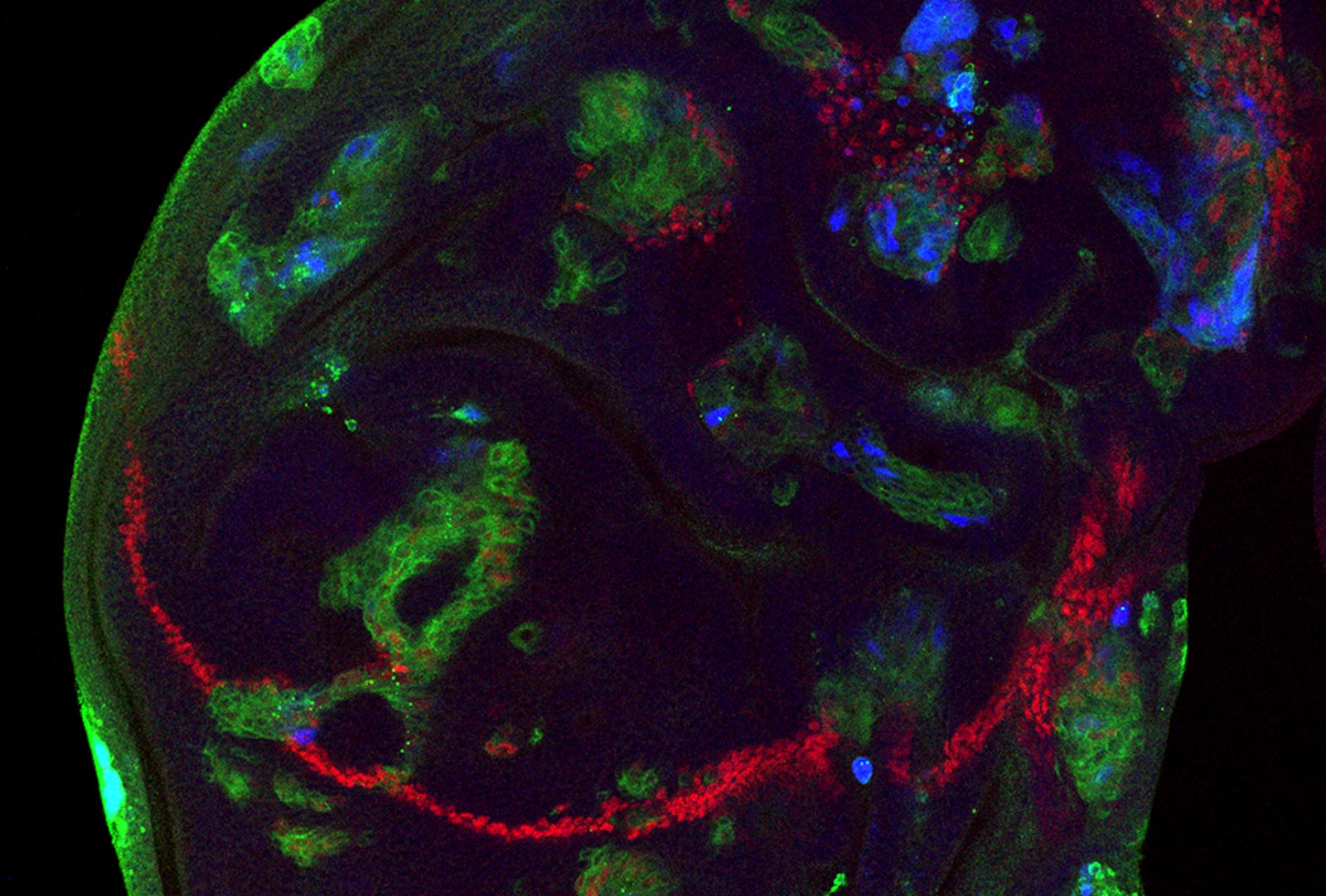
Jessica E. Treisman is a Professor in the Department of Cell Biology and Department of Ophthalmology at NYU Grossman School of Medicine. Her research focuses on developmental genetics and molecular neuroscience, particularly in the context of visual system development and synapse formation in Drosophila . Research Interests: Cell fate determination, tissue morphogenesis, neural circuit assembly, and corneal lens development Contact: Jessica.Treisman@nyulangone.org | 212-263-1031 Lab: Treisman Lab, Skirball Institute, New York, NY Her work explores how intrinsic transcription factors and extrinsic signaling pathways interact to regulate cell differentiation and tissue organization in the Drosophila visual system, with implications for understanding human corneal development and neural connectivity disorders. Recent publications highlight her contributions to understanding: Molecular mechanisms of corneal lens curvature formation Regulation of synaptic targeting specificity Role of Sidekick in epithelial junction dynamics Transcriptional synergy between Glass and EGFR signaling The Treisman Lab employs interdisciplinary approaches in Drosophila genetics to uncover fundamental principles of cell signaling and neural circuit development, with potential applications in human vision research and developmental disorders.
Jeffrey L. Krichmar is a Professor in the Department of Cognitive Sciences and Department of Computer Science at the University of California, Irvine. His academic journey includes a B.S. in Computer Science from the University of Massachusetts Amherst (1983), an M.S. in Computer Science from The George Washington University (1991), and a Ph.D. in Computational Sciences and Informatics from George Mason University (1997). Prior to UCI, he served as Assistant Professor at George Mason University (1997-1999) and Senior Fellow at The Neurosciences Institute (1999-2007). University of California, Irvine (2007-present) George Mason University (1997-1999) The Neurosciences Institute (1999-2007) His research focuses on neurorobotics , exploring how embodied cognition and biologically plausible neural models can enhance robotic systems. Key areas include spiking neural networks , neuromodulation , path planning , and interactive tactile robots for therapeutic applications. His work bridges neuroscience , robotics , and cognitive science , with applications in autonomous vehicles , neuroprosthetics , and AI explainability . Recent publications emphasize spiking neural networks for navigation , neuromodulated attention , and neuromorphic hardware integration. The development of CARLsim, a GPU-accelerated spiking neural network simulator now in version 6.0, represents a major technical contribution. His team's work on socially assistive robots like CARL-SJR targets therapeutic applications for autism and ADHD. Scientific Awards IJCNN 2020 Best Paper Award Finalist for Best Student Paper at IJCNN 2018 Best Paper Award at IEEE IJCNN 2009 Grants include National Science Foundation funding for neural models of decision-making (2009). His lab (Cognitive Anteater Robotics Laboratory) develops systems that use large-scale brain simulations for autonomous behavior , with applications in adaptive robotics , sensorimotor learning , and neuroethology . Current projects explore neuromodulatory influences on attention systems and cognitive flexibility .
Saud Alhusaini MD PhD is an Assistant Professor of Neurology at the Warren Alpert Medical School of Brown University and serves as a Neurologist/Movement Disorders Specialist at Rhode Island Hospital. His research integrates imaging genomics and multimodal brain imaging approaches to investigate neurological disorders including Parkinson's disease, essential tremor, and epilepsy. He is affiliated with the Carney Institute for Brain Science and collaborates extensively with clinicians, geneticists, electrophysiologists, MRI specialists, neuropsychologists, and data scientists. Education: PhD from the Royal College of Surgeons in Ireland (RCSI) MSc in Neuroscience from Trinity College Dublin MD from University of Dublin, School of Medicine Adult neurology residency at McGill University/Montreal Neurological Institute Clinical research fellowship at Yale School of Medicine Clinical fellowship at Stanford University Medical Center Dr. Alhusaini's research focuses on identifying key endophenotypes and subclinical biomarkers to elucidate the underlying mechanisms of complex neurological conditions. His work spans multiple areas including movement disorders, epilepsy, and brain structure genetics. He has made significant contributions to understanding the genetic architecture of brain structures through his involvement with the ENIGMA consortium, which conducts large-scale collaborative analyses of neuroimaging and genetic data across institutions worldwide. An analysis of his publication record reveals a consistent pattern of high-impact research at the intersection of neurology, genetics, and advanced imaging techniques. His recent work demonstrates particular expertise in Parkinson's disease genetics, epilepsy network analysis, and movement disorder diagnostics. The breadth of his research, spanning from basic genetic mechanisms to clinical applications, highlights his comprehensive approach to understanding neurological disorders. Dr. Alhusaini has received funding from the Rhode Island Research Foundation, Brown Physicians, Inc., and Advance RI-CTR to support his research initiatives. His collaborative approach is evident through his numerous multi-institutional projects and extensive co-author network across Brown University departments including Neurology, Neurosurgery, and Pathology and Laboratory Medicine.
Dr. Andrew Bassett serves as Head of the Cellular and Gene Editing Research group at the Wellcome Sanger Institute, where he develops cutting-edge genome engineering techniques using human pluripotent stem cells to investigate neurodegenerative diseases including Alzheimer's and Parkinson's. His work focuses on scaling genetic screening approaches and improving CRISPR specificity for modeling complex disease mechanisms. His academic training includes: PhD at the MRC Laboratory of Molecular Biology (MRC-LMB) with Andrew Travers on chromatin remodelling in heterochromatin formation Postdoctoral research with David Baulcombe at the University of Cambridge studying small RNA roles in chromatin modification Additional postdoctoral work with Chris Ponting at the MRC Functional Genomics Unit (MRC-FGU) in Oxford, where he pioneered CRISPR applications in Drosophila Bassett's research program centers on developing advanced genome engineering methodologies for precise modulation of gene expression networks during development and neurodegeneration. His group specializes in creating complex editing events (SNPs, paired knockouts, enhancer perturbations) within iPSC-derived models, with particular emphasis on epigenetic regulation and transcriptional control. Current projects integrate single-cell 'omics and phenotypic assays to decode genetic causes of neurodegenerative disorders through the OpenTargets consortium. Analysis of his 15 most recent publications reveals dominant trends in CRISPR technology development (35%), neurodegenerative disease modeling (30%), and single-cell functional genomics (25%). His work consistently bridges methodological innovation with disease mechanism studies, increasingly incorporating multi-omics approaches and expanding into cancer immunology and infectious disease applications since 2022. As group leader, Bassett mentors postdoctoral researchers and PhD students while securing major funding for genome engineering initiatives. His team operates within the Sanger Institute's Cellular Operations division and maintains critical partnerships with the OpenTargets consortium for therapeutic target validation. The laboratory specializes in high-throughput screening platforms using iPSC-derived neural and microglial models, with recent methodological advances including scSNV-seq and ONE-STEP tagging systems that significantly enhance precision genome editing capabilities.
Silvia Arber holds a joint appointment as Full Professor for Neurobiology/Cell Biology at the Biozentrum, University of Basel, and serves as Senior Group Leader at the Friedrich Miescher Institute (FMI) in Basel, Switzerland. Her laboratory investigates the organization, function, and development of neuronal circuits controlling motor behavior, with a particular focus on how these circuits enable precise movement control. Arber obtained her PhD in 1996 from the Friedrich Miescher Institute under Pico Caroni, followed by postdoctoral training with Thomas Jessell at Columbia University (1996-2000), where she studied transcription factors in spinal cord neuronal differentiation. Her educational background includes Biology II studies at the Biozentrum of the University of Basel with graduation in Cell Biology (1987), a diploma thesis at the FMI (1990), and graduate work at the FMI (1992). Her research program centers on elucidating how neuronal circuits orchestrate accurate motor behavior in response to sensory cues and voluntary movement initiation. Using mouse as a model system, her laboratory employs multi-faceted approaches including advanced mouse genetics, viral technologies for transsynaptic circuit tracing, optogenetics and pharmacogenetics for functional manipulation, quantitative behavioral analysis, electrophysiology, and gene expression profiling. Her work has revealed precise synaptic interactions within dedicated motor circuit modules throughout the nervous system and how these impact function, with implications for understanding diseases causing motor deficits and spinal cord injury. Analysis of Arber's publication record shows a consistent focus on motor circuit organization, with particular emphasis on transcriptional control mechanisms, circuit connectivity mapping, and the relationship between developmental processes and functional circuit organization. Her work bridges molecular, cellular, and systems neuroscience, providing fundamental insights into how the nervous system controls movement. The Brain Prize (2022) Elected to the National Academy of Sciences of the United States (2020) Physiological Society Annual Review Prize Lecture (2019) Pradel Research Award (2018) W. Alden Spencer Award (2018) Louis-Jeantet Prize for Medicine (2017) ERC Advanced Grant (2010-2015) EMBO Member (2005) EMBO Young Investigator Award (2001) While specific students are not listed in the provided materials, Arber's laboratory has received significant research funding including an ERC Advanced Grant (2010-2015) and multiple prestigious awards supporting her research program. Her laboratory at the Biozentrum (Room 11.038) collaborates closely with the Friedrich Miescher Institute, where she serves as Senior Group Leader. The research group employs cutting-edge technologies for neural circuit analysis and has contributed fundamental insights into motor circuit organization, with implications for understanding and potentially treating movement disorders and spinal cord injuries.
Dr. Boubker Zaaimi is a Lecturer in Neuroscience at Aston University, affiliated with the School of Life & Health Sciences under the College of Health and Life Sciences. His 15+ years of experience focus on implanting electrodes in animal models (rodents to primates) to study brain activity modulation, particularly in stroke and epilepsy contexts. He specializes in brain-machine interfaces, optogenetics, and closed-loop protocols to regulate neural activity. Key projects include the CANDO project (Newcastle University) and collaborations with DARPA and industry partners like Autifony Therapeutics. His research uses magnetoencephalography (MEG) to advance human brain activity recording and modulation techniques. Employment History: Multiple postdoctoral roles at Newcastle University, Northwestern University, and City College, NY, culminating in his current faculty position. Research Interests: Optogenetic control, neural dynamics in primates, spinal cord plasticity, and neuromodulation therapies. His work bridges basic science and clinical applications, with recent focus on non-invasive neurostimulation (e.g., brain-responsive music) and closed-loop systems for epilepsy management. Over 19 peer-reviewed articles highlight his contributions to understanding neural pathways and developing therapeutic interventions.
Donald T. Miller is a Professor at Indiana University School of Optometry, where he teaches optics to professional and graduate students while leading cutting-edge research in high-resolution retinal imaging. He serves as Graduate Faculty with endorsement to chair PhD committees and maintains an active laboratory developing adaptive optics and optical coherence tomography systems. His educational background includes: Ph.D. in Optics, University of Rochester (1996) B.S. in Applied Physics, Xavier University (1988) Dr. Miller's research pioneers "living histology" – observing cellular processes in the living retina through advanced optical imaging. His work focuses on developing instruments that capture structural and physiological changes at the cellular level, enabling early detection of retinal pathologies. Key innovations include adaptive optics correction for ocular aberrations and MEMS-based OCT systems, with applications targeting age-related macular degeneration, glaucoma, and diabetic retinopathy. His recent publications (2020-2024) demonstrate an evolution from instrument development toward clinical translation, emphasizing ultrafast imaging techniques and cellular-level analysis of retinal diseases. The research consistently bridges optical engineering, neuroscience, and ophthalmology to achieve unprecedented in vivo visualization. Scientific recognition includes: 2024 Rank Prize in Optoelectronics for adaptive optics retinal imaging R&D 100 Award for MEMS-based OCT development Trustees’ Teaching Award (twice) Fellow of the Optical Society of America As a mentor, Dr. Miller chairs PhD committees and leads the Miller Lab – a hub for optical innovation with strong NIH R01 funding. His lab collaborates with the Center for Adaptive Optics and NIH Bioengineering Research Partnerships, translating fundamental optics research into clinical applications. Current work focuses on ultrafast adaptive optics for real-time cellular imaging and glaucoma diagnostics. The Miller Lab operates within Indiana University's vibrant vision research ecosystem, developing instruments that reveal cellular details across full retinal thickness. Their current projects include characterizing retinal ganglion cells in glaucoma and advancing adaptive optics for earlier blindness prevention.
Dr. Sheng-Jian Ji is a Tenured Associate Professor at the School of Life Sciences, Department of Neuroscience at Southern University of Science and Technology (SUSTech) in Shenzhen, China. He also serves as the Academic Vice President of Shude Academy and was previously the first Deputy Director of Research and Graduate Affairs in the Department of Biology at SUSTech (2016-2018). As a leading neuroscientist specializing in RNA modification and neural development, Dr. Ji has established an internationally recognized research program. Dr. Ji's educational background includes: 2003-2007: Postdoctoral Fellow, Johns Hopkins University School of Medicine, Neurobiology 1998-2003: PhD in Biochemistry and Molecular Biology, Peking University School of Life Sciences 1994-1998: Bachelor's Degree in Biochemistry, Yantai University Department of Biochemistry Dr. Ji's research primarily focuses on developmental neurobiology, with particular emphasis on post-transcriptional regulation mechanisms including RNA modification and local translation of mRNA in axons. His laboratory is recognized as one of the leading international groups studying how mRNA modification (particularly m6A and m5C) regulates neural development and function. Through innovative approaches combining molecular biology, cell biology, and microfluidic technologies, his team has revealed important insights into axon growth, dendrite maintenance, cortical neurogenesis, and retinal development. His publication record shows a clear trajectory from fundamental mechanisms of RNA modification to applications in understanding neurological disorders and aging. Recent work has expanded into aging-related neural decline, cognitive functions, and potential therapeutic targets for neurological conditions. Dr. Ji has received numerous prestigious awards: 2020, 2016: SUSTech Excellent College Mentor 2020: SUSTech Biology Department Outstanding Service Award 2019: Guangdong Province Talent Youyue Card A 2017: Guangdong Provincial Professor of Neurobiology 2013: Jiangsu Distinguished Professor (Nanjing University) 2011: National Natural Science Award Second Prize (third contributor) As an educator, Dr. Ji teaches undergraduate Neurobiology and graduate Cellular and Molecular Neurobiology courses. He actively mentors students, with recent master's graduates including Yuan Jiaxin and Zhang Pingrui. His laboratory recruits postdoctoral fellows (with salaries of 335,000+ RMB annually), research assistants, and graduate students, providing comprehensive training in molecular techniques, neuronal cell culture, microfluidics, and omics approaches. Dr. Ji leads a vibrant research team that collaborates both within SUSTech and internationally. His work continues to advance understanding of RNA modification in neural development, function, and aging, with recent progress highlighted in June 2025.
Daniela Maria Menichella, MD, PhD, is an Associate Professor in the Department of Neurology at Northwestern University's Feinberg School of Medicine, specializing in neuromuscular disease with a focus on peripheral neuropathy. She leads the Charcot-Marie-Tooth Association Centre of Excellence and maintains clinical affiliations with Northwestern Memorial Hospital. Her educational credentials include: MD from the University of Milan, Italy (1994) PhD from the University of Milan, Italy (2003) Postdoctoral Fellowship in Neuroscience at Wayne State University (2002) Postdoctoral Fellowship in Neuroscience at Harvard Medical School (2006) Internal Medicine Internship at Northwestern University McGaw Medical Center (2008) Neurology Residency at Northwestern University McGaw Medical Center (2011) Dr. Menichella's research centers on pathophysiological mechanisms of neuropathic pain and axonal degeneration in peripheral neuropathies, with particular emphasis on diabetic neuropathy and hereditary neuropathies like Charcot-Marie-Tooth disease. Her laboratory investigates molecular pathways including chemokine SDF-1/CXCR4 signaling and Mas-related G protein-coupled receptors (Mrgprd), aiming to identify novel therapeutic targets for pain relief and nerve regeneration. Current work explores keratinocyte-derived extracellular vesicles and their role in pain mechanisms. Her recent publications (2023-2025) reveal a strategic focus on translational research, bridging molecular discoveries in diabetic neuropathy with clinical applications. Key trends include investigation of extracellular vesicle biomarkers, receptor-mediated pain pathways, and evidence-based clinical trial design for neuropathic pain conditions. Notable awards include: Wolfe Award from the American Neurological Association (2019) Peter James Dyck Award from the Peripheral Nerve Society (2013) Dr. Menichella holds significant leadership roles including Chair of the US ASP Scientific Program Committee, Board Director for the United States Association for the Study of Pain and Peripheral Nerve Society, and Chair of the Neuropathic Pain Consortium. She serves as Associate Editor for the Journal of the Peripheral Nervous System and Diabetes, and leads the Charcot-Marie-Tooth Association Centre of Excellence where her team investigates intracellular mechanisms in peripheral nerve disorders like Charcot-Marie-Tooth Type 2B disease.