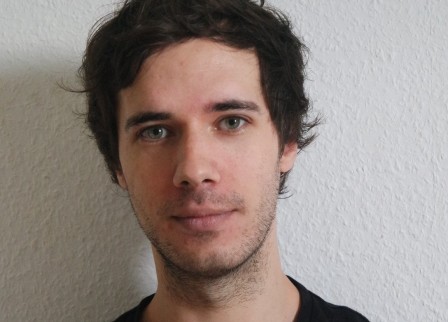
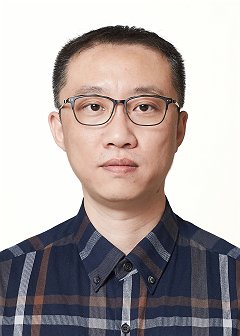
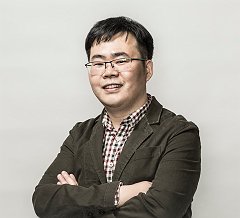
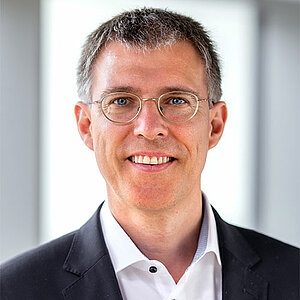
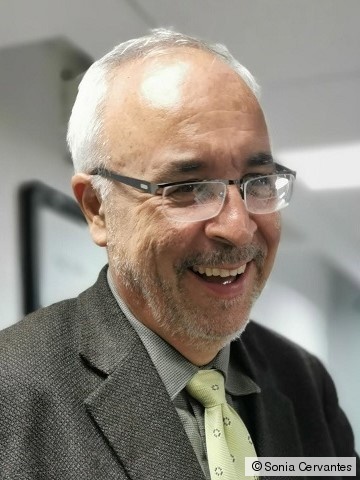
Prof. Dr. Thomas Kopinski is a Professor at the Faculty of Engineering and Economics, South Westphalia University of Applied Sciences in Meschede, Germany. He leads the AI Safety and Collective Intelligence Lab, focusing on cutting-edge research in machine learning applications for industrial and automotive systems. His work bridges academic research and industry collaborations, notably with BMW AG. Research Focus: His team explores: Deep learning architectures for real-time gesture recognition and automotive HMI AI safety protocols and collective intelligence frameworks Industrial applications including predictive maintenance and anomaly detection 3D programming and sensor fusion techniques Team & Students: Current advisees include PhD candidates working on: Bayesian deep learning for predictive maintenance (Felix Neubürger) Generative models for image synthesis (Yasser Saeid) Object recognition in crash test videos (Daniel Gierse) Key Projects: Actively directs WiTraPres and Core Transformer initiatives, with upcoming R&D in AI Safety launching in 2025. Industrial collaborations focus on automotive safety systems and manufacturing optimization.
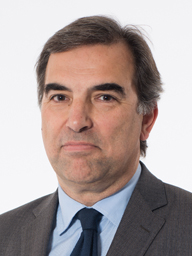
Professor Herbert Zech serves as Director at the Weizenbaum Institute Berlin and holds the Chair of Civil Law, Technology Law and IT Law at the Faculty of Law, Humboldt University of Berlin. His dual appointments position him at the forefront of research on the intersection of law and digital technologies, with a particular focus on how legal frameworks can adapt to the challenges posed by artificial intelligence, data governance, and emerging technologies. Professor Zech's research interests span Technology Law, IT Law, Data Regulation, Intellectual Property, Patent Law, AI Regulation, Civil Law, and Life Sciences Law. His work consistently addresses the tension between innovation and regulation, examining how legal systems can foster technological advancement while protecting fundamental rights and societal values. He has made significant contributions to understanding data as a legal construct, the implications of AI for traditional legal concepts, and the protection of intellectual property in digital environments. His recent publications reveal a strong focus on contemporary challenges in digital regulation, particularly the legal aspects of AI systems, data governance frameworks, and platform regulation. Professor Zech's scholarship demonstrates both theoretical depth and practical relevance, often informing policy discussions at the European level. His collaborative work with researchers across multiple institutions highlights his engagement with the broader academic community on pressing issues of digital governance. Among his notable achievements are significant contributions to understanding the legal frameworks for data economies, the implications of AI for intellectual property systems, and the regulation of digital platforms. His work has influenced both academic discourse and policy development in these critical areas. Professor Zech maintains an active research agenda with numerous recent publications addressing cutting-edge issues in technology law. His supervision likely offers students opportunities to engage with pressing legal questions at the intersection of law and technology, particularly in areas related to AI governance, data regulation, and intellectual property in digital environments.
Manel Peiró Posadas serves as Full Professor in the Department of People Management and Organization at ESADE Business School, Ramon Llull University, where he directs the Institute for Healthcare Management. His institutional affiliations span academic, clinical, and policy domains including GLIGP Research Group (AGAUR SGR 1556), Sant Andreu Health Foundation (President since 2007), Puigvert Foundation (Vice-president since 2013), and Cemcat Foundation (Vice-president since 2015). His academic credentials include a Doctorate in Business Administration and Management from ESADE and a Medical Degree from Autonomous University of Barcelona. This dual foundation informs his research on healthcare system innovation, strategic leadership, and organizational change in public health settings. Peiró Posadas' research examines critical intersections of healthcare management and clinical operations, with emphasis on strategic planning frameworks, innovation implementation in resource-constrained environments, and leadership models for professional engagement. His work addresses Catalonia's unique healthcare governance challenges through the GLIGP research group, generating practical tools for health system administrators while advancing public management theory. Analysis of his 2005-2024 publications reveals consistent focus on healthcare system transformation, with recent work (2020-2024) prioritizing oncology care pathways, agile innovation methodologies, and shared decision-making frameworks. His scholarship demonstrates strong alignment between theoretical contributions in public management journals and practical applications in Spain's National Health System. Through ESADE's Executive Master in Management of Health Organizations, he trains healthcare leaders while directing research projects funded through GLIGP's AGAUR grant. His foundation leadership roles provide direct access to operational health system challenges, creating feedback loops between academic research and real-world management practice. The Institute for Healthcare Management functions as his primary research hub, focusing on health system functionality analysis and management support for public/private health institutions. His foundation affiliations extend this work into specialized clinical domains including urology (Puigvert), neuroimmunology (Cemcat), and cancer survivorship care.
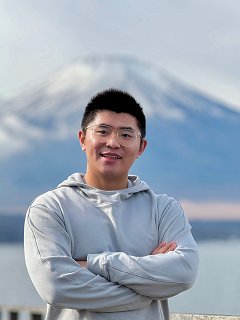
Yintong Huo is an Assistant Professor at the School of Computing & Information Systems, Singapore Management University (SMU), where he leads research in intelligent software engineering. He received his PhD from The Chinese University of Hong Kong (CUHK) in 2024 under Prof. Michael R. Lyu and holds a Bachelor's degree from the University of Electronic Science and Technology of China. His research focuses on empowering AI models (particularly LLMs) for software development, testing, and operations, with two flagship projects: LogPAI (open-source AI platform for automated log analysis) and WebPAI (multimodal intelligence for automatic webpage development). His work spans log analysis, code intelligence, UI generation from prototypes, and configuration diagnostics. Huo's publication record shows strong trends in leveraging multimodal LLMs for practical software engineering challenges, with recent work on interactive webpage generation (Interaction2Code), configuration logging (ConfLogger), and log parsing (LILAC). His research bridges theoretical AI advancements with real-world system reliability needs. ICSE Distinguished Reviewer Award (2025) ISSRE Distinguished Reviewer Award (2024) IEEE Open Software Services Award (2022) ACM SIGSOFT CAPS Travel Grants National Scholarship (2019) Huo actively supervises PhD students (including Shi Ying Chang and Dan Huang) and research engineers. His lab has secured funding for multiple projects including WebPAI and LogPAI. He serves on program committees for major conferences (ASE, ICSE, FSE) and reviews for top journals. Current projects include dynamic webpage generation and configuration diagnostics, with ongoing work on small language models for logging systems. Huo leads the LogPAI and WebPAI research groups, developing open-source tools for automated log analysis and multimodal UI code generation. The LogPAI project has garnered over 3,000 GitHub stars and 70,000 downloads. His team collaborates with industry partners on AIOps challenges and is expanding into configuration diagnostics through the ConfLogger project.
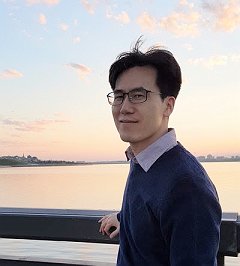
Zhou Yang is an Assistant Professor at the University of Alberta and Fellow at the Alberta Machine Intelligence Institute (Amii), with research focusing on the intersection of software engineering and artificial intelligence. His academic journey includes a Ph.D. from Singapore Management University, an M.Sc. in Software System Engineering from University College London, and undergraduate studies at Yangzhou University. His research interests span Software Engineering, Artificial Intelligence, AI for Software Engineering (AI4SE), Software Engineering for AI (SE4AI), Large Language Models, and Cybersecurity. Yang's work explores how human and AI collaboration can improve code writing, how AI impacts open-source communities, and how developers build software in emerging environments like VR/AR. His recent publications demonstrate strong trends in code language models, with significant contributions to ASE, ICSE, ISSTA, and top journals like TOSEM and TSE. His research addresses critical challenges including token efficiency in code generation, user perception of AI coding assistants, privacy preservation in code models, and fairness in AI systems. 2024 IEEE Computer Society Best Paper Award (1 out of 183 submissions) ACM Distinguished Paper Award from ISSTA 2024 Distinguished Reviewer Award from Internetware 2024 SMU Research Staff Excellence Award (1 of 4 university-wide) SMU Presidential Fellowship Award SMU Dean's List Award 1st Place in ACM Student Research Competition at ICSE 2024 Yang actively mentors graduate students with regular one-on-one meetings, constructive feedback, and support for top-venue publications. He provides full funding through teaching assistantships and research grants, including travel support for conferences. His lab focuses on responsible research conduct and societal implications of AI work. Though early-career, he actively builds professional networks for students through collaborations and supports diverse career paths in academia and industry. He leads research in the Alberta Machine Intelligence Institute, focusing on practical applications where software engineering principles enhance AI systems and where AI techniques solve real-world software engineering challenges.
Shiva Nejati is a Professor at the School of Electrical Engineering and Computer Science at the University of Ottawa, where he leads research in software engineering with a focus on verification and analysis of cyber-physical systems. Previously, he served as a senior scientist (2012-2019) at the SnT Center, University of Luxembourg, and as a scientist (2009-2012) at the Simula Research Laboratory. He earned his M.Sc. and Ph.D. from the University of Toronto in 2003 and 2008, respectively. His research interests span Software Testing and Verification, Cyber Physical Systems, Applications of AI to Software Engineering, and Search-based Software Engineering. Nejati's work draws on techniques from formal software modeling, meta-heuristics optimization, machine learning, system engineering, and empirical methods. He has extensively worked on testing and fault localization of cyber physical systems, particularly applied to autonomous vehicles and IoT systems, while also exploring requirements traceability, automated configuration of product line systems, and simulation modeling of CPS. His recent publications demonstrate a strong trend toward integrating artificial intelligence with traditional software verification techniques, particularly for complex cyber-physical systems. His work bridges search-based testing with formal verification methods to address the challenges of testing compute-intensive models in domains like autonomous vehicles and satellite systems. The research shows increasing focus on applying machine learning to solve longstanding problems in software testing and requirements engineering. Nejati serves in significant leadership roles across major software engineering conferences, including PC Chair for ASE 2026, General Chair for CASCON 2026, and various program committee and organizing committee roles for ICSE, ISSTA, MODELS, and other top-tier conferences. He is also an Associate Editor for EMSE Journal and ASE Journal, and previously served on the IEEE Transactions on Software Engineering editorial board. He teaches advanced courses including 'AI-enabled Software Verification and Testing' and 'Software Construction' at the University of Ottawa, while leading the Sedna lab which focuses on verification, analysis, and testing of complex systems. His research is conducted in close collaboration with industry partners across telecommunication, maritime, energy, automotive, and aerospace sectors.
Prof. Dr. Silvia Capellino serves as Group Leader of the Neuroimmunology research group at the Leibniz Research Centre for Working Environment and Human Factors (IfADo) in Dortmund, Germany. She holds the academic rank of Associate Professor conferred by the University of Duisburg-Essen in 2020 and has been a member of the faculty council at the medical faculty of the University of Duisburg-Essen since 2017. Dr. Capellino earned her Diploma in Biology from the University of Genoa, Italy in 2003, followed by a Ph.D. in Clinical and Experimental Immunology jointly from the University of Genoa and University of Regensburg in 2007. She completed her Habilitation at the University of Regensburg in 2012. Her academic journey includes postdoctoral positions at the University of Regensburg (2007-2012), The Johns Hopkins University School of Medicine (2012-2013), and the University of Giessen and Kerckhoff Clinic (2015-2016). Dr. Capellino's research focuses on the intricate connections between the nervous and immune systems, particularly examining how neurotransmitters like dopamine and catecholamines modulate immune responses in autoimmune conditions. Her work has significant implications for understanding sex differences in immunity and developing novel therapeutic approaches for rheumatoid arthritis. As leader of the Junior Research Group "Neuroimmunology" at IfADo since 2016, she has established herself as a prominent researcher in the field of neuroimmunology. Her recent publications demonstrate a consistent focus on dopamine's role in immune regulation, particularly in rheumatoid arthritis, with emphasis on sex differences, B cell and monocyte activation, and potential therapeutic applications. Her work spans basic science investigations of immune cell signaling to clinical applications, reflecting a translational research approach that bridges laboratory findings with potential patient benefits. Dr. Capellino has received significant research support including a prestigious Marie Skłodowska-Curie scholarship (2016-2019) which enabled her to establish her independent research group. Her leadership extends beyond her laboratory as she serves on the faculty council at the medical faculty of the University of Duisburg-Essen, contributing to academic governance and policy. At the Leibniz Research Centre for Working Environment and Human Factors, Dr. Capellino leads the Neuroimmunology research group within the Immunology department. Her laboratory investigates the neuroendocrine-immune axis with particular focus on catecholamine signaling in inflammatory conditions. The team employs a multidisciplinary approach combining immunological techniques, molecular biology, and clinical research to unravel the complex interactions between the nervous and immune systems.
Jooyong Yi is an Associate Professor in the Department of Computer Science and Engineering at UNIST (Ulsan National Institute of Science and Technology). He leads the LOFT (Lab of Software), focusing on autonomous techniques for software reliability in AI-generated code environments. Research Interests: His work spans program analysis, automated repair, testing/debugging, and verification. Core themes include developing scalable methods for bug detection (via static/dynamic analysis), AI-compatible repair systems, and verification frameworks for safety-critical systems. Recent emphasis integrates fuzzing techniques with repair validation. Publication Trends: His 15 most recent works (2015-2025) show progression from foundational program repair techniques (e.g., Angelix, DirectFix) toward AI-era innovations: greybox fuzzing for efficiency, memory-leak repair for web frameworks, and deep-learning library testing. Over 50% of publications focus on optimizing repair validation and scalability. Awards: ACM Distinguished Paper Award at ASE 2023 Students & Grants: Currently advises 5 PhD, 1 MS/PhD, and 2 MSc students. Secured ₩20B+ in funding for projects including: MSIT Binary Micro-Security Patch Technology (2024-2026) Patch Validation for Automated Repair (2023-2026) AI-Powered Low-Code Platform (2023-2025) Memory-Safe Language Integration (2024-2027) Lab: LOFT lab develops verified repair tools (e.g., LeakPair, Verifix) and benchmarks (BUGSC++), prioritizing human oversight in AI-generated software.
Wei Chen is a Research Fellow at the Institute of Software, Chinese Academy of Sciences, where he serves as a PhD and Master's supervisor. He leads the Software Engineering Technology R&D Center and maintains affiliations with the University of Chinese Academy of Sciences and its Nanjing College. Dr. Chen has established himself as a leading figure in intelligent software engineering research within China's academic community. His primary research focuses on four interconnected areas: intelligent code maintenance and quality assurance (particularly Python ecosystem compatibility based on domain knowledge), reliability assurance of complex IoT systems in human-machine-object convergence scenarios, cloud-native system development with emphasis on Function-as-a-Service optimization, and quality assurance of deep learning frameworks in resource-constrained environments. Dr. Chen's work consistently bridges theoretical advances with practical applications, maintaining strong industry collaborations with major Chinese technology companies. Analysis of Dr. Chen's recent publications reveals a strategic integration of AI techniques with traditional software engineering challenges. His research shows increasing emphasis on leveraging large language models for IoT component synthesis, sophisticated dependency management solutions for Python ecosystems, and innovative approaches to testing autonomous systems. The work demonstrates both theoretical depth and practical utility, with many publications leading to implemented tools and systems. Second Prize of Science and Technology Progress Award of China Institute of Electronics (2022) First Prize of Science and Technology Progress Award of China Institute of Electronics (2021) ACM SIGSOFT Distinguished Paper Award (2023) Special Prize of the 4th China Software Open Source Innovation Competition (2021) First Prize in the 4th China Software Open Source Innovation Competition (2021) OW2 Programming Contest First Prize (2016) Dr. Chen has mentored over ten graduate students who have achieved notable success in academic competitions and industry placements. His laboratory (TCSE, http://tcse.cn/) currently manages multiple significant research projects including 'Complex IoT System Reliability Assurance Key Technology Research' (2025-2028), 'Intelligent Development, Testing, and Maintenance of Cloud-native Software Ecosystems' (2024-2027), and 'Traffic Infrastructure Digital Industrial Software Architecture and Core Technology Standard System' (2021-2024). The lab maintains active collaborations with Huawei, Alibaba, Tencent, and other leading technology enterprises.
Luciano Baresi is a Full Professor at the Polytechnic University of Milan (Politecnico di Milano), Italy, affiliated with the Department of Electronics, Information and Bioengineering. He earned his laurea (MSc) and PhD in Computer Science from the same institution and has held visiting positions at the University of Oregon (USA), Tongji University (China), and the University of Paderborn (Germany). His research spans software engineering, with current focuses on self-adaptive systems, edge computing, and AI/ML-based software. His work integrates formal methods with practical applications, emphasizing autonomous systems, cloud-edge continuum, and federated learning. Recent publications highlight AI-driven advancements in software testing, resource optimization, and educational tools. Key research themes include: AI/ML for autonomous driving testing and data augmentation Serverless computing at the edge Federated learning system architectures Containerization and cloud resource management Awarded for impactful contributions: RE 2020 Most Influential Paper ICSOC 2020 Best Paper SEAMS 2022 Best Paper He advises 14+ PhD students and leads projects like Ketonet (health app), WHO's Essential Items Estimator, and dynaSpark. As Editor-in-Chief of Proceedings of the ACM on Software Engineering and senior editor for multiple journals, he shapes academic discourse in adaptive systems and software engineering.
Ajitha Rajan is a Professor (Personal Chair of Software Testing & Verification) at the School of Informatics, University of Edinburgh. She joined the university in December 2012 as a Reader (equivalent to Associate Professor in American terms) and was promoted to Professor in 2024. Prior to her position at Edinburgh, she held postdoctoral positions at Oxford University and Laboratoire d'Informatique de Grenoble in France. She earned her PhD in Computer Science from the University of Minnesota in August 2009 under Professor Mats Heimdahl. Her research focuses on two primary directions: Automated Software Testing (including test input generation, test oracles, and coverage measurement) and Biomedical AI (particularly cancer survival models and interpretability for biological sequences and medical images). Her work has applications in safety-critical systems, blockchains, embedded systems, and medical diagnostics. She has made significant contributions to explainable AI for healthcare applications, especially in lung cancer detection and cancer survival analysis. Her recent publications demonstrate a strong trend toward interdisciplinary research at the intersection of software engineering and biomedical applications. She has numerous publications in top venues including ICSE, ASE, and healthcare-focused conferences. Her work increasingly focuses on making AI systems more interpretable and trustworthy, particularly in medical contexts where model decisions can have life-or-death consequences. ACM SIGSOFT Distinguished Reviewer Award, ISSTA 2025 Best Paper Award at ICHI 2025 Promoted to Professor (Chair in Software Testing & Verification) 2024 SICSA Best Supervisor Award 2024 ACM Distinguished Paper Award 2008 Professor Rajan actively supervises PhD students in both software testing and biomedical AI domains. She leads several funded projects including MANIFEST (a cancer immunotherapy response research platform), a Huawei Joint Lab project on RobustCheck, a Royal Society Industry Fellowship on AutoTest, and the KATY project on clinical knowledge for personalized medicine. Her research group includes current PhD students working on explainable AI for medical image analysis, scenario-based testing for autonomous driving, and protein design applications.
Song Wang is an Associate Professor in the Department of Electrical Engineering and Computer Science at York University's Lassonde School of Engineering since May 2024. Previously, he served as an Assistant Professor at the same institution from July 2019 to May 2024. He earned his Ph.D. in Computer Engineering from the University of Waterloo in December 2018 under Prof. Lin Tan, an MS degree from the Chinese Academy of Sciences in June 2014 under Profs. Ye Yang and Wen Zhang, and BE and BHRM degrees from Sichuan University in June 2011. Dr. Wang's research focuses on the intersection of Software Engineering and Artificial Intelligence, with two main thrusts: 1) leveraging AI technologies to address software reliability challenges (AI for SE), and 2) developing software reliability techniques to improve AI infrastructure systems (SE for AI). His specific interests include software testing, program analysis, software reliability, and machine learning applications in software engineering. His research has led to tools that have detected hundreds of true bugs across various open-source projects. His recent publications reveal a strong focus on applying large language models to software engineering tasks, analyzing vulnerabilities in deep learning libraries, and developing techniques for software testing and reliability. The research spans multiple subfields including API testing, vulnerability detection, bias analysis in generated code, and automated assurance case generation. TOSEM Distinguished Reviewer Award 2023 APSEC'23 Distinguished Paper Award ACM SIGSOFT Distinguished Paper Award (ICPC 2022) ACM SIGSOFT Distinguished Paper Award (ICSE 2020) Best Paper Award at PROMISE 2019 Dr. Wang actively mentors students at all levels, currently supervising multiple PhD and MASc students. His research group has produced numerous publications in top-tier software engineering venues, including ICSE, FSE, ASE, and TOSEM. He also serves on the editorial board of ACM TOSEM and has been involved in organizing major conferences like ASE and CASCON.
Prof. Dr. Stefan Wengler is a Professor of Marketing at Hof University of Applied Sciences, where he serves as Head of the Research Group "Empirical Research & User Experience" (ERUX) at the Institute for Information Systems (iisys) since 2024. He has extensive experience in both academia and industry, with many years of professional experience in marketing & sales, including expertise in digital transformation. His educational background includes: Ph.D. on "Economic Value of Key Account Management" with Prof. Dr. Dr. h.c. Michael Kleinaltenkamp at Freie Universität Berlin, Germany Studies of Business Administration and Economics (Degree: Diplom-Kaufmann) at Julius Maximilians University, Würzburg, Germany Additional studies at University of Texas at Austin, Texas, U.S.A. and Humboldt University, Berlin, Germany Prof. Wengler's research primarily focuses on digital transformation in sales, autonomous driving & customer acceptance, multi-stage marketing in business markets, strategic global/key account management, and international product development. His international perspective is particularly evident in his work on "Doing Business in India," where he has developed expertise in market entry strategies for the Indian market and global expansion strategies of Indian companies. His research aims to create more customer-oriented digital systems by improving human-machine interfaces and making digital systems more intuitive to use. His publications demonstrate significant trends in human-machine interaction research, particularly in automotive contexts, and digital transformation in sales processes. Recent work shows increasing focus on sustainability issues, cross-cultural marketing challenges, and the evolving skill requirements for sales professionals in the digital age. His scholarly contributions have been recognized with the "Outstanding Paper Award 2022" from the Journal of Business & Industrial Marketing (JBIM). He serves as a reviewer for multiple prominent marketing journals and as an external examiner for Ph.D. theses at international universities. Prof. Wengler is actively involved in thesis supervision, requiring students to have completed one of his courses with at least a grade of 2.0 and to conduct their research in cooperation with a company. He has also served as Head of the MBA program "German Indian Management Studies" and was International Representative of the Faculty from 2010-2016. His research group ERUX, which he co-leads with Dr. Joachim Riedl, focuses on making human-machine interfaces more user-friendly and digital systems more intuitive to use.
Héctor Solis serves as Professor for Product Development and Industrial Design at Frankfurt University of Applied Sciences' Department of Computer Science and Engineering, where he has been faculty since 1998. He currently leads the Design Laboratory for Virtual Human Interaction and Prototyping and contributes to the Future Aging Research Center. His academic credentials include a Diploma in Industrial Design from the University of Guadalajara (1980-1987), a DAAD-sponsored postgraduate degree in Automotive Design from FHG Pforzheim (1987-1990), and ongoing doctoral studies at HBK Braunschweig since 2008. Prof. Solis specializes in assistive robotics for elderly populations, with research spanning autonomous navigation in unstructured environments, intelligent object handling systems, human-robot interaction design, and machine learning for decision-making. His work focuses on developing mobile assistance robots that enable independent living through advanced sensor integration and user-centered design principles. His publication history demonstrates consistent interdisciplinary exploration at the intersection of design theory, semiotics, and engineering, with recent emphasis on robotics applications for aging societies and educational frameworks for product development. Key recognitions include: DAAD Scholarship for Automotive Design studies (1987-1990) ITESM Kredit-Stipendium for doctoral research (2007-2012) Multiple 'Best Design Student' awards from University of Guadalajara (1982, 1984) ConacyT award for design excellence (1982) Industrial Draftsman First Prize (1977) He actively supervises student design projects and leverages extensive industry experience from Volkswagen, Mercedes-Benz, and Mexican automotive firms to inform his academic work in product development and robotics education. His Design Laboratory for Virtual Human Interaction and Prototyping serves as the primary hub for developing and testing human-centered robotic systems within the Future Aging Research Center's mission.
Prof. Reiner Marchthaler is a Professor at Esslingen University of Applied Sciences within the Faculty of Computer Science and Information Technology. He serves as Deputy Director of the Institute for Intelligent Systems (IIS), Scientific Director of the Green IT 2026 Conference, and Liaison Lecturer for the Friedrich Ebert Foundation. His academic leadership spans autonomous systems research and educational initiatives in embedded technologies. His research centers on Embedded Systems and Sensor Data Fusion, with pioneering work on Kalman filters for autonomous systems. He maintains the authoritative resource kalman-filter.de and has developed real-time capable SLAM algorithms, camera-based reference systems, and parking space detection frameworks. His expertise extends to entropy-based safety evaluation in autonomous driving and semantic segmentation using mixed real/synthetic data. Analysis of his 2020-2025 publications reveals dominant trends in autonomous driving systems, emphasizing real-time sensor fusion, deep learning for perception, and safety validation. Key subfields include adaptive Kalman filtering (ROSE-Filter), landmark-based navigation, neural network training with synthetic data, and maximum entropy safety frameworks. His work bridges theoretical innovation with automotive applications, particularly in model vehicle testing environments. Prof. Marchthaler leads research at the Institute for Intelligent Systems, directing the Green IT 2026 initiative and advising the Friedrich Ebert Foundation. His team develops ROS-based validation environments for autonomous algorithms and maintains the Kalman filter knowledge portal. Current projects focus on connected traffic systems using conventional infrastructure landmarks and entropy-optimized safety protocols for production vehicles.