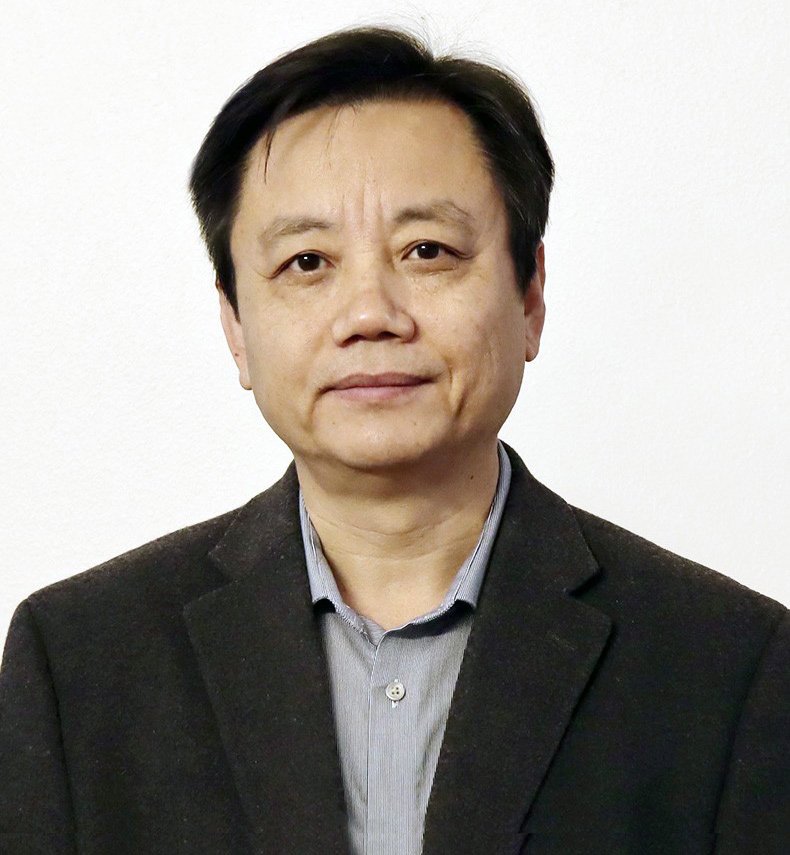
Chuanmin Hu is a Professor at the University of South Florida College of Marine Science , leading the Optical Oceanography Laboratory . His work integrates in situ optical measurements with satellite remote sensing to study coastal ocean dynamics, harmful algal blooms, and climate impacts on water quality. Education: Ph.D. in Physics (University of Miami, 1997) Research Focus: Ocean optics, remote sensing algorithms, algal blooms, carbon cycling, and coastal observing systems Leadership: Director of the Optical Oceanography Lab and developer of systems like Sargassum Watch System and Integrated Red tide Information System His lab utilizes autonomous underwater vehicles (AUVs) and high-resolution satellite data to map bio-optical properties in coastal zones, coral reefs, and estuaries. Recent innovations include the Virtual Buoy System for real-time water quality monitoring. Scientific Awards: 2024 Pecora Group Award (USGS-NASA) Dr. Hu's work bridges optical oceanography with practical coastal management solutions, addressing challenges like the Tampa Bay Piney Point effluent plume and Sargassum inundation forecasting . His group has produced over 100 peer-reviewed publications and developed multiple satellite-based monitoring platforms.
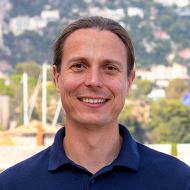
Geir Johnsen is a Professor at the Department of Biology, Norwegian University of Science and Technology (NTNU), with a part-time research position (Prof II) at the University Centre on Svalbard (UNIS). He is also a co-founder of the NTNU spin-off company Ecotone, which develops optical techniques for marine environmental mapping. Currently, he is on a one-year research stay at the University of Hawaii at Manoa, focusing on spectral bioluminescence in marine taxa and coral reef monitoring. University: Norwegian University of Science and Technology (NTNU) Department: Department of Biology Additional Roles: Prof II at UNIS, Co-founder of Ecotone Research Areas: Marine ecology, bio-optics, photosynthesis, pigment chemotaxonomy, underwater robotics, and sensor development for in situ identification of marine biogeochemical objects. His work integrates autonomous systems for Arctic polar night studies, coral reef mapping, and microplastics analysis. Scientific Output: Over 130 peer-reviewed papers, book co-editorships, and leadership in the Centre of Excellence (AMOS) for autonomous marine systems. Key 2025-2024 publications address climate change in the Arctic, hyperspectral marine mapping, microplastics detection, and photophysiological studies in polar regions. Advising: 3 MSc and 5 PhD students (total 47 MSc and 17 PhD advisees) Outreach: Public articles on deep-sea mining ethics, light pollution in the Arctic, and marine robotics.
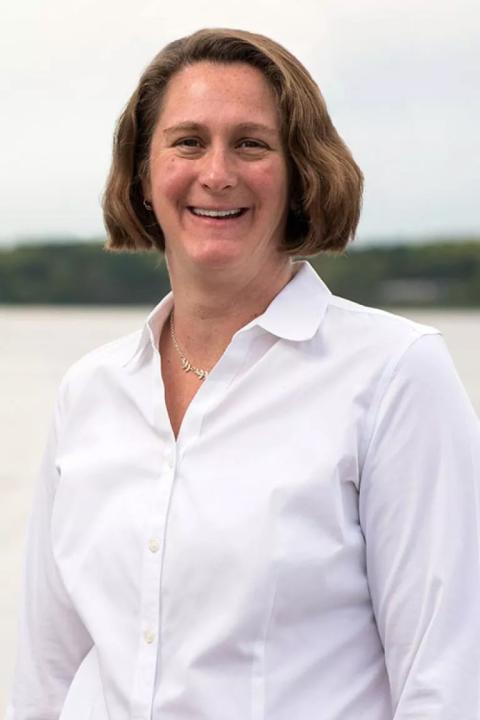
Donald K. Perovich is a Professor of Engineering at Dartmouth College's Thayer School of Engineering. His research focuses on Arctic geophysics, sea ice dynamics, and climate change impacts. He has conducted extensive fieldwork, including leadership roles in the SHEBA and MOSAiC expeditions, and pioneered studies on sea ice-albedo feedback mechanisms. Education: BS in Physics (Michigan State University, 1972), MS and PhD in Geophysics (University of Washington, 1979/1983). He has held visiting and adjunct roles, including Chief Scientist for the SHEBA project (1996–1999) and Co-Chief Scientist for NASA's ICESCAPES mission (2010–2012). Research emphasizes sunlight-ice interactions, meltwater dynamics, and Arctic system responses to global warming. His work integrates field observations, satellite data, and modeling to understand climate feedbacks and environmental changes. Notable awards include AGU Fellow (2013), CRREL Gallery of Distinguished Employees (2021), and multiple Department of Defense recognitions. He actively contributes to international committees, including the Arctic Sea Ice Working Group and the Year of Polar Prediction Steering Committee. Perovich has led major grants and collaborations, including NOAA-funded Arctic monitoring projects. His lab focuses on advancing technologies for autonomous data collection in extreme environments. Current research explores how thinner Arctic ice affects heat transfer and ecosystem dynamics.
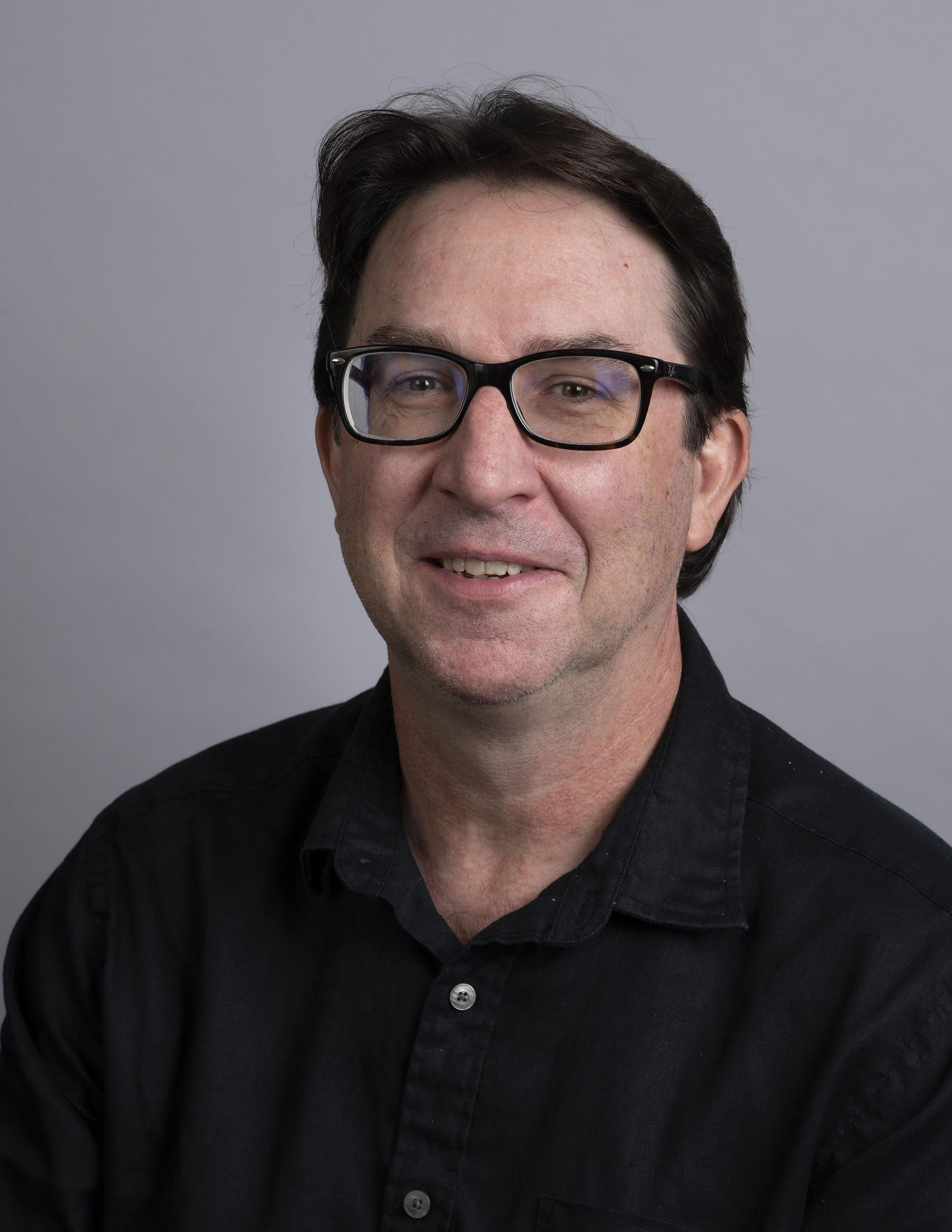
Henry Bittig is a prominent marine scientist at the Leibniz Institute for Baltic Sea Research (IOW) in Rostock, Germany, specializing in biogeochemical sensors and ocean observation systems. His research focuses on developing and implementing in-situ measurement technologies for marine biogeochemical parameters, particularly oxygen optode sensors, and integrating diverse ocean observation platforms including Biogeochemical-Argo floats, ship expeditions, and satellite observations. His research interests span biogeochemical in-situ sensors (O 2 , pH, NO 3 , Chl a , b bp ), the interaction of various ocean observation systems (GO-SHIP, VOS, SOCONET, Argo, satellite observations), and the marine carbon cycle. Bittig has made significant contributions to understanding the biological carbon pump and developing standards for biogeochemical ocean observations. Bittig's work shows a clear trend toward increasingly sophisticated integration of autonomous observation platforms with traditional ship-based measurements and satellite data. His research has evolved from fundamental sensor characterization to developing comprehensive observation networks that provide critical data for understanding ocean biogeochemistry in a changing climate. His publications demonstrate growing emphasis on data quality control, standardization, and the development of FAIR (Findable, Accessible, Interoperable, Reusable) data products for the marine science community. Bittig has been actively involved in numerous high-impact projects including Euro-Argo ONE, GEORGE, Biogeochemical-Argo, ERGOM, C-SCOPE, DArgo2025, BONUS, Integral AtlantOS, remOcean, and E-AIMS. His leadership extends to community activities such as SCOR Working Group 168, Euro-Argo ERIC STAG, BGC-Argo Mission Team, and various BGC-Argo task teams focused on data management and technological development. His technical expertise is evident in the software tools he has developed for BGC-Argo data processing, including code for generating synthetic profiles, CANYON-B and CONTENT methods for estimating biogeochemical parameters, and oxygen optode calibration recalibration tools. These contributions have significantly advanced the field of autonomous ocean biogeochemical observations.
Carlo Novara is a Full Professor at Politecnico di Torino, affiliated with the Department of Electronics and Telecommunications (DET) and the Interdepartmental Center CARS@PoliTO - Center for Automotive Research and Sustainable Mobility. He serves as a member of the College of Computer, Film and Mechatronics Engineering and the College of Mechanical, Aerospace and Automotive Engineering. His research interests span aerospace control systems, autonomous and assisted vehicles, biomedical engineering, design of experiments, energy system control and optimization, model predictive control, modeling and simulation, set membership estimation, statistical analysis, system identification, machine learning, complex networks and systems, prediction and estimation, and quantum optimization. His work focuses on nonlinear and LPV system identification, filtering/estimation, time series prediction, nonlinear control, predictive control, data-driven methods, set membership methods, sparse methods, and nonlinear optimization with applications in automotive, aerospace, biomedical, and energy domains. His recent publications demonstrate strong trends in nonlinear model predictive control, physics-based system identification, and space applications. Many papers focus on computational efficiency for real-time control, with increasing emphasis on quantum optimization techniques and space mission applications like the LISA mission. His work bridges theoretical control methods with practical applications in automotive, aerospace, and energy systems. Professional Recognition: Member of IEEE TC on System Identification and Adaptive Control Member of IFAC TC on Modelling, Identification and Signal Processing Founding member of IEEE-CSS TC on Medical and Healthcare Systems Professor Novara has supervised numerous PhD students including Lucrezia Lovaglio, Giovanni Marinello, Francesco Cerrito, Sabrina Savino, Cesare Donati, and Mattia Boggio. His research has been supported by significant grants including the CNMS - Spoke 2 Sustainable Mobility Center (2022-2025), PRYSTINE ECSEL project (2018-2021), and multiple commercial research contracts with ESA and other aerospace organizations. He leads research in the Automatica research group at DET, focusing on advanced control algorithms for aerospace applications, data-driven control of autonomous vehicles and biomedical systems, quantum optimization for complex system design, and modeling and optimization of networked systems.
Dr. Aneesh Subramanian is an Assistant Professor in the Department of Atmospheric and Oceanic Sciences (ATOC) at the University of Colorado Boulder. He also holds visiting positions at the Center for Western Weather and Water Extremes at Scripps Institution of Oceanography, UC San Diego, and as a visiting scholar in the Predictability of Weather and Climate group at the University of Oxford. Additionally, he serves as an international collaborator with the Geophysical Flows Lab at the Indian Institute of Technology Madras. His educational background includes: Ph.D. in Climate Research from Scripps Institution of Oceanography, UC San Diego (2012) M.Sc. (Engineering) from Indian Institute of Science (2006) B.Tech from Indian Institute of Technology (IIT) Madras (2004) Dr. Subramanian's research focuses on weather and climate predictability, with particular emphasis on subseasonal-to-seasonal forecasting. His work spans tropical climate dynamics, atmospheric river prediction, data assimilation techniques, and the application of machine learning to improve earth system models. He investigates coupled ocean-atmosphere processes, particularly related to the Madden-Julian Oscillation and its teleconnections, and develops stochastic parameterization schemes for climate models. Dr. Subramanian's recent publications demonstrate a strong focus on advancing subseasonal-to-seasonal prediction capabilities, particularly for extreme weather events like atmospheric rivers and marine heatwaves. His work increasingly integrates machine learning techniques with traditional physics-based approaches, reflecting a growing trend in the field toward hybrid modeling frameworks. Much of his recent research examines regional climate phenomena in the Indian Ocean, Pacific, and Arabian Sea regions, with applications to monsoon prediction and understanding climate change impacts. Dr. Subramanian has received several notable awards and honors throughout his career: Best Team in visualization of weather forecasts Award, ECMWF Users Meeting (2017) Best Student Presentation Award, WCRP Open Science Conference (2011) Best Teaching Assistant Award, Scripps Institution of Oceanography (2011) SUNNY Scripps-NCAR Graduate Student Fellowship (2009-2011) NCAR ASP Summer Fellowship (2008, 2012) Dr. Subramanian has secured multiple research grants totaling over $3 million from agencies including NOAA, ONR, NASA, and KAUST. Current projects focus on improving understanding of air-sea interaction processes, marine ecosystem drivers in the California Current System, monsoon intra-seasonal oscillations, and marine heatwaves. He actively mentors undergraduate research assistants, graduate students, and postdoctoral scholars through his Climate Processes and Predictability Group at CU Boulder. Dr. Subramanian leads the Climate Processes and Predictability Group at CU Boulder, which focuses on subseasonal predictability, data assimilation, Atmospheric River dynamics, and tropical-extratropical teleconnections. He is also an active participant in several collaborative research initiatives including the Geophysical Flows Lab at IIT Madras and the Center for Western Weather and Water Extremes at Scripps Institution of Oceanography. His work frequently involves international collaborations with researchers from institutions in the UK, Saudi Arabia, and India.
Jennifer Miksis-Olds is a Research Professor at the University of New Hampshire (UNH) and Director of the Center for Ocean Renewable Energy. Her interdisciplinary work bridges acoustics, oceanography, ecology, and engineering to advance remote observation of marine ecosystems. Ph.D. in Oceanography (Chemical & Physical) from the University of Rhode Island M.S. from UMass-Dartmouth B.A. from Harvard University Research focuses on ocean soundscapes, animal behavior, anthropogenic impacts, and technology development. She co-developed the Soundscape Code for multidimensional acoustic analysis and leads initiatives like the Atlantic Deepwater Ecosystem Observatory Network (ADEON). She teaches graduate courses in marine bioacoustics and contributes to JASA, Science, and Marine Mammal Science. Key projects include: Understanding climate change effects on Bering Sea odontocetes Modeling Atlantic Outer Continental Shelf soundscapes Developing the SoundCoop cyberinfrastructure for passive acoustic monitoring Investigating particle motion in marine habitats Her work combines acoustics with environmental DNA and metagenomics to evaluate marine ecosystem connectivity, particularly in the Gulf of Maine.
Dr. Erika McPhee-Shaw is a Professor of Environmental Sciences at Western Washington University (WWU), specializing in physical oceanography. She previously served as Director of Shannon Point Marine Center (2014–2017) and held academic roles at Moss Landing Marine Laboratories and San José State University. She earned a B.A. in Physics from Dartmouth College and a Ph.D. in Oceanography from the University of Washington (2000). Her research focuses on coastal circulation, internal waves, and turbulent mixing in stratified fluids, with recent projects funded by the National Science Foundation. She has led fieldwork on the west coast continental shelf and canyon environments, including a study on Salish Sea dynamics during marine heat waves. McPhee-Shaw is actively involved in science communication and policy, serving on boards such as the NOAA Integrated Ocean Observing System and the Global Ocean Health Advisory Board. Her teaching spans oceanography, climate change, and fluid dynamics. Notable recognition includes Western's 2022 Outstanding Faculty Scholarship and a Leopold Leadership Fellowship.
Douglas A. Wiens is the Robert S. Brookings Distinguished Professor of Earth, Environmental, and Planetary Sciences at Washington University in St. Louis. His research focuses on using seismology to study subduction zones, Antarctic geodynamics, and ice-earth interactions. Wiens has pioneered autonomous seismic deployments in Antarctica, achieving the first successful year-long unattended data collection. He investigates seismic imaging of Antarctica's lithosphere to understand ice sheet stability and past climate changes. Education : PhD in Geophysics from Northwestern University. His work integrates ocean bottom seismometers (OBS) and distributed acoustic sensing (DAS) to study mantle hydration, fault mechanics, and glacial dynamics. Research Interests : Wiens specializes in seismic tomography of subduction zones (e.g., Tonga, Alaska, Mariana), Antarctic crustal structure, and the interplay between ice mass loss and tectonic deformation. He explores how mantle viscosity influences sea level projections and investigates tidally triggered cryoseismicity at ice shelves. Key Contributions : Developed second-generation seismic models of Antarctica using adjoint tomography, characterized slab morphology in the Tonga subduction zone, and mapped crustal architecture in the Midcontinent Rift. His studies on Patagonian slab windows link lithospheric erosion to glacial isostasy. Labs/Teams : Leads the Seismology Research Group and participates in the McDonnell Center for the Space Sciences . Collaborates with NSF-funded initiatives like the Antarctica Network-Polar Earth Observing Network (AN-POLE).
Dr. Wei Cai is a Research Associate Professor in the Department of Ocean Science and Engineering at the Southern University of Science and Technology (SUSTech). He also serves as Assistant to the President of the Academy of Marine Sciences at SUSTech and Assistant Director of the Shenzhen Branch of the Laboratory of Marine Science and Engineering of Guangdong Province. Additionally, he is the Deputy Director of the Marine Robot & Power System Laboratory and a member of the National Technical Committee for the Standardization of Submersibles. Dr. Cai received his educational background as follows: Doctor of Biomedical Engineering : Zhejiang University, September 2007 - June 2012 Bachelor of Biomedical Engineering : Zhejiang University, October 2002 - June 2007 Dr. Cai has dedicated his career to marine technology research for nearly 15 years, with expertise spanning multiple disciplines of ocean science and engineering. His primary research interests focus on marine sensors , scientific applications of submersibles , and polymetallic sulfide resources in the international seabed area . His work bridges engineering innovation with practical oceanographic applications, particularly in deep-sea exploration technologies. Dr. Cai has extensive field experience, having participated in 12 cruises on China Ocean Voyages, where he served as chief scientist for several important missions including sea trials of the "Qianlong II" AUV in 2016, "Qianlong III" AUV in 2018, and Deep-Sea Drilling Rig in 2021. His January 2019 expedition with the "Deep Sea Warrior" manned submersible reached a depth of 2,773 meters in the Southwest Indian Ocean, demonstrating his hands-on expertise in extreme deep-sea environments. Dr. Cai's research portfolio demonstrates a clear progression from fundamental sensor development to sophisticated deep-sea exploration systems. His early work focused on chemical sensors for water quality monitoring, particularly for heavy metal detection, which laid the foundation for his later specialization in marine applications. Over time, his research evolved toward deep-sea technologies, with increasing emphasis on autonomous underwater vehicles (AUVs), hydrothermal vent systems, and polymetallic sulfide resource exploration. His publications reveal strong interdisciplinary connections between chemical engineering, robotics, marine geology, and environmental science, with practical applications in both resource exploration and environmental protection. Dr. Cai's scientific achievements have been recognized with several prestigious awards: Second Prize of National Science and Technology Progress Award (Team), 2019 Outstanding Contribution Award of China Marine Engineering Consulting Association (Team), 2019 Outstanding Graduate of Zhejiang Province, 2012 2022 Pearl River Talent Plan Young Top Talent 2022 Shenzhen "Pengcheng Peacock Plan" Special Post C As a principal investigator, Dr. Cai has secured significant research funding, including the National Key Research and Development Program of China, projects from the Deep Blue Project Fund by Shanghai Jiao Tong University, and various provincial and national research grants. His leadership extends to serving as deputy chief designer of technical upgrade and scientific application of the "Qianlong II" AUV. Dr. Cai has also contributed to major scientific endeavors as a participant in numerous China Ocean Voyage projects, with funding ranging from millions to tens of millions of RMB per project. Dr. Cai leads the Marine Robot & Power System Laboratory at SUSTech, where his team focuses on developing advanced marine technologies for deep-sea exploration. His laboratory work integrates robotics, sensor development, and data analysis to create comprehensive solutions for underwater research and resource exploration. The lab's current projects include developing high-sensitivity methane sensors for deep-sea environments, systems for detecting heavy metals in hydrothermal plumes, and wireless sensor networks for red tide early warning systems. This multidisciplinary approach positions Dr. Cai's team at the forefront of marine technology innovation in China.
Don P. Chambers is a Professor of Physical Oceanography at the University of South Florida's College of Marine Science. With over 25 years of experience, he is an internationally recognized expert in sea level science, utilizing satellite observations to study climate change and ocean dynamics. Education: Ph.D., University of Texas at Austin, 1996 Research Interests: Dr. Chambers specializes in sea level rise , global climate change , and ice mass balance of Greenland and Antarctica. His work focuses on separating natural climate variability from anthropogenic change, using satellite altimetry and gravimetry to study ocean circulation, heat storage, and mass redistribution. His research spans ocean dynamics , glaciology , and satellite oceanography , contributing to international climate assessments. Publication Trends: His recent work (2023-2025) emphasizes regional sea level change, deep ocean heat content, and the use of GRACE/GRACE-FO satellite data for monitoring ocean mass and currents. He has contributed significantly to global ocean observing systems, including the Surface Ocean CO2 Atlas and studies on Southern Ocean dynamics. Scientific Awards: No specific awards listed in the provided text. Advising and Grants: Dr. Chambers has served on high-profile committees including the Intergovernmental Panel on Climate Change (2010-2014) and the National Academy of Sciences Decadal Survey (2016-2018). His research is supported by funding from the National Science Foundation, particularly for Southern Ocean research and satellite oceanography initiatives. Labs and Teams: He leads the Satellite Oceanography Laboratory at USF and is a key member of the Southern Ocean Science group, which conducts interdisciplinary research around Antarctica and mentors graduate students and postdocs.
Professor Philip Boyd is a leading marine scientist at the Institute for Marine and Antarctic Studies (IMAS), University of Tasmania, where he holds the position of Professor of Marine Science within the Ecology and Biodiversity department. His research focuses on the critical role of the Southern Ocean in global climate processes, particularly examining how marine ecosystems respond to and influence climate change. Boyd's work integrates field observations, experimental approaches, and modeling to understand biogeochemical cycles in polar and subpolar regions. Professor Boyd's research interests center on ecological impacts of climate change and adaptation in marine environments, with particular emphasis on biological oceanography and global change biology. His work investigates the Southern Ocean's biological carbon pump, iron limitation of phytoplankton, ocean acidification effects, and the ecological consequences of changing sea ice patterns. He employs cutting-edge technologies including autonomous profiling floats (BGC-Argo) and ship-based observations to study carbon cycling, nutrient dynamics, and ecosystem responses across spatial and temporal scales in the Southern Ocean. Analysis of Professor Boyd's recent publications reveals a strong focus on understanding carbon cycling mechanisms in the Southern Ocean, particularly the biological carbon pump and its sensitivity to climate change. His research spans multiple scales from microbial processes to basin-wide biogeochemical patterns, with increasing emphasis on marine carbon dioxide removal (mCDR) approaches and their potential role in climate mitigation. A notable trend in his recent work is the integration of observational data with modeling approaches to assess climate risks to Southern Ocean ecosystems. ARC Laureate Fellowship ($2.496 million) for 'Geoengineering the Southern Ocean? A transdisciplinary assessment' Multiple ARC Discovery Projects on Southern Ocean biogeochemistry Marie Curie International Outgoing Fellowship Leadership roles in major international research programs including SOLACE (Southern Ocean Large Areal Carbon Export) Contributions to IPCC assessment reports as an author Professor Boyd actively supervises numerous PhD students, with over 10 completed doctoral theses and several current students examining topics ranging from ocean temperature extremes to physiological tolerance of Southern Ocean crustaceans. His research is supported by substantial grant funding totaling millions of dollars from diverse sources including the Australian Research Council, National Environmental Research Council, CSIRO, and international collaborators. His work has significant policy relevance, particularly regarding climate change mitigation strategies involving ocean processes. Professor Boyd leads research within the Institute for Marine and Antarctic Studies, collaborating with international teams across multiple Southern Ocean research expeditions. His work connects with the Australian Centre for Excellence in Antarctic Science and the Southern Ocean Observing System, contributing to large-scale efforts to monitor and understand polar ecosystem changes. His laboratory and field research integrates physical, chemical, and biological approaches to address fundamental questions about ocean-climate interactions.
Kevin D Hall is a University Professor and Associate Dean for Academics at the University of Arkansas, College of Engineering . He holds a Ph.D. in Civil Engineering from the University of Illinois and is a licensed Professional Engineer (P.E.) . Hall serves as the interim director of the High Density Electronics Center (HiDEC) . Education: B.S. in Civil Engineering, University of Arkansas M.S. in Civil Engineering, University of Arkansas Ph.D. in Civil Engineering, University of Illinois His research focuses on transportation pavements and materials , including asphalt mixture design , pavement evaluation and rehabilitation , and optimization techniques for infrastructure management . He has also explored machine vision for automated condition assessment and intelligent computing applications in transportation systems. Recent publications highlight his work in drone-based damage detection , autonomous pavement testing , and satellite monitoring of ocean dynamics . His research extends to gravity mission design , flexible pavement life cycle analysis , and educational reforms in civil engineering. He contributes to transportation planning , asphalt material innovation , and field calibration of pavement design guides . His leadership in HiDEC underscores his commitment to integrating research with academic administration.
Prof. Dr. Alexander Haumann is a leading climate scientist at the Alfred Wegener Institute (AWI) and a Professor for Physical Geography with Focus on Oceanography at Ludwig-Maximilians-Universität München (LMU). His research explores Southern Ocean dynamics, freshwater fluxes, sea ice impacts, and their roles in global climate systems. Appointments: Leader of ERC Starting Grant VERTEXSO (2023–present) Leader of Helmholtz Young Investigator Group SOS-iClimate (2023–present) Co-leader of AWI-LMU Southern Ocean-Climate Interactions (SO-CLIM) (2024–present) Research: Focuses on Southern Ocean freshening, ice-ocean interactions, carbon cycle feedbacks, and climate modeling. Key projects: VERTEXSO, SOS-iClimate, SOFIA. Education: PhD in Environmental Systems Science from ETH Zurich (2017), Master in Physics and Climate Science from Utrecht University (2011), and Bachelor in Geosciences from the University of Basel (2009). His work spans oceanography, glaciology, and biogeochemical modeling. Publications & Collaborations: Authored 60+ works, including high-impact studies in Nature , Science , and AGU Advances . Collaborates with institutions like Princeton University, British Antarctic Survey, and ETH Zurich. Tools & Observatories: Utilizes satellite data, autonomous floats, and ship-based measurements to study polar systems. Affiliated with observatories like FRAM and HAUSGARTEN.
Dr. Matthew Smith is a Master Lecturer and Undergraduate Advisor in the Department of Geological Sciences at the University of Florida, housed within the College of Liberal Arts and Sciences. His primary roles involve teaching and advising undergraduate students. He holds a Ph.D. in Geology/Geochemistry from the University of Florida (1999). His research focuses on geoscience education and igneous petrology, particularly studying crustal accretion at mid-ocean ridges and volcanic systems, utilizing submersibles like Alvin and the Sentry autonomous underwater vehicle in collaborative projects. Education: Ph.D. Geology/Geochemistry, University of Florida, 1999 Research Interests: Construction of oceanic crust at mid-ocean ridges Volcanic systems analysis via geophysical surveys and submersible exploration Geoscience education methodologies Articles: His recent work (2023–2024) spans cosmological studies, galaxy cluster analysis, supernova observations, and Gaia mission data, reflecting a shift toward astrophysical collaborations while maintaining geological expertise. Awards: None explicitly listed in provided texts. Advising/Grants: No formal grant details or advised students listed, though his role involves undergraduate academic advising. Labs/Teams: Active in multidisciplinary groups using advanced observational tools like the South Pole Telescope and Dark Energy Survey instruments.