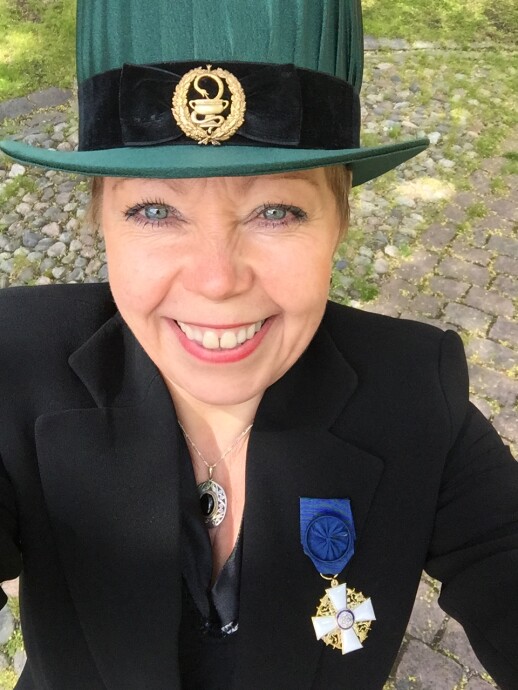
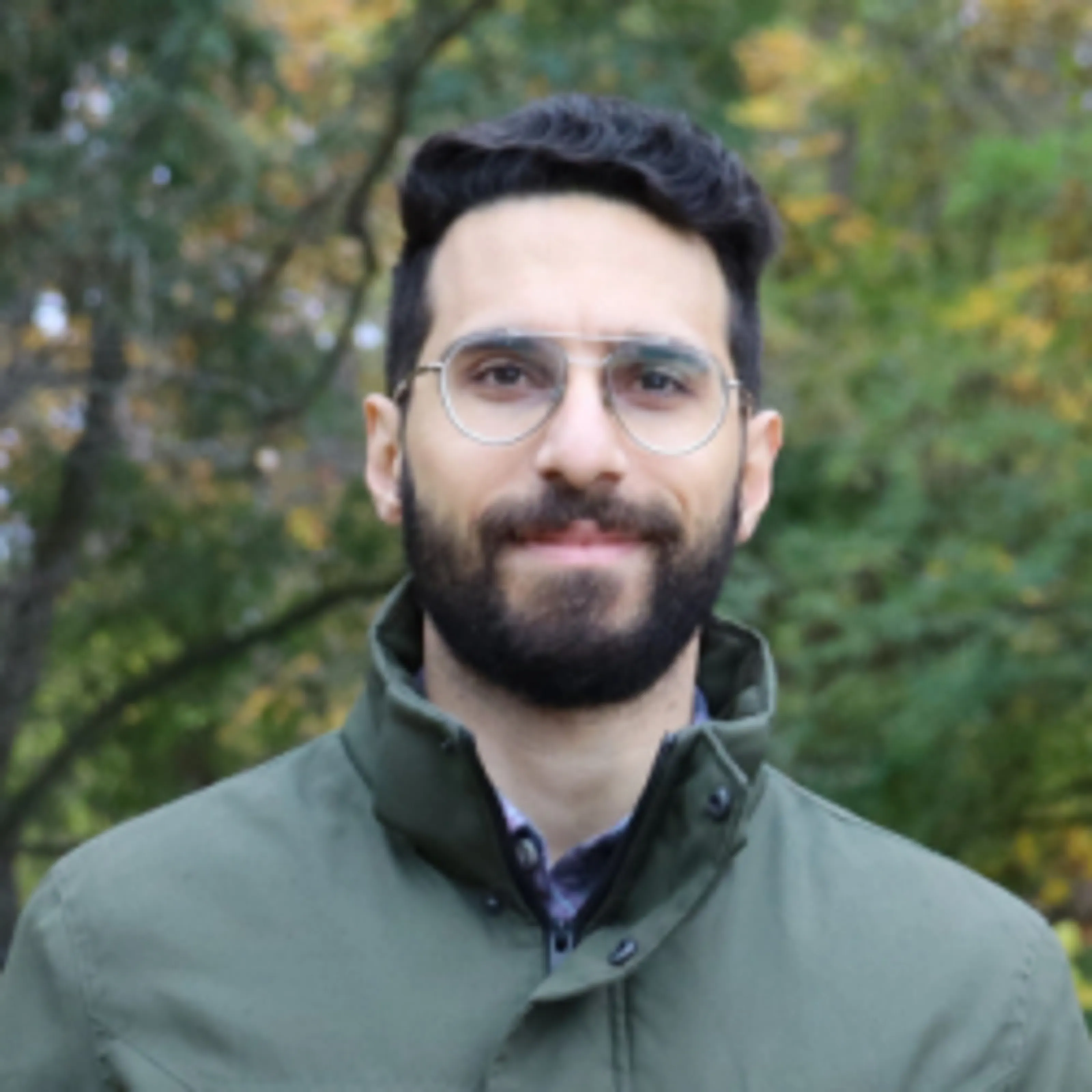
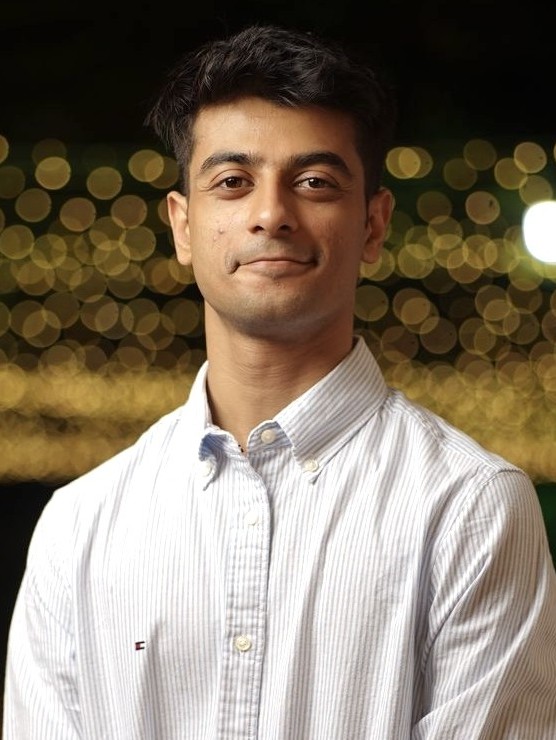
Dr. Hikmat Farhat is a Senior Teaching Fellow at the University of Southampton, affiliated with the School of Electronics and Computer Science. He actively supervises PhD students and contributes to research in machine learning, control systems, and computational astrophysics. Malware classification using deep learning Automated web service composition Control theory for nondeterministic systems His recent work includes high-resolution image-based malware analysis, deep learning applications in stellar parameter determination, and algorithm design for computational problems. While his research interests aren't explicitly listed, his publications indicate expertise in AI, cybersecurity, and theoretical computing. Dr. Farhat supervises two PhD students and has published in venues including IEEE Access and Open Astronomy. His teaching interests focus on computer science fundamentals and emerging technologies.
Professor Eric Rogers is a faculty member at the University of Southampton, specializing in Control Systems Theory & Design within the Electronics and Computer Science department. His research focuses on advanced control methodologies with applications across various domains including robotics, satellite systems, and medical rehabilitation technologies. Research Interests Professor Rogers' primary research areas include: Iterative Learning Control (ILC) theory and applications Control systems for robotics and autonomous vehicles Satellite formation flying control systems Medical applications of control systems, particularly for stroke rehabilitation Wind turbine control systems for renewable energy optimization Underwater vehicle navigation and control His work bridges theoretical control system design with practical implementation across diverse engineering domains, demonstrating strong interdisciplinary applications. Publication Trends Professor Rogers' recent publications (2021-2024) demonstrate a consistent focus on iterative learning control methodologies applied to increasingly diverse systems. His research has expanded from traditional control applications to include medical rehabilitation systems, wind energy optimization, underwater robotics, and satellite navigation. A notable trend is the increasing emphasis on experimental validation of theoretical control approaches, with several papers including detailed experimental results. His collaborative work spans multiple institutions and research groups, reflecting the interdisciplinary nature of modern control systems research. Research Funding Professor Rogers' research has been supported by significant funding from EPSRC (Engineering and Physical Sciences Research Council) across multiple projects including: Wrist Hand ILC project for stroke rehabilitation (with Professor Chris Freeman) Distributed Sensing projects (with Professor Andras Sobester and Professor James Scanlan) Constrained Control Methods for Autonomous Satellite Formation Flying Systems (with Professor Stephen Gabriel) Research England-funded SPRINT Innovation project (with Doctor Martyn Prince and Doctor Sandy Wright) Research Groups and Supervision Professor Rogers is an active member of the Vision, Learning and Control Centre for Robotics research group at the University of Southampton. He currently supervises three PhD students: Klevis Gasa (Electronics and Electrical Engineering), Andrew Stuart Macgillivray Begg (Defence and Security Mobility DTP), and Yuheng Deng (Electronics and Electrical Engineering), reflecting the interdisciplinary nature of his research.
Satu Lahti is a Professor at the Institute of Dentistry, University of Turku, Finland, where she holds a PhD and is a Dental Specialist in Public Health. She leads undergraduate and postgraduate training in Community Dentistry and specialist training in public health care. She has previously served as Vice-Head of Education at dental institutes in both the University of Turku and the University of Oulu. Research Interests: Her primary research areas include dental fear and anxiety, oral health-related quality of life, oral health behaviors in children and adolescents, and schools as oral health promoting actors. Her work integrates psychological, physiological, and social factors, often using large national longitudinal datasets such as the FinnBrain Cohort Study, Health 2000/2011, and the Northern Birth Cohort 1966. Research Trends: Her recent publications reveal a consistent focus on longitudinal analysis of dental anxiety and its impact on quality of life, particularly in parents and children. She explores psychosocial determinants such as sensory sensitivity and pain catastrophizing, and examines family and environmental influences on early oral health behaviors. International collaborations extend her work to global contexts like Trinidad and Tobago. Scientific Awards and Recognition: Special Qualification of a Dental Educator Advising and Grants: She supervises doctoral students and leads research utilizing major cohort studies, implying active grant funding and collaboration. While specific students and grants are not listed, her leadership in training and research suggests a significant role in mentoring and academic development. Labs and Teams: She is embedded in research teams utilizing the FinnBrain Birth Cohort Study and the Northern Finland Birth Cohort 1966, working with national and international collaborators to investigate psychosocial and behavioral aspects of oral health across the lifespan.
Tiia Itäjärvi is a Researcher and Doctoral Researcher in the Doctoral Programme in Psychology and Logopaedics, as well as a Psychologist specializing in Welfare Sciences. Her work bridges clinical psychology, developmental research, and psychophysiological assessment methods. Her research focuses on early detection and characterization of autism spectrum disorder (ASD) in toddlers, with emphasis on socio-cognitive development, prodromal symptom identification, and physiological response patterns. Key interests include diagnostic tool validation (e.g., Early Sociocognitive Battery), socio-cognitive skill trajectories, and autonomic nervous system responses to social stimuli. Itäjärvi's recent conference presentations (2023-2024) demonstrate a cohesive research trajectory in toddler ASD diagnostics, consistently exploring multimodal assessment approaches through behavioral observation, cognitive testing, and psychophysiological measurement. Her work contributes to early intervention frameworks by identifying biomarkers and behavioral markers of neurodevelopmental divergence.
Massimo Bertozzi is an Associate Professor in the Department of Engineering and Architecture at the University of Parma, Italy. He has held a permanent academic position since 1997 and is a leading researcher in computer vision and intelligent vehicles. His work spans real-time image processing, autonomous driving, pedestrian detection, and embedded systems. He earned his Dr.Eng. in Electronic Engineering from the University of Parma in 1994 and completed his PhD in Information Technologies in 1998. His academic journey progressed from PhD student to assistant researcher and eventually to Associate Professor. His research focuses on vision-based systems for autonomous vehicles, including stereo vision, CNNs, SWIR imaging, and sensor fusion. He has been instrumental in pioneering projects such as ARGO, VIAC, TerraMax, and V-Charge. His current work includes collaboration with the IMP Lab on deep learning for computer vision. His recent publications (2022–2025) demonstrate a strong trend in AI-driven image synthesis, disentangled representations, 3D reconstruction, and real-time autonomous driving algorithms. Key themes include diffusion models, GANs, transformers, and efficient neural architectures applied to vision tasks. Scientific Awards: Best Paper Award, CONTROLO 2022 Best Paper Award, VISAPP 2022 He has advised numerous researchers and co-authored with PhD students and collaborators such as Tomaso Fontanini, Leonardo Rossi, and Alex Ergasti. He has not been mentioned to have received major external grants, but his involvement in EU-funded projects (PReVENT, PEGASE, V-Charge) indicates significant collaborative funding. He teaches courses including Computer Science and Programming Laboratory, Fundamentals of Computer Vision, and Deep Learning for Engineering Applications. He is affiliated with the Computer Engineering Group and the IMP Lab at the University of Parma, contributing to a vibrant research environment focused on intelligent systems and autonomous technologies.
Tammi Richardson is a Professor and Associate Chair in the Department of Biological Sciences at the University of South Carolina’s McCausland College of Arts and Sciences. Her research focuses on marine ecology and oceanography, particularly phytoplankton dynamics, harmful algal blooms, and biogeochemical processes influenced by light, nutrients, and temperature. She has contributed to advancing methodologies in phytoplankton classification using optical techniques and drone-based environmental sensing. Her work integrates field observations, experimental studies, and technological innovations to understand plankton community responses to environmental changes. She has developed novel tools for real-time water quality monitoring and phytoplankton analysis, including fluorometer systems and autonomous sampling drones. Key areas of investigation include the ecological success of cryptophyte algae, the role of small phytoplankton in carbon export, and the impact of light spectra on algal physiology. Richardson’s research also addresses applications in climate change, pollution, and ecosystem health, with studies ranging from blackwater estuaries to the Arctic Ocean.
Dr. Meir N. Pachter is a Distinguished Professor in the Department of Electrical Engineering at the Air Force Institute of Technology (AFIT), Wright-Patterson Air Force Base, OH. His academic career spans decades, with a focus on applying mathematics to engineering challenges in autonomous systems and control theory.
Tran Cao Son is a Professor in the Department of Computer Science at New Mexico State University, specializing in Reasoning about Actions and Changes, Planning, Scheduling, Knowledge Representation and Reasoning, Autonomous Agents, Robotics, and Control Theory . He leads the Knowledge Representation, Logic, and Advanced Programming Laboratory (KLAP) . Research Interests include: Reasoning about Actions and Changes, Planning, Scheduling Knowledge Representation and Reasoning (Argumentation, Logic Programming, Nonmonotonic Reasoning) Autonomous Agents, Robotics, Control Theory Web Agents Notable Publications focus on approximation-based planning, belief state representations, and conformant planning systems. His work has led to the development of planners like CpA(H) and GC-LAMA. Scientific Awards include: Best Non-Observable Non-Deterministic Planner award at IPC 2008 Best Student Paper Award at ICAPS 2012 Grants include NSF grant IIS-0812267 on Approximation-based Reasoning and Planning. He has supervised numerous PhD and Master’s students, many of whom have taken positions at institutions like Microsoft Research and Apple.
Dr. Jonathan Jackson is a Research Fellow in the School of Engineering at the University of Aberdeen. His work focuses on the development of innovative instrumentation for marine and polar environmental monitoring, particularly in extreme and in situ conditions. His research interests center on oceanic and atmospheric technology, with a strong emphasis on designing systems that operate under ambient pressure and controlled environments. Key areas include benthic sediment core retrieval and sea ice mass balance measurement, supporting studies in climate change, polar dynamics, and marine biogeochemistry. The two most recent publications highlight his contributions to environmental monitoring technologies. One presents a system for high-pressure sediment core incubation, while the other introduces a low-cost buoy for sea ice monitoring. These works reflect a consistent focus on robust, field-deployable scientific instruments for remote and harsh environments. The following scientific contributions exemplify his technical innovation: A system for retrieval and incubation of benthic sediment cores under in situ pressure (2017) A novel, low-cost sea ice mass balance buoy (2013) Dr. Jackson collaborates with researchers across international institutions in polar and marine science. While no formal advising or grant information is available, his publications suggest active involvement in experimental oceanographic and cryospheric research projects. His work supports long-term environmental observation and data collection critical for understanding climate impacts.
Luís Miguel Botelho is an Associate Professor at the Department of Information Science and Technology (ISTA), ISCTE – IUL (Instituto Universitário de Lisboa), where he actively contributes to teaching and research in Artificial Intelligence and Intelligent Agents. He teaches courses in Artificial Intelligence and Intelligent Systems Technology, using Prolog as the implementation language. PhD in Business Organization and Management, ISCTE-IUL (1997) Master’s in Electrical and Computer Engineering, Higher Technical Institute – UTL (1990) Bachelor’s in Electrical Engineering, Higher Technical Institute – UTL (1983) His research focuses on autonomous agents, multi-agent systems, context-aware computing, semantic web services, and affective interactions. He has led and participated in major projects including CASCOM, Agentcities, SAFIRA, and MODEST, contributing to architectures for service coordination, agent communication, and intelligent surveillance. His recent publications (2021–2022) explore rhetoric modeling, automatic story generation, and enhancements to business tools, reflecting a trend toward cognitive modeling, narrative AI, and practical AI integration. Earlier works (2008–2013) emphasize service discovery, composition, and execution in agent-based systems, grounded in semantic technologies and distributed coordination. He has held academic leadership roles, including Director of the PhD in Information Science and Technology and 3rd Year Coordinator for multiple undergraduate programs. His work is published in top AI venues such as AAMAS, IJCAI, and IEEE conferences. Research Projects: CASCOM – Context-aware Service Coordination (FP6) KnowledgeAndCulture.org – Intelligent Team Selection (FCT) Agentcities – Worldwide Agent Network (FP5) SAFIRA – Affective Interactions (FP5) MODEST – Surveillance Video Analysis (FP4) He advises students and leads research in agent-based systems, with a strong emphasis on open, dynamic, and semantically rich environments. He is affiliated with the Instituto de Telecomunicações and maintains active profiles on Scopus, ORCID, and Google Scholar.
Adnan Shahid is an Assistant Professor and Postdoctoral Researcher at the Department of Information Technology (EA05), Faculty of Engineering and Architecture , Ghent University . His work focuses on Wireless Communications , Machine Learning for Networks , and IoT , with specific interests in UWB Localization , Radio Resource Management , and Interference Mitigation . Research Themes : Wireless Foundation Models, 5G/6G, AI/ML for Wireless Systems, Connected Healthcare Recent Article Trends : 5G and UWB applications, interference cancellation with neural networks, federated learning for IoT, precision localization techniques, and edge AI for wireless devices Supervision : He has supervised PhD projects in areas like UWB Error Correction , 6G RAN Optimization , and RF Signal Awareness . Grants include funding from the Special Research Fund and Research Foundation - Flanders (FWO) . Collaborations : Regular partnerships with Eli De Poorter , Ingrid Moerman , and Mostafa Naseri . Publications span IEEE journals and conferences, emphasizing practical implementations of machine learning in wireless systems.
Farzan Soleymani is a Research Fellow at the Telfer School of Management, University of Ottawa since April 2023. Previously, he completed his PhD in Mechanical Engineering at the University of Ottawa (2017-2023) and a Master's degree in Mechanical Engineering from Amirkabir University of Technology (Tehran Polytechnic) (2013-2016). His research spans multiple disciplines with a focus on artificial intelligence applications. His primary research interests include: Artificial Intelligence and Machine Learning Protein-Protein Interaction Prediction Financial Portfolio Management Robotics and Autonomous Systems Quantum Computing Applications Dr. Soleymani's work demonstrates a strong interdisciplinary approach, bridging computer science, biology, finance, and engineering. His recent research has focused on developing deep learning frameworks for protein interaction prediction and financial portfolio optimization, showing expertise in both theoretical and applied aspects of machine learning. His scientific contributions reflect a pattern of innovation across multiple domains: Development of ProtInteract, a deep learning framework for predicting protein-protein interactions Creation of financial portfolio management systems using reinforcement learning and graph convolutional networks Design of quantum machine learning techniques for stock price prediction Innovation in area coverage control with multi-agent systems using adaptive reinforcement learning As a Research Fellow, Dr. Soleymani creates deep diffusion models for protein and scaffold generation, supervises Master's students, and designs therapeutics.
Dr Melissa Wood is a Researcher at the National Oceanography Centre (NOC) in Liverpool, affiliated with the Marine Systems Modelling research group. Her work focuses on advancing marine technology and oceanographic systems, including contributions to autonomous vehicle development and ocean climate modelling. She is part of the NOC's efforts in sustaining observations and innovative marine engineering solutions. Her research interests encompass marine physics, ocean technology, and the integration of autonomous systems for environmental monitoring. While specific publications are not listed here, her group's projects involve initiatives such as the Marine Autonomous Robotic Systems (MARS) facility and advancements in unmanned surface vehicles. No scientific awards or grants are explicitly mentioned in the provided text. She is actively involved in the NOC's technology development programs and contributes to projects like the Autosub and Deep-Ocean Lander systems.
Anish Diwan is a Ph.D. student at the Intelligent Autonomous Systems Group of TU Darmstadt. His research focuses on Reinforcement Learning Imitation Learning Score-Based Generative Models under partial observability constraints. His work on Noise-conditioned Energy-based Annealed Rewards (NEAR) was published at ICLR 2025, introducing a novel framework for imitation learning from observation data. Current research trends include Integration of score-based generative models with policy learning Spatial reward composition techniques Partial observability handling via energy functions He utilizes Isaac Gym for GPU-accelerated robotics simulations and has contributed to open-source repositories implementing NEAR framework.
Dr. Jana Baldus is an Associate Fellow at the Research Department International Security at the Peace Research Institute Frankfurt (PRIF), focusing on nuclear disarmament and arms control, processes of dealing with nuclear legacies and issues of nuclear (in)justice, and the nexus between new technologies and nuclear weapons. She completed her PhD in Political Science at Goethe University Frankfurt in 2024 with a dissertation examining normative conflicts in the Nuclear Non-Proliferation Treaty and the emergence of the Treaty on the Prohibition of Nuclear Weapons. Her educational background includes: Dr phil (Political Science) at Goethe University Frankfurt/M. (2024) Master of Arts in International Studies/Peace and Conflict Research at University of Frankfurt/M. (2015-2018) Bachelor of Arts in Political Sciences and Economics at University of Münster (2011-2015) Study abroad at King's College London (Department of War Studies) (2013) Study abroad at Universidad Complutense de Madrid (2017) Dr. Baldus's research centers on critical issues in nuclear governance, particularly examining how normative conflicts within the Nuclear Non-Proliferation Treaty (NPT) framework have led to the emergence of alternative approaches like the Treaty on the Prohibition of Nuclear Weapons (TPNW). Her work investigates processes of radicalization and polarization in nuclear discourse, nuclear (in)justice frameworks addressing victims of nuclear weapons, and the implications of emerging technologies like artificial intelligence for nuclear decision-making and verification. She approaches these topics through interdisciplinary lenses combining international relations theory, critical security studies, and norm dynamics analysis. Analysis of Dr. Baldus's recent publications reveals consistent focus on nuclear disarmament governance, with particular attention to the evolving nuclear order and justice dimensions often overlooked in traditional arms control frameworks. Her work bridges theoretical analysis with policy relevance, frequently addressing how multilateral institutions can better incorporate humanitarian perspectives and victim-centered approaches. A notable trend is her growing examination of the intersection between emerging technologies and nuclear weapons systems, highlighting new risks and verification challenges. Dr. Baldus has received professional recognition through: Membership in the Global Nuclear Order Working Group of the British International Studies Association (BISA) since 2024 Membership in the Working Group "Arms Dynamics and Disarmament" of the German Association for Peace and Conflict Studies Representation in the Leibniz PhD Network (2021-2022) Co-speaker role for PRIF's PhD colloquium (2019-2021) As a policy-engaged scholar, Dr. Baldus has provided expert advice to governmental bodies including serving as an expert in the German delegation to the 10th NPT Review Conference in 2022 and participating in a side event at the Preparatory Committee for the 11th NPT Review Conference in 2024 on "AI and Nuclear Decision-Making." She completed an observation period at the German Federal Foreign Office in 2020, demonstrating her commitment to bridging academic research and practical policy development. Her current research projects include "Transitional Justice in the Nuclear Age" and "Perspectives of Arms Control." Dr. Baldus is actively involved with PRIF's research groups focusing on Biological and Chemical Disarmament and Security, Emerging Disruptive Technologies, and Science for Nuclear Diplomacy. She contributes to PRIF's role within the Leibniz Association and its various research networks including the EU NPD Consortium and CBWNet. Her work connects with broader initiatives examining the intersection of technology, security, and disarmament governance.