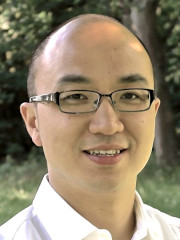
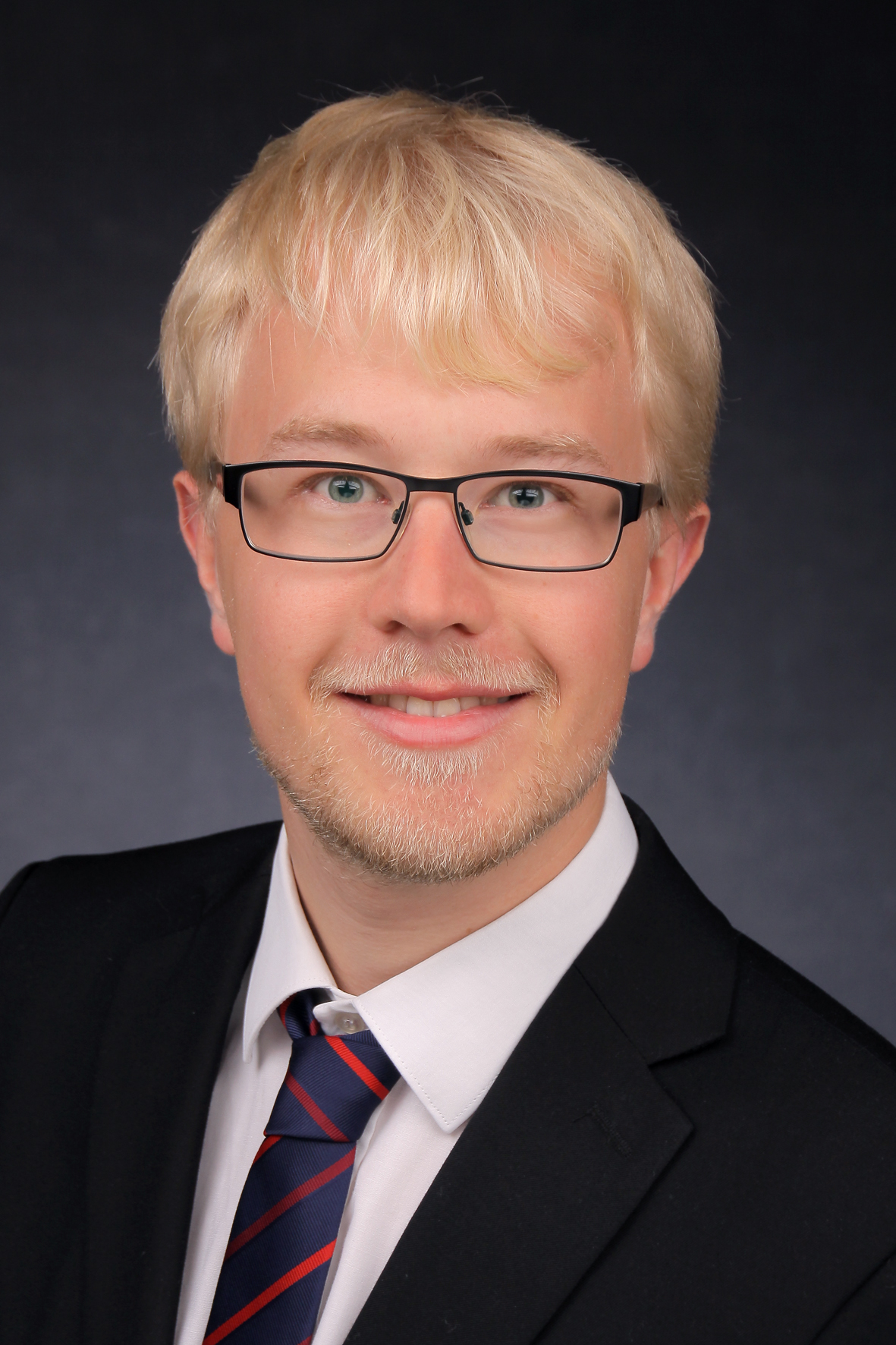
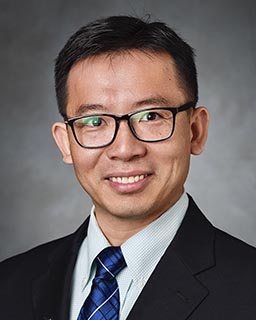
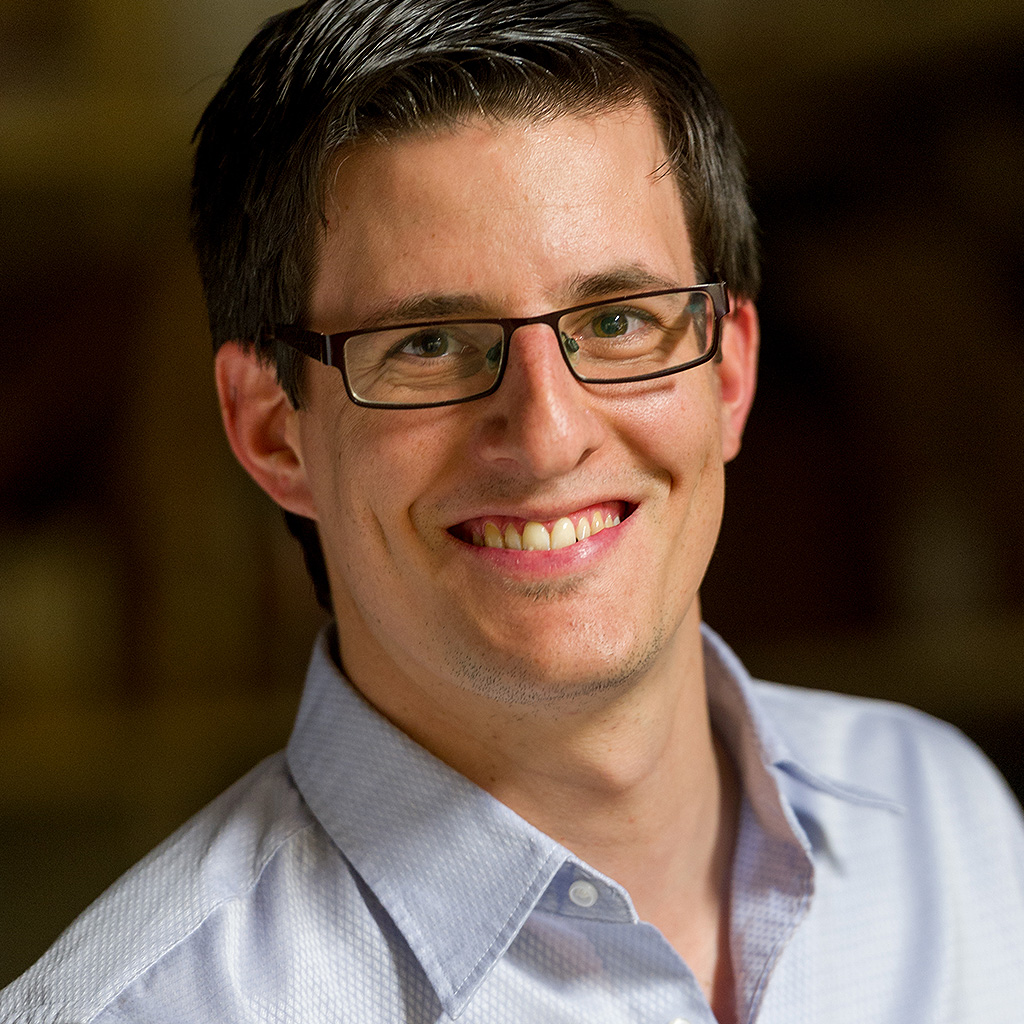
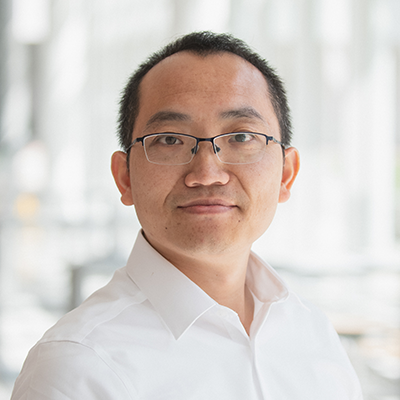
Dr. Jae Hee Lee is a postdoctoral researcher in the Knowledge Technology Group at the University of Hamburg, holding a PhD in Computer Science from the University of Bremen. His research focuses on multimodal language models, explainable AI, and neuro-symbolic integration to enhance model robustness and generalization. Previously, he specialized in spatio-temporal reasoning and multiagent systems, supported by grants like the Feodor Lynen Fellowship (2016–2017). He is an associate editor of AI Communications and co-organizes the International Workshop on Spatio-Temporal Reasoning and Learning. His recent work includes projects like LUMO (DFG-funded, 2025–2029), exploring lifelong multimodal learning through compositional knowledge. Lee advises multiple students, including Björn Plüster, developer of the LeoLM German LLM. Key research interests span explainable vision-language models, causal reinforcement learning, and concept-based explanations. He frequently serves on program committees for AI/NLP conferences (e.g., IJCAI, COLING) and organizes reading groups on LLM/XAI topics.
Dr. Simon Bultmann is currently a Postdoctoral Researcher at the Robot Learning Lab, Albert-Ludwigs-Universität Freiburg. Previously, he completed his Ph.D. in the Autonomous Intelligent Systems Group at the University of Bonn (2019–2024) and earned his M.Sc. and B.Sc. in Electrical Engineering and Information Technology from Karlsruhe Institute of Technology (KIT, 2012–2018). His research focuses on collaborative perception, sensor fusion, and machine learning for embedded systems ("Smart Edge Sensors"). Key applications include real-time multi-modal semantic fusion, 3D scene perception, and autonomous UAVs. Awards: Best Paper Award at IEEE SSRR 2020 Finalist for Best Paper Award at RoboCup 2021 His work spans robotics, computer vision, and distributed systems, with contributions to international conferences like ICRA, RSS, and IAS. He has also been involved in competitions such as MBZIRC, demonstrating autonomous UAV capabilities in disaster response scenarios.
Muhammad Waseem serves as a Postdoctoral Researcher in Computing Sciences, specializing in the integration of artificial intelligence with software engineering practices. His work focuses on leveraging advanced AI techniques to transform traditional software development workflows through automation and intelligent systems. His core research domains include: Large Language Models for code generation Multi-agent system architectures Retrieval-Augmented Generation frameworks Software engineering automation AI-driven security analysis Quantum software development challenges Publication analysis reveals a concentrated research trajectory applying multi-agent LLM systems across the software lifecycle—from requirements engineering to quantum security—demonstrating consistent innovation in AI-augmented development methodologies between 2024-2026.
Chiara Colombaroni is a Researcher (Ricercatore a Tempo Determinato di Tipo A) at the Department of Civil, Building and Environmental Engineering at Sapienza University of Rome, within the Faculty of Civil and Industrial Engineering. She holds a PhD in Infrastructures and Transportation from Sapienza (2011) and Master’s and Bachelor’s degrees in Transportation Systems Engineering (2006 and 2003). Colombaroni specializes in transportation engineering, with a focus on traffic modeling, logistics optimization, and intelligent transportation systems (ITS). She has led and contributed to numerous national and international projects, including research on container operations, road safety, and smart mobility solutions through initiatives like ITS Italia 2020. Her work integrates advanced methodologies like machine learning, big data analysis, and simulation-optimization techniques to address urban mobility challenges. She teaches courses such as Programming for Transport Systems and Freight Transport and Logistics at Sapienza, and supervises doctoral research in transportation systems. Her research outputs span over 17 indexed publications, with an H-index of 8 and impactful contributions to journals like Transportation Research Part C and IET Intelligent Transport Systems. Education: PhD in Infrastructures and Transportation, Sapienza University (2011) MSc in Transportation Systems Engineering, Sapienza University (2006) BSc in Transportation Engineering, Sapienza University (2003) Research Focus: Urban traffic simulation and optimization Intelligent transportation systems (ITS) Logistics and supply chain optimization Big data applications in transportation Electric vehicle integration and sustainable mobility Recent Trends in Articles: Her recent work emphasizes leveraging machine learning for traffic pattern analysis, optimizing urban logistics with electric vehicles, and integrating IoT for waste management. Projects like the ‘Two-Echelon Electric Vehicle Routing Problem’ and ‘Industry 4.0 in Waste Management’ highlight her focus on sustainable and tech-driven solutions. She also explores post-COVID mobility trends and smart city infrastructure design. Grants & Projects: Coordinated the Qatar Strategic Transport Model Update project (2017–present) Contributed to the EU-funded MULTITUDE project on traffic simulation validation (2010–2013) Participated in the ‘PASSIAMO’ project for smart mobility in Lazio (POR FESR 2014–2020) Labs/Teams: Member of the Sapienza Transport and Logistics Research Center (CTL) Collaborated with institutions like CNIT, ENEA, and international partners (e.g., University of South California)
Stefan Lee is an Associate Professor at Oregon State University in the School of Electrical Engineering and Computer Science. His research focuses on agents that can perceive environments, communicate with humans, and coordinate actions to achieve shared goals. This work spans computer vision, natural language processing, and deep learning, with applications in robotics and embodied AI. Current Role: Associate Professor, Oregon State (2025–) Previous Roles: Assistant Professor (2019–2025), Research Scientist II (2017–2019), Postdoctoral Associate (2016) Research Interests include: Vision-and-Language Navigation (VLN) Multimodal Learning Embodied Artificial Intelligence Robotic Perception and Control Fairness in AI Systems Selected Scientific Awards : ICLR 2023 Best Paper Award EMNLP 2017 Best Short Paper Award CVPR 2019 Oral CVPR 2018 Oral CVPR 2014 Best Paper Award Advising : Mentors 7 PhD students including Zijiao Yang, Xiangxi Shi, and Abhinav Jain. His publications demonstrate consistent leadership in top-tier conferences like ICCV, CVPR, and NeurIPS.
Raquel Verdejo is a Research Scientist at the Institute of Polymer Science and Technology (ICTP-CSIC) in Spain. She holds a PhD in Metallurgy and Materials from the University of Birmingham (UK) and an MSc in Physics from the University of Valladolid (Spain). Her academic career includes postdoctoral work at Imperial College London under Prof. Milo Shaffer before joining CSIC in 2006 via Juan de la Cierva and Ramón y Cajal contracts. Current Affiliation: ICTP-CSIC, Madrid, Spain Education: University of Valladolid (MSc Physics) , University of Birmingham (PhD Metallurgy and Materials) Raquel’s research focuses on polymer composites, nanocomposites, and foams, including: Smart Polymers for dielectric elastomer actuators Sustainable Processing of self-healing and recyclable materials Advanced Applications in radiation shielding and soft robotics Her work spans over 100 publications in Q1 journals like Advanced Materials and Chemical Communications , with recent emphasis on circular economy and bio-based systems. Scientific Recognition : Juan de la Cierva and Ramón y Cajal contracts Raquel also serves as Academic Director of the Official High Master's Degree in Plastics and Rubber (UIMP-CSIC) and Academic Coordinator of the Doctoral Program in Science and Technology (UIMP). Her patents include conductive rigid foams and liquid crystal-based actuators.
Xingcheng Zhou is a Research Assistant at the Technical University of Munich (TUM), affiliated with the Chair of Robotics, Artificial Intelligence and Real-time Systems since 2023. He holds an M.Sc. in Electrical and Computer Engineering from TUM (2021) and previously worked as an Industrial AI Researcher at Siemens. Research Interests: Focus on Large Language Models , Vision Language Models , 3D Environment Perception , and Domain Adaptation in autonomous driving contexts. Publications: Contributions to 3D object detection refinement, sim2real domain adaptation, vision-language models, and dataset development for intelligent transportation systems. Teaching Involvement: Co-supervisor for master's theses and seminars on autonomous agents, perception models, and traffic environment understanding. Advising: Mentoring students on projects including LiDAR-guided monocular detection, world models, and multimodal benchmarks for transportation scenes. Trends in Research: Zhou's work bridges low-light image enhancement with spatial-frequency features, surface-aware frameworks for 3D detection, and weakly-supervised domain adaptation. He contributes to benchmarking spatio-temporal video understanding and evaluating autonomous driving datasets. Supervision and Collaboration: Co-authored key surveys and frameworks with Prof. Alois C. Knoll and peers, focusing on real-time roadside LiDARs, graph-based object relationships, and vision-language integration for traffic analysis.
Dr. Jun Liu serves as an Associate Professor in the Department of Civil, Construction and Environmental Engineering within the College of Engineering at the University of Alabama. He directs the NextGen Transportation Lab and holds editorial positions including Managing Editor for the Journal of Intelligent Transportation Systems. His affiliations include the Center for Sustainable Infrastructure and Center for Transportation Operations, Planning and Safety. Ph.D. in Civil Engineering, University of Tennessee (2015) M.S. in Statistics, University of Tennessee (2015) M.S. in Transportation Planning & Management, Huazhong University of Science & Technology (2011) B.S. in Transportation Engineering, Huazhong University of Science & Technology (2008) Dr. Liu's research spans transportation safety, connected/automated vehicles, and sustainable mobility systems. His work integrates machine learning with geospatial analysis to address responder safety, travel behavior, and urban planning challenges. Current projects focus on generative AI applications, EV infrastructure, and rural transportation equity. His methodology combines agent-based simulation, spatial modeling, and behavioral pathway analysis to develop practical transportation solutions. Publication trends reveal strong emphasis on machine learning applications in transportation safety (32% of recent works), with significant contributions to connected vehicle systems (24%) and sustainable mobility solutions (18%). His research demonstrates consistent integration of spatial analysis techniques across 78% of publications, with increasing focus on generative AI applications since 2023. Recent work shows growing international collaboration, particularly with Chinese institutions on robotaxi deployment. Inaugural Editorial Board Member, Transportation Research Record 2018 Small Grants Program Award, University of Alabama Distinguished Scientific Paper Award, ITS World Congress Best Reviewer, Journal of Traffic and Transportation Engineering Dr. Liu has secured over $21 million in research funding since 2018, including an NIH/CDC R01 award as lead PI. His 30 projects include 17 as Principal Investigator from NSF, NIH/CDC, US DOT, and state agencies. He mentors numerous graduate students, with recent publications featuring trainees as first authors. Current initiatives include a $2 million CDC/NIOSH project on first responder safety and $16.8 million smart transportation network development in West Alabama. His NextGen Transportation Lab focuses on integrating AI with transportation systems while exploring creative applications through dance and choreography.
Hui Yang is a Professor of Industrial and Manufacturing Engineering and Biomedical Engineering at Pennsylvania State University , holding the Gary and Sheila Bello Chair Professor title. He is affiliated with multiple institutions including the Penn State Cancer Institute , Clinical and Translational Science Institute , and Institute for Computational and Data Sciences . Currently serving as PI and Site Director of the NSF Center for Health Organization Transformation (CHOT) , his career includes leadership roles in professional societies such as IISE Data Analytics and Information Systems Society (President 2017-2018) and INFORMS Quality, Statistics and Reliability (QSR) society (President 2015-2016). As Associate Editor for journals like IISE Transactions , IEEE JBHI , and IEEE Transactions on Automation Science , he maintains strong editorial influence. His research integrates nonlinear stochastic dynamics with sensor-based system informatics to advance both smart manufacturing and healthcare engineering . Recent work explores digital twin technologies , blockchain applications , and AI-driven disease modeling for conditions like Alzheimer's and cardiovascular disease . Key scientific contributions include developing character-level linguistic biomarkers for early dementia detection, self-organizing network representations of cardiac systems, and privacy-preserving neural networks for Industry 4.0 environments. His research group has received significant external funding from NSF , DOE , and NIST to address challenges in heterogeneous manufacturing networks , adaptive failure prognosis , and spatiotemporal optimization . Fulbright Award in Science, Technology and Innovation (2022) IISE Fellow (2021) NSF CAREER Award (2015) Through his Virtual Learning Factory and SCOUT spatiotemporal framework , Yang bridges manufacturing analytics with health informatics , creating cross-domain methodologies for system diagnostics/prognostics , process optimization , and smart health monitoring . His Cross Recurrence Analysis Toolbox provides open-source methods for nonlinear time series analysis.
Dr Johan Rochel is a legal scholar and ethicist based at the University of Zurich , jointly affiliated with the Faculty of Law and the Center for Ethics . He is an active member of the university-wide Digital Society Initiative (DSI) , where he contributes to the DSI Community on AI & Law among others. Trained in law, political philosophy and ethics , his academic work interrogates questions of justice in international and European law, and probes the ethical and legal challenges posed by emerging digital technologies. Research Interests Rochel’s research agenda is interdisciplinary, spanning: Ethics and governance of AI and robotics – algorithmic accountability, transparency, and rights-based oversight. Digital rights and digital integrity – conceptualising new human rights for the digital age. Innovation ethics and responsible innovation – integrating ethical foresight into technology design and policy. Migration law and theory – republican non-domination, fairness in immigration policy, and normative foundations of border regimes. International intellectual property law – legitimacy, development, and access to knowledge. Across these themes he combines doctrinal legal analysis with normative political philosophy to craft actionable policy blueprints. Publication Trends Between 2020 and 2025 Rochel has produced an intensive stream of peer-reviewed articles that converge on two broad trajectories: first, embedding ethical reasoning into hard and soft law instruments governing digital technologies, and second, re-imagining migration governance through republican lenses. His work increasingly links abstract theory with concrete regulatory proposals, reflecting a commitment to applied legal theory. Scientific Awards & Distinctions No specific awards are listed in the provided material. Advising & Grant Activity No named students or detailed grant information are provided in the text. Laboratory / Research Teams Rochel is associated with the Digital Society Initiative (DSI) at UZH, a cross-faculty network fostering interdisciplinary research on digital transformation. Within DSI he contributes to the AI & Law community, collaborating with scholars from law, computer science, political science and philosophy.
David Banks is Professor of the Practice of Statistics at Duke University, specializing in adversarial risk analysis and network modeling. With an MS in Applied Mathematics (1982) and PhD in Statistics (1984) from Virginia Tech, he held positions at Carnegie Mellon, NIST, USDOT, FDA, and Cambridge University before joining Duke in 2003. Research develops Bayesian methods for security applications including counterterrorism, autonomous systems, and blockchain. Authored 100+ refereed articles and books including the DeGroot Award-winning 'Adversarial Risk Analysis'. Current projects examine MEV distribution in blockchain and defense resource allocation under uncertainty. Honored with the American Statistical Association's Founders Award (2015) and fellowships in AAAS, IMS, and ASA. Leads NSF-funded initiatives including the Statistical and Applied Mathematical Sciences Institute (2018-2022). Editorial contributions include coordinating editor for JASA and founding editor of Statistics and Public Policy. Active in human rights statistics, co-editing 'Statistical Methods for Human Rights' and developing multiple systems estimation for trafficking victim counts.
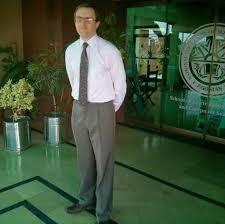
Dr. Peter Bloodsworth is a Lecturer and Professional Masters Programme Project Supervisor in the Department of Computer Science at the University of Oxford. He holds a PhD in Multi-agent Systems from Oxford Brookes University. His research focuses on multi-agent systems, cloud computing, distributed computing, and artificial intelligence, with applications in medical research and robotics. Dr. Bloodsworth has over a decade of academic experience, including a role as a Foreign Professor at the National University of Sciences and Technology (NUST) in Islamabad, Pakistan (2011–2016), and prior work as a Research Fellow at the University of the West of England (UWE), Bristol. He has contributed to major European projects such as the FP7-funded neuGRID project, where he acted as a workpackage leader and User Manager. His research emphasizes applying semantic technologies and multi-agent systems to solve complex problems, including medical ontology integration and grid computing in healthcare environments. Dr. Bloodsworth is a full member of the IEEE and a Chartered Member of the British Computing Society (BCS), reflecting his commitment to professional standards in computing. His recent research themes include deploying multi-agent systems for scalable cloud solutions, robotic control, and managing cloud resources through agent-based frameworks. He has over 30 publications in international journals and conferences, with notable work on cloud marketplaces, elastic multi-agent systems, and neuroimaging analysis using grid computing.
Giuseppe De Giacomo is a Professor of Computer Science at the University of Oxford's Department of Computer Science and a Governing Body Fellow at Green Templeton College. Previously, he held a Professorship at the University of Roma 'La Sapienza'. His research focuses on Knowledge Representation, Automated Planning, Reactive Synthesis, and Formal Verification, with notable contributions to LTLf-based systems and service composition. He leads the ERC Advanced Grant project WhiteMech, exploring self-programming mechanisms. His research interests span Artificial Intelligence, including formal methods for autonomous systems, temporal logic synthesis, and multi-agent systems. He serves on the Board of EurAI and chairs the steering committee of ESSAI. Notable awards include AAAI Fellow, ACM Fellow, and EurAI Fellow. Recent work emphasizes LTLf extensions, environment specifications in planning, and resilient manufacturing via Markov Decision Processes. He advises students like Christoph Weinhuber and collaborates on projects such as Digital Twin Composition in Smart Manufacturing. His publications explore topics like LTLf synthesis under unreliable inputs, temporal abstraction in planning, and ethical responsibility attribution in autonomous systems. Professional service includes Program Chair roles for ECAI 2020 and KR 2014, and contributions to conferences like IJCAI and ICAPS. His research bridges theoretical foundations with practical applications in AI and formal verification.
Jun Yan is a Professor at the University of Wollongong's School of Computing and Information Technology within the Faculty of Engineering and Information Sciences. His roles include academic leadership and research supervision, with active involvement in committees like the Student Academic Experience Sub-Committee and Quality Assurance Review Group. Current research focuses on service-oriented computing, workflow technology, adaptive process management, and AI-driven systems. His work intersects with IoT, UAV systems, federated learning, and multi-agent reinforcement learning. Research interests span service-oriented software engineering, decentralized workflow management, and cybersecurity challenges in autonomous systems. Notable projects include an ARC-funded initiative on robust defenses against adversarial ML for UAV systems (2025–2027). He supervises Masters/PhD projects on topics like diffusion model-based MRI, graph prompt learning, and industrial defect detection. His publications from 2023–2025 emphasize scalable multi-agent systems, federated learning with non-IID data, and UAV applications in intelligent transportation. Key areas of contribution include trust models for e-commerce, privacy-preserving cloud computing, and fault-tolerant service architectures.
Dr. Bing Li is an Assistant Professor in the Department of Automotive Engineering at Clemson University, where he directs the AutoAI Lab. His research focuses on Spatial Intelligence for safer/assistive mobility and robots in dynamic environments, covering areas such as 3D vision, SLAM, deep learning, and human-centered AI. His work bridges fundamental AI research with practical applications in transportation and accessibility, particularly developing technologies to aid individuals with visual impairments. Dr. Li actively mentors students across academic levels and leads educational initiatives including summer programs for teenage drivers learning intelligent vehicle operation. Recent publications demonstrate a strong focus on 3D scene understanding, multi-sensor fusion, and assistive navigation systems. These works leverage cutting-edge deep learning approaches to solve complex perception challenges in autonomous systems and accessibility technologies.