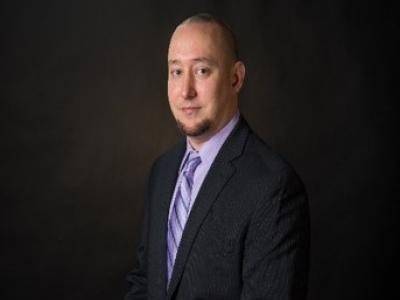
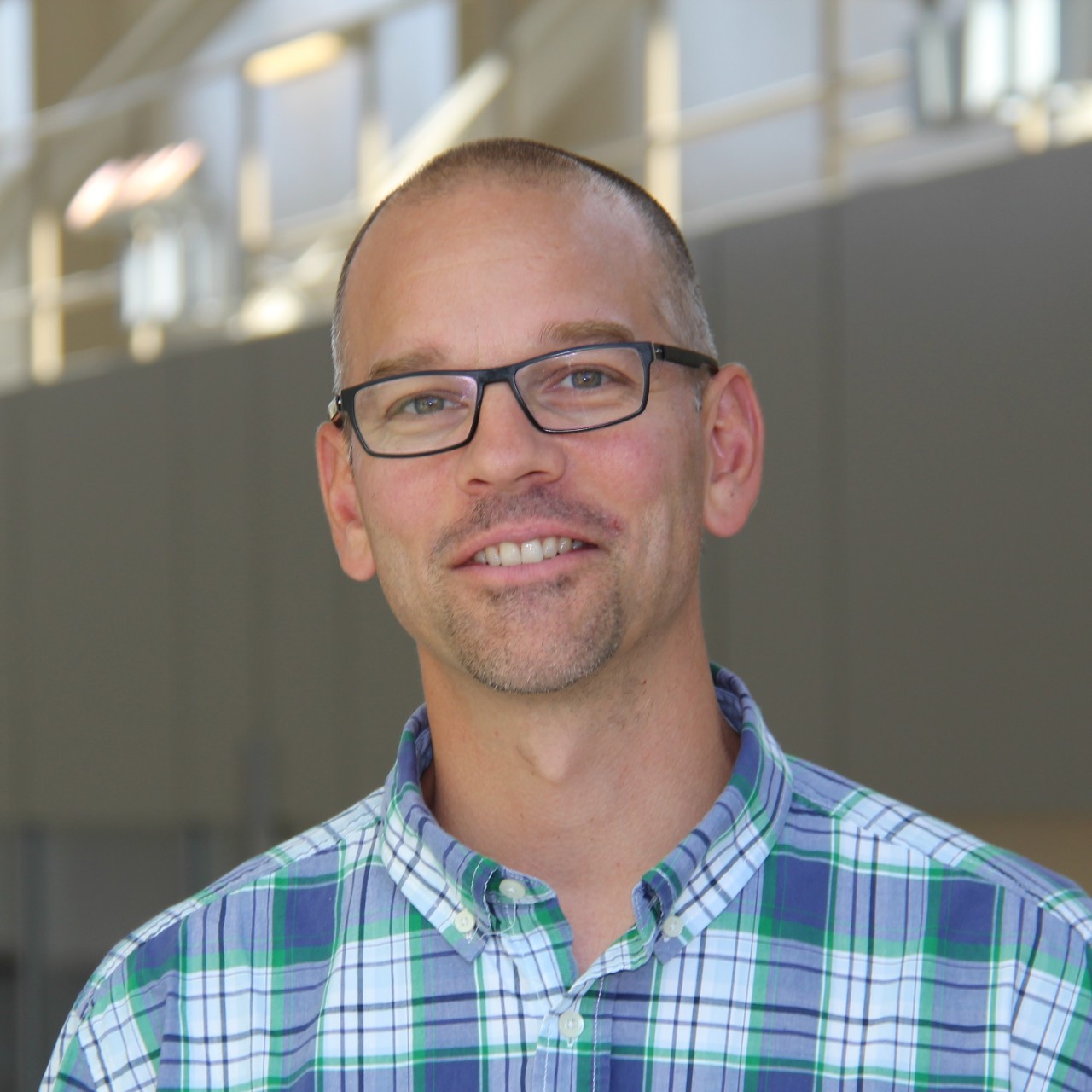
Ali D. Güler is an Associate Professor of Biology at the University of Virginia, leading the Güler Lab. His research focuses on neural circuits regulating feeding behavior and sleep, particularly how modern societal factors like food availability disrupt these processes. He holds a B.A. from Bowdoin College (1999), a Ph.D. from Johns Hopkins School of Medicine (2006), and completed postdoctoral training at Johns Hopkins University (2006–2008) and the University of Washington (2008–2013). Research interests include: Neural pathways linking reward centers and circadian clocks Metabolic disorders such as obesity and type 2 diabetes Pharmacological mechanisms of weight-loss drugs Alzheimer’s disease and circadian rhythm disruption Recent work highlights discoveries like the GLP-1 satiety circuit and dopamine’s role in hedonic feeding. His lab uses advanced tools such as optogenetics and real-time neurophysiology in mouse models. Advising and training include mentoring over 30 graduate and undergraduate students. Current projects explore circadian therapy for neurodegenerative diseases and molecular mechanisms of food anticipation. The lab is located in Gilmer Hall, Room 414.
Magnus Simrén is a Professor of Medical Gastroenterology at the University of Gothenburg and serves as Vice-Dean at the Faculty of Medicine . He is also a Chief Physician in Medical Gastroenterology & Hepatology at Sahlgrenska University Hospital's Department of Medicine. Current research focuses on neurogastroenterology , particularly pathophysiology and treatment of functional gastrointestinal diseases like Irritable Bowel Syndrome (IBS). His work explores gut-brain interaction disorders , gastrointestinal motility , and dietary interventions in IBS management. Recent studies analyze psychometric validation of symptom assessment tools , fecal biomarkers , and cross-population epidemiology of GI disorders. His publications from 2024-2025 span journals such as Alimentary Pharmacology & Therapeutics , Neurogastroenterology and Motility , and Clinical Gastroenterology and Hepatology , with recurring themes in functional GI diseases , behavioral therapies , and diagnostic criteria refinement . The research integrates multidisciplinary collaboration across Europe and globally.
Jennifer S. Gewandter is an Associate Professor at the University of Rochester School of Medicine and Dentistry , with joint appointments in the Departments of Anesthesiology and Perioperative Medicine, Dentistry, Neurology, and Neurosurgery . Her research focuses on chronic pain, chemotherapy-induced peripheral neuropathy (CIPN), patient-reported outcomes, and clinical trial methodologies. Education: PhD in Biochemistry (2011) and MPH in Public Health (2014) from the University of Rochester; MS in Biochemistry (2008); BS in Biochemistry (2004) from SUNY Geneseo. Dr. Gewandter leads studies on CIPN treatment, pain biomarkers, and neuromodulation techniques, publishing extensively in journals like Pain and The Journal of Pain . Her work emphasizes improving clinical trial design, assay sensitivity, and patient-centered pain management. She has received awards such as the Early Career Women Faculty Leadership Development Workshop (2018) , Distributed Research Network Demonstration Project Award (2017) , and Marvel-dare F. Nutting Award (2012) , alongside predoctoral grants and fellowships. Her recent articles analyze buprenorphine initiation predictors, social disparities in pain treatment, and innovative approaches to CIPN prevention via exercise and neuromodulation. She advocates for rigorous statistical methods and patient engagement in clinical research.
Amy S. Fuller serves as a Research Fellow in the Cardiovascular and Lifestyle Medicine Research Theme within Coventry University's Faculty of Health and Life Sciences, a position she assumed in August 2023. Her academic journey includes a BSc in Biological Sciences from the University of Reading (2018), a multidisciplinary PhD from Newcastle University's Faculty of Medical Sciences (2018-2022) focusing on exercise tolerance in ageing and hypertrophic cardiomyopathy, and a Post Doctorate investigating nutrient sensing dysregulation in anorexia of ageing. Her research interests span cardiovascular disease pathophysiology in ageing populations , with specific emphasis on lifestyle interventions for disease management, exercise stress testing methodologies, and molecular pathways including mitochondrial function. She integrates clinical assessments of heart rate variability, hemodynamics, and health psychology to address cardiovascular conditions at national and international scales. Analysis of her 14 most recent publications reveals a strong thematic focus on hypertrophic cardiomyopathy (appearing in 90% of works), ageing-related cardiovascular changes (85%), and lifestyle intervention efficacy (75%). Her research consistently bridges molecular mechanisms with clinical applications, particularly in autonomic function assessment and exercise physiology. Scientific awards: Rank Prize Fund Dr. Fuller maintains active collaborations with National Health Trust partners and university networks, though specific grant details are not documented. Her current work includes developing AI-driven diagnostic tools for heart failure and planning future research on cardiac fatigue in endurance athletes. She operates within Coventry University's Cardiovascular and Lifestyle Medicine Research Theme, contributing to UN Sustainable Development Goals related to health and wellbeing.
Margaret Izabella Chustecki is an Associate Clinical Professor at the Yale School of Medicine's Department of Internal Medicine. She obtained her MD from Warsaw Medical School (1988) and an MBA from the Yale School of Management (2009). Her clinical practice focuses on improving healthcare efficiency through quality programs achieving NCQA accreditation and implementing initiatives like Meaningful Use and PQRS. She coordinates medical education for trainees while maintaining an active clinical practice. Education: MD - Warsaw Medical School (1988), MBA - Yale School of Management (2009) Clinical Experience: Extensive inpatient/outpatient internal medicine, hospitalist service leadership Practice Management: Founded Internal Medicine of Greater New Haven in 2003 Her research interests center on cardiovascular disease management, diabetes therapies, and healthcare quality improvement. She has led over 30 clinical trials evaluating treatments for cardiovascular conditions, diabetes, COPD, migraines, and osteoarthritis. Key areas of investigation include statin efficacy, anticoagulant therapies, and novel diabetes medications. Dr. Chustecki's clinical trials portfolio demonstrates expertise in cardiology, endocrinology, and gastroenterology. Recent studies focus on residual cardiovascular risk reduction, type 2 diabetes combination therapies, and migraine treatment innovations. Her work bridges clinical practice improvements with rigorous evidence-based research. Teaching contributions include supervising Yale medical students, PA trainees, and residents in both hospital and ambulatory settings. She actively participates in medical education program development and interprofessional team coordination. Labs/Teams: Collaborates with Yale New Haven Hospital teams in clinical trial execution and quality improvement initiatives.
Carlos B. Mantilla, M.D., Ph.D., is a Professor in the Department of Anesthesiology and Perioperative Medicine and the Department of Physiology & Biomedical Engineering at Mayo Clinic College of Medicine and Science, Rochester, Minnesota. He holds a joint appointment in both departments and serves as Director of the Biomedical Engineering and Physiology graduate program at Mayo Graduate School since 2013. His research is centered on the neural and muscular control of breathing, with a focus on spinal cord injury, aging, and neuromuscular disorders. Ph.D. in Molecular Neuroscience, Mayo Graduate School, Mayo Clinic College of Medicine M.D., Colegio Mayor de Nuestra Senora del Rosario Residency and Fellowship in Anesthesiology, Mayo School of Graduate Medical Education Dr. Mantilla’s research investigates the mechanisms of respiratory motor recovery after spinal cord injury, the impact of aging on diaphragm function, and the role of growth factors in neuromuscular health. His lab employs advanced techniques such as 3-D confocal imaging, single-cell transcriptional analysis, electrophysiology, and whole-body plethysmography. His work has been published extensively in high-impact journals and is supported by NIH and other foundations. His recent publications highlight trends in respiratory neuroplasticity, autophagy in motor neurons, diaphragm function in aging, and recovery mechanisms post-injury. These studies integrate molecular, cellular, and systems-level approaches to understand breathing control and develop therapies for respiratory impairment. Scientific awards and honors include: Anthony DiMarco Lectureship Award, Academy of Spinal Cord Injury Professionals (2021) Medal Ministerio de Defense Nacional, Colombia (2013) Multiple Teaching Awards (2008, 2004) Distinguished Resident Clinician (1997) Dr. Mantilla actively mentors graduate students through his leadership in the Biomedical Engineering and Physiology program and has been a co-investigator or principal investigator on multiple NIH-funded grants. He serves as Associate Editor for Physiology and Frontiers in Respiratory Physiology . He is also involved in editorial roles and scientific advisory committees, contributing to the broader academic and clinical research community. His research is conducted within the Cell and Regenerative Physiology program at Mayo Clinic, collaborating closely with Dr. Gary C. Sieck. The lab focuses on regenerative approaches to restore respiratory function and is part of Mayo Clinic’s broader research infrastructure in anesthesiology, physiology, and biomedical engineering.
Dr. Sanne Meles is a researcher at the Faculty of Medical Sciences , part of the University of Groningen . Her work focuses on Neuroimaging and Neurodegenerative Disorders , particularly Parkinson's Disease and REM Sleep Behavior Disorder . She contributes to advanced imaging techniques like 18F-FDG PET and applies Machine Learning for data harmonization and disease classification. Email: s.k.meles@umcg.nl ORCID: https://orcid.org/0000-0002-5505-3527 Her research explores metabolic brain networks in neurodegenerative conditions, identifying patterns in essential tremor , Parkinson's prodromal stages , and REM sleep disorders . She has published extensively on neuroimaging biomarkers , machine learning applications , and longitudinal disease progression studies. Recent work includes machine learning harmonization of multicenter PET data, metabolic brain patterns in REM disorders, and validation of phenoconversion markers for Parkinson's. Her articles highlight cross-disciplinary collaborations with institutions like Seoul National University and Alzheimer's Disease Neuroimaging Initiative . Press/media coverage of her research includes public commentary on a Parkinson's detection test , which has been referenced in Wikipedia and picked up by news outlets and X (Twitter) users .
Kaylena Ehgoetz Martens serves as an Associate Professor in the Department of Kinesiology and Health Sciences at the University of Waterloo, where she directs the Neurocognition and Mobility Lab. Her research program integrates movement kinematics, functional neuroimaging, psychophysiology, and cognitive neuroscience to investigate the neural basis of gait control and its disruption in neurodegenerative conditions, with particular emphasis on Parkinson's disease, dementia with Lewy bodies, and isolated REM sleep behavior disorder. She focuses on the complex interplay between cognition, emotion, and motor function to develop translational approaches for early diagnosis and intervention in mobility disorders. Dr. Martens' academic training includes a BSc in Kinesiology & Physical Education from Wilfrid Laurier University, an MA in Psychology from the University of Waterloo, a PhD in Cognitive Neuroscience from the University of Waterloo, and postdoctoral training at the Medicine, Brain and Mind Centre, University of Sydney, Australia. Her educational background established the foundation for her multidisciplinary approach to movement neuroscience. Her research program centers on three interconnected aims: (1) investigating cognitive-emotional interactions in gait and balance control; (2) leveraging gait complexity to identify subclinical predictors of neurodegeneration; and (3) developing technology-enhanced diagnostic and intervention tools using virtual reality and mobile recording devices. This work addresses critical gaps in understanding how anxiety, threat processing, and autonomic dysfunction contribute to movement impairments in aging and neurodegenerative diseases. Analysis of her recent publications (2023-2025) reveals a strong trajectory in subtype-specific characterization of freezing of gait, identification of sex-specific neurodegeneration patterns, and development of AI-driven detection methods. Her work increasingly incorporates machine learning for gait analysis while maintaining clinical relevance through biomarker discovery and therapeutic innovation, particularly in the prodromal phases of synucleinopathies. Scientific Awards: No specific awards were documented in the provided source material. Dr. Martens actively supervises graduate students across all levels including undergraduate theses, MSc, PhD, and postdoctoral fellows within her Neurocognition and Mobility Lab. She provides research opportunities for volunteers, coursework interns, and research coordinators, with a focus on translating laboratory findings to clinical applications. While specific grant details weren't provided, her extensive use of advanced neuroimaging, wearable sensors, and virtual reality technologies indicates substantial research funding supporting her program. The Neurocognition and Mobility Lab operates as a collaborative hub bridging basic neuroscience with clinical practice, working closely with healthcare providers to develop practical tools for early mobility impairment detection. Current projects emphasize translating gait complexity metrics into clinical biomarkers and developing anxiety-targeted interventions to prevent falls in neurodegenerative populations, with particular attention to preserving functional independence throughout the lifespan.
Adam J. Case, PhD, is an Associate Professor in the Department of Psychiatry and Behavioral Sciences and affiliated with the Department of Medical Physiology at Texas A&M University School of Medicine. His research focuses on the bidirectional interactions between the brain and immune system, particularly how psychological trauma like PTSD influences autoimmune disorders and cardiovascular diseases, and vice versa. He holds a BS in Biochemistry (2004) and a PhD in Free Radical and Radiation Biology (2011) from the University of Iowa, followed by a postdoctoral fellowship at the University of Nebraska Medical Center (2012-2015). Dr. Case’s work integrates redox biology, immunology, and physiology to explore trauma-induced inflammation and its systemic consequences. He has received the 2020 Distinguished Graduate Student Mentor Award from the University of Nebraska Medical Center. His teaching interests include Redox Biology, Immunology, and Scientific Communication. His research highlights include investigations into IL-6’s role in trauma-cardiovascular links, beta-adrenergic signaling as an autoimmune therapeutic target, and hemoglobin’s redox-sensitive regulation of T-lymphocytes. He actively contributes to societies such as the Society for Biological Psychiatry and the American Physiological Society. Dr. Case’s lab explores neuroimmune mechanisms underlying PTSD and seeks translational therapies. His recent articles emphasize mitochondrial ROS regulation, T-lymphocyte neurotransmission dynamics, and trauma-induced inflammatory pathways.
Professor Stuart Mazzone is a leading academic in autonomic and sensory neuroscience at the University of Melbourne, holding roles as Professor, Head of the Department of Anatomy and Physiology, and Director of Research. He leads the Laboratory of Respiratory Sensory Neuroscience, focusing on neural pathways regulating airway defenses and respiratory sensations. His work employs multidisciplinary approaches, including physiological, pharmacological, and molecular techniques, and bridges preclinical studies with human clinical research. Education: PhD from the University of Tasmania (2000), followed by postdoctoral training at Johns Hopkins Medical Institutions. Previous roles include positions at the Howard Florey Institute and the University of Queensland. Research Interests: Chronic cough mechanisms, vagal sensory circuits, respiratory reflexes, and neurobiology of airway defense. His studies explore how the brain processes vagal sensory inputs in health and disease, with translational applications in chronic cough treatment. Key Projects/Grants: Includes studies on thalamic regulation of airway interoception, the science of coughing, and clinical trials of drugs like camlipixant for refractory cough. Active grants from ARC, NHMRC, and industry collaborations. Labs/Teams: Directs the Respiratory Sensory Neuroscience Lab, collaborating on projects like silencing pulmonary nociceptors for severe viral infections and profiling receptor expression in airway nerves.
Dr. Thomas A. Koc Jr. is an Associate Professor and Program Director in the Department of Physical Therapy at Kean University's College of Health Professions and Human Services. With clinical expertise in orthopedic manual therapy and research interests in concussion rehabilitation, dysautonomia, and movement science, he actively contributes to evidence-based practice in physical therapy. Ph.D. in Health Science (2017), Seton Hall University Doctor of Physical Therapy (DPT, 2011), Seton Hall University B.S. in Biology, Seton Hall University His research focuses on orthopedic/sports rehabilitation, concussion recovery, and dysautonomia, with recent publications addressing clinical practice guidelines, hamstring strain injuries, and integrative concussion rehabilitation approaches. Articles from 2019-2025 highlight his work in post-surgical rehabilitation, autonomic dysfunction, and athlete performance optimization. Scientific Awards: Certified Integrated Manual Therapist (CIMT) Fellow-in-Training, American Academy of Orthopedic Manual Physical Therapy Board Certified Orthopedic Clinical Specialist (OCS) Credentialed Clinical Instructor via APTA Dr. Koc employs Team-Based Learning (TBL) and Problem-Based Learning (PBL) to integrate foundational sciences into patient-centered case scenarios. He has contributed to clinical practice guidelines and case studies across musculoskeletal, neurological, and cardiopulmonary physical therapy domains.
George Smith is a Professor and Director of the Center for Neural Development and Repair at the Lewis Katz School of Medicine, Temple University, and serves as Vice Chair of the Department of Medical Genetics and Molecular Biochemistry. His educational background includes a PhD in Neuroscience from Case Western Reserve University (1987) and dual Bachelor's degrees in Psychology and Chemistry from Lewis University (1983). Dr. Smith's research focuses on neural regeneration after spinal cord injury, with two primary projects: (1) Gene therapy approaches using recombinant viruses to express neurotrophic factors and guidance molecules for precise axon regeneration and synaptic reconnection; (2) Construction of motor relays via neural stem cell grafts combined with molecular highways to direct axon growth and restore motor function. His work bridges molecular neuroscience and translational applications for nervous system repair. Analysis of his 15 most recent publications reveals consistent emphasis on axon guidance mechanisms, neurotrophin signaling pathways (particularly mTor and bRaf), and innovative biomaterial strategies to overcome inhibitory environments in neural tissue. The research trajectory shows progression from basic axon growth studies to sophisticated circuit reconstruction approaches. He leads a laboratory developing advanced techniques including genetic axon tract tracers, neural stem cell differentiation protocols, and combinatorial neurotrophic factor delivery systems to address challenges in spinal cord repair.
Dr. Scot Leary is a Professor in the Department of Biochemistry, Microbiology and Immunology at the University of Saskatchewan. His research focuses on mitochondrial biology, particularly the role of mitochondria in copper homeostasis and its implications for human diseases like Menkes disease. He holds a Ph.D. from Queen's University (2001) and a B.Sc. from the University of Guelph (1995). His research explores how mitochondria regulate cellular copper levels, including signaling pathways and genetic mechanisms. Recent work highlights mitochondrial dysfunction's impact on immune suppression and the role of α-fetoprotein in this process. Collaborations with labs like Vizeacoumar and Pioli have advanced cancer vulnerability studies and immune system interactions. Dr. Leary has advised students such as Dr. Sampurna Ghosh and Nikki Forsberg. His funding includes NIH grants and CoMRAD awards, supporting studies on mitochondrial dysfunction's non-autonomous immune effects. His lab is located in Health Sciences 4D01.7, Saskatoon, Canada.
Margaret Wardle, PhD is an Associate Professor in the Department of Psychology at the University of Illinois Chicago , serving as Director of Clinical Training and Clinical Program Chair within the College of Liberal Arts and Sciences. Her research focuses on developing interventions for addiction, particularly examining drug-induced emotional dysfunction and anhedonia in cocaine use disorder. Education: B.H.A. in Psychology and Art (2001) - Carnegie Mellon University Ph.D. in Clinical Psychology (2009) - University of Illinois at Chicago Postdoctoral Fellowship (2009–2012) - University of Chicago in Human Behavioral Pharmacology Research Interests: Neurobiological mechanisms of addiction Emotional processing in substance use disorders Clinical trials targeting anhedonia MDMA and oxytocin effects on social/emotional processing Exercise as a reward modulator Grants & Lab: Current NIH NIDA Grant: Targeting Anhedonia in Cocaine Use Disorder Principal Investigator for studies on neural mechanisms and pharmacological interventions Led the Addiction Research and Treatment Lab exploring drug-emotion interactions Professional Credentials: Licensed Clinical Psychologist (Illinois, 2015–present) Expert in human laboratory studies and clinical trial design
Professor Philip de Chazal holds the ResMed Chair in Biomedical Engineering and is Director of the Institute of Biomedical Engineering and Technology at the University of Sydney. He leads research and educational activities in biomedical engineering, collaborating across the Charles Perkins Centre and Faculty of Engineering. His academic background includes a BE, MBiomedE, and PhD from UNSW. Research focuses on sleep and cardiorespiratory physiology, particularly developing non-invasive diagnostic tools for sleep disorders. He co-founded BiancaMed, a company commercializing sleep apnea detection technologies. His work bridges clinical needs with engineering solutions, emphasizing sleep-disordered breathing as a global health issue. Key awards include the ARC Future Fellowship (2012-2016) and Irish Times Innovation Award (2010). He has authored over 128 publications and holds 9 patents, with recent work on OSA symptom subtypes, cardiovascular outcomes, and mandibular advancement device innovations. Current projects explore sleep-activity associations and phenotypic approaches to OSA management. Advising includes Tian YANG (PhD student). He collaborates with global institutions like UCD, CSIRO, and the Charles Perkins Centre. His lab develops technologies for sleep monitoring and clinical translation, aiming to improve chronic disease management through precision medicine.