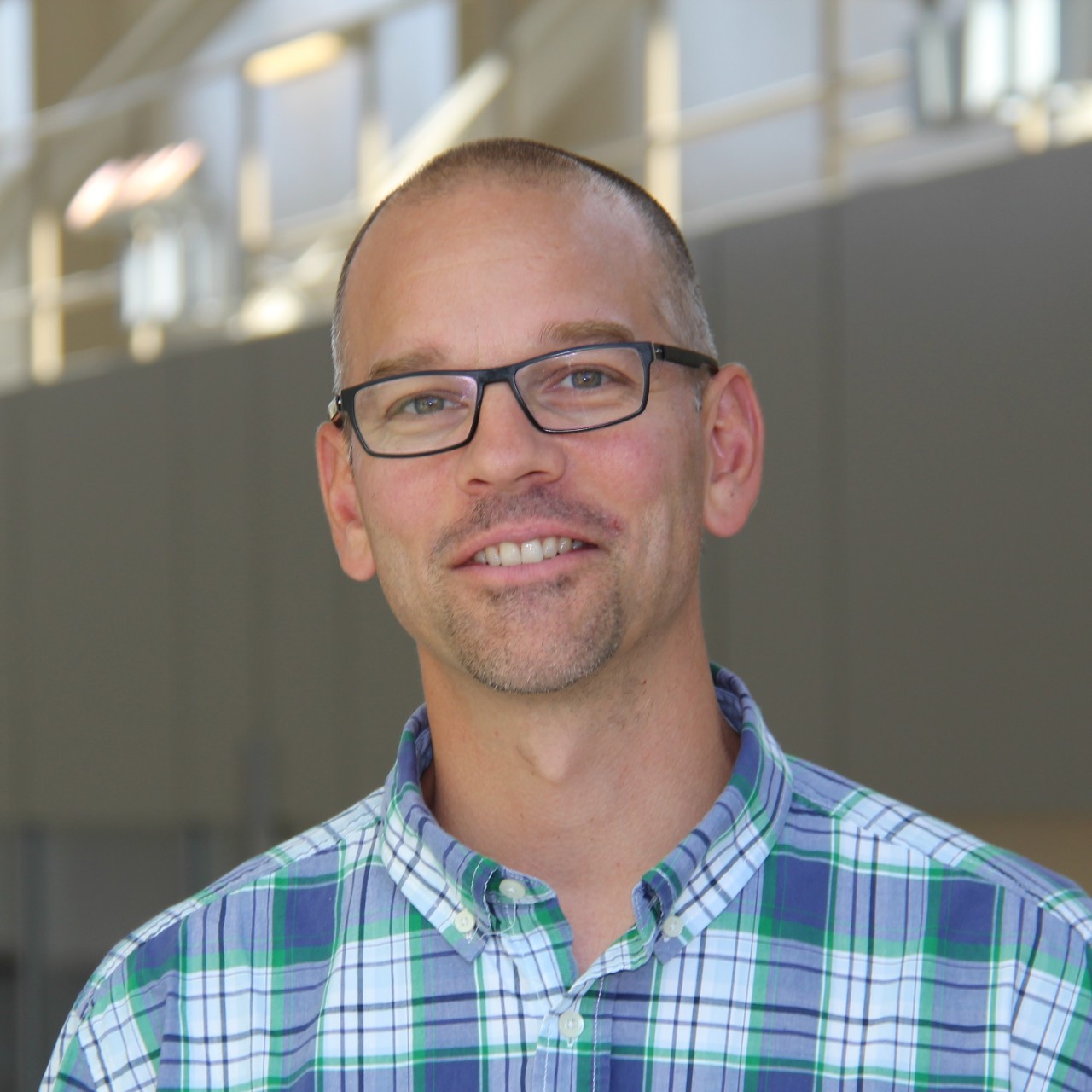
Gunnar Blohm is an Assistant Professor in the Department of Biomedical and Molecular Sciences at Queen's University, affiliated with the School of Medicine and Faculty of Health Sciences. His research focuses on sensorimotor neuroscience, particularly 3D sensorimotor control, eye-hand coordination, and computational modeling of neural processes. He holds a Ph.D. from Université Catholique de Louvain and has held postdoctoral positions at York University and his alma mater. Cross-appointed to the School of Computing, Department of Psychology, and Department of Mathematics and Statistics, he is also Vice-Director of the Connected Minds initiative. His research integrates behavioral experiments, brain imaging (MEG/EEG), and patient studies to understand how sensory information is transformed into goal-directed actions. Key areas include visuomotor transformations, multisensory integration, and Bayesian processes in neural computations. Blohm leads the Computational Sensorimotor Neuroscience Lab, emphasizing collaborative projects like Neuromatch Academy and contributions to open science initiatives. Affiliated with Queen's Centre for Neuroscience Studies and Ingenuity Labs, his work bridges computational approaches with clinical applications, aiming to develop frameworks for understanding brain dysfunction and clinical tools. His recent articles explore topics like saccade dynamics, pupil responses, and generative adversarial collaborations in scientific discourse.
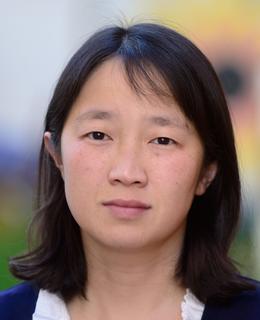
Katrina Choe serves as Assistant Professor in the Department of Psychology, Neuroscience & Behaviour at McMaster University and holds a Tier 2 Canada Research Chair in Neurobiology of Social Behaviour. Her research program investigates the multi-level neurobiological mechanisms underlying psychiatric disorders, with primary focus on autism spectrum disorders (ASD) and oxytocin signaling pathways. Her academic training includes: PhD in Neuroscience from McGill University (2013) Honours BSc in Zoology from University of Toronto (2002-2006) Postdoctoral Fellowship at UCLA (2013-2020) Dr. Choe's research employs an integrative approach spanning molecular, cellular, circuit, and network levels to examine how ASD-associated gene mutations disrupt social behavior. Current work centers on oxytocin signaling mechanisms in ASD, convergent neurobiological pathways across psychiatric disorders, and the role of glial cells in neural circuit function. Her lab utilizes advanced techniques including optogenetic fMRI, single-cell RNA sequencing, and multi-level behavioral assays in genetic mouse models. Analysis of her 15 most recent publications reveals a clear research trajectory: early work (2015-2020) established foundational knowledge in vasopressin neuron regulation and salt homeostasis, while recent publications (2022-2025) demonstrate a focused shift toward ASD mechanisms, oxytocin signaling, and social circuit dysfunction using the Cntnap2 knockout model. This evolution reflects her transition from postdoctoral training to independent research leadership. Her scientific recognition includes: Tier 2 Canada Research Chair in Neurobiology of Social Behaviour (2022) NIMH K99/R00 Award CIHR Postdoctoral Fellowship Dr. Choe actively mentors six graduate students across PhD and MSc programs while leading a dynamic research team comprising postdoctoral fellows, laboratory technicians, and undergraduate researchers. Her program receives substantial support from major grants including a 5-year CIHR Project Grant and NSERC Discovery Grant focused on 'The role of CASPR2 in central oxytocin system development.' The Choe Lab maintains active collaborations with leading neuroscience groups including the Bourque, Prager-Khoutorsky, and Cunningham labs, as evidenced by participation in the 4th 1000 Islands/Gananoque Meeting on Hypothalamic Mechanisms. Her laboratory, established in 2020, operates as a multidisciplinary hub utilizing molecular biology (qPCR, RNA-seq), advanced imaging (lightsheet, confocal), electrophysiology (in vitro and in vivo), and behavioral neuroscience approaches to investigate social behavior mechanisms. Current projects examine microglia-astrocyte-neuron interactions in social circuit function and the therapeutic potential of oxytocin for ASD-related social deficits.
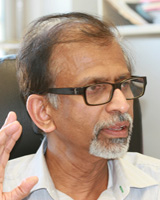
Dr. Raj Rajakumar is an Associate Professor at Western University's Department of Anatomy and Cell Biology, cross-appointed with the Department of Psychiatry. His work focuses on molecular mechanisms underlying schizophrenia symptoms and autism neurobiology, employing animal models to study drug effects and neural signaling. He holds a PhD from the University of Western Ontario, with prior degrees in M.B.B.S. (University of Peradeniya) and M.Sc. (University of Western Ontario). Educations: Ph.D., Anatomy and Cell Biology, University of Western Ontario M.Sc., Anatomy and Cell Biology, University of Western Ontario M.B.B.S., Medicine, University of Peradeniya Research Interests: Molecular pathways in schizophrenia symptom manifestation Neurobiological basis of autism spectrum disorders Pharmacological interventions using antipsychotics and psychotropic drugs Neuroimaging techniques (fMRI, MRS) to study brain connectivity His research combines molecular biology, neuroanatomy, and behavioral assays in animal models to explore schizophrenia pathophysiology. Recent work includes maternal immune activation effects on fetal brain development, cannabinoid impact on executive function, and white matter inflammation in Alzheimer's models. Collaborations with Dr. W.J. Rushlow and others highlight translational research in neuropsychiatric disorders. Key contributions include automated MRI algorithms for medial temporal lobe analysis and longitudinal studies of glutamatergic deficits in schizophrenia. His work bridges basic science with clinical applications in mental health. Dr. Rajakumar's lab focuses on understanding brain circuitry disruptions in psychiatric disorders, with implications for novel therapeutic targets. No formal advisees are listed, but his research team actively engages in interdisciplinary collaborations.
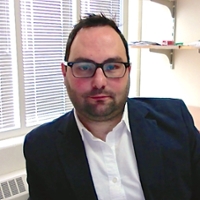
Dr. Corey Tomczak is an Associate Professor in the Department of Kinesiology at the University of Saskatchewan. His research focuses on cardiovascular physiology, cardiac rehabilitation, and exercise intolerance in chronic conditions such as heart failure and congenital heart disease. He holds a PhD in Rehabilitation Medicine and has extensive postdoctoral training in the field. His work integrates clinical and physiological approaches to improve outcomes in patients with cardiovascular disorders. Affiliations: University of Saskatchewan, College of Kinesiology Research Themes: Health Aging and Management of Chronic Conditions, Child and Youth Health and Development Dr. Tomczak's research examines mechanisms underlying exercise limitations in heart failure and congenital heart disease, including autonomic regulation, vascular function, and skeletal muscle metabolism. He has trained numerous graduate students and mentors future researchers in cardiovascular physiology. His lab, the Russ Kisby Physical Activity and Health Promotion Laboratory, collaborates with clinical partners at the Royal University Hospital. Key areas of investigation include cerebrovascular responses during exercise, muscle metaboreflex modulation of cardiac function, and the impact of exercise training on cardiovascular outcomes. Recent work highlights impaired vascular function in heart failure and sex-based differences in exercise capacity.
Delphine Périé-Curnier is a Full Professor in the Department of Mechanical Engineering at Polytechnique Montréal and Director of Graduate Studies. Her research focuses on developing quantitative MRI techniques for non-invasive characterization of living tissue mechanical properties, particularly in cardiotoxicity detection and musculoskeletal mechanobiology . She leads the Bioperformance Analysis and Innovation Laboratory (LIAB) and contributes to the Institute of Biomedical Engineering. Education: Ph.D. from Paul Sabatier University, Toulouse, France Her work bridges medical imaging , biomechanical modeling , and finite element analysis to predict disease progression through pathomechanism understanding. Key projects include exercise-induced cardiac changes in childhood cancer survivors and spinal biomechanics in scoliosis. Recent publications (2023-2024) emphasize cardiovascular MRI for childhood cancer survivorship and hemodynamic modeling in left ventricle analysis. She supervises 26 graduate students, with completed theses spanning topics like doxorubicin cardiotoxicity , knee replacement stability , and spatial cardiac MRI protocols . Teaching includes graduate courses in biomedical design , advanced biomechanics , and modeling techniques .
Kaylena Ehgoetz Martens serves as an Associate Professor in the Department of Kinesiology and Health Sciences at the University of Waterloo, where she directs the Neurocognition and Mobility Lab. Her research program integrates movement kinematics, functional neuroimaging, psychophysiology, and cognitive neuroscience to investigate the neural basis of gait control and its disruption in neurodegenerative conditions, with particular emphasis on Parkinson's disease, dementia with Lewy bodies, and isolated REM sleep behavior disorder. She focuses on the complex interplay between cognition, emotion, and motor function to develop translational approaches for early diagnosis and intervention in mobility disorders. Dr. Martens' academic training includes a BSc in Kinesiology & Physical Education from Wilfrid Laurier University, an MA in Psychology from the University of Waterloo, a PhD in Cognitive Neuroscience from the University of Waterloo, and postdoctoral training at the Medicine, Brain and Mind Centre, University of Sydney, Australia. Her educational background established the foundation for her multidisciplinary approach to movement neuroscience. Her research program centers on three interconnected aims: (1) investigating cognitive-emotional interactions in gait and balance control; (2) leveraging gait complexity to identify subclinical predictors of neurodegeneration; and (3) developing technology-enhanced diagnostic and intervention tools using virtual reality and mobile recording devices. This work addresses critical gaps in understanding how anxiety, threat processing, and autonomic dysfunction contribute to movement impairments in aging and neurodegenerative diseases. Analysis of her recent publications (2023-2025) reveals a strong trajectory in subtype-specific characterization of freezing of gait, identification of sex-specific neurodegeneration patterns, and development of AI-driven detection methods. Her work increasingly incorporates machine learning for gait analysis while maintaining clinical relevance through biomarker discovery and therapeutic innovation, particularly in the prodromal phases of synucleinopathies. Scientific Awards: No specific awards were documented in the provided source material. Dr. Martens actively supervises graduate students across all levels including undergraduate theses, MSc, PhD, and postdoctoral fellows within her Neurocognition and Mobility Lab. She provides research opportunities for volunteers, coursework interns, and research coordinators, with a focus on translating laboratory findings to clinical applications. While specific grant details weren't provided, her extensive use of advanced neuroimaging, wearable sensors, and virtual reality technologies indicates substantial research funding supporting her program. The Neurocognition and Mobility Lab operates as a collaborative hub bridging basic neuroscience with clinical practice, working closely with healthcare providers to develop practical tools for early mobility impairment detection. Current projects emphasize translating gait complexity metrics into clinical biomarkers and developing anxiety-targeted interventions to prevent falls in neurodegenerative populations, with particular attention to preserving functional independence throughout the lifespan.
Dr. Scot Leary is a Professor in the Department of Biochemistry, Microbiology and Immunology at the University of Saskatchewan. His research focuses on mitochondrial biology, particularly the role of mitochondria in copper homeostasis and its implications for human diseases like Menkes disease. He holds a Ph.D. from Queen's University (2001) and a B.Sc. from the University of Guelph (1995). His research explores how mitochondria regulate cellular copper levels, including signaling pathways and genetic mechanisms. Recent work highlights mitochondrial dysfunction's impact on immune suppression and the role of α-fetoprotein in this process. Collaborations with labs like Vizeacoumar and Pioli have advanced cancer vulnerability studies and immune system interactions. Dr. Leary has advised students such as Dr. Sampurna Ghosh and Nikki Forsberg. His funding includes NIH grants and CoMRAD awards, supporting studies on mitochondrial dysfunction's non-autonomous immune effects. His lab is located in Health Sciences 4D01.7, Saskatoon, Canada.
Karim Jerbi is a Full Professor at the University of Montreal's Department of Psychology, within the Faculty of Arts and Sciences. He holds the Canada Research Chair (CRC) in Systems Neuroscience and Cognitive Neuroimaging (Junior 2) and leads interdisciplinary research programs. His affiliations include the CRM — Centre de recherches mathématiques, CERNEC — Centre de recherche en neuropsychologie et cognition, CRIUGM — Centre de recherche de l'Institut universitaire de gériatrie de Montréal, PhysNum — Laboratoire de physique numérique, BRAMS — Laboratoire international de recherche sur le Cerveau, la Musique et le Son, and CIRCA — Centre interdisciplinaire de recherche sur le cerveau et l'apprentissage. These affiliations emphasize his collaborative and interdisciplinary approach to neuroscience and neuroimaging. His research investigates cognitive functions and dysfunctions using advanced signal processing and machine learning applied to multimodal brain data. Key interests include neural oscillations, brain connectivity, and the interplay between cognitive processes and neuroimaging techniques like MEG and EEG. He explores topics such as sleep dynamics, decision-making, mindfulness meditation effects, and neurodegenerative disorders, bridging computational models with clinical applications. Jerbi's recent work highlights trends in AI-driven neuroimaging tools (e.g., MEEGNet, NeuroPycon), criticality in brain networks, and the impact of consciousness states on neural activity. His grants include leading the UNIQUE initiative (2019–2024) and co-directing projects like 'Partnership for Abundant Intelligences' (2024–2029), funded by organizations like FRQNT and SSHRC. These efforts aim to integrate AI, mathematics, and clinical research for transformative insights into brain function. Scientific Awards: Canada Research Chair (CRC) in Systems Neuroscience and Cognitive Neuroimaging (Junior 2). In advising, he has guided students in topics like AI-based biomarker identification, hypnosis dynamics, and motor intention decoding. His labs and teams, such as the CRM and CERNEC, focus on mathematical foundations of neural systems and neuropsychological cognition, respectively. Collaborations span diverse fields, including gériatrie, music cognition, and computational intelligence, reflecting his commitment to cross-disciplinary innovation.
Ning Cheng is an Assistant Professor (Teaching & Research) at the University of Calgary's Faculty of Veterinary Medicine, with affiliations to the Alberta Children's Hospital Research Institute (ACHRI) and Hotchkiss Brain Institute (HBI). Their research focuses on neurodevelopmental disorders, particularly autism and Fragile X Syndrome, using rodent models to investigate mechanisms and develop experimental therapeutics. PhD in neuroscience from Johns Hopkins School of Medicine Postdoctoral work on neurological disorders at NIH Research spans molecular mechanisms, neural circuitry, and translational approaches to address social, communication, and behavioral challenges in autism spectrum disorders. The lab utilizes in vivo recording/modulation of brain activity, biochemical analyses, and multidisciplinary collaborations. Recent publications highlight expertise in EEG biomarker discovery, auditory processing abnormalities, ketogenic diet interventions, and ERK pathway modulation in mouse models of neurodevelopmental conditions. Key technologies developed include wireless cortical hemodynamic monitoring systems (TinyIOMS) and open-source electrophysiology tools (OSERR). As part of ACHRI's Precision Medicine & Disease Mechanisms program and HBI's Neurodevelopment/SCNIP strategic initiatives, Cheng contributes to university-wide efforts in Brain and Mental Health (2015-2021) and Child Health and Wellness (2020-2025).
Dr. David Ditor is a Professor in the Department of Kinesiology at Brock University's Faculty of Applied Health Sciences. He serves as the director of the Brock Functional Inclusive Training (Bfit) Centre's POWER CORD, a wheelchair-accessible exercise program that functions as both a research center and a community-based exercise facility for individuals in Niagara. Dr. Ditor holds additional academic appointments as an Adjunct Professor in the Department of Kinesiology at McMaster University and in the Department of Kinesiology & Health Science at York University. He is also an Affiliate Member in the Centre for Disability Studies (CADS) at Brock University and serves on the Ontario Neurotrauma Foundation (ONF) Quality of Life for Persons with SCI Subcommittee and the Editorial board for Critical Reviews in Physical and Rehabilitation Medicine. His research program focuses on secondary health complications associated with spinal cord injury, with three primary emphases: chronic inflammation and its effects on physical and psychological outcomes, cardiovascular disease and dysfunction, and sexual function in both males and females. Dr. Ditor has published extensively on these topics in high-impact journals including Spinal Cord, Journal of Neuroinflammation, and Neurology. Spinal cord injury rehabilitation Exercise physiology for neurological populations Chronic inflammation and systemic effects Cardiovascular dysfunction in spinal cord injury Sexual health following neurological injury Body image and psychological outcomes Secondary complications of disability Dr. Ditor is the co-inventor of the anti-contracture elevating (ACE)-wheelchair leg rests, a patented device that attaches to any manual wheelchair to improve range of motion at the knee while reducing lower limb spasticity and edema in chronic wheelchair users. This innovation represents a practical application of his research to address common complications faced by individuals with mobility impairments. As director of the POWER CORD program, Dr. Ditor oversees evidence-based exercise interventions specifically designed for individuals with spinal cord injury, multiple sclerosis, Parkinson's disease, and amputees. This initiative bridges the gap between research and community application, providing accessible rehabilitation services while simultaneously advancing scientific understanding of exercise interventions for neurological conditions.
Dr. Mike Tymko is an Assistant Professor at the University of Guelph , affiliated with the College of Biological Science . His research focuses on environmental and cerebrovascular physiology, particularly how stressors like hypoxia, thermal changes, and orthostatic challenges affect autonomic regulation and cerebral blood flow. Mount Royal University (B.H.Sc) University of British Columbia (MSc, PhD) University of Alberta (Postdoc) University of British Columbia (Postdoc) Research Interests: Dr. Tymko investigates the interplay between autonomic nervous activity and cerebrovascular function. His work spans high-altitude adaptations, concussion-related vascular changes, and environmental stress responses, employing methods like microneurography and blood flow monitoring. Publication Trends (2016-2025): His articles demonstrate consistent focus on: Neurovascular coupling under stress Dynamic autonomic responses High-altitude physiological adaptations Thermal and hypoxic stress mechanisms Comparative population vascular studies Human circulatory biomarkers Students: Current MSc advisees include Jenna McCrone and Christabel Osei-Boateng . He actively recruits graduate students for his Integrative Cerebrovascular & Environmental Physiology Lab.
Dr. Isabelle Gagnon is a Senior Scientist at the Research Institute of the McGill University Health Centre (RI-MUHC) and a Professor at the School of Physical and Occupational Therapy, Faculty of Medicine and Health Sciences, McGill University. She is affiliated with the Department of Pediatrics, Division of Emergency Medicine at McGill University Health Centre (MUHC), contributing to the Child Health and Human Development Program. Senior Scientist, RI-MUHC Professor, School of Physical and Occupational Therapy, McGill University Department of Pediatrics, MUHC Her research focuses on pediatric traumatic brain injury (TBI) and concussion , with emphasis on functional outcomes, rehabilitation interventions, and healthcare system impacts. Key domains include: Balanced assessment of motor and psychosocial domains Integration of imaging and virtual reality technologies Development of innovative rehabilitation approaches for slow recoverers Analysis of emergency department service organization on patient outcomes Recent publications (2024-2025) address quality indicators for trauma care , vestibulo-ocular reflex dynamics , direct-access physiotherapy models , and social determinants of health disparities . Her work spans clinical practice guidelines , EEG-based concussion biomarkers , and virtual pedestrian collision avoidance paradigms . Dr. Gagnon collaborates with interdisciplinary teams to advance pediatric concussion management , focusing on return-to-activity protocols and neurological data integration . She emphasizes patient-centered outcomes and healthcare accessibility .
Taras Usichenko is a Part-Time Professor in the Department of Anesthesia at McMaster University. His academic work focuses on integrating complementary medicine, particularly acupuncture and neurostimulation techniques, into clinical anesthesia and pain management. He has contributed extensively to research on auricular acupuncture, millimeter wave therapy, and their applications in surgical and postoperative care. Acupuncture in Perioperative Pain Control Neurostimulation for Anxiety and Stress Complementary and Alternative Medicine in Anesthesia Clinical Trials on Auricular Acupuncture Postoperative Cognitive Dysfunction His scholarly activity spans over two decades, with recent publications emphasizing systematic reviews, meta-analyses, and clinical applications in diverse areas such as pediatric pain, palliative care, and biomarker-driven delirium risk assessment. While no specific awards are listed, his work has been widely disseminated across international journals and conferences.
Elke D. Reissing is a Full Professor in the School of Psychology at the University of Ottawa, Faculty of Social Sciences. She is actively engaged in research, teaching, and graduate supervision in clinical psychology with a focus on human sexuality and sexual health. Her research interests include: Sexuality and sexual dysfunctions Genito-Pelvic Pain/Penetration Disorder and lifelong vaginismus Pelvic floor function and its relationship to sexuality Gender and health across the lifespan Menopause and sexual well-being Pain, mental health, and neurosciences The most recent publications reflect a strong focus on validating sexual assessment tools, understanding consent dynamics, exploring trauma in marginalized populations, and examining the psychological and physiological underpinnings of sexual well-being. Her work integrates clinical insight with empirical research, often applying self-determination theory and psychophysiological models. Scientific contributions include: Validation of orgasm assessment scales across menopausal stages Exploration of sexual consent perceptions in diverse male populations Investigation of non-consensual experiences among incarcerated men Analysis of pelvic floor muscle dynamics in sexual pain disorders Integration of motivation theory into couple sexual well-being She is currently supervising several graduate students, including Raymond McKie, Billie Mendel, and Anna Rogic. Her teaching portfolio includes undergraduate and graduate courses in human sexuality, sex therapy, cognitive-behavioral therapy, clinical supervision, and internship training. She has no listed scientific awards in the provided text, and there is no indication of part-time or retired status.