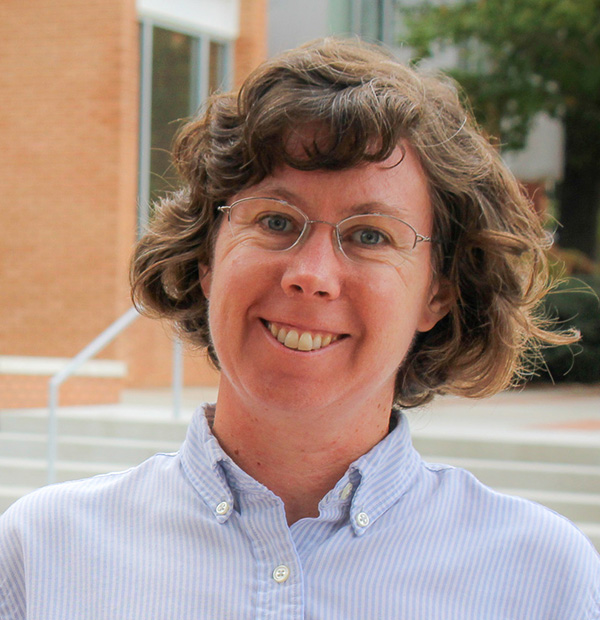
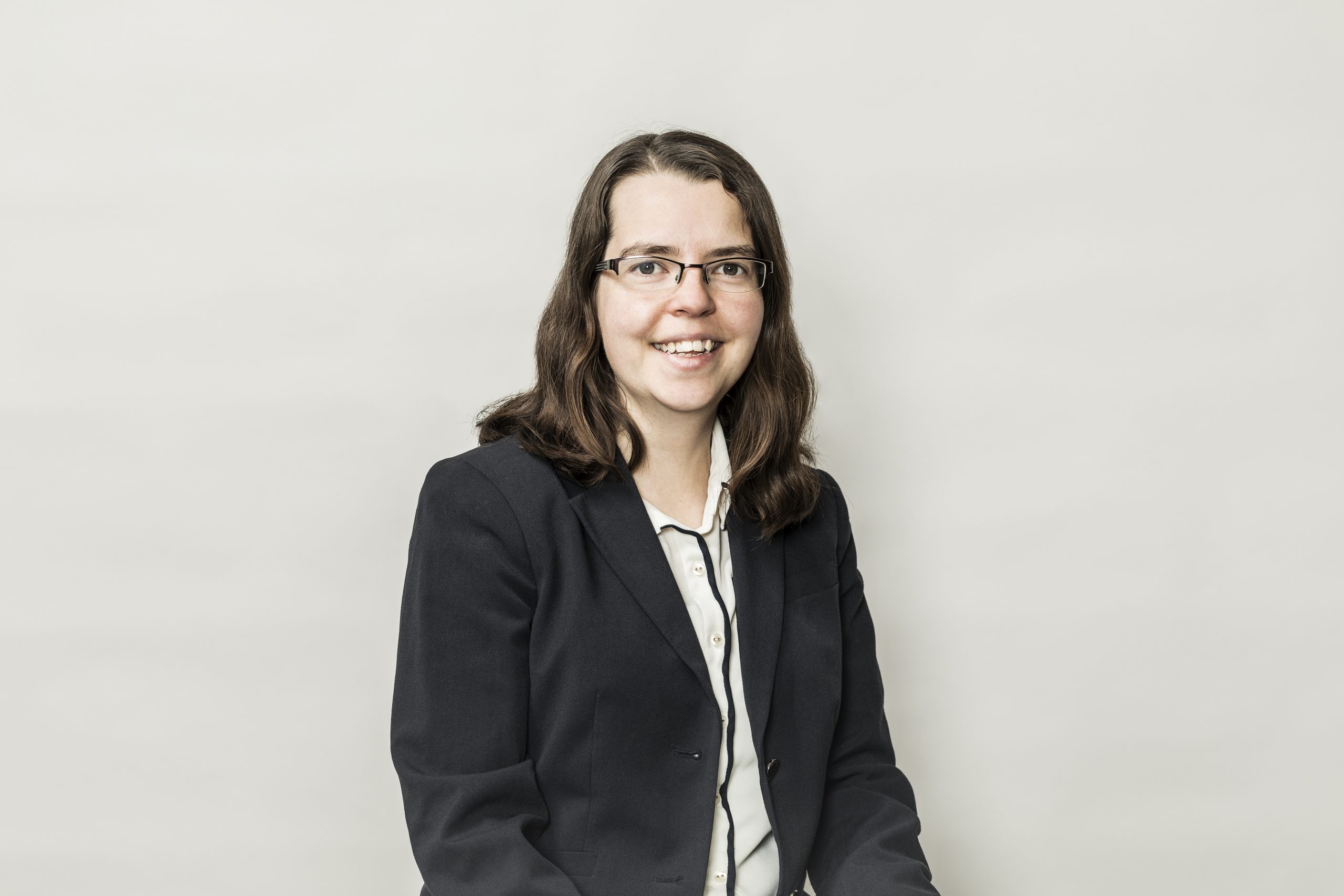
Dr. Pamela Murray-Tuite is a Professor of Civil Engineering at Clemson University's College of Engineering, Computing and Applied Sciences. Her work bridges transportation systems, disaster resilience, and emergency response modeling. Education: B.S. (1998), M.S. (1999), and Ph.D. (2003) in Civil Engineering from the University of Texas at Austin and Duke University Teaching: Courses include CE 3110 Transportation Engineering and CE 8930 Mathematical Modeling for Civil Infrastructure Systems Analysis Her research focuses on transportation resilience , with emphasis on evacuation modeling, emergency response, and infrastructure interdependence. She explores the impact of disasters on mobility patterns, utilizing mathematical modeling and simulation tools to enhance urban systems' robustness. The 15 most recent articles span hurricane evacuation behavior, agent-based modeling, and infrastructure resilience under climate change. Keywords include transportation systems, disaster management, and behavioral modeling, while subfields cover evacuation routing, network analysis, and risk perception dynamics. Dr. Murray-Tuite's work integrates statistical methods with transportation policy, addressing challenges in both natural disasters and public sector disruptions. Her contact details include office location (210 Lowry Hall) and phone (864-656-3802).
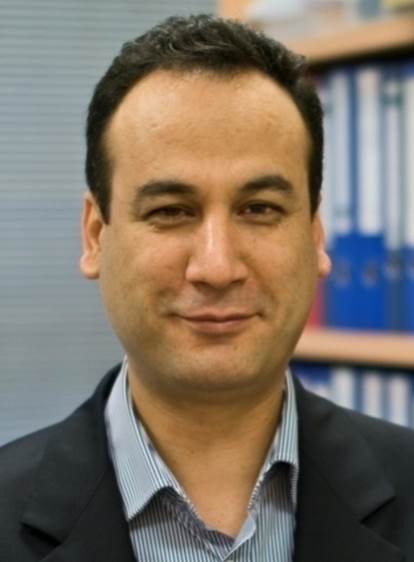
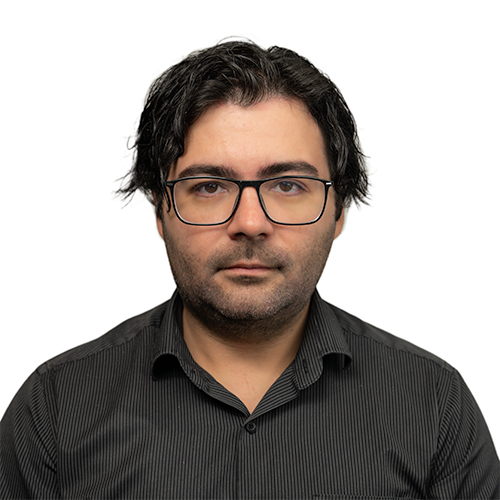
Mustafa Ünel is a Professor and Program Coordinator for Mechatronics Engineering at Sabanci University's Faculty of Engineering and Natural Sciences. He directs the Control, Vision and Robotics Research Lab and serves as a Senior Researcher at SU-IMC. His research spans robotics, computer vision, and machine learning applications in industrial systems. He earned a PhD in Electrical Engineering from Brown University and has held academic positions at Gebze Institute of Technology and Yale University. Current research projects include autonomous vehicle navigation, system health prediction, and aerospace manufacturing technologies funded by TUBITAK and Ford Otosan. He has supervised over 50 graduate theses and teaches courses including Autonomous Mobile Robotics, Nonlinear Control, and Computer Vision. His industrial collaborations focus on AI applications in automotive systems and construction automation.
Assoc. Prof. Paul Leonard is an Associate Professor in Biotherapeutics at Dublin City University (DCU), leading the Biomedical Innovation Group (BIG) within the School of Biotechnology. His research focuses on biomolecular interaction analysis, single-cell technologies, and biologics discovery, addressing challenges in oncology, cardiovascular disease, and infectious disease diagnostics. He has 20+ years of academic and industry experience, co-founding Remedy Biologics Ltd and securing over €15M in funding. His entrepreneurial roles include CSO/CTO, Lean Six Sigma process improvements, and advisory work for life sciences companies. Research interests span high-throughput antibody discovery, immunoassay development, and environmental sensing. He collaborates with academia and industry, including projects like AquaBioSens for aquatic pollutant detection. His lab employs multidisciplinary teams and holds patents in biotechnology. Paul also serves as an external examiner for Technical University Dublin’s Biomedical Diagnostics program. Key achievements include technology spin-outs, patent filings, and leadership in EU-funded projects. His work bridges academic innovation with commercial applications, emphasizing rapid diagnostic tools and therapeutic advancements.
Wolfgang Bösch is a Professor at Graz University of Technology's Institute of Microwave and Photonic Engineering, specializing in advanced RF components and measurement techniques. His research advances high-frequency systems through innovations in antenna technology and electromagnetic theory. Research domains include: metamaterial-based antennas, precision measurement calibration, microwave filter optimization, and 3D-printed RF components. Recent work demonstrates strong focus on millimeter-wave systems and reconfigurable antenna arrays. Publications highlight expertise in: machine learning for filter design, metasurface applications, PCB transitions for high-frequency systems, and uncertainty quantification in RF engineering. Research consistently addresses miniaturization and performance optimization challenges. Awards recognize contributions to measurement science and antenna design: Fellow of IET, Houska Prize, and best paper awards. Current laboratories investigate liquid crystal antenna systems and error calibration methodologies for next-generation wireless systems.
Abdulrahman Takiddin is an Assistant Professor in the Department of Electrical & Computer Engineering at the Florida A&M University–Florida State University College of Engineering. He holds a Ph.D. in Electrical Engineering from Texas A&M University (2023), an M.S. in Data Analytics from Hamad Bin Khalifa University (2020), and a B.Sc. in Information Systems from Carnegie Mellon University (2014). His research focuses on cybersecurity in smart grids and cyber-physical systems, leveraging machine learning and graph neural networks to detect adversarial attacks such as false data injection and electricity theft. Key areas include resilient power systems, adversarial evasion attack mitigation, and spatio-temporal analysis of power distribution networks. Recent work emphasizes graph-based approaches for enhancing cyber resilience, including eigenvector centrality-enhanced networks and transfer learning solutions for small data scenarios. His publications address both foundational cybersecurity challenges and applied solutions for electrified transportation systems and smart grid infrastructure. Notable trends in his articles include advancements in unsupervised learning for voltage stability protection and recurrent graph networks for replay attack detection. His research also intersects with bioinformatics and artificial intelligence applications in healthcare, though the majority of his work centers on energy systems and cybersecurity.
Overview Amir Rahmati is an Assistant Professor in the Department of Computer Science at Stony Brook University , where he directs the Ethos Security & Privacy Lab and is a member of the National Security Institute. His work focuses on securing emerging technologies like IoT, AR, and ML systems. Education PhD in Computer Science & Engineering, University of Michigan (2017) Research Focus His research addresses security threats in emerging systems, including: Cyber-Physical System vulnerabilities Adversarial ML attacks Hardware security Privacy-preserving frameworks Notable contributions include work on cryptocurrency scam detection, neural network robustness, and AR system security. Grants & Awards Supported by the Air Force Office of Scientific Research (AFOSR), Office of Naval Research (ONR), Meta, NVIDIA, and IBM. His research has been featured in MIT Technology Review , Washington Post , and Bloomberg . Advising Seeking students with expertise in hardware, software, ML, UX, or network protocols passionate about security/privacy. Apply via the graduate program and fill out his interest form. Labs & Collaborations Leads the Ethos Lab focusing on securing IoT, AR, and ML systems. Collaborates on projects like Erebus (AR access control) and Valve (serverless computing security).
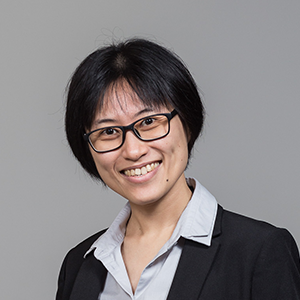
Yang Cheng is an Associate Professor at the Department of Materials and Production, Aalborg University, Denmark. He holds a PhD in Mechanical Engineering from the same institution (2011), focusing on manufacturing strategy and network dynamics. His research spans supply chain management, sustainability, and global operations, with a focus on integrating technology and environmental policies into manufacturing systems. He leads or participates in high-impact projects like MAASive (2024–2026) and the Sino-Danish Center Research Project (2011–present), addressing resilience in value networks and global operations innovation. Research Interests: Supply Chain Management & Integration Sustainability & Green Technologies Manufacturing Strategy & Networks Technology Policy & Digitalization Global Operations & Cross-Border Collaboration Recent Work Trends: Prof. Cheng's 2025 articles emphasize blockchain in sustainable supply chains, green technology investments under carbon policies, and digitalization's ethical implications. His 2024 research explores smart factories, EU battery regulations, and robotization in manufacturing. These studies blend quantitative models with case-based analysis to address real-world challenges. Awards: 2024 Emerald Literati Awards – Outstanding Reviewer Advising & Grants: As PI for multiple Global Operations Management PhD programs (2019–2025), he guides research on digital transformation and university-industry collaboration. His projects receive funding from Danish and international grants, focusing on innovation and resilience in manufacturing networks. Labs/Teams: Collaborates with the Center for Industrial Production at Aalborg University and engages in international partnerships through the Sino-Danish Center. Active editorial roles include Production Planning & Control and Journal of Manufacturing Technology Management .
Reza Fotouhi is a Professor in the Department of Mechanical Engineering at the University of Saskatchewan, specializing in Robotics (Dynamics and Control), Structural Dynamics and Vibrations, Computational Mechanics, and Biomechanics. He leads research in agricultural robotics, finite element modeling, and teleoperated systems. Education: BSc, MSc (Iran) MSc, PhD (University of Saskatchewan) His research focuses on human-robot interaction, vibration control for flexible manipulators, composite material applications, and teleultrasound systems. He has developed mobile platforms for crop phenotyping and optimized control strategies for robotic arms. Recent Article Trends: His work spans telerobotic medical systems, agricultural automation, advanced control algorithms (e.g., Particle Swarm Optimization), and structural analysis of composite materials. Key subfields include musculoskeletal imaging, path planning, and dynamic modeling of flexible systems. Research Groups: Applied Mechanics and Machine Design Control Systems, Robotics and Fluid Power Engineering for Agriculture
Marina Freire-Gormaly is an Assistant Professor in the Mechanical Engineering Department at York University's Lassonde School of Engineering. Her research focuses on renewable energy-powered water treatment systems, machine learning for smart design, advanced manufacturing, and sustainable engineering solutions for remote communities. She holds a PhD and M.A.Sc. from the University of Toronto, specializing in carbon capture and storage technologies. She has worked on nuclear energy projects at Ontario Power Generation and contributed to World Bank sustainability assessments. She currently chairs the Canadian Society of Mechanical Engineers' Student and Young Professional Affairs committee. Education: PhD in Mechanical Engineering, University of Toronto M.A.Sc. in Mechanical Engineering, University of Toronto Research Interests: She pioneers solar-powered reverse osmosis systems, energy recovery mechanisms, and IoT-driven smart systems. Her lab explores nanotechnology applications in environmental sustainability, including carbon capture and aquatic remediation. She integrates machine learning for optimizing energy-water nexus challenges in off-grid regions. Key Contributions: Developed models for membrane fouling in desalination systems, advanced pore network characterization for geologic CO2 storage, and designed automated renewable energy systems. Her work bridges engineering innovation with global sustainability goals. Grants & Collaborations: Engages with industries like Honda Canada and Trane Canada on sustainability initiatives. Supervises graduate students in emerging areas like nanobubble technology and direct air capture systems. Lab Activities: The Freire-Gormaly Lab focuses on clean energy-water systems, with current projects involving nano-technology for space applications (Canadian Space Agency collaboration) and life cycle assessments of carbon storage technologies.
Aydin Aysu is an Associate Professor at the Department of Electrical and Computer Engineering, College of Engineering, North Carolina State University. His research focuses on hardware-based security , applied cryptography , and computer architecture , with an emphasis on secure systems to counter advanced cyber threats. Ph.D. in Computer Engineering, Virginia Tech (2016) M.S. in Electrical Engineering, Sabanci University, Turkey (2010) B.S. in Microelectronics Engineering, Sabanci University, Turkey (2008) Aysu’s work addresses hardware vulnerabilities through secure design automation, side-channel attack mitigation, and next-generation cryptographic systems. His research extends to AI/ML security , FPGA security , and quantum-resistant cryptography . Notable scientific awards include: NSF CAREER Award (2020) University Faculty Scholars (2024) Bennett Faculty Fellow Award (2020) Best Paper Awards at DATE Conference (2020), ACM GLSVLSI (2019), and others Aysu leads the Hardware Cybersecurity Research Lab (HECTOR) , focusing on pre-silicon security analysis, secure accelerator sharing, and societal impacts of cybersecurity. He actively mentors Ph.D. students and collaborates on funded research projects like the SATC: CORE: SMALL grant.
Vivy Suhendra serves as Associate Professor of Practice and Programme Director for Master Programmes at the National University of Singapore's School of Computing, while also holding the position of Assistant Dean for Graduate Studies. Previously, she led the Singapore Cybersecurity Consortium (SGCSC) as Executive Director from 2016 to 2022, driving collaborative cybersecurity research between academia, industry, and government agencies. Her career at NUS spans over two decades, beginning as a Research Assistant before advancing to her current leadership roles. Her academic credentials include: Ph.D. in Computer Science, National University of Singapore (2009). Thesis: "Memory Optimizations for Time-predictable Embedded Software". Advisors: Abhik Roychoudhury and Tulika Mitra. B.Comp. (Honors) in Computer Science, National University of Singapore (2004). Dr. Suhendra's research integrates Software Assurance, Cybersecurity, Security and Privacy, and Embedded Systems domains. Her work bridges theoretical foundations with practical applications, particularly in national cybersecurity ecosystem development, smart grid security protocols, denial-of-service mitigation techniques, and real-time embedded system optimization. This interdisciplinary approach enables innovative solutions for critical infrastructure protection and time-predictable software execution in multi-core environments. Her 14 selected publications (2004-2020) demonstrate an evolving research trajectory from foundational embedded systems timing analysis to applied cybersecurity solutions. Early work focused on memory optimization for predictable execution in multi-core embedded systems, which naturally transitioned into cybersecurity applications for smart grids, cloud environments, and national infrastructure. This progression highlights her ability to translate low-level system expertise into high-impact security frameworks for complex real-world systems. Scientific recognition includes: Microsoft Research Asia Fellowship (2006) Valedictorian at NUS School of Computing Ph.D. Commencement (2010) While specific graduate student advising details aren't provided, her leadership as SGCSC Executive Director involved extensive mentorship across academic-industry partnerships. She has also contributed significantly to the research community through roles including Conference Chair for ESEC/FSE 2022 and Workshops Committee Member for ICSE 2024. Dr. Suhendra established the Singapore Cybersecurity Consortium as a national platform for collaborative R&D during her directorship (2016-2022). Though no personal laboratory is specified, her research leadership manifests through cross-institutional teams focused on cybersecurity innovation, particularly in critical infrastructure protection and embedded systems security where she maintains active publication records.
Neville Hogan is a Professor of Mechanical Engineering and Brain & Cognitive Sciences at MIT, and Director of the Newman Laboratory for Biomechanics and Human Rehabilitation. He holds a Ph.D. from MIT and has been a faculty member since 1979, leading roles in the Mechanical Engineering department's System Dynamics and Control division. His research bridges biology and engineering, focusing on motor neuroscience, rehabilitation robotics, and human-robot interaction. He co-founded Interactive Motion Technologies, Inc. and is a board member at Advanced Mechanical Technologies, Inc. Education: Dip. Eng. (Dublin College of Technology), M.S., M.E., and Ph.D. (MIT) Research interests include developing robots for neurological rehabilitation, such as gentle physiotherapy devices for stroke patients. His work emphasizes physically cooperative machines and human balance control analysis. Awards include Honorary Doctorates from Delft University and Dublin Institute of Technology, and the Silver Medal from Ireland’s Royal Academy of Medicine. Awards: Honorary Doctorates, Silver Medal, and other distinctions Led the Newman Lab, focusing on biomechanics and human rehabilitation. Advised numerous students (not listed here). His publications explore dynamic primitives, impedance control, and human-robot interaction, with applications in exoskeletons and rehabilitation therapies.
Professor Cleo Kontoravdi is a Professor of Biological Systems Engineering at the Department of Chemical Engineering, Imperial College London, within the Faculty of Engineering. Her roles include Director of Postgraduate Studies (2021–present) and Postgraduate Admissions Tutor (2018–2021). She holds affiliations with key research centers such as the Centre for Process Systems Engineering, Centre for Synthetic Biology, and Future Vaccine Manufacturing Research Hub. Her research focuses on applying systems engineering principles to bioprocessing, integrating model-based tools like sensitivity analysis and optimization with experimental work on mammalian cell cultures and vaccine production. Key areas include metabolic flux analysis, media optimization, and multiscale modeling. Her recent publications highlight advancements in hybrid modeling frameworks, mRNA vaccine process design, and metabolic engineering of CHO cells. She actively contributes to vaccine manufacturing strategies and sustainable biopharmaceutical supply chains. Education: PhD (2007) and MEng (2002) in Chemical Engineering from Imperial College London. Professional experience spans academic roles (since 2007) and industry R&D at Lonza Biologics (2006–2007). Her work bridges computational biology, bioprocess engineering, and systems biology, addressing challenges in vaccine development and production efficiency. Awards: Not explicitly listed in the provided text. Research grants and collaborations are implied through her involvement in high-impact projects like the Future Vaccine Manufacturing Hub. She advises on bioprocess optimization, glycoengineering, and biomanufacturing sustainability.
Annie Antón is a Professor in the School of Interactive Computing at Georgia Institute of Technology. Former Chair of her school, she specializes in privacy, security, software engineering, and public policy. Dr. Antón advises national defense and intelligence entities, including roles in the IDA/DARPA Defense Science Study Group (2005-2006) and the Obama-appointed 2016 Commission on Enhancing Cybersecurity for the Nation. She serves on numerous boards, including NIST Information Security & Privacy Advisory Board, Future of Privacy Forum, and former roles in U.S. DHS Data Privacy Committee and NSF Advisory Council. Her research focuses on aligning software systems with federal privacy/security regulations, emphasizing legal compliance, secure development practices, and IoT privacy challenges. Notable projects include UCON_LEGAL for HIPAA compliance and frameworks for analyzing regulatory requirements. She has contributed to policy implementations via empirical studies on user privacy perceptions and legal text mining. Dr. Antón's work bridges technical and policy domains, addressing ethical AI education, cross-border data governance, and cybersecurity preparedness. Her leadership spans academia, government, and industry through advisory roles at Intel, Microsoft Research, and the Georgia Tech Alumni Board.
Nima Monshizadeh Naini is a Professor in the Faculty of Science and Engineering at the University of Groningen. He holds the position of Chair of the IEM Program Committee and serves on the boards of ENTEG and YSEN. His academic journey includes a PhD in Control Systems from the University of Groningen (2013, Cum Laude), followed by postdoctoral research at the University of Cambridge (2016-2017) and the University of Groningen (2014). He has been an Assistant Professor since 2018 and was awarded the NWO Open Competition Grant in 2021. His research focuses on Cyber-Physical Human Systems (CPHS) , addressing two core areas: (1) Coordination of self-interested users in power systems and traffic networks using dynamic information design and game-theoretic mechanisms; and (2) Privacy-aware control and optimization with tailored encryption methods for dynamic systems. Applications include energy markets, microgrids, and smart grids. He has published extensively in top venues like IEEE CDC and Automatica, with key topics including privacy-preserving algorithms, distributed control, and optimal intervention design. His work contributes to UN Sustainable Development Goals related to affordable energy and responsible consumption. Education: PhD in Control Systems, University of Groningen (2013) Research Associate, University of Cambridge (2016-2017) Postdoctoral Researcher, University of Groningen (2014) Awards: Cum Laude distinction for PhD thesis (2013) NWO Open Competition Grant (2021) Advising & Grants: Supervised 5 PhD students Editorial roles in IEEE journals and conference proceedings Labs/Teams: Leading the Cyber-physical systems group within the Smart Manufacturing Systems institute.