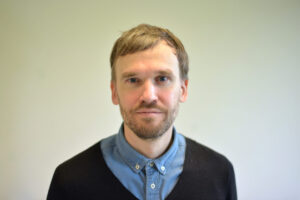
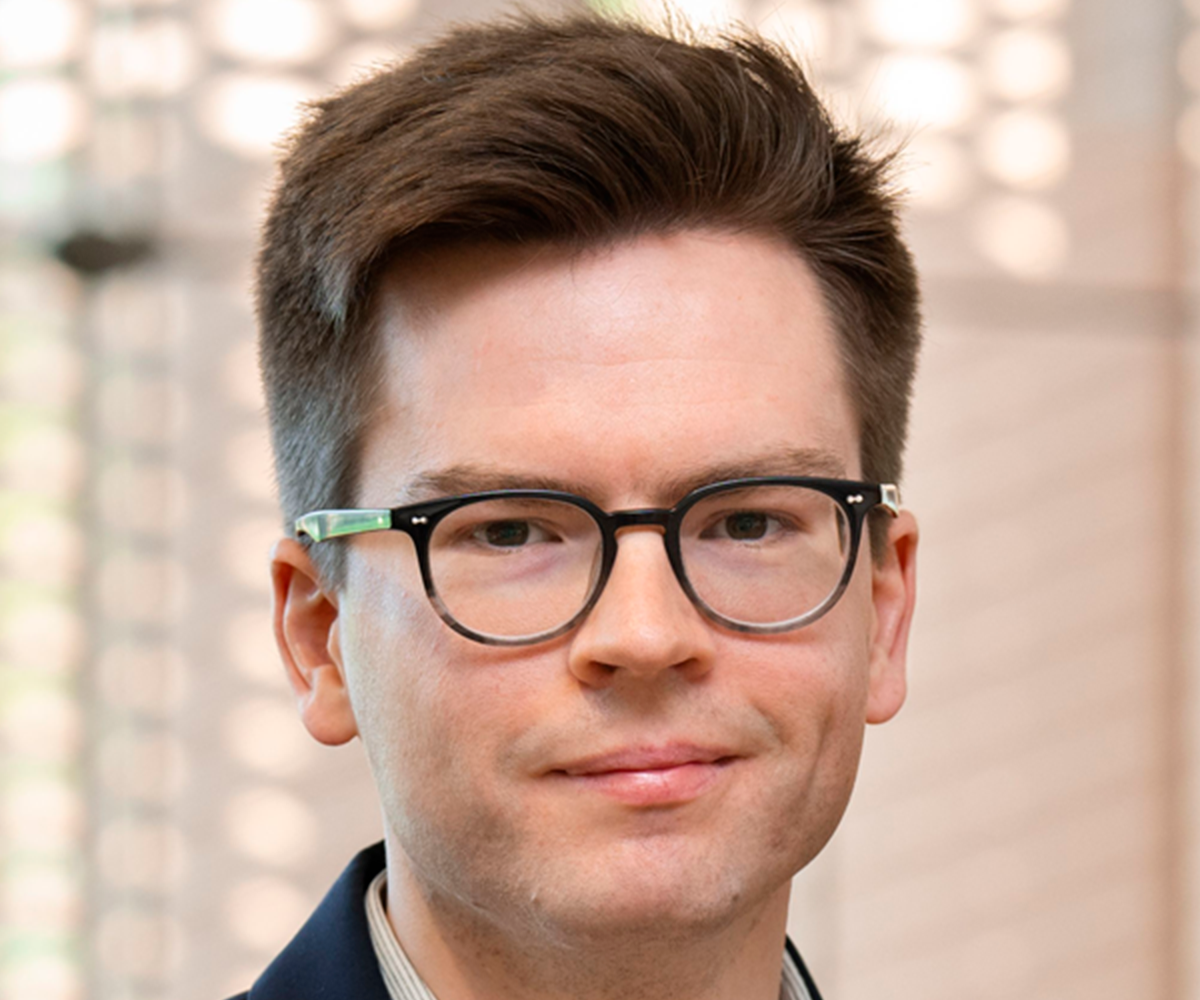
Professor Ross King is a faculty member at the University of Cambridge, affiliated with the Department of Chemical Engineering and Biotechnology. His research focuses on the automation of scientific discovery, machine learning applications in biology and chemistry, and DNA computing. Developed the first autonomous 'Robot Scientist' systems (Adam, Eve, Genesis) capable of hypothesis generation, experimental design, and execution using AI Pioneer in DNA computing, demonstrating the first physical Nondeterministic Universal Turing Machine (NUTM) 35+ years of expertise in machine learning, particularly relational learning for complex biological/chemical data Organizer of the international 'Nobel Turing Grand Challenge' for AI scientists His work in computational biology spans eukaryotic cell modeling, cancer signaling pathways, and AI-driven drug discovery for neglected tropical diseases like malaria and Chagas disease. The Genesis system aims to automate 10,000 simultaneous closed-loop experiments using micro-chemostats to model cellular complexity. The DNA computing research demonstrates exponential theoretical advantages over classical and quantum computing architectures for NP-complete problems, utilizing Thue string rewriting systems and polymerase chain reaction techniques. This work has significant implications for computer science, physics, and practical computing resource utilization. King's machine learning contributions include active learning strategies for compound selection in drug design and meta-learning approaches to optimize ML applications in bioinformatics and chemoinformatics.