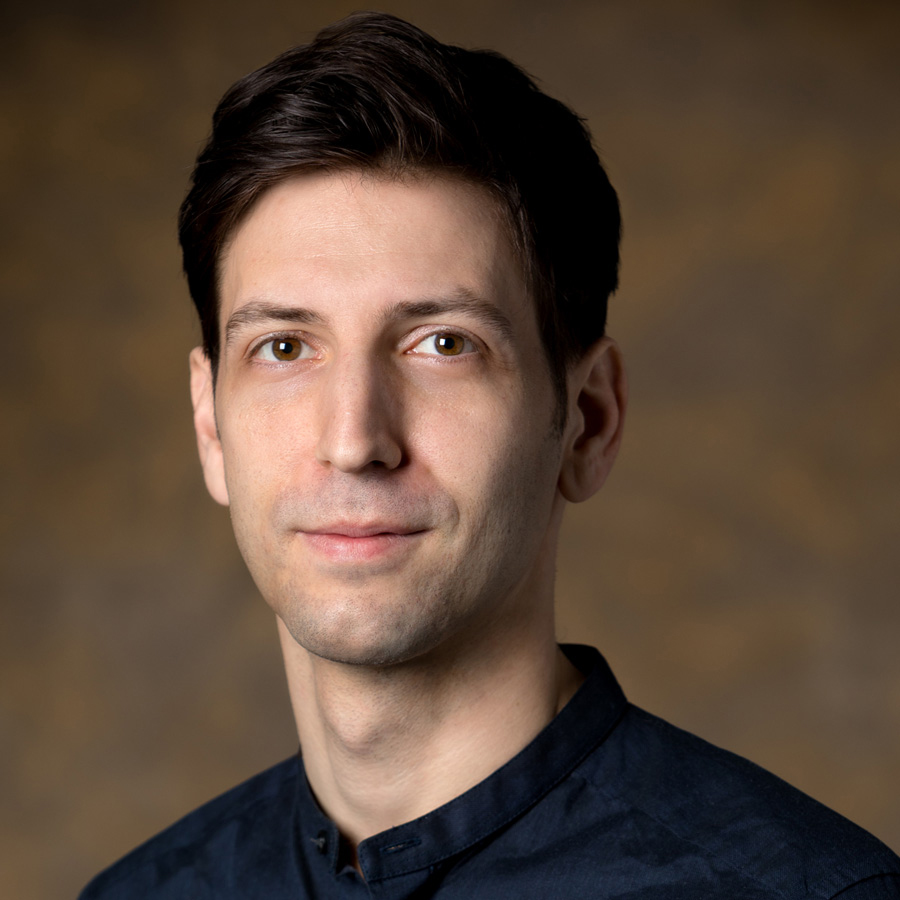
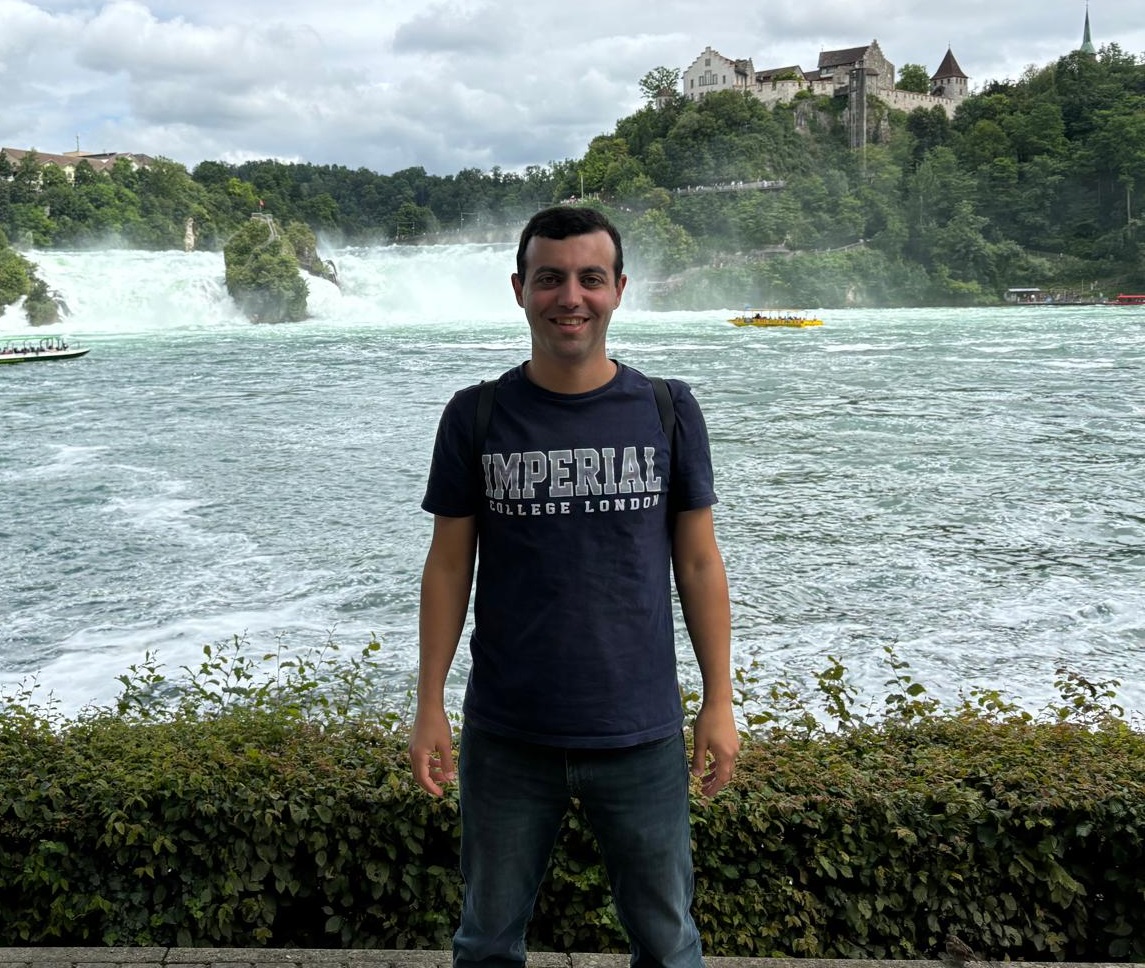
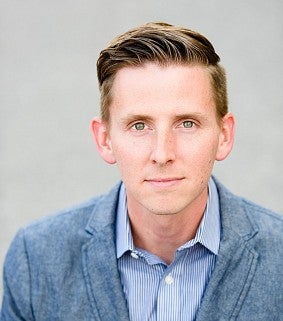
PAULO CARLOS LOPEZ LOPEZ is an Associate Professor in the Department of Political Science and Sociology at the University of Santiago de Compostela (Spain). He holds dual doctorates in Political Science (University of Valencia, 2023) and Communication (University of Santiago de Compostela, 2016). His academic work focuses on political communication, digital politics, electoral processes, and disinformation dynamics in Latin America and Europe. He has held visiting professorships at universities in Chile, Argentina, Portugal, and Ecuador, and has coordinated international academic workshops on political communication and technology. Lopez-Lopez is a member of the Political Research Team at USC and the XESCOM network. He has published extensively in top journals like Revista Española de Ciencia Política and Communication & Society , with over 100 indexed publications. His research explores the intersection of technology, democracy, and political behavior, particularly analyzing social media's role in shaping public opinion and election outcomes. Key topics include fake news control mechanisms, emotional polarization in digital communities, and AI-driven communication strategies. Lopez-Lopez has also contributed to public policy through roles in coalition governments and academic think tanks. Professionally, he coordinates master's programs in political communication and leads research initiatives on transparency in public broadcasting. His political engagement includes past leadership roles in Galician nationalist movements and a 2014 European parliamentary candidacy with Compromiso por Galicia. Despite stepping back from party politics in 2016, his academic work continues to address socio-political challenges in Galicia and beyond.
Tanjila Kanij is a Lecturer at the School of Science, Computing and Emerging Technologies , Swinburne University of Technology, with an ORCID identifier 0000-0002-5293-1718 . Her research focuses on gender inclusion in software engineering, user-centred design , and human-computer interaction . Research Themes : Software Engineering, Human-Centred Computing, Information Systems Teaching : Final-year Capstone project units Her recent publications address ethical challenges in Generative AI , gender bias in IT/SE job ads , and privacy-awareness applications . She explores persona development for diverse user groups like children and the elderly, and knowledge graph construction for fisherfolk communities. She is funded by the Digital Shores grant (2024-2025) from the Department of Foreign Affairs and Trade (Cwlth), focusing on empowering coastal communities through technology.
Jorjeta Jetcheva is an Assistant Professor in the Computer Engineering Department at San José State University, part of the Charles W. Davidson College of Engineering. She brings extensive industry experience from leadership roles at Accenture, Fujitsu Laboratories of America, Itron, and Firetide, where she led innovations in AI, smart grids, and wireless networking. Her research focuses on Artificial Intelligence-based Personal Assistants, Natural Language Processing, and Knowledge Management . Her work bridges human-centered AI and enterprise applications, with emphasis on intelligent agents, knowledge platforms, and ethical AI systems. She explores how AI can enhance user productivity, decision-making, and system security across domains such as healthcare, energy, and customer service. The recent publications highlight a strong trend in Natural Language Processing applied to real-world problems like fake health news detection, agent assist systems, and knowledge graph integration. Her research also spans Smart Grid analytics, cybersecurity, and AI ethics , reflecting a multidisciplinary approach grounded in both theoretical rigor and practical deployment. Scientific Awards: Best Application Paper Award at IEEE Big Data Service 2022 Best Paper Award at SmartGridComm 2014 Top 10 Finalist, Fujitsu Next Generation Product Idea Contest 2016 ('Robo Butler') CSU STEM-NET Faculty Fellow (2023) Advising and Grants: Professor Jetcheva is the Principal Investigator of a $2.5 million NSF S-STEM grant titled 'Empowering Students to Succeed in Engineering and Computer Science'. She actively mentors graduate students, including Master’s student Garima Chaphekar, with whom she co-authored an award-winning paper on fake health news detection. She serves on the SJSU AI Advisory Committee and leads the AI Research Cluster, fostering interdisciplinary collaboration and student success. Labs and Teams: She leads the AI Research Cluster at SJSU, promoting innovation in artificial intelligence across departments. Her work involves close collaboration with students, industry partners, and interdisciplinary teams focused on deploying scalable, ethical AI solutions.
Hoifung Poon is General Manager at Microsoft Health Futures and affiliated faculty at University of Washington Medical School. He leads Real-World Evidence (RWE) research focusing on AI applications for precision health. Poon earned a B.S. with Distinction in Computer Science from Sun Yat-Sen University and a Ph.D. in Computer Science and Engineering from University of Washington. Specializes in biomedical AI research Focuses on structuring unstructured medical data Co-PI for DARPA Big Mechanisms projects Research strength lies in biomedical multimodal learning (text, radiology, pathology, genomics) and causal learning for real-world evidence generation. His team develops methods for LLM self-verification , multi-modal fusion , and biases correction in observational data. Publications show expertise in Nature , Nature Methods , and NEJM AI , covering topics from digital pathology to clinical text analysis. Scientific recognition includes: Best Paper Awards at NAACL, EMNLP, and UAI Winner of ACM Health Best Paper Award Named Technology Champion 2022 by Puget Sound Business Journal
Zachary Lipton is an Assistant Professor at Carnegie Mellon University (CMU) jointly appointed in the Tepper School of Business and the Machine Learning Department. He holds courtesy affiliations with the Heinz School of Public Policy and Societal Computing. His research bridges core ML methods, healthcare applications, natural language processing, and critical analysis of AI's societal impacts. Tepper School of Business Machine Learning Department Heinz School of Public Policy (courtesy) Societal Computing (courtesy) Dr. Lipton leads the Approximately Correct Machine Intelligence (ACMI) Lab, focusing on robust ML systems, causal representation learning, and ethical AI development for clinical medicine. He co-founded Abridge, a healthcare AI company, and authored the interactive textbook Dive into Deep Learning . His work emphasizes clear scientific communication through expository efforts like literature reviews and the Approximately Correct blog. Recent publications highlight ACMI Lab's contributions to synthetic data quality, causal fairness analysis, diffusion model hallucinations, and medical LLM adaptation. Key research themes include distribution shift, human-AI alignment, and empirical evaluation of AI's societal impacts. Contact: zlipton@cmu.edu
Recep Firat Cekinel is a Turkish NLP researcher who recently obtained his Ph.D. in Computer Engineering from Middle East Technical University (METU). He spent 13 months as a visiting predoctoral researcher at the University of Tübingen and is currently a researcher on the EU-funded EXA4MIND project, where he develops NLP pipelines that convert natural language into database queries using large language models. His research focuses on responsible, scalable AI systems and bridges foundational NLP work with real-world applications. Education: Ph.D. in Computer Engineering, Middle East Technical University (METU), Türkiye Visiting Predoctoral Researcher, University of Tübingen, Germany (13 months) Research Interests: Dr. Cekinel’s work spans natural language processing , multimodal fact-checking , explainable AI , and large language models . He is particularly interested in building responsible and scalable AI systems that integrate foundational research with practical deployments, such as natural-language interfaces for high-performance computing environments. Recent Publication Trends: His 2025 publications reveal a concentrated effort on multilingual and multimodal fact-checking , satire-style debiasing , and NL-to-database-query generation . Earlier work explores graph-based event extraction , Turkish irony detection , and cultural-heritage text mining , demonstrating a trajectory from low-resource Turkish NLP toward globally applicable, responsible-AI systems. Contact & Code: Email: rfcekinel@ceng.metu.edu.tr Office: METU Computer Eng. Dept. A-206, 06800 Ankara, Turkey Phone: +90-(312)-210-5593 GitHub: firatcekinel Google Scholar: profile available
Dr. Indika Kahanda is an Assistant Professor in the School of Computing at the University of North Florida , where he leads the BioMedInfo Lab focusing on bioinformatics and biomedical informatics. Previously, he held the same position at the Gianforte School of Computing (Montana State University) from 2018 to 2023. Education: PhD in Computer Science (2016), Colorado State University MS in Electrical and Computer Engineering (2010), Purdue University BS in Computer Engineering (2007), University of Peradeniya, Sri Lanka His research applies machine learning and natural language processing to large-scale biomedical data, with key focuses on computational methods for functional genomics and automated text mining tools for biomedical literature. Current projects include Pangenomics , student misconception detection , and inconsistency detection in medical literature . Recent publications highlight his work in LLM evaluation for healthcare applications, protein function prediction , and medical transcription error analysis . He contributes to biomedical datasets like miRNAFinder and MLHCBugs, with technical expertise in deep learning, ensemble methods, and metamorphic testing.
Irina Shklovski is a Visiting Professor at Linkoping University , affiliated with the Department of Thematic Studies . Her research spans interdisciplinary domains at the intersection of technology, social science, and ethics. Expertise in Human-Computer Interaction and Algorithmic Systems Focus on Data Ethics and Medical Informatics Active in Social Science Research and Gender Studies Recent publications highlight her work on Explainable AI for fact-checking, LLM-generated data challenges in social science, and ethical implications of medical data in algorithmic care systems. These contributions reflect her engagement with Human-Computer Interaction and Digital Humanities methodologies.
Seth C. Lewis is Professor and Shirley Papé Chair in Emerging Media at the University of Oregon's School of Journalism and Communication, where he also serves as Director of the Journalism Program. He is internationally recognized for his expertise on news and technology with over 15,000 citations to his work, which includes more than 100 journal articles and book chapters. Lewis holds additional affiliations as a fellow with the Tow Center for Digital Journalism at Columbia University, an affiliate fellow of the Information Society Project at Yale Law School, and is affiliated with the University of Oregon's Agora Journalism Center and Center for Science Communication Research. PhD, University of Texas at Austin MBA, Barry University BA in Communications, Brigham Young University Lewis's research explores the social implications of emerging technologies, with emphasis on the digital transformation of journalism—from how news is made to how people make sense of it in their everyday lives. His work addresses the digital transformation of journalism through two primary research streams: examining how generative AI is disrupting journalism and exploring why Americans increasingly distrust knowledge institutions like journalism, medicine, and academia. His scholarship has made significant contributions to understanding social media's impact on journalism, digital audience analytics, news innovation, and the role of nonprofit foundations in shaping news innovation. Analysis of Lewis's recent publications reveals a strong focus on AI's impact on journalism, with increasing attention to generative AI technologies like ChatGPT. His work spans multiple disciplines including communication, computer science, sociology, and political science, with particular emphasis on how technological changes affect journalistic practices, professional identity, and public trust. The publications consistently address the tension between technological innovation and journalistic values, examining both the opportunities and challenges presented by emerging technologies in the news ecosystem. Two-time winner of International Communication Association's award for Outstanding Article of the Year in Journalism Studies (2013, 2016) Honorable mention distinctions for Outstanding Article of the Year (2014, 2023) Elected Chair of International Communication Association's Journalism Studies Division (2020-2022) Expert testimony to UK House of Lords Lewis has successfully secured research funding for multiple projects examining journalism innovation and the impact of AI on news production. His collaborative research approach is evident in his extensive co-authorship record across disciplines, working with scholars in communication, computer science, sociology, and political science. He has served on editorial boards for leading journals including New Media & Society, Journal of Communication, and International Journal of Press/Politics, shaping scholarly discourse in the field. Lewis's work has attracted significant media attention, with appearances in major outlets like The Washington Post, CBS News, and Nieman Lab, demonstrating the real-world relevance of his research. Lewis leads collaborative research initiatives examining AI and journalism, including a major project resulting in the forthcoming book AI and Journalism: Disruption, Adaptation, and Democratic Futures. He also co-leads research on public trust in knowledge institutions with Jacob L. Nelson, resulting in another forthcoming book Why We Distrust: American Skepticism Toward Media, Medicine, and Academia. His work bridges academic research and practical journalism through ongoing engagement with news organizations and participation in industry discussions about the future of news.
Sefer Kalaman is an Associate Professor at Ankara Yildirim Beyazit University's Faculty of Communication, Department of New Media and Communication since 2022, where he also serves as Vice Dean (2022-present) and Head of the Department of Radio, Television and Cinema (2024-present). Previously, he held academic positions at Yozgat Bozok University (2010-2019) including Research Assistant and Assistant Professor roles. His educational background includes: Ph.D. in Radio, Television and Cinema from Ege University (2016), dissertation: The Transformation of Privacy in New Media with Its Sociocultural, Economic, and Political Dimensions: The Facebook Example M.A. in Radio, Television and Cinema from Selcuk University (2011), thesis: Violation of Privacy on the Internet: Facebook B.A. in Radio, Television and Cinema from Selcuk University (2008) Dr. Kalaman's research centers on communication sciences with emphasis on digital privacy transformations, hate speech in global media, and AI applications in communication. His work critically examines sharenting on Instagram, religious hate speech in Bollywood/Hollywood, and AI-driven sentiment analysis. Recent studies increasingly focus on health literacy in digital contexts and AI-powered news verification systems, reflecting Turkey's evolving media landscape. Analysis of his 15 most recent publications (2019-2025) reveals three dominant trajectories: 1) Privacy erosion in digital environments (Facebook studies, sharenting), 2) Hate speech analysis in cinematic media (Bollywood, Hollywood), and 3) Emerging AI applications (sentiment analysis, news verification). His methodology blends qualitative cultural analysis with quantitative social media metrics, predominantly focusing on Turkish societal contexts with growing international comparative dimensions. No scientific awards are documented in the source material. Dr. Kalaman leads multiple funded projects including Algorithms and Human Communication: New Communication Paradigms with Artificial Intelligence (2025) and Digital Media and National Artificial Intelligence Language Model (2024). He previously served as executive for a documentary project on Yozgat's buffalo husbandry (2019). While no formal student advisees are listed, he has served on academic juries including the 3rd Bozok Film Festival (2024). Research infrastructure details are not specified in available materials.
Marcin Sawiński is a Researcher and Teaching Assistant at the Department of Information Systems within the Institute of Informatics and Quantitative Economics at Poznań University of Economics and Business. With expertise spanning computer and information sciences (75%) and management and quality studies (25%), his work focuses on developing AI tools for addressing misinformation and enhancing fact-checking processes. His primary research interests include: Artificial Intelligence applications for fake news detection Natural Language Processing techniques for misinformation analysis Machine learning approaches to credibility assessment Persuasion techniques detection in social media content Development of robust language models for fact-checking systems Analysis of political narratives during crisis events like pandemics Dr. Sawiński's recent publications (2023-2025) demonstrate a concentrated research trajectory focused on applying transformer-based models to misinformation challenges, particularly in Slavic languages. His work spans multiple dimensions of the fake news problem, from detection of persuasion techniques to cross-lingual transfer learning for check-worthiness assessment. He has been actively involved in international competitions like CheckThat! Lab at CLEF, where his team (OpenFact) has developed innovative approaches to fact-checking challenges, including adversarial text generation to test model robustness. His scientific contributions include 15 publications with over 50 citations, reflecting his growing impact in the field of AI for misinformation detection. His research often involves collaboration with colleagues including Krzysztof Węcel, Witold Abramowicz, and Ewelina Księżniak.
Dr. Gregor Wiedemann serves as a Senior Researcher in Computational Social Science at the Leibniz Institute for Media Research (Hans Bredow Institute) since September 2020, co-heading the Media Research Methods Lab (MRML) with Sascha Hölig. His work bridges computer science and social sciences through methodological innovation in empirical media research. Wiedemann holds a doctorate in computer science from Leipzig University (2016), where his dissertation focused on automating discourse analysis using text mining and machine learning. His educational background combines political science and computer science studies at Leipzig University and the University of Miami, followed by postdoctoral work in Language Technology at the University of Hamburg under Prof. Chris Biemann. His research centers on natural language processing and text mining applications for social and media analysis, with significant contributions in hate speech detection, argument mining, and cross-platform misinformation tracking. Recent work demonstrates a strategic shift toward building research infrastructures for sensitive data handling, including the Community Data Trust model for extremism research and the Social Media Observatory open-science platform. His methodology development specifically targets unsupervised information extraction from large document corpora to support investigative journalism and social science inquiry. Wiedemann's publication trends reveal deepening specialization in computational infrastructure development, with 7 of his 11 most recent works (2024-2025) focusing on data trust frameworks, cross-platform methodologies, and AI-driven analysis systems. His projects consistently intersect computational linguistics with pressing social issues including election integrity, climate discourse, and child safety in digital spaces. He has secured major funding through the German Research Foundation (DFG) for the FAME project on argument mining and evaluation, and leads collaborative initiatives including NOTORIOUS (mis- and disinformation tracking) and ComAI (communicative AI impact studies). His work with state media authorities on family influencing content demonstrates applied policy relevance. As co-director of the Media Research Methods Lab, Wiedemann oversees a dynamic team developing cutting-edge computational approaches for media analysis. The lab functions as an interdisciplinary hub connecting computer scientists with social researchers, with current projects spanning TikTok political campaigning analysis, right-wing extremism data infrastructure, and ethical AI applications in public discourse monitoring.
Mario Pérez-Montoro is a Professor at the Faculty of Information and Audiovisual Media at the University of Barcelona, where he teaches and conducts research in information visualization and interaction design. He is affiliated with the Information, Communication and Culture Research Center and serves as part of the teaching staff for the GIDD and CAV teaching groups. His office is located at Melchior de Palau, 140 in Barcelona. Dr. Pérez-Montoro completed postgraduate studies at the Istituto di Discipline della Comunicazione of the Università di Bologna in Italy. He has also been a visiting scholar at prestigious institutions including the CSLI (Center for the Study of Language and Information) at Stanford University and the School of Information at UC Berkeley in California, USA. His research focuses on information visualization, data communication, and interaction design within digital media contexts. Pérez-Montoro explores how visual representations can effectively convey complex information, with particular interest in gender issues in cyber media, environmental communication, and the impact of artificial intelligence on data visualization. His work bridges theoretical concepts with practical applications in journalism, public health communication, and academic research. An analysis of his recent publications reveals consistent exploration of how information visualization techniques are evolving with technological advancements, particularly in AI integration. His work spans multiple disciplines including journalism, public health, environmental science, and digital humanities, demonstrating the interdisciplinary nature of modern information visualization research. Key trends include the ethical implications of visual data communication, the standardization of web interfaces, and the effectiveness of various visualization techniques for different audiences. Dr. Pérez-Montoro has been actively involved in numerous collaborative research projects, particularly through the Information, Communication and Culture Research Center at the University of Barcelona. His work demonstrates extensive international collaboration with researchers across Spain, Italy, and the United States, focusing on digital media innovation, information architecture, and knowledge management applications in various contexts.