- AI Ethics
- Sustainability in AI
- Data Ethics
- +۷ مورد دیگر
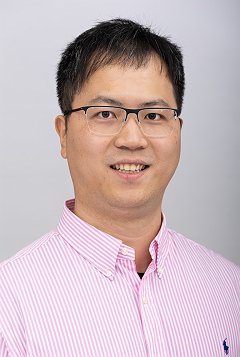
Dr. Simon David Hirsbrunner serves as a team leader at the International Center for Ethics in Science and Technology (IZEW) at the University of Tübingen. As a media and social scientist, his research focuses on AI ethics, particularly examining the relationship between AI, ethics, and sustainability ("Sustainability in AI"), alongside high-risk applications of AI in education, police investigations, and personnel selection. His research interests span multiple critical domains: Application-oriented ethics and AI Ethics and Governance Data ethics and AI in educational contexts Open Science practices and Science & Technology Studies Technology Assessment and Digital media research Social science sustainability research Currently leading a Frontiers Research Topic on "AI contestability," Dr. Hirsbrunner investigates how AI systems can incorporate meaningful contestation mechanisms, especially in high-stakes decision contexts. His interdisciplinary approach bridges media studies, social science, and technical systems analysis. His publication record demonstrates consistent contributions to understanding algorithmic fairness across security applications, personnel systems, and educational technologies. He has made significant methodological contributions to climate change frame analysis using computational approaches and has explored openness challenges in digital media research. Professional recognition includes: Founding and board member of 'stsing - Science & Technology Studies in and through Germany' Co-spokesperson of the Open Science working group of the Society for Media Science Goethe Institute scholarship holder Expert consultant for multiple German government institutions including the Federal Foreign Office, DAAD, and environmental ministries With prior research positions at Freie Universität Berlin's Human-Centered Computing group, PIK, Wikimedia Deutschland, and adelphi think tank, Dr. Hirsbrunner brings extensive interdisciplinary experience to his work. His educational background includes MA degrees in International Relations (Geneva) and European Media Studies (Potsdam), plus a PhD in Media Ethnography from the University of Siegen. He actively engages in science communication through television discussions on AI in education and interviews exploring the cultural dimensions of climate change and digital media research methodologies.