Julie-Anne Carroll is a researcher at Queensland University of Technology (QUT), Faculty of Health , with a focus on public health education, digital health innovations, and gender studies. Her work explores the intersection of technology, pedagogy, and health equity, including the use of mobile apps for respiratory therapy and GIS for tracking health behaviors. Education: PhD by Publication (2008), QUT. Research Interests: She investigates social determinants of health, gender-based violence, mental health, and pedagogical strategies like podcasts and wikis to enhance student engagement. Her projects often address marginalized populations, including autistic survivors and women in low-income countries. Recent Articles highlight her work on STI prevention, AI in education, and workplace health integration. While no explicit awards or students are listed in the provided data, her collaborative studies span institutions in Australia, Asia-Pacific, and Europe.
Kirstie Daken is a Lecturer in Psychology/Clinical at the School of Psychology and Wellbeing , University of Southern Queensland. Her research focuses on HIV neurocognitive disorders , transgender health in carceral systems , and substance use among marginalized populations . Education: BPsych(Hons) USQ (2018), MPsych(Clinical) USQ (2023), PhD(ClinPsych) USQ (2023) Her work spans public health interventions , gender-affirming healthcare , and health literacy disparities . Recent publications address neurocognitive aging in HIV , prison reform for transgender individuals , and sexual health service accessibility . She is affiliated with the Centre for Health Research and collaborates internationally on studies related to transgender rights and HIV testing protocols . Her research often employs qualitative methodologies and systematic reviews to address systemic inequities.
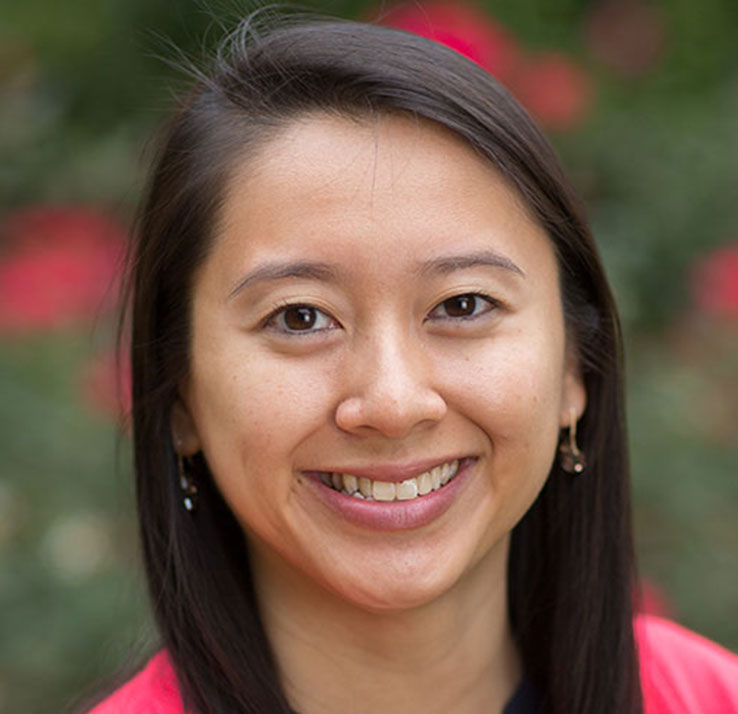
Liz Chen, PhD, MPH, is an Associate Professor in the Department of Health Behavior at the University of North Carolina’s Gillings School of Global Public Health. She also serves as the MPH Concentration Lead for Health Behavior and Design Thinking Lead for Innovate Carolina, UNC’s innovation hub. Her work bridges adolescent health, technology, and design thinking, focusing on integrating human-centered design into public health practice and education. Dr. Chen co-founded MyHealthEd, Inc., which developed the Real Talk app—a crowdsourced storytelling platform for teens—recognized by Forbes 30 Under 30 (2018) for its social impact. Education: PhD in Health Behavior, Gillings School of Global Public Health (2019) MPH in Health Behavior, Gillings School of Global Public Health (2014) BA in Anthropology, Princeton University (2010) Research interests emphasize leveraging design thinking to co-create equitable health interventions. Key projects include collaborating with the Food, Fitness and Opportunity Research Collaborative (FFORC) on SNAP beneficiary interventions, and the UNC TEACCH Autism Program to develop resources for Black families with autistic children. Internationally, she co-developed the Social Innovation For Health Research (SIFHR) Checklist and led a global review of designathons in healthcare. Her teaching includes courses like HBEH 748 (Design Thinking for Public Good) and HBEH 772 (Health Behavior Intervention Design). She advocates for decolonizing education and co-leads the Gillings AAPI Support Pod. Dr. Chen’s service roles include the myFutureNC commission, shaping North Carolina’s postsecondary education strategy. Notable grants include a multi-year federal evaluation grant for Real Talk’s efficacy. Her awards highlight innovation, including recognition for social entrepreneurship.
Kate Sang is Professor of Gender & Employment Studies at Heriot-Watt University's Edinburgh Business School within the School of Social Sciences. She serves as Director of the Centre for the Transformation of Work (launched Nov 2024) and Vice President of the HWU UCU branch, with prior roles including Business Management Research Coordinator and Human Resource Management Group lead. Her research centers on workplace gender reproduction through intersectional lenses, with current projects including EDICa (£4.19m UKRI), Disability Inclusive Science Careers (EPSRC £494k), and Menstruation Research Network (Wellcome Trust). Key interests span menstrual health, neurodiversity, disability inclusion, migrant academic careers, and academic labor under frameworks of feminism and posthumanism. Analysis of her 117 publications reveals sustained focus on gender-disability intersections, pandemic impacts on marginalized workers, and institutional EDI policy. Recent outputs (2023-2025) increasingly address neurodivergent menstrual health and autistic workforce inclusion through qualitative and mixed-methods approaches. Principals Impact Award PRIME (2021) Principal's Research Impact and Engagement Award Winner (2024) Research Culture Recognition Award (2024) STUC Equality Award (2020) She supervises PhD projects on equity/diversity (especially gender, menstrual health, disability), with expertise in qualitative methods including participatory action research. Current external roles include Scottish Government advisory work (2018-2020), REF 2021 committee service, and Canadian Research Chairs EDI Committee (2019-2022). She directs the Centre for the Transformation of Work and co-leads industry-funded menopause policy initiatives.
Neil McBride is a Reader in IT Management at De Montfort University, affiliated with the School of Computer Science and Informatics within the Faculty of Computing, Engineering and Media. He is a core member of the Centre for Computing and Social Responsibility (CCSR), where his work bridges technical systems and ethical considerations in information technology. His research expertise spans IT service management, systems thinking in organizations, and the application of virtue ethics to IT. He explores how ethical frameworks can guide the design and deployment of computing systems, particularly in sensitive domains such as healthcare, AI, and social robotics. His recent publications reflect a strong trend toward ethical and societal implications of emerging technologies, including AI in reproductive medicine, vaccine passports, human-in-the-loop systems, and robotic therapy for autistic children. These works emphasize interdisciplinary inquiry, combining philosophy, systems theory, and computing. Member, Editorial Review Board, Journal of Global Information Management (2002–Present) Member, Editorial Review Board, International Journal of Information Technology and the Systems Approach (2009–Present) Programme Committee, 7th International Conference on the Quality of Information and Communication Technology (2010) Advisor, International Baccalaureate Computer Science Curriculum (2010) Neil McBride has delivered keynote talks and invited presentations at international conferences including Web Science, Ethicomp, and the UK Systems Society. His teaching includes Social Contexts of ICT, Systems Thinking, and IT Service Management. He holds a PhD and BSc in Microbiology, reflecting a unique interdisciplinary foundation.
Krista Maxwell is an Associate Professor at the University of Toronto specializing in Medical Anthropology and Sociocultural Anthropology . Her work critically examines Indigenous healing practices , settler colonial governance , and child welfare systems in North America, alongside emerging research in Critical Autism Studies . Education: Ph.D. (University of Toronto, 2011) Maxwell's research focuses on Indigenous sovereignty struggles , kinship law , and biopolitical resistance through projects like the SSHRC-funded Anishinaabe Kinship Law and the Canadian Child Welfare System . She collaborates with Wabaseemoong Independent Nations to analyze historical and contemporary child welfare dynamics. Her publications include interdisciplinary work bridging Anthropology and History , with recent articles exploring reconciliation paradigms , urban Indigenous resistance , and settler humanitarianism . Current projects investigate autistic experiences in academia and decolonial healthcare models . Scientific Awards: Social Sciences & Humanities Research Council Insight Grant (2017-25) University of Toronto Connaught New Investigator Award (2014-16) SSHRC Postdoctoral Fellowship (2011-13) Maxwell supervises graduate students in topics spanning Indigenous sovereignty , medicalization , and decolonial research methods . She emphasizes ethical engagement with Indigenous communities and advocates for neurodivergent inclusion in academic environments.
Pippa Belderson is a Research Fellow at the Norwich Medical School, University of East Anglia. She is also a member of the Centre for Research on Children and Families, Public Health group, and Child Protection & Family Support team at UEA. Dr. Belderson holds a BA in anthropology and a MMedSci in nutrition. Her PhD combined these interests, examining the influences on food choice among older adults. Her research primarily focuses on smoking cessation interventions , particularly in specialized populations and settings including pregnancy, emergency departments, and culturally specific contexts for Muslim smokers during Ramadan. She employs social research methods including surveys, interviews, focus groups, and secondary data analysis. Her work often involves collaboration with service users and practitioners to ensure findings are accessible to the practice community and policy makers. Dr. Belderson's recent publications demonstrate a strong focus on evaluating smoking cessation programs through rigorous clinical trials and mixed-methods approaches. Her work spans multiple healthcare settings including emergency departments, prenatal care, and community-based interventions, with emphasis on process evaluation and implementation science to understand how interventions work in real-world contexts. Dr. Belderson has been actively involved in numerous research projects since joining UEA in 1999, beginning with a national evaluation of school breakfast clubs and expanding to various health and social care research initiatives. She currently leads or contributes to multiple active research projects including "Developing, optimising and evaluating a conversion of standard smoking cessation support in pregnancy into a digital support package (eSupport)" (2024-2030), "Evaluation of a short-term autism support service & measuring its impact on autistic adults' wellbeing" (2023-2024), and "Providing stop smoking support in early pregnancy" (2023-2024).
Dr. Brittany Hayes is a researcher specializing in victimization, focusing on correlates, consequences, and responses to crimes such as cyberharassment, intimate partner violence, and hate crimes. Her work examines macro- and micro-level factors influencing behaviors and attitudes, with a particular emphasis on gender and sexual minorities, individuals with disabilities, and global health disparities. Ph.D., John Jay College, City University of New York (2014) Her research spans criminology, disability studies, and gender studies, addressing topics like identity theft, reproductive coercion, and hate crime reporting. She has secured federal and state grants to study language access barriers in justice systems and hospital-based interventions for violence survivors. Dr. Hayes has published extensively in journals such as the American Sociological Review , Child Abuse & Neglect , and Journal of Research in Crime and Delinquency . Her 2018 paper earned the prestigious ACJS William L. Simon/Routledge Outstanding Paper Award. Grant: Language Access Barriers to Justice Among Victims of Violence Against Women with Intellectual and Developmental Disabilities (Federal, 2023–2026, $449,909.00) Grant: Hospital-Based Intervention Program Evaluation (Ohio, 2024–2026, $296,658.58)
Dr. Bridget Dibb is a Senior Lecturer in Health Psychology and Course Director of the PhD Health Psychology program at the University of Surrey's School of Psychology, part of the Faculty of Health and Medical Sciences. She holds a PhD (University of Southampton), MSc (Health Psychology), and BA (Psychology, University of South Africa). Her expertise includes rare chronic illnesses, adjustment processes, and social comparison dynamics. Dr. Dibb has supervised seven current postgraduate students and has mentored past trainees such as Monique Botha and Aisan Ghaemian Oskouei. Research focuses on chronic conditions like Misophonia, HIV, and spinal cord injury, emphasizing well-being, stigma, and post-traumatic growth. She employs mixed-methods approaches, publishing on topics ranging from mHealth interventions to autistic community connectedness. Notable contributions include the Misophonia Response Scale and studies on functional electrical stimulation in SCI rehabilitation. Teaching responsibilities include convening the Master's module on Chronic Conditions and undergraduate Health Psychology courses. Her work aligns with Sustainable Development Goals related to health equity and community well-being.
Eveline Mu is a Research Fellow at HER Centre Australia, Monash University. She holds a PhD in Neuroscience (Psychology) from Swinburne University of Technology (2021) and has extensive academic qualifications including a Bachelor of Health Science (Honours) and a Bachelor of Science in Psychology/Psychophysiology. Her research focuses on neurophysiological impacts of trauma in complex PTSD, using electrophysiology and EEG to study attention mechanisms. She supervises Honours and HDR students and leads/coordinates multiple research projects, including studies on postnatal depression, menopausal health, and psychosis diagnosis. Eveline has received notable awards such as the WHRTN EMCR Award (2023) and has contributed to conferences like the Australasian Cognitive Neuroscience Society. Her work addresses UN SDGs related to mental health and gender equality. She has published widely on hormonal influences in mental health, trauma, and borderline personality disorder, with media engagements including podcasts and articles on PMS/PMDD and PTSD reclassification.
Matthew Wolf-Meyer is a Professor and Undergraduate Program Director in the Department of Science and Technology Studies at Rensselaer Polytechnic Institute (RPI), within the School of Humanities, Arts, and Social Sciences. His interdisciplinary scholarship bridges anthropology, medical humanities, and disability studies, with a focus on personhood, care, and neurodiversity in American contexts. His research critically examines how health, disability, and subjectivity are culturally and historically constructed. Key themes include sleep, psychiatric classification, speculative futures, and affective bioethics. Wolf-Meyer's work is grounded in ethnographic, archival, and textual analysis, often drawing on feminist materialist and anti-ableist frameworks. His recent publications span journals such as Annual Review of Anthropology , Medical Humanities , and American Ethnologist , reflecting a strong trajectory in medical anthropology and STS. The articles demonstrate a consistent focus on reimagining personhood, challenging medical norms, and centering marginalized experiences—particularly in neurodiverse and psychotic subjectivities. Wolf-Meyer is also the author of three major books: The Slumbering Masses (2012), Theory for the World to Come (2019), and Unraveling (2020), which have significantly contributed to discussions on sleep, speculative fiction as social theory, and neurological personhood. He was a founding editor of the open-access journal reconstruction and is a contributing editor to Somatosphere . He advises on inclusive research practices and care ethics, and his work often engages with policy, design, and public discourse. Wolf-Meyer has no listed scientific awards in the provided texts, but his sustained publication record and editorial roles indicate significant scholarly impact. He maintains an active professional presence through his website (matthewwolfmeyer.com) and ORCID (0000-0001-7249-9726), and is deeply involved in mentoring and curriculum development as Undergraduate Program Director.
Cecilia Magnusson is a Professor and Senior Physician at the Department of Global Public Health, Karolinska Institutet, and serves as the Research Group Leader for Prevention, Intervention and Mechanisms in Public Health (PRIME Health). She also holds an adjunct professor position at the same institution and is a senior consultant at the Centre for Epidemiology and Community Medicine, Stockholm County Council. She achieved Docent status at Karolinska Institutet in 2007, representing the highest academic qualification in the Swedish system. Her research spans epidemiology, psychiatry, public health, global health, and social medicine, with particular expertise in autism spectrum disorders, maternal and child health, tobacco effects, and mental health disparities. Professor Magnusson employs large-scale population studies and register-based research approaches to investigate complex health issues. Her extensive publication record demonstrates a strong focus on neurodevelopmental outcomes related to prenatal exposures, autism spectrum disorders across the lifespan, maternal health determinants, and the epidemiology of tobacco and nicotine products. Her work often leverages Sweden's comprehensive health registries and takes a population health perspective with attention to social determinants and health inequities. She has published in high-impact journals including The Lancet, JAMA, Nature Communications, and American Journal of Obstetrics and Gynecology. Professor Magnusson currently leads multiple significant research projects funded by Swedish research councils, including 'White or black: Perinatal risks related to snuff use in pregnancy' (KI Research Foundation), 'Adapting to temperature extremes in pregnant women and infants' (Swedish Council for Working Life and Social Research), and 'Co-creating advocacy for and research about autism among Somali children in Järva' (Swedish Research Council for Health Working Life and Welfare). She has received continuous research funding since at least 2010, demonstrating sustained research productivity. As leader of the PRIME Health research group, she oversees a multidisciplinary team investigating prevention, intervention, and mechanisms in public health, with particular attention to vulnerable populations including autistic individuals, migrants, LGBTQ+ youth, and pregnant women. Her research has significant implications for public health policy and clinical practice, particularly regarding substance use during pregnancy, mental health disparities, and autism spectrum disorders.
Tomoya Hirota is an Associate Professor in the Department of Psychiatry at the University of California, San Francisco (UCSF) and affiliated with the UCSF Weill Institute for Neurosciences. His work bridges clinical psychiatry and epidemiological research, focusing on neurodevelopmental disorders, particularly autism spectrum disorder (ASD), and their intersections with digital health and social capital. University: University of California, San Francisco School: School of Medicine Department: Psychiatry Academic Rank: Associate Professor Research Interests include: Neurodiversity and cultural psychiatry Internet addiction and mental health in adolescents Network analysis of psychiatric symptoms Perinatal health impacts on child development Public health approaches to autism Global child mental health disparities Publications Trends show a strong focus on autism, mental health, and pediatric conditions, with recent work examining genetic overlaps between craniosynostosis and ASD, the psychological impacts of pandemic mask-wearing on autistic youth, and network analyses of addictive behaviors. His methodological approaches include meta-analyses, longitudinal cohort studies, and cross-cultural comparisons. Collaborations span institutions and disciplines, with co-authors including Bryan King, Somer Bishop, and Young Shin Kim, reflecting international efforts to understand neurodevelopmental conditions and their comorbidities.
Prof. Melissa Hines is a Professor of Psychology and Director of Graduate Education at the University of Cambridge's Department of Psychology, with a Fellowship at Churchill College. Her research focuses on gender development, prenatal hormonal influences, and disorders of sex development. She leads the Gender Development Group, investigating how prenatal and postnatal factors interact to shape behavior and brain development. Previously, she held roles at UCLA's Department of Psychiatry and the University of London, with postdoctoral work on primate models of hormonal influences. Her work includes studies on congenital adrenal hyperplasia (CAH), toy preferences, and the neurobiological underpinnings of gender-related behavior. She has been recognized with awards like the Shephard Ivory Franz Award and has authored Brain Gender (Oxford UP, 2004). Her research spans neuroscience, developmental psychology, and clinical studies, with publications in Annual Review of Neuroscience , Psychological Science , and others. Prof. Hines actively engages the public through media appearances and science festivals, promoting awareness of gender development research. Her academic journey includes a BA from Princeton and a PhD from UCLA. She has supervised numerous studies on topics like corpus callosum morphology in CAH, cultural influences on color preferences, and the stability of gender-typed toy interests over decades. Her work bridges clinical, developmental, and neuroendocrine perspectives to understand gender diversity and neurodevelopmental outcomes. Publications highlight her focus on brain structure variations, behavioral outcomes in CAH, and the role of prenatal androgens in shaping cognition and behavior. Awards and leadership roles reflect her contributions to advancing interdisciplinary research in sex and gender studies.
Kevin Ralston is a Lecturer in Sociology and Quantitative Methods at the University of Edinburgh's School of Social and Political Science. His research focuses on quantitative methodologies in social sciences, social stratification, public health, and youth labour market dynamics. He is particularly known for studies on Not in Education, Employment, or Training (NEET) populations, childbearing patterns, and the impact of the pandemic on family wellbeing. His research interests include analyzing social inequality through quantitative lenses, exploring the long-term consequences of NEET status, and investigating statistical anxiety among social science students. He employs advanced statistical techniques to address policy-relevant questions such as autism employment outcomes, mortality disparities, and educational disengagement. Ralston's recent work highlights trends in youth labour market challenges and the psychological impacts of statistical training. His studies on pandemic-related wellbeing disparities underscore the intersection of public health and socioeconomic factors. Though no awards are explicitly listed, his contributions to methodological rigor and social policy analysis reflect significant academic engagement. He advises on PhD programs in Social Policy and Sociology, and collaborates on longitudinal studies using large-scale datasets like the Scottish Longitudinal Study. His work often bridges theory and policy, emphasizing actionable insights for educational and labour market interventions.