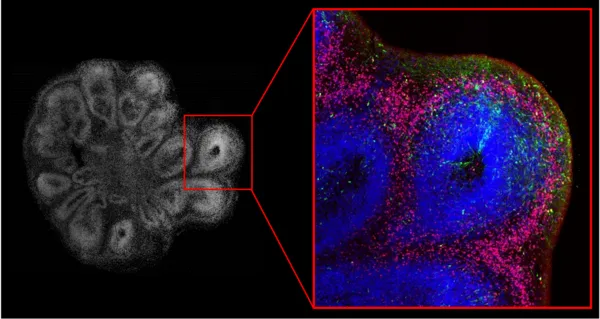
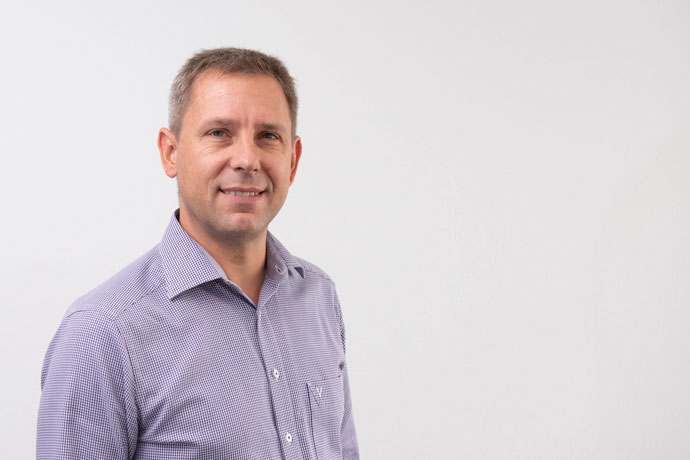
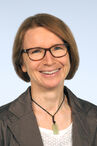
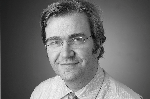
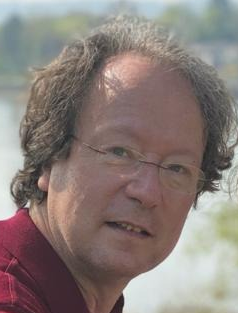
Prof. Dr. Simon Schäfer leads the Schäfer Lab at the Technische Universität München , focusing on engineering advanced organoid systems to study human brain development, disease modeling, and repair mechanisms. His work bridges stem cell biology, gene editing, and bioengineering to develop personalized therapies for brain disorders. Stem Cell & Organoid Technology Neurodevelopmental Mechanisms Neurodegenerative Disease Models Gene Editing & Neuroimmune Interactions Translational Neuroscience Recent research emphasizes brain organoid development, microglia phenotypes, and neurodevelopmental timing anomalies in autism. His team’s work also explores zika virus interactions with glioblastoma stem cells and neuronal plasticity in psychiatric disorders. Scientific awards and funding include support from the Deutsche Forschungsgemeinschaft (DFG), Brain & Behavior Research Foundation (BBRF), and Munich Cluster for Systems Neurology (SyNergy). Collaborations span institutions like the TUM Center for Organoid Systems. Advises 6 students (2 PhD, 1 MSc, 3 associated) Labs include Schäfer Lab, COS@TranslaTUM Contact: simon.schafer@tum.de
Prof. Dr. Niels Pinkwart is a Professor of Computer Science at Humboldt University Berlin and Scientific Director of the Educational Technology Lab at the DFKI Berlin Project Office. His work focuses on AI-driven educational technologies, including roles as spokesperson for the interdisciplinary ProMINT program and leadership positions in the German Society for Informatics' Learning Analytics and Educational Technologies working groups. Education: Computer Science and Mathematics at University of Duisburg Doctorate: Collaborative learning technologies (2005) Postdoctoral: Carnegie Mellon University's Human-Computer Interaction Institute Research interests span educational technologies , human-AI collaboration , and digital learning systems , with applications in serious games for ASD , creativity assessment , and healthcare informatics . His publications (over 200) demonstrate expertise in scaling educational mentoring through AI. Current affiliations include the Einstein Center Digital Future and Weizenbaum Institute for the Networked Society. He has led projects like AZUKIT (AI tutors for performance assessment), tech4comp (scalable mentoring processes), and AI.EDU Lab (AI in higher education).
Prof. Dr. Teresa Sansour is a full Professor of Pedagogy and Didactics in Cases of Intellectual Development Impairments with Special Consideration of Inclusive Educational Processes at the Institute for Special and Rehabilitation Education, Carl von Ossietzky University of Oldenburg. She joined the university in April 2020 and has held leadership roles including Vice Director for Teaching at the Center for Teacher Education (since October 2021) and Deputy Institute Director (since April 2025). Her academic affiliations reflect a deep commitment to inclusive and special education. Her research focuses on educational interactions in the context of intellectual disabilities, inclusive subject didactics, the participation of people with complex disabilities, and the professionalization of educators and prospective teachers. Key research areas include inclusive literacy, art education, teacher motivation, and social integration. She leads significant funded projects such as Literary Texts in Simple Language (LiES) and Lighthouses for Participation , both aimed at enhancing inclusion for people with disabilities. The recent publications of Prof. Sansour span topics such as school absenteeism in autism, self-concept in intellectual disabilities, inclusive art education, and participation models. Her work demonstrates a strong interdisciplinary and applied focus, combining qualitative methods with pedagogical innovation. She frequently publishes in peer-reviewed journals and edited volumes on special education, inclusive didactics, and disability studies. Member, German Society for Educational Research (DGFE), Section Special Education Member, Network for Complex Disabilities e.V. Chair, Advisory Board of the Georg-Leffers-Stiftung Chair, Association for the Promotion of Pedagogical Rehabilitation and Social Integration of People in Risk Situations Board Member, German Interdisciplinary Society for Research Promotion for People with Intellectual Disabilities (DIFGB) Prof. Sansour actively contributes to academic leadership and teacher training. She serves as program coordinator for the Bachelor’s in Special Education and accreditation officer for the Special Education/Social Studies cluster. Her work includes advising on inclusive curricula, fostering research collaborations, and securing external funding for inclusive initiatives. She has not received explicitly mentioned scientific awards in the provided text. She is involved in multiple collaborative research teams and projects focused on inclusion, literacy, and disability rights.
Prof. Dr. Sabine C. Koch is a Professor of Dance and Movement Therapy at Alanus Hochschule Alfter and Head of the Research Institute for Creative Arts Therapies (RIArT). She holds a habilitation and multiple professorships, including at SRH Hochschule Heidelberg (2012–present) and has led the Alanus Research Institute since 2015. Her work focuses on embodiment theory, applying it to creative arts therapies such as dance, theater, and art to address mental and physical health challenges. Her education includes a Diplom in Psychology from Heidelberg University (1999) and a PhD (2003) and Habilitation (2009) from Heidelberg. She has led major projects like the BMBF-funded 'Körpersprache' (2009–2011), the EU TESIS project (2011–2015), and the Heidelberg Center for Motion Research (2016–2022). Awards include ADTA Research Awards (2007, 2013, 2014, 2023) and a Fulbright Scholarship (1996). Research interests span embodiment theory, enaction, systems theory, and their application in therapies. Her work emphasizes the role of movement in mental health, including studies on autism, schizophrenia, oncology, and refugee trauma. She collaborates internationally, including with institutions in Chile, Slovenia, and France. Her recent articles explore drama therapy for flood-affected children, dance therapy for dementia patients, and embodied approaches to experience studies. Grants and networks include the DFG-funded EmbodiNet (2024–2026) and a PhD program in Creative Arts Therapies with Witten/Herdecke University. Koch’s labs and teams focus on interdisciplinary motion research and clinical applications of movement therapies. She has advised numerous studies on therapeutic efficacy and co-authored over 200 peer-reviewed articles and books, including 'The Routledge International Handbook of Embodied Perspectives in Psychotherapy' (2019).
Professor Isabel Dziobek is a distinguished academic at Humboldt University of Berlin, holding a W3 Professorship in Clinical Psychology of Social Interaction within the Institute of Psychology, Faculty of Life Sciences. She serves as Head of the University Outpatient Clinic for Psychotherapy and Psychodiagnostics and leads the Special Outpatient Clinic for Social Interaction. As Academic Director of the Center for Psychotherapy at Humboldt University and Principal Investigator at the German Center for Mental Health, she plays a pivotal role in shaping mental health research and clinical practice in Germany. Her educational background includes a Diploma in Psychology from Ruhr University Bochum (2000), a Dr. rer. nat. summa cum laude from University of Bielefeld (2006), and Habilitation in Psychology from Free University of Berlin (2014). She obtained her license to practice as a psychological psychotherapist in 2015. Professor Dziobek's research focuses on bio-psycho-social mechanisms of social interaction disorders across autism spectrum disorders, social anxiety disorders, and personality disorders. Her work integrates neurobiological approaches (fMRI, EEG, psychophysiology, eye-tracking, neuromodulation) with the development of diagnostic and intervention procedures including cognitive behavioral therapy, e-mental health, and social robotics. She has pioneered research on therapeutic mechanisms through focused short-term programs involving movement synchronization, social competence training, and brain stimulation augmentation. Analysis of her recent publications reveals a strong emphasis on empathy assessment in autism and personality disorders, development of innovative assessment tools like the Simulated Interaction Task for Children (Kids-SIT), and exploration of novel therapeutic approaches including psychedelic-assisted therapy. Her work increasingly incorporates participatory research methods and cross-cultural validation of assessment tools, reflecting a commitment to making research clinically relevant and accessible. 2016: Teaching Award of the Faculty of Life Sciences, Humboldt University of Berlin 2016: Antistigma-Preis der Deutschen Gesellschaft für Psychiatrie und Psychotherapie 2014: Charlotte- und Karl-Bühler-Preis, Deutsche Gesellschaft für Psychologie 2011: 2nd Place in Brain-Art Competition 2011 2007: Dissertation Award of University of Bielefeld 2007: 1st Prize at Canadian Film Festival "Picture This" Professor Dziobek serves in numerous leadership roles including Spokesperson for Charité Mental Health, Fellow of the Max Planck School of Cognition, and Board Member of Charité Mental Health. She directs the DZPG-funded research group and participates in the Cluster of Excellence Neurocure III. Her lab, the Dziobek Lab (dziobek-lab.org), focuses on developing and evaluating interventions for social interaction disorders while maintaining strong clinical connections through the University Outpatient Clinic.
Dr. Merve Fritsch is a Specialist in Psychiatry and Psychotherapy and a Senior Physician in ward 152A at Charité - Universitätsmedizin Berlin. Her affiliation is with the Department of Psychiatry and Neurosciences, part of the Neurology, Neurosurgery and Psychiatry division at Campus Charité Mitte. Dr. Fritsch's research focuses on neurological and psychiatric conditions, particularly thalamic aphasia, fronto-thalamic networks, and the role of the inferior frontal cortex in conscious perception. Her work integrates clinical neurology with cognitive neuroscience, addressing topics such as stroke recovery, perceptual decision-making, and NMDA receptor dysfunction. Her studies investigate ischemic lesions' effects on visual and language functions, stroke outcomes, and the mechanisms underlying consciousness. She employs advanced techniques like TMS-EEG to explore neural connectivity in conditions like autism spectrum disorder. Dr. Fritsch’s research also addresses clinical applications, such as cerebral embolism during cardiac interventions and the localization of aphasia in stroke patients. While no formal awards are listed, her contributions span peer-reviewed publications in high-impact journals, reflecting her expertise in neurology, psychiatry, and translational neuroscience. She actively engages in clinical practice and academic research, bridging theoretical insights with patient care.
Schloss Dagstuhl - Leibniz Center for InformaticsGermany
Ling Zhao is a distinguished Professor at the School of Management, Huazhong University of Science and Technology, China, with extensive research contributions spanning artificial intelligence, machine learning, information systems, and biomedical applications. With over 150 publications since 2008, Dr. Zhao has established herself as a leading researcher in multiple interdisciplinary domains, particularly in applying computational methods to solve complex real-world problems. Dr. Zhao's research interests encompass a broad spectrum of cutting-edge topics including artificial intelligence, machine learning, data mining, control systems, and information systems. Her work demonstrates exceptional versatility, bridging theoretical computer science with practical applications in healthcare, transportation, cybersecurity, and business management. Notably, she has made significant contributions to sentiment analysis, medical image processing, algorithmic management, and privacy-preserving data analysis. Her research methodology often combines deep learning approaches with domain-specific knowledge to develop innovative solutions. Analysis of Dr. Zhao's recent publications (2023-2025) reveals a strong focus on interdisciplinary applications of AI, with particular emphasis on healthcare informatics (medical image analysis, disease diagnosis), human-computer interaction (algorithmic management effects), and advanced machine learning techniques (graph neural networks, multimodal learning). Her work shows a consistent trend toward increasingly complex and integrated systems that address real-world challenges across multiple domains. Dr. Zhao has made substantial contributions to academic advising and research mentorship, though specific student names aren't detailed in the available publications. Her research has been supported by various grants enabling work in AI applications, biomedical engineering, and information systems. Dr. Zhao maintains active collaborations with researchers across China and internationally, as evidenced by her co-authorship patterns. While specific laboratory information isn't explicitly mentioned in the publication records, Dr. Zhao appears to lead or be significantly involved in research groups focusing on AI applications in management and healthcare. Her work on medical imaging, sentiment analysis, and control systems suggests involvement in multiple specialized research teams addressing different application domains through computational approaches.
Dr. Behrooz Mahmoodi-Bakhtiari is an Associate Professor and Head of the Department of Performing Arts at the University of Tehran, Iran. Born in 1974 in Tehran, he earned his PhD in Linguistics from Allameh Tabatabaee University in 2003. His work bridges linguistics and performing arts, with a focus on Persian language pedagogy and cultural studies. His research encompasses Iranian linguistics, dialectology, teaching Persian as a foreign language, Iranian dramatic literature, and discourse analysis of drama. He employs linguistic and semiotic approaches to analyze drama and film, contributing to interdisciplinary academic dialogues. Mahmoodi-Bakhtiari has published extensively in these areas and contributed to major reference works, including the Encyclopedia Iranica , Encyclopedia of Language and Linguistics , Encyclopedia of Islam (Third Edition) , and The Great Islamic Encyclopedia . His publications span linguistics, medical education, neuroscience, and literature, reflecting a broad interdisciplinary scope. He welcomes international academic collaborations and can be contacted via email for scholarly exchanges.
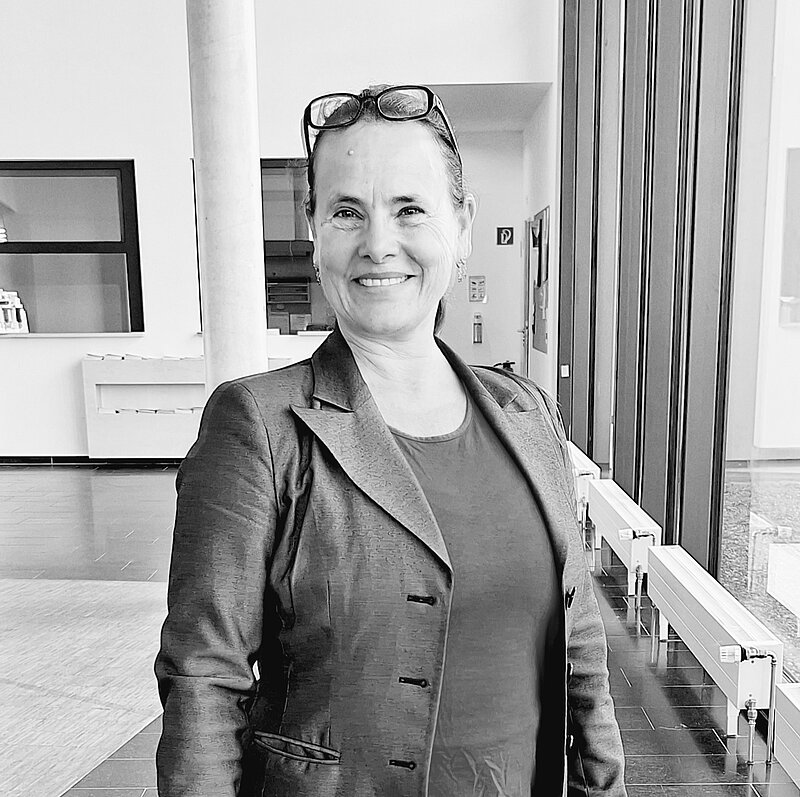
Barbara Namer is an Adjunct Professor at Friedrich-Alexander University Erlangen-Nuremberg and leads the IZKF-funded "Neuroscience: translational pain research" group at RWTH Aachen University Hospital. Her career spans 20+ years in neurophysiological pain research with clinical translations. Doctor of Medicine (2000-2004), Erlangen-Nuremberg Venia Legendi (Habilitation) in Physiology (2010) Adjunct Professor title (2018) Her research focuses on nociceptor mechanisms in diabetic neuropathy, migraine pathophysiology, and TRPA1 channel dynamics . Computational modeling and human microneurography techniques are central to her work. Key publication trends show expertise in peripheral nerve sensitization , diabetic pain mechanisms , translational pain modeling , and ion channel pharmacology . She has received multiple DGSS and German Neurology Society awards for her pain research. 2019 - DGSS Poster Award 2015 - DGSS Poster Award 2010 - EFIC Grünenthal Grant 2003 & 2018 - German Neurology Society Awards National and international collaborations include research stays in Norway and Sweden, with extensive grant funding from DFG and IZKF projects.
Leibniz Institute for Zoo and Wildlife ResearchGermany
Dr. Hilary Martin is a Group Leader in Human Genetics at the Wellcome Sanger Institute and a College Research Associate at St John's College, Cambridge. Her research focuses on medical and population genomics, analyzing high-throughput sequence and genotype data from large cohorts to address various medical and population genetic questions. She leads the Martin Group which studies the genetic architecture of rare and common disorders in diverse populations, with particular emphasis on populations with high levels of parental relatedness. BSc (Human Genetics) from the University of Queensland, Australia PhD from the Wellcome Trust Centre for Human Genetics in Oxford Postdoctoral research at Sanger Institute with Jeff Barrett Group Leader at Sanger Institute since September 2018 Dr. Martin's research program spans several key areas in human genetics. Her group analyzes large-scale genetic and electronic health record data to explore fine-scale population structure, its impact on disease risk, and the genetic architecture of both rare and complex diseases. A particular focus is on populations with high levels of parental relatedness (consanguinity), where her team investigates how autozygosity affects disease risk across the phenotypic spectrum. Her work on developmental disorders examines the role of rare recessive variants and polygenic risk, while her research with South Asian populations explores the genetic basis of cardiometabolic diseases. Analyzing her recent publications reveals a strong trend toward multi-ancestry studies, particularly focusing on British Pakistani and Bangladeshi populations through the Genes & Health project. Her research increasingly integrates rare variant analysis with polygenic risk scores to understand the full genetic architecture of complex traits. There's also a growing emphasis on understanding how population structure, consanguinity, and founder effects influence disease risk across diverse populations. Her work bridges fundamental population genetics with clinical applications, particularly in neurodevelopmental disorders and cardiometabolic diseases. Extensive publication record in top journals including Nature, Cell, and Nature Genetics Leadership in major collaborative projects like Deciphering Developmental Disorders (DDD) Key contributions to understanding the role of consanguinity in disease architecture Development of methods for analyzing recessive variants in diverse populations Dr. Martin leads a dynamic research group comprising PhD students, postdoctoral fellows, and staff scientists. Her group works closely with multiple large-scale studies including the Avon Longitudinal Study of Parents and Children (ALSPAC), Millennium Cohort Study, Born in Bradford, Deciphering Developmental Disorders study, Genomics England, and Genes & Health. She maintains strong collaborations with clinical and research teams across the UK and internationally, particularly with groups studying South Asian populations. Her research has secured significant funding through institutional support and collaborative grants that enable large-scale genomic analyses. The Martin Group operates within the Human Genetics Programme at the Wellcome Sanger Institute, maintaining close ties with the Hurles Group and other related teams. They collaborate extensively with the East London Genes and Health project, which is one of the world's largest community-based genetics studies focusing on people of Pakistani and Bangladeshi heritage. The group maintains strict data security and confidentiality procedures while working closely with the communities they study through community engagement and dissemination of scientific findings.
Prof. Dr. Dr. Kai Vogeley serves as a University Professor and Senior Consultant at the Clinic and Polyclinic for Psychiatry and Psychotherapy, Faculty of Medicine, University of Cologne. His research program focuses on elucidating the pathophysiological mechanisms of psychiatric disorders through psychological, structural, and functional brain imaging techniques, with particular emphasis on social cognitive abilities. Dr. Vogeley's primary research investigates the dual aspects of social cognition: the ability to differentiate between self and other (including perspective-taking and agency recognition) and the capacity for self-other exchange (encompassing empathy and theory of mind). A significant portion of his work examines nonverbal communication, particularly in autism spectrum disorders, using methodologies that combine brain imaging data with cytoarchitectural properties and structural connectivity information. His research spans both healthy populations and those with psychiatric conditions to identify transitional neural mechanisms. Analysis of Dr. Vogeley's publication record reveals a consistent interdisciplinary approach integrating neuroscience, psychology, and philosophy. His work demonstrates particular expertise in studying social gaze processing, animacy perception, and cultural influences on emotion recognition. The research frequently employs fMRI and dual eye-tracking methodologies to investigate how cognitive performance relates to underlying brain processes in social interactions, with special attention to autism and substance use disorders. Dr. Vogeley maintains an extensive collaborative network, working with scientists across medicine, psychology, and philosophy at various universities and research institutions in Germany and internationally. His research group operates at the intersection of clinical psychiatry and cognitive neuroscience, focusing on translating basic research findings into potential clinical applications for understanding and treating psychiatric disorders.
Dr. Thomas Bergmann serves as a scientific collaborator at the Institute of Psychology, Humboldt University of Berlin, while maintaining clinical roles at the Evangelical Hospital Queen Elisabeth Herzberge and a teaching position at the University of the Arts, Berlin. He is concurrently pursuing doctoral studies at the Free University of Berlin's Department of Psychology. Academic Background: 1st State Examination in School Music and Jazz Studies (1988), University of Music and Performing Arts, Hamburg Diploma in Music Therapy (1999), University of the Arts, Berlin Ongoing Doctorate in Psychology (since 2011), Free University of Berlin Research Focus: Bergmann specializes in developing innovative diagnostic and therapeutic approaches for adults with autism spectrum disorders (ASD) and co-occurring intellectual disabilities (ID). His work pioneers music-based assessment tools like MUSAD to address diagnostic gaps in low-verbal populations, emphasizing non-verbal communication analysis and socio-emotional development evaluation. He investigates severe behavioral disorders through interdisciplinary lenses, integrating clinical observation with therapeutic intervention design. Publication Trends: His 13 most recent publications (2010-2014) reveal a concentrated focus on adapting autism diagnostics for intellectually disabled adults. Key contributions include the Diagnostic Observation Sheet (DiBAS) and revisions to behavioral assessment instruments, demonstrating consistent innovation in methodology. His work bridges music therapy with clinical diagnostics, particularly through musical interaction analysis for non-verbal populations, while critically evaluating alternative interventions like animal-assisted techniques. Research Leadership: Bergmann directs two major funded projects: MUSAD (supported by Stiftung Irene) for music-based autism diagnostics in low-verbal adults, and AutKom for developing a 20-session group therapy program targeting social skills and stress regulation in ASD with mild ID. These initiatives emphasize practical clinical translation through caregiver involvement and multimodal assessment. Research Environment: Affiliated with the Dziobek Lab (dziobek-lab.org), Bergmann operates within a specialized research ecosystem focused on neurodevelopmental disorders. His work integrates clinical practice at Queen Elisabeth Herzberge with academic research, creating a continuous feedback loop between diagnostic innovation and therapeutic application for underserved adult populations.
University Medical Center Hamburg-EppendorfGermany
Prof. Dr. Holger Schulz is a Research Fellow and Project Coordinator at the Center for Psychosocial Medicine, Department of Medical Psychology at the University Medical Center Hamburg-Eppendorf (UKE). His work focuses on psychosocial aspects of oncology, mental health in palliative care, healthcare systems research, and digital health interventions. He actively contributes to clinical research and policy analysis, with expertise in mental disorders, healthcare disparities, and patient-centered care. Key research areas include psychosocial oncology, palliative care practices, mental health service utilization, and healthcare provider perspectives on end-of-life care. His work integrates epidemiological methods with clinical practice, emphasizing translational research to improve patient outcomes. He has led studies on smoking cessation in cancer patients, barriers to healthcare access for autistic adults, and the implementation of e-learning tools to enhance digital health literacy. Prof. Schulz collaborates with interdisciplinary teams on randomized controlled trials (e.g., BENITA trial for ovarian cancer patients) and contributes to national health policy initiatives (e.g., Versorgungsforschung im letzten Lebensjahr). His publications span journals in oncology, psychiatry, and health services research, reflecting his commitment to advancing evidence-based mental and physical healthcare integration.
Mieke Cardol serves as an applied research professor in 'Disability Studies; Diversity in Participation' at the Research Centre Innovations in Care, Rotterdam University of Applied Sciences. Her work bridges academic research with practical healthcare applications, focusing on systemic barriers to inclusion and innovative solutions for marginalized populations. Dr. Cardol earned her PhD from the University of Amsterdam in 2001 with a dissertation titled 'Autonomy and participation in medical rehabilitation,' building on her foundational career as an occupational therapist in rehabilitation medicine. This clinical background informs her participatory research methodology. Her research program critically examines societal structures through the lens of Disability Studies, with core emphases on social participation, relational autonomy, and inclusive design across healthcare, education, and community settings. She challenges deficit-based models by centering lived experiences of people with disabilities, particularly in aging, youth transitions, and creative expression contexts. Analysis of her 14 most recent publications reveals a methodological commitment to participatory approaches like photovoice and narrative inquiry, with recurring themes of citizenship, ethical care practices, and co-creation of tools such as the 'My Path' instrument. Her work spans neurodiversity, cerebral palsy, mental health, and inclusive arts, consistently advocating for policy shifts toward genuine societal belonging. Dr. Cardol actively supervises master's students, honours candidates, interns, and PhD researchers while leading multiple collaborative projects including 'ST-RAW Academic Collaborative Centre' for youth care access, 'Diversity in Career Trajectories' for disability-inclusive employment, and 'Citizenship and aging with CP.' Her grant portfolio demonstrates strong partnerships with disability organizations and government bodies. She leads the 'Disability Studies; Diversity in Participation' research group, which operates as a nexus for transdisciplinary collaboration with Disability Studies in the Netherlands, BOSK/VGR disability associations, Platform EMG parent networks, Horizon/Cardea child welfare organizations, Rotterdam municipality, Yulius/Pameijer care providers, Rijndam rehabilitation centers, UWV Rotterdam, and Ghent University. This ecosystem enables real-world testing of inclusive frameworks while training future healthcare professionals.
Prof. Dr. Bernhard Schröder holds the full professorship (W3) of German Studies/Linguistics at the University of Duisburg-Essen , where he leads research at the Institute of German Studies (Faculty of Humanities). His academic career includes a Magister in Linguistics from University of Bonn (1991), PhD in Philosophical Linguistics (1997), and Habilitation in Language and Communication Sciences (2003). Education: Magisterabschluss (1991), University of Bonn Dr. phil. (1997), University of Bonn Habilitation (2003), University of Bonn His research bridges computational linguistics with cognitive science, focusing on prosodic analysis in mathematical proof texts, autism spectrum disorder communication studies, and corpus-based linguistic resource development. He directs the Naproche Project for computational proof checking and the AEET institute for early modern text digitization. Key projects include: Mathematical proof text modeling with frame semantics Prosody perception in autism through speech synthesis Corpus portal korpora.org development German-Namibia institute partnership Media-intensive linguistics training modules (MiLCA) He collaborates across institutions like University Hospital Freiburg, TU Dresden, and University of Bonn, with leadership roles in the European Society for Philosophy and Psychology and German Society for Computational Linguistics . His work involves speech synthesis uncertainty modeling, Kant text digitization, and Frege's arithmetic analysis.