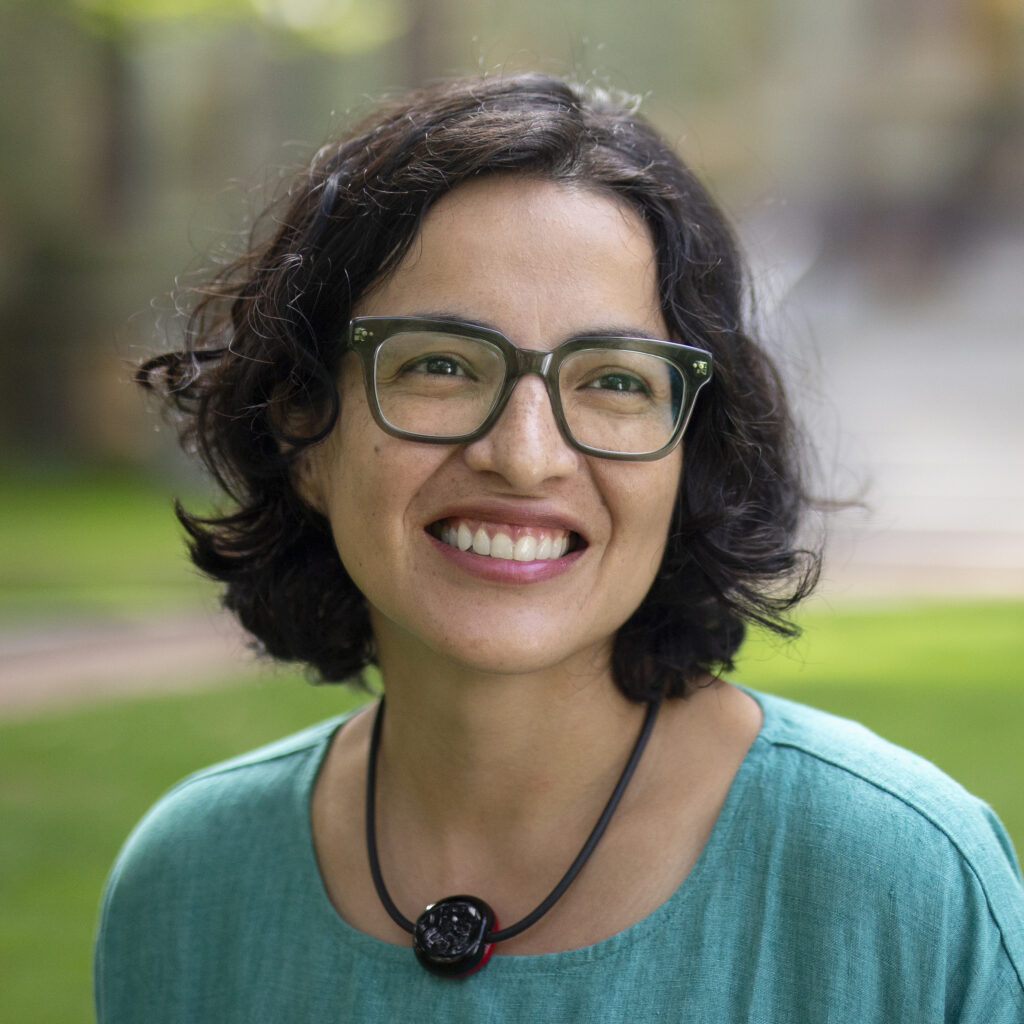
Jennifer M Morton is the Presidential Penn Compact Professor of Philosophy at the University of Pennsylvania with a secondary appointment at the Graduate School of Education. As Graduate Chair of the Philosophy Department, she bridges philosophical theory with empirical research on poverty, social class, and upward mobility. Her work interrogates the ethical sacrifices of first-generation and low-income students, earning her the Grawemeyer Award in Education (2023) and the Frederic W. Ness Book Award for Moving Up Without Losing Your Way (2019). A Guggenheim Fellow (2023-2024), she integrates social psychology, policy analysis, and ethics to address structural inequities in education. Key Themes: Pessimism traps, cultural mismatch, and non-cognitive skill development. Awards: Grawemeyer Award, Scheffler Prize, Philosopher’s Annual Best Paper (2019). Media: Featured in The New York Times , The Atlantic , and Hidden Brain podcast. Her recent articles analyze poverty’s impact on prospective agency, planning capacity, and decision-making under uncertainty. She critiques online education’s limitations for marginalized students and explores the educator’s dual role in ideal vs. non-ideal contexts. As a senior fellow at Wisconsin’s Center for Ethics and Education, she advocates for inclusive institutional design, balancing pragmatic success with systemic critique.
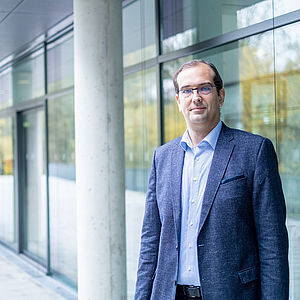
Stefan Katzenbeisser is a Professor at the Chair of Computer Engineering, University of Passau, focusing on cybersecurity in embedded systems, critical infrastructures, and technical data protection. He serves as spokesperson for the Bavarian-funded research cluster ForDaySec and contributes to the DFG Review Board for Security and Dependability. Research areas: Automotive cybersecurity, railway security, hardware-based security (PUFs), post-quantum cryptography Key projects: RESURREC (autonomous vehicle security), FINESSE (secure transportation sensors), 6G-RIC (future mobile networks) His work spans both theoretical and applied cybersecurity, with collaborations in industry and interdisciplinary fields. Recent publications highlight innovations in secure mobility and critical infrastructure protection.
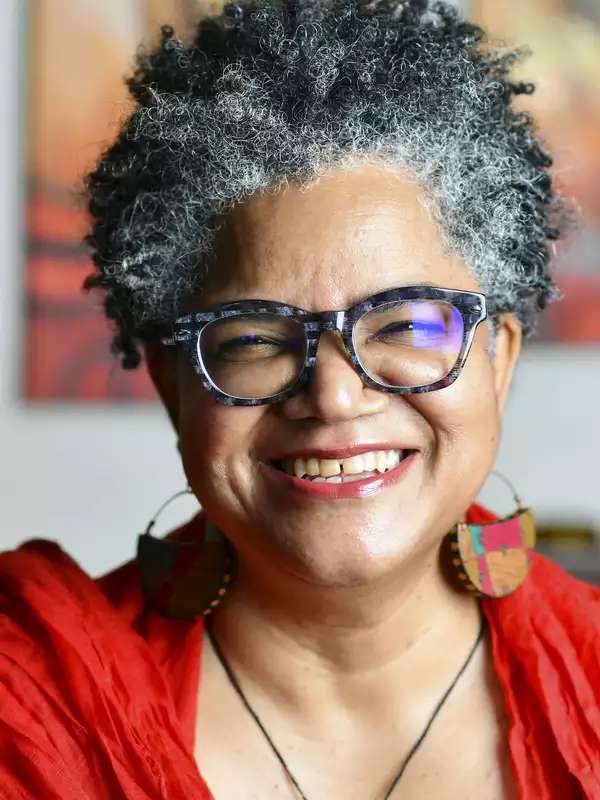
Celia E. Naylor is a Professor in the Department of Africana Studies at Barnard College, Columbia University, where she has been a faculty member since 2010. She previously served as Assistant Professor and then tenured Associate Professor of History at Dartmouth College (2002–2010). Her academic home is in the College of Arts and Sciences, where she contributes to interdisciplinary scholarship across history, gender studies, and the African diaspora. B.A., Cornell University, Summa Cum Laude (Africana Studies with concentration in Women's Studies) M.A., UCLA (Afro-American Studies) M.A., Duke University (History) Ph.D., Duke University (History) Her research focuses on African-American, Caribbean, and Native American histories, with deep engagement in women’s and gender studies in the African diaspora, colonialism, and the cultural memory of slavery. She examines how race, gender, and power intersect in historical narratives and public representations. Her work critically analyzes the reconstruction of slavery in modern cultural forms, particularly in tourism and literature. The majority of her recent publications revolve around the history of enslaved people at Rose Hall Plantation in Jamaica, culminating in her 2022 monograph UnSilencing Slavery and a companion digital humanities project. These works combine microhistory, interdisciplinary critique, and digital storytelling to recenter the lives of the enslaved. Earlier works explore Black-Indian relations in U.S. history, particularly among the Cherokee Nation. Her publications span journals and edited volumes in history, ethnic studies, and cultural theory. Columbia University, Black Students Organization, Professor of the Year Award, May 2024 Barnard College, Digital Humanities Center Summer Fellowship, 2019 The Heyman Center for the Humanities, Faculty Fellowship, 2017–2018 Barnard College, BOSS Professor of the Year Award, May 2015 Columbia University, Black Students Organization, Professor of the Year Award, May 2012 Dartmouth College, Jack E. Thomas 1974 Family Fellowship, 2008–2009 Dartmouth College, John M. Manley Huntington Teaching Award, July 2008 Dartmouth College, Arthur M. Wilson Faculty Research Fellowship, 2005–2006 Woodrow Wilson Career Enhancement Fellowship (Alternate), 2005–2006 Nelson A. Rockefeller Center Research Scholars Program, 2004–2006 Professor Naylor advises student research through senior thesis seminars and mentors emerging scholars in Africana and women’s studies. She has received grant support from prestigious institutions including Columbia, Barnard, and Dartmouth. Her work with the Institute for Strategic and Equitable Development (ISED), where she serves as President of the Board of Directors, reflects her commitment to racial equity and community-centered development. She leads initiatives such as Inclusion, Diversity, and Equity in Environmental Philanthropy (InDEEP) and the Presidents' Forum on Racial Equity in Philanthropy. She also collaborates with organizations like Keecha Harris & Associates and InPartnership Consulting. Her digital humanities project (Un)Silencing Slavery serves as both a research archive and public educational tool, launched on the 60th anniversary of Jamaica’s independence. She regularly presents her work at major academic conferences including the American Historical Association, Association of Caribbean Historians, and Berkshire Conference on Women’s History. Her scholarship is deeply collaborative, often involving interdisciplinary teams across history, anthropology, and digital media.
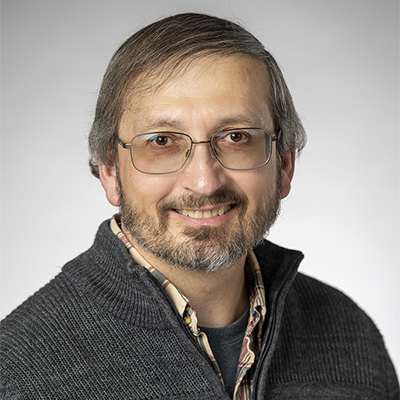
Mark Olsen is an Associate Teaching Professor in the Department of Biological Sciences at the University of Notre Dame, College of Science. He has been a faculty member since 1994 and is deeply committed to undergraduate education and research engagement. His roles include Coordinator of the Majors/Honors Biology Laboratory Program and Academic Co-Director of the Notre Dame Summer Scholars Program in Life Sciences. His educational background includes: Ph.D. in Comparative Physiology and Biochemistry, University of Notre Dame (1994) M.S. in Ecology, University of Notre Dame (1989) A.B. in Biology, Summa cum Laude, St. Michael’s College (1981) Mark Olsen's research and teaching focus on biology education , with strong emphasis on ecology, environmental biology, entomology, and anatomy and physiology . He champions active learning through place-based education , collaborative research teams , and experiential laboratory and fieldwork . A key aspect of his pedagogy is integrating authentic research into undergraduate curricula via the Course-Based Undergraduate Research Experience (CURE) model, particularly in partnership with Dr. Jason McLachlan’s lab on salt marsh plant responses to environmental change. His work promotes early undergraduate research participation, STEM retention, and student integration into the scientific community. He coordinates the annual Internship Information Workshop and has contributed to NSF-funded STEP and RET grants aimed at enhancing STEM education. His scientific and educational contributions have been recognized with prestigious awards: Edmund Joyce, CSC Award for Excellence in Undergraduate Teaching (2018) Kaneb Center Outstanding Faculty Teaching Award (2001) He is actively involved in professional service, including as a question writer for the National Science Bowl, mentor for the Sustainability Minor Capstone, advisor for the Fly Fishing Club, and member of the TPAC Teaching Faculty Executive Committee. He also supports outreach to K–12 educators as a resource teacher in Place-Based Education and has reviewed for the NASA Climate Change Educational Initiative. Mark Olsen advises and mentors numerous undergraduates through research internships, Summer Scholars, and laboratory courses. He has played a key role in NSF grants focused on student success and has led initiatives that connect classroom learning with real-world scientific inquiry. His leadership extends to program development and academic advising, fostering a supportive environment for first-year science majors. He is associated with several academic and outreach initiatives, including the Notre Dame Summer Scholars Program, the CURE research integration project, and the College of Science Internship Information Workshop. These programs form a cohesive ecosystem aimed at enhancing student engagement, research experience, and long-term success in STEM fields.
Caoimhín De Barra is an Associate Professor of History at Gonzaga University , joining in 2018. He earned his Ph.D. from the University of Delaware (2014) and previously served as Assistant Professor of Irish History and Culture at Drew University . Research Focus: Language-identity dynamics in nationalism Teaching: British/Irish/European history, imperialism, nationalism Publications: The Coming of the Celts, A.D. 1860 (2018), Gaeilge: A Radical Revolution (2019) Contact: debarra@gonzaga.edu His publications analyze Celtic nationalism's transnational influences, including Welsh-Irish interactions and imperial education comparisons. He actively promotes the Irish language through advocacy and coaching Gonzaga's hurling team, blending historical scholarship with cultural preservation.
Diana Gratiela Berbecaru is an External Collaborator and External Lecturer at the Department of Control and Computer Science (DAUIN), Politecnico di Torino, where she contributes to teaching and research in cybersecurity and digital identity. She is affiliated with the TORSEC Security Group and actively participates in EU-funded research projects such as Q-FENCE, focusing on quantum-resistant cryptography. She teaches core courses including Security and Privacy for Digital Identity Frameworks and Information Systems Security , and has been recognized with the Italian national scientific habilitation as Associate Professor in 2025, affirming her academic standing. Full Name: Diana Gratiela Berbecaru University: Politecnico di Torino Department: Department of Control and Computer Science (DAUIN) Academic Rank: Associate Professor (habilitated) Teaching Status: Part-time External Lecturer Email: diana.berbecaru@polito.it Her research focuses on cybersecurity, identity management, and trusted computing, with specific interests in authentication, authorization, data privacy, network security, and trusted computing in distributed and IoT environments. She investigates practical implementations of digital identity systems using the eIDAS infrastructure, certificate validation, TLS security, and post-quantum cryptography. Her work bridges theoretical security models with real-world deployment challenges. Her recent publications (2022–2025) reflect a strong focus on TLS security, X.509 certificate analysis, anomaly detection using AI, remote attestation for IoT, and post-quantum migration strategies. These works are published in high-impact venues such as IEEE Access, IEEE ISCC, and ARES, indicating active and influential contributions to the cybersecurity research community. The research trend shows a consistent emphasis on practical tools and frameworks for enhancing trust and security in digital systems. Scientific Awards and Recognition: Italian National Scientific Habilitation as Associate Professor (Abilitazione Scientifica Nazionale, II fascia), 2025 She serves as an Associate Editor for IEEE Transactions on Network and Service Management and IEEE Access , and as a Guest Editor for Electronics and Computer Networks . She chairs and co-chairs international workshops such as TrustAICyberSec and IMTrustSec, and is a frequent member of program committees for major conferences including ARES, IDC, and ISCC. These roles demonstrate her active engagement in academic leadership and knowledge dissemination. Labs and Research Groups: TORSEC - Security Group (DAUIN): Core research group focusing on cybersecurity, trusted systems, and digital identity.
Rob Rozehnal is a Professor and Chair in the Department of Religion at Lehigh University, where he also serves as Founding Director of the Center for Global Islamic Studies. His academic career spans interdisciplinary roles in Global Studies, Asian Studies, and South Mountain College. 2003 Ph.D. in Islamic Studies and History of Religions from Duke University 1995 M.A. in South Asian Studies from University of Wisconsin-Madison 1991 B.A. summa cum laude in History and Asian Studies from University of Puget Sound Rozehnal's research focuses on Sufism in South Asia, digital religion in Islamic contexts, ritual studies , postcolonial theory , religious nationalism , and globalization . His work bridges traditional Islamic scholarship with contemporary digital media analysis. His publications map Islamic digital media trends, including cyber Sufi communities and virtual expressions of American Islam. He has received significant funding such as the $1.4 million Mellon Foundation grant (2009-2015) and multiple Lehigh University fellowships. Lehigh University, College of Arts and Sciences, New Directions Fellowship (2013-2015) Charlotte W. Newcombe Doctoral Dissertation Fellowship (2003) American Academy of Religion, graduate student paper award (2000) Duke University Graduate School and International Studies Fellowship (2000) Rozehnal directs Lehigh's summer study abroad programs in India and Turkey focused on Islamic heritage, while maintaining personal interests in outdoor activities and meditation.
Dr. Mayke Vereijken is an Assistant Professor at the Faculty of Social and Behavioural Sciences, Utrecht University, specializing in Educational Sciences. Her work bridges educational theory and practice, with a focus on inquiry-based teaching and research integration in higher education. PhD in Medical Education (Leiden University, 2018) MSc in Educational Sciences (Radboud University Nijmegen, 2011) Her research explores interdisciplinary and transdisciplinary approaches to education, particularly how higher education can address complex problems requiring multi-, inter-, or transdisciplinary knowledge. Current work includes projects on the effectiveness of teacher professional development and scholarly teaching. Recent publications address: Transdisciplinary education frameworks Subject matter pedagogy in university teaching Professional collaboration around complex problems Authentic research practices in medical education Research integration in first-year teaching
Professor Bethany Klein is affiliated with the School of Media and Communication at the University of Leeds. Her research focuses on the interplay between commercialism and media, popular music culture, and the regulatory frameworks shaping media and copyright in the digital age. Commercialism and the media Popular music culture Media policy and regulation Social issues in entertainment television Research Trends : Her publications examine the commodification of popular music (e.g., As Heard on TV ), the contested nature of copyright in digital environments (e.g., Understanding Copyright ), and the evolving boundaries between culture and commerce (e.g., Selling Out ). These works highlight corporate influence on cultural production, policy challenges in the digital era, and ethical tensions in artistic expression. Education : PhD in Communication, University of Pennsylvania MA in Communication, University of Pennsylvania Research Projects : Communicating Copyright: Explores copyright discourses in the digital age Music for Girls: Investigates women's knowledge cultures in popular music Social Issues in Primetime Television: Analyzes production processes and audience responses
Kyra D. Gaunt, PhD is an Assistant Professor at University at Albany, State University of New York, holding appointments in the Department of Music & Theatre, Department of Women's, Gender & Sexuality Studies (as associate faculty), and Department of Sociology (as affiliate member). A cutting-edge scholar specializing in digital and embodied ethnomusicology, she joined UAlbany in 2017 after earning her PhD from the University of Michigan-Ann Arbor. Her research focuses on Black music studies, Black girlhood studies, and hip-hop feminism, with particular attention to how Black girls navigate musical spaces online. Gaunt's scholarship explores the intersections of music, technology, and violence targeting Black girls in digital spaces from YouTube to TikTok, making significant contributions to understanding how musical internet platforms shape girls' experiences. Her work reveals consistent patterns across publications showing how Black girls' cultural practices—from double-dutch to game songs—are foundational to Black popular music while simultaneously being sites of digital exploitation. The research demonstrates how platforms monetize Black girls' creativity while exposing them to harm, with particular attention to how music tech grooms girls for emotional and psychological violence online. 2007 Alan P. Merriam Prize for 'The Games Black Girls Play' 2023 Tribeca Film Festival winner 2024 NAACP Image Award recipient 96th OSCARS® Shortlisted Documentary 2025 American Film Showcase envoy Senior TED Fellow (2020-2022) As a federally-certified expert witness in social media cases and recipient of a Ms. Foundation $25k grant, Gaunt bridges academic scholarship with real-world applications. Her work with the documentary 'Black Girls Play: A Story of Hand Games' has taken her to international platforms as an American Film Showcase envoy, demonstrating the global impact of her research on Black girls' cultural practices.
Kyong Yoon is a Professor at the University of British Columbia Okanagan in the Faculty of Creative and Critical Studies, with appointments across Cultural Studies, Digital Arts and Humanities, English and Cultural Studies, and Global Studies. He holds the prestigious Principal's Research Chair (Tier 1) in Trans-Pacific Digital Platform Studies and serves as Digital Arts & Humanities Theme Co-coordinator. Originally from Seoul, South Korea, Professor Yoon has established himself as a leading scholar on digital media, migration, and Korean popular culture globally. His research focuses on digital media, mobile communication, migration, Korean popular culture (particularly Hallyu or the Korean Wave), and youth culture. Professor Yoon examines how digital platforms transform cultural production, consumption, and identity formation, with special attention to transnational Korean communities and the globalization of Korean media. His work bridges media studies, cultural studies, and migration studies, offering critical perspectives on platformization, cultural hybridity, and diasporic identities. Professor Yoon's scholarly contributions reveal consistent engagement with evolving media landscapes, from early mobile communication studies to contemporary platform studies. His work demonstrates how Korean digital culture both shapes and is shaped by global media flows, with particular attention to audience practices, cultural translation, and the politics of representation across different national contexts. Editorial board member, Asiascape: Digital Asia Principal's Research Chair (Tier 1) in Trans-Pacific Digital Platform Studies Digital Arts & Humanities Theme Co-coordinator Professor Yoon teaches courses including CULT 215 Cultural Industries, CULT 312 Internet Culture, CULT 313 Transnational Asian pop culture, and CULT 410 Asian cinema, guiding students through critical examinations of media, culture, and technology in global contexts.
Dr. Yang Zhang is a tenured Professor at the CISPA Helmholtz Center for Information Security . His research focuses on Trustworthy Machine Learning , emphasizing privacy, safety, and security , with additional work on measuring misinformation and unsafe online content like hateful memes. He has published extensively at top conferences (CCS, NDSS, Oakland, USENIX Security) and received multiple awards including the Busy Beaver Award (2022) and NDSS Distinguished Paper Award (2019) . Research Interests : Trustworthy Machine Learning LLM Security, Privacy, and Safety Misinformation and Hate Speech Detection Social Network Analysis Recent Publications examine synthetic data auditing, hate speech detection in LLM-generated content, and privacy risks in curriculum learning, spanning conferences like USENIX Security , IEEE S&P , and ACM CCS . His work often intersects AI security with ethical considerations . Scientific Awards : Busy Beaver Award for “Privacy of Machine Learning” (2022) NDSS Distinguished Paper Award (2019) CCS Best Paper Runner-Up (2022) Best Machine Learning and Security Paper in Cybersecurity Award (2025) Best Paper Finalist at CSAW Europe (2023, 2024) Students in his group include Yixin Wu , Xinyue Shen , and Yiting Qu , the latter recently completing their Ph.D. defense. He actively recruits MSc and PhD students and has contributed to iDRAMA Lab for meme-related research.
Prof. Velislava Atanasova Chavdarova is a distinguished Professor at the Department of Psychology within the Faculty of Philosophy at the University of Veliko Tarnovo "St. Cyril and Methodius" in Bulgaria. With extensive expertise in social, organizational, and personality psychology, she has established herself as a leading academic in her field through decades of scholarly contribution. Her research spans multiple psychological disciplines including social psychology, personality psychology, ethnopsychology, industrial and organizational psychology, managerial psychology, psychological consultation, organizational consulting, neuro-linguistic programming (NLP), career counseling, and motivational interviewing. She has conducted significant cross-cultural studies comparing Bulgarian, Russian, and Ukrainian populations across various psychological dimensions. Prof. Chavdarova's scholarly output demonstrates consistent engagement with contemporary psychological issues, particularly in organizational contexts and social psychology applications. Her recent publications (2023-2025) reveal a continued focus on domestic violence perceptions in Bulgaria, gender-role stereotypes, managerial psychology, and cross-cultural personality profiling. Her work bridges theoretical psychological concepts with practical applications in organizational, educational, and social contexts. She has participated in academic projects including the "Establishment of a hall for interactive training for future teachers" (March-December 2023), demonstrating her commitment to educational innovation. Her professional activities include extensive publication output, conference participation, and academic reviewing across various psychological domains.
Professor Bernadette O'Rourke holds a dual appointment in Sociolinguistics and Hispanic Studies at the University of Glasgow 's School of Modern Languages and Cultures . Her work bridges sociolinguistics with the sociology of language, focusing on the political and social dimensions of language use, revitalization, and ideological frameworks. Specializes in minority languages (Galician, Irish, Scottish Gaelic, Faroese) Examines new speakers' role in language revitalization Explores language activism and ethnographic resistance Research trends show increasing focus on multilingual cities, digital methods (GPS, electronic recording), and sociopolitical movements in language preservation. Her 2024 publications analyze geospatial tools for language revitalization and poetic resistance in Galician communities. Scientific Awards: Leverhulme Research Fellowship (2021-2022) Chair of EU COST Action IS1306 (2013-2017) AHRC Early-Career Fellowship (2012) Fellow of Smithsonian Center for Folklife and Cultural Heritage Grants include Royal Society Edinburgh funding for Gaelic-Irish language projects and Faroese labor market integration studies. Supervision covers 10 current PhD projects including Galician diaspora in London, Manx language revitalization, and Kabyle preservation.
Professor Ron Van der Meyden is a faculty member at the School of Computer Science and Engineering at the University of New South Wales, Sydney. His work focuses on the intersection of logic, security, and distributed systems, with particular expertise in blockchain technology and smart contracts. He leads the UNSW Interest Group in Blockchain, Smart Contracts and Cryptocurrency and organizes related seminar series. Professor Van der Meyden's research spans formal methods, computer security, and distributed systems. His work on epistemic logic has been influential in understanding knowledge-based systems and security protocols. He has made significant contributions to the formal verification of blockchain protocols and smart contracts, bringing rigorous mathematical approaches to these emerging technologies. His recent work explores the application of knowledge-based reasoning to consensus protocols and intersection management in autonomous systems. ACM Distinguished Scientist, 2009 As an advisor, Professor Van der Meyden has mentored numerous PhD and Masters students who have gone on to successful careers in academia and industry. His research is supported by grants including Australia's Economic Accelerator Grant for developing a commercial version of a software model checker and an AFOSR/DST Australia grant for verification and synthesis of fault-tolerant autonomous systems. He has received multiple ARC Discovery and Linkage grants over the years. Professor Van der Meyden leads the UNSW Interest Group in Blockchain, Smart Contracts and Cryptocurrency, fostering interdisciplinary research in this area. He has played key roles in major research centers including Smart Internet CRC and National ICT Australia (NICTA), where he established and led the Formal Methods program. His work on the formal verification of the seL4 microkernel and the Goanna static analysis tool has had significant practical impact.