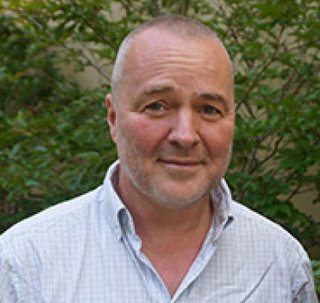
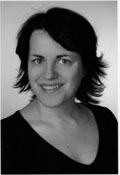
Dr. Antje Strauß is a Researcher at the Department of Linguistics, University of Konstanz, where she serves as Principal Investigator for a DFG-funded project on theta oscillations and prelexical abstraction since October 2018. Her work bridges speech processing, auditory cognition, and neural oscillations, with a focus on lexical and sublexical mechanisms in noisy environments. PhD in Neural Oscillatory Dynamics of Spoken Word Recognition (2011–2014, Max Planck Institute) Magistra Artium in German Philology and Philosophy (2004–2010, Albert Ludwig University) Her research explores how brain rhythms like alpha and theta oscillations support auditory selective inhibition, speech segmentation, and predictive processing. She has pioneered studies on cued speech applications for enhancing speech-in-noise perception and developed the Fharvard corpus—a phonemically-balanced resource for audiology research. Recent publications highlight her expertise in neural oscillations, auditory perception, and speech-in-noise intelligibility. Collaborative work spans institutions like CNRS, MPI CBS, and Freiburg Institute for Advanced Studies. Post-doctoral fellow at Zukunftskolleg, University of Konstanz (2016–2018) Post-doctoral fellow at CNRS, GIPSA-lab (2015–2016) She contributes to peer review for journals including Journal of Neuroscience , Cortex , and PLOS Biology , and maintains memberships in the Society for the Neurobiology of Language, European Society for Cognitive Psychology, and related organizations.
Christoph Mulert is a Professor at the Department of Psychiatry and Psychotherapy , Justus-Liebig-Universität Gießen, and serves as the Clinic Director at the University Hospital Giessen. His research focuses on neurophysiological and neurochemical mechanisms underlying visual perception and their alterations in schizotypy. Key research areas include: Gamma oscillations in sensory processing Schizophrenia pathophysiology EEG and fMRI neuroimaging Reward processing networks Dopamine and E/I balance Neural synchronization and hallucinations Recent work explores ketamine models for schizophrenia, tACS applications in psychiatry, and interhemispheric connectivity. Collaborators include G. Leicht, S. Steinmann, and C. Andreou. His team utilizes multimodal neuroimaging to characterize neurophysiological disturbances in psychiatric disorders.
Prof. Matthias Schlesewsky is a Professor of Psychology at the University of South Australia. Previously, he held positions as Professor of General Linguistics at the University of Mainz and as a Junior Professor at the University of Marburg. With a unique background in chemistry and a PhD in linguistics, he specializes in interdisciplinary research at the intersection of science and humanities. His research focuses on the neurobiological foundations of language and how language processing evolves across the lifespan. Key interests include sentence comprehension mechanisms, cross-linguistic neurocognitive models, and the interplay between auditory processing and language evolution. Prof. Schlesewsky’s work integrates experimental methods like EEG and eye-tracking to explore real-time language processing. His contributions have advanced understanding of linguistic universals and neural mechanisms underlying language.
Claudia Lenk serves as Full Professor at Ulm University since 2024, leading the Biomedical Sensor Systems and Microsystems research group. Her work focuses on developing bio-inspired acoustic sensors to enhance human and machine hearing capabilities, particularly for speech processing in noisy environments through MEMS-based adaptive technologies. Education: Technical Physics, TU Ilmenau PhD in Biophysics (specializing in numerical/chemical modeling of atrial fibrillation mechanisms) Postdoctoral research developing MEMS-based artificial hair cells for hearing enhancement Her research integrates bio-inspired engineering with acoustic sensor design to create noise-robust systems that mimic biological hearing mechanisms. Key innovations include tunable MEMS resonators, neuromorphic auditory processing, and integrated signal pre-processing for hearing aids and robotics. This interdisciplinary approach bridges microsystems engineering, neuroscience, and auditory perception to address limitations in current speech processing technologies. Analysis of her 15 most recent publications (2020-2025) reveals a consistent trajectory toward adaptive neuromorphic acoustic systems. Dominant themes include resonance frequency control, dynamic range expansion through nonlinear dynamics, and bio-inspired feature extraction for low signal-to-noise ratio environments. These advancements target practical implementations in energy-constrained devices like hearing aids and autonomous systems. Scientific Awards: No awards documented in source materials Advising and Grants: Source materials contain no information regarding student supervision, research grants, or collaborative funding initiatives. Labs and Teams: She directs Ulm University's Biomedical Sensor Systems and Microsystems group, which develops cutting-edge sensor technologies for hearing applications, robotics, and speech processing systems through MEMS fabrication and neuromorphic computing approaches.
Professor Tania Avgustinova is a Professor of Slavic and Computational Linguistics in the Department of Language Science and Technology at Saarland University. She serves as Principle Investigator for SFB 1102 - Project C4 (INCOMSLAV) and is Head of the Slavic Lab. Her academic career spans several decades with significant contributions to Slavic linguistics, computational approaches to language, and cross-linguistic studies. Her academic qualifications include: Habilitation venia legendi in General Linguistics (2003) PhD in Slavic and Computational Linguistics (1997) Diploma in Slavistics (1987) Professor Avgustinova's research focuses on the intersection of Slavic linguistics and computational methods. She specializes in microsyntax, intercomprehension among Slavic languages, language contact phenomena, and the processing of non-compositional expressions. Her work examines how speakers of one Slavic language can understand related languages without formal instruction, with particular attention to cognitive and linguistic factors. She has developed computational models to analyze linguistic distances and asymmetries between Slavic languages, contributing significantly to understanding receptive multilingualism. Her recent publications reveal a strong focus on experimental approaches to studying cross-linguistic comprehension using web-based platforms, eye-tracking, and speech processing techniques. There's a clear trend toward investigating microsyntactic units and non-compositional expressions across Slavic languages, with applications in language technology and education. Her work bridges theoretical linguistics with practical applications in natural language processing and language learning. Principle Investigator of SFB 1102 Project C4 (INCOMSLAV) Head of Slavic Lab at Saarland University Contributor to Russian National Corpus project Developer of INCOMSLAV platform for measuring linguistic distances As Principle Investigator of SFB 1102 Project C4 (INCOMSLAV), Professor Avgustinova leads research on mutual intelligibility and surprisal in Slavic intercomprehension. She has been instrumental in developing the INCOMSLAV platform for measuring linguistic distances and asymmetries in receptive multilingualism. Her leadership extends to international collaborations, including contributions to the Russian National Corpus project where she provides expertise on grammatical phenomena at the borderline between lexicon and syntax. Professor Avgustinova heads the Slavic Lab at Saarland University, which focuses on applied, experimental, and computational linguistics. The lab conducts research on Russian corpus grammar, word embedding models, sense frequencies, and microsyntax. Her work has established important connections between theoretical linguistics and practical language technology applications, particularly in the Slavic language context.
Dr. Johanna Rimmele is a Researcher at the Max Planck Institute for Empirical Aesthetics in Frankfurt, Germany. She holds a PhD in Psychology from the University of Leipzig (2012) and has conducted postdoctoral research at institutions including the Albert Einstein College of Medicine, New York University, and the University Medical Center Hamburg-Eppendorf. Her work focuses on auditory perception, temporal processing, and the neural basis of speech perception. She has received several awards, including the 8th Dissertation Competition in Psychology and the Sign UP! Careerbuilding grant. Her research explores how temporal structure in speech influences neural processing, particularly through the lens of cortical oscillations. She investigates neuroplasticity in sensory deprivation (e.g., blindness) and the interplay between auditory perception and motor systems. Rimmele has authored over 20 peer-reviewed articles and co-edited a book on brain oscillations in human communication. She is affiliated with the CLaME research group and actively contributes to interdisciplinary studies on music, language, and neural mechanisms. Education: PhD in Psychology, University of Leipzig (2008–2012) Visiting Researcher, Albert Einstein College of Medicine (2006–2011) Diploma in Psychology (minor Philosophy), University of Leipzig (2002–2008) Awards & Grants: 8th Dissertation Competition, German Society for Psychology (2013) Sign UP! Careerbuilding MPG Grant (2016/2017) ERASMUS MUNDUS Stipendium (2011–2012) Key Research Themes: Rimmele’s projects address speech-specific neural processing, the role of delta/theta oscillations in speech segmentation, and how rhythmic speech production influences perception. Her work on neuroplasticity in blind individuals highlights cross-modal reorganization of brain networks.
Daniela Sammler is an Adjunct Professor at Goethe University Frankfurt and Research Group Leader of the Neurocognition of Music and Language research group at the Max Planck Institute for Empirical Aesthetics in Frankfurt/Main. She has established herself as a leading researcher at the intersection of music cognition, language processing, and neuroscience, with a particular focus on prosody, syntax, and the neural mechanisms underlying both speech and musical processing. Education 2025: Adjunct Professor, Goethe University Frankfurt/M. 2022: Venia Legendi, Goethe University Frankfurt/M. 2018: Habilitation and Venia Legendi, University of Leipzig (Topic: Intonation in speech and music) 2004-2008: Dr. rer. nat. in Psychology, University of Leipzig and MPI for Human Cognitive and Brain Sciences, Leipzig (Topic: Syntax in language and music) 1997-2004: Psychology studies at University of Leipzig and Université Louis Pasteur, Strasbourg (Diploma from Leipzig) Research Interests Daniela Sammler's research focuses on the neurocognitive foundations of music and language processing , with particular emphasis on how prosody, melody, and syntax are represented and processed in the brain. Her work explores the common neural mechanisms underlying speech and music, investigating how the brain processes intonation patterns in both domains. She has made significant contributions to understanding the dorsal and ventral pathways for prosody and the neuroanatomical overlap of syntax processing in music and language. Her research employs a variety of methodologies including fMRI, EEG, intracranial ERP studies, and behavioral experiments with both healthy participants and patient populations. She has conducted groundbreaking work on amusia and language disorders , prosodic structure building , and the neural bases of musical joint action . Analysis of her recent publications reveals a growing focus on interpersonal musical interaction, interbrain synchrony, and the cognitive mechanisms underlying collaborative music-making. Scientific Awards Gold Medal for outstanding achievements in the preservation of historic monuments in Europe (2012) Otto Hahn Medal of the Max Planck Society (2010) Otto Hahn Award of the Max Planck Society (2010) Poster Award, Organization of Human Brain Mapping (2010) Research Leadership and Grants Since 2020, Dr. Sammler has led the Neurocognition of Music and Language research group at the Max Planck Institute for Empirical Aesthetics. Prior to this, she headed the Otto Hahn Group Neural Bases of Intonation in Speech and Music at the MPI for Human Cognitive and Brain Sciences from 2013-2020, which was funded through her Otto Hahn Award. Her research has been supported by prestigious grants from the Max Planck Society and other funding bodies, enabling her to establish cutting-edge research programs at the intersection of music, language, and neuroscience. She currently leads multiple research projects including "Neural Networks for Real-Time Joint Music Performance: Piano duos in the MR-scanner" and "Cognitive drivers of interbrain synchrony during musical interaction," which investigate the complex cognitive and neural processes underlying musical collaboration. Her research group has also explored how vocal tone carries information about emotional state and speaker intention through prosody. Research Environment Dr. Sammler's research group operates within the Department of Music at the Max Planck Institute for Empirical Aesthetics in Frankfurt. Her lab employs state-of-the-art neuroimaging techniques including fMRI, EEG, and intracranial recordings to investigate the neural substrates of music and language processing. The research environment fosters interdisciplinary collaboration between neuroscientists, linguists, musicologists, and cognitive scientists, creating a rich intellectual space for exploring the complex relationships between music and language.
Prof. Dr. Sabine Begall is a Researcher at the Department of General Zoology , Faculty of Biology , University of Duisburg-Essen. With over 25 years of experience, she focuses on the sensory ecology of subterranean mammals, particularly Fukomys anselli , exploring magnetoreception , acoustic communication , visual adaptations , and physiological responses to underground environments . Key Research Areas: Subterranean mammal sensory ecology Thyroid hormone regulation in aging Magnetic field orientation mechanisms Comparative auditory and visual systems Domestication syndrome in rodents Evolutionary adaptations in burrowing species Recent Article Trends: 2025 study on retinal ganglion cell diversity in microphthalmic mammals 2024 thyroid hormone and hypoxia research in mole-rats 2023 comparative analyses of burrow acoustics and dental structures Scientific Awards: Honor for outstanding dissertation (2001), University of Essen Fritz Frank Prize (2001), German Society for Mammalogy She serves as a reviewer for journals including Journal of Morphology , Animal Behaviour , and Scientific Reports , and has contributed to major publications on subterranean rodent ecology.
Professor Werner Hemmert leads the Bio-Inspired Information Processing group at the Munich Institute of Biomedical Engineering (TUM School of Computation, Information and Technology). His research spans theoretical, biomedical, and systems neuroscience, focusing on auditory processing, cochlear implants, and computational modeling of neural coding mechanisms. Primary research focus: Theoretical Neuroscience & Technical Applications Secondary research focus: Biomedical Neuroscience Tertiary research focus: Cellular & Systems Neuroscience His work employs computational modeling , psychophysical and objective nerve potential measurements , vibration analysis , and otoacoustic emission measurements to investigate: Coding of sound into nerve-action potentials Neuronal processing in the auditory brainstem Electrical stimulation of neurons Patient measurements in cochlear implant users Biophysics of sensory organs and neurons Recent publications highlight his contributions to auditory neuroscience, including studies on neural coding dynamics, computational modeling of auditory systems, and biophysical mechanisms of hearing. These works intersect with fields like neural networks , computational modeling , and auditory signal processing . Current or graduated GSN students under his supervision include Miguel Obando, Anna Dietze, Dr. Michael Drews, and Dr. Miguel Eduardo Obando Leitón. Contact: werner.hemmert@tum.de | Website
David B. Grayden is a Professor at The University of Melbourne, affiliated with the Melbourne School of Engineering and the Department of Electrical and Electronic Engineering . His work spans Biomedical Signal Processing , Computational Neuroscience , and Brain-Computer Interfaces (BCI) , focusing on applications in Epilepsy Research and Cochlear Implants . Melbourne Neural Engineering Laboratory member Collaborator in multidisciplinary biomedical research Key research interests include: Developing Seizure Prediction Algorithms using long-term EEG/iEEG data Neural mass modeling for Epilepsy and Inhibitory Network Behavior Optimizing Cochlear Implants via computational models Advancing Endovascular BCI Systems and Neural Stimulation Recent publications highlight trends in Machine Learning , Path Signatures , and Multi-Frequency Stimulation for SSVEP-based BCIs . His work integrates Computational Modeling with Biomedical Engineering to address clinical challenges in neuroprosthetics and sensory processing. Grayden leads projects on Neural Network Dynamics , Biomedical Signal Analysis , and Neurostimulation , often collaborating with institutions like Monash University and Royal Melbourne Hospital .
Erkki Huovinen is a Professor of Music Education at the Royal College of Music in Stockholm, Sweden, since 2016. Previously, he held professorships in Musicology at multiple Finnish universities and was a Visiting Professor at the University of Minnesota School of Music. He earned his PhD in Musicology at the University of Turku in 2002, focusing on tonality perception in melodies. His research spans the psychology of music , philosophy of music , and music education , with a focus on creativity, improvisation pedagogy, and mixed-methods approaches. Key Research Areas: Music and imagination, empirical studies on musical creativity, eye-tracking in music reading, theoretical understanding of musical aesthetics. Major Projects: Led the Academy of Finland’s Reading Music: Eye-Movements and the Development of Expertise (2014–2018), exploring visual processes in music reading. Publications: Over 50 peer-reviewed articles and book contributions, including works on music perception, improvisation psychology, and interdisciplinary methodologies. His research integrates qualitative and quantitative methods, such as microphenomenological interviews and eye-tracking studies. He has also contributed to textbooks like Musiikkipsykologia and edited volumes on musical improvisation. His work frequently bridges empirical research with philosophical inquiry, emphasizing the interplay between theory and practice. Grant History: Academy of Finland consortium leader (2014–2018). Teaching: Focuses on music education innovation and interdisciplinary pedagogy. Labs/Teams: Collaborates with interdisciplinary groups in cognitive science and music technology.
Ralf Salomon is a Professor at the Faculty of Computer Science and Electrical Engineering , University of Rostock , Germany. He holds the title of Prof. Dr.-Ing. habil. and is actively involved in research and teaching in embedded systems, localization, and signal processing. University: University of Rostock School: Faculty of Computer Science and Electrical Engineering Position: Full Professor Contact: Room 201, Tel: +49 381 498 7260 His research focuses on high-precision time measurement , ambient assisted living , industrial embedded systems , and localization technologies . He applies bio-inspired principles, particularly from the barn owl auditory system, to develop low-cost, high-accuracy systems. His work spans health monitoring (e.g., fall detection, cochlear implants), sports technology, and animal experimentation systems. The recent publications (2020–2025) show a strong trend in sensor systems , embedded vision , and real-time measurement , with applications in sports, healthcare, and automation. His work combines theoretical innovation with practical implementation, often using FPGAs and microcontrollers. Scientific Awards: No awards mentioned in the provided text. Advising and Grants: He advises students such as Theo Gabloffsky , who co-authors multiple publications and assists in teaching. He has led multiple funded projects including Welisa (DFG Graduate College) , iHeal , CurlDat , and BOUNCE . Many of his projects focus on health, localization, and embedded intelligence. Labs and Teams: He collaborates closely with researchers like Ralf Joost , Matthias Hinkfoth , Gerald Bieber , and Marian Lüder . His team develops FPGA-based systems, embedded sensors, and intelligent algorithms for real-world applications in health, industry, and sports.
Dr. Henrik Brumm is a Research Group Leader at the Max Planck Institute for Biological Intelligence, where he leads the "Animal Communication and Urban Ecology" research group. Previously affiliated with the Max Planck Institute for Ornithology in Seewiesen, his work focuses on bird communication, vocal learning, and the effects of urban environments on avian behavior and physiology. Education: 1993-1999: Study of biology and social psychology at FU Berlin 2000-2003: Doctorate at FU Berlin under Prof. Dietmar Todt 2004-2006: Research scientist (Emmy-Noether-Auslandsstipendiat, DFG) at University of St Andrews with Prof. Peter Slater 2007: Research fellow at University of St Andrews 2018: Guest professorship at University Paris Nanterre Dr. Brumm's research investigates how birds produce songs, exchange information through vocalizations, and adapt signals to environmental changes. His work on urban ecology examines how anthropogenic noise impacts avian physiology and behavior, with implications for understanding eco-evolutionary processes. His group uses bird song as a model system to study communication mechanisms and vocal learning in animals, with particular attention to noise pollution effects. Analysis of Dr. Brumm's recent publications reveals a strong focus on anthropogenic noise effects on bird communication, particularly urban and airport noise. His work spans bioacoustics, behavioral ecology, and urban ecology, with studies on song amplitude, vocal plasticity, and signal adaptation. His research often employs comparative approaches across species and examines both proximate mechanisms and evolutionary implications of acoustic communication in changing environments. Scientific Awards and Editorships: 2008: Christopher Barnard Award for Outstanding Contributions by a New Investigator Editor, Behavioral Ecology and Sociobiology Consulting Editor (2009-2013), Animal Behaviour Editor (2007-2012), Behaviour Dr. Brumm has secured significant research funding through programs like the Emmy-Noether-Auslandsstipendiat from the German Research Foundation (DFG). His sustained research program since 2007 indicates successful grant acquisition supporting work on animal communication and urban ecology. His collaborative work spans international boundaries with frequent European collaborations. Dr. Brumm leads the "Animal Communication and Urban Ecology" research group at the Max Planck Institute for Biological Intelligence. The team includes technical staff and guest scientists working together to investigate bird communication mechanisms and urban environmental impacts. The group combines field studies with experimental approaches to understand how birds adapt communication systems to changing environments, particularly in response to anthropogenic noise.
Claudia Friedrich is a Professor of Developmental Psychology at the University of Tübingen, Faculty of Mathematics and Natural Sciences, Department of Psychology, where she has held her position since April 2013. Her research focuses on the cognitive processes underlying language development in children, with particular emphasis on speech processing, word recognition, and the acquisition of linguistic structures. Her educational background includes a doctorate in Psychology from the University of Leipzig (2003) and undergraduate studies in Psychology at the Technical University of Berlin (1993-1999). Professor Friedrich's research examines how children process speech sounds, word stress patterns, and develop the ability to understand language in context. Her work investigates cognitive and neural mechanisms involved in language acquisition across different age groups, with special attention to how first and second language learners process linguistic information. Through eye-tracking, ERP, and behavioral experiments, her research explores how children develop the ability to take perspectives during communication, process prosodic features of speech, and build lexical representations. She has made significant contributions to understanding how literacy acquisition shapes speech processing and how cross-modal influences affect language development. Her recent publications reveal a consistent focus on developmental trajectories in language processing, with increasing attention to cross-linguistic comparisons and multimodal aspects of language acquisition. The research demonstrates sophisticated methodological approaches combining behavioral, eye-tracking, and neurophysiological measures to investigate language processing from infancy through childhood. Professor Friedrich leads several major research projects including Project A6 "The Development of Common Ground in First and Second Language Acquisition" (2025-2029), a DFG-funded project on "Stress processing at the word level in children with different language backgrounds" (2024-2027), and previously led Project B1 on modal and amodal cognition (2020-2023). Her research has been consistently supported by prestigious funding bodies including the European Research Council (ERC) and the German Research Foundation (DFG). She heads the Developmental Psychology workspace at the University of Tübingen, where her research group investigates cognitive prerequisites for perspective-taking in language comprehension and the influence of perspective taking during language processing through memory experiments and eye movement studies.
Professor Danilo P. Mandic, affiliated with Imperial College London, UK, is a leading researcher in signal processing, machine learning, and biomedical signal analysis. His work spans quaternion algebra, tensor networks, and neural networks for real-world applications. 2025: Published 11+ works on EEG/PPG analysis, quantum learning, and tensor-based LLM compression 2024: Active in interpretable transformers, graph learning for financial data, and hearable devices Research focuses on hypercomplex signal processing, graph neural networks, and medical AI applications. Recent work explores quaternion calculus for signal processing, tensor network structures for LLMs, and hearable device optimization. Key publication trends include: 2025 emphasis on quantum-aware learning, 2024 graph-based time series clustering, and 2023 foundational work on graph CNNs and matched filtering approaches. Collaborates extensively with Dongpo Xu, Sayed Pouria Talebi, Clive Cheong Took, and Tobias Reichenbach on projects involving ear-EEG, ECG enhancement, and financial sentiment analysis.