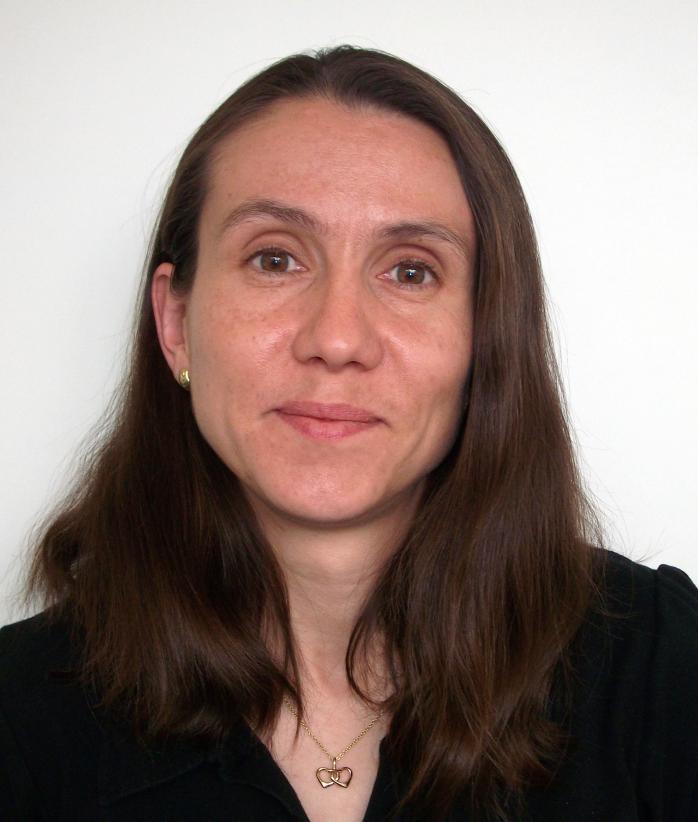
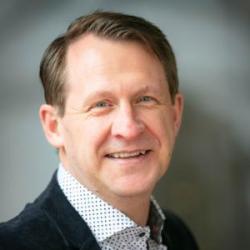
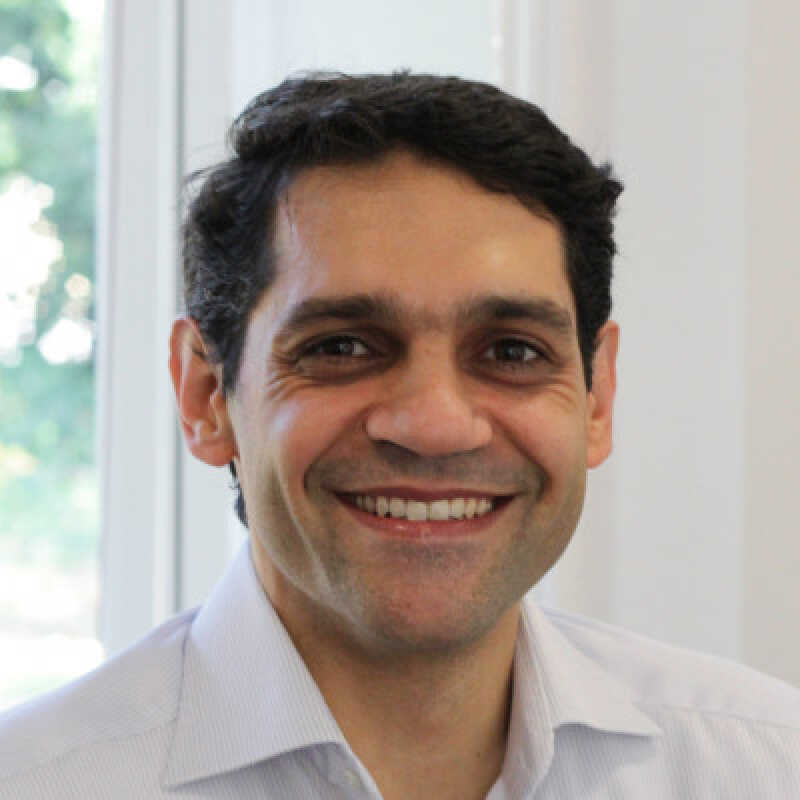
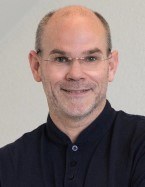
Pierre Mégevand is a Professor and group leader at the Faculty of Medicine, University of Geneva, where he leads the Human Neuron Lab. His research is centered on understanding the neural mechanisms underlying human cognition and epilepsy, using intracranial recordings from awake patients. He is actively involved in both clinical and basic neuroscience research, with a focus on speech, language, and seizure dynamics. His research interests span cognitive neuroscience, clinical neurophysiology, and neuroengineering. He investigates how neurons encode sensory stimuli and behavioral responses, particularly in the context of speech and language. His lab uses stereo-EEG and microelectrode recordings to identify seizure-specific neural patterns and develop patient-tailored biomarkers for seizure detection and prediction. Key areas include multisensory integration, functional brain networks in epilepsy, and neural decoding of imagined speech. His recent publications reflect a strong trend in human intracranial electrophysiology, with studies on audiovisual illusions, electrode localization tools, functional networks in epilepsy, and neural correlates of speech and emotion. His work combines clinical data with advanced computational methods to uncover the dynamics of human brain function. Among his scientific contributions are methodological advancements and clinical insights in epilepsy monitoring and treatment. Though no specific awards are listed, his publications in top journals like Nature Communications and Epilepsia indicate high recognition in the field. Mégevand advises graduate students and postdoctoral researchers, including Lora Fanda and Jonathan Monney. His lab collaborates on grants related to neurotechnology, brain-computer interfaces, and epilepsy research, though specific grant details are not provided. He is part of a multidisciplinary team at the University of Geneva that includes engineers, neurologists, and neurosurgeons. The Human Neuron Lab, based at the Centre Médical Universitaire (CMU), is equipped for advanced human electrophysiology studies. The team includes a master assistant, graduate students, and postdoctoral researchers, reflecting an active and collaborative research environment focused on translational neuroscience.