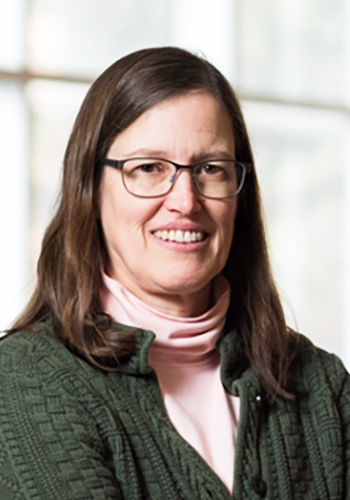
Belkis Ezgi Arikan is a researcher at Justus Liebig University Giessen , affiliated with the Department of Psychology and Sports Science . Her work focuses on sensorimotor integration, tactile suppression, and neural mechanisms underlying action-outcome monitoring. She collaborates with Prof. Dr. Fiehler and Dr. Voudouris on project A4 (Predictive somatosensory processing during voluntary movements). Department: Psychology and Sports Science Collaborators: Dr. Dimitris Voudouris, Prof. Dr. Katja Fiehler Her research investigates: How the brain processes self-generated vs. externally generated sensory feedback Neural correlates of tactile suppression networks Role of cerebellum and angular gyrus in temporal recalibration Modulation of BOLD responses during action monitoring Recent publications reveal trends in predictive coding , sensorimotor recalibration , and neural suppression mechanisms across tactile, visual, and multisensory domains. Her work employs neuroimaging techniques like fMRI and behavioral paradigms to study self-motion perception and feedback processing. She contributes to understanding how the brain distinguishes self-initiated from external sensory events, with implications for motor learning and perceptual timing mechanisms.
Donguk Lee is an Assistant Professor in the Department of Audiology and Speech Language Pathology at the University of North Texas. He holds a Ph.D. from the University of Tennessee Health Science Center (2023) and previously worked as an audiologist in clinical and hearing aid settings. He also served as a medic in the South Korean Navy, providing medical support in naval and land-based environments. His research focuses on preventing noise-induced hearing loss through studies of auditory efferent systems, leveraging techniques like otoacoustic emissions and auditory evoked potentials. Dr. Lee’s work addresses both clinical and environmental aspects of hearing conservation. His recent studies explore variability in medial olivocochlear reflex responses to noise exposure and the interplay between efferent unmasking and cortical processing. Earlier work assessed noise levels in stadiums, subways, and other public spaces, linking environmental noise to hearing health risks and public attitudes. He was awarded the 2022 Student Research Grant in Audiology from ASHA for his innovative contributions to hearing loss prevention. His articles span from 2014 to 2023, reflecting a trajectory from hearing aid technology development to advanced auditory physiology and environmental noise policy implications.
Professor Guy Brown is Chair of Computer Science at the University of Sheffield's School of Computer Science. He holds a BSc in Applied Science (1984), PhD in Computer Science (1992), and MEd in Teaching and Learning (1997). His research focuses on Computational Auditory Scene Analysis (CASA), noise-robust speech recognition, auditory modeling, and binaural processing. Research interests include: Machine hearing systems for sound source separation Reverberation-robust speech processing Auditory scene analysis models for normal/impaired hearing Applications in robotics and healthcare technologies Publication trends show recent focus on deep learning approaches for biomedical applications including sleep apnea detection, respiratory sound analysis, and multimodal health monitoring systems using neural networks. Honors include: University Senate Award for Excellence in Teaching (2014) Microsoft Software Engineering Innovation Award (2013) He leads doctoral supervision for 15+ students and has secured research funding from EPSRC, Innovate UK, EU FP7, and AHRC. Manages the Speech and Hearing research group and has held visiting positions at international institutions including LIMSI-CNRS and ATR Japan.
Trygve Brauns Leergaard is a Professor at the Department of Molecular Medicine, Institute of Basic Medical Sciences, University of Oslo. His academic work focuses on neuroanatomy, brain connectivity mapping, morphological phenotyping, and neuroinformatics, particularly in rodent models. MD, University of Leiden (1996) PhD, University of Oslo (2000) Research Interests: Leergaard specializes in digital brain atlasing, histological validation of neuroimaging, and neuroinformatics. His work bridges computational methods with neuroanatomical studies, emphasizing standardization of brain mapping techniques. Recent Publications: His 2024–2025 research includes developing spatial integration workflows, comparative brain atlas metadata models, and developmental mouse brain atlases. Earlier work (2018–2023) explored neurodegenerative disease models, brain tumor growth patterns, and Parkinson's disease mechanisms. Laboratory & Collaborations: He co-leads the Neural Systems and Graphics Computing Laboratory and collaborates internationally with institutions including UC San Diego, Duke University, and NTNU.
Liman Liu is an Associate Research Scientist at the Yale School of Medicine, affiliated with the Department of Internal Medicine at Yale University. Their research focuses on auditory system physiology, neurodegenerative diseases, and inner ear biology. Key projects include investigating hearing sensitivity mechanisms, Alzheimer’s disease biomarkers, and the impact of genetic mutations on cochlear function. Research interests span hearing protection mechanisms, genetic influences on auditory disorders, and the intersection of neuroscience with otolaryngology. Notable contributions include studies on Cx26 mutations and hyperacusis, efferent neuron roles in hearing protection, and early Alzheimer’s detection via auditory deficits. Liu’s work integrates molecular biology, electrophysiology, and animal models to address hearing loss and neurodegenerative challenges. Collaborative efforts aim to advance therapies for ototoxicity and neurosensory disorders.
Skyler G. Jennings, Au.D., Ph.D., serves as an Adjunct Professor in the Department of Surgery at the University of Utah. His academic work focuses on auditory neuroscience and audiology, specifically investigating speech perception mechanisms in noisy environments and the role of the medial olivocochlear reflex in auditory adaptation. Dr. Jennings completed his undergraduate education at the University of Utah and Utah State University, followed by graduate studies at Purdue University where he earned his master's degree, clinical doctorate in Audiology (Au.D.), and Ph.D. His research program centers on understanding how the auditory system calibrates to changing acoustic soundscapes, with particular emphasis on why individuals with cochlear hearing impairment struggle to adapt due to compromised outer hair cell function affecting efferent feedback mechanisms. Analysis of his 14 publications (2009-2019) reveals consistent investigation into auditory processing in noise, cochlear mechanics, and hearing loss effects. Key research themes include amplitude modulation detection, overshoot phenomena, auditory filter tuning, and computational modeling of individual differences. His work demonstrates how notched-noise precursors improve low-frequency modulation detection and reveals sharper cochlear tuning in musicians, with significant implications for hearing assistive technologies. Dr. Jennings has contributed to methodological advancements in auditory research through the development of the PsyAcoustX MATLAB toolbox for psychoacoustic experimentation. His collaborative research with investigators including Bidelman, Strickland, and Dubno spans auditory neuroscience, computational modeling, and clinical audiology applications.
Suzanne Miller is an Associate Professor in the Department of Communication Sciences and Disorders at St. John's University, part of the College of Liberal Arts and Sciences. She serves as Program Director for the New York AuD Consortium, collaborating with Adelphi, Hofstra, and St. John’s Universities. Dr. Miller is a licensed audiologist in New York and a member of the American Speech-Language-Hearing Association (ASHA). Her education includes a Ph.D. in Speech-Language-Hearing Sciences from the CUNY Graduate Center, an M.A. in Audiology from St. John’s University, and a B.A. from Boston College. Her research focuses on objective hearing assessments, electrophysiological measures of auditory processing, and understanding speech-in-noise deficits in clinical populations. Dr. Miller’s publications explore topics such as hearing aid efficacy in pediatric populations, noise-induced hearing loss prevention, and the effects of middle ear pressure on auditory measurements. Her work bridges clinical practice with cutting-edge research in audiological diagnostics, emphasizing translational applications for patient care. She is actively involved in interprofessional education initiatives, particularly training pharmacy students to address hearing loss in aging populations. Her academic contributions include advancing methodologies for detecting middle ear muscle activation and refining wideband acoustic immittance techniques. Dr. Miller also advocates for public health initiatives to raise awareness about noise-induced hearing loss among commuters and occupational groups.
Prof. Bianca van Kemenade leads the Systems Neuroscience of Action and Perception (SNAP) Lab at Justus Liebig University Giessen's School of Medicine. Her research focuses on action-based predictions, self-generated vs externally generated stimuli distinction, and neural mechanisms in schizophrenia spectrum disorders. Investigates how actions shape sensory perception through predictive coding Examines cerebellar and cortical contributions to sensorimotor processing Develops interventions for schizophrenia using neuroimaging techniques Recent work analyzes BOLD responses during visual feedback processing (2022-2025), explores speech-gesture matching networks (2024), and compares discrete vs continuous action feedback (2021). The lab employs fMRI, TMS, and behavioral methods. Current team members include postdoc Gizem Yildiz , PhD student Juan Carlo Cabato , and research assistants Sirine Nouira and Viktoria Zizer .
Max Planck Florida Institute for NeuroscienceUnited States
Dr. Alexandra Gribizis is a Postdoctoral Fellow at the Max Planck Florida Institute (MPFI). Her research focuses on neurodevelopmental processes in sensory systems, particularly the visual and auditory systems. She investigates how spontaneous activity and sensory input contribute to the maturation of neural circuits and the emergence of functional connectivity. Her research interests include the development of visual and auditory systems, mechanisms of homeostatic control in neural activity, and the application of neuroimaging techniques to study epileptogenesis and seizure mechanisms. She has contributed to understanding how retinal waves simulate future optic flow, the role of efferent feedback in auditory systems, and the independence of visual cortex activity from peripheral input before eye opening. Dr. Gribizis has published on topics such as neuroimaging biomarkers for epilepsy and strategies to prevent epileptogenesis. Her work bridges developmental neuroscience and clinical applications, aiming to uncover fundamental mechanisms underlying sensory system maturation and neurological disorders. No scientific awards were mentioned in the provided information. Advising roles and grant activities are not detailed in the available information. She is affiliated with the MPFI, contributing to research in neuroscience and neurodevelopment.
J. Christopher Holt is an Associate Professor in the Department of Otolaryngology at the University of Rochester School of Medicine and Dentistry. He leads the Holt Lab, which focuses on the synaptic pharmacology of the vestibular apparatus, investigating how efferent feedback mechanisms modulate sensory input to the brain. Education: Ph.D. in Pharmacology from Tulane University School of Medicine (1994-1999) Postdoctoral Training at University of Chicago (2000-2005) M.S. in Biology from University of Louisiana at Monroe (1991-1994) B.S. in Biology and Chemistry from University of North Carolina at Pembroke (1986-1991) Holt's research centers on the cellular and molecular mechanisms of synaptic transmission in the vestibular periphery. His work examines how efferent feedback mechanisms modulate sensory information regarding head position and movement. The vestibular system, which begins as small detectors in the inner ear, is endowed with prominent efferent innervation whose functional role is relatively unknown. Holt's lab takes a reductionistic approach to address vestibular efferent system function from multiple vantage points: identifying receptor mechanisms, characterizing how these mechanisms modulate afferent response properties, identifying efferent discharge patterns, and developing behavioral assays for monitoring vestibular efferent function. His recent publications reveal a consistent focus on cholinergic mechanisms in vestibular function, with particular attention to how efferent pathways modulate afferent responses. There's a clear progression from basic mechanistic studies in animal models toward understanding these processes in mammals, including humans. A significant theme across his work is the role of specific receptor types (particularly nicotinic and muscarinic acetylcholine receptors) and their downstream effectors in generating different afferent responses to efferent stimulation. Scientific Awards: Advanced Predoctoral Fellowship (1997-1999) James F. Ebert Award (1989) J.P. Stevens Scholarship (1989-1990) Chancellor's Scholar Program (1986-1991) Holt mentors graduate students and postdoctoral scholars in neurophysiological, pharmacological, and immunohistochemical methods for studying vestibular synaptic transmission. His lab provides training in multiple animal models and computational techniques for data analysis. The lab has multiple ongoing projects examining efferent receptors and synaptic mechanisms, modification of vestibular output during efferent stimulation, characterization of vestibular efferent neurons, and behavioral assessment of efferent function. The Holt Lab maintains strong affiliations with multiple departments and programs at the University of Rochester, including Neuroscience, the Del Monte Institute for Neuroscience, Cellular and Molecular Pharmacology and Physiology, and various PhD programs. This multidisciplinary approach allows for comprehensive investigation of vestibular function from molecular to behavioral levels.
Choongheon Lee is an Assistant Professor of Research in the Department of Mechanical Engineering at the University of Rochester’s Hajim School of Engineering & Applied Sciences. His research focuses on understanding vestibular and auditory system functions, with particular emphasis on peripheral vestibular function assessment, inner ear drug delivery, and pharmacological interventions for hearing and balance disorders. His work integrates biomechanical, electrophysiological, and pharmacological approaches to study inner ear physiology and develop therapeutic strategies. Education details are not explicitly listed in the provided information, but his current academic role reflects advanced training in biomedical engineering or related fields. Research interests include drug delivery mechanisms in the inner ear, pharmacological modulation of vestibular responses, and the neurobiology of hearing disorders. He employs animal models such as guinea pigs and mice to investigate endolymphatic hydrops, cochlear synapse loss, and the effects of therapeutic agents on sensory pathways. His recent publications explore topics such as cochlear fluid dynamics, the role of KCNQ2/3 ion channels in vestibular function, and the impact of CGRP on sensory hypersensitivity. While no awards are explicitly mentioned, his active research portfolio indicates contributions to understanding balance and hearing mechanisms. Advising and grant details are not provided in the text, though his involvement in collaborative projects and experimental setups suggests potential interdisciplinary collaborations. Lee’s work is closely tied to laboratory research within the Hajim School, focusing on translational studies that bridge basic science and clinical applications in audiology and vestibular medicine.
Associate Professor Rebecca Lim is an academic at the University of Newcastle’s School of Biomedical Sciences and Pharmacy, specializing in Anatomy. She holds an Associate Professorship and serves as a Chief Investigator in vestibular research. Her work focuses on balance mechanisms, auditory systems, and the functional development of vestibular hair cells and neurons. Lim collaborates globally with vestibular experts and is affiliated with HMRI neuroscientists. She supervises multiple PhD students and coordinates the Anatomy course for Biomedical Sciences. Additionally, she is a faculty member of the Australian Course in Advanced Neuroscience (ACAN), training early-career researchers. Education: PhD (Australian National University) Bachelor of Science (Honours) and Bachelor of Science (University of Newcastle) Research Interests: Lim’s research explores sensory neurobiology, particularly the vestibular system’s central and peripheral components. She employs immunofluorescent labeling and microscopy to study neuronal proteins in the inner ear and brain. Her recent work includes NHMRC-funded studies on vestibular hair cell development and the role of central vestibular neurons in postural control. She investigates aging effects on vestibular function and motion sickness susceptibility, leveraging mouse models to dissect synaptic and circuit-level mechanisms. Publications & Grants: Lim has authored over 70 articles, including studies on efferent vestibular system anatomy, neurofilament changes in Parkinson’s disease, and organoid models of reproductive systems. She secured NHMRC grants totaling ~$4.1M for projects like targeting vestibular schwannoma, efferent system therapies for balance disorders, and bioelectronic neural interfaces. Current grants focus on drug delivery systems and precision neuromodulation. Teaching & Outreach: Besides undergraduate anatomy and neuroscience courses, Lim mentors third-year research students and oversees thesis supervision. Her ACAN role emphasizes advanced neuroscience training for early researchers. Labs & Collaborations: Lim’s research integrates with Hunter Medical Research Institute (HMRI) and international teams. She uses cutting-edge techniques like rotary cell culture systems for inner ear organoids and organic semiconductor-based neural interfaces to bridge basic science with clinical applications in balance disorders.
John Culling is Professor at Cardiff University's School of Psychology, specializing in psychoacoustics, binaural hearing, and speech perception in noise. His research investigates perceptual mechanisms enabling speech understanding in challenging auditory environments like reverberant rooms, with applications in hearing aid design and cochlear implant technology. Research focuses on: Cocktail-party problem solutions Binaural unmasking mechanisms Effects of reverberation on speech segregation Fundamental frequency differences in voice separation Hearing impairment compensation strategies Publication analysis reveals consistent focus on auditory perception in complex soundscapes, with recent work emphasizing computational modeling, assistive device optimization, and neurophysiological underpinnings of hearing. Scientific honors include: Fellow of the Hanse Wissenschaftskolleg Fellow of the Acoustical Society of America Current PhD supervision includes Ryab Barnsley's work on bone-conduction hearing aids. Major grants secured: EPSRC: 'Physiologically inspired hearing loss simulation' (£366K, PI) Leverhulme Trust: 'Active audiovisual perception' (£239K, Co-I) Oticon Foundation: 'Bilateral cochlear implants' (£139K, PI) Collaborates internationally with researchers in auditory science including Dr Mathieu Lavandier (Lyon) and Prof. Jon Barker (Sheffield).
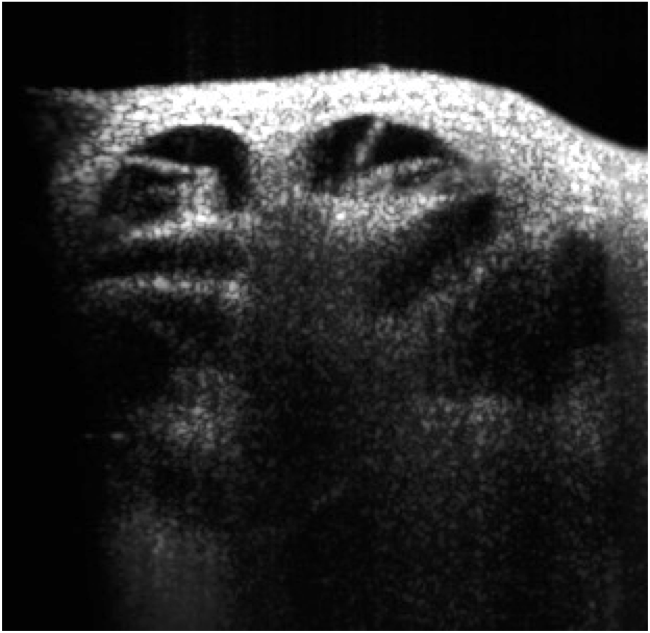
James B. Dewey, PhD, is an Assistant Professor of Otolaryngology-Head and Neck Surgery at the University of Southern California (USC) and Principal Investigator of the Dewey Lab. His research focuses on cochlear mechanics, auditory perception, and the role of outer hair cells in hearing amplification and otoacoustic emissions. PhD in Communication Sciences and Disorders from Northwestern University Postdoctoral training at Stanford University and USC under Dr. John Oghalai Techniques: optical coherence tomography, mouse models, auditory diagnostics His work explores the mechanical processes of sound vibration amplification in the cochlea and how these mechanisms are disrupted in hearing loss. Current projects investigate spatial variations in outer hair cell force coupling and the role of cochlear microstructures in auditory function. Dewey's publications highlight trends in auditory research, including nonlinear mechanics, otoacoustic emissions, and cochlear frequency tuning. He teaches OHNS 500: Neuroanatomy and Neurophysiology in Speech, Language and Hearing . Email: jamesdew@usc.edu Affiliation: Zilkha Neurogenetic Institute, USC Health Sciences Campus
Laurel H. Carney is the Marylou Ingram Professor in Biomedical Engineering and holds joint appointments in Neuroscience at the University of Rochester's Hajim School of Engineering & Applied Sciences. She earned her B.S. in Electrical Engineering from MIT, followed by M.S. and Ph.D. degrees in Electrical Engineering from the University of Wisconsin-Madison. Her postdoctoral training in Psychology at the University of Pennsylvania preceded faculty roles at Boston University (1991–2004), Syracuse University (2004–2007), and her current position at the University of Rochester (2007–present). Her research integrates neurophysiological, behavioral, and computational approaches to understand neural mechanisms underlying sound perception, particularly in complex acoustic environments. Key interests include auditory neuroscience, signal processing for hearing aids, and the design of physiologically based strategies to aid hearing-impaired listeners. Her work bridges behavioral limits, neural coding, and computational modeling to address challenges in hearing loss compensation. Dr. Carney has received prestigious awards, including Outstanding Professor of the Year at Boston University and the University of Rochester, and is a Fellow of the Acoustical Society of America and the American Institute for Medical and Biological Engineering. Her lab focuses on detecting acoustic signals in noise, amplitude fluctuation perception, and developing computational models to enhance hearing aid technologies. Her research has led to advancements in understanding neural fluctuation cues, envelope processing, and the role of midbrain neurons in speech perception. Ongoing projects include modeling subcortical auditory pathways with efferent gain control and applying deep learning frameworks for hearing loss mitigation.