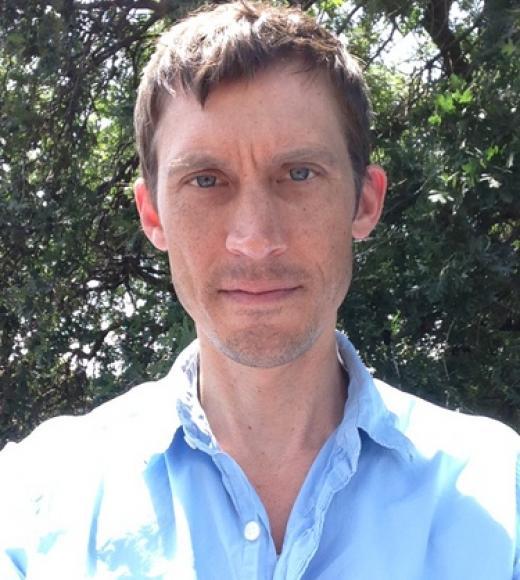
Lee Miller is a Professor in the Department of Neurobiology, Physiology, and Behavior at the University of California, Davis, College of Biological Sciences. His research integrates neural engineering, physiology, and computational methods to develop communication restoration technologies and investigate sensory processing mechanisms. His primary research interests include neural engineering for speech neuroprosthetics, electrophysiological analysis of speech production, auditory neuroscience, and geometric approaches to neuromuscular signal decoding. He employs surface electromyography (EMG), electroencephalography (EEG), and computational modeling to study brain-machine interfaces for speech restoration and multisensory integration. Recent publications reveal a dominant focus on EMG-based speech neuroprostheses, with geometric and topological analysis of neuromuscular signals emerging as a key methodology. His lab has pioneered non-invasive approaches to speech articulation decoding, created standardized EMG databases, and investigated neural mechanisms of attention in speech-in-noise processing. This work bridges engineering innovation with fundamental neuroscience to address communication disorders. Professor Miller leads the Miller Lab at UC Davis, which specializes in neural engineering for communication restoration. The lab develops real-time speech synthesis systems from neural signals and investigates the physiological basis of speech production and perception using multimodal recording techniques.
Andrea Megela Simmons is a Professor at Brown University in the Department of Cognitive, Linguistic, and Psychological Sciences with a secondary appointment in the Department of Neuroscience . She is a member of the Carney Institute for Brain Science and serves as a Principal Investigator on an ONR MURI project. Education : A.B. from the University of Pennsylvania (1973), Ph.D. from Harvard University (1978), Postdoctoral research at Cornell University Simmons specializes in cognitive and neural mechanisms of sound perception and communication across species including frogs, bats, dolphins, and humans. Her work bridges behavioral neuroscience, comparative neurology, and developmental studies to explore auditory processing, echolocation, and sensory integration. Her recent publications highlight interdisciplinary trends in auditory neuroscience, focusing on sound exposure effects, metamorphic neurodevelopment, and sensory-motor coordination in cluttered environments. Key subfields include echolocation, lateral line function, tectal connectivity, and acoustic adaptation across species. Scientific Awards : Fellow, Acoustical Society of America Simmons has received grants from the Office of Naval Research (ONR) for MURI projects and has taught courses such as Animal Behavior , Evolution and Development of the Brain , and Auditory Perception Laboratory .
Stéphanie P. Lacour is a Full Professor at the School of Engineering, École Polytechnique Fédérale de Lausanne (EPFL), where she holds the Foundation Bertarelli Chair in Neuroprosthetic Technology. She leads the Laboratory of Soft Bioelectronic Interfaces (LSBI) and is affiliated with multiple departments including INX-STI, STI-SMT, SV-SSV, and AVP-DLE-EDOC. Since 2025, she has served as EPFL’s Vice-President for Support to Strategic Initiatives, overseeing institutional research strategy. Her research is centered at Campus Biotech in Geneva, where she was the founding director of the Neuro-X Institute. PhD in Electrical Engineering, INSA Lyon, France (1998–2001) Postdoctoral Research, Princeton University and University of Cambridge Joined EPFL in 2011 Her research focuses on soft bioelectronic interfaces that seamlessly integrate with biological tissues. She pioneers the development of stretchable, compliant electronics for implantable and wearable applications, using techniques from MEMS and microelectronics adapted to elastomeric substrates. Her work enables long-term, minimally invasive neural interfacing for applications in neuroprosthetics, rehabilitation, and health monitoring. Key innovations include soft electrocorticography arrays, liquid metal sensors, and encapsulation methods for chronic implants. Her recent publications span high-impact journals such as Nature , Science Robotics , Advanced Materials , and Nature Nanotechnology , covering topics like neural stimulation, soft robotics, wireless implants, and hydrogel-based interfaces . The work demonstrates a strong trend toward multimodal, closed-loop, and translational neurotechnologies with real-world clinical potential. Scientific Awards: No scientific awards explicitly mentioned in the provided text. She advises a large cohort of PhD students and postdoctoral researchers, many of whom have completed their theses under her supervision. Her team has received funding for projects in neural interfacing, bioelectronics, and soft robotics. She is actively involved in teaching courses such as Soft Microsystems Processing and Devices and Neural Interfaces . Lacour leads the Laboratory of Soft Bioelectronic Interfaces (LSBI) , a multidisciplinary research team focused on the fabrication, characterization, and in vivo evaluation of soft bioelectronic systems. The lab collaborates extensively across EPFL and with clinical partners to translate technologies from bench to bedside.
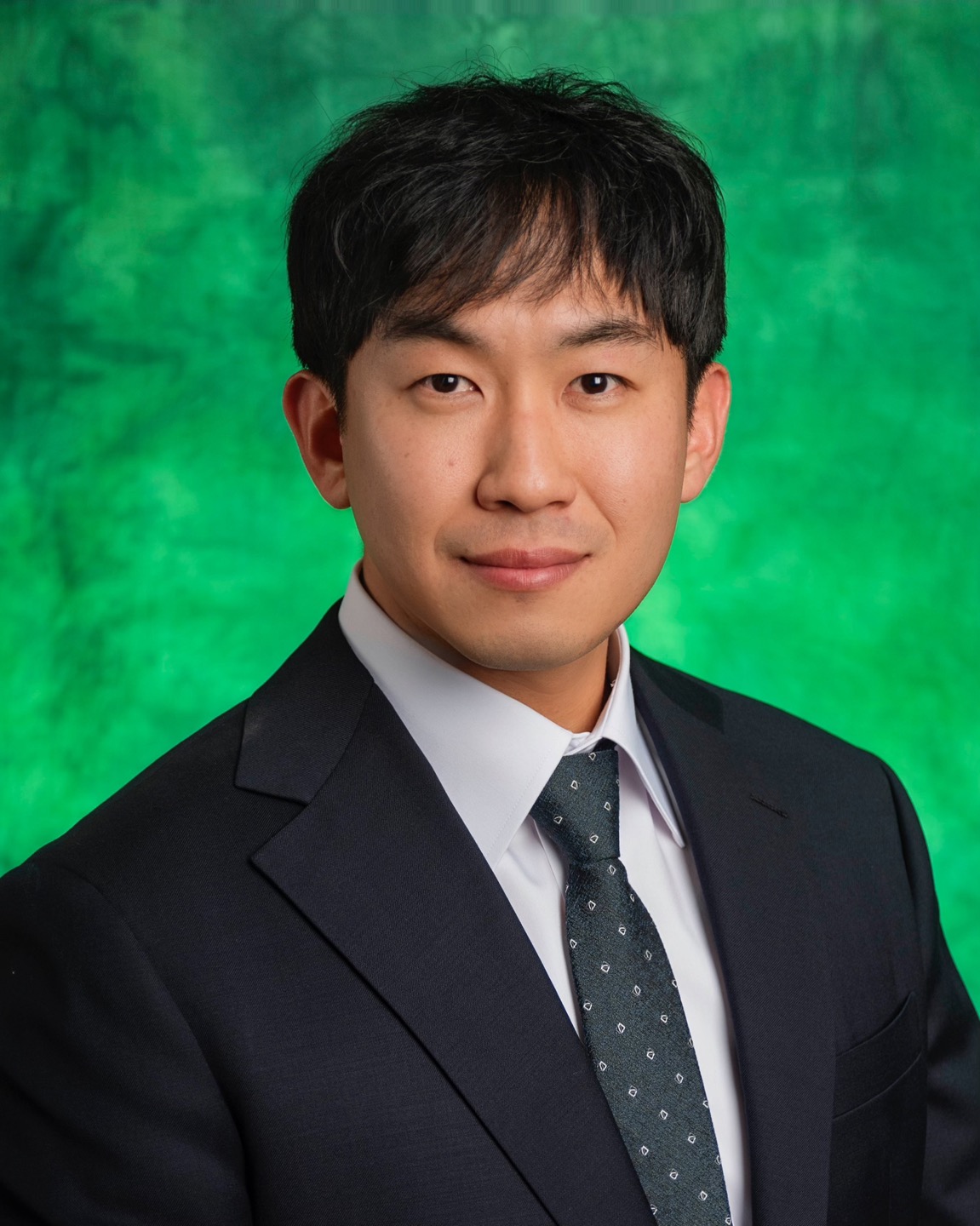
Donguk Lee is an Assistant Professor in the Department of Audiology and Speech Language Pathology at the University of North Texas. He holds a Ph.D. from the University of Tennessee Health Science Center (2023) and previously worked as an audiologist in clinical and hearing aid settings. He also served as a medic in the South Korean Navy, providing medical support in naval and land-based environments. His research focuses on preventing noise-induced hearing loss through studies of auditory efferent systems, leveraging techniques like otoacoustic emissions and auditory evoked potentials. Dr. Lee’s work addresses both clinical and environmental aspects of hearing conservation. His recent studies explore variability in medial olivocochlear reflex responses to noise exposure and the interplay between efferent unmasking and cortical processing. Earlier work assessed noise levels in stadiums, subways, and other public spaces, linking environmental noise to hearing health risks and public attitudes. He was awarded the 2022 Student Research Grant in Audiology from ASHA for his innovative contributions to hearing loss prevention. His articles span from 2014 to 2023, reflecting a trajectory from hearing aid technology development to advanced auditory physiology and environmental noise policy implications.
Dr. Conny Kopp-Scheinpflug is an Associate Professor (PD) at the Faculty of Biology, Ludwig Maximilian University of Munich, where she leads a research group focused on auditory neuroscience. Her laboratory investigates the function and mechanisms of activity-dependent neuromodulation in the mammalian auditory system, with particular interest in how ambient sensory stimulation activates neuromodulators and how these influence neural processing of relevant information. Dr. Kopp-Scheinpflug's research spans auditory neuroscience, neuromodulation, neuronal excitability, and synaptic transmission. She employs electrophysiological (single cell in vivo and patch clamp in brain slices), anatomical, and optogenetic techniques to study how hyper- or hypo stimulation lead to acquisition or loss of function in the auditory system. Her work has significant implications for understanding and potentially treating functional disorders of neuronal excitability. Current research examines potassium channels, nitric oxide signaling, and neuromodulators like urocortin 3 in auditory processing. Analysis of Dr. Kopp-Scheinpflug's recent publications (2016-2022) reveals consistent focus on auditory processing mechanisms, particularly potassium channels (Kv3.1, Kv3.3, Kv1.1), nitric oxide signaling, and activity-dependent changes in myelination. Her research spans molecular mechanisms to systems-level auditory processing, with emphasis on sound localization, temporal processing, and recovery from hearing impairment. Key findings include how sound-evoked activity influences myelination, how nitric oxide regulates postsynaptic excitability, and how urocortin 3 aids hearing recovery. Dr. Kopp-Scheinpflug has secured funding from multiple research agencies. She maintains active collaborations with researchers at Lehigh University (Michael Burger Lab), University of Edinburgh (Matthias Hennig Lab), Ben-Gurion University of the Negev (Michal Hershfinkel Lab), and UCL (Dr. Jennifer Linden). Her laboratory currently includes Ezhilarasan Rajaram, Dr. Mihai Stancu, Oskar Kalle Juhani Markkula, Sara Pagella, and Katharine Krueger. Past lab members who have completed their training include Dr. James Sinclair, Dr. Matthew Fischl, Max Bayer, Alkmini Damkou, Alyahyay Mansour, Leander Mrowka, Joseph Kroeger, and Myriam Schmidt-Pauly.
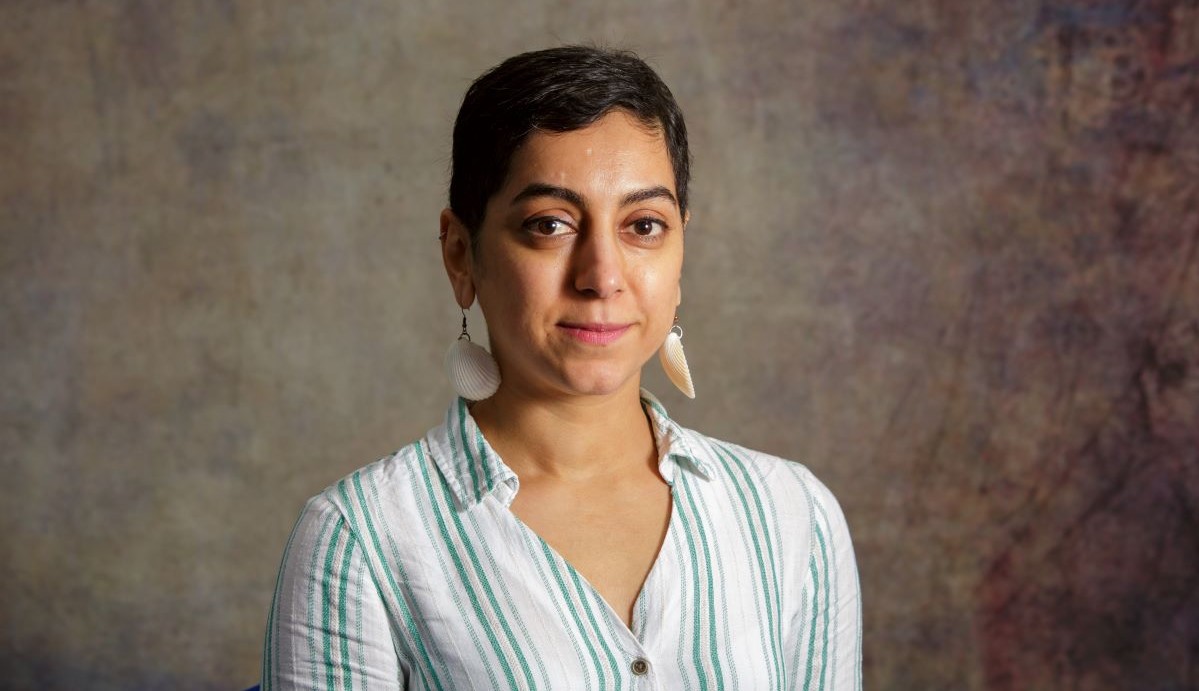
Fatemeh Mollaei is a Lecturer in Clinical Language Sciences at the University of Reading, affiliated with the School of Psychology and Clinical Language Sciences. She is a core member of the Centre for Integrative Neuroscience and Neurodynamics (CINN), focusing on neurophysiological mechanisms of speech disorders. Her work integrates behavioral, electrophysiological, and neuroimaging techniques to study Parkinson’s disease (PD) and develops neuro-rehabilitation methods using non-invasive brain stimulation (e.g., TMS, tDCS). Her research explores how sensory and motor systems interact during speech production in PD, employing tools like EEG, fMRI, and MEG. She investigates microstructural white matter changes and auditory processing deficits linked to speech impairments, aiming to translate findings into clinical interventions. Her studies also address broader topics like sensorimotor adaptation and stuttering, emphasizing translational neuroscience. Publications highlight trends in neuroimaging of speech disorders, auditory feedback mechanisms, and neuroplasticity in PD. While no formal awards are listed, her contributions to understanding speech motor control and rehabilitation practices are significant. Advising and grant details are not explicitly provided, but her involvement in interdisciplinary CINN projects suggests active collaborative research. Labs/Teams: Active contributor to the Centre for Integrative Neuroscience and Neurodynamics (CINN) at the University of Reading, collaborating on translational neuroscience projects.
Mario A. Svirsky is the Noel L. Cohen Professor of Hearing Science and Professor of Neuroscience at NYU Grossman School of Medicine. He leads the Laboratory for Translational Auditory Research, focusing on auditory neural prostheses like cochlear implants and their impact on speech perception and neuroplasticity. His work bridges clinical care and scientific discovery, addressing how the brain adapts to sensory deprivation and degraded auditory input. Education: PhD in Biomedical Engineering from Tulane University (1988). Postdoctoral training at MIT and prior academic appointments at Indiana University and Purdue University before joining NYU in 2005. Research: Explores cochlear implant performance optimization, speech perception in hearing-impaired individuals, and neuroplasticity mechanisms. Collaborates with the Froemke Lab on animal models of cochlear implantation. Active in developing computational models and signal processing techniques to improve implant efficacy. Funding: Principal investigator on multiple NIH grants (e.g., R01 DC016839, R01 DC016834) and industry partnerships. His lab’s work has advanced clinical management strategies for cochlear implant users, including those with contralateral hearing aids. Labs/Teams: Directs the Laboratory for Translational Auditory Research, collaborating with multidisciplinary teams including engineers, neuroscientists, and clinical audiologists. Mentors postdocs, audiologists, and medical students in auditory research.
Lee M. Miller is a Professor and Vice Chair of Academic Affairs in the Department of Neurobiology, Physiology and Behavior at the University of California, Davis, affiliated with the Center for Mind and Brain. His research focuses on neuroengineering, computational neuroscience, and neural mechanisms underlying attention, speech processing, and multisensory integration. Research interests include the development of neural prosthetics, decoding of neuromuscular signals for prosthetic control, and understanding how auditory and visual systems interact during speech perception and attentional processes. His work bridges clinical applications (e.g., cochlear implants) with fundamental neuroscience, leveraging tools like electrophysiological recordings, EEG/MEG, and advanced signal processing techniques. Recent publications highlight innovations in electromyographic speech neuroprosthetics, the topology of neuromuscular signals, and the neural basis of speech-in-noise processing. Miller’s studies emphasize translational potential, such as improving speech synthesis from brain signals and designing haptic feedback systems for motor coordination. His contributions have advanced understanding of neural mechanisms in sensory integration, auditory attention, and the impact of cognitive factors on perception. Miller maintains a lab dedicated to these interdisciplinary efforts, with a focus on both basic science and clinical applications.
Richard Kempter is a Full Professor at the Humboldt-Universität zu Berlin, where he leads the Theoretical Neuroscience research group within the Institute for Theoretical Biology, Department of Biology. His research focuses on the neural basis of learning and memory through computational and mathematical modeling of synapses, neurons, and neural networks. He is affiliated with several major research centers including the Bernstein Center for Computational Neuroscience, the Einstein Center for Neurosciences Berlin, and the CRC 1315 Memory Consolidation. Professor Kempter's research interests span theoretical and computational neuroscience with a particular focus on the neural mechanisms underlying learning and memory. His work employs biophysical modeling and mathematical analysis to study synaptic short- and long-term plasticity, the dynamics of single neurons, and the interaction of neurons in recurrently coupled networks. A key aspect of his research investigates how neural systems maintain a balance between learning susceptibility and stability against pathological activity patterns, with model systems including the hippocampus and early auditory system. His research group has made significant contributions to understanding hippocampal sharp wave-ripple events, phase precession in spatial navigation, auditory processing in barn owls, and memory consolidation mechanisms. The group's work combines theoretical approaches with computer simulations to unravel the computational principles of neural circuits, showing particular interest in how neural tissue remains susceptible to learning while maintaining robust stability against pathological activity patterns. Scholarship of the State of Bavaria (03/1994-12/1995) Emmy Noether Fellowship Part I (09/1999-08/2001), funded by the Deutsche Forschungsgemeinschaft Emmy Noether Fellowship Part II (01/2003-09/2008) Guest Professor , HU Berlin, Department of Biology (10/2008-03/2010) Professor Kempter has advised numerous PhD and Master's students throughout his career, with many continuing in neuroscience research. His group maintains strong connections with experimental laboratories to bridge computational models with empirical findings, particularly in hippocampal function and auditory processing. The Theoretical Neuroscience Lab participates in collaborative projects investigating memory consolidation and neural coding principles, contributing significantly to our understanding of how neural circuits implement computational principles underlying learning and memory.
Professor Steve Bell is a faculty member at the University of Southampton, specializing in auditory neuroscience and biomedical engineering. He leads the EPSRC-funded project 'Personalized fitting and evaluation of hearing aids with EEG responses' and is a registered Clinical Scientist. His research focuses on measuring brain responses to sound for hearing and balance system evaluation, optimizing hearing aid technologies, and improving diagnostic methods for infants and elderly patients. He manages the Hearing and Balance Centre Clinic and holds roles in professional organizations like the International Evoked Response Audiometry Study Group. Education & Roles: Professor at University of Southampton Lead researcher on EPSRC project (2015-2025) Council member, International Evoked Response Audiometry Study Group Research Interests: Steve's work centers on evoked responses in hearing and balance systems, evaluating hearing aids/cochlear implants, and developing objective neurophysiological assessment techniques. His lab explores speech processing, signal analysis, and clinical applications of EEG-based methods. Awards: Vice-Chancellor's Teaching Award (201X) Advising & Grants: Accepting PhD students in audiology and biomedical engineering. Principal investigator on EPSRC grant £X million. Collaborates with Prof. David Simpson and Dr. Ben Lineton in the Signal Processing Audio and Hearing Group. Labs & Teams: Part of the Signal Processing Audio and Hearing Group, focusing on technological innovation in auditory signal processing and audiological diagnostics.
Dr. Zhengqing Hu is a tenured, full-time Professor in the Department of Otolaryngology – Head and Neck Surgery at Wayne State University School of Medicine. He holds joint appointments in the Department of Physiology/Cell Biology and has active research programs in stem cell-based hearing restoration. Dr. Hu's academic journey includes dual MD and PhD training in China, a second PhD at Karolinska Institute, Sweden, and postdoctoral work at the University of Virginia. Education : MD from Shanghai Medical University, PhD in neurotology from China, second PhD in cell replacement therapy at Karolinska Institute Grants : NIH R01, DoD grants, VA SPiRE, and Wayne State OVPR funding His research focuses on auditory synapse regeneration , epigenetic reprogramming for hair cell repair, and development of biological hearing restoration models . The Hu lab employs stem cell biology, in vitro and in vivo transplantation, advanced microscopy, and electrophysiology to investigate inner ear progenitor cell differentiation and neural integration. Recent publications highlight DNA demethylation strategies for hair cell regeneration and auditory neuron synaptogenesis. Dr. Hu serves on multiple NIH, VA, and international grant review panels. He teaches graduate courses in Stem Cell Biology , Molecular Physiology , and Cell Biology at Wayne State University, including directing the Embryonic Stem Cell Biology course. His lab's work aims to establish a Biological-EAR model for future hearing loss treatments.
Efthymios Papatzikis is a Professor of Infant Brain Development at Oslo Metropolitan University’s Faculty of Education and International Studies. He leads the Advanced Health Intelligence and Brain-Inspired Technologies (ADEPT) Research Group, focusing on brain development in the first 1500 days of life using neuroimaging, behavioral analysis, and AI-driven tools. Research Focus: Multimodal neuroimaging (qEEG, ABR, aEEG), computational neuroscience, AI in NICU diagnostics, and personalized sound/music interventions. Collaborations: Harvard University, Martinos Center for Biomedical Imaging, UCL, and Bergen University. Editorial Roles: Associate Editor for Frontiers in Pediatric Psychology, Guest Editor for Frontiers in Pediatric Neurology. His work bridges neuroscience with clinical neonatal care, emphasizing family-centered medicine and precision diagnostics. Recent projects include EU Cost Action CA22111 on real-world environments’ impact on brain development. Scientific Awards: Fellow of the Higher Education Academy (FHEA), UK Certified Specialist in Social Prescribing by the World Health Organization He contributes to journals as reviewer and editor, co-develops computational tools for NICU EEG analysis, and advises international foundations on maternal/child health and early childhood education.
Jagath Samarabandu is a Professor in the Department of Electrical and Computer Engineering at Western University. He holds a Ph.D. and M.S. in Electrical Engineering from SUNY Buffalo, and a B.Sc. in Electronics and Telecommunication Engineering from the University of Moratuwa, Sri Lanka. His academic career spans since joining Western University in 2000, with prior post-doctoral experience at SUNY Buffalo and industry work at Life Imaging Systems Inc. Education: Ph.D. Electrical Engineering, SUNY Buffalo M.S. Electrical Engineering, SUNY Buffalo B.Sc (Eng) Electronics and Telecommunication, University of Moratuwa His research focuses on Artificial Intelligence, Machine Learning, Image Analysis, and Cyber Security , with applications in biomedical imaging, network intrusion detection, and civil infrastructure monitoring. He has supervised numerous graduate students working on topics ranging from chromosome analysis to smart grid security. Recent publications highlight his work in medical AI applications (auditory processing disorder diagnosis), industrial time-series analysis (using contrastive predictive coding), and network security frameworks (INSecS system development). He has contributed to 3D ultrasound segmentation, prostate motion compensation algorithms, and synthetic aperture radar systems. Key projects include NSERC-funded intelligent home monitoring systems for elderly care and low-cost synthetic aperture radar development for search-and-rescue applications.
Howard Nusbaum is a Professor in the Psychology Department within the Social Sciences Division at the University of Chicago. His research has focused since 1986 on perceptual learning, attention, and working memory, with significant contributions to understanding speech perception, auditory processing, and more recently, the science of wisdom. His laboratory employs a wide range of methods including high-density EEG, fMRI analysis, auditory brainstem recordings, and sophisticated speech analysis tools. Education: BA in Computer Science and Psychology from Brandeis University (1976) PhD in Cognitive Psychology from State University of New York at Buffalo (1981) Postdoctoral training in Speech, Hearing, and Sensory Communication from Indiana University (1984) Nusbaum's research investigates how humans learn and process speech and other auditory information, with particular emphasis on the role of attention, working memory, and sleep in perceptual learning. His laboratory has made groundbreaking contributions, including the first scientific evidence for sleep consolidation of generalized learning, the first behavioral evidence for functional effects of sleep consolidation in songbirds, and the discovery that adults can learn perfect pitch with this learning dependent on working memory capacity. His recent work has expanded to explore the cognitive neuroscience of wisdom, investigating how self-transcendent experiences contribute to wise reasoning. Nusbaum's publication record demonstrates consistent high-impact research across cognitive neuroscience, with recent work spanning from basic mechanisms of speech perception to broader questions about wisdom and decision-making. His research shows an evolving trajectory from foundational work on perceptual learning and speech processing toward more complex questions about higher cognitive functions and their neural underpinnings, with publications extending into 2025. Scientific Awards: 2018 Stella M. Rowley Professor of Psychology 2014 Fellow, The Psychonomic Society 2012 Llewellyn John and Harriet Manchester Quantrell Award for Excellence in Undergraduate Teaching 2009 Fellow, Association for Psychological Science 2007 Future Faculty Mentorship Award Nusbaum has successfully mentored numerous graduate students and postdoctoral trainees who have gone on to become tenured faculty at prestigious institutions worldwide. His NIH-funded research on 'Structure and Process in Speech Perception' has supported his work for many years. His laboratory provides comprehensive training in behavioral research methods, signal processing, statistical analysis, human electrophysiology, and computational modeling. The APEX (Attention, Perception, and Executive-function eXperience) lab at the University of Chicago, which Nusbaum directs, is equipped for high-density EEG measurements, fMRI data analysis, auditory brainstem recordings, and a wide range of speech analysis tools. The lab conducts research with human participants, including nap studies with polysomnography. Nusbaum also contributes to the UChicago Center for Practical Wisdom, reflecting his expanding research interests into the cognitive neuroscience of wisdom.
W Robert J Funnell serves as Associate Professor at McGill University with dual appointments in the Department of Biomedical Engineering and Department of Otolaryngology – Head and Neck Surgery. His research addresses critical clinical challenges in hearing loss through integrated experimental and computational methodologies, focusing on translational applications for infant diagnostics and surgical interventions. His expertise spans middle-ear mechanics, three-dimensional modeling of biological structures, and development of interactive medical education tools. Core methodologies include finite-element analysis, laser Doppler vibrometry, and haptic-enabled virtual reality systems. Current priorities involve improving newborn hearing screening accuracy, designing middle-ear repair techniques, and creating 3D anatomical models for surgical training – particularly in endoscopy simulation using force feedback technology. Analysis of his 2015-2024 publications reveals persistent innovation in finite-element modeling of auditory systems, with increasing emphasis on newborn ear mechanics and optical coherence tomography applications. His work bridges biomedical engineering, otolaryngology, and medical education, demonstrating consistent progression from fundamental biomechanics toward clinical implementation – notably in Quebec's newborn hearing screening programs and endoscopic sinus surgery training models.