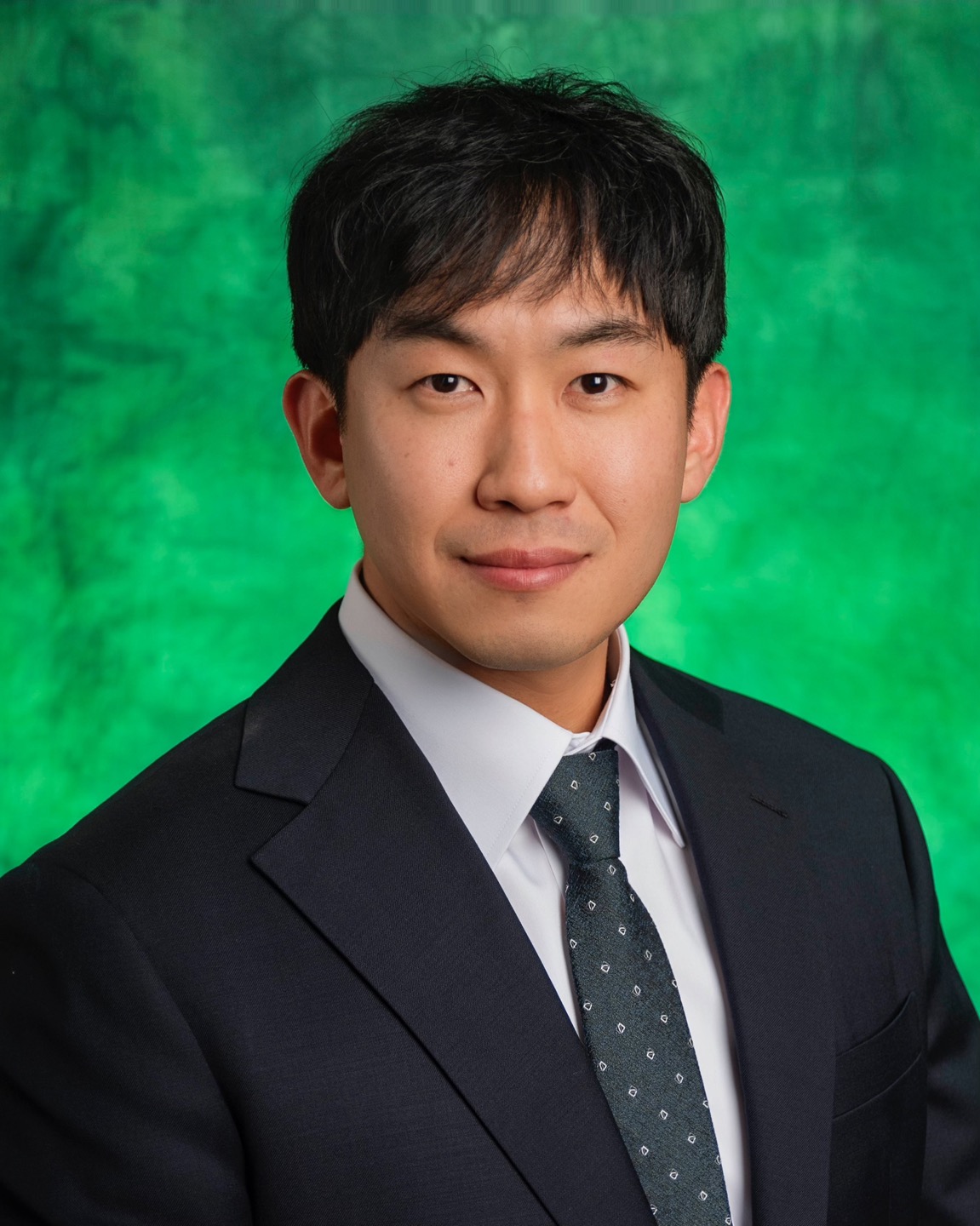
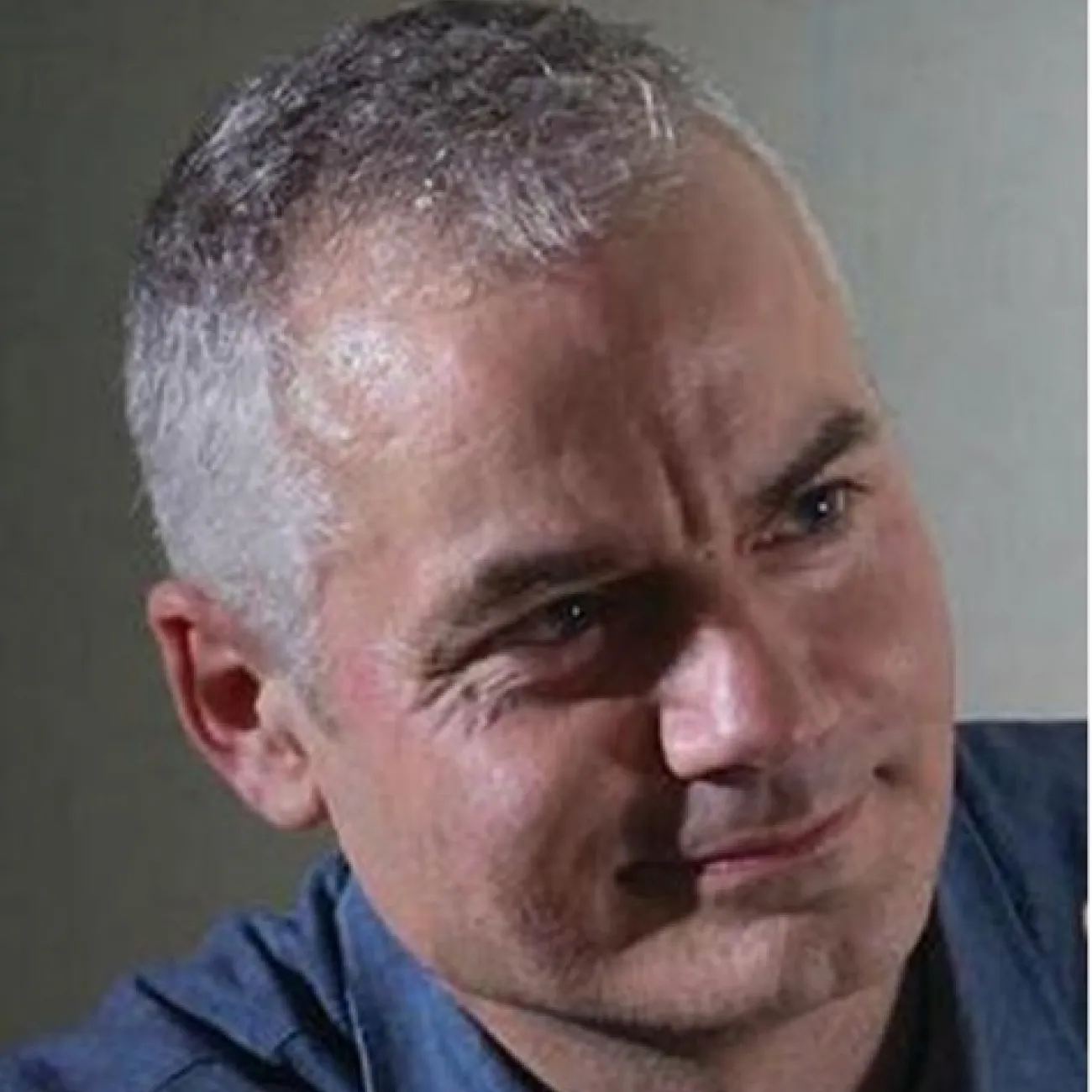
Donguk Lee is an Assistant Professor in the Department of Audiology and Speech Language Pathology at the University of North Texas. He holds a Ph.D. from the University of Tennessee Health Science Center (2023) and previously worked as an audiologist in clinical and hearing aid settings. He also served as a medic in the South Korean Navy, providing medical support in naval and land-based environments. His research focuses on preventing noise-induced hearing loss through studies of auditory efferent systems, leveraging techniques like otoacoustic emissions and auditory evoked potentials. Dr. Lee’s work addresses both clinical and environmental aspects of hearing conservation. His recent studies explore variability in medial olivocochlear reflex responses to noise exposure and the interplay between efferent unmasking and cortical processing. Earlier work assessed noise levels in stadiums, subways, and other public spaces, linking environmental noise to hearing health risks and public attitudes. He was awarded the 2022 Student Research Grant in Audiology from ASHA for his innovative contributions to hearing loss prevention. His articles span from 2014 to 2023, reflecting a trajectory from hearing aid technology development to advanced auditory physiology and environmental noise policy implications.
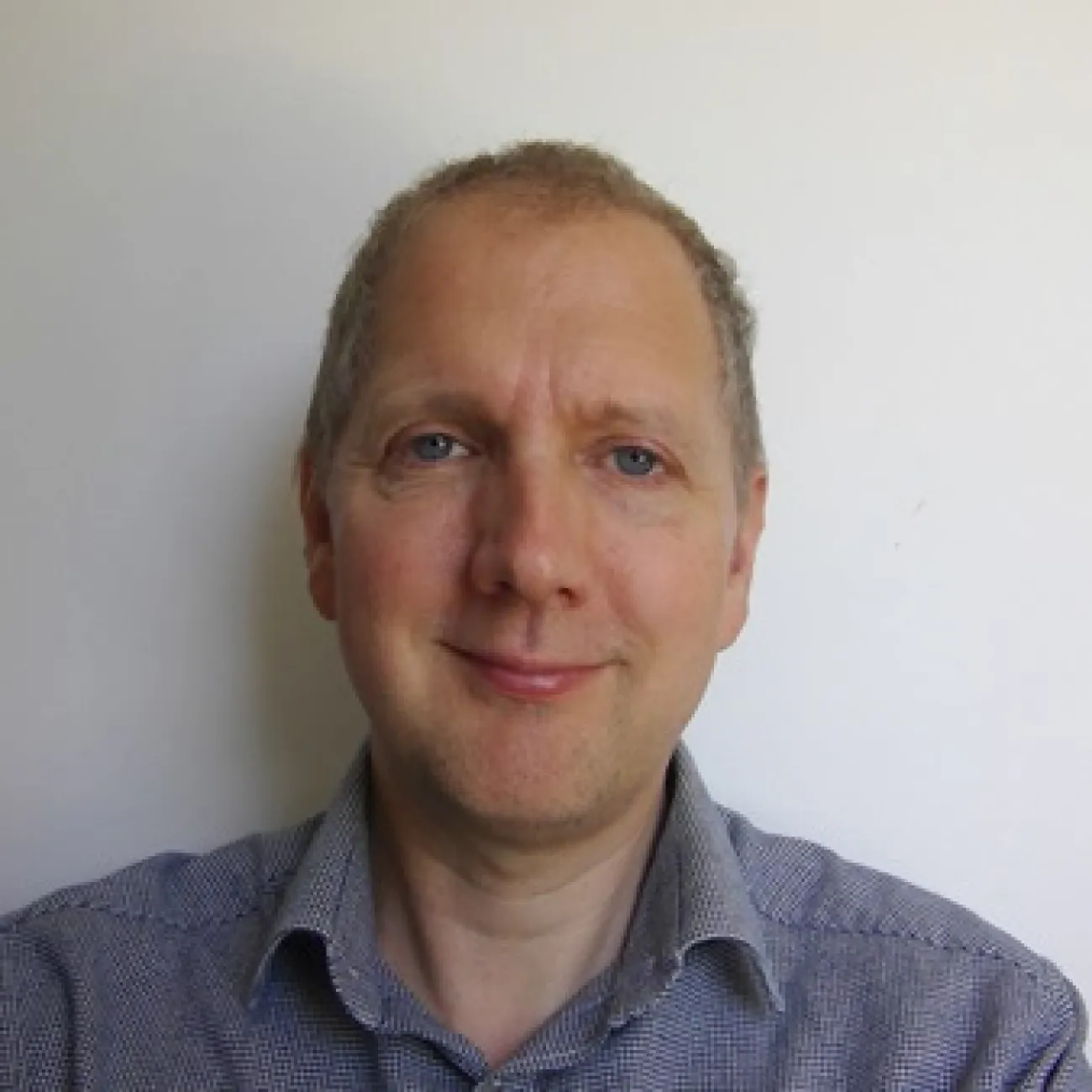
Khiet P. Truong is an Associate Professor affiliated with the Digital Society Institute and the Human Media Interaction group. Their research focuses on the intersection of artificial intelligence, robotics, and human-computer interaction, with particular emphasis on speech emotion recognition, conversational agents for children, and multimodal interaction analysis. Recent work includes exploring how robots can restore trust through apologies, benchmarking Dutch automatic speech recognition systems, and developing child-friendly interfaces for cultural heritage archives. Truong has also investigated physiological signals like laughter and stress markers in speech across diverse contexts. Scientific Awards : Best Functional Design Award (2019) Research Trends : Analysis of speech patterns, emotion recognition, robot-human dialogue, and multimodal behavioral cues dominate their recent publications. Key subfields include Dutch language processing, laughter classification, trust indicators in child-robot interactions, and healthcare applications of speech technology. Academic Activities : Chair of the 26th ACM International Conference on Multimodal Interaction (2024) Examiner roles for PhD defenses and research evaluations (2024–2023) Contributions to workshops on emotion representation and social signal processing
Professor Steve Bell is a faculty member at the University of Southampton, specializing in auditory neuroscience and biomedical engineering. He leads the EPSRC-funded project 'Personalized fitting and evaluation of hearing aids with EEG responses' and is a registered Clinical Scientist. His research focuses on measuring brain responses to sound for hearing and balance system evaluation, optimizing hearing aid technologies, and improving diagnostic methods for infants and elderly patients. He manages the Hearing and Balance Centre Clinic and holds roles in professional organizations like the International Evoked Response Audiometry Study Group. Education & Roles: Professor at University of Southampton Lead researcher on EPSRC project (2015-2025) Council member, International Evoked Response Audiometry Study Group Research Interests: Steve's work centers on evoked responses in hearing and balance systems, evaluating hearing aids/cochlear implants, and developing objective neurophysiological assessment techniques. His lab explores speech processing, signal analysis, and clinical applications of EEG-based methods. Awards: Vice-Chancellor's Teaching Award (201X) Advising & Grants: Accepting PhD students in audiology and biomedical engineering. Principal investigator on EPSRC grant £X million. Collaborates with Prof. David Simpson and Dr. Ben Lineton in the Signal Processing Audio and Hearing Group. Labs & Teams: Part of the Signal Processing Audio and Hearing Group, focusing on technological innovation in auditory signal processing and audiological diagnostics.
Mara Mills is an Associate Professor and Ph.D. Director in the Department of Media, Culture, and Communication at New York University’s Steinhardt School. She directs NYU’s Center for Disability Studies and co-edits the journal *Catalyst: Feminism, Theory, Technoscience*. Her interdisciplinary work bridges disability studies, STS, and sound studies, focusing on the histories of assistive technologies and digital media. Mills holds degrees in Biology (BA/MA), Literature (BA), Education (MA), and a PhD in History of Science from Harvard University. Her research explores disability and media through projects funded by the NSF, NEH, and Mellon Foundation. Notable works include *How to be Disabled in a Pandemic* (2025) and *Crip Authorship* (2023). Awards include the IEEE History Prize and Walter Benjamin Award. Mills teaches courses like *Disability, Technology, and Media*, emphasizing accessibility frameworks. She coordinates public humanities initiatives and has advised on AI ethics, cochlear implants, and ventilator allocation protocols. Key grants include NSF support for pandemic disability studies and NEH funding for cochlear implant research. Her public writing appears in *Artforum*, *Aperture*, and *Public Books*. Upcoming projects include a book on time-stretching technology with Jonathan Sterne and a history of information theory.
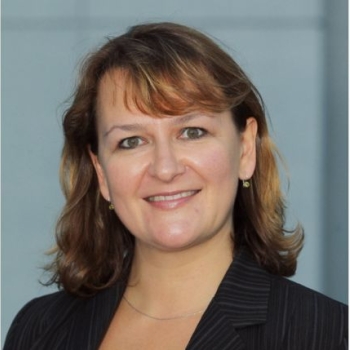
Agnieszka Roginska is a Professor of Music Technology at the Steinhardt School, New York University, specializing in immersive audio, spatial sound, and auditory displays. Her work integrates acoustic science with virtual reality and medical applications, including postural stability studies for vestibular rehabilitation. She holds leadership roles as AES President-Elect and co-edited the authoritative book 'Immersive Sound'. Education: B.A. in Piano Performance and Computer Applications in Music (McGill University, 1996); M.M. in Music Technology (NYU, 1998); Ph.D. in Music Technology (Northwestern University, 2004). Research focuses on 3D audio technologies, auditory displays for virtual environments, and sensory integration studies. She leads NYU's Music and Audio Research Lab (MARL) and advises the Society for Women in TeCHnology (SWiTCH) at NYU. Awards include AES Fellowship and leadership in international audio engineering societies. Recent publications emphasize audio's role in postural control, distributed music performance frameworks (Holodeck), and VR sound design. Her work bridges technical innovation with artistic applications, including collaborative music systems in mixed reality.
Dr. Ben Lineton is an Associate Professor at the University of Southampton's Institute of Sound and Vibration Research (ISVR). He has been teaching in the BSc and MSc Audiology programmes since 2004, with current course responsibilities including 'Human Responses to Sound and Vibration' and 'Hearing Science and Technology'. His research focuses on cochlear mechanics and hearing science. Primary research areas include: Cochlear physiology and pathophysiology Hydrodynamics and electro-mechanical transduction processes Otoacoustic emissions measurement techniques Human responses to high-frequency sound and ultrasound Cochlear implant signal processing His publications demonstrate consistent focus on auditory biomechanics, with recent work expanding into clinical applications of cochlear implant technology and public health impacts of ultrasound exposure. Research employs computational modeling, psychophysical measurements, and clinical validation studies. Completed research projects include: Modelling and measurement of Cochlear gain control (EPSRC-funded) Human responses to airborne ultrasound (Colt Foundation) EARS II - Metrology for hearing assessment (EU-funded) Leads the cochlear dynamics modeling research theme at ISVR's Hearing and Balance Centre, developing computational models of human cochlear mechanics. Currently accepting PhD students for projects in hearing science.
Peter Desain is a Professor and Principal Investigator at the Donders Institute for Brain, Cognition and Behaviour, Radboud University. His work focuses on developing advanced brain-computer interfaces (BCI) leveraging evoked potentials, particularly through code-modulated visual and auditory stimuli. He pioneers methods like noise-tagging and Bayesian dynamic stopping to enhance BCI efficiency and accessibility. His research spans neurotechnology, electrophysiological modeling, and clinical applications such as objective EEG audiometry and ALS communication aids. Recent studies emphasize gaze-independent systems, semantic decoding, and minimizing BCI calibration requirements. Key contributions include optimizing c-VEP code-books, real-time fMRI neurofeedback for memory contexts, and literature reviews on BCI design trends. Experimental pilot studies explore auditory attention and high-frequency SSVEP dynamics. No scientific awards are explicitly mentioned. His work integrates multidisciplinary approaches, bridging neuroscience, machine learning, and engineering to advance human-computer interaction and clinical tools.
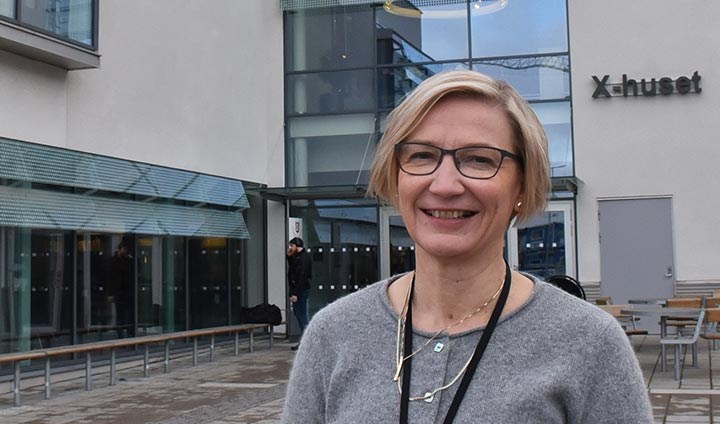
Elina Mäki-Torkko is a Professor of Medical Audiology at Örebro University's Department of Medical Sciences, affiliated with the Faculty of Medicine and Health since November 2016. She also leads the Audiology Research Centre at Örebro University Hospital and serves as a Senior Consultant in Audiology there. Additionally, she holds positions as an Associate Professor at the University of Oulu, Finland (since 2007), Visiting Professor at Linköping University (since 2017), and Scientific Advisor in Audiology at Sweden's National Board of Health and Welfare. Her research focuses on auditory epidemiology, particularly age-related hearing loss, and the benefits of cochlear implants in adults. She has led collaborative projects such as the ARHI study investigating genetic and environmental factors in hearing impairment. Her work includes longitudinal studies on cochlear implant outcomes, sensory functioning in aging populations, and the development of clinical tools like the Hearing and Functioning in Everyday Life Questionnaire (HFEQ). She has also contributed to understanding the impact of cardiovascular health on hearing deterioration and noise-induced hearing loss in adolescents. Key collaborations include work with the University of Oulu on epidemiological studies and international projects analyzing tinnitus and hearing aid rehabilitation. Her research emphasizes translational outcomes, aiming to improve clinical practices and patient quality of life through evidence-based interventions.
Dr. Leanne Nagels is a researcher at the University of Groningen and University Medical Center Groningen (UMCG), affiliated with both the Faculty of Medical Sciences' Department of Otorhinolaryngology and the Semantics and Cognition research group at the Center of Language and Cognition Groningen (CLCG). Her PhD project, supervised by Professors Petra Hendriks and Deniz Başkent, investigates the perception of indexical voice cues (e.g., gender, emotion) in children and adults with cochlear implants. This interdisciplinary work bridges linguistics and audiology, addressing challenges in speech perception and cognitive processing among hearing-impaired populations. Her research focuses on how degraded acoustic signals from cochlear implants affect voice perception, vocal emotion recognition, and speech comprehension in noisy environments. Key contributions include developing the EmoHI test to assess emotional voice perception in hearing-impaired children and identifying dissociated developmental trajectories for gender and emotion perception in pediatric cochlear implant users. She has published extensively in journals like Scientific Reports , PeerJ , and Trends in Hearing , and received the PeerJ VIHAR workshop Best Proceedings Paper Award (2019). Education: PhD candidate in Linguistics/Audiology, University of Groningen (2017–present); Master’s thesis on contextual and lexical processing in cochlear implant users (supervised by Dr. Anita Wagner). Affiliations: Research School of Behavioural and Cognitive Neurosciences Groningen (BCN); Center of Language and Cognition Groningen (CLCG). Her work highlights how early auditory deprivation impacts voice perception abilities and advocates for tailored rehabilitation strategies to improve quality of life for cochlear implant users.
Dr. Roberta Vella Azzopardi is an active gerontology researcher affiliated with Vrije Universiteit Brussel (VUB) as an unpaid employee in the Gerontology department. She is a core member of the Gerontopole Brussels Study group, focusing on frailty assessment and aging research in the oldest old population (80+ years). Her research interests center on frailty assessment , cognitive aging , physical function in elderly , hearing and cognition relationships , and activities of daily living . Her work demonstrates a strong emphasis on operationalizing concepts like cognitive frailty and understanding the complex relationships between physical and cognitive decline in advanced age. Dr. Vella Azzopardi's publication record shows consistent research productivity since 2014, with particular intensity between 2018-2022. Her work spans multiple methodologies including systematic reviews, cross-sectional analyses, and longitudinal studies like the BUTTERFLY study. The research demonstrates strong interdisciplinary connections between geriatrics, audiology, cognitive science, and rehabilitation medicine. Her scholarly impact includes an h-index of 9 with 1029 citations according to Scopus data. Her work has been presented at numerous international conferences, with research activities spanning from 2015 to 2020 as documented in the institutional repository. Dr. Vella Azzopardi completed her PhD thesis in 2022 titled 'Cognitive frailty: Operationalisation of the concept and the study of comorbidities as possible risk factors,' representing a significant 388-page contribution to the field. Her research has gained attention with mentions in news outlets and substantial readership on academic platforms like Mendeley.
Nasser Kehtarnavaz is an Erik Jonsson Distinguished Professor and Director of the Embedded Machine Learning (EML) Laboratory at the University of Texas at Dallas's Erik Jonsson School of Engineering and Computer Science. He holds a PhD from Rice University (1987) and has over 40 years of academic and industrial experience. His research focuses on signal/image processing, machine learning, biomedical applications, and real-time embedded systems. He has authored/co-authored 11 books and over 450 publications, and supervised 37 PhD and 35 MS students. Leadership roles: Editor-in-Chief of Journal of Real-Time Image Processing , SPIE Conference Chair, IEEE Fellow (2013), AAIA Fellow Industrial collaborations: Texas Instruments, AT&T Bell Labs, US Army TACOM Research Lab Key contributions: Smartphone-based signal processing labs, hearing aid amplification algorithms, and FPGA-based embedded systems Research interests include real-time implementation on embedded processors, biomedical signal analysis, and smartphone-based laboratories. He has pioneered educational tools like anywhere-anytime labs using smartphones for signal processing education. Recipient of numerous awards including IEEE Region 5 Professional Leadership Award (2015), Outstanding Engineering Educator Award (2013), and community recognition from SPIE (2020-2021). His funded projects (62 as PI/Co-PI) span healthcare tech, energy systems, and semiconductor manufacturing. Director of the EML Lab and previously the Signal and Image Processing Lab. Teaches graduate courses like Machine Learning and Pattern Recognition and undergraduate courses in signals and systems.
Harvey Dillon is a Professor at Macquarie University , actively contributing to audiology and hearing impairment research. His work aligns with the UN Sustainable Development Goal for Education through academic qualifications and scientific output. Education: Doctor of Philosophy (PhD), University of New South Wales (1979) Bachelor of Engineering (BEng), University of New South Wales (1973) Research Interests: His expertise spans hearing loss , auditory processing , and hearing aids , with recent studies focusing on automated audiometry, infant auditory responses, age-related cognitive changes, and hearing aid design optimization. Notable Research Trends: Key themes include audiometry innovation , pediatric hearing assessment , hearing aid personalization , and acoustic engineering , reflecting interdisciplinary approaches combining clinical practice with technical advancements. Professional Engagement: As a Principal Investigator (PI) for the Manchester Centre for Audiology and Deafness (ManCAD) project, he collaborates with researchers across audiology, cochlear function, and speech perception.
Dr. King Chung is a Professor at the Mass General Hospital Institute of Health Professions , specializing in Audiology under the Communication Sciences and Disorders school. Her career spans research, education, and humanitarian efforts in hearing health. B.S. , Communicative Disorders, Utah State University M.A. , Audiology, University of Memphis Ph.D. , Audiology, Northwestern University Dr. Chung's research focuses on amplification , calibration methods , and humanitarian audiology . She pioneered a game-based automated hearing test app for low-resource settings and holds 4 US patents (3 granted, 1 pending) for innovative hearing device enhancements. Herscholarly work from 2023-2025 emphasizes over-the-counter hearing aids , war-induced hearing loss in Ukraine, and mobile calibration tools . Her studies also address cross-cultural audiometric standards and automated hearing screening for refugee populations. Excellence in Research Award (NIU, 2013) AAA Humanitarian Award (2020) Promoting Academic Equity/Diversity in Service (2023) Excellence in Service Award (NIU, 2019) Dr. Chung led >10 international humanitarian trips across 8 countries, including recent initiatives for Ukrainian refugees in Poland. She co-created the Coalition for Global Hearing Health and developed a low-cost calibration system improving access to audiological services.
Robyn Choi is a Senior Lecturer in Audiology at the School of Human Sciences, The University of Western Australia, and an honorary researcher at the Telethon Kids Institute. She also serves as Senior Audiologist at Fiona Stanley Hospital, demonstrating strong connections between academic and clinical practice. Her educational background includes BSc, MAudSt, MAudA (CCP), and PhD qualifications, with Fellowship of the Higher Education Academy (FHEA). She coordinates and teaches in the Master of Clinical Audiology and Master of Hearing Sciences programs, with specific unit coordination responsibilities across multiple courses. PHYL5502 Basic Clinical Audiology Part 1 PHYL5512 Basic Clinical Audiology Part 2 PHYL5513 Speech, Language and Communication PHYL5515 Hearing Devices and Adult Aural Rehabilitation PHYL5610 Advanced Hearing Aids and Rehabilitation Part 1 PHYL5611 Advanced Clinical Audiology Part 2 PHYL5612 Community and Workplace Audiology PHYL5613 Audiology Practice Management PHYL5615 Advanced Clinical Audiology Part 1 PHYL5617 Advanced Hearing Aids and Rehabilitation Part 2 Dr. Choi's research spans several interconnected areas focused on improving pediatric hearing health outcomes. Her work examines the relationship between hearing loss, auditory processing disorders, and learning difficulties in school-aged children. She investigates novel diagnostic approaches for middle ear disorders using wideband absorbance technology and develops tele-audiology solutions to increase access to services. Her educational research focuses on simulation-based clinical training methods for audiology students. Her recent publications demonstrate consistent focus on pediatric audiology, with emphasis on learning difficulties, middle ear assessment, and telehealth applications. The research shows progression from foundational epidemiological work (like the 2017 systematic review on hearing loss rates) toward more specialized diagnostic and therapeutic interventions. School of Human Sciences Early-Career Research Award (2022) Citation for Outstanding Contribution to Student Learning (2021) Australian Research Training Program Scholarship (2015) QIMR Honours & Coursework Masters Scholarship (2013) Ko Awatea Scholarship (2009) Dr. Choi supervises Higher Degree Research students in the Master of Clinical Audiology program and PhD candidates. Her current research projects include evaluating auditory function in children with learning difficulties, exploring rehabilitative methods for auditory processing disorders, assessing young children's auditory processing abilities, and investigating multisensory signals for safety alerts. She has secured significant funding from sources including Channel 7 Telethon Trust, Medical Research Future Fund, and Defence Science Centre.
Michael P. Twohig is a Professor in the Combined Clinical/Counseling PhD specialization at Utah State University's Department of Psychology within the Emma Eccles Jones College of Education and Human Services. He specializes in developing evidence-based treatments for anxiety disorders, OCD, and body-focused repetitive behaviors like trichotillomania. His work emphasizes treatment mechanisms and behavioral approaches such as Acceptance and Commitment Therapy (ACT). Twohig holds degrees from the University of Wisconsin-Milwaukee (BA, MS) and the University of Nevada, Reno (PhD), with clinical training at the University of British Columbia Hospital. He co-directs the USU ACT Research Group, focusing on translational research and clinical innovation. Education: BA and MS in Behavior Analysis (UW-Milwaukee), PhD in Clinical Psychology (UNR), Clinical Internship (UBC Hospital). Research Interests: Treatment efficacy evaluation, mechanisms of action in therapies, ACT applications for anxiety/OCD, multicultural mental health, and pediatric hearing aid management. He explores interventions for eating disorders, substance abuse, and developmental disabilities through behavioral and cognitive frameworks. Publications and Grants: Over 50 peer-reviewed articles (2021–2025), books on ACT, and grants supporting telehealth and digital interventions. His work has been cited in systematic reviews and clinical handbooks. Labs/Teams: Co-leads the USU ACT Research Group, advancing ACT-based treatments and training clinicians globally. He mentors students via a 'junior colleague' approach, fostering collaborative research. Future Work: Planning to accept a new graduate student for Fall 2025, expanding ACT applications for chronic health conditions and cross-cultural mental health.