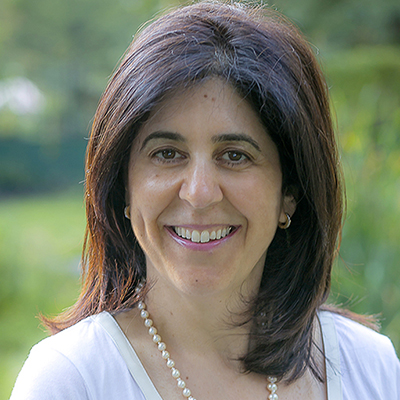
Melissa Coyle is a Senior Lecturer at the School of Sport, Exercise and Rehabilitation, Marjon University. She specializes in sport and exercise psychology, focusing on applications in sport science, coaching, physical education, outdoor education, and health and well-being. Her qualifications include HCPC registration as a sport and exercise psychologist, BASES chartered scientist, and BASES-accredited sport scientist (Psychology), alongside a PGCert, MSc, and BSc. Her research explores psychological factors in high-stakes environments, including military training, cancer patient exercise programs, and aging populations. Notable studies include a qualitative evaluation of an 8-week exercise referral program for cancer patients and an investigation into psychological factors in Royal Artillery Army Commando training. She has also examined motivations and barriers to indoor bowls participation among over-65s and mental health transitions in university students. Dr. Coyle has been awarded grants for studies like 'Psychological factors in Army Commando training' and 'Exercise adherence for cancer recovery.' Her publications span journals like Psychology of Sport and Exercise and conferences such as the Association of Applied Sport Psychology. She actively contributes to professional bodies like HCPC and BASES. Her teaching emphasizes practical applications of psychology in sports and health, complemented by research-driven insights. Beyond academia, she is an avid golfer and hill walker.
Nuno Conceição serves as an Invited Assistant Professor at the Faculty of Psychology, University of Lisbon (FP-UL), where he has taught since 2011. His clinical work focuses on adults with complex trauma, personality disorders, and structural dissociation of the personality. He earned his BA (1999), MA (2006), and Ph.D. in Clinical Psychology (2011) from FP-UL, following his Abitur at the German School of Lisbon (1994). BA: FP-UL (1999) MA: FP-UL (2006) Ph.D.: FP-UL (2011) His research centers on Psychotherapy Integration, examining General Change Processes, Case Formulation, Emotional Change in Trauma Therapy, and Ecological Dimensions in Psychotherapy. He investigates how experiential processing facilitates change in personality pathology through integrative clinical decision-making. Key trends in his 2016-2023 publications reveal consistent focus on transdiagnostic mechanisms, termination processes, and musical interventions for emotional processing, primarily using qualitative case studies to advance psychotherapy integration frameworks. No scientific awards were documented in the source material. Conceição has supervised over 50 master's research projects and designed the Integrative Perspectives in Psychotherapy curriculum. He directs the Paradigmatic Complementarity Lab—a practice-based research network using process coding to train clinical skills—and serves as a therapist trainer/supervisor at OneSession.org. Supervision: >50 master's projects Curriculum Development: Integrative Perspectives in Psychotherapy Professional Training: OneSession.org The Paradigmatic Complementarity Lab drives his research agenda, utilizing process-coding methodologies to study change mechanisms in complex trauma and personality disorders within real-world clinical settings.
Kristin Bernard, Ph.D. (University of Delaware, 2013), is an Associate Professor of Clinical Psychology at Stony Brook University’s Department of Psychology. Her research focuses on the neurobiological consequences of early adversity, parent-child relationships, and the efficacy of early parenting interventions such as Attachment and Biobehavioral Catch-up (ABC). She collaborates with Power of Two, a NYC-based nonprofit, and leads the Developmental Stress and Prevention Lab. Current grants include studies on epigenomics, maternal attachment representation, and community-based ABC interventions. Dr. Bernard’s work bridges clinical and developmental psychology, emphasizing prevention science and translational research. Education: Ph.D. in Clinical Psychology, University of Delaware, 2013. Research Interests: Child maltreatment, neurobiological impacts of early adversity, parenting interventions, psychobiology of attachment, and intervention efficacy. Her lab investigates mechanisms linking caregiving quality to child outcomes, including cortisol regulation, brain development, and behavioral compliance. Lab & Partnerships: Directs the Developmental Stress and Prevention Lab, focusing on high-risk populations. Collaborations include Power of Two for ABC implementation and NYC agencies like the Administration for Children’s Services. Current projects explore neighborhood influences on parenting (Geography of Parenting Study) and neural correlates of parenting behavior (SNAP study). Grants & Funding: Principal Investigator on NIH-funded projects (R03 HD099372, R01 MH119310) and co-PI on Stony Brook’s seed grants. Projects examine accelerated aging biomarkers and intervention effectiveness in community settings. Publications: Over 50 peer-reviewed articles and a co-authored book on ABC interventions. High-impact journals include Psychoneuroendocrinology , Development and Psychopathology , and Child Development .
Atsuko Tanaka is an Associate Professor in the Department of Economics at the University of Calgary. Her research focuses on labor markets, health economics, and public policy, particularly examining topics such as female labor supply, skill investment, and pension reforms. She holds a Ph.D. in Economics from the University of Wisconsin-Madison (2013), alongside advanced degrees from Cornell University and the University of Tokyo. Education Ph.D. Economics, University of Wisconsin-Madison (2013) M.S. Economics, University of Wisconsin-Madison (2010) M.S. Applied Economics and Management, Cornell University (2007) B.A. Agricultural Economics, University of Tokyo (2004) Research Interests Tanaka’s work explores how health shocks, financial constraints, and policy interventions influence labor market outcomes. She investigates topics such as post-educational skill accumulation via college loans, strategic medical treatment choices under reimbursement reforms, and the macroeconomic effects of pension system transitions. Her research combines rigorous econometric methods with real-world administrative data to inform evidence-based policy. Awards and Grants SSHRC Connection Grant (2022, co-PI: Apostolos Serletis) National Science Foundation Extreme Science Grant (2021) SSHRC Insight Development Grant (2016) Susan Jane Blake Kocin Award, University of Wisconsin-Madison (2011) Grants and Collaboration Her research has been supported by major grants, including SSHRC and NSF funding. She collaborates with scholars on projects like analyzing physician behavior under reimbursement reforms, auditing firm dynamics, and international aid allocation strategies. Her work bridges theoretical models with empirical evidence to address complex socio-economic challenges.
Karen Prager is a Professor of Psychology and Gender Studies at the University of Texas at Dallas within the School of Interdisciplinary Studies, where she has taught for over 30 years. A Board-certified couple and family psychologist, she specializes in romantic relationship dynamics with expertise in intimacy, conflict management, and emotional recovery. Dr. Prager earned her PhD in Counseling Psychology and an M.A. in Measurement and Evaluation from The University of Texas at Austin. Her academic foundation supports her dual focus on clinical practice and scholarly research. Her research investigates how couples reconcile after conflicts and restore intimate bonds, emphasizing emotional recovery processes, differentiation of self, and attachment security. The Couples Daily Lives Lab conducts real-time studies on post-conflict behavior in day-to-day relationships, revealing how reconciliation efforts impact long-term relationship health. Analysis of her publication record shows sustained focus on intimacy restoration mechanisms across 30 years, utilizing daily diary methods and experimental designs to map conflict-recovery pathways. Her work bridges theoretical frameworks with practical therapeutic applications for couples navigating relationship challenges. She holds Board Certification in Couple and Family Psychology from the American Board of Professional Psychology (ABPP), reflecting clinical excellence in the field. Dr. Prager mentors undergraduate students through the Couples Daily Lives Lab, providing hands-on research experience in relationship science. Her studies are supported by research grants though specific funding sources aren't detailed in available materials. The Couples Daily Lives Lab currently executes two major projects: one examining partner behavior during and after conflict to understand emotional recovery patterns, and another developing a classification system for reconciliation efforts to determine their effectiveness in restoring intimacy.
Joseph P. Allen is the Hugh Kelly Professor of Psychology at the University of Virginia, affiliated with the Department of Psychology in the College of Arts & Sciences. He is actively engaged in research on adolescent development and maintains the Adolescence Research Lab. His office is located in 226G Gilmer Hall, and he holds office hours on Mondays and Thursdays from 3:30 to 5 PM. His research centers on adolescent social development, with a focus on peer and family relationships, the development of autonomy and relatedness, and the long-term psychological and physical health outcomes of teenage experiences. He investigates how peer influence, attachment organization, and social conflicts during adolescence predict adult well-being, including mental health, romantic satisfaction, and even biological markers like interleukin-6 and epigenetic aging. The recent publications highlight a longitudinal and interdisciplinary approach, bridging developmental psychology with clinical and health psychology. His work increasingly explores how peer environments can be leveraged for positive intervention, particularly for marginalized youth. Themes across articles include social connection, developmental trajectories, and biopsychosocial outcomes. Joseph P. Allen leads the Adolescence Research Lab, which conducts in-depth studies on teen social interactions and their lifelong impacts. While specific advising details are not listed, his role as a professor and lab head suggests active mentorship of graduate students and researchers.
Melissa Koenig serves as Professor and Director of Graduate Studies at the University of Minnesota's Institute of Child Development (ICD), where her research examines social and testimonial learning mechanisms in children through investigations of trust, cultural learning, memory, language, and cognitive development. As a first-generation college student, she prioritizes supporting students navigating academic systems through collaborative mentorship. Education PhD (2002), University of Texas at Austin Her research program spans cognitive development, cross-cultural studies, early childhood, language acquisition, theory of mind, and social-emotional development across peer, parent, and romantic contexts. The lab employs interdisciplinary, multi-method approaches with explicit cultural analysis to advance developmental science, particularly examining how children evaluate information sources and integrate testimony into moral frameworks. Analysis of her 2021-2024 publications reveals dominant themes in epistemic trust development, including how children assess informant credibility through moral behavior, group affiliation, and cultural context. Key trajectories show increasing sophistication in distinguishing epistemic versus practical reasoning, cross-cultural variations in trust attribution, and the developmental emergence of resistance to power-based corruption like bribery. Advising & Mentorship Accepts new PhD students for Fall 2026 cohort Requires prospective students to contact prior to December 1 application deadline Public advising statement details mutual expectations and support structures Specializes in guiding students through academic navigation and hidden curriculum challenges She directs the Early Language and Experience Lab, which maintains a collaborative research environment focused on uncovering constraints and supports for children's social learning across diverse contexts, with particular attention to cultural and socioeconomic variables in developmental processes.
Jacqueline Woerner is Associate Professor in Sociology and Psychology at the University of Central Florida, where she directs the Social Theory, Relationships, and Interpersonal Violence Exposure (STRIVE) Lab. Her research examines the intersection of gender-based violence, substance use, and health risk behaviors. Education includes: PhD in Social Psychology from Wayne State University BS in Psychology from Appalachian State University Her NIH-funded research investigates how violence victimization relates to health behaviors through motivational frameworks. Current projects examine technology-facilitated sexual violence on dating apps and alcohol's role in intimate partner cyber abuse. She employs diverse methods including surveys, experiments, and daily diaries. As member of the Violence Against Women Faculty Cluster, she develops prevention strategies addressing sexual violence and health disparities. Funded projects include NIJ grants examining transitional housing models for domestic violence survivors. Honors include Rising Star Award for undergraduate mentoring and multiple teaching awards. She serves on editorial boards for Psychology of Violence and leads NIH-funded projects on dating app-facilitated violence.
Noelle Hurd is a Professor of Psychology at the University of Virginia and co-Director of Diversity, Equity, and Inclusion Initiatives (co-DDEI). She leads the Promoting Healthy Adolescent Development (PHAD) Lab, focusing on marginalized youth development through intergenerational relationships and systemic oppression disruption. Her research integrates clinical and community psychology to address adolescent development, racial discrimination, and mental health disparities. Key interests include natural mentoring as protective factor, anti-racist frameworks, and leveraging community strengths to counteract systemic barriers for Black and Latinx youth. Her work emphasizes youth agency in social justice movements and resilience through familial and community support networks. Recent publications (2023-2025) reveal concentrated exploration of natural mentoring dynamics across marginalized populations, with methodological diversity spanning qualitative analyses of immigrant youth experiences and longitudinal studies of college adjustment. Recurring themes include anti-immigration policy impacts, youth-led anti-racism initiatives, and the intersection of discrimination with mental health outcomes. Dr. Hurd's scientific contributions have earned significant recognition: William T. Grant Scholar and Spencer/National Academy of Education Postdoctoral Fellow Rising Star Award (Association for Psychological Science, 2015) Outstanding Professor Award (UVA Psychology, 2017) Faculty Excellence in Diversity, Inclusion, and Equity Award (2021) Fellowships in American Psychological Association and Society for Community Research and Action As PHAD Lab director, she mentors emerging researchers in community-engaged scholarship funded by NIH, NSF, William T. Grant Foundation, and Institute of Education Sciences. Her team examines mentoring relationships, discrimination mechanisms, and intervention development for youth thriving in oppressive contexts. The PHAD Lab operates as an interdisciplinary research collective developing evidence-based approaches to dismantle systemic barriers through youth-adult partnerships and natural mentoring frameworks.
Lieselotte Ahnert serves as a Visiting Professor for Developmental Psychology at the Free University of Berlin's Department of Education and Psychology, specifically within the Department of Developmental Science and Applied Developmental Psychology. Her academic journey began at Humboldt University in East Berlin, where she studied psychology during a period of significant political change in the GDR. After completing her doctorate in 1982, she held various research positions including director of the Interdisciplinary Center for Applied Socialization Research (IZAS e.V.) from 1991-1996 and a visiting scientist position at the National Institutes of Health in Washington from 1996-1999. Prior to her current position at FU Berlin (since 2019), she was a Professor of Developmental Psychology at the University of Vienna from 2008-2019. Professor Ahnert's research focuses on early childhood development, attachment theory, and the specific contributions of fathers to child development. Her work examines how children develop within various caregiving contexts, including the transition from home to childcare settings, the effects of socioeconomic disadvantage on attachment security, and the unique role fathers play in children's language development and emotional regulation. She has conducted extensive research on stress responses in infants during childcare transitions and how care providers influence these responses. Her interdisciplinary approach draws from behavioral biology, genetics, neuroscience, pediatrics, and education to understand the complex interplay between genetic and environmental influences in early development. Ahnert's publication record demonstrates significant contributions to understanding father-child relationships, with recent work exploring how fathers' attachment security and education contribute to early child language skills beyond mothers' influence. Her research has also examined the 'terrible twos' phase, investigating how children cope with frustration and tantrums and how parents support them through these developmental challenges. She has published extensively in high-impact journals including Child Development, Developmental Psychobiology, and Attachment and Human Development. Professor Ahnert has received recognition for her expertise, including being commissioned to provide expertise for the Federal Chancellery of Austria in 2021. Her work has practical applications in early childhood education and intervention programs, particularly in understanding how public childcare can compensate for developmental risks in socioeconomically disadvantaged children. In addition to her research, Ahnert has made significant contributions to academic training and supervision. Her book publications, including 'It's the fathers who matter' (2023) and 'How much mother does a child need?' (2020), bridge the gap between academic research and public understanding of child development. Her work continues to influence both academic discourse and practical approaches to early childhood care and education.
Miriam Steele serves as the Alfred J. and Monette C. Marrow Professor of Psychology at The New School for Social Research and Co-Director of the Center for Attachment Research. Her career bridges psychoanalytic theory with empirical child development research, focusing on attachment transmission across generations and clinical interventions. Her educational background includes a PhD from University College London (1990) and training as an Anna Freud Center psychoanalyst. She is a member of the Adult Attachment Interview Trainers’ Consortium and has co-edited seminal works including the Handbook of Attachment-Based Interventions (2018). Dr. Steele's research centers on intergenerational attachment patterns, with pioneering work establishing 'reflective functioning' as a key mechanism. Her NIH-funded studies examine attachment-based interventions for vulnerable families, while current projects explore body representation transmission, impacts of smartphone use on parent-child relationships, and embodiment in adolescence. She extends this work through interdisciplinary courses like 'Psychology for Designers' that connect psychology with Parsons School of Design. Analysis of her 15 most recent publications reveals sustained focus on longitudinal attachment studies from pregnancy through adolescence, adoption outcomes, and pandemic impacts on family dynamics. Her work increasingly integrates cross-cultural perspectives, as seen in studies of caste systems in India and global mental health frameworks. Notable awards include the 2017 Bowlby-Ainsworth Award from the Center for Mental Health Promotion, a $15,000 New School Research Cluster Award for 'The Body as Metaphor' (2013-2014), and a $900,000 MCH Research Program Award for 'Birth to Three' (2012-2015). As an educator, she teaches 'Child and Adolescent Global Mental Health' and mentors PhD/MA students through the Center for Attachment Research. Her grant portfolio demonstrates strong funding success in intervention development and longitudinal studies, with recent work securing support for digital media impact research. The Center for Attachment Research, co-directed with Howard Steele, operates as a multidisciplinary hub involving NSSR psychology students, Eugene Lang undergraduates, and international interns. Current initiatives include the Group Attachment-Based Intervention (GABI), Body Group studies examining physical disability impacts, and embodiment research in emerging adulthood.
Martha C. Tompson is Associate Professor and Clinical Program Director in the Department of Psychological & Brain Sciences at Boston University. She earned her PhD from UCLA and directs the Family Development and Treatment Lab. Her research examines family processes in mental health, with focus on depression, bipolar disorder, and schizophrenia interventions. Key research areas include: Family-focused treatments for childhood depression Impact of maternal depression on child development Family psychoeducation for bipolar disorder Dr. Tompson has developed novel family-based interventions for preadolescent depression and studied transgenerational transmission of depression vulnerability. Her work emphasizes culturally responsive treatments and includes randomized trials demonstrating treatment efficacy. She mentors clinical psychology students and teaches evidence-based intervention strategies.
Dr. Angelique Jenney is an Associate Professor and the Wood’s Homes Research Chair in Children’s Mental Health at the Faculty of Social Work, University of Calgary. With over 25 years of experience in gender-based violence, child protection, and children’s mental health sectors, she specializes in trauma-informed approaches and simulation-based learning methodologies. Doctor of Philosophy (PhD), Social Work – University of Toronto (2011) Master of Social Work (MSW) – Wilfrid Laurier University (1998) Bachelor of Arts (BA), Psychology Co-op Program – University of Guelph (1995) Her research focuses on child mental health , gender-based violence , trauma across the lifespan , and simulation-based learning . She develops tools to enhance clinical competencies through experiential training, addressing gaps in child protection responses to violence and trauma. Dr. Jenney’s publications highlight innovative practices such as virtual simulations for interdisciplinary education, narrative shelter models for resilience, and trauma-informed interventions with perpetrators. Her work bridges academic research and frontline practice, emphasizing practical knowledge dissemination to parents and policymakers. Faculty Publication Award (2017–2022) Faculty of Social Work Early Career Researcher Award (2021) Teaching Experiential Learning Initiatives Teaching Award (2023) She collaborates with agencies like the Hotchkiss Brain Institute and Mathison Centre for Mental Health Research and Education, contributing to policy development and training frameworks in child welfare.
Dr. Joanna Deaton Bertram is an Assistant Professor in the Thomas Lord Department of Mechanical Engineering and Materials Science at Duke University’s Pratt School of Engineering. She concurrently holds an Assistant Professor appointment in Surgery, underscoring her interdisciplinary commitment to advancing medical robotics. Dr. Bertram leads a research laboratory devoted to the design, modeling, and control of robotic systems for surgical and interventional applications, working closely with Duke’s clinical and engineering communities. Education Ph.D. in Robotics, Georgia Institute of Technology, 2024 M.S. in Mechanical Engineering, Georgia Institute of Technology, 2024 B.S. in Biomedical Engineering, Georgia Institute of Technology, 2018 Research Interests Dr. Bertram’s research program is centered on medical robotics , with particular emphasis on continuum robotics and image-guided interventions . Her work integrates novel mechanical design with advanced control algorithms and smart materials to create robotic systems capable of navigating complex anatomical pathways. A hallmark of her approach is the incorporation of real-time fiber-optic shape and force sensing (using Fiber Bragg Grating technology) to provide surgeons with unprecedented feedback during procedures. Application domains include steerable needles for brachytherapy , robotic guidewires for endovascular surgery , and pediatric neuroendoscopy . Publication Themes Across more than fifteen peer-reviewed articles, Dr. Bertram has systematically advanced the state of the art in surgical robotics , fiber-optic sensing , and robotic system modeling . Her 2024 tutorial on Nitinol and Tungsten tendon attachment techniques provides practical guidance for building highly articulated continuum robots, while her 2023 series on the COAST guidewire robot demonstrates model-based design and simultaneous shape/force sensing for large-deflection medical devices. Earlier work explored 3D-printed patient-specific robotic tools and carbon-nanotube flexible sensors, illustrating a trajectory from fundamental sensor research to full robotic system integration. Scientific Recognition & Collaboration Although no major external awards are explicitly listed, Dr. Bertram’s publications in top-tier venues such as IEEE Robotics and Automation Letters , IEEE Transactions on Medical Robotics and Bionics , and IEEE/ASME Transactions on Mechatronics attest to strong peer recognition. She actively invites motivated graduate students, post-docs, and research staff to join her lab, fostering an open and interdisciplinary environment. Advising & Grants Dr. Bertram’s lab is presently recruiting trainees at all levels. While specific funded grants are not enumerated, her dual departmental appointments and extensive publication record suggest active federal or foundation support. Prospective students and collaborators are encouraged to contact her directly at joanna.d.bertram@duke.edu . Laboratory & Teams Dr. Bertram directs a laboratory within Duke University’s Pratt School of Engineering that collaborates closely with clinicians in the School of Medicine. The group focuses on rapid prototyping of medical devices, in-vitro and ex-vivo validation, and translation of robotic technologies to the operating room.
Brett K. Jakubiak is an Associate Professor in the Department of Psychology at Syracuse University, College of Arts and Sciences. His research focuses on relational well-being, affectionate behaviors, and social support dynamics. He holds a Ph.D. from Carnegie Mellon University (2017) and has been recognized with the Laura J. and L. Douglas Meredith Teaching Award (2021). Jakubiak's work bridges theory and scalable interventions to enhance relationship quality and individual thriving across life stages. Research Interests: Impact of affectionate touch on relational satisfaction Role of social support in stress regulation Attachment theory applications in close relationships Psychological well-being through interpersonal interactions Recent Work Highlights: Explores human-AI relationship dynamics (2024), examines self-disclosure patterns tied to attachment avoidance (2024), and investigates touch's role in shared positive experiences (2023). His NSF-funded research examines affectionate touch in diabetic couples (2022–2027). Service Contributions: Serves on editorial boards for Journal of Social and Personal Relationships and Personality and Social Psychology Review . Active in department governance including tenure committees, diversity initiatives, and strategic planning.