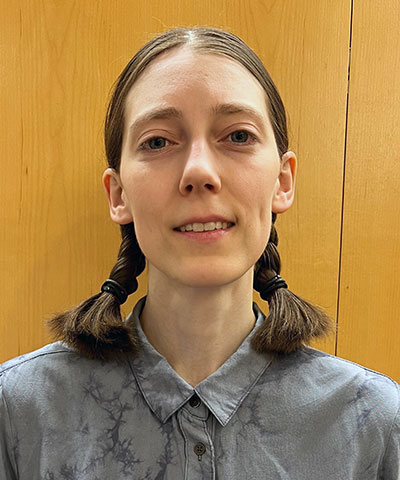
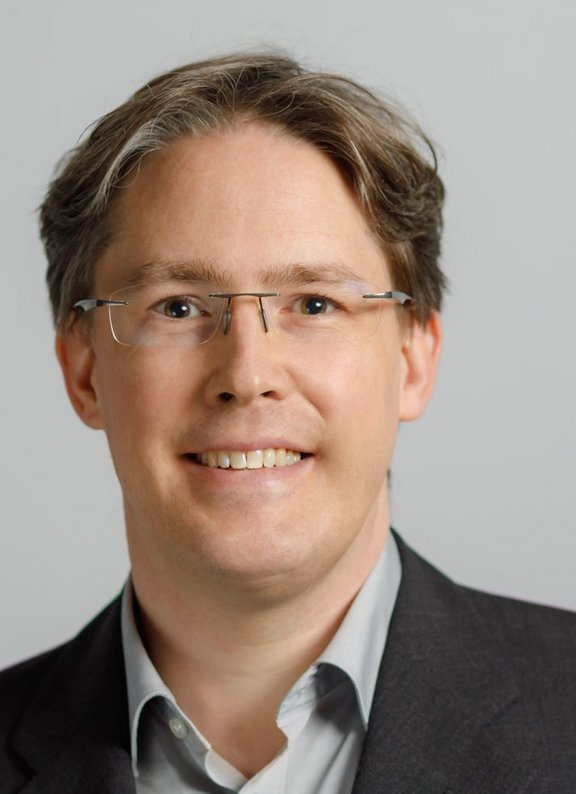
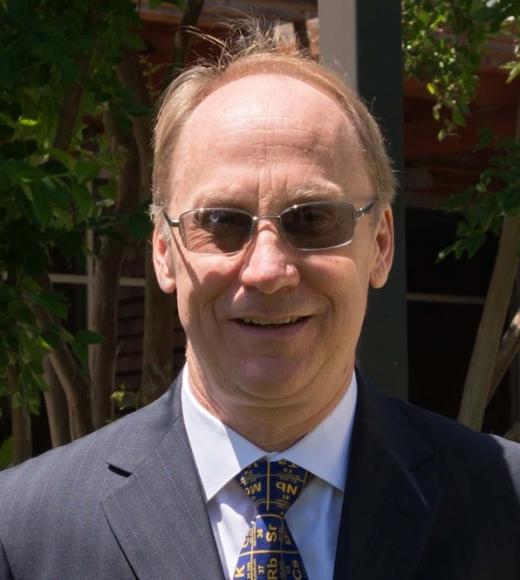
Professor Anthony Thomas is a prominent academic in physics, holding titles as the Australian Laureate Fellow and Elder Professor of Physics at the University of Adelaide. He leads the University Research Centre for Complex Systems and the Structure of Matter, integrating subatomic physics and econophysics research. His affiliations include the School of Physics, Chemistry and Earth Sciences within the Faculty of Sciences, Engineering and Technology. Prof. Thomas has held leadership roles such as Chief Scientist at the Thomas Jefferson National Accelerator Facility, Associate Director of the Australian Research Council Centre of Excellence in Particle Physics, and Director of the National Institute for Theoretical Physics (NITP). He has authored over 25,000 citations with an h-index of 84, reflecting his impactful research in nuclear and particle physics. His research spans subatomic physics, exploring hadron structure within QCD, dark matter, and econophysics applications like stock market modeling. Notable awards include the Companion of the Order of Australia (2020) and the Harrie Massey Medal (2000). He has also contributed to global initiatives like the OECD roadmap for nuclear science facilities. Prof. Thomas’s academic journey includes a PhD from Flinders University, postdoctoral work at the University of British Columbia and CERN, and leadership roles in the University of Adelaide’s physics departments. He currently oversees diverse research programs leveraging mathematical modeling and high-performance computing.
Gustavo Deco is a Research Professor at the Institució Catalana de Recerca i Estudis Avançats (ICREA) and holds a Professorship (Catedrático) at Pompeu Fabra University (UPF). He leads the Computational Neuroscience Group and directs the Center of Brain and Cognition at UPF. His research focuses on computational models of brain dynamics, integrating biophysics, neuroimaging, and complex systems principles. Deco’s academic journey includes a PhD in Physics (1987, thesis on Relativistic Atomic Collisions), postdoctoral work at the University of Bordeaux (France) and University of Giessen (Germany), and a Habilitation in Computer Science (1997, Technical University of Munich). He has led computational neuroscience research at Siemens Corporate Research Center (1990–2003) and pioneered whole-brain modeling frameworks like The Virtual Brain (TVB). His research interests span critical brain dynamics, non-equilibrium thermodynamics in neural systems, psychedelics’ effects on brain hierarchy, and clinical applications of computational models in disorders such as Alzheimer’s and depression. Recent work emphasizes turbulence-like dynamics in healthy and diseased brains, and biomarker discovery using AI-driven simulations. Deco’s articles (2024–2025) explore topics like entropy production in brain networks, psychedelics-induced flattening of functional hierarchies, sleep-like dynamics post-stroke, and the role of long-range connections in global brain communication. His work bridges theoretical models with clinical insights, aiming to advance personalized neurology and digital brain research.
Dr. Glenn Matthews is a Senior Lecturer in the School of Engineering at RMIT University, specialising in Electrical and Computer Engineering. He holds positions in both academic and research capacities, including Principal Investigator roles at CSIRO and Smart Services CRC. His teaching responsibilities include coordinating undergraduate courses such as Introduction to Engineering Computing and Engineering Design modules. Dr. Matthews' research focuses on high-performance computing, acoustic wave device modeling using Finite Element Method (FEM), and embedded system design. Notable projects include developing FEM software for SAW device analysis and investigating asynchronous computing architectures for high-throughput systems. He has supervised numerous research projects spanning machine learning applications in clinical analysis, gas sensing technologies, and neuromorphic learning. His work integrates hardware-software co-design principles, with contributions to radar SLAM systems, mercury vapor sensors, and neural network frameworks like SwiftSpike. Dr. Matthews collaborates with industry partners through ARC Linkage Grants and maintains affiliations with IEEE and DSP/Embedded Systems groups. His research outputs include over 20 peer-reviewed articles, with impactful contributions to sensor technology, circuit design, and biomedical applications.
Agnes E. Thorarinsdottir is an Assistant Professor of Chemistry at the University of Rochester's School of Arts & Sciences. She leads the Thorarinsdottir group, which focuses on designing electrochemical systems for energy, catalysis, and environmental sustainability. Her research emphasizes precise control of electrochemical interfaces to enhance energy efficiency and selectivity in reactions and devices. Key research directions include sustainable energy production, efficient energy conversion, and electrochemical sensing. Dr. Thorarinsdottir earned her PhD in Chemistry from Northwestern University in 2020. Her work spans interdisciplinary areas such as inorganic chemistry, materials chemistry, and electrochemistry. Group members gain expertise in synthetic techniques (air-free procedures, nanofabrication) and advanced characterization methods (chemical, physical, electrochemical). Her research interests include stimuli-responsive materials, catalysis for clean energy, and the development of self-healing catalysts. Recent studies involve electrolyte-induced catalyst restructuring, photo-enhanced water oxidation, and carbonate management in energy storage systems. Dr. Thorarinsdottir’s lab is equipped to address global challenges through innovative materials design. Her work has been published in high-impact journals like Nature Catalysis , Chemical Materials , and Chemical Reviews . She is dedicated to fostering a collaborative, safety-conscious research environment through student-led initiatives.
Dr. Osamu Waseda is a Researcher at the Max Planck Institute for Sustainable Materials in Düsseldorf, Germany, holding a position in the Computational Materials Design department since 2017. His work focuses on computational phase studies, materials science, and machine learning applications. Education: B.Sc. in Physics, University of Göttingen (2007–2010) M.Sc. in Physics, University of Göttingen (2010–2012) Ph.D. in Physics, University of Lyon/INSA de Lyon (2013–2016), thesis: "Atomic scale investigation of ageing in metals" (Supervisor: Michel Perez) Research Interests: Ab initio phase diagrams, metallic alloy kinetics, magnetism theory, and machine learning methodologies. His group explores digitalization tools like pyiron for materials design. Labs/Teams: Leads the Computational Phase Studies group within the MPIE, focusing on interdisciplinary approaches to materials modeling.
Jörg Evers is a physicist at the Max Planck Institute for Nuclear Physics (MPIK) in Heidelberg, Germany, where he is a staff scientist and coordinator of the International Max Planck Research School for Quantum Dynamics in Physics, Chemistry and Biology. He holds the academic rank of Adjunct Professor at Heidelberg University and has been affiliated with MPIK since 2004, progressing from group leader to W2 Fellow and then to staff scientist. His research is centered on quantum optics, nuclear quantum optics, and cavity quantum electrodynamics, with a focus on X-ray interactions with Mössbauer nuclei and quantum control techniques. His research interests span Quantum Optics , Nuclear Quantum Optics , X-ray Quantum Optics , Cavity QED , Mössbauer spectroscopy , Quantum Control , and Ultrafast Science . His work explores coherent manipulation of nuclear excitations, precision spectroscopy, and quantum interference effects in complex atomic and nuclear systems. He has made significant contributions to the development of nuclear clocks, particularly using scandium-45, and has pioneered methods for controlling X-ray emission and absorption in thin-film cavities. His recent publications reveal a strong trend toward inverse design in quantum systems, coherent control of nuclear excitons , and precision metrology using X-rays. These works often appear in top-tier journals such as Nature , Science , and Physical Review Letters . The research integrates theoretical modeling with experimental feasibility, often in collaboration with leading institutions and facilities like DESY and European XFEL. His scientific awards include: Röntgen-Preis (2014) Dulger Prize (2010) APS Outstanding Referee (2009) Institute of Physics PhD Thesis Prize (2005) Erasmus Scholarship (1999–2000) He has served as a referee for over 25 physics journals and funding agencies and has held leadership roles in research schools and conference panels. He has mentored students and early-career researchers through the International Max Planck Research School and has been involved in organizing key workshops in quantum optics and X-ray science. His laboratory work is conducted within the Division of Quantum Dynamics at MPIK, where he collaborates closely with Director Christoph H. Keitel and other leading physicists. His team focuses on theoretical and computational modeling of quantum optical phenomena with potential applications in next-generation atomic clocks, quantum sensors, and fundamental tests of quantum mechanics.
James B Ames is a Professor and Faculty Director of the NMR Facility at the University of California, Davis. His research focuses on using NMR and biophysical techniques to study neuronal calcium sensor proteins involved in signal transduction, particularly in vision processes like phototransduction. Key proteins under investigation include recoverin, GCAPs, DREAM, and CaBPs. He has held academic positions since 1998, including appointments at the University of Maryland Biotechnology Institute and UC Davis, and has received awards such as the AAAS Fellowship (2016) and Beckman Young Investigator Award (2000). Education: Ph.D. in Chemistry, University of California, Berkeley (1992) B.S. in Chemistry, University of Michigan (1986) Postdoctoral Fellow at Stanford University (1993-1997) Research Interests: Ames' work integrates molecular biology, biophysics, and structural biology to understand how calcium-binding proteins regulate cellular signaling. His lab uses NMR spectroscopy to elucidate atomic-level structural changes in proteins like GCAP1 and recoverin, linking these changes to their roles in diseases such as cone dystrophy and pain modulation. Recent studies explore the dynamics of voltage-gated ion channels and the thermodynamics of signal transduction. Awards: Fellow of the American Association for the Advancement of Science (2016) Beckman Young Investigator Award (2000) Grants & Advising: No explicit grant details or student advisees listed, but his publications include collaborations with postdoctoral fellows and graduate students. His work is supported by NIH and NSF grants implied through publication affiliations. Labs & Teams: Ames directs the NMR Facility at UC Davis, housing advanced spectroscopic equipment for structural biology research. His lab collaborates with neuroscientists and biophysicists to bridge molecular mechanisms and physiological outcomes.
R. Berger is a Professor at the Department of Chemistry , Philipps-University Marburg , leading the Theoretical Chemistry research group (AG Berger). He has been actively involved in teaching and research since at least 1998, with a focus on theoretical chemistry, computational spectroscopy, and fundamental symmetry tests. Active in symposium organization (e.g., Symmetries in Science Symposium XX, 2025) Hosts doctoral candidates in his group (Mihnea Mlak-Mărginean, Namrata Gohain, Kjell Janke) Develops theoretical frameworks for parity violation, relativistic effects, and chiral systems His research spans quantum chemistry for fundamental physics experiments, including parity-violating energy differences , laser cooling of molecules, and electroweak effects in molecular systems. Recent publications highlight studies on radioactive molecules (RaF, AcF) and highly charged ions for precision tests of fundamental symmetries. Key scientific awards include the 2008 Hellmann Award and the 2012 Outstanding Young German Investigator Award Lectureship . He collaborates internationally with institutions like CERN , ETH Zurich , and University of Mainz .
Patrina Paraskevopoulou is a Professor of Inorganic Chemistry at the National and Kapodistrian University of Athens , where she has been affiliated since 2009. Her academic journey at the same institution includes roles as Lecturer (2009), Assistant Professor (2015), Associate Professor (2019), and Full Professor (2023). PhD in Inorganic Chemistry/Catalysis (2003, NKUA) MSc in Inorganic Chemistry/Catalysis (2000, NKUA) BSc in Chemistry (1998, NKUA) Her research spans three core areas: Synthetic Inorganic Chemistry : Transition metal clusters, redox-active ligands, and nanostructured materials Homogeneous Catalysis : Oxidation reactions, atom-transfer processes, and polymerization mechanisms Nanoporous Materials : Metal-doped aerogels for environmental, biomedical, and energy applications Recent publications highlight her work on: Alginate-based aerogels for nuclear waste removal Biopolymer aerogels for sustainable packaging Carbon aerogels for electrochemical energy storage Metathesis polymerization mechanisms Biomedical implant monitoring via ultrasound Scientific Recognition : CAS REGISTRY Innovator (2023) DAAD Research Stay Scholarship (2017-2018) Multiple Greek State Scholarships (academic excellence) She has supervised numerous PhD, MSc, and undergraduate theses while serving as Guest Editor for Polymers and Frontiers in Chemistry . Her laboratory has received funding exceeding €1,000,000 through national and European projects.
Ayhan Demircan is an Adjunct Professor at the Leibniz School of Optics and Photonics in Leibniz University Hannover. He leads the Micro and Nano Photonics task group and contributes to institutions including the Institute of Quantum Optics , Ultrafast Laser Laboratory , and Hannover Centre for Optical Technologies (HOT) . His work spans photonics, quantum optics, and nonlinear dynamics, with applications in terahertz technology, soliton physics, and optical modeling. Research Interests: Photonics, quantum optics, terahertz radiation, soliton dynamics, nanophotonics, and computational modeling of optical systems. Key Institutions: Leibniz School of Optics and Photonics, Institute of Quantum Optics, HOT, and PhoenixD Cluster of Excellence. Technical Expertise: Develops Python-based tools for nonlinear Schrödinger equations, optical parametric oscillators, and ultrafast laser systems. Contact: demircan@iqo.uni-hannover.de
Mala Radhakrishnan is an Assistant Professor in the Department of Chemistry at Wellesley College. Her work bridges computational biophysical chemistry, drug design, and interdisciplinary education, with a focus on molecular recognition and electrostatic interactions in biological systems. Harvard BA in Chemistry/Physics, MIT PhD in Physical Chemistry Collaborates with Prof. Don Elmore on antimicrobial peptides and macromolecular crowding Develops case-based molecular modeling activities for high school students Her research spans computational modeling of: Drug-target interactions in chronic myeloid leukemia Promiscuous inhibitor design to combat HIV-1 drug resistance Electrostatics in crowded cellular environments Creative pedagogical approaches combining poetry and chemistry She leads the Radhakrishnan Lab, which develops computational tools for molecular design and studies fundamental principles of biomolecular recognition. Her work has been published in Biochemistry and Molecular Biology Education and Physical Chemistry Chemical Physics , with recent projects examining: Antimicrobial peptide variants using computational methods Effects of cellular crowding on binding energetics Integration of creative writing in STEM education Radhakrishnan teaches introductory chemistry, computational chemistry, and physical chemistry courses, emphasizing numeracy and computational literacy. She authored the educational poetry collection Atomic Romances, Molecular Dances , which creatively teaches chemical concepts.
Associate Professor Betty Chan is an Emergency Physician, Clinical Toxicologist, and clinical researcher at the University of New South Wales. She serves as Head of the Discipline of Critical Care at UNSW and Head of the Clinical Toxicology Unit at the Prince of Wales Hospital. Additionally, she works as a VMO toxicologist at the New South Wales Poisons Information Centre and serves on the editorial board of Clinical Toxicology and the SES LHD Human Research and Ethics Committee. Dr. Chan completed her Emergency Medicine training in 1990 and earned her PhD in toxicology from the University of Sydney in 1997. Her academic credentials include MBBS, FACEM, PhD, and MDiv. Her primary research interests focus on translational research in Clinical Toxicology, Harm Reduction, Antidotes, Medical Education, and the application of Artificial Intelligence in medical education. Specific areas of investigation include digoxin overdose management, dihydropyridine toxicity, methotrexate intoxication and antidotes, safe opioid use and prescription practices, development of clinical decision rules for non-traumatic CT head imaging, herbicide toxicity (including paraquat, bromoxynil, and MCPA), acute behavioral disturbance treatment, sodium channel blocker toxicity, lithium poisoning, cognitive assessment following overdose and shift work, tapentadol prescription trends and poisoning, and adherence to clinical guidelines for specific poisonings. Analysis of Dr. Chan's recent publications reveals a strong focus on clinical toxicology with particular emphasis on drug overdose management, antidote efficacy, and patient safety. Her work spans multiple areas including cardiovascular toxicology (digoxin, calcium channel blockers), hepatotoxicity (acetaminophen), neurotoxicology (anticholinergics, antipsychotics), and harm reduction strategies (naloxone distribution). Many of her studies are part of the Australian Toxicology Monitoring (ATOM) research program, demonstrating her commitment to evidence-based toxicology practice. 2016 John Gilroy Potts Award at the ACEM conference for the paper 'The Safety and Effectiveness of Droperidol for Sedation of Acute Behavioural Disturbance in the Emergency Department' 2019 Best Scientific presentation at the 39th Congress of the European Association of Poisons Centres and Clinical Toxicologists (EAPCCT) on 'Using EXTRIP criteria as indications for Extracorporeal Treatment in Lithium Poisoning.' As Head of the Discipline of Critical Care at UNSW, Dr. Chan leads the curriculum and teaching for medical students in Emergency Medicine, Anesthesia, and Intensive Care. She also oversees the teaching curriculum and supervision of toxicology registrars and fellows as head of the Clinical Toxicology Unit. Her research supervision includes ILP Honours projects focused on the Poisons Information Centre clinical Toxicology referral Study (PICTS) and adherence to clinical guidelines for specific poisonings. She has been principal investigator for numerous clinical research projects in toxicology, including the multi-center Australian Toxicology Monitoring (ATOM) Study initiated in 2013 and the Translational Australian Clinical Toxicology (TACT) program funded by NHMRC grants. Dr. Chan's work has significantly impacted clinical practice, particularly in demonstrating that patients with digoxin poisoning can be managed safely with small, titrated doses of digoxin antibody, and establishing guidelines for folinic acid use in methotrexate poisoning. Her research on cognitive impairment following sedative overdose has informed recommendations about post-overdose activity restrictions.
Dr Andrzej Szewczak-Harris is an Associate Teaching Professor in the Department of Pharmacology at the University of Cambridge, within the School of the Biological Sciences. He serves as a Fellow, Director of Studies in Biochemistry and IB Preclinical Medicine, and Postgraduate Tutor for welfare. PhD in Biological Science, Corpus Christi College, University of Cambridge His research centers on structural mechanisms of bacterial antibiotic resistance, specializing in cryo-EM reconstruction of membrane transport proteins and cytoskeletal filaments. Key methodologies include computational modeling of drug efflux dynamics and conformational changes in transporters. Research domains encompass: Structural biology of ABC/RND efflux pumps Drug-proton co-transport mechanisms Bacterial cell division machinery Allosteric regulation in multidrug resistance Recent publications (2018-2022) demonstrate consistent focus on efflux pump architecture across pathogens, revealing atomic-level insights into drug transport through integrated structural and biochemical approaches. Work on Pdr5 and AcrAB-TolC systems highlights evolutionary adaptations in resistance mechanisms. Dr Szewczak-Harris oversees academic progression for Biochemistry and Preclinical Medicine undergraduates while providing postgraduate welfare support. His teaching portfolio includes core pharmacology courses for Natural Sciences and Medical/Veterinary Sciences Tripos, emphasizing drug action mechanisms. Prior research appointments at the MRC Laboratory of Molecular Biology and Department of Biochemistry involved cryo-EM studies of bacterial division filaments and antibiotic transport systems before transitioning to pharmacology education in 2023.
Prof. Dr. Martin Zacharias serves as Chair of Theoretical Biophysics - Molecular Dynamics at the Technical University of Munich (TUM) within the TUM School of Natural Sciences. His research group employs advanced computational methods to investigate biomolecular structure, dynamics, and interactions at atomic resolution. His research focuses on molecular dynamics simulations of biomolecules, particularly examining protein-protein and protein-DNA interactions, protein folding mechanisms, amyloid structure formation, and thermodynamics of protein-ligand binding. His work integrates computational approaches with experimental validation to understand molecular recognition processes and develop predictive models for biomolecular association. Notable scientific contributions include pioneering work on biomolecular simulation methodologies, with significant publications in Nature Methods , Science , and Journal of the American Chemical Society . His recent research emphasizes implementing FAIR principles in computational biophysics and applying artificial intelligence to complex biomolecular problems. Member of the Faculty of 1000 (2009) Affiliate Member PNNL (1999) DFG habilitation scholarship holder (1996) DFG research fellow (1992) Prof. Zacharias actively supervises graduate students and leads collaborative research projects investigating fundamental biophysical processes. His laboratory develops and applies molecular simulation techniques to address critical questions in structural biology and drug discovery, with particular emphasis on methodological advancements in computational biophysics.
Hironori Iwasaki is a Professor of Physics at Michigan State University's Department of Physics and Astronomy, with a joint appointment at the Facility for Rare Isotope Beams (FRIB). His research focuses on experimental nuclear physics, particularly the investigation of exotic nuclei with unusual proton-to-neutron ratios. He joined MSU in 2009 after working at various international institutions including the University of Tokyo, IPN Orsay in France, and the University of Cologne in Germany. Dr. Iwasaki received his MS in Physics from the University of Tokyo in 1998 and completed his PhD in Physics from the same institution in 2001. Dr. Iwasaki's research centers on spectroscopy of exotic nuclei far from stability. His work examines unstable nuclei with unusual proton-to-neutron ratios, which often exhibit surprising phenomena that challenge our understanding of atomic nuclei. He aims to establish a unified understanding of nuclear structure for both stable and exotic nuclei by exploring the isospin degree-of-freedom in shell structure and collective properties. His research provides critical tests for modern nuclear theories and addresses questions concerning neutron stars and the origin of elements in the universe. A key focus of his research is in-beam gamma and particle spectroscopy with rare isotope beams, with special emphasis on lifetime measurements for nuclear levels. These measurements serve as sensitive probes for anomalies in the structure of exotic nuclei, including shape coexistence, changes in magic numbers, and proton-neutron decoupling phenomena. His work spans an extraordinary range of timescales, from nanoseconds down to zeptoseconds, requiring advanced detection systems suitable for use with rare isotope beams. Dr. Iwasaki's publication record demonstrates a consistent focus on nuclear structure, particularly examining shell evolution and lifetime measurements in exotic nuclei. His work spans from early studies of carbon isotopes in 2008 to recent investigations of mirror nuclei in 2024. A recurring theme is the examination of shell closures and intruder states in neutron-rich and proton-rich nuclei. His research increasingly utilizes advanced facilities like FRIB and sophisticated detection systems such as GRETA and TRIPLEX to achieve precise measurements of nuclear properties. No specific awards were mentioned in the provided information. Dr. Iwasaki actively mentors graduate students in his research group, where they develop experimental setups and techniques for spectroscopy and lifetime measurements using rare isotope beams. Students work hands-on with the TRIPLEX device for Doppler-shift lifetime measurements and participate in detector development projects, including radiation-hard diamond detectors. He emphasizes collaboration with early-career scientists, believing that interactions with students provide fresh perspectives and ideas. His research is supported by MSU's Facility for Rare Isotope Beams, which operates as a user facility for the U.S. Department of Energy Office of Science. Dr. Iwasaki leads the Lifetime Group at FRIB, which specializes in precise lifetime measurements of nuclear states. His team utilizes state-of-the-art equipment including GRETA (Gamma-Ray Energy Tracking Array), TRIPLEX (a plunger device for lifetime measurements), and the S800 spectrograph. The TRIPLEX device allows for application of Doppler-shift techniques, including the recoil-distance method, enabling model-independent measurements of excited-state lifetimes. His group is also involved in developing new detector technologies to advance nuclear spectroscopy capabilities.