Chun-Kai Huangمشاهده پروفایل
استادیار
- Clinical Biomechanics
- Human Movement Science
- Virtual Reality Applications in Rehabilitation
- +۴ مورد دیگر
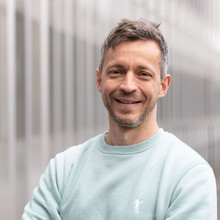
Chun-Kai Huang is an Assistant Professor in the Department of Physical Therapy, Rehabilitation Science, and Athletic Training at the School of Health Professions , University of Kansas. He teaches PTRS 750 Research in Evidence-Based Physical Therapy Practice in the physical therapy doctoral program and serves as a research mentor in the rehabilitation science Ph.D. program. Huang is a core scientist at the Laboratory for Advanced Rehabilitation Research in Simulation and an affiliate faculty member of the Human Performance Laboratory at the Landon Center on Aging. Education: Bachelor's in Physical Therapy (2005), Chang Gung University, Taiwan Master's in Rehabilitation Science (2007), Chang Gung University, Taiwan Ph.D. in Physical Therapy - Biomechanics (2015), University of Nebraska Medical Center Postdoctoral Fellowship (2016-2018), Madonna Rehabilitation Hospital Huang's research focuses on clinical biomechanics and human movement science , specifically virtual reality applications for studying movement in healthy and neurodegenerative populations, fall prevention in occupational settings, and ergonomics in minimally invasive surgery for tool development and skill acquisition. His work integrates biomechanical analysis with simulation technologies to address rehabilitation challenges. Huang's recent publications highlight trends in virtual reality-based balance assessment , neurodegenerative movement analysis , and gender-specific ergonomic studies in surgery . These works emphasize innovative applications of biomechanics in rehabilitation training, sensory organization, and occupational safety. Professional Affiliations : American Congress of Rehabilitation Medicine (Aging Research, Neurodegenerative Diseases, Measurement SIGs), American Physical Therapy Association, International Society of Posture and Gait Research, American Society of Biomechanics. No scientific awards or grants are explicitly mentioned in the provided text. Huang actively collaborates with rehabilitation laboratories and participates in interdisciplinary research teams focused on aging, human performance, and simulation-based interventions.