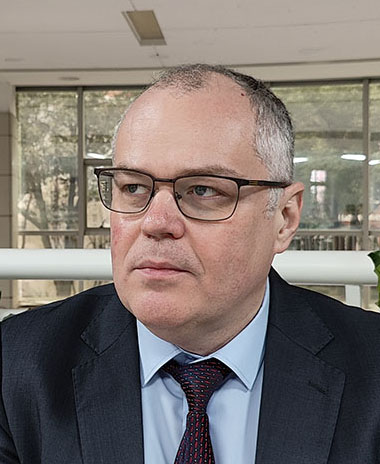
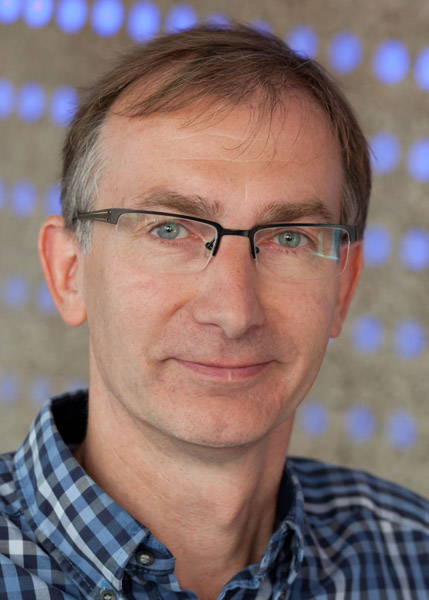
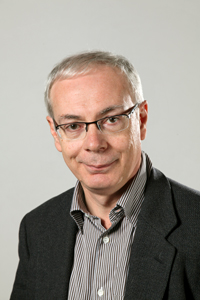
Alexey Semyanov is a Professor and Director of Neuroscience Center at Jiaxing University's Medical College since 2020. His career includes leadership roles at the Nizhny Novgorod Neuroscience Center (2005–2016), RIKEN Brain Science Institute (2005–2014), and UCL Institute of Neurology (1998–2005). Dr.Sc. (2002) & Ph.D. (1998) from Institute of Theoretical and Experimental Biophysics, Russia Second M.Sc. in Neuroscience (1996–1998), Pushchino State University M.Sc. in Biophysics (1991–1996), University of Nizhny Novgorod His research focuses on astrocyte-neuron interactions , extrasynaptic signaling , GABAA receptor dynamics , and calcium activity in brain networks. Recent work explores mitochondrial dysfunction in astrocytes and calcium signaling mechanisms during locomotion. Key publications (2011–2023) reveal expertise in hippocampal plasticity , synaptic transmission , and neuroglial communication . Awards include Distinguished Professor at Tongren People’s Hospital (2024) and membership in Academia Europaea (2019). 2024 - Distinguished Professor, Tongren People’s Hospital 2023 - Honorary Professor, Chengdu University of TCM 2019 - Member, Academia Europaea 2016 - Corresponding member, Russian Academy of Sciences
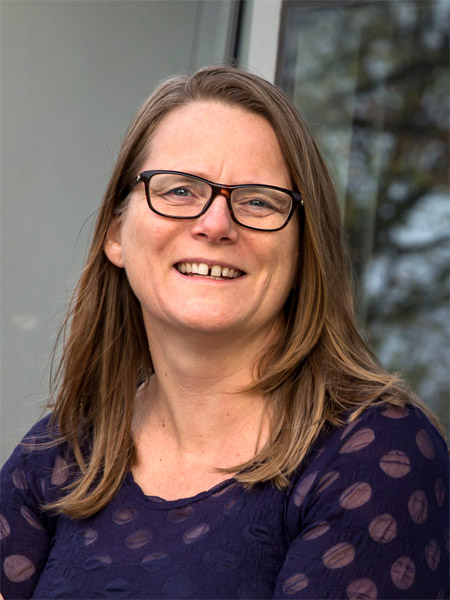
Elke H. Heiß is an Associate Professor at the University of Vienna , affiliated with the Faculty of Life Sciences and the Department of Pharmaceutical Sciences, Division of Pharmacognosy . Her research focuses on molecular mechanisms of natural products in cellular stress resistance, redox balance regulation, and metabolic immunomodulation. Key research areas include: AMPK-Nrf2 signaling crosstalk in cellular homeostasis Impact of biogenic compounds on glucose homeostasis and cellular bioenergetics Metabolic regulation of macrophage polarization Molecular pharmacology of indirubin derivatives in cardiovascular disease Current projects investigate: FWF Project P33778 (2021-2026): AMPK-mediated phosphorylation of Nrf2 targets FWF Project P32600 (2019-2024): Metabolic immunomodulation by natural products FWF Project P29392 (2016-2019): AMPK-Nrf2 interactions in stress response Her work combines chemical biology approaches with metabolic profiling to uncover novel therapeutic strategies for chronic diseases and aging-related conditions.
Elly Hol is a Full Professor of 'Glia biology of brain diseases' at Utrecht University and holds a professorship in 'Biology of glia and neural stem cells' at the University of Amsterdam. She leads the Hol Lab at the University Medical Center Utrecht Brain Center, focusing on glial cells' roles in neurological and psychiatric diseases. Her work integrates molecular, cellular, and translational approaches, including human post-mortem studies and mouse models. Education: PhD in Neurology from Utrecht University (1994). Post-doctoral training at Max-Planck-Institute for Psychiatry (Germany) and the Netherlands Institute for Brain Research (Amsterdam). Academic leadership roles include Director of the Master’s program Neuroscience & Cognition and the PhD program Clinical & Experimental Neuroscience at Utrecht University. Research interests span glial biology, neurodegenerative diseases (Alzheimer's, stroke), astrocyte-microglia interactions, and adult neurogenesis. Key contributions include studies on GFAP isoforms in astrocytoma progression and microglia heterogeneity in cerebral organoids. Publications emphasize translational neuroscience with articles in Nature Communications , Brain , and Molecular Psychiatry . Awards include the 2009 VICI grant and recognition in AcademiaNet. She chairs scientific advisory boards for Alzheimer Nederland and GliaNed, and sits on editorial boards of Glia . Grants include an NWO CONNECT grant (2021) and a Gravitation grant (2019). Her lab's work is funded by Dutch Brain Foundation and NWO initiatives. Labs/Teams: Hol Lab at UMC Utrecht Brain Center, leading interdisciplinary teams in glial biology and disease modeling.
Stephane Oliet is a researcher at the University of Bordeaux, affiliated with the Neurocentre Magendie and Inserm U862. He has held leadership roles such as Deputy Director (2009-present) and Head of the team ‘Glia-Neuron interactions’ (2011-2014). His academic career spans institutions including McGill University, UCSF, and the University of Bordeaux Segalen, with a focus on neurophysiology and glia-neuron interactions. Education: Ph.D. in Neurological Sciences, McGill University (1995) Habilitation à Diriger des Recherches, University of Bordeaux Segalen (2003) Research Interests: Oliet’s work explores neuron-glia interactions, synaptic plasticity, and the role of glial cells in neurotransmission. His research on NMDA receptors, gliotransmission, and osmoreception has advanced understanding of tripartite synapses, hippocampal function, and astrocytic signaling. His publications highlight D-serine dynamics and glutamate clearance mechanisms. Scientific Awards: 2012 France Alzheimer Special Prize 2007 NARSAD Independent Investigator 2006 Award from La Recherche 2006 Fondation pour la Recherche Médicale Special Award 1994 Human Frontier Long-Term Fellowship Teaching & Supervision: Oliet has taught in Neuroscience Graduate Programs at the University of Bordeaux 2 and Paris 6/7. He has supervised 5 postdocs, 8 PhD, and 10 MSc students, and actively participated in thesis defense committees and symposium organization.
Prof. Alfonso Araque is a renowned Spanish neuroscientist currently serving as a Professor in the Department of Neuroscience at the University of Minnesota, USA (since 2013). A member of the Academy of Europe (elected 2010), his career spans prestigious institutions including CSIC (Spain) and Iowa State University (USA). His work focuses on neuron-glial signaling and synaptic dynamics, revolutionizing understanding of glial roles in brain function. Research contributions: Tripartite synapse (1999), astroglia-dependent synaptic plasticity (2007), endocannabinoid signaling (2008) Membership: Academia Europaea, Spanish Society for Neuroscience (SENC) His research has been published in top-tier journals (Nature, Science, Neuron), cited over 2400 times. Key themes include neuroglial interactions, astrocyte biology, and synaptic modulation mechanisms. 2008 Pfizer Foundation Award 2007 Federation of European Neuroscience Societies Scientific Highlight Previously held leadership roles in SENC (Treasurer 2009-2011, Vice-President 2011-2013) and served on evaluation committees in Spain and France. His work challenges traditional neuronal-centric views of brain circuits.
Anthony Holtmaat is a Full Professor in Neuroscience at the Department of Basic Neurosciences, Faculty of Medicine, University of Geneva, Switzerland. He has held this position since 2016 and was an Associate Professor from 2007–2015. His research focuses on synaptic and structural plasticity in cortical circuits. Full Professor (2016–present) Associate Professor (2007–2015) Chair Alan Rossier (2007–2015) His work spans molecular neuroscience , optical imaging of brain structure , and cortical-thalamic circuits . Key contributions include studies on dendritic spine dynamics and activity-dependent plasticity using in vivo imaging techniques. Recent publications highlight his expertise in synaptic potentiation mechanisms , interneuron development , and computational neuroimaging . He has received major awards including the Swiss Brain League Research Prize and funding exceeding 1.5M CHF for his Chair. Swiss Brain League Prize (2016) 1.5M CHF Chair Funding (2007) 30+ PhD Students Examined 12 Postdocs Advised
Kerstin Lenk is an Assistant Professor at the Institute of Neural Engineering at Graz University of Technology (TU Graz). Her work bridges computational neuroscience and neural engineering, focusing on the role of astrocytes in neuronal network dynamics and neurodegenerative diseases. Research Focus: Computational modeling of astrocyte function, calcium signaling, and neuron-astrocyte interactions in health and disease (e.g., Alzheimer's, schizophrenia). Techniques: Finite element simulations, machine learning for parameter inference, and neurochip recordings for in vitro network analysis. Key Themes: Synaptic transmission, gliotransmission, aging effects on glutamate transport, and optoelectronic stimulation of brain tissues. Her publications highlight collaborations on multiscale biophysics and emerging applications in digital twins for in-silico pharmacology. Email: kerstin.lenk@tugraz.at
Milos Pekny is a Professor and Director of the Laboratory of Astrocyte Biology and CNS Regeneration at the University of Gothenburg's Sahlgrenska Academy. He holds adjunct professorships at Australia's Florey Institute and University of Newcastle. His research focuses on astrocyte biology, brain repair mechanisms, and neuroinflammation. With over 95 publications and an h-index of 40, his work bridges experimental neurology and clinical applications. Education: MD cum laude (1989), Charles University, Prague PhD (1994), Uppsala University, Sweden Docent (1999), Sahlgrenska Academy Research Interests: Role of astrocytes in brain regeneration Neuroprotective strategies post-stroke Complement system's impact on neurogenesis Glial-neuronal interactions in health/disease Key Funding: Swedish Research Council EU FP7 programs (TargetBraIn, EduGlia) AFA Insurance-funded stroke research initiative Awards: Swedish Eric Fernström Prize (2005) Scientific Board Member, Swedish Brain Foundation He coordinates major brain regeneration programs and has organized 18 international conferences. His lab explores astrocyte-based therapies for neurodegenerative disorders.
Maria Grazia Spillantini is Professor of Molecular Neurology at the Department of Clinical Neurosciences, Clinical School, University of Cambridge, UK, a position she has held since 2007. She is head of the Spillantini Laboratory and the Cambridge Brain Bank, and works closely with the Stem Cell Institute. Her academic journey began with a Laurea in Biological Sciences from Florence University, followed by a PhD in Molecular Biology from Cambridge University working at the MRC Laboratory of Molecular Biology with Prof Sir Aaron Klug. Her research focuses on neurodegenerative diseases characterized by protein aggregation, particularly tauopathies and alpha-synucleinopathies. With her collaborators, she made the groundbreaking discovery identifying alpha-synuclein as the component of filaments forming Lewy bodies in Parkinson's disease, dementia with Lewy bodies, and glial inclusions in multiple system atrophy, effectively opening the field of alpha-synucleinopathies. She also determined tau isoforms in human brain and their aggregation in Alzheimer's disease, and described one of the first mutations in the MAPT gene causing frontotemporal dementia, establishing tau's role in neurodegenerative diseases now known as tauopathies. Her publication record shows a consistent focus on protein aggregation mechanisms in neurodegeneration, with recent work exploring microglial interactions with tau aggregates, astrocyte dysfunction in tauopathies, synaptic failure in Parkinson's disease models, and biomarker development for Parkinson's disease. Her research has significant translational impact, with at least one compound identified through her work now in Phase 2 Clinical Trials for human patients. Elected Fellow of the Royal Society, London (2013) Elected Fellow of the Academy of Medical Sciences, London (2010) Elected Fellow of the Royal Society of Biology, UK (2021) European Grand Prix for Alzheimer's Research (2021) Tudichum Medal of the UK Biochemical Society (2020) Jay Van Andel Award for Outstanding achievements in Parkinson's disease (2016) 'Camillo Golgi Medal' of the Golgi Foundation (2017) Knight Officer of the Order of the 'Star of Italy' (2018) Professor Spillantini's work is supported by major funding bodies including Alzheimer's Research UK, Alzheimer's Society, Astra Zeneca, Cambridge Biomedical Research Centre, EU Horizon 2020, Medical Research Council, Parkinson's UK, and the Paul G. Allen Foundation. Her laboratory investigates the cellular and molecular mechanisms underlying Parkinson's disease, Alzheimer's disease, and Frontotemporal dementia using patient-derived stem cells and post-mortem brain tissue. The Spillantini Lab is particularly focused on understanding how protein aggregation in neurons, astrocytes, oligodendrocytes, and microglia leads to neurodegeneration.
Milos Pekny serves as Professor at the Department of Clinical Neuroscience, Sahlgrenska Academy, University of Gothenburg, Sweden, where he directs the Laboratory of Astrocyte Biology and CNS Regeneration. He additionally holds Conjoint Professor appointments at Australia's Florey Institute of Neuroscience and Mental Health (since 2013) and University of Newcastle (since 2014). His academic credentials include: Doctor of Medicine (M.D.) cum Eminentia, Charles University, Prague (1989) Dr.Med.Sc. (Ph.D.), Uppsala University, Sweden (1994) Docent (Associate Professor), University of Gothenburg (1999) Professor, University of Gothenburg (2005) Pekny's research centers on neuroregenerative mechanisms with particular focus on astrocyte functions in neuropathology and stroke recovery. His laboratory investigates how astrocytes can serve as therapeutic targets and contributes to understanding intermediate filament networks in neurological disorders. His work bridges basic science with clinical applications for brain repair. With 95 publications (80 peer-reviewed papers, 10 book chapters) exceeding 7,200 citations (h-index 40), his research has shaped contemporary understanding of glial cell biology in CNS disorders. His publication trends show consistent focus on astrocyte-mediated repair mechanisms and translational stroke research over the past two decades. His scientific recognition includes: Swedish Eric Fernström Prize (2005) Scientific Board Membership, Swedish Brain Foundation (since 2012) Leadership roles in European neuroscience initiatives Pekny has secured substantial research funding from Swedish Research Council, ALF grants, AFA Insurance, Hjärnfonden, and EU programs including FP7 TargetBraIn and Marie Curie Network EduGlia. He coordinated the University of Gothenburg's stroke regeneration program (2011-15) and chaired the EU COST action NANONET working group on intermediate filaments (2010-14). His laboratory continues advancing translational research from bench to bedside in neuroregeneration.
Paola Bovolenta is a Research Professor at the Spanish National Research Council (CSIC) - Universidad Autónoma de Madrid (UAM), with international recognition in Developmental Neurobiology. She has held leadership roles including Chair of the Tissue and Organ Homeostasis Program (2019–present) and former Chair of the Development and Differentiation Department (2012–2019). Her research spans: Mechanisms of visual axon sorting at the chiasm Morphogen signaling in eye development Neuroinflammation in Alzheimer's disease ADAM10-SFRP1 interactions in neurodegeneration Interdisciplinary approaches to life sciences Recent publications highlight her work on zebrafish models for optic cup morphogenesis, neuroinflammatory crosstalk in Alzheimer's, and synthetic biology applications. Awards include EMBO membership (2012), two Fundaluce Awards (2009, 2012), and ERC Scientific Council membership (2017). She has mentored 21 PhD students (4 ongoing) and 20 postdocs, with active involvement in European research policy through the ERC Open Science Working Group and UE Core Group on Reform of Research Assessment.
Frank Kirchhoff is a Full Professor (W3) and Head of the Department of Molecular Physiology at the University of Saarland, Homburg, Germany. He has previously held leadership roles as Research Group Leader at the Max Planck Institute of Experimental Medicine and as Lecturer at the Free University of Berlin. University of Saarland (2009-present) Max Planck Institute of Experimental Medicine (2000-2009) Free University of Berlin (1997-2008) Education: Diploma in Biochemistry, University of Heidelberg (1985) PhD in Neurobiology, University of Heidelberg (1990) Research Focus Frank Kirchhoff specializes in neuroscience and molecular physiology , with a focus on glial cells, neuron-glia communication, and in vivo imaging techniques. His work uses transgenic mouse models to explore brain function and pathologies. Publication Trends His recent publications emphasize glial heterogeneity , energy metabolism , and in vivo imaging , demonstrating expertise in molecular and cellular neurobiology through innovative genetic and pharmacological approaches. Scientific Contributions Kirchhoff has received notable fellowships including Boehringer Ingelheim Fonds and Studienstiftung des deutschen Volkes . He served as Visiting Professor in Romania and Brazil and coordinates the EU-GliaPhD and DFG Priority Programme SPP 1757 on glial heterogeneity. Labs & Collaborations As Head of the Department of Molecular Physiology, Kirchhoff leads research integrating transgenic models and in vivo microscopy . He collaborates with institutions like the Achucarro Basque Center of Neuroscience (Spain) and contributes to editorial boards of journals including GLIA and Journal of Chemical Neuroanatomy .
Chiara Zurzolo is a Professor at the Institut Pasteur , where she has served since 2015. She is the Head of the Membrane Traffic and Pathogenesis Unit (2003–present) and previously directed the Cell Biology and Infection Department (2014–2019). Her academic career spans roles as Associate Professor (2000–2003) and Assistant Professor (1994–2000) at Naples University Federico II. She co-leads the Pasteur Weizmann Council (2020–present) and chairs the “Brain connectivity and Neurodegenerative Disease” thematic at Institut Pasteur (2020–present). Doctor in Medicine and Surgery (1984), Naples University PhD in Cellular and Molecular Biology (1991), Naples University Specialization in Molecular and Clinical Oncology (1992), Naples University Post-doctoral Fellow (1990–1994), Cornell University Medical School Her research focuses on membrane trafficking , protein-lipid interactions , and tunneling nanotubes (TNTs) in epithelial and neuronal cells. She investigates how TNTs facilitate the spread of pathogens like SARS-CoV-2 and misfolded proteins (e.g., alpha-synuclein, Tau) in neurodegenerative diseases (Parkinson’s, Alzheimer’s). Her work combines advanced imaging techniques and molecular biology to unravel cellular communication mechanisms. Her publications emphasize TNTs as intercellular conduits for viral transmission, protein misfolding, and lysosomal trafficking. Key themes include calcium signaling in Golgi dynamics, Wnt pathway regulation of neuronal connectivity, and astrocytic roles in alpha-synuclein degradation . Her studies bridge cell biology , neuroscience , and pathogenesis through structural and functional imaging. Radcliffe Fellow (2018–2019) EMBO Member (2015–) Hugo et Valérie Ramniceanu Prize (2011) She mentors over 50 PhD students and postdocs, serves on 30+ thesis committees, and actively secures national/international funding (ANR, ARC, INCA, EU). Her leadership roles include co-president of the Pasteur-Weizmann Council and membership in evaluation committees for scientific promotions and recruitments.
Andrea Volterra is a Full Professor of Cell Biology and Histology at the University of Lausanne, Switzerland, and Co-Director of the Department of Cell Biology and Morphology (DBCM). He previously held roles including Associate Professor at the University of Milan and Research positions at Columbia University (USA). His research focuses on Neuroscience, particularly astrocyte function, synaptic communication, and neurodegenerative diseases. Key contributions include pioneering work on astrocytes' role in glutamate release and the tripartite synapse model. Education: PhD in Pharmacology (University of Milan, 1983-1985), Postdoctoral studies at Columbia University (1986-1987). Awards include membership in Academia Europaea (2006) and the Novartis Prize (1999). His work has been published in high-impact journals like Nature Neuroscience and Nature Reviews Neuroscience. Research interests encompass astrocyte physiology, neuroinflammation, and mechanisms of excitotoxicity. He leads interdisciplinary initiatives, including the Cellular Imaging Facility at the University of Lausanne and collaborations on neurodegenerative diseases. His publications highlight advancements in understanding glial-neuronal interactions and neuroprotective strategies.
Dmitri Rusakov is a Professor of Neuroscience at the Queen Square Institute of Neurology, University College London . His research focuses on synaptic plasticity, astroglial signaling, and neural network dynamics. He has held prestigious fellowships including Wellcome Trust Principal Research Fellowships (2013–now, 2018) and European Research Council Advanced Grant (2012). Rusakov pioneered studies on astrocyte-neuron interactions, glutamate dynamics, and calcium signaling in situ. Research Themes : Synaptic machinery, diffuse signaling beyond synapses, astroglial roles in neural circuits Key Techniques : Fluorescence imaging, computational modeling, electrodiffusion analysis Publication Trends : Over 15 years, his work emphasizes astrocyte signaling , synaptic glutamate dynamics , calcium homeostasis , and in silico modeling . He explores how astroglia modulate synaptic plasticity and neural rhythms through GABA waves, Ca2+ gradients, and membrane recycling. Recent articles address methodological challenges in fluorescence sensor calibration and neurovascular coupling. Scientific Awards All-Ukraine Young Physicists Olympiad First Prize (1976, 1977) Medical Research Council UK Career Development Award (1999) Wellcome Trust Senior Research Fellowship (2003, 2008) Academia Europaea membership (2012) ERC Advanced Grant (2012) Wellcome Trust Principal Research Fellowship (2013, 2018) Collaborations span institutions including PNAS USA, Neuron, Nature, and Science journals. His career spans roles at UCL, Open University, Bogomoletz Institute, and international visiting positions.