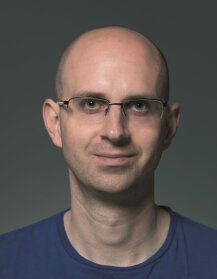
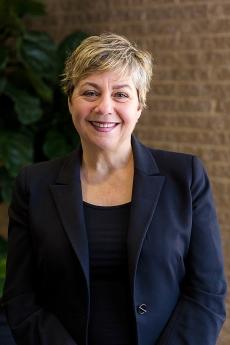
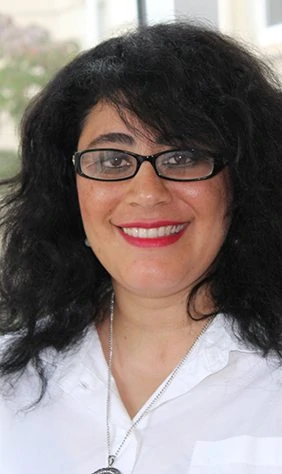
Florian Haas is a Senior Lecturer in Linguistics at the Institute for English and American Studies , Friedrich Schiller University Jena , where he has taught since 2009 across BA, MA, and teacher training programs. His research focuses on recent morphosyntactic changes in English , contrastive linguistics , typology , and usage-based construction grammar , with a notable Habilitation thesis on the history of human impersonal pronouns in English. Education : PhD in Linguistics (2008, Free University of Berlin, summa cum laude), MA in European Master's Degree in Linguistics (2002), MA in English Studies (2002). His research interests span corpus-driven analysis of language change, cross-linguistic contrasts (particularly English-German), and cognitive approaches to grammar. His publications emphasize diachronic shifts in pronouns, genre-specific linguistic patterns, and constructionist analyses of syntax. He has supervised numerous student theses on topics like political framing, bilingualism, and sociolinguistic variation in English. Academic service includes roles as Erasmus coordinator, reviewer for journals like Journal of Pragmatics , and memberships in societies such as the Association for Linguistic Typology .
Elizabeth Leisy Stosich serves as Associate Professor and Associate Chair of the Division of Educational Leadership, Administration, and Policy at Fordham University's Graduate School of Education. Since joining the faculty in 2017, her research examines collaborative leadership practices that strengthen educational equity and student learning opportunities across district, school, and teacher levels, with particular focus on high-poverty urban contexts and ambitious academic standards implementation. Her educational background includes advanced degrees from Harvard University: Ed.D. in Education Policy, Leadership, and Instructional Practice Ed.M. in Education Policy and Management M.A. in Teaching and Multiple Subjects (University of San Francisco) B.A. in Spanish and Portuguese (UC Berkeley) Stosich's research centers on education policy, school/district leadership, teacher professional development, and research-practice partnerships. She investigates how leaders create coherence among complex policies like Common Core standards and accountability systems, emphasizing collaborative structures that enable educators to improve instructional practices. Her work consistently addresses equity challenges in resource-constrained urban schools through frameworks like the Internal Coherence Framework. Analysis of her 15 most recent publications reveals persistent themes: leadership practices that bridge policy expectations with classroom realities, the critical role of social networks in policy implementation, and strategies for building sustainable improvement capacity. Her scholarship demonstrates methodological diversity including social network analysis, design-based implementation research, and qualitative case studies, predominantly focused on urban educational settings where equity considerations drive leadership decisions. Her significant scholarly recognition includes: 2022 AERA Division A Emerging Scholar Award 2016 AERA Leadership for School Improvement SIG Dissertation of the Year Award Stosich teaches courses including Community of Inquiry, Implementation Research, Leading Instructional Improvement, and Urban Education. Prior to Fordham, she served as a research fellow at Stanford's Center for Opportunity Policy in Education and taught elementary school in Oakland. Her co-authored book "The Internal Coherence Framework" is widely adopted in leadership programs, reflecting her commitment to bridging research and practice through ongoing partnerships with school districts. Her current work extends through research-practice partnerships where she collaborates with districts to implement leadership frameworks that foster organizational coherence, strengthen instructional systems, and develop sustainable capacity for continuous improvement in diverse educational settings.
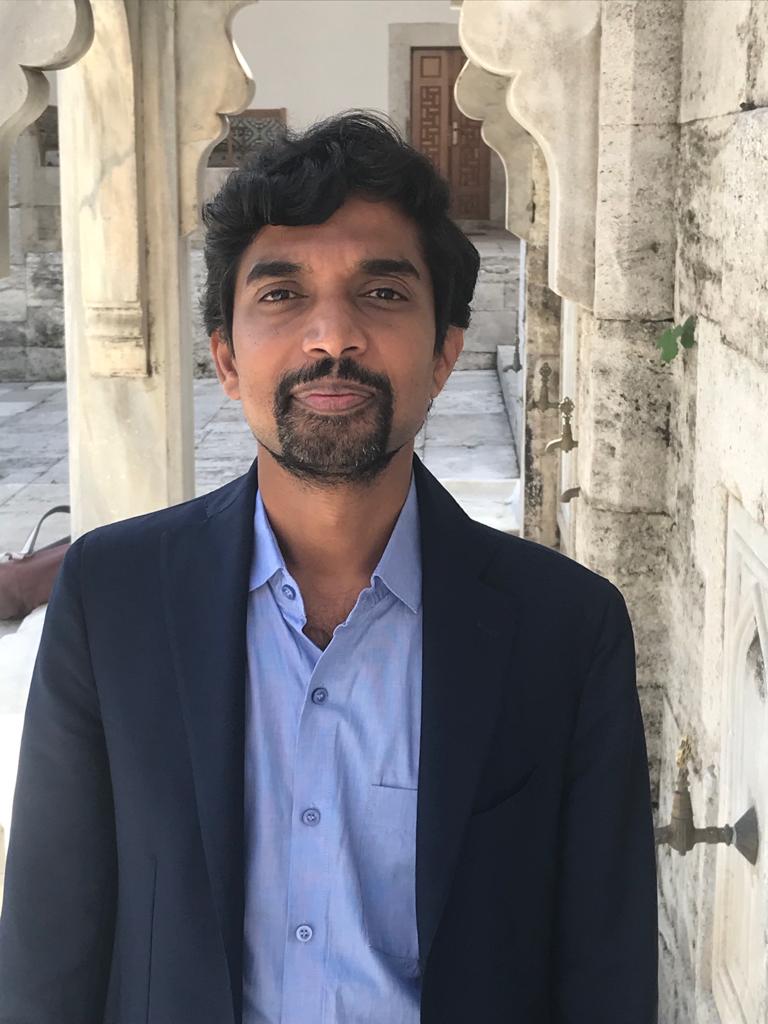
Naveen Kanalu Ramamurthy serves as an Associate Professor at the School for Advanced Studies in the Social Sciences (EHESS) in Paris, where he is affiliated with the Center for Historical Research (CRH). His scholarly work centers on the institutional history of the Mughal Empire (1526-1857) in South Asia, with particular emphasis on the relationship between Hanafi Islamic law and imperial governance structures. Dr. Ramamurthy completed his Doctorate in History at the University of California, Los Angeles (2015-2021), preceded by multiple Master's degrees from prestigious Parisian institutions: Iranian Studies from Sorbonne Nouvelle University Paris 3, History of Economic Thought from Panthéon-Sorbonne University Paris 1, and History and Philosophy from Paris Ouest Nanterre. His academic foundation includes studies at the École Normale Supérieure – Ulm and undergraduate work in Economics at the University of Delhi. His research program examines three interconnected dimensions of Mughal governance: (1) the administrative organization of imperial space, (2) the intersection of legal normativity and historical anthropology, and (3) the regulation of political economy. Drawing on Arabic legal manuscripts, Persian administrative documents, and vernacular language sources, Ramamurthy reveals how Islamic legal institutions adapted to local contexts across precolonial South Asia, challenging simplistic narratives of imperial uniformity. Dr. Ramamurthy's publications demonstrate consistent scholarly engagement with Mughal legal frameworks within trans-imperial networks connecting South Asia with the Middle East and Central Asia. His work bridges historical methodology with theoretical innovation, particularly in analyzing how bureaucratic practices shaped imperial urbanity and legal consciousness during the 17th-18th centuries. Among his significant recognitions, Dr. Ramamurthy received the Collège de France Prize for Young Researchers in 2023. He currently leads the ANR-funded MugUrba project (2024-2027) examining bureaucratic rhythms of imperial urbanity in Mughal South Asia and co-directs the interdisciplinary "Empire" research program at EHESS. As an educator, Ramamurthy teaches courses on "The State in Islam: Authority, Law and Institutions in the Mughal Empire in India," theoretical approaches to historical practice, and contributes to the PRI Empires program. He serves on editorial boards including Annales. Histoire, sciences sociales and participates in the pedagogical council for the History Master's program at EHESS. Dr. Ramamurthy also contributes to the "Research Sources and Data" Collective at CRH, supporting digital initiatives that enhance historical research methodologies while maintaining his primary focus on Mughal institutional history through traditional archival scholarship.
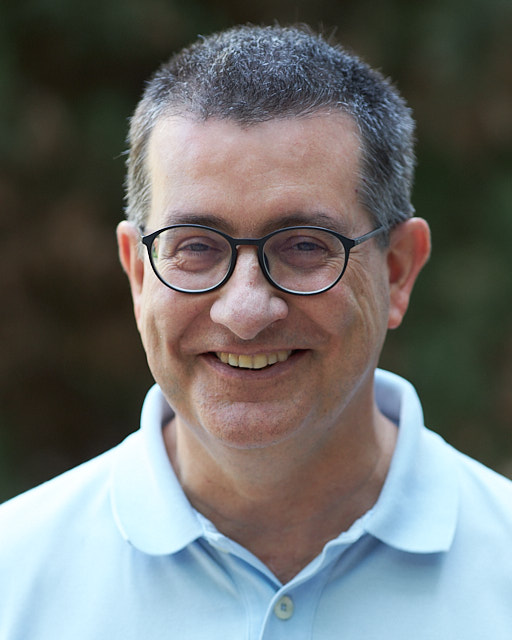
Vincenzo Della Mea is an Associate Professor of Information Processing Systems at the University of Udine's Department of Mathematical, Computer and Physical Sciences. His research focuses on medical informatics, digital pathology, biomedical ontologies, and AI applications in healthcare. He holds abilitation to full professorship and is a member of the WHO Italian Collaborating Centre for International Classifications (WHO-FIC), ICHI Task Force, and ESDIP's Executive Board. He leads the EU MSCA Doctoral Network BosomShield (2022-2026) and previously managed the AIDPATH Marie Curie project. As an editor for journals like Digital Health and Journal of Pathology Informatics , he bridges academia and practice. Beyond academia, he is a poet with awards, including the Nelle terre dei Pallavicino Prize for his 2004 collection Algoritmi , and organizes interdisciplinary events merging science and literature. Education & Roles : Holds a professorship in Computer Science and teaches courses on web technologies, medical informatics, and AI across multiple degree programs. Previously served as Vice-President of SIBIM (Italian Biomedical Informatics Society). Research Interests : Specializes in digital pathology, medical AI, telemedicine, and standardization of health classifications like ICD-11 and ICF. His work emphasizes ontology harmonization and machine learning for clinical decision support. Recent Contributions : Published on WHO classification harmonization, AI-driven pathology tools, and energy-sector LLM applications. Active in editorial roles and international collaborations, including the HEROHE Challenge for breast cancer analysis. Awards & Recognition : 2023 – Poetry collection Clone 2.0 (neurally generated) 2005 – Nelle terre dei Pallavicino Award Grants & Projects : Led EU-funded projects (AIDPATH, BosomShield) and contributed to initiatives like the ICD-11 Mortality Coding System. Collaborates with institutions like AcegasApsAmga on AI for utilities. Labs & Initiatives : Involved in digital pathology workflow optimization and educational platforms for medical coding and AI ethics.
James V. Shuls is an Associate Professor and Department Chair of Educator Preparation and Leadership at the University of Missouri-St. Louis, College of Education. He also serves as the graduate program director of educational leadership and policy studies. Dr. Shuls earned his Ph.D. in education policy from the University of Arkansas and holds master's and bachelor's degrees in elementary education from Missouri State University and Missouri Southern State University, respectively. Dr. Shuls' research focuses primarily on teacher labor markets, school finance, and school choice. His expertise has led him to serve as an expert witness in the school finance case, Martinez/Yazzie v. New Mexico. His methodological approaches include longitudinal data analysis, ethnography, and various evaluation methods including randomized control studies and quasi-experimental design. His scholarly work appears in journals such as Social Science Quarterly, The Rural Educator, Educational Policy, Journal of Education Finance, and Journal of School Choice, where he serves on the editorial board. Recent publications address the four-day school week in Missouri, teacher pension systems, school finance equity, and the conservative appeal of private schools. His research often bridges academic rigor with practical policy implications. Before joining UMSL, Dr. Shuls served as director of education policy for the Show-Me Institute, where he remains a distinguished fellow. His practical classroom experience teaching first and fifth grade in Republic, MO provides valuable context for his research and policy analysis. Dr. Shuls actively engages with broader audiences through popular media, talk radio, and television appearances on education policy matters.
Catherine Hammond is a Senior Lecturer in Town Planning at the Sheffield Institute of Social Sciences, part of the College of Social Sciences and Arts at Sheffield Hallam University. She specializes in environmental planning, focusing on balancing development and environmental protection. As course leader for the Chartered Town Planning Higher Degree Apprenticeship and module leader for multiple undergraduate and postgraduate programs, her teaching integrates practical experience with academic rigor. Hammond holds an MA in Urban and Regional Planning (part-time) from Sheffield Hallam University and a PhD from Newcastle University. Her research explores green/blue infrastructure, biodiversity net gain, and planning mechanisms for nature recovery. She actively engages with professional bodies such as the Town and Country Planning Association Policy Council and the South Yorkshire Local Nature Partnership. Her work bridges academia and practice, reflected in her role as Guest Editor for a special feature on biodiversity and planning in the Journal of Applied Ecology and People and Nature. She supervises approximately seven postgraduate research projects annually and mentors two PhD students researching biodiversity duty implementation and planning reforms' impacts. Previously, Hammond worked in urban regeneration, policy research for Hull City Council, and environmental advocacy with the CPRE. She contributed to regional governance as an environment sector representative on the Yorkshire and Humber Regional Assembly and deputy chair of its Planning Board.
Andre Nyberg is a Professor at the Department of Community Medicine and Rehabilitation, Section of Physiotherapy, Umeå University, Faculty of Medicine. He serves as Group leader of Umeå Translational Respiratory EXercise group (U-TREX), a multidisciplinary research group dedicated to patient-centered research for individuals with respiratory diseases. His educational background includes: Associate Professor, Physiotherapy (2019) Ph.D. in Physiotherapy, Umeå University (2014) Master's degree in sports medicine, Umeå University (2013) Master's degree in physiotherapy, Umeå University (2013) Bachelor's degree in sports medicine, Umeå University (2011) Bachelor's degree in physiotherapy, Umeå University (2009) Bachelor's degree in health sciences, Umeå University (2007) Dr. Nyberg's primary research focuses on developing new strategies for the assessment and management of extrapulmonary manifestations among people with COPD. His work examines the effects and explanatory mechanisms of different forms of physical exercise on extrapulmonary manifestations such as impaired muscle, cardiovascular, and cognitive function. He investigates the reliability, validity, and feasibility of different strategies for assessing thigh muscle function in COPD and develops new treatment strategies optimizing physical exercise in COPD through both in-vivo and in-vitro experiments using quantitative and qualitative research methods. His recent publications (2023-2024) demonstrate a strong emphasis on high-intensity interval training for COPD patients, muscle function assessment, and digital health interventions. The research spans from physiological mechanisms to clinical implementation and patient-centered outcomes, reflecting a comprehensive translational approach that bridges laboratory findings with practical clinical applications. Scientific awards and recognitions: Erik K Fernströms Pris for young promising researchers (2023) European Research Council Starting Grant (2022) Heart and Lung Foundations Mentor Program for promising young scientists (2022) Prince Daniel's Research Grant for Promising Young Researchers (2021) Best Abstract at CR-IUCPQ, Quebec, Canada (2020) Best Poster presentation at Nordic Lung Congress (2017) Best abstract in COPD at European Respiratory Society, Munich (2014) Dr. Nyberg serves as a supervisor for bachelor's and master's level projects and has been teaching undergraduate and master's training for physiotherapists and occupational therapists since 2011. He became a Senior Lecturer in 2016 and was recognized as a distinguished university teacher in 2021. He is responsible for the course 'Physiotherapy - clinical evaluation and measurement methodology' and delivers lectures at Master and Research levels. He leads multiple research projects including 'Countering stigma in self-management in people with chronic obstructive pulmonary disease' (2024-2026) and 'COPD-HIIT' (2021-2028), and serves in various leadership roles including Chair of the European Respiratory Society - Physiotherapy Subgroup (2024-2027).
Alex Rubenstein serves as Associate Professor of Management and Ph.D. Program Coordinator at the University of Central Florida's College of Business. His research program examines employee transitions within organizational contexts, with particular emphasis on newcomer adjustment processes and employee withdrawal/turnover mechanisms. Additional expertise includes individual differences in personality and ability, along with advanced research methodologies. Rubenstein's scholarly contributions appear in premier management journals including Academy of Management Journal, Journal of Applied Psychology, Personnel Psychology, and Journal of Management. He teaches organizational behavior, human resource management, and research methods across undergraduate, graduate, and executive education programs. As an active contributor to the academic community, Rubenstein serves on editorial boards for Journal of Applied Psychology, Personnel Psychology, Journal of Management, and Journal of Organizational Behavior. His doctoral training was completed at the University of Florida's Warrington College of Business, complemented by dual bachelor's degrees in business and psychology from the University of Washington.
Dr. Stuart Thompson is a Senior Lecturer in Plant Biochemistry at the University of Westminster, affiliated with the School of Life Sciences. He is part of research groups including Applied Biotechnology, Westminster Water Research, and Sustainable Biotechnology. His career spans over 25 years in academia, including a doctoral degree from the University of Oxford's School of Plant Sciences (Linacre College, 1987–1991) and a Research Associate role at Lancaster University (1992–2000). His expertise focuses on plant cell wall biochemistry, biophysics, and biomechanics, with particular emphasis on how plant cells regulate growth through cell wall composition and water relations. Current research explores the role of cellulose microfibril spacing in cell wall mechanics, drought adaptation mechanisms, and the application of biopolymers in plant cell wall mimics using Gluconacetobacter xylinum . His work integrates polymer rheology models to elucidate novel growth inhibition mechanisms under drought conditions. Teaching responsibilities include co-leading the Biochemistry BSc (Hons) program and instructing in biochemistry, plant science, philosophy of science, ethics, and food security. Research projects currently investigate cell wall 'free volume' effects, biocomposite production, Venus flytrap physiology, and enzyme-driven wall extensibility regulation.
Sergio Gómez Jiménez is an Associate Professor in the Department of Computer Engineering and Mathematics at Rovira i Virgili University (URV), Tarragona, Spain. He joined URV in 1995 and has held his current position since 1997. He obtained degrees in Physics (1990) and Mathematics (1995) and a PhD in Physics (1994) from the Universitat de Barcelona. His research focuses on complex networks, including community structure analysis, epidemic spreading, urban congestion, and applications to biology, medicine, and social systems. He has authored over 100 publications in high-impact journals like Nature Methods and Physical Review Letters. He coordinates the interuniversity Master's in Biomedical Data Science and the PhD Program in Bioinformatics. His editorial roles include Associate Editor of Complexity and Review Editor of Frontiers in Physics. Notable awards include the American Physical Society's Outstanding Referee (2015) and the Web Science Trust's Test of Time Award (2024). His work on modeling the spatiotemporal spread of epidemics, such as the 2020 COVID-19 pandemic, has received significant attention. He also contributed to urban traffic congestion analysis and developed algorithms for hierarchical clustering (e.g., MultiDendrograms). Collaborations span institutions like the University of Oxford and CERN, reflecting his interdisciplinary approach to complex systems.
Toni Marsh is an Associate Professor of Paralegal Studies and Political Science at George Washington University (GWU), where she serves as the founding director of the Paralegal Studies master's degree and graduate certificate programs. She concurrently holds roles as Immediate Past President of the American Association for Paralegal Education (AAfPE) and Executive Director of Lambda Epsilon Chi (LEX), the national paralegal honor society. Additionally, she has served as Faculty in Residence in Philip Amsterdam Hall. Her research and professional contributions focus on paralegal education, curriculum development in international contexts, and juvenile/criminal law. Notably, she designed the first formal paralegal education program in Tanzania at the University of Bagamoyo, whose curriculum is now widely adopted across the nation. Her professional experience includes directing the paralegal studies program at the University of North Carolina at Charlotte, teaching at Georgetown University, and practicing criminal and juvenile law in Cleveland, Ohio. Professor Marsh is the author of Juvenile Law , a foundational text in her field. Her work emphasizes bridging legal education with practical legal systems, particularly in under-resourced regions. While no specific grants or awards are mentioned, her leadership roles and curricular innovations highlight her impact on paralegal education standards both nationally and internationally.
Alcino Azevedo is an Associate Professor of Finance at Aston Business School, University of Aston. He serves as Research Director of the Economics, Finance and Entrepreneurship Department. Previously, he held roles at Alliance Manchester Business School and Hull University Business School, where he led the MSc Financial Management program. His academic background includes a PhD in Investments under Uncertainty and Competition from the University of Manchester (2009), an MSc in Finance from Universidade Católica Portuguesa, and an Engineering degree from Universidade do Minho. He combines academic rigor with industry experience from roles in manufacturing management. His research focuses on real options analysis, strategic investment timing under uncertainty, and risk management in financial markets. He has published in top journals like the Journal of Financial Economics and European Journal of Operational Research , and frequently presents at conferences such as the Financial Management Association and Real Options conferences. His work addresses topics like voluntary delisting strategies, wind farm location optimization, and derivatives effectiveness in firm value creation. He is also active in reviewing for high-impact journals including the RAND Journal of Economics and Journal of Economic Dynamics and Control . Teaching responsibilities include modules on Advanced Corporate Finance and Derivatives. He actively supervises PhD students in real options, risk management, and corporate finance. His research extends to energy economics, corporate governance impacts on hedging decisions, and policy analysis for renewable energy investments.
Habib Zaman Khan is an Associate Professor of Accounting and Director of the Master of Professional Accounting (MPA) Program at the Canberra Business School, University of Canberra, Australia. He also serves as Associate Editor of the Accounting Research Journal published by Emerald Publishing and is an active Board Member of CPA Australia ACT Divisional Board, having served from 2018-2020 and re-elected for 2024-2026. Dr Khan's educational credentials include: PhD in Management Accounting from Macquarie University Sydney CPA degree (professional program) from CPA Australia Advanced Diploma in Business from AAT Sydney Foundation degree on Teaching and Education from Curtin University MBA degree (Major in Accounting) from the University of Dhaka, Bangladesh His research spans critical intersections of accounting, sustainability, and governance, with particular focus on multi-dimensional performance measurement, sustainability reporting (especially in banking), greenwashing practices, and corporate governance dynamics. A significant portion of his work addresses Sustainable Development Goals (SDGs) implementation, climate change risk disclosure, and the relationship between non-financial metrics and organizational outcomes. His scholarly contributions have advanced understanding of how accounting practices can better serve societal needs in both developed and emerging economies, with publications appearing in top-tier journals across multiple disciplines. Dr Khan's publication trajectory shows a clear evolution toward sustainability accounting and reporting, with increasing emphasis on SDGs, climate change, and modern slavery practices in recent years. His work spans high-impact journals from specialized accounting outlets like Accounting, Auditing and Accountability Journal to sustainability-focused publications like Journal of Cleaner Production, demonstrating the interdisciplinary nature of his research and its broad relevance across academic and professional domains. His scholarly excellence has been recognized through numerous awards: Dean's Commendation Award for Research Excellence (Individual category, 2020) Dean's Excellence Award for Outstanding Teaching and Learning (2016) African Accounting and Finance Journal Best Paper Award (2023) Multiple Research Excellence Awards from Macquarie University (2011, 2012) Endeavour International Postgraduate Research Scholarship (2010) As an academic supervisor, Dr Khan has successfully guided six Higher Degree Research students to completion (including PhD and DBA candidates) and currently mentors five additional HDR students. His research has attracted significant external funding, including an ASEAN Federations of Accountants grant ($18,500), multiple AFAANZ research grants (totaling over $9,000), and internal University of Canberra funding exceeding $12,000. His scholarly impact extends beyond academia, with his work cited in United Nations reports, World Bank publications, and government policy documents from multiple countries. Dr Khan maintains strong industry connections as a Fellow of CPA Australia (FCPA) and through his editorial roles with Accounting Research Journal and other international journals. His Google Scholar profile shows over 4000 citations with a Field Weighted Citation Impact consistently above 3.5, indicating research impact significantly exceeding global averages. His work has demonstrable policy implications, having been referenced in publications by the United Nations, World Bank, and multiple national governments.
Randa Elbih is an Associate Professor of Education at the University of Saint Joseph, affiliated with the School of Arts, Sciences, Business, and Education. She joined USJ in 2017 and holds a Ph.D. from the University of New Mexico, alongside an M.A. and B.A. from the University of New Mexico and Helwan University respectively. Her work focuses on critical pedagogy, teacher preparation, and addressing systemic inequities in education. Dr. Elbih is particularly noted for her research on Islamophobia in educational contexts, post-9/11 experiences of Muslim youth, and interdisciplinary approaches to STEM/social studies integration. Her educational background includes advanced degrees in education and interdisciplinary studies, reflecting her commitment to bridging theory and practice. Key research areas include curriculum critique, educator solidarity in addressing 'wicked problems,' and leveraging historical frameworks like Ibn Khaldun's 'asabiyah' to analyze educational inequality. She has also published extensively on textbook analysis, media representation of marginalized groups, and pedagogical strategies for fostering global citizenship. In recent work, Dr. Elbih explores how educators can counter cultural misrepresentations through innovative lesson design, such as using the Pyramids of Giza to teach STEM integration. Her forthcoming edited book further advances collaborative pedagogical approaches. While no formal awards are listed, her publications reflect sustained engagement with pressing educational and societal challenges. She advises no listed students but contributes to teacher training programs through curriculum development and professional development initiatives. Randa's work is characterized by a blend of scholarly rigor and practical application, addressing topics ranging from refugee integration post-pandemic to the dialectics of democratic education. Her research consistently emphasizes the role of educators in shaping equitable, inclusive learning environments that confront historical and contemporary societal fractures.
Dr. Stephanie Grote-Garcia is a Professor at the University of the Incarnate Word (UIW), specializing in literacy education. She previously served as a Visiting Professor at Texas A&M University-Corpus Christi (2009-2010) and held roles as an Elementary Reading Specialist and Dyslexia Coordinator in Texas public schools. Her leadership includes co-founding the Texas Literacy Collaborative for Educator Preparation (TXLCEP) and serving as past-president of the Specialized Literacy Professionals. Education: Ph.D. in Curriculum and Instruction (Reading specialization) from Texas A&M University-Corpus Christi, alongside M.S. and B.S. degrees in related fields. Research Interests: Dr. Grote-Garcia focuses on evidence-based literacy practices, teacher preparation in reading instruction, and addressing educational equity through inclusive curricula. Her work emphasizes the Science of Reading, diversity in literacy education, and policy implications affecting educators. Recent Scholarly Contributions: Her publications explore trends in literacy education, including book bans, diversity measures, and the intersection of explicit instruction with cultural responsiveness. She has contributed to journals like Literacy Research and Instruction and Reading Psychology . Awards and Recognition: Bishop Claude Marie Dubuis Award (2023) Exemplary Faculty Practices Recognition (2013) Mission Continues Award (2016) Sister Theophane Endowed Chair (2014–2017) Service and Leadership: Chair of UIW’s Quality Enhancement Plan Implementation Committee, Texas Association for Literacy Education (TALE) co-founder, and active member of organizations like the International Literacy Association (ILA). She also leads initiatives like the Charles Butt Scholar Program and Teacher Education Recruitment Task Force.