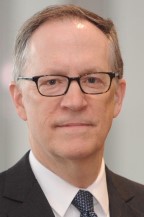
Daniela Cutas is an Associate Professor of Medical Ethics at Lund University since 2020 and an Associate Professor of Philosophy at Umeå University since 2012. She is also a Senior Lecturer at the Department of Medical Ethics and a Profile Area Member of LU Profile Area: Human Rights. Her research bridges Medical Ethics, Philosophy, and Reproductive Medicine, with a focus on topics such as synthetic DNA, mitochondrial replacement therapy, genetic kinship, and the ethics of intra-familial reproduction. Her work aligns with UN Sustainable Development Goals related to Ethics, Medical Ethics, and Philosophy. Recent publications highlight her expertise in synthetic biology, reproductive justice, and epigenetic responsibilities. She has received notable awards including a Marie Curie fellowship, the title of Docent in Philosophy (2013), and Merited Teacher (2019). Scientific Awards: Marie Curie fellowship Docent in Philosophy (2013) Merited Teacher (2019)
Rachel Ruderman is a Clinical Associate Professor in the Department of Obstetrics and Gynecology-Generalists at the University of Chicago. Her research focuses on maternal health, postpartum care, and reproductive medicine, particularly addressing disparities in low-income populations and clinical outcomes in pregnancy-related interventions. Her recent work includes validation of patient-reported outcome measures for medication adherence in pregnant patients (2024) and analyses of postpartum care barriers in underserved communities (2023). She has contributed to studies on COVID-19 vaccination safety during pregnancy (2022), paternal genetic influences on embryonic aneuploidy (2022), and mental health impacts of recurrent pregnancy loss (2020). Her research spans Maternal Health Reproductive Medicine Public Health Equity Clinical Diagnostics Behavioral Sciences . Her collaborative publications highlight partnerships with researchers such as Premkumar, Ashish and McQueen, DB, addressing challenges in obstetric care delivery and translational genetics. Current projects explore patient navigation systems and equitable access to postpartum services.
Roni Berger, PhD, is a Professor at Adelphi University's School of Social Work with over 30 years of academic experience. Her research focuses on trauma in cross-cultural contexts, immigrant/refugee experiences, and posttraumatic growth. She holds clinical credentials as a Licensed Clinical Social Worker (NYS) and Clinical Family Therapist (AAMFT). Education includes: Ph.D. from The Hebrew University of Jerusalem (1994) Psychotherapy certification from Tel Aviv University (1977) MSW and BSW from The Hebrew University of Jerusalem (1974, 1969) Her research examines how sociopolitical environments shape trauma responses across diverse populations including immigrants, refugees, and religious communities. Current investigations explore cultural mediators of posttraumatic growth, trauma-informed pedagogy, and qualitative methodologies for marginalized groups. Publication analysis reveals consistent focus on: cultural competence in trauma care, immigrant mental health interventions, innovative qualitative methodologies, and social work education reform. Recent work addresses pandemic-related pedagogical challenges and cross-cultural manifestations of psychological distress. Awards include: Two Fulbright Awards (Hong Kong 2007, Tel Aviv 2011) President Research Award (2004) NATO Science for Peace sponsorship (2012) Notable advising includes chairing 20+ dissertations on trauma, cultural identity, and marginalized populations. Secured multiple grants including from Fulbright, NATO, and Adelphi University for studies on cultural trauma and community resilience. Leads international educational initiatives in Israel, Ghana, Nepal, and Hong Kong. Directs global trauma education programs, including intensive courses in Israel examining Holocaust intergenerational trauma, security stress, and immigrant experiences. Developed cross-university collaborations in Australia and Hong Kong to advance trauma-informed curriculum development.
Dr. Henry Streby is an Associate Professor of Ecology in the Department of Environmental Sciences at the University of Toledo, where he leads the Streby Lab. He also holds an appointment as Adjunct Assistant Professor and is recognized as a Fellow of the American Ornithological Society. Education: Ph.D. in Ecology from University of Minnesota Research Focus: Dr. Streby's research spans avian ecology , wildlife ecology , evolutionary biology , and quantitative science . His work particularly emphasizes organismal ecology with applications to conservation and management of migratory songbirds. Key research areas include: Migratory connectivity and seasonal interactions Conservation biology of declining songbird populations Behavioral ecology of breeding and migratory birds Quantitative methods in wildlife research Effects of environmental change on bird populations Research Impact: Dr. Streby's work has significantly advanced understanding of songbird migration, particularly in Vermivora warblers and golden-winged warblers. His 2015 Current Biology paper on tornado avoidance behavior in songbirds received extensive international media coverage and reached the 99th percentile of all articles tracked by Altmetric. His recent research continues to explore migratory connectivity, hybridization patterns, and conservation strategies for North American migratory birds. Awards and Recognition: 2021 President's Award for Excellence in Scholarly Activity (University of Toledo) Elected Fellow of the American Ornithological Society (2021) 2013 Cooper Ornithological Society Young Professional Award Multiple best presentation awards at professional conferences Student Mentorship and Lab: Dr. Streby has successfully mentored numerous graduate students who have gone on to prestigious positions. Notable former students include: Gunnar Kramer (PhD 2021) - now Assistant Professor at Iowa State University Silas Fischer - recipient of multiple awards and fellowships Sean Peterson - pursued PhD at UC Berkeley Kyle Pagel - Environmental Scientist with California Department of Fish and Wildlife Annie Lindsay - active in migration research The Streby Lab continues to be highly productive, with ongoing research on Gray Vireos, migration ecology, and conservation applications. The lab maintains active field sites and collaborates extensively with other institutions and agencies.
Bjørn Olav Åsvold, MD, PhD, is a Professor of Medicine (Epidemiology) and Center leader at the HUNT Centre for Molecular and Clinical Epidemiology (HUNT MCE), Department of Public Health and Nursing, Norwegian University of Science and Technology (NTNU). He also serves as a Consultant at the Department of Endocrinology, St. Olavs Hospital, Trondheim University Hospital. His research spans epidemiology, genetics, and clinical medicine. MD, Norwegian University of Science and Technology, 2001 PhD, Norwegian University of Science and Technology, 2008 Specialist in internal medicine, 2014 Specialist in endocrinology, 2015 Åsvold's research focuses on thyroid dysfunction and diabetes , investigating their interplay with cardiometabolic diseases and pregnancy complications . He utilizes Mendelian randomization studies to explore causal relationships between genetic factors and health outcomes, including sleep traits , autoimmune thyroid disease , and kidney function . His work also addresses global health issues like obesity in Nepal and diabetic complications in Norway. Recent publications highlight his contributions to understanding hip fracture risk prediction , cardiovascular implications of sleep patterns , and genetic determinants of trace elements . Åsvold's collaborations span multiple international institutions, including the HUNT Study and HUNT MCE in Norway.
Lorin D. Warnick is currently serving as the Austin O. Hooey Dean of Veterinary Medicine at Cornell University College of Veterinary Medicine. He is a tenured Professor in the Department of Population Medicine and Diagnostic Sciences, where his research focuses on the epidemiology of Salmonella infections and antimicrobial resistance in enteric bacteria affecting both domestic animals and humans. A key contributor to Cornell's response to the COVID-19 pandemic, he has led research on SARS-CoV-2 diagnostic testing and campus outbreak dynamics. Education : B.S. in Microbiology (1984) from Brigham Young University DVM (1988) from Colorado State University Ph.D. in Veterinary Medicine (Epidemiology) and Statistics from Cornell University (1994) Professional Experience : Assistant Professor (1994-1996) at Virginia-Maryland Regional College of Veterinary Medicine Assistant/Associate Professor (1996-2008) and Professor (2008-present) at Cornell University Section Chief in Ambulatory and Production Medicine (1997-1999) Research Interests span veterinary epidemiology, antimicrobial resistance, foodborne pathogens, and public health. His work connects animal and human health through One Health frameworks, particularly in Salmonella transmission dynamics between dairy cattle and humans. He has pioneered surveillance systems for infectious diseases, including the model used during Cornell's COVID-19 response. Scientific Awards include: Phi Zeta Veterinary Honor Society (1987) Phi Kappa Phi Honor Society (1988) Honorary Diploma from American Veterinary Epidemiology Society (2018) One Cornell Award for Leadership in Pandemic Testing (2021) Advising and Grants highlight his role in mentoring students and leading interdisciplinary research teams. His grants focus on antimicrobial resistance mitigation, dairy calf health, and pandemic response infrastructure. He has collaborated extensively with institutions like USDA and CDC on foodborne disease research. Labs and Collaborations include leadership in Cornell's Veterinary Diagnostic Laboratories and contributions to the American College of Veterinary Preventive Medicine. His work integrates epidemiological modeling, microbiome analysis, and policy development for sustainable agricultural practices.
Anna Singer is a Professor of Civil Law, specializing in Family Law , at the Department of Law , Uppsala University . She serves as Dean of the Faculty of Law and contributes extensively to research on children's rights , inheritance law , and legal challenges in reproductive technology . Contact: Anna.Singer@jur.uu.se | Phone: 018-471 20 35 | Address: Trädgårdsgatan 1, Uppsala. Education: Juris Doctor (JD), Doctor of Juridical Science (doc) Research Interests: Cultural tensions in family law, Nordic inheritance systems, children's legal status, DNA technology in parenthood, international family law comparisons, and postmodern legal reforms. Publication Trends: Recent works emphasize Nordic legal harmonization , children's autonomy , and ethical dilemmas in reproductive law , with a focus on Scandinavia and cross-cultural analysis. Advising & Grants: No explicit student advising details. Collaborated on EU family law reports and Nordic cohabitation law projects.
Cassidy Ellis is an Assistant Professor at the University of Cincinnati, specializing in critical cultural communication, media studies, and rhetorical criticism. Her academic work intersects with grassroots activism in reproductive justice, particularly in the Deep South, West, and Southwest regions of the U.S. PhD in Cultural Studies, Media Studies, Rhetorical Criticism (University of New Mexico, 2023) M.A. in Communication - Identity & Difference (University of Alabama, 2016) B.A. in History (University of Alabama, 2013) Her research focuses on unpacking ideologies in social debates, settler colonialism, and the material histories shaping contemporary discourses. She critically examines anti-abortion rhetorics, particularly how race and personhood are discursively constructed within the social imaginary. Her methodological approach includes autoethnography, qualitative research, and intersectional frameworks. Her recent publications in journals like The Journal of Autoethnography and Fat Studies Journal , as well as chapters in edited collections, emphasize praxis-based scholarship, queer futurities, and critical resistance to colonial narratives. Her work bridges academic inquiry with community organizing, informed by her co-founding of the Yellowhammer Fund and other reproductive justice initiatives. Graduate Student Activist Award, NCA Activism and Social Justice Division Top Student Paper, Southern States Communication Association Gender Studies Division Doctoral Fellowship for Inclusive Engagement, University of Denver Ellis has served editorial and professional roles, including peer reviewing for international journals and organizing within the Southern States Communication Association. Her community service spans abortion funds, doula projects, and patient advocacy, reflecting her commitment to material change.
Henrik von Coler is an Assistant Professor at Georgia Institute of Technology's School of Music within the College of Design. His work bridges engineering, electronic music, and empirical research, focusing on spatial audio systems, live electronics, and human-computer interaction in musical contexts. He joined Georgia Tech in 2023 after serving as director of the TU Studio for Electronic Music at Technische Universität Berlin from 2015 to 2023, where he founded the Electronic Orchestra Charlottenburg (EOC) to explore live electronic ensembles in multichannel environments. His research emphasizes the integration of sound, space, and HCI to enhance compositional and performative expressiveness. Notable projects include immersive audio installations, virtual instrument design, and AI-assisted composition. Coler has performed globally on immersive audio systems and curated international concerts. His technical contributions span spatial sound synthesis algorithms, networked music systems, and real-time signal processing tools. Key areas of exploration include volumetric music performances in metaverse environments, hybrid spatial interaction via ARCube, and statistical models for spectral synthesis. He has developed open-source systems like Orchestra (for metaverse performances) and SPRAWL (for ensemble interaction). Coler’s work often combines empirical research with artistic practice, aiming to redefine the boundaries of live electronic music through technological innovation. His academic output spans over 30 peer-reviewed articles since 2011, with recent focus on metaverse applications, AI-human collaboration, and immersive audio design. While no formal awards are listed, his leadership roles and project outcomes highlight significant contributions to music technology and spatial audio engineering.
Dr. Heather Latimer is an Assistant Professor in the Gender, Women and Sexuality Studies department at the University of British Columbia's Irving K. Barber Faculty of Arts and Social Sciences. She teaches courses including Politics of Reproduction, Critical Sexuality Studies, Feminist Epistemologies, Gender and Popular Culture, and Gender, Race, Sexuality and Power. Her academic work focuses on feminist theories, sexuality studies, and reproductive politics across various cultural texts. Dr. Latimer earned her PhD in English from Simon Fraser University and her MA in Gender and Women's Studies from the University of British Columbia. Her educational background has shaped her interdisciplinary approach to examining reproductive politics through literary and cultural analysis. Her research primarily explores feminist theories and epistemologies, sexuality studies, science and technology studies, cultural studies, literature and film, with a particular focus on reproduction and pregnancy, reproductive technologies and politics, and reproductive governance and abortion. She is currently investigating the role of reproductive politics in contemporary dystopian fiction through an SSHRC Insight Development Grant-funded project that examines how fourteen core texts portray dystopian societies fixated on reproductive control. This research suggests these narratives reveal 'the political unconscious' of public and private discourses about reproduction. Dr. Latimer's publications demonstrate a consistent thematic focus on reproductive politics across literature, film, and political discourse. Her work connects feminist theory with contemporary political debates, particularly around abortion rights and reproductive justice. The articles show increasing engagement with intersectional approaches, examining how reproductive politics intersect with race, migration, and environmental concerns. SSHRC Insight Development Grant (2019-22) UBC Teaching and Learning Enhancement Fund Grant (2017-19) UBC Killam Teaching Prize (2017) Women's and Gender Studies and Recherches Féministes Outstanding Scholarship Award (2015) As a graduate student supervisor, Dr. Latimer mentors students interested in feminist theory, reproductive politics, and cultural studies. Her teaching philosophy emphasizes critical engagement with contemporary issues of power, conflict, and ideas as they relate to gender, sexuality, and reproduction. She maintains an active research agenda that bridges academic scholarship with current political debates around reproductive rights and justice.
Dr. Owen K. Davis serves as Professor of Obstetrics and Gynecology and Reproductive Medicine and Associate Director of In Vitro Fertilization at the Ronald O. Perelman and Claudia Cohen Center for Reproductive Medicine (CRM) of Weill Cornell Medical College. He is a board-certified obstetrician/gynecologist and reproductive endocrinologist with a distinguished career in advancing reproductive medicine through clinical practice and research. His academic journey began with a B.A. from Swarthmore College, followed by an M.D. from Wake Forest University School of Medicine. He completed his internship and residency at New York Hospital-Cornell Medical Center and a fellowship at Brigham and Women's Hospital in Boston, where he also served as Instructor in Obstetrics & Gynecology at Harvard Medical School. Dr. Davis's research spans the breadth of assisted reproductive technology (ART) and reproductive endocrinology, focusing on optimizing fertility treatments and understanding human reproduction. His work has led to key innovations in the field, contributing to CRM's remarkable success rates. He has authored over 85 articles in leading medical journals and more than 25 textbook chapters, though specific titles are not detailed in the provided text. His significant contributions have been recognized with multiple honors: Who's Who in America Who's Who in the World New York Magazine's Best Doctors New York Super Doctors Castle & Connolly's Top Doctors - New York Metro Area Dr. Davis has held prominent leadership positions, including Immediate Past President of the American Society for Reproductive Medicine (ASRM) and former President of the Society for Assisted Reproductive Technology (SART). He has served as Chief of the Division of Gynecology at Weill Cornell Medical College and as Chair of Weill Cornell Medical Center's Institutional Review Board. As an Associate Editor of Fertility and Sterility, he plays a key role in shaping the scientific literature in reproductive medicine. Although specific grant information is not provided, his extensive research output suggests active involvement in funded projects. At CRM, Dr. Davis works within a comprehensive team that includes specialized laboratories in Andrology, Embryology, Gerhardt Lab, and Preimplantation Genetic Testing (PGT), as well as fellowship programs and multidisciplinary support staff, to deliver cutting-edge fertility care.
Claire Acevedo is an Assistant Professor in the Department of Mechanical and Aerospace Engineering at the University of California San Diego (UCSD), affiliated with the Jacobs School of Engineering. Her lab, the Fracture and Fatigue of Skeletal Tissues Laboratory (F² Lab), focuses on understanding mechanisms of deformation, fracture, and biological responses in skeletal tissues and biomaterials across molecular to macro scales. She holds a Ph.D. from the Swiss Federal Institute of Technology Lausanne (EPFL) and completed postdoctoral research at UC San Francisco and UC Berkeley/Lawrence Berkeley National Laboratory. Dr. Acevedo’s research is funded by the National Science Foundation (NSF), National Institutes of Health (NIH), and the Advanced Light Source. Her work bridges biomechanics, materials science, and high-energy X-ray physics to address bone fragility in aging and diabetes. Key projects include investigating collagen cross-linking effects on bone mechanics and developing novel imaging techniques like deep learning-enhanced synchrotron micro-CT. Education: Ph.D., Swiss Federal Institute of Technology Lausanne (EPFL) Postdoctoral Research: UC San Francisco & UC Berkeley/Lawrence Berkeley National Lab Previous Faculty Position: University of Utah (Mechanical Engineering) Recent contributions include the NSF CAREER Award for studying fracture mechanisms in fragile bones and an NIH R21 grant to explore collagen-level diabetes impacts. Her lab collaborates with the University of Utah Tanner Dance Program to develop K-12 educational initiatives linking dance with biomechanics. Publications span topics like synchrotron imaging innovations, diabetes-induced bone fragility, and collagen nanomechanics. Students in her lab have contributed to advancements in fatigue testing, cross-link analysis, and imaging algorithms. Awards: NSF CAREER Award (2024) NIH R21 Grant (2023) Alice L. Jee Award (2022) Nikon Small World Image of Distinction (2024) The F² Lab hosts a dynamic team with ongoing projects on glycemic effects, synchrotron techniques, and biomaterial design. Future work emphasizes translating findings into clinical fracture prevention strategies and educational outreach.
Dr. Carlos Molina is a Professor of Molecular Biology at Montclair State University’s College of Sciences and Mathematics. Previously, he served as an Assistant Professor at Rutgers Medical School’s Department of Obstetrics, Gynecology, and Women’s Health (1994–2006). He holds a B.S. in Biology from the University of Puerto Rico, M.S. and Ph.D. in Biochemistry from Purdue University, and postdoctoral training at the University of Louis Pasteur (France). His research focuses on cancer mechanisms involving tumor suppression proteins in skin cancer cells and ovarian-specific transgenic zebrafish models for ovulation studies. These efforts aim to develop therapeutic agents and reproductive technologies. Dr. Molina has secured grants from the National Institutes of Health, National Science Foundation, and American Association of Cancer Research. He served on NIH study sections for Heart/Lung/Blood Institute and Defense Department Ovarian/Prostate Cancer initiatives. Office hours are consistently held Tuesdays and Thursdays 3:30–5:00 PM via Zoom.
Mehmet Soyer , Assistant Professor at Utah State University’s College of Arts & Sciences , specializes in the School of Social Sciences . His work bridges environmental sociology , social inequality , and pedagogical innovation . Research Focus : Socio-environmental conflicts, hydraulic fracturing impacts, autoethnography, and community-engaged learning. Teaching Philosophy : Advocates for experiential learning, digital tools, and brave spaces in classrooms. Publication Trends : Recent work highlights climate activism, inclusive education, and interdisciplinary approaches to sustainability. Earlier research explores Kurdish identity, sociological theory, and health dynamics.
Dr. Candemir ÖZCAN is an Assistant Professor at the Department of Clinical Sciences, Faculty of Veterinary Medicine, Kastamonu University. His academic career spans veterinary surgery, clinical diagnostics, and comparative medicine. Adnan Menderes University (BSc, Veterinary Medicine, 2013) Mehmet Akif Ersoy University (PhD, Veterinary Surgery, 2018) Burdur Mehmet Akif Ersoy University (PhD, Veterinary Surgery, 2022) Research focuses on veterinary ophthalmology, dental thermography, and hormonal impacts on clinical metrics. Key methodologies include thermal imaging, intraocular pressure analysis, and estradiol biomarkers. His 15 most recent publications highlight diagnostic imaging, anesthesiology, and periodontal disease dynamics. Scientific contributions include: 2022 Oral Presentation First Prize from Güven Plus Group A.Ş. 5 funded projects (2018-2025) addressing hoof diseases, neuro-ocular interactions, and imaging techniques Collaborations with researchers like Kürşad Yiğitarslan (13 co-publications) and Elif Doğan (5 co-publications)