John Ford is an Associate Professor in the Department of Nuclear Engineering at Texas A&M University. His research focuses on radiobiology, radiation carcinogenesis, and medical applications of radiation. He holds academic appointments within the College of Engineering and contributes to the Health Physics, Radiation Biology & Medical Physics research group. Education includes a B.S. and M.S. in Nuclear Engineering from Mississippi State University (1982, 1986), a Ph.D. in Biomedical Sciences from the University of Tennessee (1992), and postdoctoral training at Oak Ridge National Laboratory (1992–1993). His work emphasizes understanding radiation effects on biological systems, with notable contributions to radiation dosimetry, bystander signaling mechanisms, and dietary modulation of radiation damage. Recent studies explore space radiation monitoring technologies and therapeutic applications of radiation. Awards include the BP Award for Teaching Excellence (2007) and ARRO Educator of the Year (2013–2014). Research spans interdisciplinary areas such as radiation-induced cancer mechanisms, nutritional interventions to mitigate radiation effects, and advanced radiation detection instrumentation. He has advised numerous projects in radiation safety curriculum development and collaborated on NASA-funded studies modeling radiation impacts on astronauts.
Priya Raman, Ph.D., FCVS, is an Associate Professor of Integrative Medical Sciences at Northeast Ohio Medical University (NEOMED). She holds tenure and serves as Co-Director of the Basic and Translational Biomedicine (BTB) Graduate Program and Chair of the Kent State University-Biomedical Sciences Pharmacology Graduate Program. Her academic roles include teaching in NEOMED’s medical curriculum, focusing on pharmacology, cardiovascular systems, and clinical therapeutics. Raman’s research explores molecular mechanisms linking metabolic disorders (e.g., diabetes, metabolic syndrome) to vascular dysfunction and Alzheimer’s disease, using mouse models and cellular/molecular techniques. She has published extensively on thrombospondin-1, O-GlcNAc signaling, and atherosclerosis pathogenesis. Education: B.Pharm. and M.Pharm. (India), Ph.D. in Pharmacology (University of Louisiana at Monroe). She has over 25 years of postdoctoral and faculty experience, including roles at the Cleveland Clinic and Indiana University School of Medicine. Raman serves on editorial boards for journals like International Journal of Cardiology and Frontiers in Cardiovascular Medicine , and reviews grants for the American Heart Association and NIH. Research focus areas include: (1) Vascular smooth muscle cell phenotypic switching in metabolic diseases, (2) Non-lipid mechanisms of vascular disease in metabolic syndrome, and (3) Interactions between metabolic disorders and neurodegeneration. Her lab employs biochemical assays, mouse models (e.g., ApoE-/-, KKAy), and advanced imaging techniques to study these pathways. Notable recent work includes discovering that O-GlcNAc transferase deletion reduces atherosclerosis in hyperglycemic mice and identifying thrombospondin-1’s role in leptin-driven vascular pathology. She has also linked metabolic syndrome-induced O-GlcNAc deficits to Alzheimer’s-like cognitive impairment in aging mice. Raman is actively involved in interprofessional education and mentoring, directing graduate programs and teaching courses in pharmacology, molecular signaling, and diabetes/vascular disease. Her work bridges basic science and clinical applications, aiming to develop novel therapies for metabolic syndrome-related vascular complications.
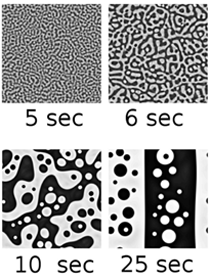
Dr. Richard Fair is the Lord-Chandran Distinguished Professor of Engineering at Duke University, with a career spanning semiconductor physics, digital microfluidics, and lab-on-a-chip systems. His research group collaborates with faculty across Duke, Harvard, and Stanford in bioengineering, genomics, and environmental science to develop applications-driven microfluidic platforms. Ph.D. in Electrical and Computer Engineering, Duke University (1969) B.S.E.E., Duke University (1964) M.S.E.E., Pennsylvania State University (1966) Research interests focus on electrowetting-based microfluidics for biosensing, diagnostics, and synthetic biology applications. Key innovations include adaptive droplet routing , magnetic bead manipulation , and integrated optical sensors for real-time analyte detection in environmental and medical contexts. Recent publications emphasize deep reinforcement learning for biochip automation, fluorescent nucleosome detection , and inorganic ion analysis in aerosols. Collaborations with institutions like Advanced Liquid Logic and NSF-funded projects highlight his interdisciplinary approach. IEEE Third Millennium Medal (2000) Solid State Science and Technology Award (Electrochemical Society, 2003) Gordon E. Moore Medal (2009) Fellow, IEEE and Electrochemical Society Grants include NSF awards with Nan Jokerst and Krish Chakrabarty for adaptive lab-on-a-chip optical control, DARPA funding for genomic engineering platforms, and collaborations with the Desert Research Institute on airborne particle sensing. His lab develops scalable solutions for environmental monitoring, clinical diagnostics, and synthetic biology applications.
Professor Guy Williams is a leading academic at the University of Cambridge with a focus on imaging science and clinical neurosciences, affiliated with Downing College and the Wolfson Brain Imaging Centre . Holding a PhD in Physics from his initial Natural Sciences degree, he specializes in nuclear magnetic resonance (NMR) and MRI techniques for brain imaging. Education: BA, PhD in Physics His research centers on non-invasive imaging of brain structure and function, particularly in traumatic brain injury (TBI) and dementia. His work involves developing novel MRI pulse sequences and advanced data analysis algorithms, including AI-based diagnostic tools. He leads studies on white matter integrity post-trauma, longitudinal dementia assessment, and applications of MRI in disorders of consciousness and addiction. Recent publications highlight collaborations in traumatic brain injury outcomes, AI-guided dementia prediction, and neuroimaging of post-COVID cognitive deficits. His team's work on ultra-high field laminar fMRI and distortion correction methods has advanced clinical neuroscience applications. Key techniques include diffusion tensor imaging (DTI), 7 Tesla MRI, and positron emission tomography (PET/MR). His research spans from basic NMR physics to clinical translation, with a strong emphasis on multi-site studies and real-world diagnostic implementation.
Jered Haun is an Associate Professor at the Samueli School of Engineering , University of California, Irvine , with joint appointments in Biomedical Engineering , Chemical and Biomolecular Engineering , and Materials Science and Engineering . Based in 3107 Natural Sciences II , his research focuses on developing nanoengineering and molecular medicine technologies to improve disease diagnosis and treatment. Email: jered.haun@uci.edu Phone: (949) 824-1243 Research Interests include: Nanomaterial Probes for molecular profiling and disease detection Microfabricated Platforms for cell analysis and tissue processing Targeted Delivery Carriers that interact with unique disease molecules Technologies employed in his lab encompass: Fluorescence imaging and MRI enhancements Bioorthogonal chemistry and nanosensor development Micro-NMR for tumor analysis Quantum dot-based detection systems Awards include: NIH National Cancer Institute's Innovative Molecular Analysis Technologies Funding The Haun Laboratory actively recruits graduate and undergraduate students for projects related to nanoengineering, molecular medicine, and microfluidic device development.
Professor Hala Zreiqat AM is a leading biomedical engineer at The University of Sydney , serving as the Director of the ARC Training Centre for Innovative BioEngineering . A Fellow of all major Australian academies (AAS, ATSE, FAHMS, FRSN), she develops 3D printed bioceramics for bone regeneration while championing diversity through initiatives like the IDEAL Society and BIOTech Futures mentorship program. Her work bridges academia, clinical practice, and industry in musculoskeletal research . Research Focus: Her lab creates synthetic bone scaffolds that mimic natural bone architecture, strength, and porosity, enabling non-rejected bone regeneration via patient-matched implants. Key applications include orthopaedic, dental, and maxillofacial repair , with over $18M in competitive funding and multiple patents. Current projects explore AI-driven scaffold performance prediction and anti-senescence strategies for aging-related bone loss. Scientific Trends: Recent publications highlight 3D printed nanovoxelated ceramics , antisenescence biomaterials , and multifunctional theranostic platforms . Her team integrates machine learning for scaffold design, atom probe tomography for interface analysis, and two-photon imaging for cellular monitoring in 3D environments. 2021-2022 Fulbright Senior Scholar 2018 NSW Premier's Woman of the Year 2019 Eureka Prize for Innovative Use of Technology Fellow of Australian Academy of Science (2021) Over $18M in research funding Teaching & Leadership: She designed core courses like Tissue Engineering and Nanomaterials in Medicine , mentoring 158 students in 2020 alone. As Chair of CAAR (2020-2023), she strengthens Australia-Arab collaborations. Her lab trains early-career researchers , with alumni now in academia and industry.
JIANG Xingyu is Chair Professor and Head of the Department of Biomedical Engineering at the Southern University of Science and Technology (SUSTech) . Since 2018 he has led a multidisciplinary team developing advanced micro- and nano-scale tools for analytical chemistry, microfluidics and nanomedicine. Education Postdoctoral Research, Harvard University (2004–2005) Ph.D. in Chemistry, Harvard University (2004) B.S. in Chemistry, University of Chicago (1999) Research Interests Professor Jiang’s research integrates analytical chemistry , microfluidics , biomedical engineering and nanomedicine . His laboratory designs microfluidic chips for point-of-care diagnostics, engineers gold nanoclusters and nanoparticles for antimicrobial and anticancer therapy, and develops soft flexible bio-electronics for neural interfaces and wearable health monitoring. Across 400+ publications, recent work demonstrates a clear trend toward translational nanomedicine : point-of-care viral variant detection, nanoantibiotic strategies against multidrug-resistant bacteria, CRISPR delivery systems for cancer therapy, and conformal electronic tattoos for human-machine interfaces. Scientific Awards & Honours Fellow, American Institute for Medical and Biological Engineering (2020) Fellow, Royal Society of Chemistry (2016) Tencent Science Exploration Award (2019) Chief Scientist, National Key R&D Program (2019–) National Science Fund for Distinguished Young Scholars (2010) Young Investigator Award, Human Frontier Science Program (2007) Research Funding & Teams He currently directs the Nanoscience Laboratory at SUSTech, hosts National Key R&D Program projects as Chief Scientist, and serves on editorial boards of Advanced Healthcare Materials , Lab on a Chip , Nanoscale Horizons , Nanoscale and Nanoscale Advances . The group is actively recruiting post-docs, research professors and technicians across chemistry, materials, biology and medical engineering disciplines.
Frank L. H. Brown is a Professor at the University of California, Santa Barbara with joint appointments in the Department of Physics and Department of Chemistry and Biochemistry. His research focuses on theoretical and computational approaches to understanding biomembrane dynamics and related biophysical phenomena, situated within the College of Letters and Science. Dr. Brown's research interests span the interface between physical chemistry and biophysics. He employs a variety of theoretical tools including statistical mechanics , hydrodynamics , elasticity theory , and quantum mechanics to study complex biological systems. His work particularly emphasizes the dynamics and structure of biomembranes and the interpretation of various spectroscopy experiments including single molecule fluorescence, neutron spin echo, and flicker spectroscopy. Analysis of his publication record reveals a consistent focus on computational modeling of lipid bilayers, membrane proteins, and related phenomena, with particular emphasis on developing novel theoretical frameworks for understanding membrane behavior across multiple scales. Dr. Brown leads an active research group that includes current members Ehsan Noruzifar (Postdoctoral Researcher) and Sean Cray (Graduate Student). His former group members include numerous successful scientists such as Grace Brannigan, Brian Camley, Lawrence Lin, and Max Watson who completed their graduate studies under his supervision, along with several postdoctoral researchers. His research has been supported by funding that enables theoretical and computational investigations of biomembrane systems. The Brown Research Group operates at the intersection of physics, chemistry, and biology, with facilities connected to the Biomolecular Sciences & Engineering Program and the California NanoSystems Institute (CNSI) at UCSB. Their work combines advanced computational techniques with theoretical physics to address fundamental questions about soft and living matter systems, particularly at biological interfaces.
Christopher E. Nelson is an Assistant Professor in the Department of Biomedical Engineering at the University of Arkansas, College of Engineering. His lab focuses on developing biologically inspired strategies for controlled drug and gene delivery, particularly in the context of gene therapy and regenerative medicine. He is actively supported by the NIH, DoD, and Arkansas Bioscience Institute. Education: Postdoctoral Fellow – Duke University Ph.D. – Vanderbilt University B.S. – University of Arkansas Research Focus: Dr. Nelson’s lab integrates genome editing technologies with targeted delivery systems to address challenges in treating genetic diseases and promoting tissue regeneration. Major themes include CRISPR/Cas9 delivery , gene regulation in wound healing , and safe-harbor genome integration in skeletal muscle. His work spans viral and non-viral delivery vehicles , including lipid nanoparticles and AAV vectors, with a strong emphasis on preclinical validation in models of Duchenne muscular dystrophy and inflammatory disease. Scientific Awards: Controlled Release Society Postdoctoral Fellowship The Hartwell Foundation Postdoctoral Fellowship NIH Pathway to Independence Award (K99/R00) Funding & Support: The Nelson Lab is currently funded by: NIH NIGMS R35 DoD CDMRP DMD IDEA Award Arkansas Bioscience Institute University of Arkansas Engineering & Honors Colleges Lab & Team: The Nelson Lab is a dynamic, interdisciplinary team working at the intersection of gene editing, biomaterials, and regenerative medicine. They regularly present at national conferences such as ASGCT and NCUR, and mentor undergraduate researchers through SURF and Honors College grants.
Laura Solt, Ph.D. is an Associate Professor in the Department of Immunology and Microbiology at the Herbert Wertheim UF Scripps Institute for Biomedical Innovation & Technology in Jupiter, Florida. She also serves as Associate Dean of the Skaggs Graduate School of Chemical and Biological Sciences. Dr. Solt began her independent research career at Scripps Florida in 2013 and has established herself as a leading researcher in nuclear receptor biology within the immune system. Her research focuses on understanding the biologically relevant roles of nuclear receptors, particularly RORα and REV-ERBs, in the immune system with emphasis on TH17 cell development and autoimmune disease. Her lab employs a multidisciplinary approach combining molecular biology, genetic techniques, and chemical biology coupled with mouse models of autoimmunity and chronic inflammation. Dr. Solt's laboratory has made significant contributions to understanding how nuclear receptors regulate immune cell function, particularly in TH17-mediated inflammation. Her work has demonstrated roles for RORα and REV-ERBs in TH17 cell development and has developed synthetic ligands to these receptors for potential therapeutic applications in autoimmune diseases. Her extensive publication record shows a clear trajectory of research focused on nuclear receptor signaling in immunity, with recent work expanding into applications for cancer immunotherapy, neuroimmunology, and metabolic aspects of immune cell function. Her articles demonstrate expertise in both basic nuclear receptor mechanisms and translational applications. Ruth L. Kirschstein National Research Service Awards (2010-2013) Dr. Solt actively mentors graduate students including Adrianna Wilson (recipient of NIDDK F31 and Scheller Graduate Student Fellowship) and Sarah Mosure (recipient of NIH NRSA F31 award and Wendy Havran award). Her laboratory receives substantial funding from multiple NIH institutes (NIDDK, NCI, NIAID, NIGMS) as well as the Crohn's & Colitis Foundation. Current research directions include investigating the roles of NR2F6 in TH17 cells, exploring RORα function in CD8 T cells, and developing novel nuclear receptor modulators for therapeutic applications.
Torben Barington is a Clinical Professor at the Department of Clinical Research, Faculty of Health Sciences, University of Southern Denmark, and a Consultant at the Department of Clinical Immunology, Odense University Hospital. He has held this position since August 2001 and continues to be actively involved in research, teaching, and clinical leadership. MD, University of Copenhagen, 1987 Doctoral Thesis (dr.med.), University of Copenhagen, 1996 Specialist in Clinical Immunology, 1998 His research focuses on cellular immunotherapy of cancer , particularly using CAR T-cell and CAR NK-cell technologies, primary immunodeficiencies , and the B-lymphocyte repertoire and immunoglobulin genes . His work bridges fundamental immunology with clinical applications in oncology and immunodeficiency disorders. His recent publications (2024–2025) highlight advancements in CAR T/NK-cell characterization, cytotoxicity assays, clinical translation, and tumor microenvironment interactions. These works reflect a strong trend toward translational immunology , with emphasis on personalized cancer therapy , single-cell technologies , and clinical trial development . Scientific Awards: Aage og Edith Dyssegaards Fonds æreslegat (1993) Silver Medal, University of Copenhagen (1981) He has supervised over 30 thesis students and currently mentors several graduate students in CAR-based cancer immunotherapies. He serves as an examiner for PhD defenses at both the University of Southern Denmark and the University of Copenhagen. He is also actively involved in national scientific leadership, including as Chairman of the Scientific Committee of the Danish Blood Donor Organization since 2011 and as a member of the Advisory Board for Clinical Immunology in the Region of Southern Denmark since 2007. His research is conducted in collaboration with multidisciplinary teams focusing on cellular immunotherapy , clinical immunology , and translational hematology , often in partnership with Odense University Hospital and national blood and immunology networks.
Dr. Michael Baym is an Associate Professor of Biomedical Informatics at Harvard Medical School with affiliate appointments in Microbiology and the Laboratory of Systems Pharmacology, and as an Associate Member of the Broad Institute. He leads the Baym Lab, which studies microbial evolutionary genomics and antibiotic resistance through a hybrid of experimental, computational, and theoretical approaches. His research focuses on: Antibiotic Resistance Evolution and practical interventions Mobile Genetic Elements (plasmids, phages, transposons) Computational Genomic Algorithms for big data analysis Synthetic Biology tools and technologies Key recent publications explore phage discovery systems , phylogenetic compression of microbial genomes, and RNA-guided gene drives in plasmids. His work is supported by multiple NIH/NIGMS and NSF grants including a MIRA award. Scientific honors include: Packard Fellowship (2018) Pew Biomedical Scholarship (2020) Sloan Research Fellowship (2020) A. Clifford Barger Excellence in Mentoring Award (2021) SSQBio Mentorship Award (2022) The lab actively trains PhD students and postdoctoral fellows with alumni occupying academic and industry positions globally. Current team members include researchers from interdisciplinary backgrounds working at the intersection of experiment, computation, and theory .
Santiago F. González is a Group Leader at the Institute for Research in Biomedicine (IRB) in Bellinzona, Switzerland, and an extraordinary professor at the University of Italian Switzerland (USI). He earned dual PhDs in microbiology (University of Santiago de Compostela, Spain) and immunology (University of Copenhagen, Denmark), followed by postdoctoral work (2007–2011) at Harvard Medical School's Immune Disease Institute under Michael Carroll. PhD in Microbiology, University of Santiago de Compostela PhD in Immunology, University of Copenhagen His research focuses on immune system dynamics during respiratory viral infections, vaccination, and cancer metastasis. Key areas include influenza recognition , lymph node inflammation , and immune cell behavior in vivo. He pioneered studies on C-type lectin receptors (e.g., SIGN-R1) in viral immunity and epigenetic modulators for inflammation. Recent publications highlight his work in epigenetic drug development , nanovaccines , and computational tools for immune cell tracking. His group uses two-photon intravital microscopy and spatial-temporal modeling to dissect immune responses. Scientific awards include three EU Marie Curie Fellowships (2004–2013), enabling his transition to independent research. His collaborations span Harvard, USI, and European institutions, with grants from the EU and Swiss research bodies. His lab at IRB, established via the 2013 Marie Curie Career Integration Grant , develops novel imaging approaches and therapeutic strategies for infectious and immune-mediated diseases.
David Serre is a Professor in the Department of Microbiology and Immunology at the University of Maryland School of Medicine, with an additional appointment at the Institute for Genome Sciences. His research focuses on developing genomic approaches to study eukaryotic pathogens, particularly Plasmodium vivax, the leading cause of malaria outside Africa. His laboratory investigates parasite responses to antimalarial drugs, host immune responses, and mosquito vector biology using genomic and transcriptomic techniques. Education 1997–2000: Engineering degree in Chemistry, École Nationale Supérieure de Chimie, Montpellier, France 2000–2004: PhD in Biology, Max Planck Institute for Evolutionary Anthropology, Leipzig, Germany 2004–2007: Postdoctoral fellowship, McGill University and Genome Quebec Innovation Centre, Montreal, Canada Research Focus Dr. Serre’s work integrates genomics to study Plasmodium vivax’s drug resistance, relapse mechanisms, and interactions with hosts and vectors. Key areas include: Genomic assays to characterize parasite drug responses Transcriptomic analysis of host immune responses Genomic studies of Anopheles mosquitoes as malaria vectors Recent Trends in Publications Recent work highlights genomic and transcriptomic approaches to dissect Plasmodium vivax biology, including: Single-cell RNA sequencing to resolve transcript isoforms and stage-specific expression Analysis of relapse dynamics and drug resistance mechanisms Microbiome studies in mosquitoes and environmental contexts Grants & Advising No explicit grants or advisee names are listed in the provided text. Collaborators include institutions like the Max Planck Institute, McGill University, and the Institute for Genome Sciences. Labs & Teams His lab is affiliated with the University of Maryland School of Medicine and the Institute for Genome Sciences, focusing on genomic and molecular approaches to infectious diseases.
Li Tang is an Associate Professor with tenure at École polytechnique fédérale de Lausanne (EPFL), affiliated with the Institute of Bioengineering (IBI) and the Institute of Materials Science and Engineering (IMX) within the School of Engineering (STI). She leads the Laboratory of Biomaterials for Immunoengineering, focusing on developing innovative strategies at the intersection of immunology, materials science, and cancer therapy. Her work bridges fundamental research and clinical translation, with multiple ongoing clinical trials based on CAR-T cell therapies developed in her lab. B.S. in Chemistry, Peking University (2003–2007) Ph.D. in Materials Science and Engineering, University of Illinois at Urbana-Champaign (2007–2012) Postdoctoral Fellow, MIT (2013–2016) Her research lies at the forefront of immunoengineering, integrating chemical, metabolic, and mechanical approaches to modulate immune responses. Key areas include cancer immunotherapy, immune metabolism, mechano-immunology, and biomaterials. She investigates how physical and biochemical cues can reprogram T cells, overcome exhaustion, and enhance tumor targeting. Her work emphasizes multidimensional immunity-disease interactions, aiming to develop safer and more effective therapies for cancer and autoimmune diseases. The recent publications highlight a strong trend in engineering immune cells (especially CAR-T) for enhanced durability and function, using advanced biomaterials and metabolic reprogramming. There is a clear focus on overcoming challenges in solid tumors, modulating the tumor microenvironment, and translating findings into clinical applications. The use of nanoparticle delivery, single-cell analysis, and biomechanical cues are recurring themes across her work. Notable scientific awards include: Friedrich Miescher Award (2025) ERC Starting Grant (2018) MIT TR35 Innovators Under 35 (China Region, 2020) Nano Research Young Innovator Award (2018) Biomaterials Science Emerging Investigator (2019) Materials Horizons Emerging Investigator (2020) Li Tang actively mentors PhD students across multiple doctoral programs (EDBB, EDMS, EDMX) and has advised numerous graduates who have gone on to prestigious postdoctoral and faculty positions. She is involved in significant research grants, including an Innosuisse project with Novochizol SA, and her lab is supported by competitive funding. She teaches core courses such as Immunoengineering and Next-Generation Biomaterials, shaping the next generation of scientists. Her lab fosters interdisciplinary collaboration and innovation, with active projects in chemical, metabolic, and mechanical immunoengineering, as well as CAR-T cell development. She is the Principal Investigator of the Tang Lab, which includes postdoctoral fellows, PhD students, and technical staff. The lab is actively recruiting and has a strong publication and clinical translation record. Tang Lab is also involved in multiple MA/BA training projects and promotes student engagement in cutting-edge research. The lab’s discoveries are being translated into clinical trials, reflecting a strong commitment to translational science.