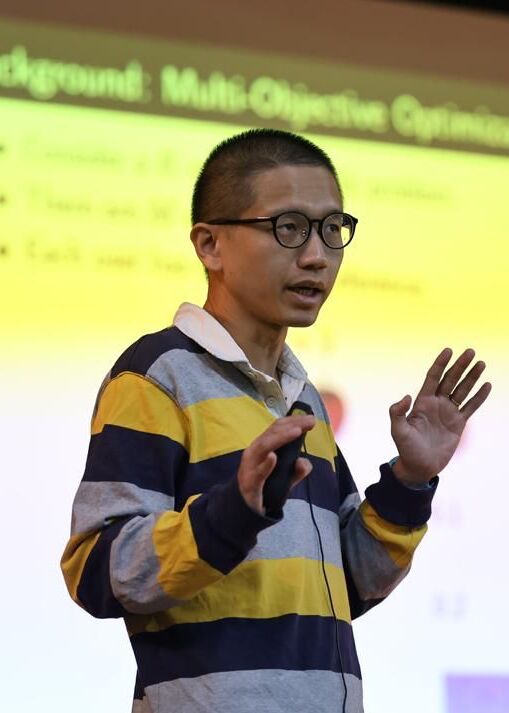
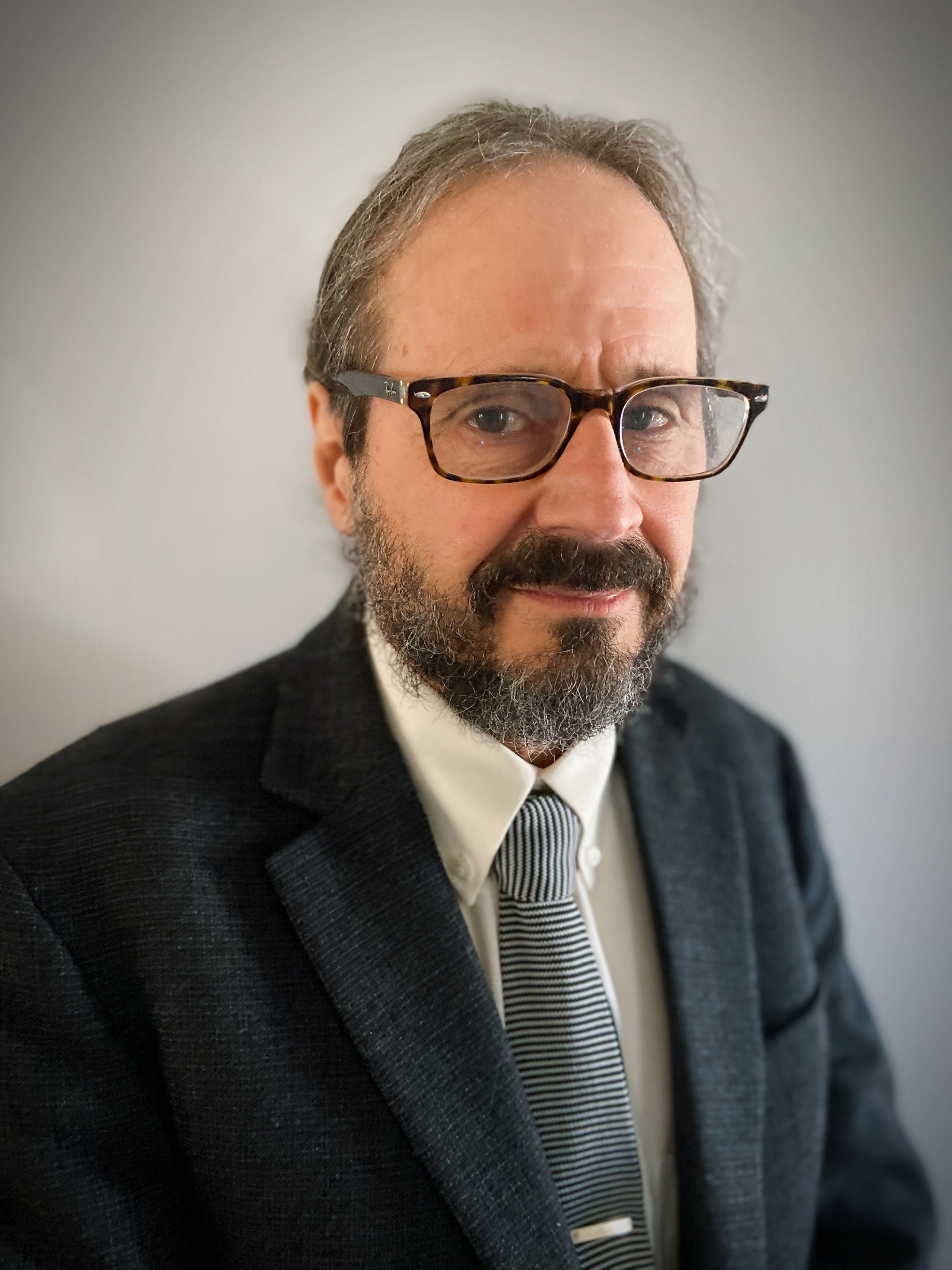
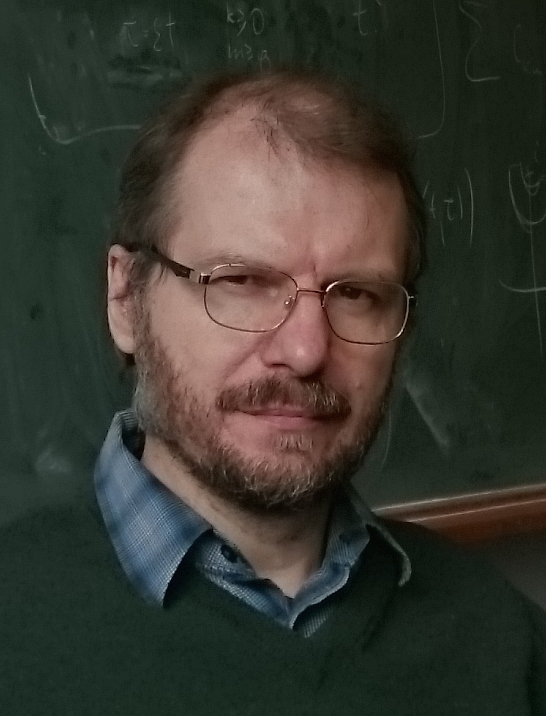
Ke Zhang is a Professor in the Department of Mathematics at the University of Toronto. His research focuses on dynamical systems, particularly Hamiltonian dynamics, weak KAM theory, Arnold diffusion, and smooth dynamics. He also works on thermodynamic formalism and variational methods in Hamiltonian systems. B.S. in Mathematics from Tsinghua University Ph.D. in Mathematics from Pennsylvania State University under Yakov Pesin Postdoctoral research at University of Maryland and Fields Institute Ke Zhang's research explores instability phenomena in Hamiltonian systems (e.g., Arnold diffusion), viscosity solutions of Hamilton-Jacobi equations in weak KAM theory, and normal form/averaging theory. He has also contributed to vector calculus education through interactive Jupyter notebooks and teaching real analysis courses. He teaches courses such as MAT334 (Complex Variables), MAT1000/457 (Real Analysis I), MAT1001/458 (Real Analysis II), and MAT1845 (Dynamical Systems). The recent trends in his work align with geometric and analytical methods in dynamical systems, with applications to physics and nonlinear modeling. Ke Zhang maintains affiliations with institutions including the University of Toronto, University of Maryland, and Fields Institute. His educational background and postdoctoral training reflect a strong foundation in mathematical analysis and dynamical systems.
Christopher Williams is the Arthur Andersen Professor of Accounting and Area Chair of Accounting at the Ross School of Business, University of Michigan. His research focuses on debt contracting, banking risk, and financial reporting quality. He holds a PhD from the University of North Carolina and degrees from Brigham Young University. Academic Roles: Professor (2021–present), Associate Professor (2016–2021), Assistant Professor (2009–2016) Awards: Michael and Joan Sakkinen Faculty Fellow, Arnold M. Jacob Faculty Development Award Research emphasizes regulatory impacts on capital structures, loan syndication dynamics, and systemic risk. Key areas include banking transparency, covenant design, and media influence in private lending. Over 20 peer-reviewed articles appear in top journals like Journal of Financial Economics and Review of Accounting Studies . Articles (2023–2012) analyze topics such as Basel III anticipatory effects, CDS trading dynamics, and media's role in private lending. Recent work explores optimal capital structure under reporting quality constraints and strategic syndication behavior. Awards: Arthur Andersen Chair, Sakkinen Fellowship, Jacob Award Grants/Advising: Extensive grant history in accounting research; no listed advisees. Labs/Teams: Active in Ross School's accounting research initiatives focusing on financial reporting and banking analytics.
Professor Vincent Y. F. Tan holds dual appointments in the Department of Mathematics and the Department of Electrical and Computer Engineering (ECE) at the National University of Singapore (NUS). He is also affiliated with the Institute of Operations Research and Analytics (IORA) and the Institute of Data Science (IDS). His research focuses on Online Decision Making, Multi-Armed Bandits, Reinforcement Learning, Information Theory, and Statistical Signal Processing. Notably, he has been actively publishing in top-tier conferences like NeurIPS, ICML, and IEEE journals, with recent works exploring topics such as low-rank adaptation, off-policy evaluation, and queueing control. Professor Tan has advised numerous PhD students, including Fengzhuo Zhang, Yujun Shi, and Junwen Yang. He has received recognition for his teaching, including a 4.7/5.0 rating for EE5137 Stochastic Processes. His work has led to impactful publications, such as the best paper award at the ICML 2025 workshop on World Models and an oral presentation at ICLR 2025. He currently serves as a Senior Area Chair for NeurIPS 2025 and an Area Editor for the IEEE Transactions on Information Theory. His research group focuses on advancing theoretical and applied aspects of machine learning, with projects funded by grants in areas like distributed optimization and adversarial robustness. He collaborates widely, including with institutions like IIT Delhi and HKUST Guangzhou. Open positions are available for motivated postdocs and students in his research areas.
Przemyslaw Grabowicz is an Assistant Professor of Computer Science at University College Dublin and an Adjunct Professor at the University of Massachusetts Amherst. He leads the SIMS (Socially Intelligent Media and Systems) Lab and the EQUATE initiative, and is actively involved in the Knowledge Discovery Lab (KDL). His work bridges computer science, social science, and public policy, focusing on responsible AI and digital society. Research Interests: Fair and Explainable Machine Learning Computational Social Science Social Media and Network Science Public Opinion Modeling Algorithmic Bias and Discrimination Prevention Open-World Learning His research develops statistical and machine learning methods to understand and augment public opinion in digital environments, ensuring fairness, transparency, and societal benefit. He emphasizes legal compliance and ethical design in AI systems. Recent Research Trends: His recent publications focus on social media polls, political bias, misinformation, and fairness in machine learning. He investigates how algorithmic systems shape public discourse, especially during elections and global crises, and develops methods to detect and mitigate bias in data and models. Scientific Awards and Recognition: Best Paper Honorable Mention, ICWSM’25 WICI Data Challenge Main Prize (2013) Arnold O. Beckman Research Award Multiple UMass Amherst Interdisciplinary Research Grants Volkswagen Foundation Grants (over €900k total) Advising and Grants: Dr. Grabowicz supervises several PhD students in the SIMS and KDL labs and collaborates with MS students. He has secured significant funding from the Volkswagen Foundation, UMass Amherst, and the University of Illinois, supporting research on political misinformation, media bias, and global agenda setting. He is currently recruiting a postdoc at UCD. Labs and Initiatives: He heads the SIMS Lab and the EQUATE initiative, and contributes to the KDL. His project socialpolls.org explores public opinion through social media, and he maintains an active presence through the Uncommon Good blog on responsible AI.
Dr Lin Yue is a Lecturer at the University of Adelaide , affiliated with the Faculty of Sciences, Engineering and Technology and the School of Computer and Mathematical Sciences . She earned her PhD from Jilin University, with part of her doctoral studies completed as a joint PhD candidate at the University of Queensland. Past affiliations: Northeast Normal University, University of Queensland, University of Newcastle Her research focuses on Sequential Data Analysis and its applications in Medical Data Analytics, EEG Data Analysis, Brain-Computer Interfaces, Social Media Data Analytics, and Sentiment Analysis . She collaborates with academia, government, and professional organizations, supported by internal and external research grants. Dr Yue is eligible to supervise Masters and PhD students as a Co-Supervisor and contributes to advancing data mining and machine learning techniques in healthcare and time series analysis.
Arnold Mathijssen is an Assistant Professor in the Department of Physics & Astronomy at the University of Pennsylvania, part of the School of Arts and Sciences. He leads the Mathijssen Lab, focusing on the physics of life, combining experimental and theoretical approaches in biophysics, fluid mechanics, and active materials. His research addresses fundamental questions about pathogen dynamics, biomedical material design, and collective behavior in living systems, with applications to public health and environmental science. Education includes a DPhil from the University of Oxford (2017), MSci and BSc from University College London (2012), and a teaching certificate from Stanford University (2019). He has held roles such as Postdoctoral Fellow at Stanford (2017-2020) and Director of the Working Group on Environmental and Biological Fluid Dynamics (2023-). Research interests span topics like hydrodynamic communication, pathogen clearance in airways, and bacterial contamination dynamics. Notable achievements include the 2025 Undergraduate Research Mentorship Award and media recognition for breakthroughs in optimizing coffee-brewing physics. He chairs conferences, edits scientific journals, and advocates for science accessibility through initiatives like 'Kitchen flows.' Lab affiliations: Centre for Soft and Living Matter at UPenn, Laboratory for Research on the Structure of Matter (LRSM). Media highlights include coverage in The New York Times, The Guardian, and New Scientist for his work on culinary fluid mechanics.
Professor Roslyn Boyd serves as Scientific Director of the Queensland Cerebral Palsy and Rehabilitation Research Centre (QCPRRC) at the University of Queensland's School of Medicine. She leads a substantial multidisciplinary team of 38 researchers and provides clinical research leadership to 60 clinicians across the Queensland Paediatric Rehabilitation Service based at the Queensland Children's Hospital. As an NHMRC Leadership Fellow, Professor Boyd has established herself as an internationally recognized expert in cerebral palsy research and rehabilitation. Professor Boyd completed her primary training as a physiotherapist in Australia and London before earning her PhD in neuroscience at La Trobe University, the Brain Research Institute, and the Murdoch Children's Research Institute in Melbourne, for which she received the Premier's Commendation from the Victorian Government. She joined the University of Queensland in 2007 as a Smart State Fellowship recipient and has since led major research initiatives including an EBrain program grant funded by the Queensland Government Department of Innovation. Her research program focuses on three critical areas: the early natural history of motor and brain development in preschool children with cerebral palsy, novel rehabilitation approaches for children with hemiplegia, and early detection and intervention for infants at high risk of cerebral palsy. These research streams, all funded by the National Health and Medical Research Council of Australia, employ advanced brain imaging techniques including functional imaging, Diffusion Imaging, and Functional Connectivity to assess neuroplasticity changes resulting from therapeutic interventions. Her work bridges neuroscience, rehabilitation science, and clinical practice to develop evidence-based approaches that improve outcomes for children with neurodevelopmental conditions. Professor Boyd's extensive publication record of over 340 peer-reviewed manuscripts demonstrates a consistent focus on improving assessment methods, intervention efficacy, and early detection strategies for cerebral palsy. Her research spans from basic neuroscience investigations to large-scale clinical trials and implementation studies, creating a comprehensive evidence base that informs clinical practice worldwide. The publications reveal a growing emphasis on early intervention, neuroimaging biomarkers, and family-centered approaches to rehabilitation. Professor Boyd has received significant recognition for her contributions to the field, most notably the prestigious Gayle Arnold Award from the American Academy of Cerebral Palsy and Developmental Medicine, which she has received three times. This repeated honor underscores her international standing and the impact of her research on clinical practice. As an NHMRC Leadership Fellow, she represents the highest tier of Australian health and medical researchers. Through her leadership of major research programs and collaborations, Professor Boyd has secured over $40 million in research funding, enabling large-scale projects that directly impact clinical practice. Her work with multidisciplinary teams has produced evidence that informs clinical guidelines and treatment approaches used by healthcare professionals globally. She actively mentors junior researchers and clinicians, fostering the next generation of experts in pediatric rehabilitation. The Queensland Cerebral Palsy Rehabilitation and Research Centre, under Professor Boyd's direction, serves as a vital hub for translational research, connecting scientific discovery with clinical application. The center's work with the Centre for Extracellular Vesicle Nanomedicine demonstrates interdisciplinary reach beyond traditional cerebral palsy research, exploring innovative approaches to understanding and treating neurodevelopmental conditions.
Roland Ketzmerick is a Professor of Computational Physics at Technische Universität Dresden since 2002, with a Max Planck Fellow position at the Max Planck Institute for the Physics of Complex Systems (2010–2020). He was spokesperson for the DFG Forschergruppe FOR760 on Scattering Systems with Complex Dynamics (2010–2013). His research focuses on quantum chaos in mixed systems, power-law trapping in Hamiltonian systems, Floquet systems , Hamiltonian ratchets , mesoscopic physics , fractal spectra , and Bloch electrons in magnetic fields . His work bridges classical and quantum dynamics, exploring tunneling, wavefunction statistics, and nonequilibrium phenomena. His publications demonstrate a strong emphasis on chaotic resonance states , dynamical tunneling , multifractal analysis , and quantum transport in complex systems. Recent articles (2022–2025) address dielectric cavities, ultracold atom entanglement, and 4D Hamiltonian structures. Scientific Awards : Otto-Klung-Prize (1999)
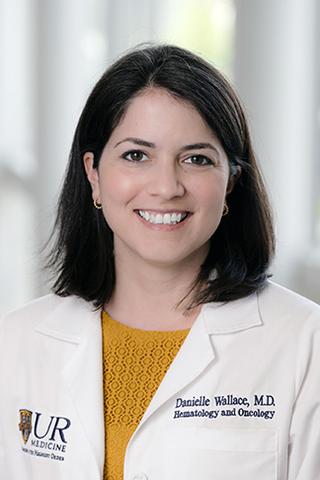
Danielle S. Wallace, M.D., is an Assistant Professor at the University of Rochester School of Medicine and Dentistry , affiliated with the Department of Medicine, Hematology/Oncology . As a clinician researcher, she specializes in the treatment of lymphoma , with a focus on nodal and cutaneous T-cell lymphomas, and is actively involved in clinical trials for cellular therapies like CAR T-cell treatment. MD | SUNY Upstate Medical University College of Medicine, 2016 Fellowship, Hematology & Oncology, University of Rochester Medical Center, 2020-2023 Residency, Internal Medicine, University of Rochester Medical Center, 2017-2019 Certified by American Board of Internal Medicine in Hematology, Internal Medicine, and Medical Oncology Her research emphasizes lymphoma treatment optimization , molecular classification , and targeted therapies . She leads clinical trials such as a Phase 2 Study of Epcoritamab and Rituximab for Follicular Lymphoma and a Randomized Phase 3 Trial of Zanubrutinib for Mantle Cell Lymphoma . Her work spans clinical trials , biomarker analysis , and patient-centered care in immune-privileged sites. Scientific awards include: Wilmot Physician Scientist-Fellowship Program (2025-2028) Wilmot Investigator Initiated Trial Support Program (2025-2027) Lymphoma Scientific Research Mentoring Program (2024-2026) Arnold P. Gold Foundation Humanism and Excellence in Teaching Award (2018) She is part of the multidisciplinary team at Wilmot Cancer Center , collaborating with clinical trial offices, radiation oncologists, and pathologists to enhance patient experiences. Her grants focus on hematologic malignancies , innovative therapies , and medical education initiatives .
Tania Cerquitelli is a Full Professor in the Department of Control and Computer Science (DAUIN) at Politecnico di Torino, where she leads research in data science, concept-drift management, and inclusive AI technologies. She is a member of SmartData@PoliTO, the GEDI Observatory for Gender Equality, and serves in leadership roles related to social affairs and community policies at the university level. She also acts as a scientific advisor for the partnership with Accenture. Her research interests span Data Science , Concept-Drift Management , Database Systems , Conversational Data Science , and Industry 4.0 . She applies AI and machine learning to industrial, societal, and ethical challenges, particularly in promoting inclusive communication and gender equality in research. The most recent publications highlight her work in explainable AI, concept drift detection, multimodal diagnostics, and AI for social good. Her research integrates machine learning, natural language processing, and computer vision to address real-world problems in manufacturing, healthcare, agriculture, and education. She is an Associate Editor for several prestigious journals including Expert Systems with Applications , Computer Networks , Future Generation Computer Systems , and Knowledge and Information Systems . She has served on the program committees of major conferences such as ECML PKDD, EDBT/ICDT, and ACM KDD, and has been a reviewer and selection committee member for ETH Zurich and EMPA. She actively supervises PhD students and teaches a wide range of courses including Data Science and Database Technologies, Business Intelligence for Big Data, and Gender and Diversity in Research. She is involved in multiple national and international research projects such as E-MIMIC, WEBFARE, and EnABLES, focusing on inclusive AI, smart data, and industrial applications. Her lab affiliations include the DBDM - Database and Data Mining Group (DAUIN) and the Interdepartmental Center SmartData@PoliTO - Big Data and Data Science Laboratory , where she contributes to advancing data science methodologies and their societal impact.
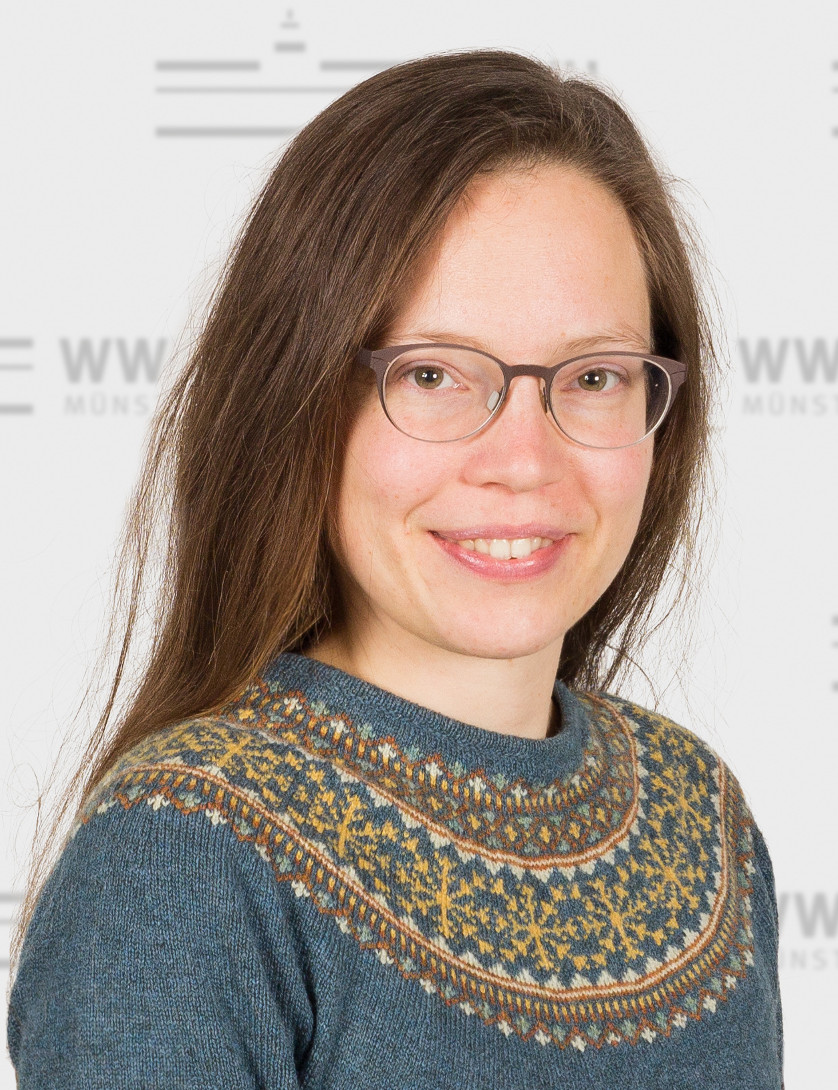
JProf. Dr. Mira Schedensack is a faculty member at the Institute for Analysis and Numerics within the Department of Mathematics and Computer Science , University of Münster. Her expertise lies in Numerical Analysis, Machine Learning, and Scientific Computing , with a focus on finite element methods and numerical solutions for partial differential equations. Research Interests: Numerical methods for PDEs, mixed finite element formulations, adaptive algorithms, and thermo-optical interactions in computational physics. Teaching: Offers courses in Numerical Partial Differential Equations and Adaptive Finite Element Methods. Students: Mentors doctoral student Jonas Ketteler . Publications: Key contributions to non-conforming FEM, Stokes equations, and gradient elasticity.
Jay I. Frankel is a Professor and Department Head at the Department of Mechanical & Aerospace Engineering at New Mexico State University (NMSU). He earned his Ph.D. (1986), M.S.M.E. (1982) from Virginia Tech and a B.S.M.E. (1980, Magna Cum Laude) from the University of Maryland. Ph.D., Virginia Tech (1986) M.S.M.E., Virginia Tech (1982) B.S.M.E., University of Maryland (1980) His research focuses on thermal sciences in aerospace contexts, including: Inverse heat conduction problems Calibration methods for thermal sensors Uncertainty and sensitivity analysis High-temperature measurements for hypersonic vehicles His work often employs integral equations and advanced mathematical techniques to solve real-world thermal challenges in propulsion and aerospace systems. Recent publications explore: Calibration methods for heat flux estimation Experimental validation of thermal models Time-spectral approaches for dynamical systems Nonlinear diffusion modeling Key honors include: 2018 AIAA Special Award for CIEM development 2010 General H.H. Arnold Award for thermal analysis in propulsion 2005 AIAA Associate Fellow 2000 Fellow of Computational Mechanics at Wessex Institute He has secured significant funding from the National Science Foundation, Air Force Research Laboratory, NASA, and Department of Energy for projects related to: Hypersonic thermal protection systems Advanced sensor development Calibration methodologies under extreme conditions His laboratory team collaborates on emerging thermal diagnostics and inverse problem solutions.
Frances H. Arnold is the Linus Pauling Professor of Chemical Engineering, Biochemistry, and Bioengineering at the California Institute of Technology (Caltech) , where she directs the Rosen Bioengineering Center . A 2018 Nobel Laureate in Chemistry, her work focuses on directed evolution of enzymes for novel chemical transformations, bridging protein engineering , synthetic biology , and machine learning . Research Interests: Her group pioneers methods to engineer enzymes for asymmetric catalysis , biocatalysis , and sustainable chemistry , leveraging directed evolution to create proteins with unnatural functions. Recent projects include AI-guided protein optimization and boron heterocycle synthesis . Publications & Trends: Recent work spans machine learning applications in protein design (e.g., discrete diffusion models), stereoselective enzymatic synthesis , and boron-based materials . Collaborations highlight interdisciplinary approaches to structural biology , drug development , and radical chemistry . Awards: Nobel Prize (2018), Priestley Medal (2025), and leadership roles in national science policy via the President’s Council of Advisors on Science and Technology (PCAST) . Lab & Community: The Arnold Group trains future leaders in protein engineering , with alumni driving innovation at top institutions like MIT, Stanford, and CRG. She advocates for science-based policy and bioengineering solutions to global challenges.
Vassili Gelfreich is Professor of Mathematics at the University of Warwick, specializing in dynamical systems, conservative dynamics, and bifurcation theory. His research investigates geometric foundations of Hamiltonian systems and chaotic transport mechanisms. Current teaching includes 'MA143 Calculus 2' and 'MA482 Stochastic Analysis'. Research examines energy equilibration in slow-fast systems, Arnold diffusion in chaotic symplectic maps, and vector field interpolation techniques. Publications frequently address Hamiltonian chaos and perturbation theory. International collaborations include invited talks at European institutions and research in symplectic geometry applications.
Arnold Polanski is an Associate Professor in Economics at the School of Economics, University of East Anglia (UEA), where he is an active member of the Applied Econometrics and Finance, Economic Theory, and Statistics research groups. He is currently accepting PhD students and supervising research in socio-economic networks, game theory, financial economics, and financial tail risk. His academic journey includes a PhD from the University of Alicante, postdoctoral research at the University of Minnesota, and prior teaching at Queen’s University Belfast. PhD in Economics, University of Alicante (2004) Postdoctoral Studies, University of Minnesota (2005) Postgraduate Certificate in Higher Education Teaching, Queen’s University Belfast (2007) Arnold Polanski's research focuses on socio-economic networks , game theory , information economics , and financial tail risk , with a growing emphasis on integrating machine learning into economic modeling. His work explores how network structures influence cooperation, information diffusion, and financial interdependencies, particularly during extreme market events. He investigates the role of homophily, influence, and strategic behavior in shaping economic outcomes. His recent publications (2019–2025) reveal a consistent trend toward analyzing tail risk interdependence , network stability , and information flows using advanced econometric and computational methods. Many of his articles apply machine learning and axiomatic frameworks to bargaining and financial risk, published in journals like Journal of Economic Theory , Journal of Applied Econometrics , and Computational Economics . His work bridges theoretical economics with empirical and computational approaches. Arnold Polanski has received research funding from prestigious institutions including the British Academy and the Institut Europlace de Finance Louis Bachelier . He leads the Economic Theory Group at UEA and serves in key administrative roles such as Plagiarism Officer and Chair of the Faculty Appeals and Complaints Panel. He actively contributes to the academic community as co-organizer of an annual international workshop on the economics of networks. His research supervision includes PhD projects on socio-economic networks, game theory, and financial tail risk. He collaborates with scholars such as E. Stoja, F. Vega-Redondo, and J. Sikora, and his work often involves interdisciplinary methods combining economics, statistics, and computer science. Arnold Polanski is involved in the Economic Theory Group and contributes to collaborative research within UEA’s School of Economics. His projects emphasize network-based modeling, financial risk analysis, and the application of machine learning in economic contexts. He fosters academic exchange through organizing international workshops and leading research initiatives focused on the intersection of networks and economic behavior.