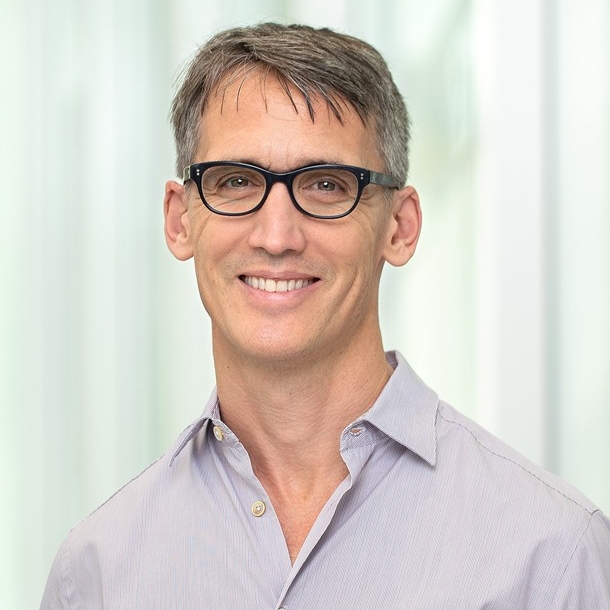
Dan Bevan is a Researcher specializing in Isotope Geochemistry at The University of Western Australia's Centre for Microscopy, Characterisation & Analysis. He holds a PhD in Geochemistry (University of Bristol, 2022) and previously served as a Research Associate at the University of Bristol (2017–2022). His work focuses on isotopic techniques, crustal evolution, and magma dynamics. Recent research includes stardust analysis, continental crustal evolution, and porphyry copper formation mechanisms. Research expertise spans mass spectrometry, geochronology, and isotope geochemistry. Collaborative projects explore stardust composition, detrital feldspar archives, and subduction-driven magmatism. His studies utilize advanced analytical tools like LA-CC-MC-ICPMS/MS and in situ dating techniques. Publications highlight interdisciplinary approaches to understanding Earth processes, including contributions to Chemical Geology and Nature Geoscience. His work has been widely cited and featured in news outlets, reflecting its impact on mineral resource exploration and tectonic studies.
Alberto Accomazzi is a Researcher and Principal Investigator at the Center for Astrophysics | Harvard & Smithsonian, leading the Astrophysics Data System (ADS) project. He holds a Doctorate in Physics from the University of Milan (1988) and has been a pivotal figure in advancing astrophysics data infrastructure. His primary roles include managing ADS's search engine, archives, and overseeing its expansion into Earth and space sciences. Accomazzi is also active in the scientific community, serving on advisory boards for initiatives like INSPIRE, arXiv, and the International Virtual Astronomy Alliance (IVOA). His research focuses on machine learning applications in astronomy , semantic frameworks for literature analysis, and improving scientific transparency through tools like Asclepias for software citation. He has pioneered projects such as astroBERT and AstroLLaMA, which leverage large language models for astronomy-specific tasks. Accomazzi emphasizes interdisciplinary collaboration and open science, exemplified by his work on NASA’s Science Explorer and SciX initiatives. Accomazzi’s contributions extend to editorial roles, including editing Astronomy & Computing , and advocacy for standardized metadata through the Unified Astronomy Thesaurus. His work consistently bridges computational methods with astrophysical research, driving advancements in data accessibility and AI-driven discovery.
Laura Petrella is an Adjunct Research Fellow at the School of Earth and Oceans, The University of Western Australia, and a Research Fellow at Curtin University's John de Laeter Centre. Her work focuses on nanoscale mechanisms of gold mineralization using advanced analytical facilities like the Geoscience Atom Probe (GAP) Facility. Education MSc, McGill University, 2012 PhD, University of Western Australia, 2019 Research Focus Her expertise centers on high-grade gold systems, particularly remobilization processes, gold nanoparticles, and fluid-rock interactions in orogenic deposits. She integrates field studies, microanalysis, and experimental techniques to decode mineralization mechanisms across Australian, Canadian, and Chinese deposits. Current work leverages atom probe tomography for nanoscale characterization of gold-bearing minerals. Publication Trends Recent articles (2024-2025) reveal a thematic shift toward nanoscale processes: arsenic-catalyzed gold remobilization in pyrite, polyphased enrichment in cratonic settings, and carbon-mediated nanoparticle transport. Methodologically, studies increasingly employ transmission electron microscopy and atom probe tomography, highlighting interdisciplinary approaches that bridge economic geology with materials science for exploration targeting. Awards No scientific awards were documented in the source material. Collaborations and Facilities Laura actively collaborates through the Geoscience Atom Probe Facility at Curtin University, utilizing its nanoscale imaging capabilities. Her research network spans Australian institutions (UWA, Curtin), Canadian universities (McGill), and Chinese geological surveys, with datasets publicly archived for reproducibility.
Prof. Birgit Luber holds a professorship in Pathology at the TUM School of Medicine and Health, Technische Universität München. Her research focuses on molecular mechanisms of gastric cancer, particularly HER2 pathway biology, targeted therapy response prediction, and biomarker discovery. She leads the VARIANZ study analyzing HER2 testing discrepancies and their clinical implications, emphasizing translational research bridging pathology and oncology. Her work combines systems medicine approaches with advanced techniques like MALDI imaging mass spectrometry and phosphoprotein profiling to dissect metabolic and genetic heterogeneity in tumors. Key research themes include therapy resistance mechanisms, precision oncology, and multimodal biomarker validation. Over 40 peer-reviewed articles since 1991 demonstrate sustained contributions to gastric cancer pathophysiology and clinical diagnostics. Her studies integrate cell line models, patient tissue analyses, and computational modeling to address challenges in targeted therapy efficacy prediction. Collaborations span clinical trials, diagnostic standardization, and interdisciplinary systems biology initiatives.
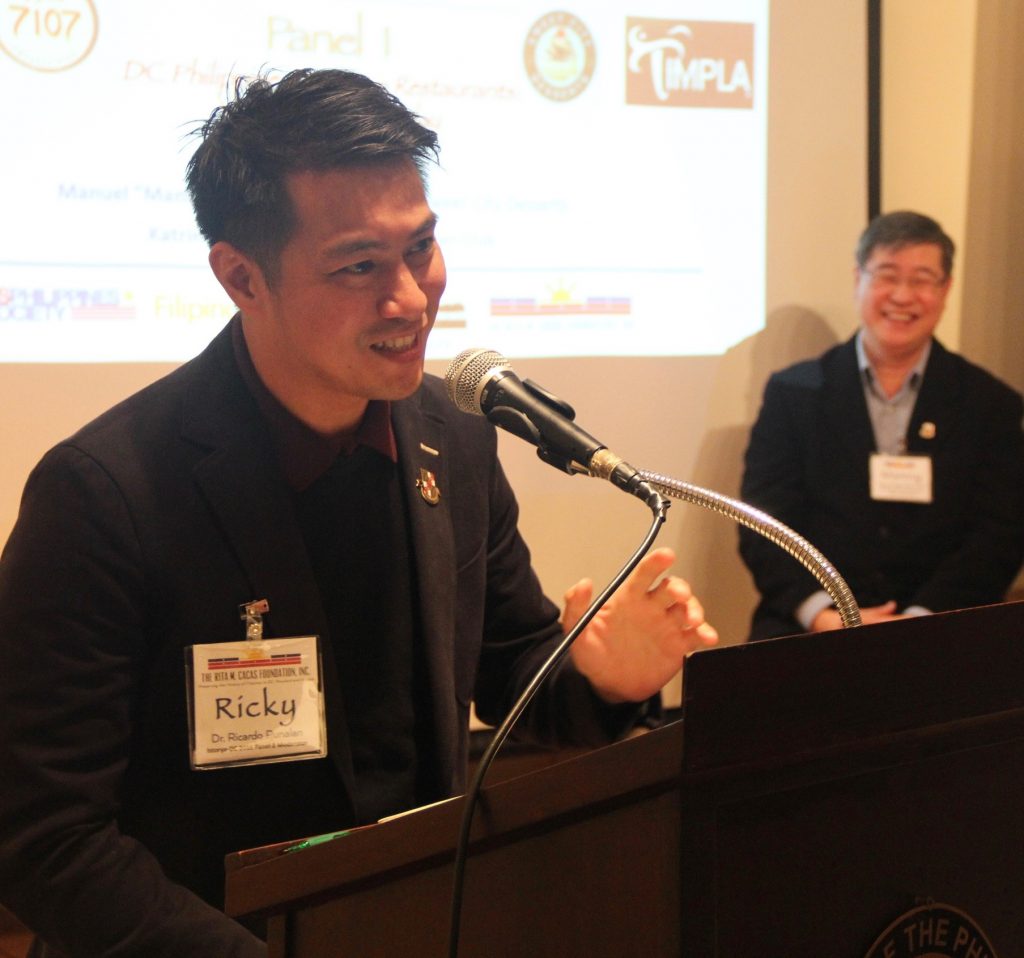
Ricky Punzalan is an Associate Professor of Information at the University of Michigan School of Information and Director of the Museum Studies Program at Rackham Graduate School. He holds a PhD in Information from the University of Michigan, alongside graduate certificates in Museum Studies and Science, Technology, and Society (STS). His academic journey includes prior faculty roles at the University of the Philippines School of Library and Information Studies (2000–2006) and the University of Maryland College of Information Studies (2013–2019), where he co-directed the Museum Scholarship and Material Culture program. Education: Ph.D. in Information (UMich), MLIS (UP Diliman), BLS (UP Diliman) Research Focus: Archives and digital curation, particularly digitized anthropological archives and Indigenous community engagements. He emphasizes archival practices that benefit underserved communities through projects like virtual reunification of cultural heritage. His work includes leading the ReConnect/ReCollect project (2023–present), funded by the U-M Humanities Collaboratory, which addresses reparative practices for Philippine collections acquired during U.S. colonial rule. He has also been a research associate at the Smithsonian’s National Anthropological Archives since 2014 and serves on the Council of the Society of American Archivists. Awards: Hugh A. Taylor Prize (2012) for co-authored work on digitized photographic archives. Grants: IMLS Early Career Grant (2016), Wenner-Gren Foundation Workshop Grant (2016). His research collaborations include projects in Ghana (Techiman archives, 2009) and the Philippines (Culion leprosarium archives, 2005–2006), emphasizing participatory approaches to archival preservation and access.
Víctor M. Heredia Flores serves as an Adjunct Lecturer in the Department of Economic History within the Faculty of Economics and Business at the University of Malaga, with office location 3406-A and contact email vmheredia@uma.es. His academic credentials include: PhD in Economic History, University of Malaga Research focuses on three interconnected domains: History of Public Services (particularly water infrastructure) Industrial History (technological adoption in regional contexts) Education History (statistical analysis of cultural development) His publication timeline (2007-2018) reveals consistent investigation into Spanish economic modernization, with emphasis on Málaga's transition from private to public utility management, technological impacts on industrialization, and Andalusian educational statistics. These works bridge Economic History and Public Administration through meticulous archival research on municipal services and regional development. Teaching responsibilities encompass: Spanish Contemporary Economic and Financial History (Undergraduate) Spanish Contemporary Economic History (Undergraduate) No scientific awards or formal student advisement details were documented in the source material.
Xian Zhao is an Assistant Professor in the Department of Psychology at Ohio University's College of Arts and Sciences. He is based in Porter Hall 255B on the Athens Campus and is actively engaged in research and teaching in social and experimental psychology. His educational background includes: Ph.D. in Social Psychology with a minor in Quantitative Psychology, University of Kansas (2018) M.Ed. in Applied Psychology, Beijing Normal University (2013) B.S. in Psychology, Central China Normal University (2010) Dr. Zhao's research centers on intergroup relations, aiming to promote peace and justice through interdisciplinary inquiry. His work spans psychology, management, marketing, and education, addressing critical societal issues such as diversity, equity, and inclusion (DEI), race, gender, poverty, culture, human-robot interaction, and climate change. He utilizes a wide range of methodologies including laboratory and field experiments, online studies, longitudinal and daily diary designs, natural language processing (NLP), and archival data analysis. His recent publications reflect a strong focus on racial and cultural dynamics in social perception and immigrant integration, published in top-tier journals like the Journal of Personality and Social Psychology . These works demonstrate a consistent trend in examining systemic biases, identity, and social hierarchies using both experimental and computational methods. Dr. Zhao has held postdoctoral research positions at the Kellogg School of Management, Northwestern University (2022–2024), and the Rotman School of Management, University of Toronto (2018–2022), highlighting his strong interdisciplinary training and research network. He currently advises graduate students including David Sweeney, Xiaoya Huang, and Tyler Parker-Rollins. Although he is not currently accepting new Ph.D. students, he emphasizes inclusivity and encourages applicants from historically underrepresented groups and those with interdisciplinary interests. He is involved in research addressing pressing organizational and societal challenges, though specific grant information is not listed in the provided text.
PJ Henry is an Associate Professor of Psychology and Global Network Associate Professor of Psychology at New York University Abu Dhabi (NYUAD), where he conducts research and teaches courses in social psychology. His academic affiliations include NYUAD, DePaul University (former), and the American University of Beirut (former). He holds a PhD from the University of California, Los Angeles and a BA from the University of Wisconsin. Research Interests: PJ Henry's research centers on gender roles, masculinity/femininity, sexuality, and social justice, particularly how beliefs about gender function as a guiding ideological system shaping political and social attitudes. He also investigates symbolic racism, authoritarianism, intergroup relations, and system justification. His work spans multiple levels of analysis—from individual psychology to national-level trends—using survey methodology and archival data analysis. Recent Research Trends: His recent publications reveal a strong focus on gender equality, social attitudes toward LGBTQ+ populations, the psychological effects of income change on social trust, and the role of stigma and status in authoritarianism and job satisfaction. His work often applies a cross-national lens, highlighting cultural and structural influences on psychological processes. Scientific Awards: No scientific awards or fellowships were mentioned in the provided texts. Advising and Grants: While specific advisees are not listed, PJ Henry has served as a mentor in the Capstone Project in Psychology at NYUAD. He is co-Principal Investigator on the WeAreNYUAD Survey, a longitudinal study tracking student beliefs and attitudes, funded by the LSE Middle East Center. This project examines how global university experiences shape cosmopolitan identities and socio-political attitudes. Labs and Research Teams: PJ Henry is involved in the Global Identity in an Uncertain World research initiative, focusing on student development at NYUAD. He collaborates with researchers from the London School of Economics and UAEU. The WeAreNYUAD Survey is a key component of this work, utilizing Qualtrics for data collection and longitudinal tracking.
Dr. Helene Løvstrand Svarva is an Associate Professor at the Norwegian University of Science and Technology (NTNU) Science Museum , specializing in dendrochronology and radiocarbon dating . Her research bridges environmental science , archaeology , and historical climate reconstruction , with a focus on Scandinavian climate history and wooden artifact dating . She has actively participated in collaborative projects involving stave churches and historical manuscripts . Address: Old Physics, 164A, Gløshaugen, Sem Sælands vei 5, Trondheim, Norway Email: helene.svarva@ntnu.no Contact: +47 73593307 / +47 45616923 Her scientific work emphasizes tree-ring analysis for climate proxies, including studies on the Little Ice Age and bomb radiocarbon spikes from nuclear testing periods. She investigates carbon source modeling , cellulose pretreatment methods , and historical timber trade through interdisciplinary projects in archaeology and environmental history . Recent publications highlight her contributions to radiocarbon calibration using Norwegian Pinus sylvestris , analysis of subannual ¹⁴C variability , and dendrochronological dating of medieval structures. She frequently presents at international conferences, including the Radiocarbon Conference and European Geosciences Union meetings. Collaborations with institutions like the ETH Zürich and University of Bern demonstrate her role in European archaeological science networks. Her work often integrates climate history with human activity patterns , as seen in studies on 18th-century agricultural crises and pre-Black Death population trends .
Yunus Baykal is a Postdoctoral Researcher in the Department of Physics at the Technical University of Denmark (DTU), specializing in luminescence physics and environmental geoscience. His research focuses on reconstructing past climate dynamics through geological archives. His primary research interests include Paleoclimatology , Sedimentology , and Atmospheric Dust Transport , with specific expertise in loess deposition systems and Alpine glacial dynamics. His work utilizes multi-proxy analysis of sediment records to understand continental-scale dust emission events during glacial periods. His recent publication in Geophysical Research Letters demonstrates cross-continental collaboration, analyzing how Last Glacial Alpine ice sheets drove hemispheric dust events through anticyclonic circulation patterns. This research contributes significantly to understanding paleoclimate forcing mechanisms. Baykal's work actively supports UN Sustainable Development Goals related to climate action and life on land through paleoenvironmental reconstruction. He maintains active research collaborations across European institutions, as evidenced by multi-national authorship on recent publications. His fingerprint analysis shows 100% specialization in Eastern Alps geology, loess particles, multi-proxy analysis, and anticyclonic circulation systems.
Emery Eaves is an Associate Professor and Chair in the Department of Anthropology at Northern Arizona University. Their work bridges medical anthropology and public health, with a strong emphasis on substance use, chronic pain, integrative medicine, and maternal health. They lead research initiatives that employ qualitative and ethnographic methods to understand patient experiences, health behaviors, and system-level interventions. Institution: Northern Arizona University School: College of Social and Behavioral Sciences Department: Department of Anthropology Position: Associate Professor and Chair Email: emery.eaves@nau.edu Their research interests center on medical anthropology, public health, and integrative medicine. Key areas include substance use recovery, chronic pain management, complementary and alternative medicine (CAM), maternal nutrition, and digital health interventions. They explore how cultural, social, and systemic factors shape health outcomes, particularly in rural and underserved populations. Their methodological expertise lies in qualitative research, user-centered design, and rapid ethnographic assessments. Their recent publications reflect a consistent trajectory in public health innovation. Themes include the development of culturally-centered research training, mHealth tools for recovery support, dietary patterns in pregnancy, and policy impacts on people who use drugs during the pandemic. These works demonstrate a commitment to evidence-based, patient-centered, and community-responsive research. While no formal scientific awards are listed in the provided text, their research has been cited over 300 times and has influenced policy and public discourse. Articles have been referenced in policy sources and covered by news outlets, indicating translational impact. Dr. Eaves has mentored or collaborated with numerous scholars and health professionals, particularly in interdisciplinary and community-based projects. They have secured research funding and led initiatives such as the Culturally-Centered Addictions Research Training (C-CART) program. Their datasets are publicly archived, supporting open science and reproducibility. They lead or contribute to research teams focused on substance use, maternal health, and integrative medicine. Their use of digital tools, such as mHealth apps, and engagement with rapid ethnography suggest innovation in research methodology and application. Collaborations span public health, medicine, nursing, and behavioral sciences.
Alfred Freeborn is a Research Scholar in the Department on Knowledge Systems and Collective Life at the Max Planck Institute for the History of Science (MPIWG) in Berlin, where he previously contributed to the Research Group on Practices of Validation in the Biomedical Sciences. His scholarship critically examines psychiatric research evaluation within postwar biomedical globalization, utilizing archival and oral history methodologies to investigate diagnostic validation and transnational knowledge flows. Academic background includes: BA in History from University of Cambridge (Cambridge Historical Society Prize recipient for early modern utopian writing dissertation) MPhil in History and Philosophy of Science at Cambridge (Isaac Newton Trust scholarship) Doctorate from Humboldt University Berlin's Chair for History of Science Freeborn's research centers on the historical interplay between schizophrenia diagnosis, biological psychiatry, and global validation practices. He analyzes how psychiatric tools like diagnostic scales evolved through professional consensus, technological shifts, and cross-cultural adaptation, with particular focus on postwar Britain's role in biomedical standardization. His work bridges history of medicine, philosophy of science, and oral history theory. Publication trends reveal deep engagement with psychiatric epistemology across four key dimensions: (1) deconstruction of diagnostic instruments through archival materials, (2) critical analysis of biomarker validation in neuroscience, (3) transnational history of schizophrenia research, and (4) methodological innovations in oral history for biomedical contexts. Recent work increasingly addresses neurodiversity and racecraft in contemporary neuroscience. Scientific recognition includes: Early Career Prize from History of the Human Sciences journal (2024) for postwar psychiatric diagnosis reforms Cambridge Historical Society Prize for undergraduate dissertation Isaac Newton Trust scholarship supporting MPhil research Freeborn secured the Isaac Newton Trust scholarship for graduate work and currently leads multiple MPIWG-funded collaborative projects including 'Seeking Global Validation' and 'Commoning Biomedicine', which investigate decentralized oral history networks in psychiatric research. He maintains active partnerships with Birkbeck, University of London and German Historical Institute. His research infrastructure includes the ComBio oral history database and ongoing monograph development on biological psychiatry's historical foundations.
David Grunwald is an Associate Professor at the University of Massachusetts Chan Medical School , affiliated with the T.H. Chan School of Medicine and Morningside Graduate School of Biomedical Sciences across multiple departments including Biochemistry and Molecular Biotechnology, Biophysical Chemical and Computational Biology, and others. His research spans RNA biology, single-molecule imaging, and gene editing. Education: BS in Biophysics from Humboldt University Berlin PhD in Biophysics from Ludwig Maximilian University of Munich Research Interests: Grunwald investigates RNA dynamics, focusing on nucleocytoplasmic transport, CRISPR-Cas9 nuclear behavior, and nucleoporin interactions in diseases like ALS. His work bridges biophysics and molecular biology, utilizing advanced microscopy techniques. Publication Trends: His recent articles emphasize microscopy metadata standards (e.g., FAIR bioimage data), RNA transport mechanisms, and CRISPR-based imaging. Collaborative efforts with institutions like the National Cancer Institute and Frederick National Laboratory for Cancer Research highlight interdisciplinary approaches. Networks: Grunwald collaborates with experts in RNA therapeutics, biochemistry, and developmental biology. Key co-authors include Caterina Strambio-De-Castillia and Thoru Pederson. His work intersects with concepts like cell nucleus dynamics, molecular imaging, and zebrafish models.
Klaus Jürgens is a Full Professor of Biological Oceanography at the University of Rostock and heads the Biological Oceanography Department at the Leibniz Institute for Baltic Sea Research Warnemünde (IOW) since 2003. His research integrates microbial ecology, biogeochemistry, and oceanography to study aquatic ecosystems. Education: 1981–1988: Biology, University of Konstanz 1990–1994: PhD, Max Planck Institute for Limnology 2000: Habilitation, University of Kiel Research Interests: Prof. Jürgens investigates microbial processes in hypoxic marine systems (e.g., Baltic Sea redoxclines), trophic interactions in food webs, and protist diversity. His work addresses climate impacts on biogeochemical cycles, microbial adaptation to oxygen gradients, and carbon/nitrogen transformations in aquatic environments. Publication Trends: Recent articles (2020–2025) emphasize microbial responses to environmental stressors, biogeochemical cycling in oxygen-deficient zones, and climate change impacts on marine ecosystems. Themes include polar microbiology, metagenomics, and ecological modeling, often using molecular and isotopic techniques. Projects: He coordinates major initiatives: REDOX (DFG): Biogeochemistry of pelagic redoxclines BIOACID (BMBF): Ocean acidification impacts MOCA (DFG): Chemolithoautotrophic plankton communities BLUEPRINT (EU-BMBF): Microbial gene expression Team: Leads a research group at IOW focusing on microbial oceanography, with collaborations across European marine institutes.
Tiago André Pratas Borges is a researcher, educator, and independent architect at École Polytechnique Fédérale de Lausanne (EPFL), affiliated with the EAST-CO laboratory under the School of Architecture, Civil and Environmental Engineering (ENAC). His work focuses on typological transfer and reuse in architecture, particularly examining the relationship between greenhouses and domestic spaces. Education : Pursuing doctoral research at EPFL, culminating in a 2025 thesis titled Neither House nor Garden. Greenhouses as Domestic Space and the Question of Climatic Typology . Collaborations : Co-edited books with EPFL Press and Park Books, curated exhibitions at Forum d'Architectures de Lausanne, and collaborated with Archizoom at EPFL. His research explores typological dynamics, climatic adaptation, and spatial narratives. Key themes include typological transfer, reuse strategies, and climatic affinities in architectural design. Recent publications and presentations analyze the work of Lacaton & Vassal, filling stations, and dormitories. Scientific awards include the Erstling - Critique d'Architecture Émergente distinction by Werk, Bauen und Wohnen (2016). He has also contributed to architectural discourse through editorial work and curation.