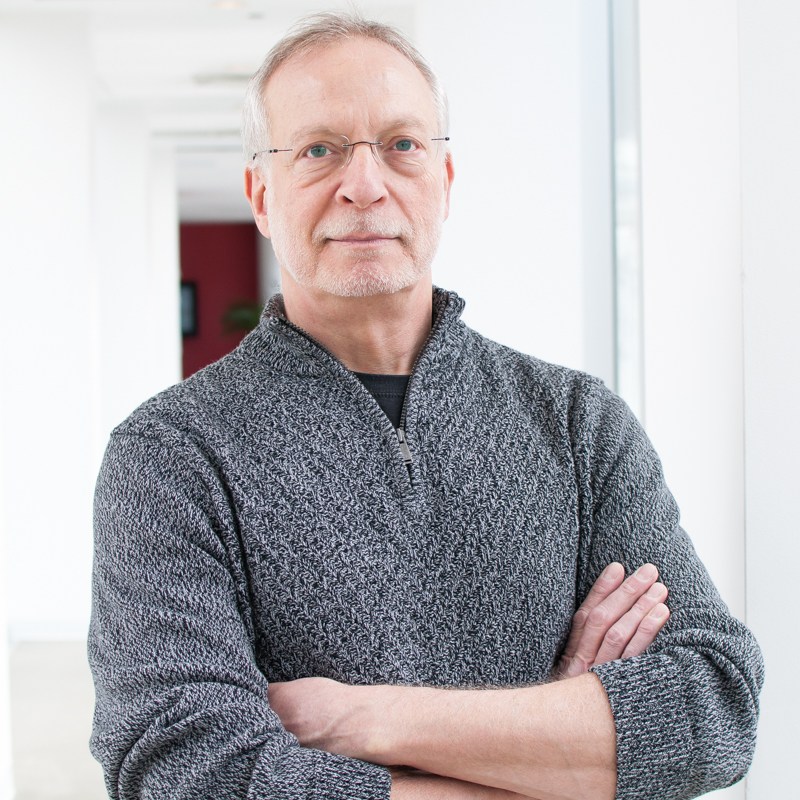
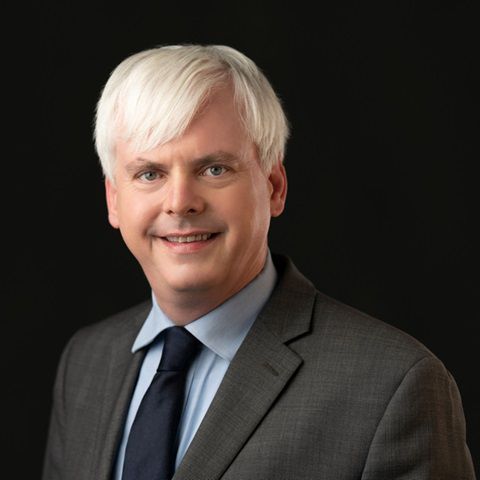
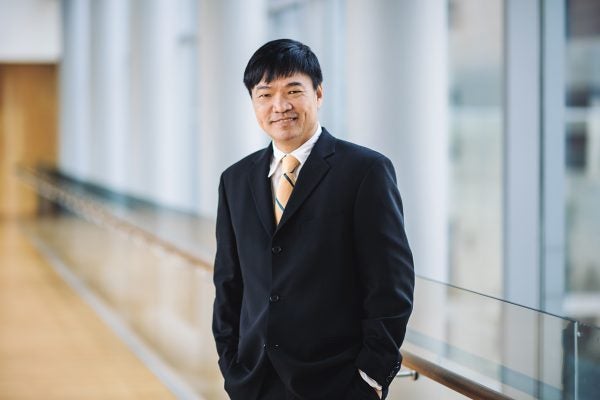
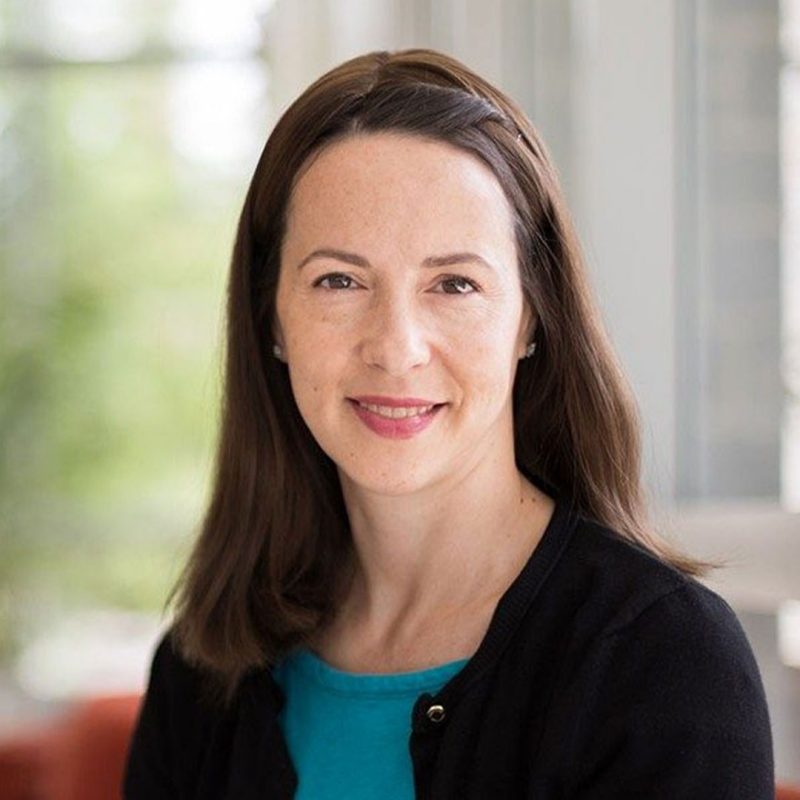
James D. Herbsleb is a Professor at Carnegie Mellon University in the Software and Societal Systems Department under the School of Computer Science . He served as Department Head from 2019-2024 and holds a PhD in Psychology and an MS in Computer Science. Education PhD in Psychology MS in Computer Science Research interests focus on the intersection of software engineering , computer-supported cooperative work , and socio-technical systems . Key areas include global software teams, open source ecosystems, and the limits of modularity in complex projects. His work explores decision networks , interface translucence , and scientific software sharing through NSF-funded initiatives. Recent publications examine API management in ecosystems like Eclipse and Node.js, coordination theory in distributed teams, and transparency in open source practices. Awards include the ACM Outstanding Research Award (2016) and Alan Newell Award (2014) . Scientific Awards ACM Outstanding Research Award (2016) Alan Newell Award for Research Excellence (2014) Most Influential Paper Award (ICSE 2010) Best Paper Award (Academy of Management 2010) Best Paper Award (CSCW 2006) Students advised include Patrick Wagstrom (COS PhD), Anita Sarma (postdoc), Uri Dekel (SE PhD), and current PhD candidates like Ben Towne. Research is supported by NSF, Sloan Foundation, and industry partners including Google and IBM.
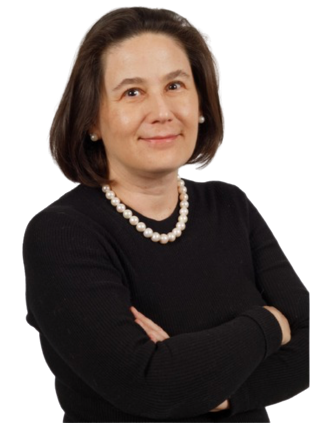
Berrak Burçak Della Fave is an Assistant Professor in the Department of History at Bilkent University. She holds a Ph.D. in Near Eastern Studies from Princeton University (2005) and specializes in the history of Ottoman-Turkish modernization and the political history of modern Turkey. Education : Ph.D., Near Eastern Studies, Princeton University, 2005 Her research intersects Ottoman history , gender studies , and science-society relations . Key themes include: Fashion and health as expressions of identity (e.g., ‘The question of the corset’ in late Ottoman history) Hygienic beauty standards in the Hamidian era Diplomatic history through the lens of the Ottoman embassy institution Urban symbolism in Ankara's political development Recent publications (2022–2023) explore global intellectual histories , including critiques of Orientalism at the 1893 World’s Columbian Exposition. She contributes to journals like British Journal of Middle Eastern Studies and Middle Eastern Studies .
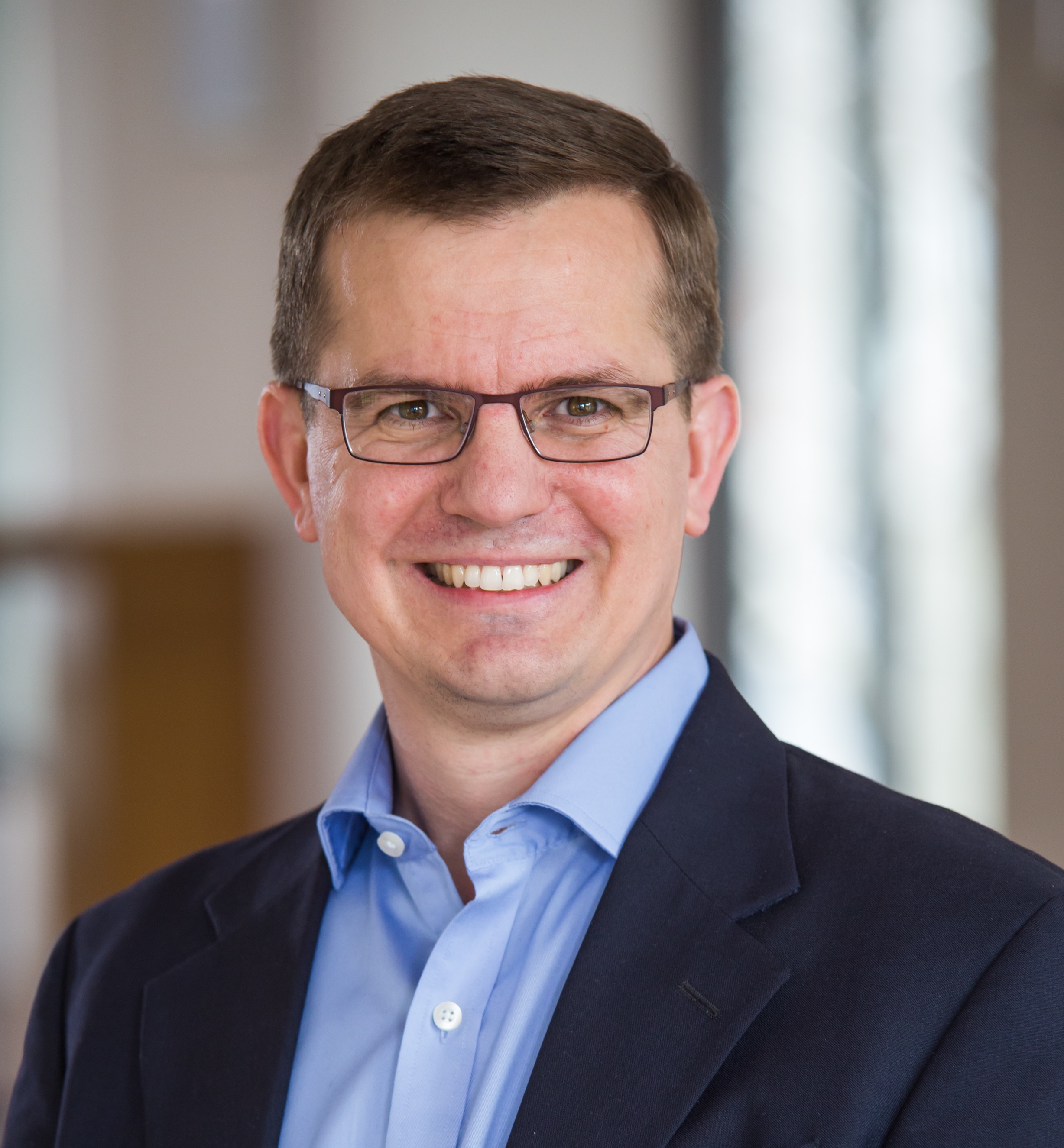
Rémi Giraud is an Associate Professor at ENSEIRB-MATMECA (Bordeaux INP) in the Electronic department, conducting research at the IMS laboratory within the Signal and Image Processing group (MOTIVE team). He is also a member of the In2Brain research group. Dr. Giraud received his M.Sc. in telecommunications from ENSEIRB-MATMECA and a Master's in signal and image processing from the University of Bordeaux in 2014, graduating with honors as top of his class. He completed his Ph.D. in computer science at the University of Bordeaux in 2017, followed by a year as Assistant Professor before becoming Associate Professor in 2018. Current position: Associate Professor at ENSEIRB-MATMECA (Bordeaux INP), Electronic department Research affiliation: IMS laboratory, Signal and Image Processing group, MOTIVE team Additional affiliation: In2Brain research group Education: PhD in Computer Science (2017, University of Bordeaux), M.Sc. in Telecommunications and Signal/Image Processing (2014, ENSEIRB-MATMECA and University of Bordeaux) His research focuses on image processing and analysis, deep learning, and computer vision, with particular expertise in (un)supervised image segmentation, colorization, matching techniques, irregular under-representations (superpixels), spatial relations, and medical imaging (3D MRI applications). His work bridges theoretical computer vision with practical medical applications, developing algorithms that enhance image understanding in both general and specialized contexts. Dr. Giraud has developed several significant methodologies including SCALP (Superpixels with Contour Adherence using Linear Path), TASP (Texture-Aware SuperPixel), DSP (Dual Superpixel Descriptors), and NNSC (Nearest Neighbor-based Superpixel Clustering). His publications demonstrate consistent advancement in superpixel segmentation techniques with increasing focus on medical imaging applications, particularly brain MRI analysis. He currently supervises multiple PhD students including Julien Walther (working on Deep Learning Models from Structural Image Representations), Eloi Navet (An AI Assembly for Neurological Disease Prediction), Edern Le Bot (Holistic Brain MRI Segmentation), and Matthieu Vilain (Semi-supervised Deep Learning for image sequences). His research has resulted in numerous publications in top-tier conferences and journals, with a clear trajectory from theoretical algorithm development to practical implementation in medical contexts.
Alessandro Rigolon is an Associate Professor and MCMP Program Coordinator in the Department of City and Metropolitan Planning at the University of Utah, where he has been on the faculty since 2019. A dual-PhD scholar (Design & Planning, University of Colorado Denver; Architecture, University of Bologna), he is internationally recognized for research on environmental justice, green-space equity, and the public-health consequences of urban greening. Education: Ph.D. in Design and Planning, University of Colorado Denver (2015) Ph.D. in Architecture, University of Bologna, Italy (2012) B.Arch. & M.Arch. in Architecture and Urban Design, University of Bologna, Italy (2007) Research Interests: Rigolon’s work sits at the intersection of environmental justice, urban planning, and public health. He investigates four interconnected themes: (1) policy drivers of inequity in green-space provision; (2) the mechanisms and resistance to green gentrification; (3) green infrastructure’s role in equitable climate adaptation; and (4) health impacts of urban nature on marginalized communities. His studies span multiple scales—from census microdata in Miami-Dade County to machine-learning analyses across 263 Chinese cities—deploying mixed-methods, spatial analytics, and community-engaged research. Publications & Impact: Across 89 peer-reviewed outputs, recent work (2024-2025) reveals complex pathways by which gentrification both precedes and follows greening, quantifies disparities in park access among racial/ethnic groups, and evaluates policies aimed at achieving green-space equity. Collectively, these studies highlight the need for fine-scale spatial data, intersectional analyses, and robust procedural justice when designing equitable greening interventions. Scientific Awards & Recognition: Stanford/Elsevier Top 2 % Scientist (2024) Clarivate Highly Cited Researcher (2024) APA-Utah High Achievement Award (2022) Urban Studies Editor’s Featured Articles (2021) University of Utah Celebrate U Researcher Honoree (2020) Arnold O. Beckman Award (2019) Grants & Advising: Rigolon currently leads or co-leads six funded projects totaling over one million dollars from the Center for Equitable Transit-Oriented Communities, Center for Climate Smart Transportation, Prevention Institute, and University of Illinois. These grants support interdisciplinary teams examining transit-oriented green gentrification, climate adaptation for active transportation, and equitable park policy implementation. Graduate students and post-docs are active collaborators on all projects. Teaching & Community Engagement: He teaches graduate courses including Design Ecologies , Plan Making , Professional Project Studio , and Research Design . Through studio courses, students partner with local governments (South Salt Lake City, Liberty Wells Community Council) to produce actionable plans advancing environmental justice.
Yeonghyeon Gu serves as Assistant Professor in the Department of Artificial Intelligence Data Science at Sejong University, South Korea, a position held since 2022 after progressing from Principal Researcher (2014-2019) to Acting Professor (2019-2022). He maintains active affiliation with the university's AI Convergence Research Center and has produced 84 research outputs with 795 Scopus citations and an h-index of 14. His academic credentials include: B.A. from Sejong University (2004) M.A. from Sejong University (2006) Ph.D. from Sejong University (2014) Dr. Gu's research centers on Artificial Intelligence with specialization in Meta Learning, Transfer Learning, and Deep Learning methodologies. His work demonstrates strong interdisciplinary application across robotics, agricultural technology, energy systems, and meteorology. Key contributions include district heater load forecasting using parallel CNN-LSTM attention, image-based hot pepper disease diagnosis, and potato late blight prediction models. Analysis of his 2024-2025 publications reveals concentrated innovation in hybrid AI architectures, particularly combining graph networks with reinforcement learning for blockchain security and integrating physical models with deep learning for weather prediction. His work consistently addresses real-world engineering challenges through novel neural network applications while maintaining strong theoretical foundations in transfer learning frameworks. No scientific awards were documented in the source materials. While specific student advisees and grant details weren't listed, his extensive publication record (29 outputs in 2025 alone) and international collaborations suggest active mentorship and research funding. His work shows particular strength in cross-institutional projects with researchers from Turkey, Nigeria, Saudi Arabia, and South Korea. As a core member of Sejong University's AI Convergence Research Center, Dr. Gu contributes to institutional initiatives bridging AI theory with practical implementation across multiple sectors. The center's structure facilitates his interdisciplinary approach, connecting computer science with engineering, agriculture, and environmental science domains through shared computational infrastructure and collaborative research frameworks.
Ben Raphael is a Professor in the Department of Computer Science at Princeton University, with affiliations at the Lewis-Sigler Institute for Integrative Genomics, Omenn-Darling Bioengineering Institute, and Center for Statistics and Machine Learning. He is also an Affiliate Faculty member at the Rutgers Cancer Institute of New Jersey, Irving Institute for Cancer Dynamics at Columbia University, and New York Genome Center. His research focuses on computational methods for analyzing large-scale biological data, emphasizing cancer evolution, network/pathway analysis, and structural variation in genomes. Research Trends: His recent work spans cancer lineage trees, spatial transcriptomics, optimal transport for developmental models, and network analysis of mutations. Articles highlight applications in prostate cancer, pancreatic cancer, and single-cell genomics. Scientific Awards: 2024 ACM Fellow 2023 RECOMB Test of Time Award 2022 RECOMB Test of Time Runner-Up 2021 ISCB Innovator Award 2021 RECOMB Best Paper Runner-Up 2020 ISCB Fellow 2020 AACR Team Science Award 2011 NSF CAREER Award 2013 RECOMB Best Paper 2010-2012 Sloan Research Fellowship Advising: He has mentored numerous Ph.D. students and postdoctoral fellows, many of whom have transitioned to academic and industry roles. Current advisees include Uthsav Chitra, Gillian Chu, and Alexander Strzalkowski. Labs & Teams: Raphael leads the Raphael Lab at Princeton, developing tools like HotNet2, CHISEL, and HATCHet for cancer genomics and network analysis.
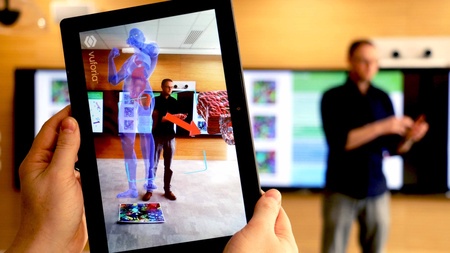
Professor John Barrow is a Professor of Biochemistry & Molecular Biology at the University of Aberdeen, where he also serves as Dean for Employability and Entrepreneurship since 2020. He is affiliated with the School of Medicine, Medical Sciences and Nutrition, based at the Institute of Medical Sciences on the Foresterhill Campus with office address at Ashgrove Road West, AB25 2ZD. Barrow earned his academic qualifications entirely from the University of Aberdeen: a BSc(Hons) in Biochemistry (2002), PhD in Molecular Biology (2005), and PGCert in Higher Education (2011). He was awarded Senior Fellow status with the Higher Education Academy in 2015. His academic career at Aberdeen has progressed from Postdoctoral research scientist (2005-2009), through Teaching Fellow (2009-2013) and Senior Teaching Fellow (2013-2015), to Senior Lecturer (Scholarship) (2015-2021), before becoming Professor in 2021. Professor Barrow's research primarily focuses on innovative approaches to biochemistry education, with particular emphasis on virtual reality and immersive learning technologies. His work bridges traditional biochemical knowledge with cutting-edge educational methodologies, creating engaging learning experiences for students. He has pioneered the use of virtual reality for teaching complex biochemical concepts such as the citric acid cycle and molecular structures. Additionally, his research extends to graduate attributes development, employability skills, and entrepreneurship education, reflecting his dual role as both educator and Dean for Employability and Entrepreneurship. Analysis of his recent publications reveals a strong trend toward educational technology and innovative teaching methods, particularly virtual and augmented reality applications in biochemistry education. His work spans molecular biology education, skills development, and the integration of enterprise and entrepreneurship into the academic curriculum. While his earlier career included more traditional molecular biology research on topics like gene promoters and receptor pathways, his recent focus has shifted predominantly toward educational innovation. His professional recognition includes: Senior Fellow of the Higher Education Academy (2015) As Dean for Employability and Entrepreneurship, Professor Barrow oversees initiatives that connect academic learning with real-world applications, including the ABDN Grad Challenge and Hack 2040 ideathon events. His work focuses on developing students' enterprise skills and preparing them for diverse career paths. He has been instrumental in creating programs like the Employability Boost Award, designed to enhance students' career readiness through structured skill development. Professor Barrow is actively involved in curriculum development at the University of Aberdeen, particularly in transforming and embedding graduate attributes across programs. His leadership extends to external examiner roles for institutions in Pakistan and reviewing for major academic publishers and journals. His innovative approach to education has positioned him as a leader in educational technology within the medical and biochemical sciences.
Paul M Thibado is a Professor in the Department of Physics within the College of Arts & Sciences at the University of Arkansas. With over 100 refereed publications and 51 patents worldwide, his work focuses on cutting-edge research in graphene physics and energy harvesting technology. He has secured over $12 million in external research funding from sources including NSF, DoD, and the Walton Foundation, with current support from the WoodNext Foundation. Education: Ph.D. in Physics, 1994, University of Pennsylvania, Philadelphia, PA B.S. in Physics, 1990, San Diego State University, San Diego, CA B.S. in Mathematics, 1990, San Diego State University, San Diego, CA Professor Thibado's primary research focuses on the physical properties of novel two-dimensional systems, particularly pristine freestanding graphene and chemically-functionalized graphene. His work investigates electronic, mechanical, electromechanical, spin-dependent tunneling, and transport properties. A significant portion of his recent research centers on developing multimodal energy harvesting technology using graphene, with power sources including kinetic, solar, thermal, ambient radiation, acoustic, and nonlinear thermal energy. His groundbreaking discovery that thermal fluctuations in graphene can be harnessed to generate usable electrical power represents a paradigm shift in nanoscale energy generation. Analysis of his recent publications (2023-2025) reveals a clear progression from fundamental studies of graphene properties to the development of functional energy harvesting devices. Key research themes include spectrum analysis of thermally driven curvature inversion in graphene ripples, transient thermal energy harvesting at single temperatures using nonlinearity, and creating arrays of graphene solar cells on silicon wafers. His work demonstrates how Brownian motion in two-dimensional materials can be converted into electrical energy through innovative device architectures. Scientific Awards: Senior Member of the National Academy of Inventors NSF CAREER Awardee ONR award recipient NSF MRSEC funding NSF FRG funding NSF MRI funding NSF REU funding NSF-EM funding NRC Post-doctoral Fellow, Naval Research Laboratory (1994-96) Master Researcher Award, Fulbright College (2014) Professor Thibado has successfully mentored numerous students and postdocs, including Dr. Vince LaBella who was elected APS Fellow for clicker development work. His research has been supported by over $12 million in external funding from diverse sources. His laboratory combines advanced scanning tunneling microscopy techniques with electrical measurements to study and harness the unique properties of two-dimensional materials. Future work appears directed toward scaling up graphene energy harvesting technology for practical applications and commercialization, with several patents recently granted for energy harvesting devices and sensors.
Mirella Lapata is a Professor of Computer Science at the University of Edinburgh , affiliated with the School of Informatics and the EdinburghNLP group. Her research focuses on developing AI systems that reason, generalize, and handle long contexts, with specific interests in compositional generalization, cross-lingual transfer, and verifiable generation. She leads projects funded by UKRI and ERC , including the UKRI AI Centre for Doctoral Training in Responsible NLP and Turing AI Fellowship for human-like reasoning in models. Research Emphasis : Coarse-to-fine decoding in semantic parsing, parameter-efficient LLMs, collaborative writing frameworks, and multimodal summarization. Advising : Supervises current PhD students and has mentored 23 PhD graduates since 2007, including notable alumni like Li Dong and Siva Reddy. Labs & Teams : Co-leads the Generative AI Laboratory (GAIL) and contributes to the Edinburgh Laboratory for Integrated Artificial Intelligence (ELIAI). Her recent work addresses hallucinations in generative models, cross-lingual semantic parsing, and structured reasoning in text-to-SQL tasks. She has co-authored 15+ publications in 2024 alone, spanning journals like TACL , NeurIPS , and ACL .
Henry Farrell serves as SNF Agora Institute Professor at Johns Hopkins School of Advanced International Studies, specializing in the intersection of democratic systems, digital technology governance, and global economic structures. His work critically examines how internet architectures influence political trust and international cooperation. Farrell's research program investigates the weaponization of economic statecraft in international relations, transnational conflicts over data sovereignty, and democratic resilience against digital authoritarianism. His scholarship bridges comparative politics with international political economy through empirical studies of institutional trust and cross-border regulatory battles. His major recognition includes: Friedrich Schiedel Prize for Politics and Technology (2019) for groundbreaking work on digital governance Farrell's influential publications address urgent challenges in democratic governance within the digital age, with particular focus on U.S.-European regulatory divergence and economic coercion strategies in global finance.
Staffan Bensch is a Professor at Lund University, holding roles in the Molecular Ecology and Evolution Lab, Lund Migration Group, and Immunogenetics and Infection Biology. His research focuses on evolutionary biology, particularly bird migration genetics and host-parasite interactions of avian malaria. He leads projects on migratory divides in willow warblers and chiffchaffs, and maintains the MalAvi database of bird malaria lineages. Education: PhD in 1993 from Lund University, with postdoctoral work at UC San Diego. Techniques: Molecular Ecology methods including genomics and tracking technologies. Research Interests: Genetic basis of migration Host-parasite evolution Avian malaria biodiversity Publications: Over 267 articles, including recent work on migratory genetics and parasite population structures. Awards: Rosén Linnaeus Prize (2019), Katma Award (2016), Elliott Coues Award (2014). Grants: Active projects on climate adaptation in willow warblers and comparative studies of migration genetics. Supervised 11 students including Violeta Caballero-Lopez (PhD). Labs/Teams: Molecular Ecology and Evolution Lab, Lund Migration Group.
Erik Bjørnager Dam is a Professor in the Machine Learning section at the Department of Computer Science, University of Copenhagen (UCPH). His research spans theoretical foundations of machine learning to practical applications in medical data analysis, sustainability, and materials science. His key research interests include: Small-scale and resource-efficient deep learning Medical image analysis and segmentation Sustainable and environmentally conscious AI development Graph neural networks for materials science Resource-constrained AI systems Professor Dam's recent publications demonstrate a strong focus on making AI more accessible and sustainable while maintaining high performance standards. His work on 'Performance Per Resource Unit' metrics addresses critical challenges in deploying AI in resource-limited environments, particularly in healthcare applications. His research bridges theoretical machine learning with practical implementations across multiple domains. His notable professional activities include: Co-founding Cerebriu A/S (since 2018) Co-founding Biomediq A/S (since 2008) Delivering lectures on AI's role in green transition (April 24, 2023) Media contributions on deep learning applications in plant research (September 13, 2018) With 74 documented research outputs, Professor Dam maintains an active research profile with significant contributions in 2023-2025 across medical imaging, sustainable AI, and materials science applications.
Ooi Beng Chin is a Professor at the School of Computing , National University of Singapore (NUS). He holds concurrent roles as an adjunct Chang Jiang Professor at Zhejiang University, Visiting Distinguished Professor at Tsinghua University, and Director of NUS AI Innovation and Commercialization Centre in Suzhou, China. He earned his B.Sc. (1st Class Honours, 1985) and Ph.D. (1989) from Monash University, Australia. His research spans database systems, blockchain, machine learning, and large-scale analytics , focusing on system architectures, security, and cross-domain applications. Notable contributions include initiating the Apache SINGA distributed deep learning platform and developing Blockbench, the first blockchain benchmarking system. He also co-founded MZH Technologies (2018) for healthcare analytics. Key publications highlight his work in blockchain-database integration, AI for healthcare/finance, and 5G-enabled data systems. Awards include the ACM SIGMOD EF Codd Innovation Award (2020), Singapore President's Science Award (2011), and fellowships from SNAS, IEEE, ACM , and SAEng (2023). He leads the Singapore Blockchain Innovation Programme (SBIP) and contributes to industry collaborations with healthcare institutions and financial organizations. Fellow, Singapore National Academy of Science (SNAS) Fellow, IEEE Fellow, ACM Singapore President's Science Award, 2011 IEEE Kanai Award, 2012 NUS Outstanding Researcher Award, 2013 ACM SIGMOD EF Codd Innovation Award, 2020 Foreign Member, Chinese Academy of Sciences, 2023
Anne Staples is an Associate Professor in the Department of Mechanical Engineering at Virginia Tech, leading the Laboratory for Fluid Dynamics in Nature (FINLAB). Her research focuses on fluid mechanics in biological systems, medical fluid dynamics, and bioinspired engineering, leveraging computational modeling and microfluidic technologies to innovate in healthcare and engineering. Education: B.S. in Mechanical and Aerospace Engineering, Cornell University (2000) M.Eng. in Mechanical and Aerospace Engineering, Princeton University (2001) Ph.D. in Mechanical and Aerospace Engineering, Princeton University (2006) Postdoctoral Researcher at the Naval Research Laboratory (2006–2008) Research Interests: Her work spans bioinspired microfluidics, medical device design, and fluid dynamics in biological systems. Notable projects include developing pulse-driven micropumps for drug delivery and studying insect respiratory systems to inform engineering solutions. Publications: Over 50 peer-reviewed articles, focusing on topics like microfluidic systems, insect-inspired flow control, and hemodialyzer modeling. Recent work emphasizes wearable drug delivery and biomechanical innovations. Awards & Service: NIH Trailblazer Award (2024) Virginia Tech Dean’s Fellow (2023–present) Editorial Board Member, PLOS ONE and Scientific Reports (2021–present) Fulbright Scholar (2016) Grants & Collaborations: Leads a NIH-funded project to develop lightweight drug delivery devices. Collaborates with statisticians and biomedical engineers to simulate and optimize prototypes. Active in interdisciplinary teams at Virginia Tech and Georgia Tech. Labs & Teams: Directs the FINLAB, which integrates computational modeling, experimental microfluidics, and biological principles to address challenges in healthcare and environmental engineering.
Dr. Minkwan Kim is an Associate Professor at the University of Southampton's Department of Engineering and the Environment. His research focuses on advanced plasma technologies, CubeSat propulsion systems, and aerospace engineering solutions for space exploration and environmental challenges. He currently supervises seven PhD students in the fields of engineering and environmental science. Research Interests: CubeSat Propulsion Systems, Plasma Sterilization, Hypersonic Vehicle Shielding, In-Situ Resource Utilization, and Environmental Plasma Applications. His work combines experimental and computational approaches to address real-world problems such as space debris mitigation and atmospheric protection. Publications highlight innovations in plasma-driven water treatment, hypersonic magnetic shielding, and CubeSat mission design. Collaborations include projects on air sterilization systems and nanosatellite architectures. Dr. Kim has received recognition for an innovative idea addressing pandemic-related challenges through the AHSN Regional Competition (2020). Teaching responsibilities include modules like Advanced Astronautics and Spacecraft Systems Engineering. His supervision record spans diverse topics from plasma reactor design to CubeSat disposal strategies.