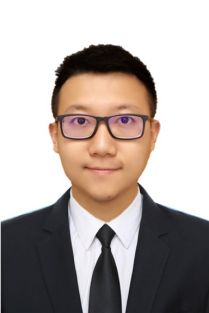
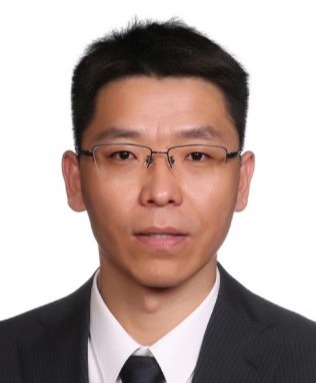
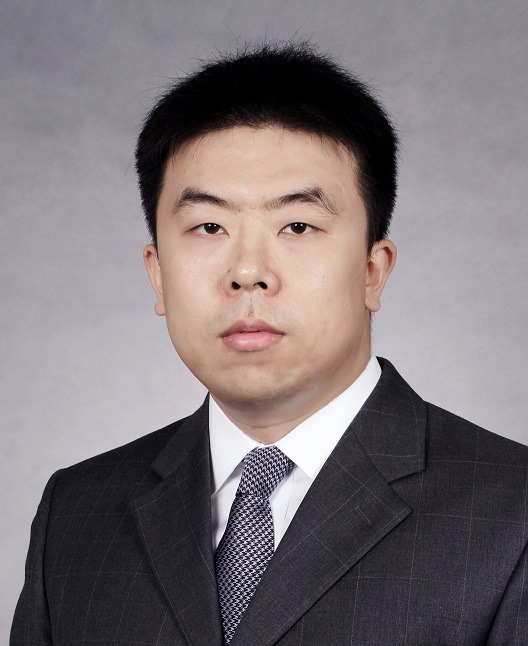
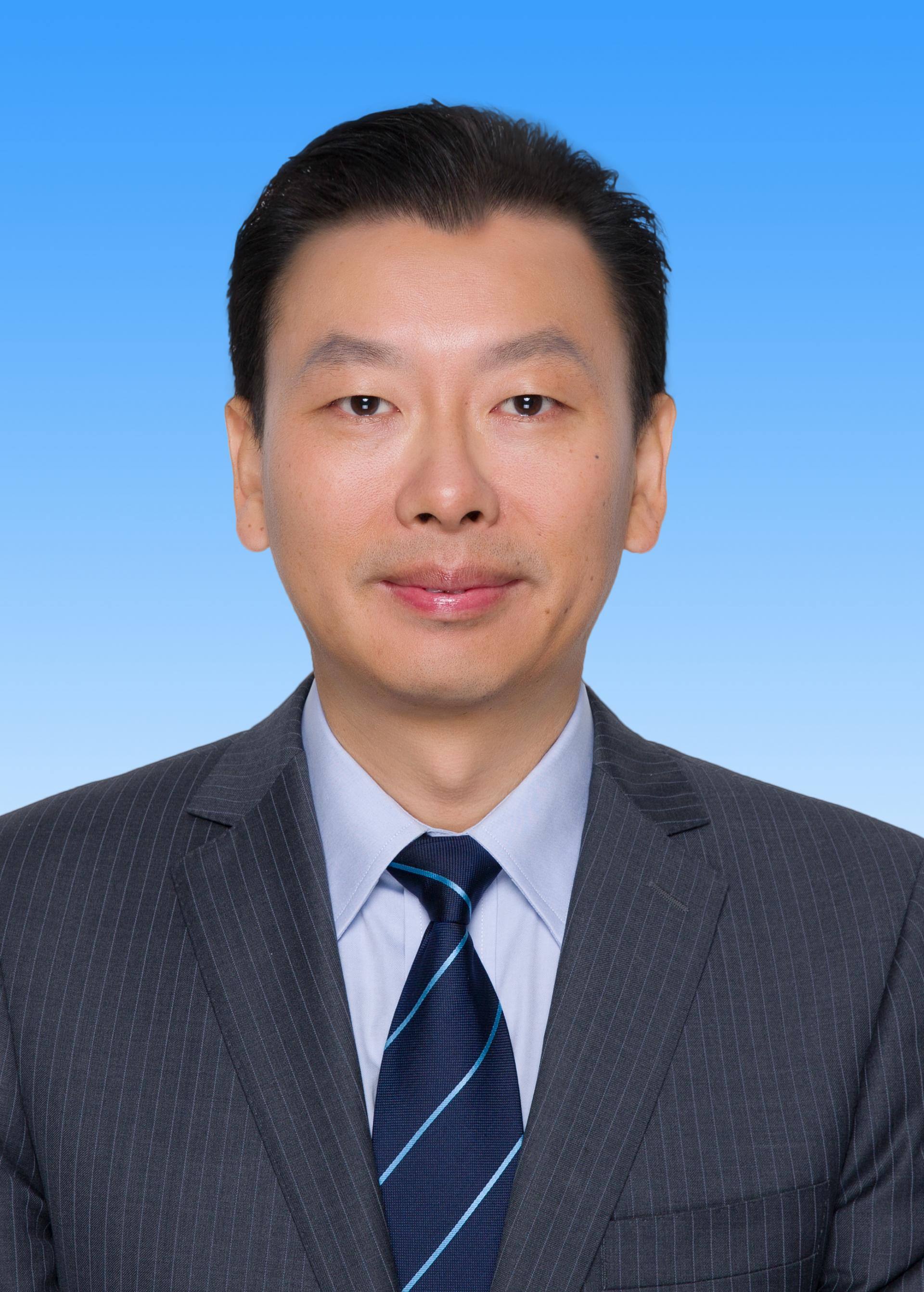
Hong Huaqing is a Professor and doctoral supervisor at the Corpus Research Institute of Shanghai International Studies University. He holds roles as honorary director of the Chinese Corpus Linguistics Research Association and international expert at Peking University's Education Development Center. Formerly, he worked at Nanyang Technological University (Singapore) in roles such as researcher at the Learning Research and Development Center and director of the e-Learning Center of the Lee Kong Chian School of Medicine. His research spans machine translation, natural language processing, corpus linguistics, and educational technology. He supervises master's and doctoral students, co-supervises postdoctoral researchers, and focuses on smart education driven by big data analysis and innovative learning ecosystems. Research emphasizes corpus-based methods applied to language education, including computational frameworks for student engagement, wearable sensors in learning analytics, and cross-linguistic rhetoric studies. His work bridges technological innovation (e.g., AI-driven tutorial systems) with pedagogical practice, addressing challenges in non-English language education and teacher training.
Shunxiang Cao is an Assistant Professor at Tsinghua Shenzhen International Graduate School in China, where he has worked since July 2022. He earned his Ph.D. in Aerospace Engineering from Virginia Tech (United States) between August 2014 and August 2020 and completed his B.S. in Aerospace Engineering at Beihang University (China) from September 2010 to May 2014. Prior to his current role, he served as a Postdoctoral Scholar at the California Institute of Technology (United States) from November 2019 to May 2022. Teaches courses such as Advanced Numerical Analysis, Numerical Methods for PDEs, and Fluid-Structure Interaction simulations. Research Interests include fluid-structure interaction, computational fluid dynamics, shock/bubble dynamics, material failure analysis, embedded-boundary methods, resolvent-based optimization, Kalman inversion, high-intensity focused ultrasound, and digital twin technology. His work focuses on numerical modeling, optimization, and fluid-solid coupling mechanisms in diverse applications like underwater propulsion, energy storage membranes, and medical acoustics. Scientific Awards include the USNCCM16 Conference Award (2021), Graduate Fellowship at Virginia Tech (2014-2015), Merit Undergraduate Student in Beijing (2014), and Singapore Technology Engineering Fellowship (2010-2013).
Cao Haishan is an Associate Professor at Tsinghua University, affiliated with the Department of Energy and Power Engineering in the School of Mechanical Engineering. His research focuses on cryogenic cooling systems, high heat flux thermal management, and the physics of amorphous ice formation and phase transitions. He leads a research group supported by the National Natural Science Foundation of China and industry partners including Huawei, Midea, and Lenovo. Ph.D., Mechanical Engineering, University of Twente, 2013 M.Sc., Chemical Engineering, Dalian Institute of Chemical Physics, Chinese Academy of Sciences, 2009 B.Sc., Chemical Engineering, Zhejiang University, 2006 Dr. Cao's research spans three major areas: cryogenic cooling (including micro cryocoolers and sorption systems), high heat flux electronic cooling (especially with non-condensable gases), and the formation and transformation of amorphous water ice. His work combines theoretical modeling, computational simulation, and experimental validation, often at micro and nano scales. He applies principles from thermodynamics, fluid dynamics, and materials science to solve engineering challenges in refrigeration and thermal control. The recent publications reflect a strong trend toward interdisciplinary research, integrating machine learning for heat transfer prediction, computational screening of MOFs for cryogenic switches, and fundamental studies of ice nucleation on various substrates. The articles span journals in physics, engineering, materials, and applied thermal sciences, indicating broad impact across multiple domains. Notable scientific awards include: Gustav and Ingrid Klipping Award (2016) Cryogenics Best Paper Award (2017) Annual Teaching Excellence Award, Tsinghua University (2023) Excellent Supervisor Award, Tsinghua University (2024) Multiple First Prize Advisor awards in national student contests on energy saving Dr. Cao has been principal investigator on several grants, including projects funded by the National Natural Science Foundation of China on amorphous ice lifetime and micro-cryocooling for semiconductor chips. He has also led industry-university collaborations with Huawei, Midea, and Lenovo. He advises graduate students and leads a research team focused on next-generation cooling technologies. He serves on editorial boards for Journal of Refrigeration , Vacuum and Cryogenics , and Energies , and has chaired sessions at major international conferences such as ICEC-ICMC and ACTS. His research group operates within the Institute of Thermophysics at Tsinghua University, leveraging facilities in the Lee Shau Kee Science and Technology Building. The team collaborates with national laboratories and international institutions, particularly maintaining ties with the University of Twente. Current efforts are directed toward ultra-low vibration cooling, efficient separation of non-condensable gases, and extending the stability of amorphous ice for cryobiological applications.
Wang Chun is a tenured Associate Professor in the Department of Management Science and Engineering at the School of Economics and Management, Tsinghua University. He currently serves as Deputy Director of the department and has held academic positions at Tsinghua since 2017. His work bridges stochastic control, reinforcement learning, and machine learning applications in operations management and financial technology. Education: Bachelor's Degree from Tsinghua University (2005) Master's Degree from the University of Wisconsin-Madison (2008) Doctorate in Operations Research from Columbia University (2014) Research Interests: His research focuses on stochastic control and decision-making under uncertainty, particularly in inventory management, revenue management, financial engineering, and sports analysis. He also investigates reinforcement learning algorithms for dynamic optimization and applies machine learning to business data analytics and financial technology. Published Work Trends: Wang’s publications span operations research, financial mathematics, and computational management science. Recent studies address seasonal optimization patterns, robust inventory models, and game-theoretic approaches to sports analytics. His work integrates theoretical advancements in dynamic programming with practical applications in financial engineering and market microstructure. Career History: 2023–Present: Associate Professor, Tsinghua University 2020–2023: Associate Professor, Tsinghua University 2017–2020: Assistant Professor, Tsinghua University Researcher at KCG (New York), leading studies on quantitative investment and asset optimization
Fu Zongmei is a Professor at the School of Environmental Science and Engineering of Southern University of Science and Technology (SUSTech) since 2019. She previously held academic positions at Peking University (2010-2019) and Hong Kong Polytechnic University (2008). Her research focuses on atmospheric chemistry , air pollution , and chemistry-climate interactions , with expertise in inverse modeling of emissions, secondary organic aerosol formation, and air-sea exchange processes. Education: Ph.D. in Earth & Planetary Sciences (Harvard University, 2007), S.M. in Engineering & Applied Sciences (Harvard University, 2005), M.S. and B.S. in Atmospheric Sciences (National Taiwan University) Her research combines ground-based , aircraft , and satellite observations to study pollutant transport, cloud-aerosol interactions, and climate impacts on air quality. Recent work includes assessing haze mitigation strategies in Northern China and analyzing PM2.5 health risks through spatiotemporal modeling. Key honors include the National Natural Science Foundation of China Outstanding Young Scientist Fellowship (2012), the Tu Chang Wang Meteorological Science and Technology Award (2013), and the Ministry of Education Natural Science Award (Second Prize) (2019). She serves as an associate editor for Atmospheric Environment and contributes to major international conferences as session co-chair and organizer. Notable grants: NSFC General Project on Organic Nitrogen Aerosols (2020-2023, PI), National Key R&D Program on Air Quality Modeling (Co-I), and 973 Program on Chemistry-Climate Interactions (Co-PI)
Zhang Jin is a Professor at the Department of Mathematics in the College of Science at Southern University of Science and Technology (SUSTech) since December 2024. He also serves as the Associate Vice Director of the Shenzhen National Applied Mathematics Center since February 2023. Education: Ph.D. in Applied Mathematics (2014, University of Victoria); M.Sc. in Operational Research (2010, Dalian University of Technology); B.Art in Journalism (2007, Dalian University of Technology) Research Interests span optimization theory , variational analysis , bilevel programming , and their applications in machine learning , economics , and data science . His work includes convergence analysis of first-order methods , stochastic/robust optimization , and error bound conditions . Recent Publications focus on nonconvex bilevel optimization , gradient-based algorithms , and stochastic programming , with papers in IEEE TPAMI , SIAM Journal on Optimization , and conferences like ICML , NeurIPS , and ICLR . Scientific Awards include the Youth Science and Technology Innovation Award from Guangdong Province (2022) , Youth Science and Technology Award from the Operations Research Society of China (2020) , and Junior Research Award from SUSTech's Faculty of Science (2020) . Students: Supervises Ph.D. candidates like Yixia Song , Peixuan Yang , and Qichao Cao , along with Master's students Yixuan Zhang , Kaiqi Sun , and Feifan Wang . Grants: Leads projects such as the National Key R&D Program (3.2M RMB, 2024-2028) and National Science Fund for Distinguished Young Scholars (2M RMB, 2023-2025) .
CHEN Xin is an Associate Professor in the Department of Statistics and Data Science at Southern University of Science and Technology (SUSTech), where he has been employed since January 2019. He initially joined the Department of Mathematics before transitioning to his current department in August 2019. Prior to SUSTech, he held academic positions as Assistant Professor at the National University of Singapore (2011-2019) and Syracuse University (2010-2011). Education History: PhD in Statistics from University of Minnesota, USA (2005-2010) MS in Statistics and Applied Probability from National University of Singapore (2001-2003) BS in Mathematics from Nankai University, China (1994-1999) Research focuses on developing statistical methodologies for high-dimensional and complex data analysis. Primary research domains include: sufficient dimension reduction techniques for efficient data representation; variable selection methods for high-dimensional models; robust statistical approaches for complex datasets; and optimization of computational efficiency in statistical estimation. His work consistently addresses theoretical foundations while developing practical implementations for modern data challenges. Publications demonstrate sustained focus on statistical methodology development, particularly in dimension reduction and high-dimensional analysis. Recent works emphasize robust methods for ultrahigh-dimensional data, efficient computation algorithms, and model diagnostics. Research consistently appears in top-tier statistics journals including Biometrika, Journal of the American Statistical Association, and Annals of Statistics. No scientific awards, student advising relationships, or research grants are mentioned in the source materials. Similarly, there is no information available regarding laboratory affiliations or research team composition.
Dr. Lili Wang serves as an Associate Professor at Southern University of Science and Technology (SUSTech), joining in May 2024 as an independent Principal Investigator and PhD advisor. Her research focuses on theoretical and applied control systems for intelligent sensor networks through interdisciplinary integration of control theory, optimization, and machine learning. Her academic foundation includes: PhD in Engineering and Applied Science from Yale University (2014-2020) Master's in Control Theory and Control Engineering from Zhejiang University (2011-2014) Bachelor's in Automation from Zhejiang University (2007-2011) Dr. Wang's research spans social dynamics , distributed estimation , distributed control , formation control for multi-agent systems , and distributed learning applications . Her work develops novel algorithms for networked control systems with applications in intelligent sensor networks and multi-robot coordination, emphasizing theoretical rigor and practical implementation. Analysis of her publications reveals consistent advancement in distributed observer design, formation control strategies, and consensus algorithms. Key trends include innovative applications of graph theory and spectral methods to multi-agent systems, with growing integration of learning techniques for adaptive control in uncertain environments. Her distinguished recognition includes: IEEE Senior Member (2024) Lillian Gilbreth Fellowships at Purdue University (2023) CPS Rising Star Award (2023) Henry Prentiss Becton Graduate Prize (2019) Zhang Siying Outstanding Paper Award (2012) As a PhD advisor at SUSTech, Dr. Wang mentors graduate researchers in control theory and its applications. She is currently founding COL-LABORATORY, a dedicated research team advancing control systems for intelligent sensor networks through interdisciplinary collaboration, with ongoing projects in distributed learning frameworks and robust multi-agent coordination.
Dr. Ke Gao is an Associate Professor in the Department of Earth and Space Sciences at Southern University of Science and Technology (SUSTech) in Shenzhen, China. He joined SUSTech in 2019 after completing postdoctoral research at Los Alamos National Laboratory in the United States. Dr. Gao holds a Ph.D. in Rock Mechanics from the University of Toronto, which he obtained in 2017. His educational background includes: 2021–present: Associate Professor, Department of Earth and Space Sciences, Southern University of Science and Technology 2019–2020: Assistant Professor, Department of Earth and Space Sciences, Southern University of Science and Technology 2017–2019: Post Doc, Solid Earth Geophysics, Los Alamos National Laboratory, USA 2012–2017: Ph.D., Rock Mechanics and Rock Engineering, University of Toronto, Canada Dr. Gao's research primarily focuses on rock mechanics and fault mechanics, with particular emphasis on the development of multiphysics coupling models based on the combined finite-discrete element method (FDEM). His work investigates rock fracturing mechanisms, hydraulic fracturing, and the stick-slip characteristics in sheared granular faults. He has made significant contributions to tensor-based statistical methods for characterizing stress variability and heterogeneity in fractured rock masses. His research bridges computational mechanics with earthquake physics, creating innovative approaches to understanding fundamental geological processes. Analysis of Dr. Gao's recent publications reveals a strong focus on computational geomechanics and earthquake physics. His work consistently applies and advances the combined finite-discrete element method (FDEM) to solve complex rock mechanics problems. There's a clear progression from fundamental method development to applications in earthquake source mechanics and hydraulic fracturing. The integration of machine learning techniques with traditional computational methods represents an emerging trend in his recent work, particularly for predicting slip behavior in granular fault systems. Dr. Gao has received several notable recognitions: Best Paper Award at the 7th International Symposium on In Situ Rock Stress (2016) National Overseas High-level Talent Program (Youth) (2020) Shenzhen 'Peacock Plan' B Talents (2021) Dr. Gao serves as principal investigator for multiple research projects funded by prestigious organizations including the National Natural Science Foundation of China, Ministry of Science and Technology key research and development projects, Guangdong Province general projects, and Shenzhen City general projects. He actively mentors graduate students and postdoctoral researchers, recruiting candidates with backgrounds in solid geophysics, rock mechanics, geological engineering, computational mechanics, and related disciplines. His research group provides comprehensive training in both theoretical and experimental aspects of rock mechanics and earthquake physics. Dr. Gao is affiliated with several professional organizations including the American Rock Mechanics Association, American Geophysical Union, International Society for Rock Mechanics, Canadian Geotechnical Society, Society of American Seismology, and ASCE Engineering Mechanics Institute, reflecting the interdisciplinary nature of his work spanning rock mechanics, geophysics, and computational engineering.
Dr. Hua Mengyuan is an Associate Professor in the Department of Electronic and Electrical Engineering at Southern University of Science and Technology (SUSTech), where she has been conducting research since September 2018. She was promoted to Associate Professor in May 2024 after serving as an Assistant Professor from 2018 to 2024. Prior to joining SUSTech, she completed a postdoctoral fellowship at The Hong Kong University of Science and Technology (HKUST) from 2017 to 2018. Dr. Hua received her PhD in Electronic and Computer Engineering from HKUST (2013-2017) and earned her B.Sc. in Physics from Tsinghua University (2009-2013). Her academic journey reflects a strong foundation in both physics and electronic engineering, which informs her interdisciplinary research approach. Dr. Hua's research focuses on wide-bandgap semiconductor devices, particularly GaN-based power devices. She investigates device fabrication, material characterization, device physics, and reliability/stability issues. Her work spans fundamental semiconductor physics to practical applications in power electronics. The research encompasses both experimental and computational approaches, including 2D device simulation and modeling. Her group explores novel materials like Ga 2 O 3 monolayers and heterostructures for next-generation electronic applications. Analysis of Dr. Hua's recent publications reveals a strong focus on reliability mechanisms in GaN power devices, particularly threshold voltage instability and dynamic on-resistance issues. Her work increasingly incorporates computational methods, including machine learning potentials for material simulation. There's a clear progression toward exploring novel 2D materials and heterostructures, particularly involving gallium oxide and related compounds, for both electronic and optoelectronic applications. 2017 IEEE ISPSD Charitat Award (Best Young Scholar Award) 2018 Shenzhen Overseas High-Caliber Personnel 2017-2023 IEEE Trans. Electron Devices Golden Reviewer 2018-2023 IEEE Electron Device Lett. Golden Reviewer 2020 IEEE ICSICT Outstanding Youth Scientific and Technological Paper Award National Special Support Program for High-level Talents, 2023 Dr. Hua actively mentors students and researchers, recruiting PhD students, master's students, research assistants, and postdoctoral fellows to her group. Her research has been supported by provincial and ministerial projects, including two projects she has presided over. She serves as an editor for IEEE Trans. Electron Devices and has applied for six invention patents. Her group is currently working on next-generation wide-bandgap semiconductor device research with applications in power electronics and miniaturized power supplies. Dr. Hua's research group operates within the College of Engineering at SUSTech, utilizing advanced semiconductor fabrication and characterization facilities. Her team collaborates with international researchers, as evidenced by publications with colleagues from institutions like HKUST. The group maintains strong connections with the global semiconductor research community, regularly presenting at leading conferences including IEDM and ISPSD.
Xiyun Jiao is an Assistant Professor at the Department of Statistics and Data Science, Southern University of Science and Technology (SUSTech). She earned her Ph.D. in Statistics from Imperial College London (2016) and held a postdoctoral research fellowship at University College London (2017–2020). Education : Ph.D. (Imperial College London), Master’s (KU Leuven), Bachelor’s (Tsinghua University) Research Interests : Computational statistics, Bayesian statistics, Markov chain Monte Carlo algorithms, and statistical methods in population genetics Her publications focus on integrating Bayesian frameworks with computational techniques for phylogenetics, cosmology, and statistical modeling. No scientific awards or student advisees are listed in the provided text.
Xuyang Wu serves as Associate Professor at the School of Automation and Intelligent Manufacturing (AiM), Southern University of Science and Technology (SUSTech) in Shenzhen, China. He was promoted from Assistant Professor in June 2025 after joining SUSTech in February 2024, following postdoctoral research at KTH Royal Institute of Technology (2020-2023) and a visiting position at The Chinese University of Hong Kong (2023-2024). His educational background includes: Ph.D. in Communication and Information Systems, University of Chinese Academy of Sciences (2015-2020) B.S. in Applied Mathematics, Northwestern Polytechnical University (2011-2015) Wu's research centers on distributed and large-scale optimization with applications in machine learning and networked systems. His work develops asynchronous algorithms that handle communication delays and coupling constraints, bridging control theory with modern machine learning. Key contributions include barrier function methods for safe resource allocation and delay-agnostic coordinate updates, emphasizing convergence guarantees in decentralized settings. Analysis of his 15 most recent publications (2021-2025) reveals consistent focus on asynchronous distributed optimization across top venues including IEEE Transactions on Automatic Control and ICML. His work demonstrates increasing sophistication in handling non-convex objectives and time-varying networks while maintaining theoretical convergence guarantees, with recent expansion into high-performance decentralized training frameworks. Scientific recognition includes: Best Student Paper Finalist at IEEE International Conference on Control & Automation (2019) While specific advised students and grant details aren't documented in available sources, Wu's publication record indicates active collaboration with researchers at KTH Royal Institute of Technology and The Chinese University of Hong Kong. His work shows clear progression from theoretical foundations toward practical distributed learning applications. Current research focuses on enabling violation-free optimization under constraints and developing communication-efficient decentralized training frameworks for real-world deployment scenarios.
Qingyang Lin is a PhD Research Professor and Doctoral Supervisor at the College of Energy Engineering, Zhejiang University , where he joined in October 2020. His expertise lies in pore-scale imaging and modeling of transport in porous media, with applications across energy sectors. Prior to this, he was a Research Associate at Imperial College London (2015-2020), collaborating with Prof Martin J. Blunt (FREng). He holds a PhD (2015) in Earth Science and Engineering from Imperial College London, supervised by Prof Stephen Neethling and Prof Peter Lee (FREng). His research integrates advanced X-ray imaging, synchrotron sources, and numerical models to study micro/nano-scale transport mechanisms. Key research themes: CO 2 storage and uncertainty quantification Thermal energy storage optimization Decarbonization strategies for industries Electrochemical device design Mineral and ore processing His publications span journals like Applied Energy , AIChE Journal , and Geophysical Research Letters , reflecting interdisciplinary applications of porous media transport. While no specific awards or grants are mentioned, his work has accrued over 2900 citations with an h-index of 32. He advises doctoral students at Zhejiang University, though no advisees are named in the provided text.
Dr. Hou Chao is an Associate Professor and PhD Supervisor at the Department of Ocean Science and Engineering , Southern University of Science and Technology (SUSTech) since 2019. Previously, he held academic positions at the University of Sydney (2015-2019) and served as a lecturer there (2018-2019). He received his BEng (2009) and PhD (2014) in Structural Engineering from Tsinghua University , where he was recognized as an outstanding graduate and awarded the National Scholarship of China (2013). Research Interests focus on High-performance composite structures Sustainable marine engineering systems Load and marine environment coupling effects Modular construction technology Corrosion resistance in offshore structures Publication Trends reveal expertise in concrete-filled steel tubular (CFST) structures under extreme conditions. His work spans mechanical behavior analysis, fatigue assessment, and innovative connection design for modular buildings, with methodological focus on experimental testing, finite element modeling, and machine learning applications. Key sub-fields include localized corrosion effects, post-fire performance, and reliability-based design frameworks. Scientific Recognition : 2022 Ministry of Education Natural Science First Prize (3/5) China Patent Excellence Awards (2/2, 5/10) Inclusion in Stanford-Elsevier Top 2% Scientists (2023, 2024) Dean’s Outstanding Teaching Award, University of Sydney (2018) Editorial roles: Structures , Advances in Structural Engineering He has secured over 10 international research grants, including National Natural Science Foundation of China projects and Shenzhen Science & Technology Innovation Commission awards. His work is codified in 7 Chinese national standards, applied in critical infrastructure like the Wenchuan Kequ Bridge.
Tao Feng is a Research Assistant Professor and Master's Supervisor at the Department of Materials Science and Engineering, Southern University of Science and Technology (SUSTech). With a background in solid-state physics and inorganic chemistry, he specializes in unconventional thermoelectric materials, particularly magneto-thermoelectric systems and correlated electron-based materials. His work spans topological materials, low-temperature transport physics, and material synthesis. Educational Background: Ph.D. in Inorganic Chemistry (2017-2020), Jilin University M.Sc. in Condensed Matter Physics (2015-2017), Jilin University B.Sc. in Applied Physics (2010-2014), Yanshan University Research Focus: Tao Feng's work centers on magneto-thermoelectric effects under multi-field coupling (magnetic, thermal, electric), correlated electron thermoelectrics, and low-temperature physical property analysis. His research integrates topological materials, electron-phonon interactions, and computational approaches like machine learning for material design. Publication Trends: His recent articles emphasize topological semimetals (Mg3Bi2), transverse thermoelectric effects, and electrical/thermal transport mechanisms. Key subfields include Nernst effect optimization, correlated electron systems, and application of hollandite-type oxides in energy conversion. Awards & Recognition: Class C Special Talent, Shenzhen Pengcheng Peacock Plan (2024) Professional Roles: He serves as a young editorial board member for Energy Materials and Devices and Progress in Natural Science: Materials International . He is an invited reviewer for journals like ACS Applied Materials & Interfaces and Applied Physics Letters , and a core member of Guangdong Key Laboratory of Information Functional Oxide Materials and Devices.