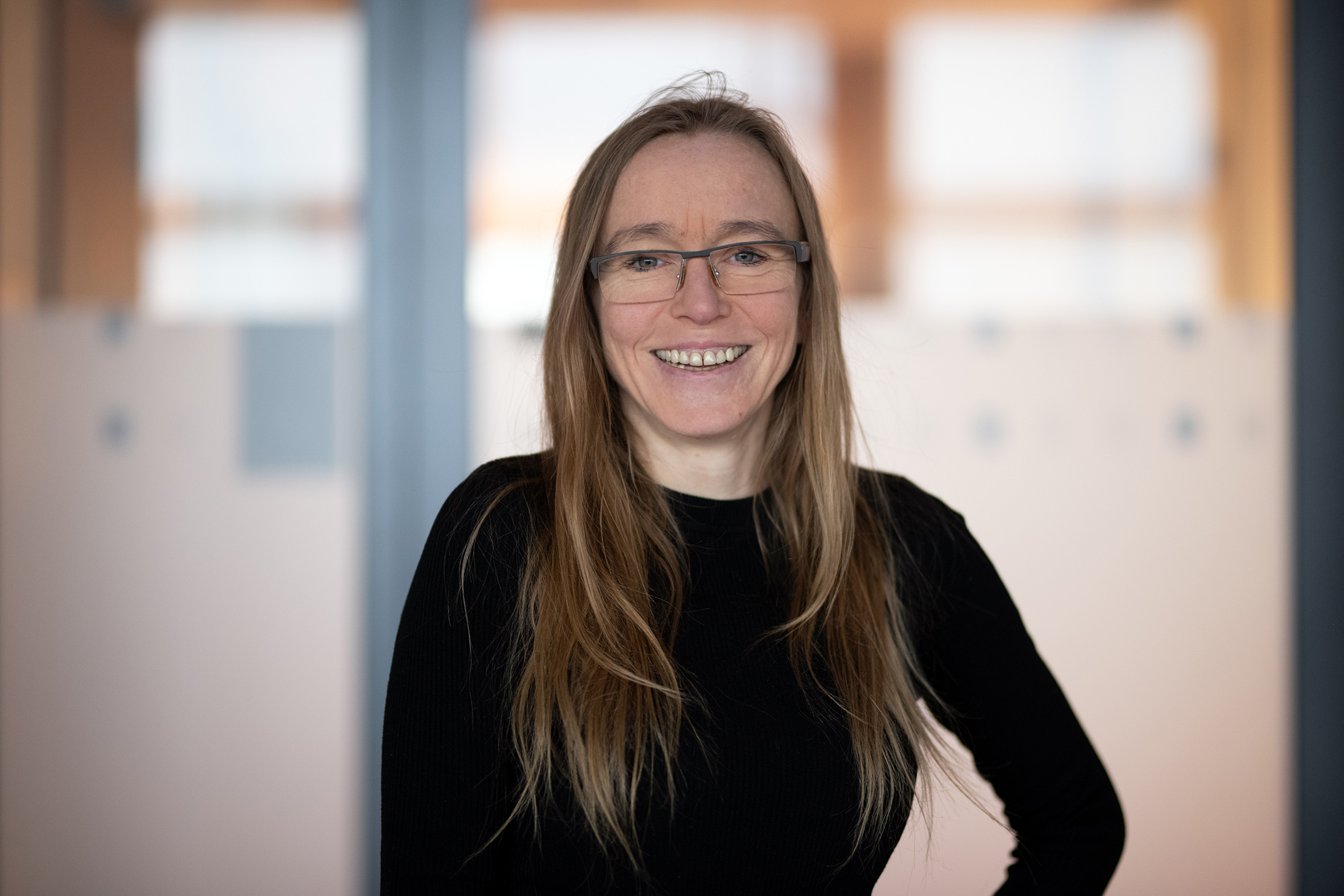
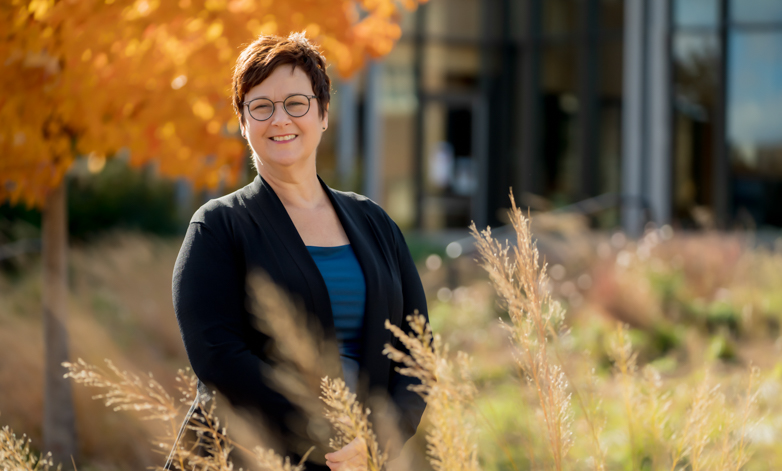
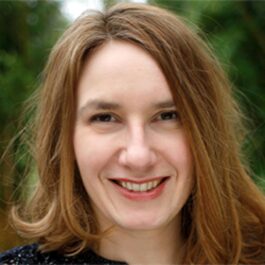
Prof. Dr. Katja Rösler is a Professor of Automotive Engineering at the Institute of Mechanical Engineering, Ruhr West University of Applied Sciences since March 2012. Her career spans academic research and industrial development with key positions at TU Braunschweig, Volkswagen AG, and Fraunhofer Institute. Education: Industrial Mathematics degree completed under standard period Doctorate: Engineering (Driver Modeling) from TU Braunschweig, 2008 Her research focuses on automotive engineering with special emphasis on modeling/simulation, vehicle dynamics, driver assistance systems, accident research, alternative drives, and mobility concepts. She actively combines simulation with experimental verification and has significant involvement in Formula Student projects. Recent publications highlight her work in intelligent mobility systems (2018-2020), with particular attention to electromobility, accessibility solutions for elderly/disabled populations, and micromobility analysis. Earlier works established her expertise in driver modeling, vehicle measurement technology, and simulation-experiment correlation. Labs: Automotive Engineering Lab Teaching: Mechanics (Statics, Strength of Materials, Dynamics), Vehicle Dynamics, Driver Assistance Systems
Gias Uddin is an Associate Professor at York University's Lassonde School of Engineering and an Adjunct Professor at the University of Calgary . His research bridges Software Engineering (SE) and Artificial Intelligence (AI) , focusing on AI Trustworthiness Assessment (SE4AI) and AI-Driven Productivity Tools (AI4SE) . PhD in Software Engineering & AI, McGill University (2018) MSc in Software Engineering, Queen’s University (2008) BSc in Computer Science & Engineering, Bangladesh University of Engineering and Technology (2004) His research explores: Metamorphic Relations for LLM Hallucination Detection AI-Enhanced Software Documentation Foundational Models for Runtime System Modernization Developer-Centric AI Tooling Recent article trends show expertise in LLM Trustworthiness , Low-Code Platforms , and IoT Developer Communities . Awards include Distinguished Paper at FSE 2025 , multiple IBM Champion recognitions, and York Research Award . He leads the Data Intensive Software Analytics (DISA) Lab and mentors PhD students in SE-AI Intersections .
Yingfei Xiong is an active Associate Professor at Peking University, China, specializing in software engineering and programming languages. With a consistent research trajectory from 2013 through 2026, Xiong has established themselves as a prominent figure in the software engineering research community, regularly contributing to top-tier conferences including SPLASH, ICSE, ASE, and PLDI. Dr. Xiong's research primarily focuses on program synthesis, automated program repair, and software analysis techniques. Their work bridges theoretical programming language concepts with practical software engineering applications, particularly in developing novel approaches for code generation, bug fixing, and program optimization. The research demonstrates strong interdisciplinary connections between traditional software engineering, programming languages theory, and emerging AI techniques. Analysis of Xiong's publication trends reveals a clear evolution in research focus, beginning with foundational work in API transformations and program adaptation around 2013-2016, shifting toward program repair techniques from 2017-2020, and most recently incorporating machine learning and neural approaches into program synthesis and repair (2021-2026). The work consistently addresses practical challenges in software development while maintaining theoretical rigor, with increasing integration of AI techniques in recent years. Dr. Xiong has served in various leadership roles across the software engineering conference ecosystem, including program committee membership and session chair positions at major conferences. Their extensive service demonstrates recognition by peers as a subject matter expert in software engineering and programming languages research. While specific grant information isn't detailed in the provided text, the sustained publication record suggests successful research funding.
Dr Michael Boemo is an Assistant Professor at the University of Cambridge, holding dual appointments in the Department of Pathology and Department of Genetics. He leads research at the intersection of computational biology, DNA replication, and cancer genomics, developing machine learning tools to analyze replication stress and genomic instability. Academic Background: BA in Mathematics (Rutgers University), PhD in Physics (University of Oxford) Research Focus: Genomic instability in cancer, DNA replication/repair defects, computational modeling using machine learning and high-performance simulations Teaching: Lectures in Natural Sciences Tripos (mathematical biology, genetics, systems biology), module organizer for cancer biology and biological modeling His research group leverages nanopore sequencing and AI to map replication fork dynamics, revealing how stalled forks generate mutations in cancer cells and pathogens. Recent work examines extrachromosomal DNA replication vulnerabilities and transcription-replication conflicts. Dr Boemo collaborates across computational biology and cancer research domains, with publications spanning journals like Nature Methods, Cell, and PLoS Computational Biology. His lab develops tools such as DNAscent for replication fork analysis and explores therapeutic targeting of replication stress.
James Abbas serves as Professor of Biomedical Engineering at the University of Arkansas College of Engineering, where he develops neural engineering solutions for medical rehabilitation and exercise. His work integrates neurotechnology design, computational modeling, and human subject experimentation to advance rehabilitation systems. His academic background includes: B.S. in Bioelectrical Engineering from Brown University M.S. and Ph.D. in Biomedical Engineering from Case Western Reserve University Postdoctoral Fellowship at Shriners Hospital in Philadelphia, PA Dr. Abbas' research centers on neural engineering for rehabilitation , with expertise in neurotechnology development , computational modeling of neuromuscular systems , and experimental evaluation of rehabilitation technologies . His work bridges engineering innovation with clinical applications, particularly for Parkinson's disease and spinal cord injury rehabilitation. Key methodologies include intrafascicular electrode design, stimulation waveform optimization, and haptic feedback systems for prosthetic control. Analysis of his 2021-2025 publications reveals dominant trends in selective peripheral nerve stimulation , neural interface engineering , and personalized rehabilitation robotics . His work consistently addresses clinical translation challenges, with increasing focus on wearable military rehabilitation systems and AI-driven personalization of neurorehabilitation protocols. Professional recognition includes: Senior Member of the National Academy of Inventors Senior Member of IEEE Dr. Abbas maintains significant editorial leadership as Associate Editor for IEEE EMBS and Neural Engineering Conferences, while serving on the Editorial Boards of the Journal of Neuroengineering and Rehabilitation and Frontiers in Neuroengineering. He contributes to national initiatives as a Steering Committee member for the NIH SPARC Initiative's Data Resource Center. Though specific grant details aren't provided, his active research program and editorial roles indicate substantial funding and collaborative networks. No student advisees are listed in the source material. His research operates at the intersection of the Biomedical Engineering department and clinical rehabilitation partners, with emphasis on translating neural engineering innovations into practical rehabilitation solutions through interdisciplinary teams.
Professor Mark Howells is a Principal Research Fellow at the Centre for Environmental Policy within Imperial College London's Faculty of Natural Sciences. His work focuses on energy systems modelling and policy analysis for sustainable development in low and middle-income countries, with a particular emphasis on open-source frameworks and context-specific transition pathways. His research spans energy transition modelling, environmental policy, and sustainable development, utilizing tools like OSeMOSYS and CLEWs to address energy trilemma challenges across Africa, Asia, and South America. Key interests include integrating qualitative factors into quantitative models, green hydrogen planning, power sector reliability, and resource nexus management, with significant contributions to country-specific energy planning in Ghana, Nigeria, Kenya, Egypt, and Indonesia. Analysis of his 2023-2025 publications reveals a strong focus on open-source energy modelling applications for decarbonization, with recurring themes of data kit development, grid flexibility solutions, and water-energy-land nexus assessments. His work consistently bridges technical modelling with policy implementation needs, particularly in contexts of infrastructure constraints and climate vulnerability. No scientific awards were mentioned in the source materials. Professor Howells operates within Imperial College London's Centre for Environmental Policy, an interdisciplinary hub conducting research on global environmental challenges through integrated systems approaches that connect technical, economic, and policy dimensions of sustainability transitions.
Dr. Trish Kohl serves as a Professor at Washington University in St. Louis with a joint appointment as Research Director of the Hermann Center for Child and Family Development within the Division for Child and Adolescent Psychiatry at the Washington University Medical School. She teaches policy and practice courses in the Children, Youth and Family Concentration at the Brown School, leveraging clinical social work experience in low-resource communities globally. Her educational foundation includes a PhD from the University of North Carolina at Chapel Hill. Kohl's research centers on developing and implementing interventions for emotional development in young children, treatment of behavioral problems, and child maltreatment prevention—specifically targeting families facing adversity. Her work integrates clinical practice, community engagement, and cross-cultural applicability to address systemic gaps in early childhood mental health services. Early childhood mental health Evidence-based parenting interventions Treatment and prevention of child maltreatment Parenting in adversity Emotional development of young children Behavioral problems in early childhood Her recent publications (2020-2023) demonstrate a cohesive focus on community-driven intervention strategies for vulnerable populations, emphasizing cultural adaptation, family engagement, and integrated approaches across child welfare and pediatric settings. Dr. Kohl has secured major grant funding from the National Institute of Mental Health, National Institute of Child Health and Human Development, Centers for Disease Control and Prevention, Administration for Children and Families, and Robert Wood Johnson Foundation. No scientific awards were documented in the provided text. As Research Director of the Hermann Center, she leads initiatives advancing early childhood mental health science for prenatal-to-age-7 populations, directly linking clinical psychiatry frameworks with social work practice to improve family outcomes.
Stephen W. Hoag is a Professor in the Department of Pharmaceutical Sciences at the University of Maryland School of Pharmacy. His research spans pharmaceutical formulation, process development, and analytical technologies, with a strong emphasis on solid oral dosage forms and controlled release systems. University: University of Maryland School: School of Pharmacy Department: Department of Pharmaceutical Sciences Email: shoag@umaryland.edu Phone: (410) 706-6865 Fax: (410) 706-0346 Address: 20 North Pine Street, Baltimore, MD 21201 Education: B.S. in Biochemistry, University of Wisconsin–Madison, 1982 Ph.D. in Pharmaceutics, University of Minnesota, Twin Cities, 1990 Dr. Hoag's research is centered on two primary areas: (1) the development of systematic methods for formulating immediate and controlled release tablets, utilizing instrumented tablet presses, shear cell analysis, and process analytical technology (PAT) such as Near-Infrared (NIR) and Raman spectroscopy; and (2) the application of mathematical models to understand mass transport in hydrogels, including calcium alginate and silk-elastinlike protein polymers. His work on folic acid supplementation and prenatal vitamins has important public health implications due to the role of folic acid in preventing neural tube defects. Although no recent publications are listed in the provided text, his research output is evident through his co-editorship of the widely used reference work Pharmaceutical Dosage Forms: Tablets (3rd edition, 2008), and his leadership in developing best practices for PAT in pharmaceutical manufacturing. Scientific Awards: No specific awards mentioned in the provided text. Dr. Hoag has actively mentored a large number of graduate students, postdoctoral fellows, and visiting scientists, contributing significantly to pharmaceutical education and workforce development. His laboratory is equipped with state-of-the-art instrumentation for preformulation, formulation, tableting, coating, dissolution testing, and analytical characterization. The lab supports both non-clinical and GMP-level manufacturing research, enabling translational development of dosage forms. He also leads a hands-on short course on tablets and capsules, further extending his educational impact. Research Facilities: Thermal analysis (DSC, MDSC) Solubility and viscosity measurement Moisture analysis (Karl Fisher, LOD) Mechanical testing (Instron) Flow characterization (shear cell, angle of repose) Particle size analysis (laser diffraction, SEM, sieve) Tablet presses (Stoke’s B2, Manesty Beta, fully instrumented) Coating systems (fluid bed, pan coaters) UV/Vis, HPLC, GC, MS instrumentation Environmental stability chambers Granulation, milling, blending equipment Dissolution testing with autosampler
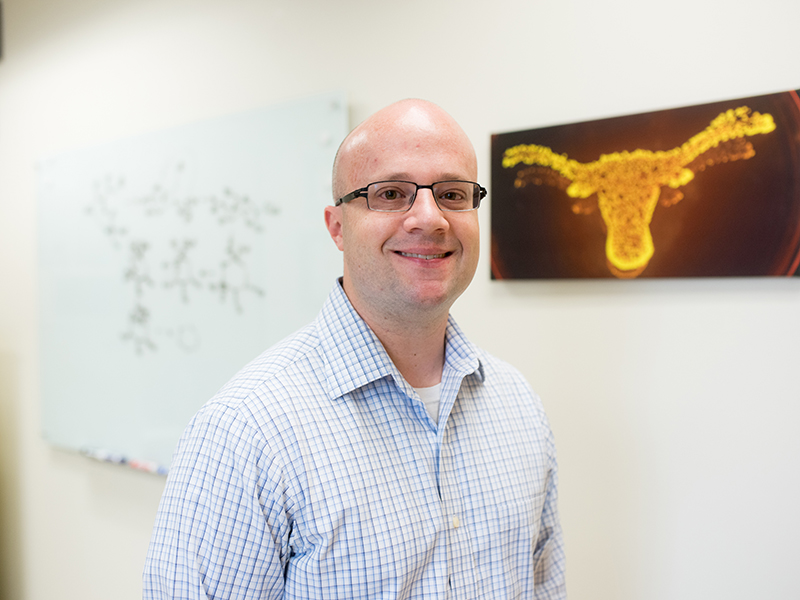
Hal Alper is a Professor and holds the Cockrell Family Regents Chair in Engineering at the University of Texas at Austin's Department of Chemical Engineering. His research lab focuses on rewiring cellular metabolism for biomanufacturing applications, including biofuels, pharmaceuticals, and sustainable materials, using synthetic biology, directed evolution, and pathway engineering. Education: Postdoctoral Research Associate, Whitehead Institute for Biomedical Research (2006-2008) Postdoctoral Research Associate, Shire Human Genetic Therapies (2007-2008) Ph.D., Chemical Engineering, Massachusetts Institute of Technology (2006) B.S., Chemical Engineering, University of Maryland, College Park (2002) Research Focus: The Alper Lab specializes in metabolic and cellular engineering to address global challenges in sustainability and health. Core methodologies include synthetic biology tool development, high-throughput screening platforms (e.g., biosensor-in-microdroplet systems), and evolutionary engineering of yeast strains like Saccharomyces cerevisiae and Yarrowia lipolytica . Key application areas are biofuels, biochemicals, polymer precursors, and pharmaceuticals. Publication Trends: Recent work emphasizes machine learning-assisted enzyme engineering, microbial consortia design, and advanced screening techniques for metabolic phenotypes. A consistent theme across publications is the optimization of yeast hosts for efficient bioproduction through promoter engineering, transporter modification, and evolutionary strategies. Awards & Honors: Fellow, American Association for the Advancement of Science (2024) Andreas Acrivos Award (AIChE, 2023) Fellow, National Academy of Inventors (2019) O'Donnell Award in Engineering (2019) AIChE Colburn Award (2018) Society for Industrial Microbiology Young Investigator (2015) Dreyfus Teacher-Scholar (2014) Regents’ Outstanding Teaching Award (2012) ONR Young Investigator (2011) Lab Leadership: Directs the Laboratory for Cellular and Metabolic Engineering, fostering interdisciplinary work in synthetic biology and bioprocess development. The lab prioritizes inclusivity and collaborative research, with projects spanning genetic toolkit development, metabolic flux analysis, and scalable biomanufacturing platforms.
Zachary Aman is a Professor in the School of Engineering , Chemical Engineering department at the University of Western Australia . His research focuses on gas hydrates , flow assurance , and subsea pipeline management , with applications in petroleum engineering and hydrocarbon processing . Research Output: 127 publications Grants: 53 funded projects H-index: 39 Research interests include: Hydrate formation kinetics and rheology Subsea flowline stability and inhibition Hydrocarbon separation under high-pressure Novel composite materials and ionic liquids for hydrate management Article Trends highlight his work on hydrate probability models , flowloop experiments , and environmental applications like oil spill modeling and CO 2 capture. His recent work explores nanostructured additives and transient simulation tools for energy and environmental systems. Grants and Supervision reflect 53 funded projects and 19 supervised works, indicating active mentorship and industry collaboration.
Prof. Selim YAZICI is a Professor at the Department of Business Administration, Faculty of Political Sciences, Istanbul University. He has been actively involved in academic and managerial roles since 1993, including multiple terms as Head of Department and Deputy Head of Department , and serves on ethics committees and academic boards. Education: PhD (1999) and Master's (1994) in Business Administration from Istanbul University; BSc (1992) in Mechanical Engineering from Yildiz Technical University. Research Interests span Entrepreneurship , FinTech , Business Ethics , Organizational Behavior , Project Management , and Healthcare Management , with a focus on cultural and cognitive factors influencing organizational resilience and technological adoption. Recent Publications highlight trends in FinTech ecosystems , organizational governance , and design thinking applications for business models. His studies often integrate cross-sectoral analysis, especially in healthcare and financial services. Thesis Advisory includes mentoring 18 doctoral and 21 non-thesis Master's students on topics ranging from project culture to entrepreneurial potential . He has contributed to Technopark research projects and scientific consultancies for institutions like TARSİM . International Collaborations include Erasmus lecturing at Universität Hamburg (2007) and conference presentations in Turkey, Sweden, and the USA.
Jessica Hullman is the Ginni Rometty Professor of Computer Science at Northwestern University's McCormick School of Engineering and a Faculty Fellow at the Institute for Policy Research. Her research develops theoretical frameworks and interfaces for human-AI collaboration, focusing on uncertainty quantification, statistical modeling, and decision-making in domains like scientific research and AI-assisted analysis. Education: PhD in Information (Visualization), University of Michigan (2013) MS in Information Analysis, University of Michigan (2008) BA in Comparative Studies, Ohio State University (2003) Tableau Postdoctoral Fellowship, UC Berkeley (2015) Research Focus: Hullman's work bridges formal models of rational inference (e.g., Bayesian decision theory) with real-world applications. Key areas include: human-AI complementarity in decision-making, visualization of uncertainty, statistical reform, and LLM applications in behavioral science. Her research consistently addresses the alignment of data-driven interfaces with human cognitive capabilities. Publication Trends: Recent work demonstrates a strong emphasis on human-AI collaboration frameworks, decision-theoretic evaluation of visualizations, and methodological rigor in machine learning and social science. Key themes include uncertainty quantification (conformal prediction, privacy tradeoffs), behavioral experiments in AI-assisted tasks, and critical analyses of scientific practices. Awards & Honors: Microsoft Faculty Fellow (2019) Google Faculty Award NSF CAREER, Medium, and Small Awards Multiple best paper/honorable mention awards at top HCI/visualization venues (CHI, VIS) Funding & Labs: Principal Investigator for NSF-funded projects including HCC: Medium on visualization tools. Previously affiliated with University of Washington's Interactive Data Lab and DataLab. Current research includes NSF-supported work on improving data visualization for reasoning about analytical assumptions.
Lauren Weiss, PhD is a Professor of Psychiatry at the University of California, San Francisco (UCSF) School of Medicine and a faculty member at the UCSF Weill Institute for Neurosciences. Her research focuses on understanding the genetic architecture of autism spectrum disorder through genome-wide genetic data analysis and human induced pluripotent stem cell (iPSC) models. Dr. Weiss's laboratory investigates the genetic mechanisms by which DNA variants influence autism risk, examining questions about copy number vs. SNP variation, rare vs. common variation, gene-sex interaction, gene-gene interaction, and gene-environment interaction. Her team uses rich genetic datasets to identify susceptibility loci and the physiological pathways these risk loci implicate. Additionally, they employ iPSC models to study known mutations or copy number variants predisposing to autism, first identifying the effects of genetic risk variants and then determining whether these effects can be modified at the cellular level by environmental or pharmacological agents. Analysis of Dr. Weiss's recent publications reveals a strong focus on sex differences in autism genetics, the role of specific copy number variants (particularly 16p11.2 and 22q11.2), maternal environmental factors during pregnancy, and the integration of multi-omics data to understand neurodevelopmental pathways. Her work bridges basic genetic research with potential clinical applications for improving understanding, prevention, diagnosis, and treatment of autism and related traits. Dr. Weiss has secured significant research funding as Principal Investigator on multiple NIH grants, including R01MH114924 (Decoding the Genetics of Sexual Dimorphism in Autism Spectrum Disorders), R01MH107467 (Utilizing eQTL networks to gain biological insight into multigenic CNVs), and DP2OD007449 (Dissecting Epistasis and Pleiotropy in Autism towards Personalized Medicine). Her laboratory offers research opportunities for students interested in analytical genetics projects related to gene-environment effects, gene-sex effects, gene-gene effects, and the relationship between ASD and brain size. Dr. Weiss actively collaborates with numerous researchers across institutions, particularly on large-scale genomic studies of autism and other neurodevelopmental disorders. Her work has contributed significantly to our understanding of the complex genetic architecture underlying autism spectrum disorder and related conditions.
Patricia Arean, PhD is a Professor in the Department of Psychiatry at the University of California, San Francisco (UCSF) School of Medicine, with affiliations at the UCSF Weill Institute for Neurosciences. Her research focuses on digital mental health interventions, particularly for depression treatment in older adults. Dr. Arean's research interests include: Digital mental health applications and their effectiveness Late-life depression and geriatric psychiatry Mobile health technology for mental health care Psychotherapy adaptation for older adults Implementation of evidence-based mental health practices Her recent publications demonstrate a strong focus on digital mental health interventions, particularly examining the effectiveness of mobile applications and message-based therapies for depression treatment. Her work often addresses specific populations including older adults, essential workers, and Hispanic and Latino communities. Dr. Arean's research has increasingly focused on real-world implementation of digital mental health tools, particularly during the COVID-19 pandemic, with significant contributions to establishing standards for smartphone applications in mental health care. Dr. Arean has received numerous NIH grants as Principal Investigator, including: Enhancing Engagement with Digital Mental Health Care (R01MH125179) Using Search Engine Data for Detection and Early Intervention in Suicide Prevention (R01MH123484) UW ALACRITY Center for Psychosocial Interventions Research (P50MH115837) Strategic and Plasticity Interventions for Late Life Depression in Community Settings (K24MH074717) She has made significant contributions to the field through her development of "Engage" therapy, a behavioral activation approach for late-life depression, and has been instrumental in shaping policy discussions around value-based insurance design for mental health services.
Prof. Dr.-Ing. Udo Fiedler is a faculty member at the Technical University of Central Hesse (THM), Department of Business Administration and Economics, where he serves as Head of the Production Engineering Laboratory and Member of the Senate. His academic work focuses on manufacturing engineering with specialization in high-speed machining, production processes, and machine tools. His research interests include: High-Speed Machining (HSC) and precision manufacturing Green machining of sintered parts in the green state Process optimization using statistical experimental design Machine tool technology and NC programming Industry 4.0 applications in manufacturing education Process monitoring and control for increased manufacturing safety Prof. Fiedler's publication record demonstrates an evolution from fundamental machining processes toward integrating AI with traditional manufacturing. His recent work shows strong emphasis on applying artificial intelligence to quality prediction, optimizing green machining processes, and implementing Industry 4.0 concepts through learning factory approaches, bridging traditional manufacturing engineering with modern digital technologies. His significant scientific contributions include: Development of methods for NC programming of complex workpieces Research on stability lobe diagrams for milling processes Studies comparing different production methods including HSC, EDM, and generative processes Work on mechatronic tool holders for process monitoring Applications in the ophthalmic industry for precision machining of spectacle lenses Prof. Fiedler teaches multiple courses at THM including Factory Planning/Ergonomics, Handling and Assembly Technology, Innovative Manufacturing Processes, and Machine Tools at the bachelor's level, and Learning Factory 1 and 2 at the master's level. He leads current research projects including Klag-Robotics (2023-2025), Loewe Project OST (2018-2021), and GrünSpan (2014-2015), demonstrating sustained research activity across multiple manufacturing domains.