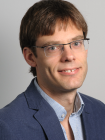
Hauke Smidt is a Personal Professor at Wageningen University & Research, affiliated with the Molecular Ecology group within the Faculty of Veterinary Medicine and Animal Sciences. His research focuses on microbial ecology, particularly gut microbiota dynamics, antibiotic resistance, environmental microbiology, and the One Health framework. Smidt has supervised over 50 PhD students and contributed to 519 publications, including studies on microbiome resilience, fermented food impacts, and bioremediation strategies. Education and affiliations include leadership roles in projects addressing antimicrobial resistance, pig health, and drinking water microbiology. His work spans collaborations across Europe and Asia, with notable contributions to understanding microbial community responses to environmental stressors and dietary interventions. Smidt is actively involved in public outreach, as seen in media contributions discussing microbiome research and health benefits. Key projects include aquifer treatment for drinking water, microbiome simulation models, and combating plant pathogens. His awards and recognition are not explicitly listed, but his extensive publication record and project leadership highlight significant academic impact.
Prof. Wouter Roos is a Professor at the University of Groningen's Faculty of Science and Engineering, affiliated with the Molecular Biophysics department at the Zernike Institute for Advanced Materials. His research focuses on viral dynamics, membrane assemblies, and protein mechanics, utilizing advanced techniques like High Speed Atomic Force Microscopy (HS-AFM) and optical tweezers. Education: Studied Physics at the Universiteit van Amsterdam, earned a PhD from the Universität Heidelberg under Joachim Spatz. Conducted postdoctoral research at Max-Planck-Institut, Institut Curie, and Vrije Universiteit before joining Groningen in 2015. Research Interests: Physical Virology (viral material properties and dynamics), membrane biophysics (synthetic cells and lipid interactions), and molecular motor systems. His work bridges physics, chemistry, and biology to understand nanoscale biological processes. Recent Article Trends: Studies on hybrid membranes for synthetic cells, leukemic cell mechanics, and antibiotic-membrane interactions highlight his interdisciplinary approach. Key techniques include HS-AFM and single-particle tracking. Awards: Received a VIDI grant and multiple national/international grants. His lab leads the oLife Co-Fund consortium and participates in the MOSBRI research infrastructure. Grants & Leadership: Coordinates the oLife Fellowship Programme and chairs the Molecular Biophysics Lab. Active in steering committees for EU-funded initiatives. Labs/Teams: Heads the Molecular Biophysics Lab, focusing on viral dynamics and membrane systems. Collaborates globally on projects like ESCRT-III polymerization and antibiotic mechanisms.
Dr. Pieter van Oel is an Associate Professor in the Water Resources Management group at Wageningen University & Research, focusing on sociohydrology and addressing water crises in South America and Africa. His expertise spans civil/hydraulic engineering, environmental management, hydrology, irrigation systems, and drought diagnosis. He teaches courses like Design in Land and Water Management and supervises PhD students such as Louise Cavalcante and Daniel Wiegant. His research emphasizes societal dimensions of water challenges, including drought impacts, agent-based modeling, and serious gaming for community engagement. Projects include analyzing drought policies in Brazil, improving water governance in Kenya, and evaluating groundwater vulnerability in Ethiopia. He collaborates on initiatives like the Diagnosing Drought project and Socio-hydrological Simulation tool development. Key contributions include critiques of drought monitoring systems' alignment with local realities and frameworks for sustainable agroforestry management. His work bridges science and policy, advocating for interdisciplinary solutions to water scarcity and climate resilience.
Joana Falcao Salles is a Professor in the Faculty of Science and Engineering at the University of Groningen, leading the Salles Lab focused on Microbial Community Ecology. Her research integrates ecological and evolutionary theories to understand microbial community formation and their environmental impacts. She holds a PhD from Leiden University (2005) and has held academic positions since 2008. She serves as Treasurer on the Executive Board of the International Society for Microbial Ecology (ISME). Her expertise spans microbial ecology in soils, plants, and animals, with a focus on microbial diversity, invasion dynamics, and symbiotic relationships. Key projects include studying salt marsh microbiomes, plant-microbe interactions in agriculture, and the role of microbiomes in host immunity. She has secured grants for initiatives like PotatoMETAbiome and INSECTFEED, advancing sustainable agriculture and circular economy solutions. Salles has published over 150 peer-reviewed articles, with recent work on microbial solutions to climate change, antibiotic resistance, and gut-brain axis interactions. Her lab collaborates globally, addressing challenges in environmental sustainability and public health.
Prof. Dr. ir. Hans Heesterbeek is a full Professor of Theoretical Epidemiology at Utrecht University's Faculty of Veterinary Medicine. He holds a dual appointment in the Department of Farm Animal Health within the Population Health Sciences sector. His research focuses on the dynamics of infectious diseases at the intersection of biology, medicine, and mathematics, with emphasis on wildlife epidemiology and complex systems. He chairs Utrecht University's Committee for Research Integrity and has held leadership roles in departments like Animals in Science and Society. Education: MSc Phytopathology (Wageningen University, 1986), MSc Mathematics (University of Amsterdam, 1988), PhD in Mathematical Biology from Leiden University (1992) Affiliations: Editor-in-Chief of Epidemics journal, Senior Editor at Proceedings of the Royal Society B , Chair of ZonMw's Open Competition grant program Research interests include: Mathematical modeling of disease spread Ecological epidemiology of zoonotic pathogens Role of wildlife in disease transmission Historical analysis of epidemic understanding Key contributions: Co-developer of the R₀ reproduction number framework, foundational to global epidemiological modeling. Active in interdisciplinary work linking theoretical ecology to societal systems. Currently writing a book on the history of epidemic science. Grants: Vici laureate (€1.3M, 2005-2010). Organizes biannual Epidemics conferences. Advises on public health policy during outbreaks like the 2020 COVID-19 pandemic.
Prof. A.C.G. (Toine) Egberts is a Professor of Clinical Pharmacoepidemiology and Clinical Pharmacy at Utrecht University's Faculty of Medicine. He leads the Department of Pharmacoepidemiology & Clinical Pharmacology and serves as Director of Doctoral Education at the Graduate School of Life Sciences. His career includes roles as Chief Pharmacist at UMC Utrecht and Board Member of Pharmacy Division. He earned a PharmD from the University of Groningen and a PhD from Utrecht University, specializing in clinical epidemiology. Egberts focuses on reducing drug-related harm through research in adverse effects, sustainable pharmacy practices, and optimizing medication use. With over 500 publications, he sits on editorial boards and committees like CCMO and EPHOR. His work bridges drug development and patient outcomes, emphasizing translational research. Research interests include clinical pharmacology, pharmacoepidemiology, drug sustainability ('green pharmacy'), and innovations in prescribing/monitoring. Key projects like the ROAD study address medication waste reduction, published in JAMA Oncology . Awards include the Senior Jan Glerum Award (2016) and Huizinga Penning for clinical pharmacy contributions. Teaching and mentorship are central: guided over 70 PhD students, emphasizing education in hospital pharmacy. Grants and collaborations span clinical trials, adverse event detection, and AI applications in healthcare. Active in Dutch medicines policy through advisory roles and public media engagement.
Helga Gardarsdottir is a Professor in Pharmacoepidemiology at Utrecht University (Netherlands), serving as Scientific Director of the Center for Pharmacoepidemiology. She also holds an adjunct professorship at the University of Iceland and serves as a Seconded National Expert at the European Medicines Agency (EMA). Her work focuses on real-world data for regulatory decision-making, drug safety, and clinical guideline implementation. She leads international projects like IMI Trials@Home and EMA IMPACT, addressing decentralized clinical trials, risk minimization, and pharmacovigilance impact. Her roles include co-chairing the ENCePP steering group and editing Pharmacoepidemiology & Drug Safety . Beyond research, she chairs the Faculty of Science’s EDI committee, promoting inclusive academic practices. Education: Pharmacist training in Sweden; Pharmacoepidemiology specialization in the Netherlands. Research Interests: Innovations in real-world evidence generation, regulatory science, drug safety surveillance, and clinical trial modernization. Key areas include RWE’s role in HTA/regulatory decisions, unintended impacts of drug policies, and digital health integration. Publications: Recent work emphasizes methodological advancements in decentralized trials, pharmacovigilance outcomes (e.g., fluoroquinolone prescribing shifts), and harmonized approaches to external control trials. Her studies bridge regulatory practices with clinical practice guideline adherence. Achievements: Overseeing multi-country initiatives like the IMI Trials@Home consortium (decentralized trials framework) and EMA IMPACT (guideline-RMM integration). Recognized for leadership in ENCePP’s methodological standards and ISPE’s Real-World Evidence Task Force. Grants & Teams: Principal investigator on EMA-funded projects and IMI grants. Leads Utrecht’s Applied Data Science initiative and collaborates with the EU PEV Research Network. Active in training next-generation researchers through teaching and mentoring. Labs/Teams: Utrecht Center for Pharmaceutical Policy & Regulation; Trials@Home consortium; ENCePP working groups.
Prof. Amir A. Zadpoor holds dual roles as Antoni van Leeuwenhoek Professor at TU Delft (Department of Biomechanical Engineering) and Professor of Orthopedics at Leiden University Medical Center. He leads the Additive Manufacturing Lab and specializes in biomaterials, tissue biomechanics, and orthopedic implants. His research focuses on 3D/4D printing, meta-biomaterials, and biodegradable metals for clinical applications. Key research interests include: designing function-tailored implants, antimicrobial biofunctionalized materials, and mechanically adaptive meta-implants. He has pioneered projects like 'Metallic clay' and 'Mechanobiology in-silico,' with applications in orthopedics and regenerative medicine. Notable awards include ERC grants, Vidi/Veni awards, and the Jean Leray Award. His lab develops deployable implants, self-folding origami lattices, and smart meta-implants. Ancillary roles include editorial positions at Springer Nature and directorships at Sylvanity/Zagres. Teaching includes courses on biomaterials, regenerative medicine, and computational biomechanics. Research outputs span over 150 peer-reviewed articles. Current priorities include sustainable biomaterials, AI-driven design optimization, and translating additive manufacturing innovations into clinical practice.
Arnold J M Driessen is a Professor of Molecular Microbiology at the University of Groningen, within the Faculty of Science and Engineering and the Groningen Biomolecular Sciences and Biotechnology Institute (GBB). He leads the Molecular Microbiology research group, focusing on microbial cell biology, membrane proteins, lipid biosynthesis, and extremophiles. His work bridges fundamental research with biotechnological applications, including biofuel production and antibiotic development. He holds prestigious awards, including the Knight of the Order of the Lion of the Netherlands (2025) and membership in the Royal Netherlands Academy of Arts and Sciences. Driessen has authored nearly 500 publications and 10 patents, supervising 90+ PhD students and 40+ postdocs. His research explores protein translocation, archaeal lipid synthesis, and synthetic cellular systems. Driessen collaborates widely, contributing to public-private partnerships on antibiotic resistance and photopharmacology with Ben Feringa. He has driven the GBB’s international development and serves on committees like the TKI Chemistry Council. His mentorship emphasizes innovation and sustainability, fostering independent research while ensuring project success.
Wiktor Szymanski is a Professor of Medicinal Chemistry, Photopharmacology, and Imaging at the University of Groningen, affiliated with both the Faculty of Science and Engineering and the Faculty of Medical Sciences. He leads the SzymanskiLab, pioneering research in light-controlled therapeutics (photopharmacology) and molecular imaging. His work integrates organic chemistry, biochemistry, and medical applications to develop precision medicines activated by light. Research Focus: Design of photoswitchable molecules for drug delivery and diagnostic imaging Development of light-activated antibiotics and anticancer agents Chronophotopharmacology: light-based circadian rhythm regulation Novel PET/MRI contrast agents for clinical translation Key Achievements: ERC Synergy Grant (2023) for GRAIL consortium 2025 Pharmacy Lecturer of the Year (University of Groningen) Over 150 peer-reviewed publications Grants & Collaborations: Leadership of HTRIC Precision Medicine theme Collaborations with Hamburg Advanced Research Centre (HARBOR) European Innovation Council-funded optoacoustic imaging projects Lab Activities: Interdisciplinary training in synthetic chemistry, bioimaging, and pharmacology Active participation in international conferences (e.g., Photopharmacology Symposium series) Spin-off projects in light-controlled surgery and imaging-guided therapies
Dirk Thierens is an Associate Professor in the Department of Computer Science at Utrecht University's Faculty of Science, specializing in Intelligent Systems within AI & Data Science. His academic career spans over 25 years, with continuous publications from 1996 through 2025, demonstrating sustained research activity and leadership in his field. He maintains an active research program with numerous collaborations, most notably with Peter A.N. Bosman, indicating a long-standing productive research partnership. Thierens' research focuses on evolutionary computation, particularly model-based evolutionary algorithms, genetic algorithms, and optimization techniques. His work has evolved from foundational genetic algorithm research in the late 1990s and early 2000s to more specialized model-based approaches in recent years, including significant contributions to Gene-pool Optimal Mixing Evolutionary Algorithms (GOMEA). His expertise spans single-objective and multi-objective optimization, permutation problems, mixed-integer problems, and real-valued optimization. In recent years, his research has expanded into applications in machine learning, particularly semi-supervised learning and neural network optimization. His publication record shows a consistent output of high-quality research, with numerous papers in top conferences like GECCO and journals in evolutionary computation. His most recent work (2023-2025) demonstrates continued innovation in synthetic data generation, neural network combination techniques, and parameterless evolutionary algorithms. The breadth of his work spans theoretical algorithm development, benchmarking methodologies, and practical applications in healthcare and other domains. While no specific scientific awards are mentioned in the available information, his extensive publication record, tutorial contributions at major conferences, and sustained research productivity over multiple decades indicate recognition within the evolutionary computation community. His tutorial work at GECCO conferences suggests he is considered an authority on model-based evolutionary algorithms. Thierens maintains an active research laboratory focused on evolutionary algorithms and their applications, with recent work exploring the intersection of evolutionary computation and deep learning. His research continues to advance both theoretical understanding and practical applications of optimization techniques in complex problem domains.
Hendrik Jan (Henk) Busscher is a Professor Emeritus in the Department of Biomedical Engineering at the University of Groningen, affiliated with the Faculty of Medical Sciences and the W.J. Kolff Institute. His research focuses on biomaterial-associated infections, microbial adhesion mechanisms, and surface modification strategies to prevent biofilm formation on medical implants. He has held leadership roles, including Head of the Department of Biomedical Engineering and Director-owner of consulting firm SASA BV, and serves as Editor of Colloids and Surfaces B: Biointerfaces . Research interests include physico-chemical interactions of biomaterials with biological components, antibiotic resistance, and nanotechnology applications in infection control. He has supervised over 79 PhD students and authored >636 publications, achieving an H-index of 58. Key contributions span biofilm dynamics, surface characterization techniques, and in vitro/in vivo infection models. His work emphasizes translational research, bridging academic and industrial partnerships in biomaterials innovation. Recent studies explore quantum dot synthesis for biomedical applications, pH-responsive drug delivery systems, and magnetic nanoparticle-based antibacterial strategies. Collaborations include global institutions and companies like Philips and Procter & Gamble. His interdisciplinary approach addresses sustainable healthcare challenges, particularly in preventing infections from medical devices.
Prof. Henny van der Mei is a Full Professor at the University of Groningen's Faculty of Medical Sciences, affiliated with the Man, Biomaterials and Microbes (MBM) department. His research focuses on biomaterial-associated infections, bacterial adhesion, and biofilm formation. He holds editorial roles at Colloids and Surfaces; Biofilms and FEMS Reviews Microbiology . Research Interests: Van der Mei's work centers on understanding how modified biomaterial surfaces influence bacterial adhesion and biofilm formation. Key areas include antimicrobial strategies for medical implants, nanotechnology applications in infection control, and the development of novel antibiofilm agents. His expertise spans biomaterials science, microbiology, and biomedical engineering. Recent Articles: His most recent studies explore carbon quantum dots for antimicrobial applications, macrophage interactions with Staphylococcus aureus, and single-atom catalysts for antibacterial therapy. He has published over 680 articles, with a focus on biofilm dispersal mechanisms and nanomaterial-based solutions to antibiotic resistance. Awards: While no specific awards are listed, his extensive research output and editorial roles highlight significant contributions to the field. Grants/Advising: Supervised over 100 works and actively participates in global initiatives like the European Water Tech Week. His activities include keynote speaking at conferences on biofilms, biomaterials, and water technology. Labs/Teams: Leads research in antimicrobial biomaterials and biofilm control at the UMCG, collaborating internationally on projects addressing infections in medical devices and water systems.
Dr. Charles Vogelij is an Assistant Professor affiliated with the Infection & Immunity strategic research program. His work focuses on combating biofilm-associated infections, antimicrobial therapies, and orthopedic implant research. He collaborates extensively with multidisciplinary teams across medical and engineering disciplines. Research Interests : Biofilm infections, immune-based therapies, 3D-printed titanium implants, and peptide coatings for medical devices. Publications highlight his contributions to Staphylococcus aureus infection prevention, radioimmunotherapy , and biomaterial innovation .
Gerko Schaap is a Researcher in Professional Learning & Technology specializing in health psychology and quality-of-life research, with expertise in post-illness syndromes and mental-physical health interactions. His work bridges clinical medicine, psychological science, and digital health interventions, focusing on patient-centered outcomes in chronic conditions. Primary research interests include Quality of Life, Mental Fatigue, Positive and Negative Affect, Fatigue Syndromes, and Post-COVID-19 Syndrome. He investigates symptom trajectories in long COVID using experience sampling methods, explores affective dynamics in daily life, and applies participatory action research to redirect tinnitus treatment paradigms. His work emphasizes real-world symptom management and patient agency in healthcare. Analysis of his 2023-2025 publications reveals concentrated investigation into post-COVID-19 sequelae through longitudinal studies, systematic reviews, and mixed-methods approaches. Key trends include digital intervention suitability assessment, affect-symptom relationships in ecological contexts, and patient-driven research redirection in tinnitus. The work spans medicine, psychology, and digital health with strong emphasis on patient-reported outcomes and real-time data collection. Schaap maintains active collaborations with Bode, van der Palen, and Vonkeman across multiple institutions, reflecting multidisciplinary team engagement. He has contributed two significant datasets on post-COVID symptom experiences and positive psychology interventions, supporting open science initiatives. While specific grant funding isn't detailed, his prolific output indicates sustained research support for chronic condition studies.