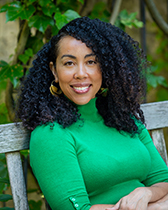
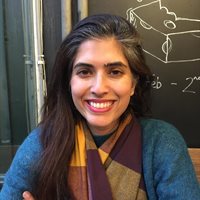
Margaret Robinson is an Associate Professor at Dalhousie University, holding dual appointments in the Department of English and Department of Sociology and Social Anthropology within the Faculty of Arts and Social Sciences. She is a bisexual two-spirit scholar from Eski'kewaq, Nova Scotia, and a member of the Lennox Island First Nation. Her interdisciplinary work bridges Indigenous studies, queer theory, and intersectional feminism, with a focus on decolonizing methodologies and Indigenous oral traditions. Robinson’s research explores representation of Indigenous peoples and sexual/gender minorities in creative works, including fanfiction and popular culture. She holds a Tier 2 Canada Research Chair in Reconciliation, Gender, & Identity (2019-2023) and leads the Mi’kmaw Cultural Research Lab funded by the Canadian Foundation for Innovation (2021-2024). Her education includes a BA from Saint Mary’s University and MA/PhD from the University of Toronto. Key research areas include Indigenous New Wave literature, Mi’kmaw spirituality, and Two-Spirit feminism. Recent grants focus on reconciliation frameworks and LGBTQ2S+ health equity. She has published widely on topics like queer mental health, animal personhood in Mi’kmaw cosmology, and decolonizing pedagogies.
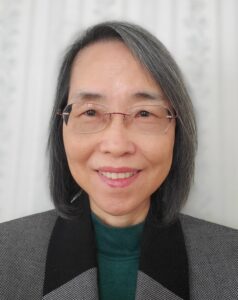
Kwok Pui-lan is the Dean’s Professor of Systematic Theology at the Candler School of Theology, Emory University. Her work bridges postcolonial and feminist theological frameworks with contemporary social justice issues. She is a prominent author of works including Postcolonial Politics and Theology , Occupy Religion , and Introducing Asian Feminist Theology . Her research focuses on globalization, gender, peacebuilding, and the intersection of theology with race, power, and pedagogy. Dr. Kwok actively contributes to academic discourse through her blog (http://kwokpuilan.blogspot.com) and writings for the Wabash Center, addressing themes such as embodied teaching in digital spaces, anti-racism in academia, and theology’s role in responding to societal crises. Her scholarship emphasizes critical reflection on religious education and the ethical implications of emerging technologies. Her teaching philosophy integrates collaborative learning, arts-based methods, and embodied practices to foster transformative education. She has explored topics like machine learning’s impact on religious imagination and the role of spirituality in pandemic-era learning environments. Dr. Kwok’s work consistently interrogates systems of power and oppression, advocating for marginalized voices in theological discourse. Her contributions to the field include reimagining pedagogical approaches to address contemporary challenges in religious education and social justice advocacy.
Kihana Miraya Ross is an Assistant Professor in the Department of Black Studies at Northwestern University, affiliated with the Weinberg College of Arts & Sciences. She holds a Ph.D., M.A., and B.A. from UC Berkeley in Social and Cultural Studies of Education, African American Studies, and Sociology. Her research focuses on antiblackness in education, Black educational fugitivity, and educational reparations, employing critical ethnography and participatory design methods. Her book project examines the afterlife of school segregation and strategies for Black educational futurities. She co-directed the documentary Stolen School , exploring the closure of Evanston’s Foster School and its lasting impacts. Ross has received major grants from the Spencer Foundation and fellowships from the Ford Foundation. Education: Ph.D. in Social and Cultural Studies of Education (UC Berkeley, 2016) M.A. in Social and Cultural Studies of Education (UC Berkeley, 2011) B.A. in African American Studies, Sociology, and Education (UC Berkeley, 2002) Key Projects: Spencer Foundation-funded research on Evanston’s educational reparations Documentary Stolen School (2023) Awards: 2021 Spencer Foundation Large Grant 2017 Ford Foundation Postdoctoral Fellowship Ross’s work bridges historical analysis and contemporary activism, advocating for systemic change through frameworks like Black fugitivity. She collaborates with community organizations like Shorefront Legacy Center and mentors interdisciplinary projects on race, education, and spatial justice.
Dr. Ali Kassem is a Lecturer in Sociology and Anthropology at the National University of Singapore (NUS), Faculty of Arts and Social Sciences. His academic work spans multiple disciplines, focusing on decolonial approaches to understanding power dynamics, knowledge production, and social formations across the Arab-majority world and beyond. Dr. Kassem received his PhD from the School of Law, Politics, and Sociology at the University of Sussex. He completed postdoctoral research at the Institute for Advanced Studies at the University of Edinburgh and was an early career fellow with the Arab Council for Social Sciences funded by the Carnegie Corporation of New York. His academic journey includes teaching and research positions at Ludwig-Maximillian University in Munich, EHESS in Paris, American University of Beirut, and Lebanese American University. Dr. Kassem's research examines contemporary coloniality across questions of power and knowledge. His work spans anti-Muslim racism within Arab-majority contexts, transformations in Islamic educational institutions, dehumanization of Syrian refugees, and urban transformations in Lebanon. His transdisciplinary approach engages ethnic and racial studies, sociology of religion, social psychology, migration studies, and urban studies, working alongside anticolonial thinkers including Frantz Fanon, Ali Shariati, and James Baldwin. His recent publications reveal a strong focus on decolonial theory applied to education, urban studies, and Islamic contexts. Dr. Kassem's work consistently challenges Eurocentric frameworks while exploring alternatives emerging from the Global South. His research demonstrates particular attention to Lebanon and the eastern Mediterranean region as sites for theorizing global coloniality. Dr. Kassem has authored the book "Islamophobia and Global Coloniality: the Lived Erasure of Visibly Muslim Women in Lebanon" (Bloomsbury Academic, February 2023) and is currently editing "Decoloniality and Arabo-Islamicate Worlds" (Bristol University Press, 2025). His scholarly contributions appear in journals including Ethnic and Racial Studies, Globalizations, Contemporary Religion, and Review of Middle East Studies.
Dr. Imaobong Umoren is an Associate Professor of International History at the London School of Economics (LSE), specializing in race, gender, and political thought in the Caribbean, Britain, and the US. Her research focuses on the intersections of colonialism, imperialism, and activism in the 19th and 20th centuries. She is currently on maternity leave (2025-2026) and has been a Leverhulme Research Fellow (2020/21). Her acclaimed book Race Women Internationalists (2018) won the 2019 Women’s History Network Book Prize and explores Afro-Caribbean and African American women’s roles in global freedom struggles. Her recent work includes Empire Without End (2025), which reinterprets the British Empire’s enduring legacy in the Caribbean, and a political biography of Dominica’s former Prime Minister, Eugenia Charles. Umoren teaches courses such as HY246: The Global Caribbean and coordinates MSc dissertations. She has contributed to media projects like BBC Radio 3’s Essays and appeared on Fake or Fortune . Umoren’s awards include the British Library Eccles Centre/Hay Festival Writer’s Award (2020-2021) and Leverhulme Fellowship. Her research emphasizes systemic racism, decolonization, and the global impact of Caribbean histories.
Professor Holly Thorpe is a Professor of Sociology in Te Huataki Waiora / School of Health at the University of Waikato, specializing in Sport and Human Movement. She serves as Associate Dean Research in the Division of Health PVC Office and is an internationally recognized sociologist of sport, physical culture and gender whose work has earned prestigious fellowships and awards including Fulbright, Leverhulme, and Royal Society honors. Her educational background includes a PhD from the University of Waikato and Papa Reo Level 1 certification from Te Wananga o Aotearoa, reflecting both academic excellence and cultural engagement with Māori language and knowledge systems. Professor Thorpe's research centers on equity and inclusion in sporting cultures, with particular attention to women's health and wellbeing, sport and gender, and the impact of social media on athletic experiences. She employs critical and feminist theoretical frameworks with expertise in qualitative methods to examine how sport, physical activity, and health intersect in rapidly changing social landscapes. Her work spans gender studies, feminist methodologies, sports science, sociology of health, and digital media studies within sporting contexts, with a strong commitment to community-engaged research. Her extensive publication record reveals consistent thematic focus on contemporary issues including menstruation in sport, digital technologies and athlete experiences, pandemic impacts on wellbeing, and the gendered dimensions of mega-sport events. Her work frequently employs intersectional analysis and collaborates across disciplines to address complex questions about embodiment, identity, and social change in sporting cultures, particularly as they relate to women and marginalized communities. Professor Thorpe's significant scholarly recognition includes: Royal Society Early Career Research Excellence Award for Social Sciences (2018) Fellow of the North American Society for the Sociology of Sport (2018) Royal Society James Cook Fellowship for a two-year project focused on women's wellbeing through and beyond pandemic (2021) She actively supervises students and has secured substantial research funding including the Te Punaha Matatini CORE Research Institute project 'Youth Wellbeing in Uncertain Times: The Voices of Rangatahi from Flood-Effected Tairāwhiti Gisborne' (2023-2025). Professor Thorpe collaborates extensively with international and national sports organizations including the International Olympic Committee, High Performance New Zealand, Sport New Zealand, Skateistan, and Voice in Sport to ensure her research has real-world impact on policy and practice. She serves as Series co-editor for 'New Femininities in Digital, Physical and Sporting Cultures' and maintains active media engagement through The Conversation and other outlets. Professor Thorpe leads several significant research initiatives including 'Reimagining Fields of Play' (2023) and co-organized the 'Gender, Health and Wellbeing Symposium' (2022), demonstrating her commitment to creating spaces for critical dialogue about sport, gender, and health while advancing culturally responsive methodologies that center Indigenous and diverse perspectives.
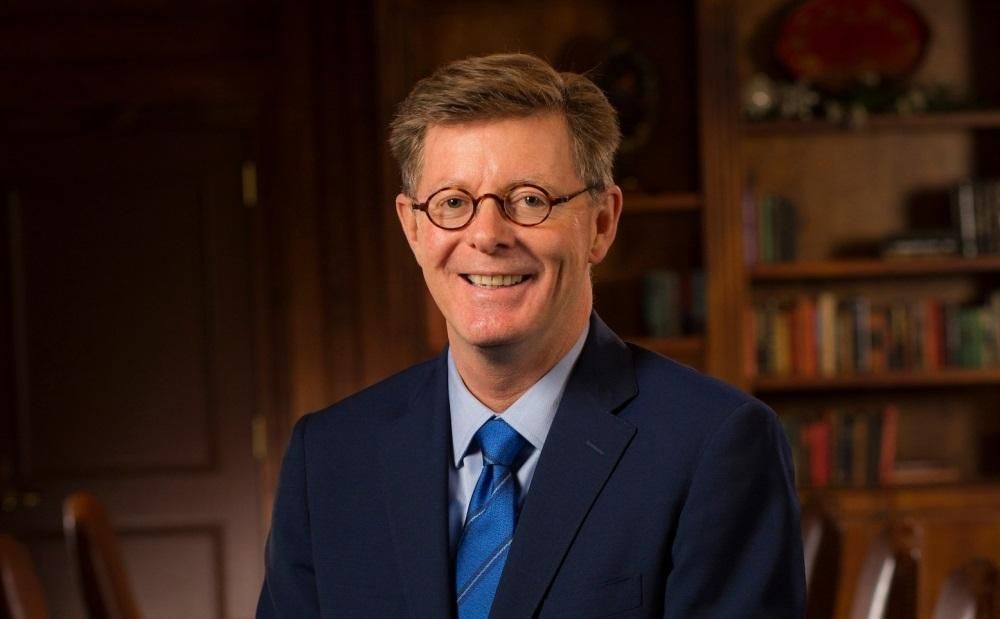
Vincent E. Price serves as President of Duke University and holds the Walter Hines Page Distinguished Professorship in Public Policy and Political Science. He is a Professor of Public Policy in the Sanford School of Public Policy and Professor of Political Science at Duke University. Dr. Price earned his Ph.D. from Stanford University in 1987, an M.A. from Stanford in 1985, and a B.A. from Santa Clara University in 1979. His academic background forms the foundation for his leadership in higher education policy and university administration. Price's research interests center on public policy, political science, and higher education leadership. His work examines university strategic planning, innovation policy, and the role of research universities in society. As president, he has focused on developing Duke's strategic vision for its second century, emphasizing a 'people-first' approach to institutional investment that prioritizes faculty, students, and staff over physical infrastructure. His recent publications and speeches address critical issues facing higher education, including innovation policy, research funding, university governance, and the future of academic institutions. Price has been particularly active in advocating for full funding of the CHIPS and Science Act to strengthen American leadership in critical technology fields. Member, American Academy of Arts & Sciences (2020) President Price has been actively involved in guiding Duke through significant challenges, including the pandemic, while advancing strategic initiatives in faculty recruitment, student financial aid, campus sustainability, and anti-racism efforts. He chairs the ACC Board of Directors and has overseen Duke's expansion of global partnerships, including Duke Kunshan University in China. His leadership emphasizes community building, strategic investment in people, and preparing Duke for its second century of impact.
Naomi Murakawa is an Associate Professor in the Department of African American Studies at Princeton University, School of Arts and Sciences. Her research focuses on the reproduction of racial inequality in American politics, particularly in the realms of crime policy and the carceral state. Her scholarly work bridges political science, critical race theory, and legal studies. Key areas of interest include mass incarceration, racial liberalism, the historical development of crime control, and the paradoxes of reform within the criminal justice system. Her research, reflected in publications such as The First Civil Right: How Liberals Built Prison America and numerous journal articles, reveals how ostensibly progressive policies have contributed to the expansion of the prison system. Themes across her work include the racialized foundations of state power, the limitations of liberal reform, and the structural persistence of racial inequality in law and governance. Scientific Awards and Fellowships: Fellowship from Columbia Law School’s Center for the Study of Law and Culture Fellowship from Robert Wood Johnson Foundation’s Health Policy Research Program Professor Murakawa has advised graduate students and contributed to major scholarly and public conversations on race and justice. Her work has been supported by significant research grants and fellowships, enabling deep historical and theoretical analysis of the American carceral state. She is a leading voice in interdisciplinary debates on decarceration, abolition, and transformative justice. She is affiliated with research initiatives focused on race, law, and inequality, contributing to collaborative teams examining the intersections of policy, history, and social movements. Her ongoing scholarship continues to challenge conventional narratives about crime, punishment, and racial progress in the United States.
Laia Becares is a Professor of Social Science and Health at King's College London, part of the School of Global Affairs and the Department of Global Health & Social Medicine. She previously held roles at the University of Sussex (2018-2022) and the University of Manchester (2010-2018), where she maintains an Honorary position. She serves as an Editor of Sociology of Health and Illness and on the Academic Reference Group of the NHS Race and Health Observatory. Her work is funded by organizations such as the Nuffield Foundation and the Health Foundation. Laia holds a PhD in Social Epidemiology from University College London (UCL) and a Master's in Public Health from Boston University School of Public Health. Her research employs an interdisciplinary approach, collaborating with sociologists, psychiatrists, geographers, and demographers to understand how discrimination and marginalization perpetuate social and health inequities. Key areas include racism, homophobia/heterosexism, LGBTQ+ inequalities, and the impact of systemic oppression across life stages. She co-developed the Queerantine Study on pandemic impacts on LGBTQ+ communities and leads the ESRC Centre for Society and Mental Health, fostering student mentorship in health inequality topics. Her scientific awards include ESRC/MRC Postdoctoral Research Fellowship (2010-2012), Hallsworth Research Fellowship (2012-2016), and ESRC Future Research Leader Fellowship (2012-2015). Recent work focuses on ethnic healthcare disparities in multimorbidity and longitudinal studies of racism's effects on health outcomes. Ongoing projects include LGBTQ+ policymaking networks and the GHSM Anti Racism Steering Group, addressing structural inequities in academia and healthcare. Laia’s grants include Nuffield Foundation funding for ethnic inequalities in later life and Health Foundation support for healthcare equity studies. She advocates for integrating lived experiences into research design, particularly through the Evidence for Equality National Survey (EVENS). Her lab affiliations include Queer@King’s and the ESRC Centre for Society and Mental Health, emphasizing collaborative, community-driven approaches.
Amber M. Neal-Stanley serves as Assistant Professor of Curriculum Studies in Purdue University's College of Education, where her scholarship interrogates Black educational experiences through critical qualitative frameworks and faith-based liberation traditions. Her work centers on structural inequity, historical resistance, and humanizing pedagogical approaches grounded in Black radical thought. Education: Ph.D. in Educational Theory and Practice, University of Georgia M.S.W. in Social Work, University of Georgia B.S. in Human Development and Family Studies, Bowling Green State University Research Focus: Dr. Neal-Stanley's research synthesizes Black education studies, critical qualitative inquiry, and faith as transformative praxis. She examines historical Black women teachers' abolitionist traditions, the Black Church's role in early childhood education, and digital humanities for recovering marginalized educational histories. Her scholarship consistently centers re membering Black radical traditions while confronting anti-Blackness in educational systems through humanizing frameworks. Publication Trends: Recent publications (2021-2025) reveal three dominant trajectories: (1) Historical analyses of Black women educators' spiritual resistance, (2) Conceptual models for leveraging religio-spiritual capital against anti-Blackness, and (3) Digital methodologies for reconstructing Black educational history. Her work increasingly integrates Black feminist thought with critical race theory to address contemporary educational struggles. Scientific Recognition: Purdue University College of Education Outstanding Faculty Teaching Award (2023-2024) Research Fellow, The Crossroads Project at Princeton University's Center for Culture, Society, and Religion (2024-2025) Academic Leadership: Teaching graduate courses in critical theory, qualitative methods, and Black educational history, Dr. Neal-Stanley prepares educators to dismantle structural inequity. Her Detroit Public Schools background and social work experience inform community-engaged scholarship that bridges historical analysis with contemporary activism, particularly through faith-based resistance frameworks.
Dr Ben Gidley is a Professor of Sociology and Psychosocial Studies at Birkbeck, University of London, within the School of Social Sciences. He holds a PhD in Sociology from the University of London and has conducted interdisciplinary research on migration, urban sociology, and racialization. His work focuses on contemporary forms of racialization, intercultural encounters in urban contexts, and the sociology of British Jewry. Education: BA Anthropology, MA Urban Studies, PhD Sociology (University of London). Research Interests: Urban diversity, antisemitism and Islamophobia, diasporic belonging, Jewish-Muslim encounters, fascism studies, and East/Southeast London ethnography. His recent projects include comparative studies on Muslim-Jewish relations in Europe (ENCOUNTERS) and a study of liminal waterway countercultures (LIMINALWATER). Publications include books such as Turbulent Times (2010) and journal articles exploring urban multiculturalism, antisemitism, and diaspora spaces. He supervises doctoral students on topics like Italian migrant whiteness, Kurdish diaspora, and carceral geographies. Teaching: Modules on racism, antisemitism, and urban studies. He is Director of Research and Sociology REF lead at Birkbeck.
Mahvish Ahmad is an Assistant Professor in Human Rights and Politics at the London School of Economics and Political Science (LSE) , affiliated with the Department of Sociology. She previously held a Mellon Postdoctoral Fellowship at the University of the Western Cape's Centre for Humanities Research. Her PhD in Sociology from Cambridge University focuses on state violence in Balochistan, Pakistan. Research Interests: Her work critically examines state violence, militarism, decolonial theory, and anti-imperial thought. Core themes include: State destruction mechanisms in Balochistan Archiving marginalized resistance movements Leftist periodicals as counterhegemonic tools Transnational solidarity networks Teaching: Convenes courses on Lawful Violence and Contemporary Politics of Human Rights . Integrates anti-colonial perspectives into curricula. Key Projects: Sovereign Destruction : Explores state demolition of alternative social orders in Balochistan. Thought Under Siege : Recovers grassroots movement thought from banned materials. Co-convenes Archives of the Disappeared (with scholars at UWCape and SA). Publications: Over 20 peer-reviewed articles and edited volumes, including works in Radical History Review , Surveillance & Society , and South Asian History and Culture . Recent focus on Balochistan's conflict dynamics and global South periodicals.
Joe Feagin is the Ella C. McFadden Professor and Distinguished Professor of Sociology at Texas A&M University, College of Arts and Sciences. He holds a Ph.D. from Harvard University (1966) and has held prominent roles such as President of the American Sociological Association (1999-2000). His research focuses on systemic racism, racial and ethnic relations, and anti-racist education. Feagin has authored over 30 books and numerous articles, including seminal works like White Racism: The Basics and The White Racial Frame . He has received prestigious awards such as the W.E.B. Du Bois Career of Distinguished Scholarship Award (2013) and the Arthur Fletcher Lifetime Achievement Award (2013). Feagin's academic journey includes positions at the University of Texas, University of Florida, and Texas A&M. He served as Scholar-in-Residence at the U.S. Commission on Civil Rights (1974-1975). His courses at Texas A&M include the Sociology of African Americans, Classical Social Theory, and Racism and Anti-Racism. His research spans racial discrimination, gender relations, urban sociology, and systemic racism’s impacts. He has pioneered theories like systemic racism and the white racial frame. Feagin’s work emphasizes societal transformation through critical sociology and anti-racist practices. Key awards and recognitions include the Cox-Johnson-Frazier Scholarship Award (2018), Soka Gakkai International Social Justice Award (2012), and multiple fellowships. His grants and administrative roles include leadership in diversity initiatives at Texas A&M and national sociological organizations. Feagin’s legacy includes fostering anti-racist education, leading interdisciplinary research teams, and advocating for social justice. His work continues to influence policy, education, and public discourse on race in the U.S. and globally.
Libby Gerard is an Associate Adjunct Research Professor at the University of California, Berkeley School of Education and a Research Director for the Technology-Enhanced Learning in Science (TELS) Center. Her work focuses on leveraging innovative technologies to enhance science education through student idea capture, automated assessment, and teacher professional development. Doctorate in Educational Leadership (EdD), Mills College (2008) Bachelor’s in English Literature and Philosophy, Emory University (2000) Her research emphasizes: Automated scoring of student essays using NLP to improve science explanations Real-time instructional customization using embedded assessment data Technology-driven professional development for teachers and principals Social justice integration in science pedagogy Collaborative revision frameworks for inquiry-based learning K-12 education adaptation during the pandemic Recent publications highlight trends in educational technology for science learning, with a focus on NLP applications, interactive inquiry modules, and equitable teaching practices. She has authored studies in journals like Science , Review of Educational Research , and Computers & Education , often exploring how automated systems can enhance teacher-student dynamics. Scientific Awards : Best Paper Award at the AI4EDU Workshop (AAAI Conference, 2020) Libby leads funded projects such as: TIPS (NSF, 2021-2025): NLP for science education ARISE (Hewlett Foundation, 2020-2023): Anti-racism in science education STRIDES (NSF, 2018-2022): Responsive instruction for science teachers PLANS (NSF, 2015-2020): Automated learning support systems She contributes to teacher training through courses like Research Methods for Science Teachers and Apprentice Teaching in Science , emphasizing data-driven pedagogy and inquiry-based instruction.
Martha Stiegman is an Associate Professor at the Faculty of Environmental and Urban Change, York University. Her research integrates Indigenous knowledge, food sovereignty, and arts-based methodologies to address issues of social, environmental, and disability justice. She is actively engaged in community-based research and public scholarship in Toronto and Mi’kma’ki (Nova Scotia). Her educational background includes a PhD from Concordia University’s Special Individualized Program and a BA in English Literature & Political Science from McGill University. This interdisciplinary foundation supports her work at the intersection of activism, research, and art. Stiegman’s research focuses on three interconnected domains: Indigenous/settler treaty relations, food sovereignty and justice movements, and participatory video and arts-based research. She emphasizes decolonizing methodologies and community-led knowledge production. Her work explores how arts-based approaches can deepen dialogues across communities and strengthen collective action for justice. Her recent publications and multimedia projects demonstrate a strong trend toward interdisciplinary, community-engaged scholarship that bridges Indigenous epistemologies, environmental justice, and disability justice. She frequently uses film, digital storytelling, and public art to mobilize knowledge and challenge colonial narratives. Co-creator of A Treaty Guide for Torontonians (2022) Lead on the Polishing the Chain project exploring Toronto’s treaty relationships Editor of the forthcoming Anti Colonial Food Systems (Routledge) Active collaborator with Indigenous scholars and artists including Dr. Sherry Pictou, Ange Loft, and Elder Kerry Prosper Stiegman has been involved in significant research grants such as the Atlantic Aboriginal Health Research Program. While specific advisees are not listed, her collaborative projects suggest active mentorship and supervision. She does not appear to lead a formal lab but works within research collectives and community partnerships.