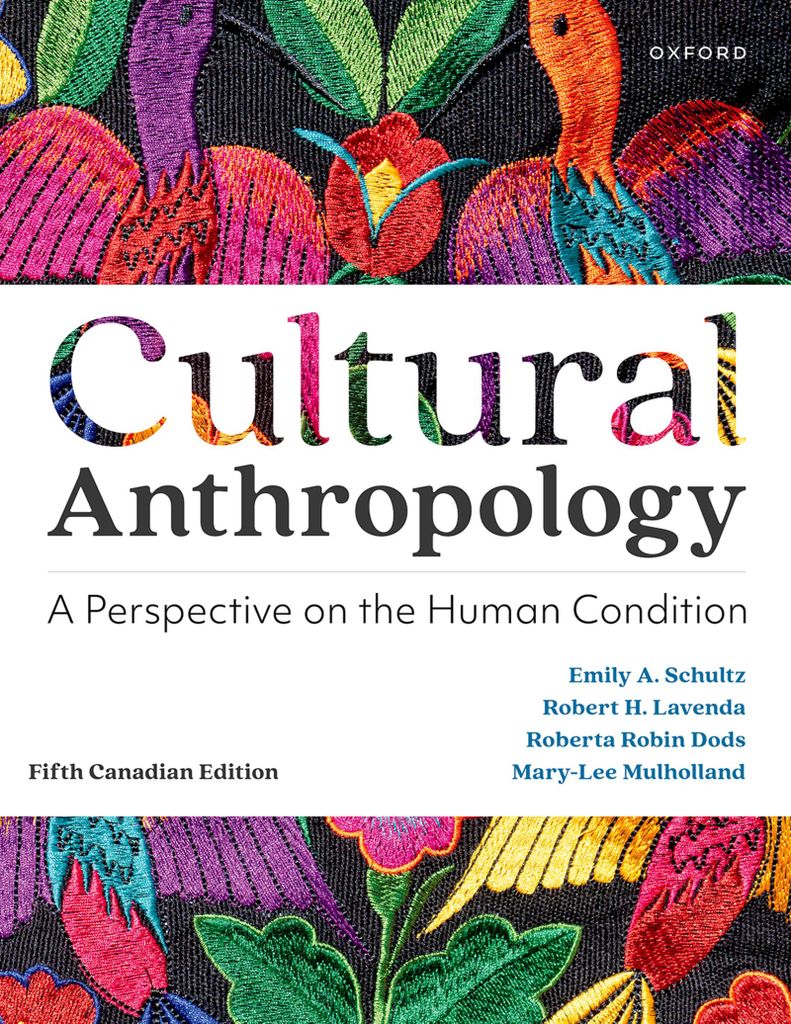
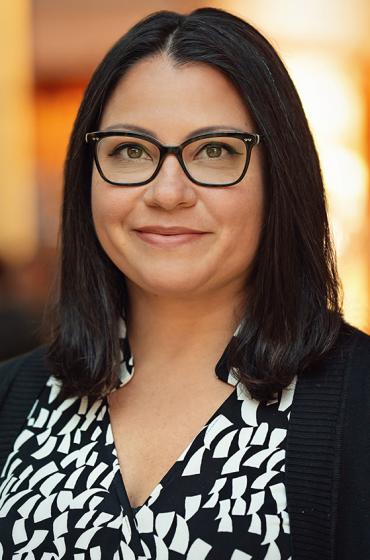
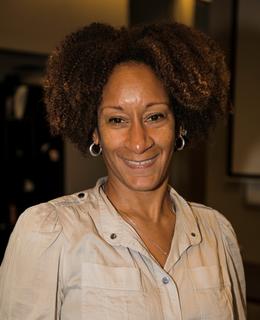
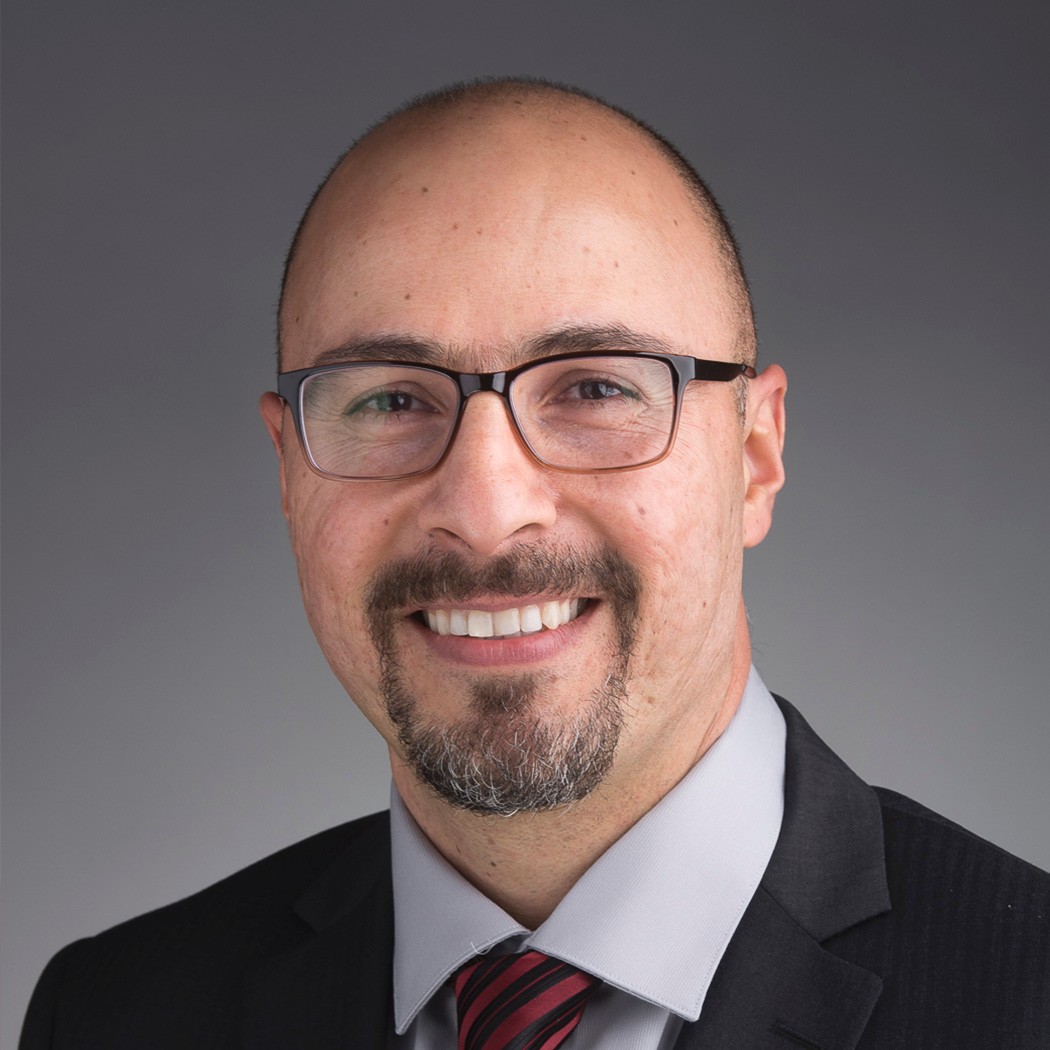
Mary-Lee Mulholland is a full-time Professor at Mount Royal University's Faculty of Arts, Department of Sociology & Anthropology. Holding a Ph.D. from York University, an M.A. from Carleton University, and a B.A. (Hons) from the University of Calgary, she brings extensive academic credentials to her role. She serves as Chair of the department while teaching courses such as Introduction to Cultural Anthropology, Anthropology of Religion, and Anthropology of the Body. Education: Ph.D., York University M.A., Carleton University B.A. (Hons), University of Calgary Her scholarly work examines intersections of race, gender, sexuality, and class through Latin American popular culture forms like salsa and mariachi. As an applied anthropologist, she has worked with governmental and non-governmental organizations on diversity policies and newcomer integration strategies. Currently, she explores how science and pseudo-science shape perceptions of fear and violence in martial arts contexts. Her research has garnered recognition through multiple awards, including the Distinguished Faculty Award (2017), Teaching Excellence Award (2019), and Outstanding Service Award (2020). Her publications span topics from mariachi performance studies to academic ethics frameworks. For a comprehensive list of her scholarly contributions, see her Google Scholar profile. Scientific Awards: Distinguished Faculty Award (2017) Teaching Excellence Award (2019) Outstanding Service Award (2020) Contact her directly at mmulholland@mtroyal.ca for academic collaboration, departmental inquiries, or research discussions.
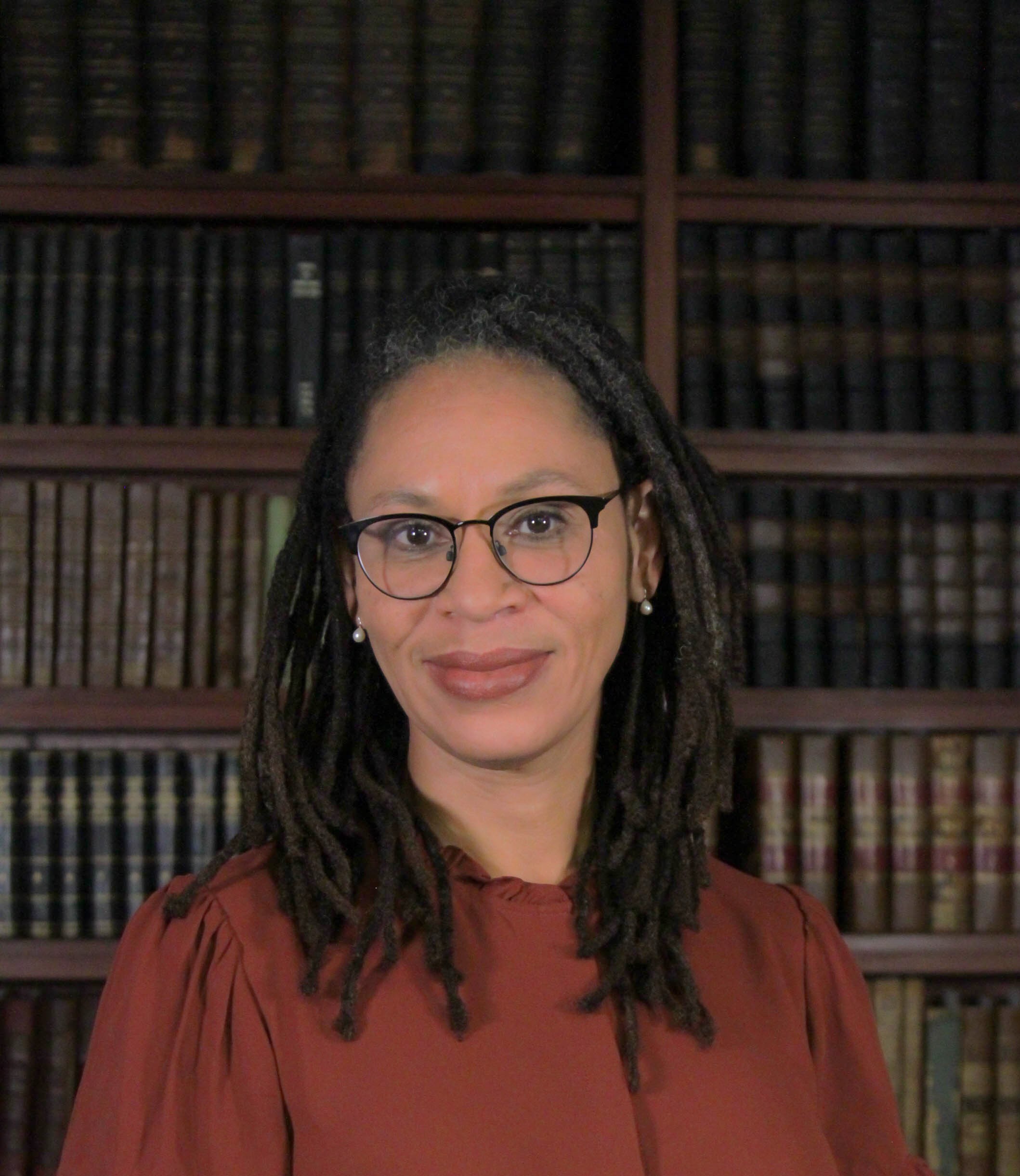
Associate Professor Samantha Schulz is a sociologist of education at The University of Adelaide's School of Education, within the Faculty of Arts, Business, Law and Economics. She specializes in educational justice, focusing on First Nations education, race critical theory, affect studies, and gender equity. Her work spans international contexts including Kenya, India, China, and Australia's APY Lands. She is co-convenor of the Pedagogies for Justice Research Group, affiliated with CRESI and the Fay Gale Centre for Research on Gender. As Program Director for the Master of Teaching program, she emphasizes socially engaged pedagogies. Recent research includes the ARC-funded 'Culturally Responsive Schooling' project (2022-24) and studies on gender-based violence in educational settings. Her publications explore decolonial methodologies, critical race theory, and the intersection of affect and pedagogy. Her grants include leadership roles in projects addressing Indigenous sovereignty in education, culturally responsive curriculum design, and restorative practices. Notable collaborations involve UniSA and Open University of Cyprus. She co-edits the Routledge 'Local Global Issues in Education' series and actively publishes on topics ranging from toxic masculinity in academia to anti-racist policy frameworks. Her advising focuses on fostering critical scholarship in Masters and PhD candidates, with research supervision emphasizing justice-oriented educational practices. She leads initiatives like 'Teaching in an era of digital influence' and has contributed to policy discussions on preventing violent extremism in schools. Her work bridges theoretical rigor with practical advocacy for marginalized communities in education systems globally.
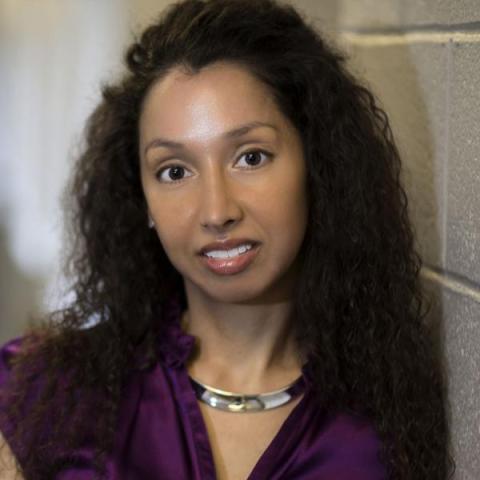
Andrea Armstrong is the Dr. Norman C. Francis Distinguished Professor of Law at Loyola University New Orleans College of Law and a 2023 MacArthur Fellow. She joined the faculty in 2010 and is a leading expert on prison and jail conditions, certified by the U.S. Department of Justice as a Prison Rape Elimination Act auditor. J.D., Yale Law School, 2007 M.P.A., Princeton University School of Public and International Affairs, 2001 B.A., New York University, 1996 Her scholarship focuses on the constitutional dimensions of prisons and jails, particularly prison labor practices, the intersection of race and incarceration, public oversight of detention facilities, and healthcare disparities. She integrates law with history, public policy, and the arts to highlight the human costs of incarceration, advocating for systemic reforms through environmental justice and anti-discrimination frameworks. Andrea’s research includes 15 recent articles, spanning public health in prisons, constitutional challenges to labor practices, and environmental justice analyses of death row conditions. Her work emphasizes transparency, government accountability, and the systemic failures in carceral healthcare. Scientific Awards: 2023 MacArthur Fellow 2019 Interdisciplinary Research Leader, Robert Wood Johnson Foundation Armstrong has testified before Congress on prison labor and deaths in custody, served on Louisiana legislative committees, and collaborated with museums and foundations to make incarceration law accessible. She founded IncarcerationTransparency.org and leads grant-funded projects requiring IRB approval.
Noelle Hurd is a Professor of Psychology at the University of Virginia and co-Director of Diversity, Equity, and Inclusion Initiatives (co-DDEI). She leads the Promoting Healthy Adolescent Development (PHAD) Lab, focusing on marginalized youth development through intergenerational relationships and systemic oppression disruption. Her research integrates clinical and community psychology to address adolescent development, racial discrimination, and mental health disparities. Key interests include natural mentoring as protective factor, anti-racist frameworks, and leveraging community strengths to counteract systemic barriers for Black and Latinx youth. Her work emphasizes youth agency in social justice movements and resilience through familial and community support networks. Recent publications (2023-2025) reveal concentrated exploration of natural mentoring dynamics across marginalized populations, with methodological diversity spanning qualitative analyses of immigrant youth experiences and longitudinal studies of college adjustment. Recurring themes include anti-immigration policy impacts, youth-led anti-racism initiatives, and the intersection of discrimination with mental health outcomes. Dr. Hurd's scientific contributions have earned significant recognition: William T. Grant Scholar and Spencer/National Academy of Education Postdoctoral Fellow Rising Star Award (Association for Psychological Science, 2015) Outstanding Professor Award (UVA Psychology, 2017) Faculty Excellence in Diversity, Inclusion, and Equity Award (2021) Fellowships in American Psychological Association and Society for Community Research and Action As PHAD Lab director, she mentors emerging researchers in community-engaged scholarship funded by NIH, NSF, William T. Grant Foundation, and Institute of Education Sciences. Her team examines mentoring relationships, discrimination mechanisms, and intervention development for youth thriving in oppressive contexts. The PHAD Lab operates as an interdisciplinary research collective developing evidence-based approaches to dismantle systemic barriers through youth-adult partnerships and natural mentoring frameworks.
Kristin Sziarto is an Associate Professor of Geography at the University of Wisconsin-Milwaukee (UWM), holding affiliations in Urban Studies and serving as Faculty Director of the L&S Curriculum and Governance. Her work bridges social movements, urban spatial politics, and biopolitical analysis. She holds a PhD in Geography from the University of Minnesota (2007), MA from the University of Georgia (2000), and BA in Theater from Williams College (1988). Education: PhD, Geography, University of Minnesota, 2007 MA, Geography, University of Georgia, 2000 BA, Theater, Williams College, 1988 Her research focuses on spatial dimensions of social movements, including health equity campaigns in Milwaukee, religion-labor alliances, and geographies of resistance. Current projects include the Muslim Milwaukee Project examining Islamic community dynamics. She also investigates pedagogical methods in geography education to foster critical spatial thinking. Her publications address infectious disease governance, anti-corporatization movements, stealth feminism in academia, and the intersection of race and biopolitics in public health initiatives. She teaches courses on world regions, cartography, and critical geographies of power.
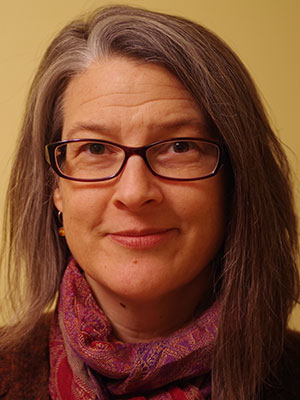
Tracy Epton is a Senior Lecturer at the Division of Psychology & Mental Health, University of Manchester, and a member of the Manchester Centre for Health Psychology. She holds a PhD from the University of Sheffield (2009) and specializes in health psychology, focusing on behavior change interventions and their implementation through randomized controlled trials and systematic reviews. Her roles include Communications Lead for the British Psychological Society’s Division of Health Psychology and membership in the Division’s Training Committee. Education: PhD in Psychology (University of Sheffield, 2009), Postgraduate Certificate in Higher Education (2009), MSc in Psychological Research Methods (2006), and BSc in Psychology (2005). She teaches courses in health psychology at both undergraduate and postgraduate levels, including modules on health behavior change and research methodologies. Research interests center on the effectiveness of behavior change techniques, particularly in clinical and public health settings. She leads projects such as the Manchester Centre for Health Psychology and the Melanoma Prevention initiative. Her work contributes to UN Sustainable Development Goals related to health and well-being. Key projects include evaluating interventions to reduce alcohol consumption in university students and exploring barriers to healthcare professional delivery of behavior change advice. She has authored over 60 publications, emphasizing systematic reviews, meta-analyses, and intervention trials. Media contributions include blogs on goal-setting and self-affirmation in health behavior change. Professional memberships include the British Psychological Society (Chartered Member), European Health Psychology Society, and Fellow of the Higher Education Academy.
Ashley D. Farmer is an Associate Professor of History and African and African Diaspora Studies at the University of Texas at Austin, where she teaches courses on African American women's history, the Black Freedom Movement, and Black archival practices. Her scholarly work centers on Black women's intellectual production and activism, particularly during the Black Power era. Her research interests include African American History, African American Women's History, Black Political Thought, Intellectual History, and Radical Politics. Farmer's work challenges traditional narratives that marginalize Black women's contributions to social movements, demonstrating how Black women shaped and transformed political ideologies through intellectual work, community organizing, and cultural production. Farmer's scholarship reveals trends across Black women's intellectual history, showing how they developed intersectional frameworks for understanding oppression and liberation long before the term 'intersectionality' was coined. Her work connects historical activism with contemporary movements, highlighting the continuity of Black women's political thought across generations. Stone Book Award finalist Darlene Clark Hine Award honorable mention Letitia Woods Brown Memorial Book Award honorable mention Radcliffe Institute for Advanced Study fellowship National Endowment for the Humanities fellowship Whiting Foundation fellowship Organization of American Historians Distinguished Lecturer Farmer has advised numerous graduate students and served as a founding leader of the African American Intellectual History Society (AAIHS). She is a regular blogger for Black Perspectives and co-editor of both the Black Power Series (NYU Press) and the Black Women History Series (UNC Press). Her research has been supported by significant grants from the Radcliffe Institute, NEH, and Whiting Foundation. Farmer directs research initiatives through the African American Intellectual History Society and contributes to the Black Perspectives online platform, which serves as a hub for scholars of African American history. Her work connects academic research with public engagement through media appearances on NPR, Al-Jazeera, and in publications like The New York Times and Washington Post.
Chelsey R. Carter is an Assistant Professor of Public Health in the Department of Social and Behavioral Sciences at Yale School of Public Health with a secondary appointment in the Department of Anthropology. A Black feminist anthropologist of medicine, public health, and race from St. Louis, Missouri, Dr. Carter's interdisciplinary work bridges public health, anthropology, and critical race studies to address health inequities, particularly focusing on neurodegenerative diseases like ALS in Black communities. Dr. Carter received her BA in Anthropology from Emory University (2012), followed by an MPH and PhD from Washington University in St. Louis (2021), and completed a Presidential Postdoctoral Fellowship at Princeton University (2022). Her educational background reflects her commitment to both anthropological theory and public health practice. Her research examines the relationship between social determinants of health (particularly anti-Black racism, socioeconomic status, and gender) and neurodegenerative diseases such as amyotrophic lateral sclerosis (ALS) and motor neuron diseases. Dr. Carter employs ethnographic research and qualitative methodologies to investigate how embodied inequality impacts diagnosis, treatment, and engagement in clinical trials for Black individuals with ALS. She also leads research on precision medicine and genomic research in Black communities through The Black Genome Project and studies caregiving among persons impacted by ALS. Her scholarship has been funded by the National Science Foundation, the Andrew Mellon Foundation, and the Wenner Gren Foundation. Analysis of Dr. Carter's recent publication trends reveals a strong focus on health equity, particularly examining how systemic racism manifests in medical settings and contributes to health disparities. Her work spans multiple domains including neurodegenerative diseases, HIV/AIDS care, genomics, and mental health, with consistent attention to intersectional approaches that consider race, gender, and socioeconomic status. A notable pattern in her scholarship is the use of qualitative and mixed methods to center the lived experiences of marginalized communities, challenging dominant biomedical paradigms through a Black feminist lens. Principal's Development Fund Visiting Scholar (2024) Distinguished Teaching Award from Yale School of Public Health (2023) Funding from the National Science Foundation Support from the Andrew Mellon Foundation Wenner Gren Foundation grant Dr. Carter actively mentors students and has developed innovative teaching approaches, including her course 'Biomedical Justice: Public Health Critiques and Praxis,' which encourages students to bring their full selves into the classroom. Her research has been supported by significant grants that enable community-engaged work addressing health disparities. She emphasizes the importance of community partnerships in her research, ensuring that academic work serves and is accountable to the communities being studied. Dr. Carter is Founder and Director of The LEITH (Lived Experiences Igniting Transformations in Health) Lab, which addresses Black invisibility and misdiagnosis for rare neurodegenerative and genetic diseases. The lab brings together persons and caregivers impacted by rare diseases, researchers, clinical providers, educators, students, and activists to develop more humanizing and critical approaches in the rare neurodegenerative field. The LEITH Lab's vision centers on advancing anti-racist research, fostering awareness through education, creating palliative networks for support, and developing a pipeline of health equity scholars.
Miriam Jorge is a Professor and the Dr. Allen B. and Helen S. Shopmaker Endowed Professor in Educator Preparation and Leadership at the University of Missouri–St. Louis. She holds a PhD and MA in Applied Linguistics. Previously, she served as Associate Dean for International Affairs at Universidade Federal de Minas Gerais (2014–2017) and worked with Brazil's Ministry of Education. She has been a visiting scholar at UCSB and UNCC, teaching courses on race relations and the African Diaspora in Brazil. Her research focuses on critical pedagogy, race and racism in education, multiculturalism, and internationalization in higher education. Key themes include academic literacies, teacher education, and social justice. Her work bridges applied linguistics with anti-racist and decolonial frameworks, particularly in language education contexts. Her publications analyze post-pandemic educational challenges, anti-racism in applied linguistics, and decolonial approaches to language teaching. No scientific awards are explicitly listed, but her contributions highlight impactful discourse in educational equity and global pedagogical practices.
Kurt Sengul is a Macquarie University Research Fellow (MQRF) in the School of Communication, Society and Culture. He holds a PhD in Media and Communications from the University of Newcastle (2022). His research focuses on media populism, far-right movements, and critical discourse analysis, with projects exploring the nexus between media and far-right politics in Australia. He has taught at the University of Sydney and University of Newcastle, specializing in political communication, social media, and digital cultures. Research interests include far-right communication strategies, media populism's impact on democracy, critical discourse studies, and anti-gender movements. His work examines topics like far-right humor, online radicalization via platforms like X/Twitter Spaces, and the discursive construction of victimhood. He has published in journals such as Critical Discourse Studies , Television & New Media , and Communication Research and Practice . Professional roles include serving as NSW Representative for ANZCA and secretary of APSA’s Queer Caucus. Media engagements include commentary for The New York Times , The Guardian Australia , and The Sydney Morning Herald . His forthcoming monograph Far-Right Populism in Australia (Bloomsbury) explores communication and discourse strategies of Australian far-right groups.
Pooja Khatija serves as an Adjunct Professor in the Department of Organizational Behavior at the Weatherhead School of Management , Case Western Reserve University , where she is also a doctoral candidate. Blending scholarship and practice, she focuses her research on Asian American leadership, holistic and inclusive leadership, and implicit biases tied to gender, geography, and social class in recruitment and career advancement. Education Bachelor of Science in Biotechnology Post Graduate degree in Management Doctoral candidate, Department of Organizational Behavior, Weatherhead School of Management Research Interests Dr. Khatija’s scholarly agenda is anchored in advancing equity within organizations. She investigates how Asian American leaders navigate and transform predominantly white institutions, and she develops integrative models of holistic leadership development that emphasize identity, well-being, and social justice. A second stream of inquiry examines implicit biases in hiring and promotion systems, with particular attention to gendered racism and intersectional invisibility experienced by women of color. Her work bridges theory and practice by translating findings into trauma-informed and healing-centered organizational interventions. She leverages coaching methodologies to cultivate inclusive climates and has co-authored critical reviews on reimagining leadership standards that historically center whiteness. Scientific Awards Graduate Dean’s Instructional Excellence Award (2022) Teaching, Coaching & Grants As an educator, Pooja has instructed graduate students in Applied Multivariate Data Analysis (MGMT573) and undergraduates in Leadership in Diversity and Inclusion (ORBH391) across 2020-2022. For over a decade she has coached Management and Engineering graduate students on career and placement strategies, and she is a certified executive coach through Weatherhead’s coaching program. While specific grant details are not enumerated, her sustained engagement in curriculum development and coaching initiatives reflects ongoing institutional investment in her inclusive-leadership agenda. Labs & Teams While no formal lab is named, Pooja collaborates closely with faculty and doctoral peers within the Department of Organizational Behavior and draws on Weatherhead’s broader ecosystem of leadership development and diversity research initiatives.
Kashif Raza is a Postdoctoral Fellow at the Department of Educational Studies (EDST) within the Faculty of Education at the University of British Columbia (UBC). His research focuses on multilingual education, TESOL (Teaching English to Speakers of Other Languages), language policies, and systemic issues in education, such as racism and immigration integration. He examines topics like racialized voter behavior, institutional racism in educational leadership, and the role of language in immigrant integration. His work often intersects with critical race theory, sociolinguistics, and policy analysis. Raza’s research spans diverse contexts, including Canadian, Gulf, and South Asian educational systems. He has explored challenges faced by immigrant professionals in healthcare, the impact of digital networks on political engagement, and the design of multilingual curricula. His contributions also include practical guidance for scholars, such as advice on publishing and navigating language policies in higher education. While his profile does not explicitly list educational credentials, his articles indicate deep engagement with global educational challenges. He has collaborated on projects addressing pandemic-era language education and climate action through EDST’s initiatives. No awards or grants are mentioned in the provided texts.
Deborah Rivas-Drake is the Stephanie J. Rowley Collegiate Professor in the Marsal Family School of Education and a Professor of Psychology in the College of Literature, Science, and the Arts at the University of Michigan. Her research focuses on how educational, familial, and community contexts shape adolescents’ racial and ethnic identity, socioemotional well-being, and civic engagement. She co-directs the Contexts of Academic + Socioemotional Adjustment (CASA) Lab, emphasizing practices that disrupt racism and xenophobia. Her work is funded by NSF, Spencer Foundation, and W.T. Grant Foundation. She has authored/co-authored influential books like Below the Surface: Talking with Teens about Race, Ethnicity, and Identity , which won major awards. She holds leadership roles in SRCD and SRA committees, advocating for equity in education and youth development. Her research highlights the role of ethnic-racial socialization, discrimination, and intergroup contact in youth outcomes. She collaborates with educators and policymakers to translate research into practical tools for schools and families. Key contributions include frameworks for equity-focused social-emotional learning (SEL), strategies for undocumented families, and interventions to foster civic responsibility. Her grants include initiatives like the 'INVITE: Inclusive and Innovative Intelligent Technologies for Education' project and measures of equity-based SEL practices. Rivas-Drake’s awards reflect her impact on developmental science and policy. She bridges academia with community engagement, advising school districts and organizations like CASEL and Sesame Workshop. Her work underscores intersectionality, emphasizing how race, class, and immigration status interact to shape youth experiences. The CASA Lab’s interdisciplinary approach addresses systemic inequities through rigorous research and actionable solutions.
Dr. Jennifer Adams is a Professor at the University of Calgary with dual appointments in the Werklund School of Education and the Faculty of Science’s Department of Chemistry. She holds a Tier II Canada Research Chair in Creativity, Equity, and STEMM. Her work focuses on equity in STEM education, postsecondary faculty education, and transdisciplinary approaches. Dr. Adams earned her PhD in Urban Education from The Graduate Center, CUNY, and has prior roles including Associate Professor at Brooklyn College and leadership in informal science institutions like the American Museum of Natural History. Education: PhD Urban Education (2006), MS Nutrition (1996), MA Education (1995), BA (not specified) Her research emphasizes anti-deficit and justice-oriented pedagogies, with a focus on marginalized communities. Key areas include racial equity in STEM, sociocultural theory, and critical transdisciplinary methods. Dr. Adams leads the Creativity, Equity, and STEM Lab, advancing equity through community-based and arts-infused approaches. She edits academic journals such as the International Journal of Informal Science and Environmental Learning and has collaborated on projects like the Resilient Schools Consortium (RiSC). Recent publications explore belonging in STEM, anti-racist education frameworks, and transdisciplinary methodologies. Her work bridges formal and informal learning environments to address systemic inequities. Dr. Adams actively engages in policy advocacy and community partnerships to foster inclusive STEM ecosystems globally.
Ahmed Al-Rawi is an Associate Professor of News, Social Media, and Public Communication at Simon Fraser University's School of Communication. Since 2019, he has served as Director of the Disinformation Project, whose findings have been featured nationally and internationally. His academic work bridges journalism, digital media studies, and public communication with a focus on disinformation, social media dynamics, and media's role in democratic processes. Dr. Al-Rawi's research interests span disinformation studies, social media analysis, news framing, computational journalism, and the intersection of digital communication with societal issues including racism and public health crises. His work examines how digital platforms shape public discourse, influence political processes, and frame critical societal issues like the opioid crisis in Canada. He approaches these topics through interdisciplinary lenses that combine media studies, political science, and sociology. His scholarly contributions reveal consistent focus on digital communication's impact on society, with recent work examining far-right movements, conspiracy theories, and mediated racism in Canadian contexts. Earlier research explored similar dynamics in Middle Eastern contexts, particularly during the Arab Spring and in conflict zones like Iraq. Shortlisted for Gertrude Robinson Prize (2022) Radio report nominated for US national award (2004) Teaching awards at Erasmus University As an academic leader, Dr. Al-Rawi has advised numerous graduate students, served on editorial boards for prestigious journals including Journal of Popular Communication and Digital Journalism, and reviewed over 220 research papers. His practical expertise extends to consulting for governmental bodies including the Canadian Senate, House of Commons, Public Order Emergency Commission, and Elections BC.