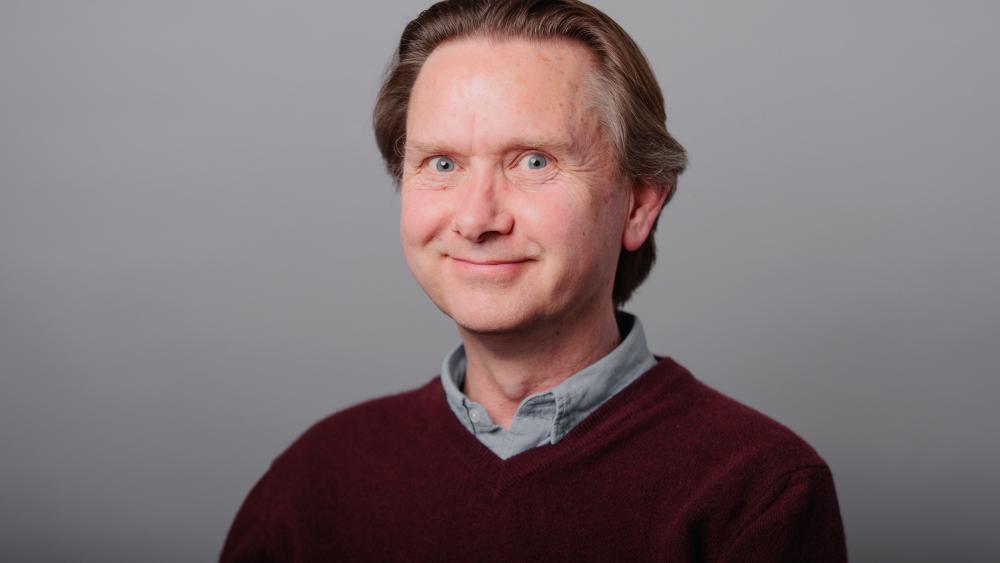
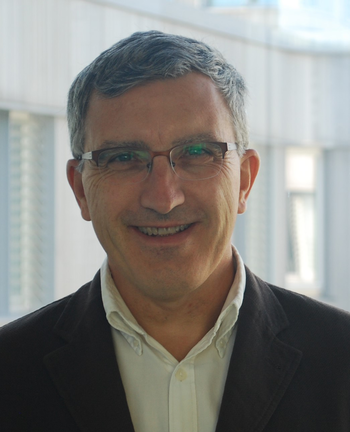
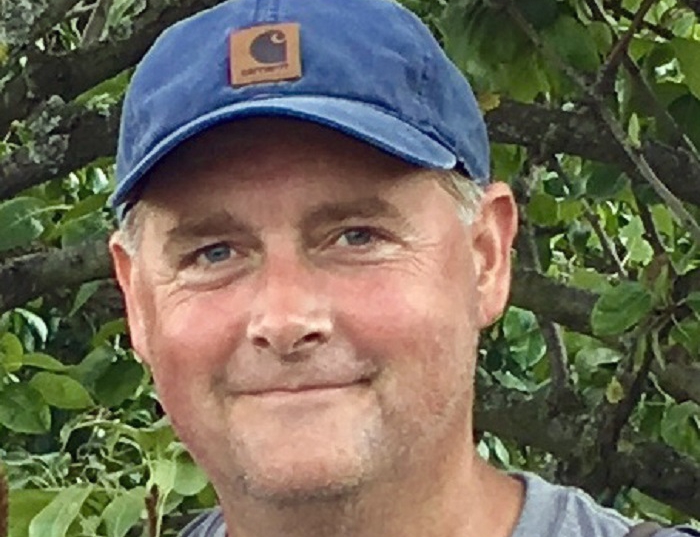
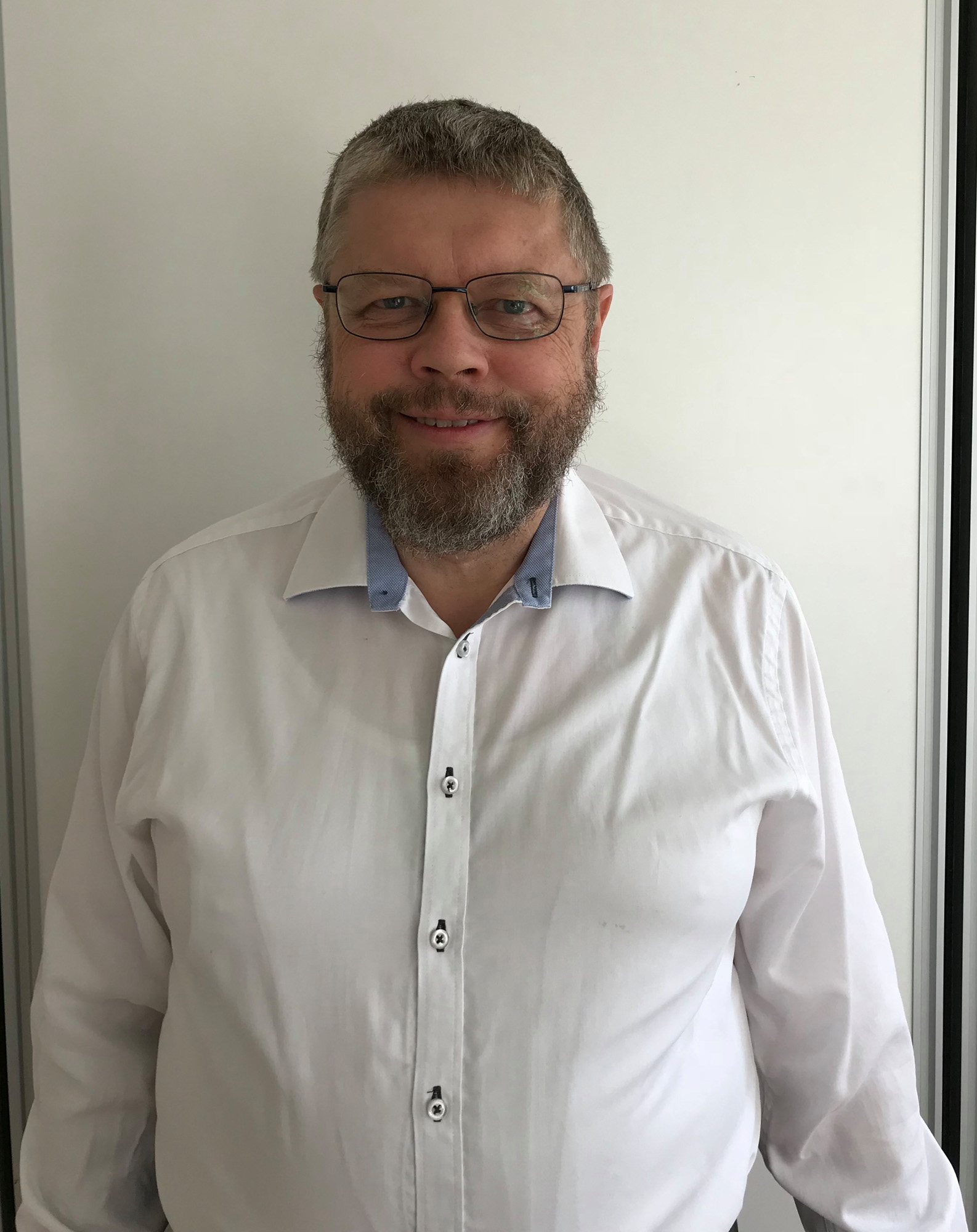
Michael Como Tōshū Fukami is an Associate Professor of Shinto Studies at Columbia University's Department of East Asian Languages & Cultures. He holds a BA from Harvard University (1985) and a PhD from Stanford University (2000). His research focuses on the transmission of rituals, deities, and technologies to Japan, particularly during the Asuka to Heian periods. Current projects include a monograph on urbanization and materiality of religious performance in 8th–9th century Japan. His teaching includes courses such as the Colloquium on Major Texts in East Asia and Graduate Seminar in Japanese Religion. Research interests span cultural transmission, local religious traditions, and theological innovation tied to urbanization. Recent publications examine medieval Shintō, immigrant deities in ancient Japan, and the role of violence in Buddhist formation. He has held office at Columbia’s 307 80 Claremont and is listed among faculty in the department. No awards are explicitly mentioned in the provided text.
Andrew Fear is a Lecturer in Classics at the University of Manchester's Dept of Classics and Ancient History. His research focuses on Roman and Visigothic Spain, Early Christianity, the Roman Army, Roman Britain, and Alexander the Great's legacy. He has published extensively on ancient military history, religious practices, and socio-cultural dynamics in the Roman world. His notable works include analyses of Macedonian Empire strategies, medieval Spanish religious texts, and the psychological impacts of Roman military service. Fear's 2022 book on Mithras explores rituals and deity worship in the classical world, while his 2021 chapter examines the symbolic use of animals in Roman arenas. He has supervised 8 academic projects, though specific student names are not listed. No scientific awards are explicitly mentioned in the provided materials. His expertise also extends to topics like 'Romanisation' processes and Tacitus' works, reflecting a deep engagement with both primary sources and interdisciplinary methodologies.
Jay Crisostomo is an Associate Professor and Director of Graduate Studies at the University of Michigan's Department of Ancient Near Eastern Civilization and Languages and Civilizations within the College of Literature, Science, and the Arts. He holds the George G. Cameron Professorship. His research focuses on the languages and intellectual histories of ancient Mesopotamian cuneiform cultures, with emphases on sociolinguistics, multilingualism, translation, and scribal practices. He earned a Ph.D. from the University of California, Berkeley in 2014. Teaching encompasses courses on ancient Middle Eastern history, languages, and cultures, including 'Science and Technology in the Ancient Middle East' and 'Madness, Medicine, and Magic in the Middle East.' He also teaches on sport history and language in the ancient Mediterranean. As Director of Graduate Studies, he supports MES program students, advising prospective PhD candidates in ancient Middle East history/Assyriology. Research highlights include his book Translation as Scholarship: Language, Writing, and Bilingual Education in Ancient Babylonia and ongoing projects on the 3,000-year history of Sumerian language use, Babylonian scholars, and Sumerian-Akkadian linguistic contact. Current efforts involve editing 150 lexical tablets in Germany's collections. His work bridges ancient textual analysis with broader themes in cultural transmission and knowledge systems. He collaborates on critical editions of cuneiform texts and maintains affiliations with international research networks. Contactable via cjcrisos@umich.edu, his office is located at 202 South Thayer Street, Ann Arbor.
Caroline Vout is Professor of Classics at the University of Cambridge, holding a Fellowship at Christ's College where she serves as Director of Studies for Prelims and Part 1A in Classics. She directs the Museum of Classical Archaeology (MOCA) and co-directs Cambridge Visual Culture. From 2019-2024, she held the Byvanck Chair of Classical Archaeology/Art History at Leiden University. Born in Durham, Vout completed her undergraduate studies at Newnham College, Cambridge, followed by an MA at the Courtauld Institute of Art in London, then returned to Newnham for her PhD. Before joining Cambridge in 2006, she taught at London, Bristol, and Nottingham Universities. Vout is a cultural historian and art historian specializing in the Roman imperial period and its reception. Her research explores power dynamics in classical art, erotic representation, and how antiquity has been reinterpreted through history. She examines how classical visual culture functions as both historical evidence and living cultural force, with particular expertise in body representation and political dimensions of reception. Her publication history reveals deep engagement with classical material across centuries - from detailed artifact studies (Peplos Kore, Discobolus) to broad cultural analyses. Recent work connects antiquity with modern contexts including the Olympic Games and Victorian reinterpretations, showing consistent interest in how classical art remains dynamically relevant. As Director of Studies at Christ's College, Vout mentors undergraduate Classics students while her MOCA leadership bridges academic research and public engagement. Her curatorial work, including the upcoming 'Paris 1924: the Art of the Olympics' exhibition with Chris Young, demonstrates commitment to making classical art accessible through innovative programming and digital initiatives like MOCA's video series. Vout's interdisciplinary approach through Cambridge Visual Culture and her editorial roles (Omnibus, Sculpture Journal advisory board) reflect her position at the intersection of traditional classical scholarship and contemporary visual studies, connecting ancient artifacts with modern cultural discourse.
Caitie Barrett is a Professor in the Department of Classics at Cornell University. She co-directs the Casa della Regina Carolina archaeological project at Pompeii, a joint initiative between Cornell University and the University of Bologna. Education: Ph.D. in Anthropology (Archaeology), Yale University B.A. in Anthropology (Archaeology), Harvard University Her research investigates everyday life, religious experience, and cross-cultural interactions in the ancient Mediterranean. She specializes in Egyptian and Greco-Roman archaeology, particularly household religion and material culture. Her work examines how objects and images created meaning in domestic contexts. She has received funding from numerous organizations including the National Endowment for the Humanities, National Geographic Society, and the Fulbright Foundation. At Cornell, she received teaching and advising awards including the Robert A. and Donna B. Paul Award for Excellence in Advising. Her publications include 'Domesticating Empire: Egyptian Landscapes in Pompeian Gardens' and 'Egyptianizing Figurines from Delos: A Study in Hellenistic Religion'. She also co-edited 'Households in Context: Dwelling in Ptolemaic and Roman Egypt'.
Michael E. Heyes is Associate Professor of Religion and Chair of the Department at Lycoming College, where he teaches courses on religion, literature, and the history of Christianity. He received his Ph.D. in Religious Studies from Rice University (2015) and an M.A. in Comparative Religion from the University of Washington (2008). Previously, he held a visiting instructorship at the University of South Florida – Tampa. Education: Ph.D., Religious Studies, Rice University, 2015 M.A., Comparative Religion, University of Washington, 2008 Heyes' research interests span both medieval and modern religious phenomena. His work explores religion and literature , monstrosity and demonology , saints’ lives , gender and race in religious narratives , and American civil religion . He has published extensively on how religious identities are constructed through narratives of the monstrous, from medieval hagiography to contemporary film and conspiracy theories like QAnon. His teaching includes introductory religion, theory-driven courses, religion in fiction and film, and western esotericism. His scholarly output includes two monographs— Demons in the USA (2024) and Margaret's Monsters (2020)—and an edited volume, Holy Monsters, Sacred Grotesques (2018). His articles analyze themes such as demonic corporeality, the racialization of monsters in film, and the gendered dynamics of sainthood. The publications reveal a strong interdisciplinary trend, blending religious studies with literary analysis, cultural criticism, and film theory, particularly focusing on how media shapes spiritual imagination. Scientific Awards: No awards listed in the provided text. Heyes is actively involved in academic service, including co-editing The Journal of Gods and Monsters and organizing special issues on displacement and monstrosity. He has also issued calls for book chapters, such as on Lovecraftian horror in Japan, indicating ongoing research leadership. There is no mention of advising students or receiving grants in the provided material. He maintains a scholarly presence on Academia.edu and has presented at various academic forums. Labs and Research Teams: Co-editor, The Journal of Gods and Monsters Organizer of academic panels and symposia on religion and monstrosity
Emma Martin is Senior Lecturer in Museology at the University of Manchester's School of Arts, Languages and Cultures, where she serves as Associate Director for Research (Impact and Knowledge Exchange). With over 25 years of professional experience including 17 years as Senior Curator for National Museums Liverpool (2003-2020), her work bridges academic research and museum practice. Her current research focuses on colonial-era Tibetan collections, contemporary museum activism, and dissident curatorial practices in exile contexts. Dr. Martin's research interests sit at the critical intersection of colonialism, Tibetan Studies, and material culture studies. She examines how colonial-era museum collections continue to shape contemporary representations of Tibet while exploring pathways for Tibetan agency in museum decision-making. Her practice-led research includes serving as curatorial advisor to the Dalai Lama Centre for Tibetan and Ancient Indian Wisdom (2024-25) and leading the development of the Tibet Museum for the Central Tibetan Administration (2017-2023). She co-convenes the international Tibetan Materiality Network, fostering cross-border collaboration on Himalayan material culture research. Her publication trends reveal a sustained focus on decolonizing museum practices through historical analysis of Tibetan material culture. Early work examined colonial collecting networks and diplomatic gift exchanges, while recent publications address contemporary issues like digital sovereignty, museum representation of diaspora communities, and dissident curatorial methodologies. Her scholarship consistently connects archival research with practical museum interventions, demonstrating how historical understanding can inform ethical contemporary practice. Fellow, Royal Asiatic Society Fellow, Higher Education Academy Dr. Martin has supervised four completed PhDs and currently mentors five doctoral students working on topics spanning South Asian, Himalayan, and Tibetan museology. Her research project "Object Lessons from Tibet and the Himalayas" involves international collaboration with institutions in Copenhagen and explores how material culture can challenge colonial narratives. Her impact work includes developing new museological approaches for representing Tibet, referenced in Wikipedia and cited by policy makers addressing cultural restitution. She leads the Tibetan Materiality Network connecting European and Asian researchers, and her current monograph "The Dissident Museum: Oppositional Curating at the Tibet Museum" (Routledge) documents innovative curatorial practices developed during the Tibet Museum project. Her external roles include curatorial advisory positions with Tibetan cultural institutions and examination duties at UCL and University of Westminster.
Nikolaos Stampolidis is a distinguished Professor of Classical Archaeology at the University of Crete, where he has served since 1984, progressing from Lecturer to full Professor since 1994. He currently holds multiple prestigious positions including Director-General of the Acropolis Museum (since June 2021) and Director of the Museum of Cycladic Art (since 1996). Previously, he served as Dean of the Faculty of Letters and Arts at the University of Crete (1994-1997) and Head of the Department of History and Archaeology (1991-1993). Stampolidis earned his undergraduate degree from the Aristotelian University of Thessaloniki (1970-1974), followed by postgraduate studies in Bonn, Germany (1975-1977) with a DAAD scholarship. He completed his dissertation in Athens (1978-1979) with a Greek government scholarship, achieving Magna cum laude distinction. His research focuses on Mediterranean interconnections during the Early Iron Age, with special emphasis on Cretan archaeology, particularly the Eleutherna site he has excavated continuously since 1985. His work spans homeric archaeology, Greek sculpture across multiple periods, epigraphy, funerary practices, and the dialogue between antiquity and contemporary art. His excavations at Eleutherna have revealed significant insights into geometric-archaic period customs and cultural exchanges across the Mediterranean. Stampolidis' scholarly output demonstrates a consistent focus on Mediterranean cultural networks, particularly between Crete, the Cyclades, Cyprus, and the Near East during the Early Iron Age through Hellenistic periods. His research combines meticulous excavation work with innovative interpretations of cultural interactions, often bridging archaeological evidence with literary sources like Homer. The recurring themes in his work include the analysis of funerary practices, the study of Mediterranean trade networks, and the examination of how cultural influences traveled across the ancient world. His numerous honors reflect his significant contributions to archaeology and Greek culture, including being named Honorary Citizen of Eleutherna (1995), receiving the Tourism Award for his contribution to Crete's development (2015), and being awarded the Grand Commander of the Order of Phoenix by the President of the Hellenic Republic (2016). Throughout his career, Stampolidis has supervised numerous graduate students through the Post-graduation program in Classical Archaeology at the University of Crete, which he directed since 2005 (previously co-directing from 1991-2005). His research has been supported by multiple funding sources including UNESCO, the University of Crete, the Institute of Mediterranean Studies, the Mediterranean Archaeological Society, various Greek Ministries, the INSTAP, and European Community programs including INTERREG IIIA and the 3rd European Community Support Framework. Stampolidis directs the long-term excavation and research project at Eleutherna, Crete, which has evolved into a major archaeological site with its own museum. His work at Eleutherna represents one of the most significant ongoing archaeological projects in Greece, combining excavation, conservation, publication, and public presentation of findings through both the on-site museum and numerous international exhibitions he has curated.
Adam T. Smith is Distinguished Professor of Arts and Sciences in Anthropology at Cornell University, where he has been faculty since 2011. He is a leading scholar in Eurasian archaeology with a focus on the South Caucasus, particularly Armenia. Smith co-founded Project ArAGATS, a long-term archaeological program in Armenia, and co-directs the Aragats Foundation and Caucasus Heritage Watch, organizations dedicated to heritage preservation in the region. His educational background includes: Ph.D. (1996) in Anthropology from the University of Arizona M.A. (1993) in Anthropology from the University of Arizona M.Phil. (1991) in Social and Political Science from the University of Cambridge B.A. (1990) in Anthropology and Political Science from Brown University Smith's research centers on the role of material culture in political life, examining how objects, landscapes, and built environments shape political procedures and values. His work spans archaeological theory, political anthropology, and heritage studies, with a particular focus on the South Caucasus region. He investigates the long-term social and political dynamics from the Bronze Age to contemporary times, exploring themes of sovereignty, heritage preservation, and the political dimensions of material culture. His approach integrates theoretical frameworks with empirical fieldwork to understand political power through material evidence. His recent publications demonstrate a consistent focus on the archaeology of power and politics in Eurasia, with increasing attention to contemporary heritage issues. Smith's work bridges theoretical frameworks with empirical research, particularly through his long-term fieldwork in Armenia and the Caucasus region. His scholarship shows a progression from studies of ancient political systems to contemporary issues of cultural heritage and political violence, with a strong emphasis on ethical engagement with archaeological practice and heritage management. Smith has received numerous prestigious awards including: 2023-2025 Fellow, Milstein Program in Technology and Humanity, Cornell University 2023 Finalist, Falling Walls Science Breakthrough of the Year, Social Sciences and Humanities 2023 Certificate of Communal Partnership, St. James AME Zion Church, Ithaca NY 2010-2011 John Simon Guggenheim Memorial Foundation Fellow 2010-2011 Fellow, Cornell University Society for the Humanities 2006-2007 Fellow, Howard Foundation Smith has directed multiple field seasons and collaborative research projects in Armenia, involving both American and Armenian scholars. His work with Project ArAGATS has received continuous support over two decades, while Caucasus Heritage Watch represents a newer initiative addressing urgent heritage preservation needs through satellite monitoring. He has supervised numerous graduate students and secured significant research funding for his projects, demonstrating strong leadership in both academic and community-engaged research contexts. Smith leads several research initiatives including Project ArAGATS, the Aragats Foundation, and Caucasus Heritage Watch. His Landscapes and Objects Laboratory at Cornell serves as a hub for material culture studies, while his work with the St. James AME Zion Community Excavations demonstrates his commitment to community-engaged archaeology. These teams bring together interdisciplinary scholars to address complex questions about political power, material culture, and heritage preservation across time, with particular attention to how archaeological practice can engage with contemporary political issues and community needs.
Leslie V. Kurke is a Professor in the Department of Classics at the University of California, Berkeley. Her work focuses on archaic and classical Greek literature, particularly Pindar, Herodotus, and early prose, emphasizing the interplay between literature and its social, economic, and cultural contexts. She holds a Ph.D. from Princeton University. Her research explores the economics of literature, poetry as ritual, and the relationship between text and popular culture. Notable works include *Coins, Bodies, Games, and Gold* (1999) and *Aesopic Conversations* (2011), which earned the Goodwin Award. She is co-authoring a new book, *Pindar’s Sites*, with Richard Neer. Awardees of the MacArthur Fellowship (1999–2004), Kurke’s scholarship bridges literary analysis with broader societal questions, redefining understandings of ancient Greek cultural practices.
Dr Crispin Branfoot is a Reader in the History of South Asian Art and Archaeology at SOAS University of London, affiliated with the School of Arts and the Department of History of Art and Archaeology. He holds a BA in Ancient History and Archaeology from Manchester University, and an MA and PhD in Art and Archaeology from SOAS. His research focuses on the arts of southern India from the 14th to 20th centuries, with emphasis on Hindu temple architecture, colonial-era renovations, and the intersection of photography, archaeology, and conservation. He has supervised four PhD students examining topics ranging from temple iconography to colonial paper-making practices. His work explores how sacred spaces like the Minakshi-Sundareshvara temple in Madurai were reconfigured through colonial and post-colonial interventions, while also analyzing pilgrimage routes, portraiture traditions, and the legacy of the Vijayanagara Empire. He has contributed to major publications such as India: A History in Objects (2022), and his research bridges material culture studies with postcolonial theory. He previously worked at De Montfort University and the British Museum, where he gained expertise in South Asian art curation and historical documentation.
Roderick B. Campbell is a Professor of East Asian Archaeology and History at the Institute for the Study of the Ancient World (ISAW) within New York University. His research focuses on the Chinese Bronze Age, particularly the Anyang period (ca. 1250-1050 BCE), exploring themes such as violence in early complex polities, historiography, visual culture, and ancient economies. He holds a dual PhD from Harvard University in Anthropology (Archaeology) and East Asian Languages and Civilizations (Chinese History). Professor Campbell has held post-doctoral positions at ISAW (NYU), Brown University’s Joukowsky Institute, and Merton College (Oxford University). He has secured grants and fellowships from organizations including the Canadian Social Sciences and Research Council, Luce-ACLS, the Chiang Ching-kuo Foundation, and the Wenner Gren Foundation. His fieldwork involves collaborative archaeological projects in China focusing on reconstructing Shang political economy, with a current emphasis on zooarchaeology and bone-working practices. He serves on NYU’s PhD Admissions Committee and has authored or edited works such as Violence, Kinship and the Early Chinese State (2018) and Archaeology of the Chinese Bronze Age (2014). His research spans interdisciplinary topics including Shang ontology, early Chinese economies, and comparative studies of complex societies. Campbell’s work bridges archaeological material analysis with historical interpretation to illuminate the socio-political dynamics of ancient East Asia.
Alberto Cantera Glera is a Professor at the Institute of Iranian Studies within the Department of History and Cultural Studies at Freie Universität Berlin. His research focuses on Zoroastrian studies, Avestan language and literature, Iranian linguistics, and manuscript studies. He teaches courses on Young Avestan, Pahlavi, Zoroastrian rituals, and Iranian literature, with office hours held on Thursdays from 3-5 p.m. Professor Cantera Glera's research interests center on Zoroastrian religious practices, particularly the Long Liturgy, Avestan textual criticism, and the transmission of Zoroastrian texts through manuscript traditions. His work bridges linguistic analysis with religious studies, examining how ritual practices evolved from ancient to medieval Iran. He has made significant contributions to understanding the relationship between oral performance and written transmission in Zoroastrian traditions, as well as the linguistic features of Avestan and Middle Persian texts. His recent publications reveal a consistent focus on Zoroastrian ritual structures, particularly the Long Liturgy, with increasing attention to the relationship between textual manuscripts and ritual performance. The articles show progression from linguistic analysis of Avestan texts toward broader studies of ritual practice, sacred geography, and the historical development of Zoroastrian religious authority. His work demonstrates sophisticated integration of manuscript evidence with ritual theory and historical linguistics. PRIX ROMAN ET TANIA GHIRSHMAN 2021 Professor Cantera has supervised numerous PhD students including Nils Purwins, Stefan Härtel, Yusef Saadat, Jaime Porro, Soheil Delshad, and Xue Li. His research has been supported through various academic projects related to Zoroastrian manuscript studies and Avestan textual criticism, contributing significantly to the field of Iranian studies at Freie Universität Berlin.
Bryan K. Hanks is an Associate Professor in the Department of Anthropology at the University of Pittsburgh's Dietrich School of Arts and Sciences. An archaeologist specializing in prehistoric Eurasian societies, his research spans from the Bronze Age steppes of Russia to Neolithic villages in the Balkans and Native American pit house settlements in Idaho. Education: Dr. Hanks earned his Ph.D. from the University of Cambridge in 2003, establishing his foundation in archaeological research. Research Interests: His work focuses on late prehistoric societies , particularly examining mobile pastoralism , early metallurgy , and settlement patterning . His projects integrate geophysical and geochemical methods to understand subsistence strategies, craft production, and social organization across Eurasia and North America. Research Trends: His publications reveal a consistent focus on Bronze Age societies of the Eurasian steppes, with particular attention to mortuary practices , metallurgical developments , and social complexity . Recent work has expanded to include Neolithic European settlements and Native American archaeology in the American West. Collaborations & Training: Dr. Hanks maintains extensive international collaborations with institutions in Russia, Serbia, the UK, and across the US. He is deeply committed to student training , regularly including graduate and undergraduate students in his international field projects and offering local geophysics training in Pittsburgh.
Nils Arne Pedersen is an Associate Professor in Church History at Aarhus University's Faculty of Theology/Arts since 2004. His academic career includes roles as a Full-time scholar supported by the Carlsberg Foundation (1990–1995) and Danish Research Council grants. He specializes in Manichaeism, Patristics, and the historical reception of biblical texts. His research focuses on early Christian and Manichaean theological texts, especially Coptic and Syriac manuscripts. Research Interests : Pedersen’s work explores Manichaean literature, Patristic theology, and the interplay between biblical sources and early religious movements. He has edited critical editions of Manichaean texts and studies their transmission across languages like Syriac, Coptic, and Persian. Key Projects : Biblia Manichaica (Old and New Testament studies in Manichaean contexts), textual editions of Manichaean homilies, and analyses of anti-Manichaean polemics. Awards & Leadership : Honorary member of the International Association of Manichaean Studies (2022), former President (2017–2022). He has received significant grants, including €887k for the Biblia Manichaica project (2012–2015) and €233k from the Carlsberg Foundation (1990–1995). Grants & Funding : Danish Council for Independent Research, Danish Research Council for the Humanities, and Carlsberg Foundation grants have supported his work on Manichaean textual traditions and comparative religious studies.