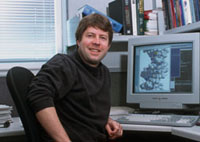
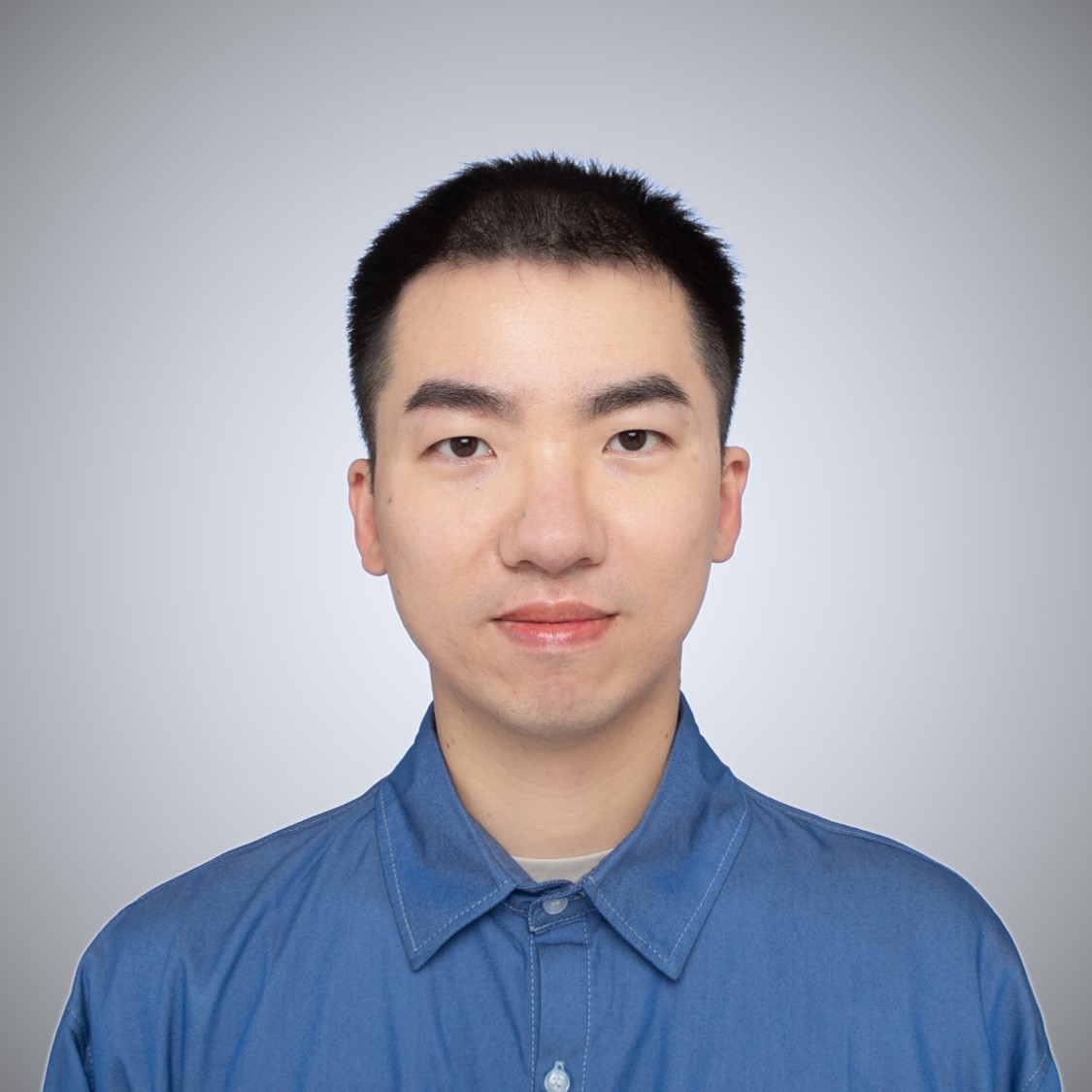
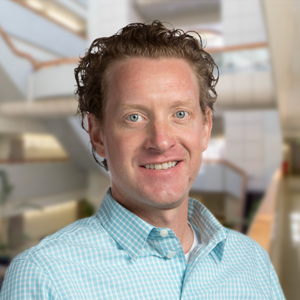
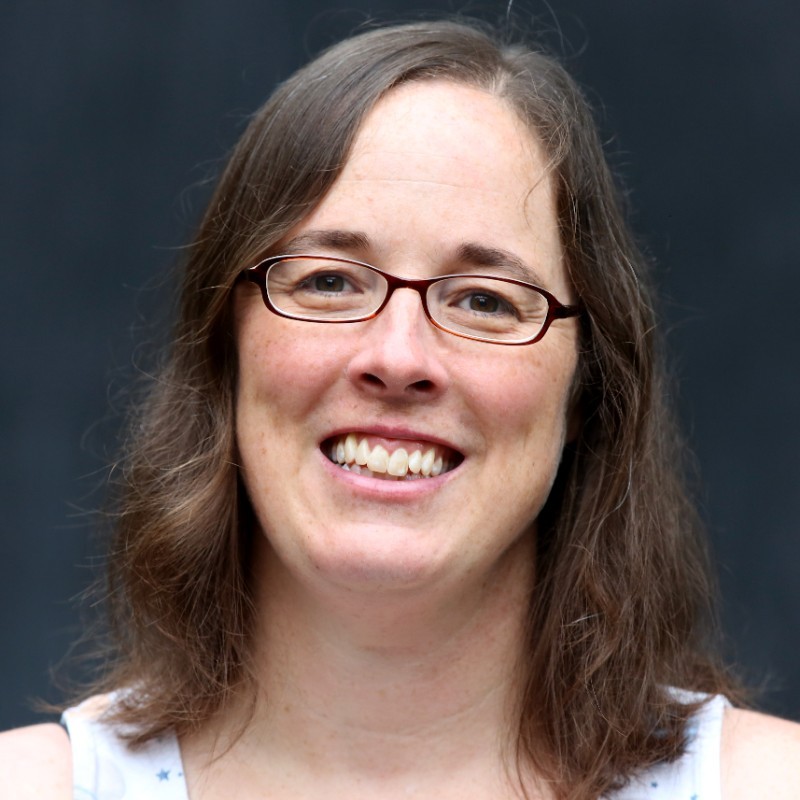
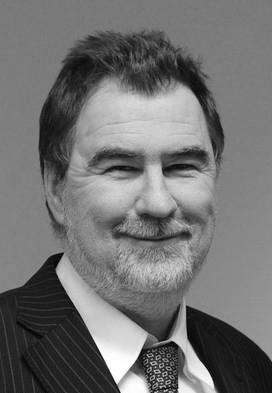
Young-Hoon Ahn is an Associate Professor in the Department of Chemistry at Drexel University, serving as Chair of the Chemistry Graduate Program Committee. His research focuses on cysteine-based redox signaling in physiology and diseases, particularly using chemical tools to study glutathionylation. He holds a PhD from New York University and has held academic positions at Wayne State University and Drexel University since 2012. Education: PhD (2007, NYU), MS (2001, POSTECH), BS (1999, POSTECH). Postdoctoral training at Johns Hopkins University School of Medicine (2008-2012). Research Interests: Development of chemical probes for glutathione biology, functional studies of protein glutathionylation in cancer and cardiovascular systems, and covalent small-molecule inhibitors targeting cysteine residues. His interdisciplinary approach combines synthetic chemistry, proteomics, bioinformatics, and mouse models. Publications emphasize glutathionylation mechanisms in cellular stress and disease, with recent work on E-cadherin stability, cardiomyocyte biology, and SMYD2 regulation. His lab employs clickable glutathione strategies and bioorthogonal chemistry for redox proteomics.
Manuel Crespo-Ballesteros is a Research Fellow at the Aston Institute of Photonic Technologies (AiPT) within the College of Engineering and Physical Sciences at Aston University. He holds a BEng in Electronics and Automation Engineering from the Technical University of Cartagena (2007), an MSc in Theoretical Physics from the University of Murcia (2012), and a PhD in Radar Systems from the University of Birmingham (2016). His research focuses on Surface Nanoscale Axial Photonics (SNAP) technology, particularly microresonators, nonlinear optics, and optical frequency combs. He has contributed to advancements in microresonator fabrication, resonant tunneling phenomena, light-by-light transportation, and parametrically modulated frequency combs. His work bridges quantum mechanics and photonics, with applications in sensing, communications, and optical computing. Education: BEng in Electronics and Automation Engineering, Technical University of Cartagena, Spain (2007) MSc in Theoretical Physics, University of Murcia, Spain (2012) PhD in Radar Systems, University of Birmingham, UK (2016) Research Interests: Crespo-Ballesteros investigates microresonators created via SNAP technology, emphasizing their picometer precision and quantum-mechanical analogies. Key areas include resonant tunneling, nonlinear soliton-based light transport, and parametric frequency comb generation. His work explores applications ranging from high-speed communications to quantum physics simulations, such as black hole analogues using time-dependent potentials. Grants and Labs: Active in AiPT’s advanced photonics research, his lab develops cutting-edge SNAP microresonators with applications in precision spectroscopy and sensing. Collaborations include projects on fiber-optic bending-induced tunability and soliton-based transportation systems.
Dr. Robert V. O'Toole serves as Professor of Orthopaedics at the University of Maryland School of Medicine, holding key leadership roles including Vice-Chair for Research, Chief of Orthopaedics at R Adams Cowley Shock Trauma Center, and Director of Clinical Research. He also leads the Orthopaedic Traumatology Fellowship Program and heads the Division of Orthopaedic Trauma within the Department of Orthopaedics. His educational background includes a BS and MS in Mechanical Engineering from Carnegie Mellon and Stanford Universities, followed by an MD from Harvard Medical School. His clinical training encompasses General Surgery internship at Brigham and Women's Hospital, Orthopaedic Residency through Harvard Combined Program, and Orthopaedic Trauma Fellowship at University of Maryland's Shock Trauma Center. Dr. O'Toole's research focuses on critical areas of orthopaedic trauma including surgical site infection prevention, pelvic and acetabular fracture management, biomechanics of fracture fixation, and complications like compartment syndrome and nonunion. His work integrates clinical trials, biomechanical studies, and retrospective analyses to address high-impact trauma challenges. His publication record demonstrates consistent contributions to orthopaedic trauma literature, with recent work emphasizing infection prevention strategies, pelvic fracture outcomes, and biomechanical optimization of fracture fixation techniques across high-impact journals like Journal of Orthopaedic Trauma and Injury . Shock Trauma Hero Award, Clinical Service (2014, 2015) Top 10 Orthopaedic Trauma Association Papers (2014, 2015) Orthopedics This Week's 19 Best Orthopedic Traumatologists in North America (2015) Carnegie Mellon Football Man of the Year Award (2015) Elected Faculty Marshall by medical students (2016) As Program Director for the Orthopaedic Traumatology Fellowship, he mentors future trauma specialists while securing over $30 million in research funding. His active grants include Department of Defense projects on infection prevention and blood clot management, supported by a 10-member research team conducting 16 prospective clinical trials. He directs one of the nation's largest orthopaedic trauma research groups at Shock Trauma Center, collaborating with the Major Extremity Trauma Research Consortium (METRC) to advance evidence-based trauma care through integrated clinical research infrastructure.
Thomas Cheatham III is a Professor of Medicinal Chemistry in the College of Pharmacy and Adjunct Professor of Biomedical Engineering at the University of Utah, specializing in computational biomolecular simulation methodologies. His work bridges theoretical chemistry and biological applications through advanced molecular dynamics techniques. Education: B.A., Middlebury College Ph.D., University of California, San Francisco Research Focus: Dr. Cheatham pioneers molecular dynamics and free energy simulation methods (AMBER/CHARMM) for proteins, nucleic acids, and lipids. His group addresses critical challenges in environmental dependence of nucleic acid structure (ion/hydration effects on DNA), conformational transition pathways (e.g., B-DNA/Z-DNA junctions), and macromolecular flexibility beyond static experimental structures. Recent innovations target force field refinement for modified nucleic acids and polarizable models. Publication Trends: Analysis of his 2023-2025 publications reveals three dominant themes: (1) Nucleic acid force field optimization (60% of recent work), particularly RNA/DNA parameterization; (2) Development of simulation infrastructure including FAIR data principles and AmberTools; (3) Application-driven studies of therapeutic targets like Bcr-Abl inhibitors. His work increasingly integrates polarizable force fields and high-performance computing. Research Infrastructure: He leads the AMBER biomolecular simulation software development effort and maintains an active laboratory focused on methodological innovation. His group collaborates extensively with experimentalists to validate computational predictions and provides open-source tools (PTRAJ/CPPTRAJ) used globally. Current initiatives emphasize reproducibility through standardized simulation protocols and data sharing frameworks.
Professor M. Christina White is the William H. and Janet G. Lycan Professor in the Department of Chemistry at the University of Illinois at Urbana-Champaign. Her research focuses on organic synthesis and transition-metal catalysis, particularly enantioselective C-H oxidation methods. She has developed innovative strategies for direct functionalization of C-H bonds using small molecule transition metal complexes, aiming to achieve Nature-level efficiency in synthetic pathways. B.A. in Biochemistry, Smith College (1992) Ph.D. in Chemistry, Johns Hopkins University (1998) Postdoctoral Fellowship, Harvard University (1999-2002) Her work redefines reactivity principles for complex molecule synthesis through predictive mechanistic studies. Key collaborations include Novartis, Vertex, and Pfizer, with a strong emphasis on translating chemical innovation to pharmaceutical development. Recent projects highlight ligand-controlled regioselectivity and biocatalysis integration. 15+ major awards including AAAS Fellow, NSF CAREER, and ACS Synthetic Organic Chemistry Award Mentored 5+ graduates now in academic/pharma roles (e.g., Assistant Professor Wayne State University, Associate VP at Lilly) Leadership in the White Group, driving interdisciplinary collaborations and industrial partnerships
Dr. Chijun Sun is an Assistant Professor in the Department of Earth and Planetary Sciences at the University of California, Davis. He holds a Ph.D. from The University of Texas at Austin (2021) and completed postdoctoral research as an ASP Fellow at the National Center for Atmospheric Research. His research focuses on paleoclimatology, utilizing biomarkers and climate models to reconstruct past climate changes and assess model performance. Key themes include orbital-to-millennial climate variability, ocean-atmosphere dynamics, and paleoextreme weather events. He integrates proxy data with high-resolution simulations to explore mechanisms driving abrupt climate shifts and their implications for future climate projections. Dr. Sun’s work emphasizes understanding climate forcings (e.g., volcanic activity, orbital changes) and their impacts on hydroclimate patterns, monsoons, and Arctic expansion. His lab recruits graduate students to advance interdisciplinary research at the intersection of geochemistry, climate modeling, and paleoenvironmental reconstruction. Current projects address the role of land-ocean interactions in Northern Hemisphere glaciation and the influence of meltwater events on deglacial climate dynamics. Education: Ph.D., The University of Texas at Austin (2021) Postdoctoral Training: National Center for Atmospheric Research (NCAR) Labs/Teams: UC Davis Paleoclimate Research Group His research bridges observational proxy records (e.g., biomarkers, isotopic analyses) with advanced climate models to address unresolved questions about climate system sensitivity and past climate extremes. Recent efforts focus on atmospheric rivers, mesoscale convective systems, and tropical cyclone dynamics under past and future climate scenarios.
Professor Shanlin Fu is a distinguished academic at the University of Technology Sydney (UTS), holding the position of Professor in the School of Mathematical and Physical Sciences and affiliated with the Centre for Forensic Science. He serves as the Program Director for the Bachelor of Forensic Science program and is a Research Integrity Adviser for the Faculty of Science. With over $10 million in competitive research funding from ARC, NHMRC, and other national and international schemes since 2008, Professor Fu leads the Drugs and Toxicology Group, focusing on developing sensitive methods for clinical diagnosis, therapeutic drug monitoring, and drugs of abuse testing. Professor, UTS School of Mathematical and Physical Sciences (2019-present) Associate Professor, UTS School of Chemistry and Forensic Science (2015-2019) Senior Lecturer, UTS School of Chemistry and Forensic Science (2008-2014) Professor Fu earned his PhD in Medicinal and Pharmaceutical Chemistry from the University of Sydney (1989-1992), an MSc in Phytochemistry from Peking Union Medical College (1982-1985), and a BSc in Biology from Nanjing Normal University (1978-1982). Prior to his academic career at UTS, he served as a Senior Hospital Scientist at the Northern Sydney Area Health Service (2000-2008) and as a Senior Research Scientist at The Heart Research Institute (1993-2000). Professor Fu's research spans analytical chemistry, forensic chemistry, medical biochemistry, pharmacology, pharmaceutical sciences, forensic toxicology, and clinical toxicology. His work focuses on three main areas: Forensic Chemistry concerning identification of drugs of abuse including new psychoactive substances; Forensic Toxicology focusing on detection of drugs in biological matrices for clinical and medico-legal purposes; and Clinical Toxicology aiming to understand mechanisms of substance abuse harms. His research has strong real-world applications, with his patented 'Cathinone Test' already commercialized for law enforcement and potential healthcare settings. Analysis of Professor Fu's recent publications reveals a strong emphasis on developing innovative analytical methods for drug detection, particularly for new psychoactive substances. His work increasingly incorporates multi-omics approaches (metabolomics, lipidomics, proteomics) and machine learning techniques to enhance detection capabilities. There's a clear trend toward translating laboratory research into practical field applications, with numerous color spot tests and portable detection methods being developed for law enforcement use. His research also shows expanding applications in equine doping control and postmortem analysis. Vice-Chancellor's Medal for Research Excellence through Collaboration or Partnership (2023) UTS Teaching and Learning Award for Team Teaching (2022) MAPS Research Translation Award (2022) As a member of the HDR Panel since 2022, Professor Fu actively supervises Masters Research and PhD students in forensic science. His extensive grant portfolio includes leadership of the ARC Research Hub for Integrated Device for End-user Analysis at Low-levels and the Australian Centre for cannabinoid clinical and research excellence (ACRE). He has established key collaborations with Australian Federal Police, NSW Forensic and Analytical Science Service, Racing NSW, and international institutions including University of Copenhagen and University of Dundee. His research impact extends beyond academia through commercialization of detection technologies that improve efficiency and accuracy of illicit drug detection. Professor Fu heads the Drugs and Toxicology Group at the Centre for Forensic Science, which maintains strong industry partnerships with forensic laboratories and law enforcement agencies. His group is currently developing a multiplexer device that can simultaneously detect multiple new psychoactive substances including cathinones, NBOMEs, piperazines, and fentanyl analogues. The group's work bridges fundamental research with practical applications, with several technologies moving from the laboratory to real-world implementation in forensic and healthcare settings.
Prof. ZHUANG Yizhou is an Assistant Professor in the Department of Geography at Hong Kong Baptist University. His research focuses on weather and climate extremes, climate change attribution, and land-atmosphere coupling. With a Ph.D. in Meteorology from Peking University and extensive postdoctoral experience at UCLA, he brings significant expertise in atmospheric sciences to his academic role. Dr. Zhuang's educational background includes: 2019-2024: Postdoctoral Scholar, University of California, Los Angeles (UCLA), USA 2017: Visiting Graduate Researcher, University of California, Los Angeles (UCLA), USA 2015-2017: Visiting Research Scholar, University of Texas at Austin, USA 2013-2019: Ph.D., Meteorology, Peking University, China 2009-2013: B.S., Atmospheric Sciences (Remote Sensing Focus), Nanjing University of Information Science and Technology, China Dr. Zhuang's research spans multiple critical areas in climate science. His work on weather and climate extremes examines phenomena like wildfires, droughts, and floods. In climate change attribution , he investigates the human influence on extreme weather events, with several publications in PNAS demonstrating how anthropogenic warming has altered drought mechanisms and fire risks. His research on land-atmosphere coupling explores the complex feedback mechanisms between Earth's surface and the atmosphere. Additionally, he applies machine learning techniques and remote sensing technologies to analyze cloud formations and precipitation patterns. Analysis of Dr. Zhuang's recent publications reveals a consistent focus on drought mechanisms and fire weather risk in western North America. His work frequently employs advanced statistical methods like self-organizing maps and canonical correlation analysis to understand complex climate phenomena. A notable trend is his investigation of how anthropogenic climate change is fundamentally altering the nature of droughts, shifting from precipitation-deficit dominated to temperature-driven events, with significant implications for water resource management. Dr. Zhuang has received several prestigious awards for his research contributions: JIFRESSE Outstanding Leadership/Service Award, UCLA, 2023 Richard P. and Linda S. Turco Exceptional Research Publication Award, UCLA, 2023 China Scholarship Council (CSC) Joint Ph.D. Scholarship, 2015-2017 As an academic mentor, Dr. Zhuang supervises graduate students, with evidence of at least one student (G. Wang) whose work has been published under his supervision. He serves as a reviewer for numerous high-impact journals including Proceedings of the National Academy of Sciences (PNAS), Earth's Future, and Geophysical Research Letters. Additionally, he has mentored students in the UCLA Joint Institute for Regional Earth System Science and Engineering (JIFRESSE) Summer Internship Program, with his mentee Annie Rosen winning the 2024 Best JSIP Presentation Award. Dr. Zhuang maintains an active research group, as indicated by his personal website www.zhuangyz.org. His team focuses on climate extremes, attribution studies, and land-atmosphere interactions, with ongoing projects examining drought mechanisms, fire weather risks, and precipitation variability across different regions of the United States, particularly the western states and Great Plains.
Professor Joseph P.A. Harrity is a Professor of Synthetic Organic Chemistry at the University of Sheffield, affiliated with the School of Mathematical and Physical Sciences. He leads Chemistry recruitment and specializes in developing novel synthetic methodologies for heterocyclic compounds and natural products. His research focuses on carbon-carbon bond formation strategies, particularly involving boron-based intermediates and transition metal catalysis. Education: BSc (Hons.) in Chemistry (University of Strathclyde, 1991), PhD in Chemistry (University of Strathclyde, 1994). Postdoctoral research at Boston College, USA (1994–1997). Academic career progression includes roles as Lecturer (University of Sheffield, 1997), Senior Lecturer, Reader, and Professor (2009). Research interests include cycloaddition reactions, fluorinated heterocycles, and medicinal chemistry applications. He pioneered a Royal Society Industry Fellowship (2012–2015) collaborating with Peakdale Molecular to develop functionalized intermediates for pharmaceutical libraries. Awards: Pfizer Discovery Award (2004), AstraZeneca Research Award (2006), RSC Bader Award (2018). Teaching: Undergraduate/postgraduate modules on organic synthesis, stereoselective methods, and laboratory supervision. Active in mentoring research projects and organic chemistry education. Key contributions include the development of Pd-catalyzed annulation strategies, boronic acid-based synthesis platforms, and stereocontrolled natural product syntheses. His work bridges academic research and industrial applications in drug discovery and materials science.
Professor Luke Lairson leads the Lairson Laboratory at The Scripps Research Institute (TSRI), focusing on chemical biology to study cell fate mechanisms in disease. His work spans small molecule discovery targeting cancer stem cells, tumor microenvironment modulation, and myelination enhancement using primary human and rodent cell models. Education: PhD in Chemistry (2007, University of British Columbia), BS in Biochemistry (2002, University of Guelph). Professional roles include Assistant Professor at TSRI (2010–present), Principal Investigator at the Genomics Institute of the Novartis Research Foundation (2010–2011), and Director of High Throughput Discovery at California Institute for Biomedical Research (2016–2017). Research Interests: Chemical approaches to cancer immunotherapy, drug discovery for neurodegenerative diseases, and modulation of immune checkpoint proteins. Key projects include STING agonist development, HSP90 inhibitors, and metabolite-driven oligodendrocyte maturation. Publications: Over 50 peer-reviewed articles, including high-impact work in PNAS , Nature Chemical Biology , and Cancer Research . Recent focus areas include microbiota-derived STING activators and JAK-inhibitor immunotherapy combinations. Awards: Canadian Society for Chemistry Boehringer Ingelheim Thesis Award (2010), Royal Society Short Visit Award (2007), and multiple scholarships for organic chemistry innovation. Lab Activities: Integrates high-content screening, medicinal chemistry, and proteomics to identify mechanism-based therapies. Current initiatives include repurposing drugs for remyelination and developing non-nucleotide STING agonists for systemic cancer immunotherapy.
Bruno A.M. Carciofi is an Assistant Professor in the Department of Biological and Agricultural Engineering at the University of California, Davis. His research focuses on food processing engineering, predictive microbiology, and innovative food technologies. He holds multiple degrees from the Federal University of Santa Catarina, Brazil, including a Ph.D. in Food Engineering. Education: B.S. in Food Engineering (Federal University of Santa Catarina) B.S. in Chemical Engineering (Federal University of Santa Catarina) M.S. in Food Engineering (Federal University of Santa Catarina) Ph.D. in Food Engineering (Federal University of Santa Catarina) Research interests include non-thermal processing technologies, agro-industrial by-product valorization, and mathematical modeling of food systems. Recent work emphasizes cold plasma applications for food safety and sustainability, microwave drying optimization for plant-based products, and microbial growth modeling. His publications span food engineering innovations, such as plasma-activated water for pest control and advanced drying techniques for nutrient retention. He actively contributes to Sustainable Development Goals through biotechnology solutions for food waste reduction. Notable contributions include development of antimicrobial packaging systems and engineered plant-based protein structures. His research bridges food science, engineering, and biotechnology to address global challenges in food safety and resource efficiency.
Klaus Wallmann is a Professor and Head of the Research Unit Marine Geosystems at GEOMAR Helmholtz Centre for Ocean Research Kiel and the Christian-Albrechts-University (CAU) Kiel. His research focuses on marine biogeochemistry, particularly gas hydrates, fluid flow, nutrient cycling, and the geochemical evolution of oceans and atmosphere. He leads major research initiatives including the Cluster of Excellence 'The Future Ocean' and coordinates EU projects such as MIGRATE and GEOSTOR. Dipl. Chemistry, Philipps University of Marburg (1986) Dr. Ing., TU Hamburg-Harburg (1990) PD Dr. habil (Geosciences), CAU Kiel (1999) His research interests center on marine biogeochemical processes, including the microbial degradation of organic matter, gas hydrate formation, nutrient recycling, isotopic trends in marine carbonates, and numerical modeling of ocean-atmosphere evolution. He investigates cold seeps, mud volcanoes, and subduction zones to understand volatile cycling and seafloor dynamics. His recent publications reveal a strong focus on carbon cycling and climate mitigation, particularly through sub-seabed CO₂ storage, seafloor alkalinity enhancement, and the impact of anthropogenic activities on marine carbon storage. His work combines field observations, experimental data, and advanced numerical models to explore long-term geochemical trends and modern environmental challenges. Scholarship from the Evangelical Study Foundation, Haus Villigst (1982–1986) Wallmann has supervised numerous students and collaborators, contributing to major discoveries in marine methane dynamics, gas hydrate systems, and ocean deoxygenation. His research is supported by extensive fieldwork, ocean expeditions, and leadership in collaborative programs such as SFB 574 and SFB 754. He has played a central role in assessing the environmental impacts of CO₂ storage and natural gas hydrate exploitation. He leads research in marine geosystems at GEOMAR, focusing on biogeochemical feedbacks, fluid-sediment interactions, and climate-relevant gas cycling. His team integrates geochemical data, isotopic analyses, and modeling to study processes from molecular to global scales.
Max Wardetzky is a Professor at the Institute for Numerical and Applied Mathematics within the Faculty of Mathematics and Computer Science at the University of Göttingen, Germany. His office is located at Lotzestraße 16-18, 37083 Göttingen, and he can be reached via email at wardetzky@math.uni-goettingen.de or by phone at +49 551 39 26778. Professor Wardetzky leads the Discrete Differential Geometry Lab at the University of Göttingen, where he conducts research at the intersection of mathematics, computer science, and geometry processing. His work bridges theoretical foundations with practical applications in computer graphics and scientific computing. His primary research interests include: Applied Geometry Discrete Differential Geometry Numerical Analysis Geometry Processing Physical Simulation Computer Graphics Professor Wardetzky's extensive publication record demonstrates significant contributions to the field of discrete differential geometry and its applications. His work shows a consistent focus on developing mathematically rigorous yet computationally efficient methods for geometric problems. Key trends in his research include the development of discrete analogues of smooth geometric objects, the study of convergence properties between discrete and continuous models, and the application of these methods to problems in computer graphics and physical simulation. Professor Wardetzky has made substantial contributions to the theoretical foundations of discrete differential geometry while maintaining strong connections to practical applications. His work on discrete Laplacians, curvature approximations, and geometric flows has influenced both theoretical mathematics and practical geometry processing algorithms.
Catherine Neish is an Associate Professor in the Department of Earth Sciences at The University of Western Ontario. She serves as the Associate Director of Research for Western Space and is a Co-Investigator on NASA's Dragonfly mission to Titan. Her research focuses on planetary radar observations, impact cratering processes, and the geological evolution of planetary surfaces, particularly on the Moon, Titan, and other Solar System bodies. Ph.D. in Planetary Sciences, University of Arizona (2008) B.Sc. in Combined Honours Physics and Astronomy, University of British Columbia (2004) Her recent publications highlight studies on lunar impact crater thermophysics, Titan's impact melt dynamics, and radar-based analyses of planetary surfaces. She has contributed to missions including Lunar Reconnaissance Orbiter (Mini-RF), Cassini RADAR, and Dragonfly. Scientific Awards: College of New Scholars, Royal Society of Canada (2021) Early Researcher Award, Ontario (2017) Minor Planet 16972 Neish (2017) AGU Ron Greeley Award (2014) NASA Postdoctoral Fellowship (2012) NASA Group Achievement Award (2010) NSERC Postgraduate Scholarship (2005-2008) Julie Payette-NSERC Research Scholarship (2004-2005) Dr. Neish supervises a dynamic lab with current and former students investigating planetary geology, impact cratering, and remote sensing. Her work bridges field studies (e.g., Earth analogs), laboratory experiments, and spacecraft data analysis.
Ralf Jaumann is a Professor at the Free University of Berlin within the Institute of Geological Sciences, Department of Planetary Sciences and Remote Sensing . He serves as Deputy Director of the Institute of Planetary Research and previously led the Planetary Geology Department at the German Aerospace Center (DLR) in Berlin-Adlershof until January 2020. As Principal Investigator of the High Resolution Stereo Camera (HRSC) on ESA's Mars Express mission (2013-2021), he has significantly contributed to Mars geology studies. Co-PI of Mastcam-Z on NASA's Mars 2020 mission Co-I on instruments for Rosetta , Cassini , Dawn , and ExoMars missions Coordinated global Mars color mosaics and long-term surface change detection using HRSC data His research focuses on planetary geology , remote sensing , and space mission instrumentation , particularly analyzing geological processes on Mars, asteroids, and icy satellites. Recent publications examine spectral properties of asteroid regolith, Martian aeolian processes, and hydration dynamics on the Moon. Despite his extensive involvement in mission operations, no specific student advisement records or scientific awards are mentioned in the provided data. Jaumann teaches Planetary Exploration: Space Missions and Planetologie Literaturseminar at the graduate level.