Massachusetts Institute of TechnologyUnited States
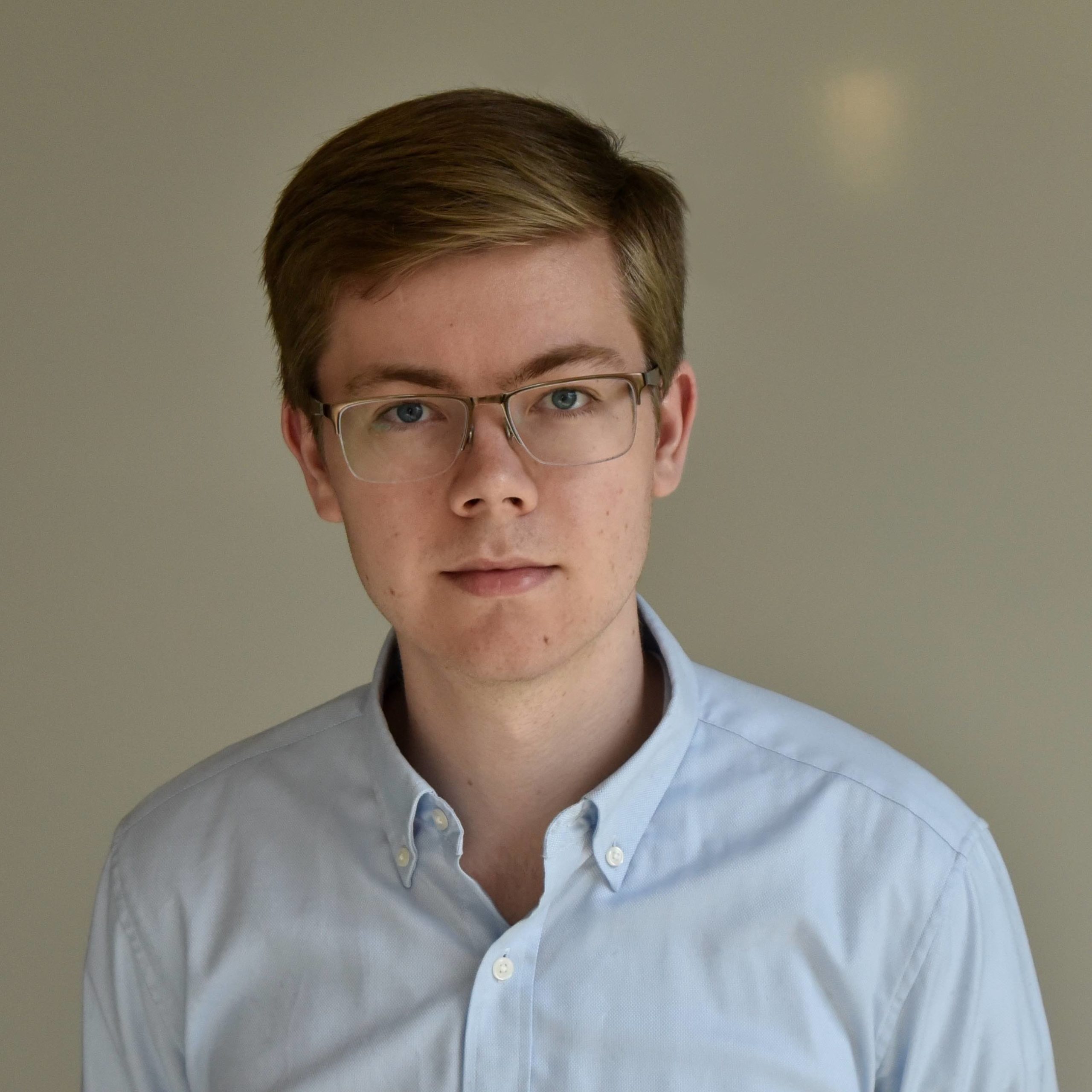
Connor Coley is the Henri Slezynger (1957) Career Development Assistant Professor at the Massachusetts Institute of Technology (MIT) School of Engineering. His research bridges chemistry and machine learning, focusing on autonomous molecular discovery, predictive chemistry, and laboratory automation. Education: Ph.D., MIT (2019) M.S.CEP., MIT (2016) B.S., Caltech (2014) Research Interests: Dr. Coley’s work centers on domain-informed machine learning for chemistry, computer-aided molecular design, and autonomous laboratories. Key themes include predictive modeling of chemical reactivity, optimization of synthesis pathways, and integration of AI with experimental data for drug discovery and materials science. Publications: His recent articles highlight advancements in AI-driven reaction prediction, molecular representation learning, and laboratory automation. Trends include applications of Bayesian optimization, contrastive learning, and diffusion models to chemical discovery. Scientific Awards: Camille Dreyfus Teacher-Scholar Award (2025) James W. Swan Outstanding Faculty (2025) Schmidt Futures AI2050 Early Career Fellow (2022) NSF CAREER Award (2021) Forbes 30 Under 30: Healthcare (2019) Software & Tools: He leads the open-source ASKCOS software suite for synthesis planning, adopted by 35,000+ chemists and deployed at 15+ pharmaceutical companies. His team also develops tools for metabolomics and molecular representation learning.
Virgil Percec is the P. Roy Vagelos Professor of Chemistry at the University of Pennsylvania, affiliated with the School of Arts & Sciences and the Department of Chemistry. His research focuses on organic, supramolecular, and macromolecular chemistry, with an emphasis on self-assembly, drug delivery systems, and biomimetic nanosystems. He holds a B.S. and Ph.D. from institutions in Jassy, Romania, and conducted postdoctoral research at the University of Freiburg and the University of Akron. Research Interests: Percec’s work integrates synthetic methods, catalysis, and structural biology to design functional nanosystems. Key areas include hierarchical folding, supramolecular chirality, and synthetic mimics of biological membranes. His lab explores mRNA delivery systems using Janus dendrimers and studies self-organized structures like helical columns and quasicrystals. Recent Articles: His recent publications highlight advancements in mRNA delivery mechanisms, supramolecular architectures, and polymer synthesis innovations. The group’s work often involves interdisciplinary collaborations, bridging chemistry, materials science, and bioengineering. Awards: Percec was elected a Foreign Member of the Academia Europaea (2020) and delivered the inaugural ACS Kavli Lecture (2011). His lab has trained numerous students and postdocs, including Juncheng Lu (Master’s Capstone Award recipient) and Devendra Maurya (SET-LRP research). Labs & Teams: The Percec Research Laboratory at Penn develops cutting-edge biomaterials and supramolecular systems. The group collaborates globally, with projects funded by grants exploring nanotechnology and drug delivery.
Dr. Julie N.L. Albert is an Assistant Professor in the Department of Chemical and Biomolecular Engineering at Tulane University, holding the Robert and Gayle Longmire Early Career Professorship. She is affiliated with the School of Science and Engineering and serves as co-director of the SMART REU NSF-funded program. Her research focuses on engineering nano- and micro-structured polymeric materials for energy, health, and environmental applications, emphasizing self-assembly processes in block copolymers and polymer blends. Key areas include nanoporous membranes, biocompatible surfaces, and stimuli-responsive materials. Dr. Albert earned her B.S. in Chemical Engineering from the University of Florida (2005) and her Ph.D. from the University of Delaware (2012). She conducted postdoctoral research at North Carolina State University. Her work has been supported by prestigious grants, including the NSF CAREER Award and a Gulf Research Program Fellowship. Her research group explores topics like polymer crystallization, polyorganosiloxanes, and block copolymer architectures. Notable achievements include developing methods for controlling polymer morphology via solvent vapor annealing and surface chemistry gradients. She advises numerous graduate and undergraduate students and mentors organizations like the Society of Women Engineers. Education: B.S., Chemical Engineering, University of Florida, 2005 Ph.D., Chemical Engineering, University of Delaware, 2012 Research Interests: Self-assembly of block copolymers, nanoporous membranes, biocompatible materials, and energy applications. Awards: NSF Graduate Research Fellowship, Gulf Research Program Early-Career Fellowship, AIChE Travel Award. Dr. Albert’s lab houses advanced facilities such as AFM, spectral reflectometry, and GPC, enabling cutting-edge polymer characterization. Her contributions bridge polymer science, materials engineering, and environmental sustainability, addressing challenges in energy recovery and biomedical technologies.
Atul N. Parikh is a Professor in the Departments of Biomedical Engineering and Materials Science and Engineering at the University of California Davis. His work bridges physical and biological sciences, focusing on understanding cellular mechanisms and designing bio-inspired synthetic materials. Key research areas include membrane dynamics, phase separation in vesicles, and the creation of synthetic protocells to explore life's fundamental processes. Education details are not explicitly provided in the text. His research emphasizes far-from-equilibrium systems and non-equilibrium self-assembly, aiming to develop materials capable of complex functions like memory and self-repair. Recent studies explore lipid phase separation, osmotic stress responses, and surfactant-mediated membrane modulations. Notable projects include the development of lipid nanoconstructs for drug delivery, osmo-regulated vesicle systems, and understanding microbial membrane interactions. His work has applications in biomedical engineering, material science, and synthetic biology. Lab activities focus on experimental approaches combining microscopy, biophysical characterization, and synthetic material fabrication. Collaborative efforts involve interdisciplinary teams addressing challenges in membrane biology and functional materials design.
Prof. Dr. Andreas Hirsch is a Professor in the Department of Chemistry and Pharmacy at Friedrich-Alexander University Erlangen-Nürnberg (FAU) . His research focuses on organic chemistry , graphene functionalization , carbon nanomaterials , and molecular solar thermal systems , with significant contributions to 2D material engineering and supramolecular chemistry . Chair of Organic Chemistry II (FAU Erlangen-Nürnberg) ResearchGate: Profile Google Scholar: Profile His work spans graphene patterning via laser writing , black phosphorus stabilization using perylenediimides , and covalent functionalization of 2D materials like MoS 2 and carbon nanotubes . Recent studies include non-covalent passivation of BP nanosheets and electroswitchable catalysis for solar thermal energy storage . His scientific awards include the Second Place Poster Award (2023) and Robert C. Haddon Research Award (2021) . Collaborative projects highlight smart nanoparticle systems for radiation therapy and environmental remediation applications.
Professor Hanadi Sleiman is a renowned academic in the Department of Chemistry at McGill University, specializing in DNA-based nanomaterials and their applications in drug delivery and supramolecular chemistry. She holds leadership roles, including Director of the NSERC CREATE training program in Nucleic Acids and President of the International DNA Nanotechnology Society (ISNSCE). Her research focuses on engineering DNA nanostructures for targeted therapies, such as cancer treatments, and advancing materials chemistry through DNA-functionalized systems. Education: Ph.D. in Chemistry, Stanford University (1990) Postdoctoral Fellow, University of Louis Pasteur (1993) Research Interests: Professor Sleiman’s work combines synthetic chemistry with DNA self-assembly to create programmable materials. Her lab designs DNA cages for drug encapsulation, explores DNA-minimal approaches to scalable materials, and integrates DNA with nanoparticles, polymers, and metals for biomedical applications. Key areas include cancer therapy, biosensors, and enzyme mimics. Awards & Honors: Fellow of the Royal Society of Canada (2017) Killam Research Fellowship (2018) R. U. Lemieux Award in Organic Chemistry (2018) William Dawson Scholar Award (2004–2012) Grants & Collaborations: She directs the NSERC CREATE program and collaborates with institutions like the Quebec Centre for Advanced Materials (QCAM) and the McGill Centre for Structural Biology (CRBS). Her training initiatives emphasize nucleic acid therapeutics and diagnostics. Labs & Teams: Her Sleiman Group at McGill develops innovative DNA architectures in the Otto Maass laboratory, with a focus on translational research for clinical applications.
Henry Liang, Ph.D., is a Professor in the Department of Cell Physiology and Molecular Biophysics at Texas Tech University Health Sciences Center (TTUHSC), with adjunct appointments in Chemical Engineering and Chemistry at Texas Tech University. His lab focuses on bridging biology with synthetic systems through membrane biophysics and bioengineering. Research Interests: Dr. Liang's work spans membrane protein reconstitution, nanodisc technology, antimicrobial nanoparticles, blood-brain barrier targeting, and immunotherapy platforms. Key areas include: Design of synthetic proteomembranes for protein function studies Development of environmentally responsive nanoantibiotics Nanoparticle-based theranostic systems for cancer Light-driven energy transduction in biohybrid materials Publication Trends: His 15 most recent articles (2011-2023) demonstrate consistent focus on nanotechnology solutions for biomedical challenges, with evolving emphasis on antimicrobial nanostructures (35%), membrane protein platforms (30%), cancer nanomedicine (20%), and sustainable nanomaterials (15%). Methodological strengths include polymer synthesis, X-ray scattering, and biomimetic system design. Training: The Liang Lab actively recruits graduate students and postdoctoral researchers for projects in membrane biophysics and bioengineering. Current research infrastructure includes capabilities for synchrotron small-angle X-ray scattering, molecular dynamics simulations, and nanomaterial characterization.
Roshan Gunasekara serves as an Assistant Professor in the Department of Neurology at Yale School of Medicine, where he leads the Gunasekara Lab and collaborates with the Grutzendler Lab. His academic journey includes a PhD in Organic Chemistry from Iowa State University (2016) and undergraduate studies in Chemistry at the University of Peradeniya (2010). Dr. Gunasekara's research focuses on molecular recognition in aqueous environments, with particular expertise in designing synthetic receptors for carbohydrates, peptides, and lipids. His work bridges organic chemistry, nanotechnology, and neuroscience applications, developing innovative tools for molecular sensing and isolation. Key research areas include water-soluble fluorescent foldamers, cooperatively enhanced receptors, and nanoparticle-based systems for biomolecular recognition. His publication record demonstrates consistent high-impact contributions to the fields of supramolecular chemistry and molecular recognition, with numerous articles in prestigious journals including Journal of the American Chemical Society and Chemical Communications. His research shows a clear progression from fundamental molecular recognition principles to applications in extracellular vesicle isolation and neuroscientific contexts. Yale Center for Clinical Investigation Award (2019) The Alpha Chi Sigma Research Award (2016) Graduate Research Symposium Award (2015) Frank J. Moore and Thoreen Beth Moore Fellowship Award (2015) Dr. Gunasekara maintains active research collaborations with prominent scientists including Frederic Pincet, Sathish Ramakrishnan, and Themis Kyriakides. His work has significant implications for diagnostic tools, drug delivery systems, and fundamental understanding of molecular interactions in biological systems.
Paolo Samorì is a full-time Professor at the Université de Strasbourg , where he serves as Director of the Nanochemistry Laboratory and Emeritus Director of the Institut de Science et d'Ingénierie Supramoléculaires (ISIS) . He is affiliated with multiple prestigious academies, including the German National Academy of Science and Engineering (ACATECH) , Royal Society of Chemistry (FRSC) , and European Academy of Sciences (EURASC) . Education: Laurea (MSc) in Industrial Chemistry (University of Bologna, 1995), PhD in Chemistry (Humboldt University Berlin, 2000, summa cum laude). His research focuses on Nanochemistry , 2D materials , and supramolecular systems at interfaces , with applications in organic electronics , optoelectronics , and sensing . He pioneered methods for scanning probe microscopies and photoresponsive nanodevices , including graphene-based systems and diarylethene molecular switches. His scientific awards include the ERC Advanced Grant (2019) , Blaise Pascal Medal (2018) , and Catalán-Sabatier Prize (2017) , among 20+ honors. He has trained over 130 students and researchers , including 34 professors now active globally.
Ayse Asatekin is an Associate Professor and Steve and Kristen Remondi Fellow in the Department of Chemical and Biological Engineering at Tufts University School of Engineering. She specializes in developing novel membranes and polymers for water treatment, separations, and biomedical applications. Her research focuses on fouling-resistant membranes, self-assembling polymers, and energy-efficient filtration systems. She holds a Ph.D. from MIT and has co-founded Clean Membranes, Inc., and serves as Senior Scientific Advisor for ZwitterCo, Inc. Education: Ph.D., Chemical Engineering, MIT (2009) B.S., Chemical Engineering & Chemistry, Middle East Technical University (2002/2003) Affiliations: Co-founder of Clean Membranes, Inc. Senior Scientific Advisor at ZwitterCo, Inc. Research Interests: Design of anti-fouling membranes, zwitterionic polymers, surface chemistry, water treatment, and energy-efficient separations. Key innovations include fouling-resistant zwitterionic copolymers and scalable membrane fabrication techniques. Grants & Awards: Multiple NSF grants, DOE funding, NIH support, and the National Academy of Inventors Senior Member distinction. Her work addresses global challenges in clean water, wastewater treatment, and sustainable manufacturing. Teaching: Core courses in Thermodynamics, Separations, and polymer science electives. Committed to fostering student engagement through interdisciplinary projects and active learning. Labs/Teams: Leads the Smart Polymers, Membranes, and Separations Lab at Tufts, collaborating on biomaterials, microfluidics, and environmental engineering projects.
Lan Guan is a Professor at Texas Tech University Health Sciences Center in the Department of Cell Physiology and Molecular Biophysics within the School of Medicine. He also serves as Co-Director of the Center for Membrane Protein Research. His research focuses on membrane proteins, which constitute approximately 30% of all eukaryotic proteins and play crucial roles in many aspects of cell function. Dr. Guan's research seeks to understand the mechanisms of solute transport and lay the foundation for advances in disease treatment and human health. He employs an integrated approach including cryo-EM single-particle analysis, X-ray crystallography, ligand binding, molecular dynamics simulations, thermodynamics, genetic engineering, novel amphiphiles, and many other biochemical & biophysical analyses. His current research focuses on cation-coupled bacterial and human transporters. Dr. Guan is currently supported by an NIGMS MIRA R35 Award (2024). His publication record demonstrates expertise in membrane protein structure and function, particularly with melibiose transporters (MelB) and their mechanisms. His work spans structural biology, biochemistry, and biophysics, with significant contributions to understanding membrane transport mechanisms. His research has led to important insights into membrane protein structure-function relationships, particularly in sugar transporters. Dr. Guan's work has implications for understanding fundamental biological processes and potential therapeutic applications related to membrane transport. NIGMS MIRA R35 Award 2024 Dr. Guan actively collaborates with researchers across disciplines and institutions, as evidenced by his extensive publication record with numerous co-authors. His work bridges structural biology, biochemistry, and biophysics to advance our understanding of membrane protein function. He is affiliated with the Center for Membrane Protein Research, where he contributes to advancing methodologies for studying these challenging but critically important biological molecules. His work on novel amphiphiles and detergent design has helped overcome technical barriers in membrane protein research.
Dr. Ed E. Moret is an Associate Professor of Computational Medicinal Chemistry at Utrecht University, where he serves as Managing Director of the Utrecht Institute for Pharmaceutical Sciences. He is a member of the Departmental Executive Board and Chair of the Board of Examiners of the School of Pharmacy. His academic career spans over three decades with significant contributions to pharmaceutical sciences. Utrecht University, Utrecht Institute for Pharmaceutical Sciences School of Pharmacy, Department of Chemical Biology and Drug Discovery Managing Director since January 2010 Dr. Moret's educational background includes completing Gymnasium-b at Gymnasium Camphusianum in Gorinchem in 1979, followed by pharmacy studies at Utrecht University until 1988. He earned his PhD in 1993 with research on calculations and simulations of DNA-alkylating cytostatics under supervision of Prof. L.H.M. Janssen and Prof. J.P.A.E. Tollenaere. He also conducted postdoctoral research at the Scripps Research Institute with Prof. A.J. Olson. His primary research interests focus on molecular recognition, particularly in auto-immune diseases, with expertise spanning computational medicinal chemistry, computer-aided drug discovery, cheminformatics, and bioinformatics. Dr. Moret's work bridges the gap between theoretical calculations and experimental validation in drug design. His research portfolio demonstrates a consistent trajectory from fundamental molecular interactions to applied drug discovery, with particular emphasis on enzyme inhibitors, carbohydrate-protein interactions, and molecular recognition processes. Analysis of his publication record reveals a strong focus on structure-based drug design, with significant contributions to the development of inhibitors for enzymes like β-glucocerebrosidase, NNMT, and neuraminidase. His work spans multiple therapeutic areas including lysosomal storage disorders, cancer metabolism, and infectious diseases. The interdisciplinary nature of his research is evident in the integration of computational approaches with experimental validation across biochemistry, pharmacology, and medicinal chemistry. Teacher of the Year (awarded three times by Pharmacy students) Member of editorial boards for Medicines and Conceptuur journals Secretary of Board of FIGON (2016) Secretary of Raad voor de Farmaceutische Wetenschappen (2024) Member of Board of Stichting Farmaceutische Erfgoed (2024) Dr. Moret has been actively involved in educational innovation, developing and coordinating the master's programme Drug Innovation, the profile Drug Regulatory Sciences, and the Honours programme Pharmaceutical Sciences. He has taught courses for pharmacy, chemistry, UCU and medical sciences students, as well as PhD courses in bioinformatics and computer-aided drug discovery. His educational contributions include developing an inquiry-based elective course on drug discovery, for which he published educational research. He holds BKO and SKO teaching qualifications and participated in the Centre of Excellence in University Teaching program. As Managing Director of the Utrecht Institute for Pharmaceutical Sciences, Dr. Moret leads research initiatives across chemical biology, drug discovery, and pharmaceutical sciences. His leadership extends to multiple advisory and editorial roles within the pharmaceutical research community, reflecting his significant contributions to both academic and professional spheres of pharmaceutical sciences.
J. Ilja Siepmann is a Distinguished McKnight University Professor and Distinguished University Teaching Professor at the University of Minnesota's Department of Chemistry, with affiliations spanning Chemical Engineering, Materials Science, and Data Science. His research integrates molecular simulations, force field development, and machine learning to study adsorption phenomena, phase equilibria, polymer chemistry, and nanoporous materials. Education: Undergraduate: University of Freiburg, Germany (1983-1987) Graduate: University of Cambridge, UK (PhD, 1988-1991) Post-doctoral: IBM Zurich Research Lab, Koninklijke/Shell Lab, and University of Pennsylvania (1991-1994) Research interests focus on chemical theory, materials genomics, and environmental chemistry, with emphasis on energy-efficient separations, nanostructured materials, and sustainable chemical processes. Computational methods like Monte Carlo algorithms and machine learning underpin his investigations into fluid interfaces, nucleation, and catalytic systems. Recent publications emphasize adsorption thermodynamics, molecular simulations of complex fluids, data-driven materials discovery, and polymer self-assembly. Trends include integration of machine learning with molecular modeling, nanoporous materials for clean energy, and phase behavior of refrigerants. Awards: Distinguished McKnight University Professor Distinguished University Teaching Professor Advises graduate and undergraduate researchers in computational chemistry projects. Leads the Siepmann Group at Kolthoff Hall, part of the Chemical Theory Center and Nanoporous Materials Genome Center. Research funded through MURI and industry partnerships.
Sami Hietala serves as a Senior Lecturer at the Department of Chemistry, University of Helsinki. He holds a Docent title in the same department and acts as a supervisor for doctoral programmes in Chemistry and Molecular Sciences, as well as Materials Research and Nanosciences. University: University of Helsinki Department: Department of Chemistry Academic Rank: Senior Lecturer His research focuses on polymers, microgels, and responsive materials. Key projects include Functional Microgels, Multiresponsive Polymers, and Hydro- and Organogels. He collaborates internationally on polymer science and nanotechnologies, with extensive outputs in pharmaceutical and food hydrocolloids. Recent publications highlight innovations in lignin nanoparticle interfacial behavior (2025), amniotic stem cell hydrogels (2025), and oleogel systems (2025). Earlier works (2024) emphasize lignin adsorption dynamics and polysaccharide characterization. Scientific Awards: Teaching Award (2007) Karl Clason Rheology Award (2022) Hietala has organized Nordic Polymer Days (2024) and served on doctoral thesis committees. His ORCID (0000-0003-1448-1813) and contact details are publicly listed.
Bradley Nilsson is a Professor of Chemistry at the University of Rochester, Department of Chemistry. He leads the Nilsson Group, focusing on peptide self-assembly, amyloid structures, and their applications in biomedicine and materials science. His work bridges organic, biological, and materials chemistry, with notable contributions to amyloid-inspired hydrogels and HIV transmission mechanisms. He received the 2016 Goergen Award for Excellence in Teaching and the 2012 NSF CAREER Award. Education: PhD in Organic Chemistry (2003, University of Wisconsin-Madison), postdoctoral research at UC Irvine. He joined Rochester in 2006. Research interests include molecular recognition in amyloid peptides, SEVI fibrils' role in HIV transmission, and hydrogel development for tissue engineering. His lab has pioneered studies on stimulus-responsive self-assembly and co-assembly of peptides. Key achievements include the reductive trigger for peptide hydrogelation (JACS 2010), and NIH-funded work on anti-HIV microbicides. Current projects explore amyloid-β oligomer toxicity, SEVI mechanisms, and functional biomaterials from simple amino acid derivatives. Lab members include graduate students Elena Quigley, Melissa Jagrosse, Francine Yanchik, Hannah Distaffen, and Chris Jones. The lab collaborates on interdisciplinary projects funded through NIH and NSF grants.