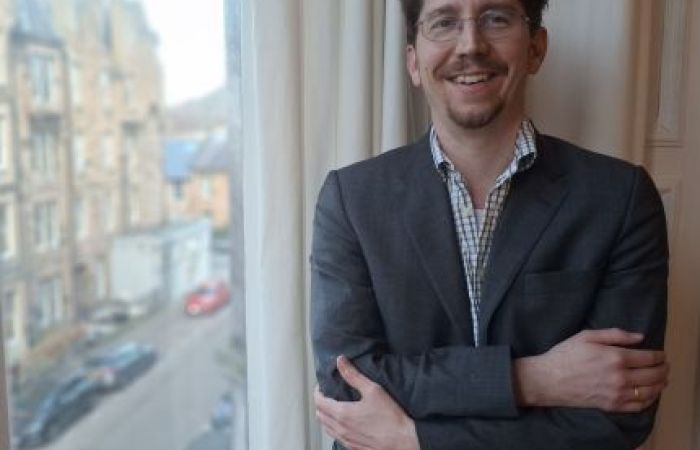
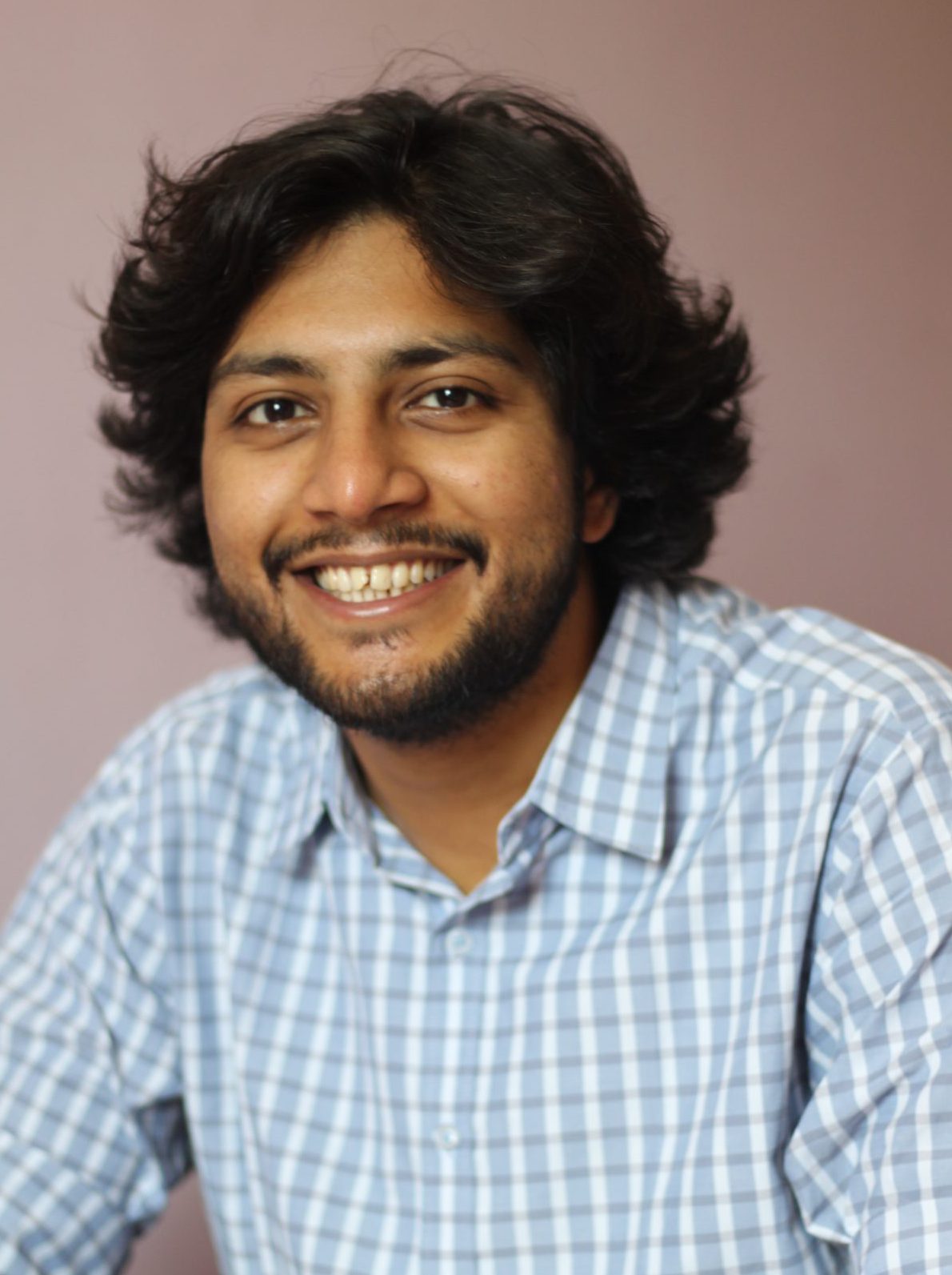
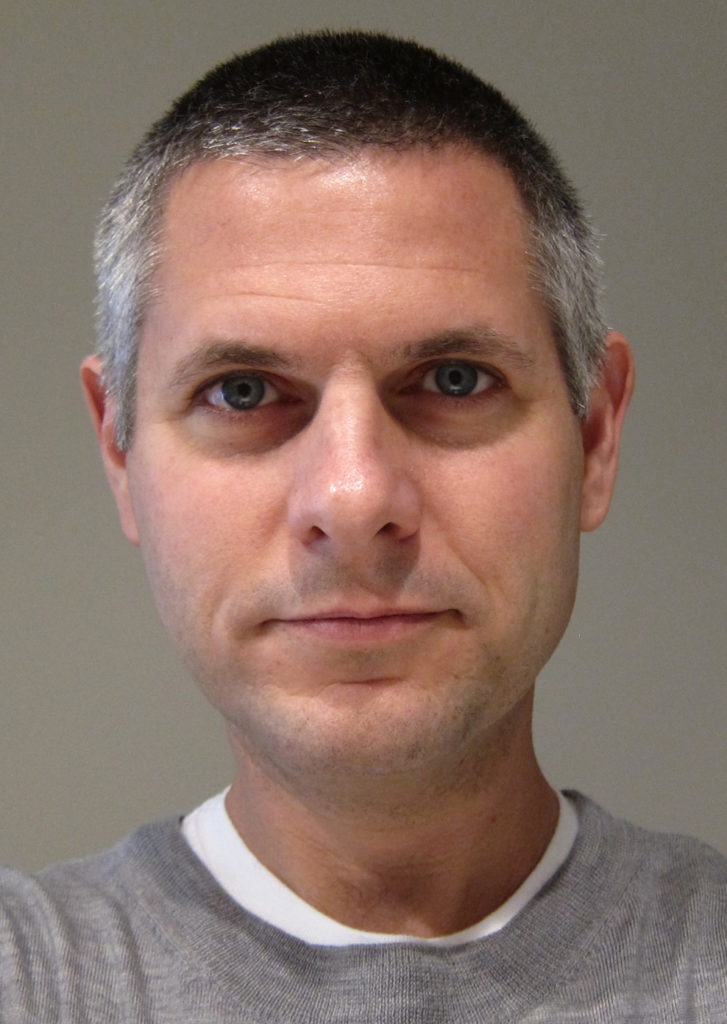
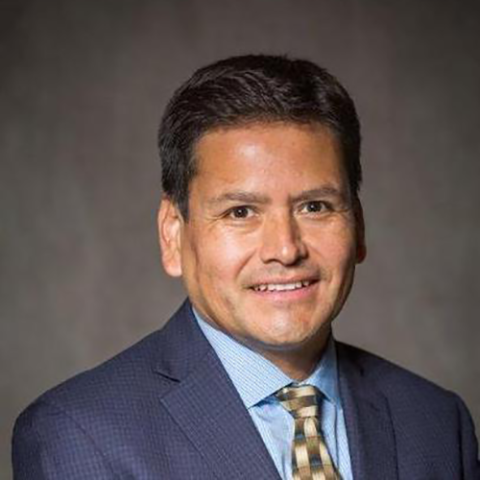
Jarrod Ray Hore is a Scientia Lecturer in the School of Humanities & Languages at the University of New South Wales (UNSW), Sydney, and Co-Director of the New Earth Histories Research Program. His work explores environmental history, settler colonialism, and the intersections of science, geology, and cultural landscapes. Hore’s research focuses on landscape photography’s role in shaping colonial projects, earthquake geology, and the logistics of the natural history trade. He has published widely in journals like the Pacific Historical Review and Australian Historical Studies, and his award-winning book *Visions of Nature* (2022) examines how photography reinforced settler territoriality. His research interests span environmental history, transnational history, the history of science, and colonial studies. Key areas include the history of settler colonialism in Australia, New Zealand, and North America, as well as the cultural and scientific dimensions of geological exploration. Hore actively supervises HDR and honours students in environmental history, colonial history, and the history of photography. His awards include the Marilyn Lake Prize (2023) and Donna Coates Prize (2022), with shortlist recognitions for prestigious history awards. Beyond academia, he teaches courses like *A House Divided: The Making of Modern America* (ARTS2150), emphasizing U.S. histories of race, class, and global engagement. Hore’s work bridges environmental humanities and colonial studies, analyzing how visual and scientific practices reinforced imperial and settler agendas. His current projects explore the material and logistical networks underpinning natural history collections and the epistemologies of colonial geology.
University of California, Los AngelesUnited States
Sanjay Subrahmanyam is Distinguished Professor of History and Irving & Jean Stone Endowed Chair in Social Sciences at UCLA's Department of History. A globally recognized historian of the early modern period (15th-18th centuries), he previously held prestigious positions at the Collège de France (2013-2021), University of Oxford (2002-2004), and Ecole des Hautes Etudes en Sciences Sociales in Paris (1995-2002). He founded UCLA's Center for India and South Asia (2005-2011) and maintains significant academic engagement in France through media appearances and lectures. His educational background includes: M.A. in Economics (First Rank with Gold Medal), Delhi School of Economics (1982) Ph.D. in Economic History, Delhi School of Economics (1987) Honorary D.Litt., University of Calcutta (2015) Doctorat honoris causa, Université catholique de Louvain (2017) Subrahmanyam's research revolutionized global historical methodology through his pioneering concept of 'connected histories,' which challenges Eurocentric periodization and emphasizes horizontal connections across regions. His work spans South Asian political culture, Indian Ocean trade networks, Iberian imperial systems, and Mughal court dynamics, consistently integrating multilingual archives and visual sources. He demonstrates exceptional mastery in synthesizing Portuguese, Spanish, Persian, Tamil, and Sanskrit materials to reconstruct non-Western perspectives on early modern globalization. His recent publications reveal intensified focus on transcultural encounters, maritime archaeology, and the material dimensions of empire. Works like Across the Green Sea (2024) and Mirrors of Empire (2026) showcase his shift toward analyzing ego-documents and visual culture to explore identity formation in frontier zones. The consistent thread remains his critique of civilizational boundaries and emphasis on fluid cultural exchanges across the Indian Ocean world. His scientific recognition includes: Infosys Humanities Prize (2012) Dan David Prize for History (2019) Prix International de l'Histoire (2020) Fellowship in American Academy of Arts and Sciences (2009) Corresponding Fellowship in British Academy (2016) Guggenheim Fellowship (2011-12) Subrahmanyam has mentored nine doctoral students to completion, maintaining active collaborations with Muzaffar Alam (University of Chicago), Velcheru Narayana Rao (University of Wisconsin), and David Shulman (Hebrew University). His editorial leadership includes co-editing The Cambridge World History (2015) and serving over a decade as Joint Managing Editor of the Indian Economic and Social History Review . He currently directs major international projects on Indo-Persian travel writing and Mughal intellectual networks. Though not leading a traditional laboratory, he coordinates the 'Connected Histories' research initiative across UCLA, Collège de France, and University of Chicago, fostering interdisciplinary teams examining early modern knowledge circulation. His public engagement includes regular contributions to French media (France 24, France Info) and curated exhibitions like the Codex Casanatense project.
Aaron Kappeler is a Lecturer in Anthropology of Development at the University of Edinburgh's School of Social and Political Science, Department of Social Anthropology. He teaches core courses in the MSc International Development program and MA Social Anthropology, including Anthropology and Environment and Social Development. Education: PhD, University of Toronto Graduate studies, University of Heidelberg and University of Leipzig Undergraduate, University of Arizona Research Focus: Kappeler specializes in Latin American political economy with emphasis on agricultural development , petro-populism , and rural livelihoods . His fifteen-year ethnographic fieldwork in Venezuela examines state enterprises, agrarian reform under Chávez, and the interplay of race, nature, and capital in socialist policy implementation. Current work analyzes oil rent redistribution mechanisms. Publication Trends: Recent scholarship (2021-2025) reveals consistent focus on Venezuelan political economy , bridging anthropology and political science . Key themes include petro-populism's impact on rural cooperatives (2024), racialized sovereignty production (2023), and neo-structural socialism in state enterprises (2025). His work critically engages with dependency theory while documenting grassroots responses to resource nationalism. Scientific Awards: None documented in source material. Academic Supervision: Kappeler annually supervises MSc dissertations in International Development and MA dissertations in Social Anthropology. He has served as Director of Admissions for graduate development programs and coordinates departmental open-day events.
Fahad Ahmad Bishara is an Associate Professor at the University of Virginia , specializing in the economic and legal history of the Indian Ocean and Islamic world . His work bridges global capitalism, international law, and historical narratives of mobility. Key Books: A Sea of Debt (Cambridge, 2017) and Monsoon Voyagers (UC Press, forthcoming) Awards: Hurst Prize, Jerry Bentley Prize, Peter Gonville Stein Book Award Research Focus: Explores debt, legal systems, and trade through microhistories of ships and merchant families, with recent interests in narrative scales and conceptualizations of law in global history. Academic Collaborations: Co-authored works with Nandini Chatterjee, Hollian Wint, and others, emphasizing Persianate and Indian Ocean interconnections. Scientific Awards: J. Willard Hurst Prize (Law and Society Association) Jerry Bentley Prize (World History Association) Peter Gonville Stein Book Award (American Society for Legal History)
Dr. Clara Dawson is Senior Lecturer in Victorian Literature at the University of Manchester, specializing in nineteenth-century poetry and environmental humanities. Her research examines poetry within print culture contexts and explores intersections between literature and environmental studies, particularly avian poetics. Research interests include: Victorian and Romantic poetry Gift annuals and print culture Literature-environment connections Avian representation in poetry Her recent publications analyze poetry in gift annuals and avian representation in nineteenth-century literature. Dr. Dawson collaborates with Cheshire Wildlife Trust on projects combining poetry and conservation science, exploring ethical dimensions of bird-human relationships.
University of California , Santa Barbara (UCSB)United States
Utathya Chattopadhyaya is an Assistant Professor in the Department of History at the University of California, Santa Barbara, specializing in Modern South Asian and British Imperial History with intersecting interests in the Indian Ocean World, Global History, and Commodity History. His research combines critical materialist and anti-imperial frameworks to analyze colonial agrarian frontiers, intoxicant commodities, and social dynamics of caste, class, and gender. He teaches undergraduate and graduate courses including commodity histories, South Asian public culture, and historical methods. Ph.D., University of Illinois, Urbana-Champaign (2018) His recent publications focus on cannabis regulation, colonial political economy, and multispecies entanglements in imperial contexts. He has received prestigious fellowships from the American Council of Learned Societies, UC Humanities Division, and the Mellon Foundation. Chattopadhyaya co-teaches interdisciplinary courses on topics such as race, colonialism, and cannabis history, contributing to emerging scholarship in Science, Technology, and Society (STS) and decolonial studies. Chattopadhyaya's research clusters around British imperialism's material impacts, particularly in eastern Bengal's agrarian transformations and intoxicant commodity systems. His work synthesizes historical methods with critical plant studies and gender analysis, producing innovative insights into colonial governance and resistance. He actively engages with graduate students in comparative history and Indian Ocean World studies. "Ganja and the Godhead" (2024) - Colonial cosmologies and cannabis "Colonial Capitalism" (2024) - Economic structures of empire "Bodies that Cohere" (2023) - Gender analysis in colonial contexts Key awards include the Margaret T. Getman Service to Students Award (2024), Regents Humanities Fellowship (2022-23), and ACLS Fellowship (2021-22). His scholarly activities intersect with research clusters in Science, Technology and Society; Race, Blackness and Abolition; and Global Antiquity.
Michael Stamm is Chairperson and Professor in the Department of History at Michigan State University, within the College of Social Science. His research focuses on media and journalism history, with specialties in cultural, political, and environmental history. He has authored influential books like Sound Business (2011) and Dead Tree Media (2018), which explore the material and economic dimensions of print media. His work bridges media studies with environmental history, examining global commodity chains and the geopolitical impact of newsprint production. Stamm’s research has been recognized with awards including the Canadian Business History Association’s Best Book Prize (2019) and the Richard E. Sullivan Teaching Excellence Award (2022). He leads courses on North American history, media, business, and environmental history. From 2017–2020, he directed MSU’s participation in the American Historical Association’s Career Diversity initiative, fostering innovative historian training. His recent projects expand into international media comparisons and digital-age publishing challenges. Stamm’s academic profile combines rigorous historical scholarship with interdisciplinary engagement, reflecting his dual role as a researcher and educator.
Moisés Arce is a Professor and the Scott and Marjorie Cowen Chair in Latin American Social Sciences at Tulane University's Department of Political Science, School of Liberal Arts. He holds a Ph.D. in Political Science from the University of New Mexico (2000), with prior academic roles at the University of Missouri and Louisiana State University. His research focuses on environmental politics, conflict processes, democratic governance, and comparative political economy, with a regional emphasis on Latin America. He has conducted fieldwork in Peru, Argentina, Bolivia, and South Africa. Education: Ph.D., Political Science, University of New Mexico, 2000 M.A., Political Science, University of New Mexico, 1995 B.A., Political Science, Indiana University, South Bend, 1992 Research Interests: Arce examines the interplay between resource extraction, environmental governance, and social mobilization. His work analyzes protest dynamics, democratic institutions, and the political economy of development in Latin America. Key themes include artisanal mining conflicts, legislative authoritarianism, and the socio-environmental impacts of extractive industries. Awards: He received the Shared Governance Award (2017-2018) from the University of Missouri Faculty Council and the Award for Excellence in Political Science (1992) from Indiana University. His research is funded by the National Science Foundation and the Social Science Research Council. Advising & Grants: While specific student names are not listed, Arce has advised on projects related to resource conflicts and democratic governance. His grants include NSF-funded studies on environmental politics and protest dynamics. Affiliations: Arce is affiliated with the Stone Center for Latin American Studies, the Center for Inter-American Policy and Research (CIPR), and served as a Visiting Fulbright Lecturer at Peru's Pontificia Universidad Católica and Visiting Professor at the University of Tokyo's Department of Area Studies.
Joel Wolfe is a Professor of History at the University of Massachusetts Amherst, based in Herter Hall. He holds a B.S. from Georgetown University, an M.A. in Latin American Studies from the University of New Mexico, and a Ph.D. in History from the University of Wisconsin–Madison. His research focuses on modern Brazil, Latin American history, and the cultural and political history of baseball and football. Wolfe is the author of three books, including *Working Women, Working Men* (1993) and *Autos and Progress* (2010), with his latest work *Brazil* (2023) examining national history. He is currently writing a book on the history of American football and a project on inter-American trade and culture in the 1920s. Wolfe’s teaching includes courses on modern Latin America, Brazilian history, and the history of baseball and football. His awards include the George R. Brown Prize for Excellence in Teaching (Rice University, 2003–2005) and the Residential First Year Experience Student Choice Award at UMass Amherst. His research integrates themes of labor, modernization, and transnational connections, with a focus on Brazil’s industrialization, populism, and cultural identity. His work bridges economic, social, and cultural history, often exploring how technology, politics, and everyday life shape national narratives. Ongoing projects emphasize the intersection of sport, national identity, and globalization in Latin America and the U.S.
Dr. Adriana Kugler is a Full Professor at Georgetown University’s McCourt School of Public Policy and Economics. She currently serves as Governor of the Federal Reserve Board, on leave from Georgetown since 2023. Previously, she was U.S. Executive Director at the World Bank (2022–2023), Chief Economist at the U.S. Department of Labor (2011–2013), and Vice Provost for Faculty at Georgetown (2013–2016). Her research focuses on labor markets, policy evaluation, and development economics, with notable work on unemployment insurance, immigration, and vocational training. She holds a Ph.D. from UC Berkeley (1997) and a BA from McGill University (1991). Education : Ph.D. in Economics, University of California, Berkeley (1997) B.A. in Economics and Political Science (First Class Honors), McGill University (1991) Research Interests : Dr. Kugler examines the impact of public policies on labor markets, including payroll taxes, employment protections, and unemployment insurance. Her work bridges academia and policy, addressing issues like occupational licensing, immigration, and global development. She has published in top journals such as the American Economic Review and the Journal of Labor Economics. Awards : Chase Award (U.S. Treasury, 2023) 100 Most Influential Women in U.S. Finance (Barrons, 2024–2025) John T. Dunlop Outstanding Scholar Award (2007) Global Development Network First Prize (2010) Grants and Service : She secured NSF grants supporting women in STEM and advised Congress on economic policies. She chairs committees at the National Academies of Science and served on the Bureau of Labor Statistics’ Technical Advisory Committee. Labs/Teams : Founder of the International Summer Institute on Policy Evaluation (2010–2013) and affiliated with multiple research institutes, including NBER and CEPR.
Murat FİDAN serves as an Associate Professor in the Department of Economics at Kastamonu University's Faculty of Economics and Administrative Sciences, where he has been a full-time faculty member since 2020. Previously, he held academic positions at Gaziantep University and Kilis 7 Aralık University, specializing in Ottoman economic history and price dynamics. His career spans over two decades of teaching and research in Turkish higher education. His academic credentials include a PhD in Islamic History and Arts from Ondokuz Mayıs University (2003), a Master's in Islamic Law from İnönü University (1996), and a BA in Theology from Ankara University (1993). His foreign language proficiency includes English (YÖKDİL score 60, 2017). FİDAN's research centers on Ottoman economic structures, with particular expertise in price history, trade relations, and institutional analysis. His work bridges Ottoman history with economic methodology, examining narh (price control) records, guild systems, and international trade dynamics. He has published extensively on Kastamonu's regional economy, Ottoman-Russian commercial relations, and the evolution of monetary systems, contributing significantly to understanding pre-modern economic mechanisms through primary source analysis. His publication portfolio shows consistent output with 43 total works including 19 journal articles, 14 conference papers, 2 books, and 8 book chapters. The research demonstrates chronological depth from 2004 to 2024, with recent focus on waqf (endowment) institutions, comparative economic thought, and Eastern Mediterranean maritime history. Methodologically, he combines archival research with economic analysis, primarily using Ottoman-era price records and customs tariff documents. FİDAN has successfully supervised 13 master's theses focusing on Ottoman economic history, Turkish women's labor participation, and regional price dynamics. His sole research project (2016-2018) examined price movements in Kastamonu between 1673-1806 using narh records. He maintains active collaborations with scholars like Serkan Dilek and Tolga Ulusoy, co-authoring multiple publications on economic history topics.
Kassem Fawaz is an Assistant Professor in the Department of Electrical & Computer Engineering at the University of Wisconsin-Madison. His research focuses on security, privacy, and mobile computing, with applications in social robotics, generative AI, and adversarial machine learning. He teaches graduate-level courses including Advanced Computer Security, Master's Research, and Independent Study in Electrical & Computer Engineering. Education: PhD (2017) and MS (2011) from the University of Michigan, BE (2009) from the American University of Beirut His work addresses challenges in privacy-preserving analytics, model robustness, and ethical AI, leveraging commodity devices for secure systems. Recent publications explore social media algorithms, black-box attacks, and family dynamics in generative AI use. Key scientific awards include the NSF CAREER Award (2020), Caspar Bowden Award (2019), and multiple student travel grants from ACM, PETS, and USENIX. He has supervised graduate research projects and taught core security courses since 2023.
Donald L. Donham is a Distinguished Research Professor in the Department of Anthropology at the University of California, Davis. He holds a Ph.D. in Cultural Anthropology from Stanford University (1979), following earlier degrees in Chemistry from Stanford (M.S., 1969) and Baylor University (B.S., 1967). Before joining UC Davis in 2003, he taught at Stanford and Emory Universities, and held postdoctoral fellowships at Cambridge University's Economics Department and African Studies Centre. His research focuses on power dynamics, economic-cultural interplay, historical methodology, Marxism, narrative theory, violence interpretation, and transcultural gender/sexuality studies. Donham's work emphasizes ethnographic analysis of revolutionary movements (e.g., Ethiopia's 1974 revolution), labor systems in Maale communities, and postcolonial political economies. His award-winning publications include Marxist Modern: An Ethnographic History of the Ethiopian Revolution (1999) and Violence in a Time of Liberation (2011). He has directed Mellon Foundation-funded research on violence and served as editor of American Ethnologist . His students have researched topics ranging from Ethiopian youth culture to Lebanese Shi'i religiosity, South African land politics, and Brazilian sexualities. Donham's academic career spans over five decades, with key roles at major institutions and recognition through fellowships from the Woodrow Wilson Center, UC Humanities Research Institute, and others. His teaching includes courses on cultural anthropology theory, sexualities, and historical methodologies.
Emily Lynn Osborn is an Associate Professor in the Department of History at the University of Chicago, specializing in African history with a focus on precolonial and colonial West Africa. She holds a PhD from Stanford University and a BA from UC Berkeley. Her research explores gender, technology transfer, colonialism, and the Anthropocene in African contexts. Education: PhD in History, Stanford University, 2000 AB, University of California, Berkeley Research Interests: Osborn’s work bridges historical analysis with interdisciplinary themes such as gender and statecraft, technology diffusion, and environmental history. She has published extensively on topics like the role of intermediaries in colonial rule, the cultural significance of color in the Atlantic world, and the Anthropocene in Africa. Her current book project examines artisans and technology transfer in West Africa. Awards and Fellowships: Quantrell Award for Excellence in Teaching (2016) Fulbright IIE and Fulbright-Hays Fellowships American Council of Learned Societies and Social Science Research Council grants Affiliations: Osborn serves as Faculty Director of the Senegal study abroad program and the Social Sciences Postdoctoral Teaching Fellows program. She is affiliated with the Center for Gender and Sexuality Studies, the Pozen Family Center for Human Rights, and the Center for International Social Science Research. Teaching: She teaches courses on African history, gender studies, and the Atlantic world, emphasizing oral history, slavery, and interdisciplinary approaches to the Anthropocene.
Janina Grabs is Professor of Sustainability Research at the University of Basel, where she heads the subject area of Sustainability Research within the Department of Social Sciences at the Faculty of Humanities and Social Sciences. She is responsible for social science teaching in the Master's program in Sustainable Development and leads a research group investigating sustainability governance in global value chains, particularly in tropical agricultural commodities. Her academic background includes a PhD in Political Science from Westfälische Wilhelms-Universität Münster (2018), with research stays at Carleton University in Ottawa and Yale University in New Haven. Prior to her current position since June 1, 2024, she worked as an assistant professor at ESADE Business School in Barcelona (2021-2024) and as a postdoc at ETH Zurich (2019-2021). Professor Grabs' research focuses on transnational sustainability governance in global value chains, examining how states, firms, NGOs and other actors can improve environmental and social sustainability in commodity production. Her interdisciplinary work bridges political economy, regulatory governance, and business in society scholarship to investigate who defines sustainability in the marketplace, what rule-making mechanisms exist, their effectiveness, and potential unintended consequences on smallholders' livelihoods. She places special emphasis on coffee, palm oil, and cocoa sectors, exploring how global production and consumption processes can be steered toward more sustainable directions within market frameworks. Analysis of her recent publications reveals a strong focus on zero-deforestation initiatives, supply chain due diligence legislation (particularly the EU Deforestation Regulation), jurisdictional approaches to sustainable commodity governance, and the evolving role of various actors in sustainability governance. Her work spans multiple commodities but shows particular depth in coffee and palm oil sectors, examining both environmental and social dimensions of sustainability through field research in Colombia, Honduras, Costa Rica and Indonesia. Her significant contributions to the field have been recognized with prestigious awards: 2021 Organizations and the Natural Environment Book Award from the Academy of Management 2022 Lynton Keith Caldwell Award for the best book in the field of science, technology and environmental politics from the American Political Science Association Professor Grabs actively mentors doctoral students and postdoctoral researchers including Alexandra Bögner, Charline Depoorter, Lucia Casalegno, Lesly Nassila, and Philipp Dunker. Her research is supported by multiple third-party funded projects such as EXPECT-AGRI (investigating political economy of expectations in agri-food sustainability transformations), PACSMAC (examining paradoxes of climate-smart coffee production), and research on zero-deforestation commitments in the palm oil sector. She also serves as book review editor for the journal Regulation & Governance and participates in professional associations including the ECPR Standing Group on Regulatory Governance and the International Studies Association. She leads the Sustainability Research Group at the University of Basel, which conducts interdisciplinary research on sustainability governance and transformations toward more sustainable socio-economic systems, with particular focus on agri-food, energy, and mobility sectors while addressing critical questions of justice, equity, and inclusivity in sustainability transitions.