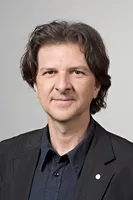
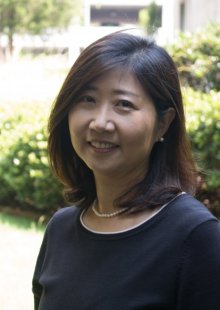
Dr James Herbert-Read is an Associate Professor and Whitten Lecturer in Marine Biology at the Department of Zoology, University of Cambridge. He serves as Deputy Head of Department (Postgraduate Education) and leads the Marine Behavioural Ecology Group. His research focuses on understanding how animals, particularly marine organisms, collect and process information from their environments to make behavioral decisions, with emphasis on social interactions, adaptation mechanisms, and ecological constraints. His group employs theoretical frameworks, controlled experiments, and quantitative field studies to investigate behavioral diversity in marine species. Key themes include collective behavior, predator-prey dynamics, camouflage strategies, and the impacts of environmental stressors on animal decision-making. Recent publications highlight work on lionfish vocalization mechanisms, cuttlefish camouflage, citizen science applications in marine research, and behavioral responses to visual and acoustic noise. Scientific awards and affiliations include: Whitten Lecturer in Marine Biology Associate Professor, University of Cambridge He has supervised research projects on topics such as: Social attraction in invasive fish species Evolution of coordinated movement Neurophysiological basis for leadership in shoals Maternal effects on offspring exploration
State University of New York at BuffaloUnited States
Jun Liu is an Assistant Professor in the Department of Mechanical and Aerospace Engineering at the School of Engineering and Applied Sciences, University at Buffalo. His research focuses on advanced energy materials, nano/micro-mechanics, and self-powered systems, with applications in triboelectric energy harvesting and scanning probe microscopy. Education: PhD, Materials Engineering, University of Alberta (2018) MS, Materials Science, Shanghai University (2015) BE, Materials Science and Engineering, Nanchang University (2012) Research Interests: Development of tribovoltaic and triboelectric systems for self-powered electronics Mechanical energy harvesting via dynamic heterojunctions and Schottky contacts 3D-printed hydrogel structures for energy absorption and flexible electronics Nanoscale characterization using atomic force microscopy Design of nanocomposite sensors and catalytic materials Publication Trends: His work emphasizes triboelectricity, nanoscale energy conversion, and sustainable materials. Recent articles explore bionic tactile sensing, tunable hydrogels, and quantum dynamics in sliding interfaces. Awards: SONY Faculty Innovation Award (2021) Nature Springer MINE Young Scientist Award (2020) International Contest of Applications in Nano/Micro Technology Prize (2013) Laboratory: Advanced Energy Materials and Nanomechanics Lab at University at Buffalo.
Regina Ragan is a Professor in the Department of Materials Science and Engineering at the Samueli School of Engineering, University of California, Irvine. Her research focuses on nanomaterials, self-assembly, and surface-enhanced Raman scattering (SERS) for applications in optical communication, energy systems, and biomedical diagnostics. Education: Ph.D. in Applied Physics, California Institute of Technology, 2002 M.S. in Applied Physics, California Institute of Technology, 1998 B.S. in Materials Science and Engineering, University of California, Los Angeles, 1996 Her work integrates scanning probe microscopy and first-principles calculations to study thermodynamic driving forces in self-assembly and structure-function relationships. Recent publications highlight applications in antimicrobial susceptibility testing, environmental monitoring, and plasmonic device fabrication. The Ragan group develops low-cost diagnostic tools using SERS for telemedicine applications. Current lab members include graduate students and postdoctoral researchers working on nanoscale systems from atomic to mesoscale. Scientific Awards: NSF CAREER Award for fundamental studies of biological/inorganic interfaces Research Trends: Recent articles show a focus on SERS-based diagnostics, plasmonic nanoantennas, machine learning-assisted spectral analysis, and scalable synthesis of 3D graphene architectures. Subfields span quantum plasmonics, stress-activated materials, and biofilm monitoring.
Associate Professor Judy Hart is a materials scientist at the School of Materials Science & Engineering, UNSW Sydney , specializing in the development of semiconducting materials for renewable energy applications. Her work integrates computational (DFT) and experimental approaches to understand composition-property relationships in systems like solid solutions , heterostructures , and doped materials for photocatalysis and solar cells . She leads projects funded by ARC Discovery and Linkage grants , including work on photo-electro-catalysis systems and stabilizing ceramic materials . Education: PhD in Materials Engineering (Monash University, 2007), BEng (Materials) (Monash, 2002) Professional Experience: Senior Lecturer (UNSW, 2017–), Lecturer (UNSW, 2013–2017), University of Bristol (2007–2012) Research Interests Her research focuses on designing materials for renewable energy , particularly photoelectrochemical water splitting and organic oxidation reactions . Key areas include Density Functional Theory (DFT) , defect engineering , band gap tuning , and nanostructured materials . She investigates ferroelectric polarization effects , metal oxide heterostructures , and stability of battery components , with applications in hydrogen production , CO2 conversion , and advanced battery materials . Scientific Awards Ramsay Memorial Fellowship (University of Bristol, 2007–2009) Teaching Contributions She is co-author of the 1st Australian & New Zealand edition of "Materials Science and Engineering: An Introduction" , and teaches courses on computational materials science , corrosion-resistant surfaces , mechanical behavior of metals , and materials design .
Dr. Wanlu Li is an Assistant Professor in the Department of Chemistry and Biochemistry at Montclair State University's College of Science and Mathematics. She holds a PhD from The Graduate Center-City University of New York and conducted postdoctoral research at Columbia University. Her work focuses on developing heteroatom-doped porous carbon materials for applications in sustainable energy and environmental remediation. Education: Bachelor of Science, Binzhou University Doctor of Philosophy, The Graduate Center-City University of New York Research Interests: Design of porous carbon materials for electrochemical CO₂ reduction Biowaste-derived supercapacitor applications Photocatalytic degradation of environmental pollutants Nickel-based catalysts for biomass conversion Her studies emphasize functional group engineering and porosity optimization to enhance material performance in energy storage and environmental remediation. Publications: Dr. Li has published over 20 peer-reviewed articles, with recent work exploring S,N-codoped carbon materials, biowaste-derived composites, and photocatalyst stability under environmental conditions. These studies highlight advancements in sustainable material design and energy conversion technologies. Affiliations: Member of the American Carbon Society, American Chemical Society, and Electrochemical Society. Lab & Teams: Leads the Wanlu Li Group focused on Material Chemistry for Environmental Remediation and Renewable Energy. Her lab investigates advanced carbon-based materials through collaboration with industry and academic partners.
Professor Trystan Watson is a leading expert in thin film printed photovoltaics at Swansea University's Faculty of Science and Engineering, specializing in the commercialization of perovskite solar cells , dye-sensitized solar cells , and CZTS technologies . His research focuses on bridging lab-scale innovations with industrial manufacturing through process optimization and material characterization.
Prof. Ueli K. Heiz is a Professor and Principal Investigator at the Technical University of Munich (TUM), leading the Cluster Catalysis and Advanced Spectroscopy group within the Department of Chemistry. His research focuses on the unique properties of atomic-scale clusters in the non-scalable size regime, exploring their applications in catalysis (nanocatalysis, asymmetric catalysis, photocatalysis) and energy conversion. He develops advanced experimental tools like ECSTM (Electrochemical Scanning Tunneling Microscopy) and UHV (Ultra-High Vacuum) systems for studying cluster dynamics and reactivity. Key research areas include clusters at solid-liquid interfaces, gas-phase cluster kinetics, and ambient pressure photocatalysis. His group investigates how quantum size effects and precise atomic structures influence catalytic performance. Associated with TUM’s Chair of Physical Chemistry , his work bridges fundamental chemistry with practical applications in sustainable energy technologies. The group collaborates with initiatives like the Munich Catalysis Alliance (MuniCat) and operates specialized facilities such as the Magnetron Sputtering Cluster Source and Spectroscopy labs. His research has led to advancements in understanding reaction mechanisms on size-selected clusters, including methane coupling, alcohol photocatalysis, and enantiospecific surface interactions. Funding sources include the Collaborative Research Centre (CRC) and other institutional grants. While no personal awards are explicitly listed, his contributions to catalysis and spectroscopy methodologies are highlighted through high-impact publications in Journal of the American Chemical Society and Angewandte Chemie .
Ramses Martinez is an Assistant Professor in the Department of Industrial Engineering and Biomedical Engineering at Purdue University . He holds a B.A. in Applied Physics from Universidad Autonoma de Madrid (2004) and a Ph.D. in Physics and Materials Science from the Spanish National Research Council (CSIC) in 2009. Prior to joining Purdue, he conducted postdoctoral research in the lab of Prof. George M. Whitesides at Harvard University, focusing on nanofabrication, microfluidics, and soft robotics. Education B.A. in Applied Physics, Universidad Autonoma de Madrid (2004) Ph.D. in Physics and Materials Science, Spanish National Research Council (CSIC) (2009) His research bridges soft robotics , flexible electronics , and nanofabrication , with a focus on creating self-powered e-textiles , omniphobic paper-based devices , and programmable mechanical metamaterials . His work has led to over 25 publications and 9 patents, emphasizing practical applications in health monitoring and industrial automation . Notable projects include waterproof electronic decals for biofluid monitoring, smart bandages for chronic wound detection, and laser nanoforming methods for scalable metallic structures. His research has been recognized through the Fulbright Fellowship and the Marie Curie IOF Grant .
Sungmee Park is a Principal Research Scientist at the School of Materials Science and Engineering at Georgia Institute of Technology. Her work bridges academia and industry, with groundbreaking contributions to smart textiles and wearable technologies. She co-invented the world’s first Wearable Motherboard (Smart Shirt) in 1996, foundational to modern wearables. At Kolon Glotech in South Korea, she developed Printronix printing technology and heating textiles (HeaTex), applied in sports, military, and automotive sectors. She also served as Vice President and Head of Future Strategy at Kolon Corporation, driving innovation in strategic partnerships and new ventures. Her research focuses on electronic textiles, smart fabrics, and wearable biomedical systems, addressing health monitoring, security, and human welfare. With over 30 patents and numerous publications, her work emphasizes translating research into practical applications like low-cost reusable masks and respiratory protection devices. Key collaborations include ongoing projects with Professor Jayaraman on wearable data platforms and Big Data analysis. Dr. Park’s articles highlight advancements in textile-based electronics, wearable healthcare systems, and smart textile manufacturing. She has pioneered methodologies for integrating sensors and communication systems into fabrics, enabling applications from athlete monitoring to SIDS prevention. Her contributions reflect a vision of technology enhancing quality of life through interdisciplinary innovation at the intersection of art, science, and engineering. Notable projects include the Inspiring Journey Exhibit showcasing her work in art-science fusion and strategic leadership in identifying new growth areas for the Kolon Group. Her research continues to drive global impact through sustainable, human-centered technological solutions.
Southern University of Science and Technology (SUSTech)China
Dr. Bai Ziqian is an Assistant Professor in the School of Automation and Intelligent Manufacturing at Southern University of Science and Technology (SUSTech) in Shenzhen, China. Recognized as a Pujiang Scholar and Shenzhen Pengcheng Peacock Talent, she has established herself as a leading researcher at the intersection of wearable technology, textile engineering, and human-computer interaction. Her work bridges technical innovation with practical design applications, focusing on user-centered solutions that enhance human experience through technology integration. Dr. Bai's educational background includes: PhD in Smart Wearable Product Design (2011-2015), Hong Kong Polytechnic University MA in Fashion and Textile Design (2005-2006), Hong Kong Polytechnic University BA in Fashion Design and Engineering (2001-2005), South China Agricultural University Her research spans wearable technology, tangible interactive interfaces, IoTs, ergonomics, functional garments, wearables for healthcare, material innovation, smart home applications, and user-centered design. Dr. Bai has pioneered work in smart wearable fabrics and sensing mechanisms based on flexible materials, with a particular focus on human-computer interaction theory and practice. She has established a research team that has mastered key technologies in smart fabrics, interactive textiles, physiological signal monitoring, and human-computer interaction systems. Her approach consistently emphasizes user-centered design principles, ensuring that technological innovations serve practical human needs while maintaining aesthetic appeal. Dr. Bai's publication record demonstrates a clear evolution from foundational work in photonic textiles toward increasingly sophisticated wearable healthcare and human-computer interaction systems. Her recent publications focus on advanced sensor technologies, energy harvesting for wearables, and sophisticated data analysis for human motion and physiological monitoring. The interdisciplinary nature of her work is evident in publications spanning materials science, biomedical engineering, textile technology, and design methodology, with papers appearing in high-impact journals including Advanced Functional Materials (IF: 19.5), ACS Sensors (IF: 8.9), and Computers in Industry (IF: 10). Dr. Bai has received numerous prestigious awards that highlight both the technical and artistic dimensions of her work: 2024 German Red Dot Design Award for Best Design 2013 Neo-Neon, permanent collection at China Silk Museum (State grade 1 museum) 2019 Finalist, ThermoBlanket, TechStyle for Social Good International Competition 2017 1st Prize Teaching Award, Donghua University 2017 China National Textile and Apparel Council Teaching Award Multiple Service Learning Awards from Hong Kong Polytechnic University She has successfully secured research funding from prestigious sources including the National Natural Science Foundation of China and Guangdong Province's General Project. Her projects include a collaborative effort with the Guangdong Provincial Department of Education and Li Ning Company on a 'flexible wearable lower limb functional electrical stimulation system.' Dr. Bai has extensive teaching experience across multiple institutions and has guided student teams to success in national competitions. She currently leads the Human-Computer Interaction Design Laboratory (HCID) at SUSTech, which focuses on advanced design, engineering, and technology research at the intersection of disciplines, training the next generation of interdisciplinary designers and engineers.
Eduard Massaguer Colomer is an Assistant Professor in the Department of Mechanical and Industrial Construction Engineering at the University of Girona, where he is part of the School of Engineering. He is a Serra Húnter Fellow, reflecting his strong research and academic trajectory. He is affiliated with the Research Group in Fluids, Energy and Environmental Engineering (GREFEMA) and leads research in thermoelectric energy harvesting and waste heat recovery. His research focuses on improving the efficiency of thermoelectric generators for heat recovery in automotive, industrial, and renewable energy systems. Key areas include: Thermoelectric generator design and optimization Waste heat recovery from exhaust gases and industrial processes Integration with solar, biomass, and marine systems Dynamic modeling and experimental validation Technology transfer and spin-off development His recent publications reveal a consistent focus on energy conversion efficiency, transient thermal behavior, and practical applications of thermoelectric systems across transportation, industrial, and domestic sectors. He has contributed significantly to hybrid energy systems and low-cost solutions for rural electrification. His scientific awards include: Extraordinary Doctoral Award 2016 (UdG) Volkswagen Think Blue Award 2015 Seal of Excellence 2019 (European Commission) Multiple awards from Repsol Foundation, Iberdrola Foundation, and La Caixa He has supervised two doctoral theses and led multiple competitive research projects, securing over €320k as Principal Investigator and €500k in total funding. His work has led to four patents and five technology transfer contracts. He co-founded the spin-off Nabla Thermoelectrics SL (2016–2021), demonstrating strong industry collaboration and innovation impact. He is actively involved in research leadership, having served as guest editor for a special issue on Solar Thermoelectric Generators in MDPI Energies. His lab work centers on the Heat and Cold Laboratory at the University of Girona, where experimental validation and prototype development are conducted.
Malgorzata Zboinska is an Associate Professor at Chalmers University of Technology within the Department of Architecture and Civil Engineering . She is a licensed architect and member of the Swedish Association of Architects and National Chamber of Architects of Poland . Hybrid architecture-technology-art research Focus on bio-based materials , digital fabrication , and creative robotics Development Leader of Chalmers' Robotic Fabrication Laboratory Editorial board member of TAD | Technology, Architecture + Design journal Research Themes bridge architecture , digital technology , and art , with expertise in: Sustainable and circular architectural practices 3D printing and robotic construction Material bioinnovation and upcycling Interactive and kinetic architectural solutions Her publications demonstrate strong output in digital fabrication , bio-material applications , and environmental architecture , with international exhibitions at Tempe Center for the Arts (USA) , Dutch Design Week (NL) , and Färgfabriken (Sweden) .
Yuta Sugiura is an Associate Professor in the Department of Information and Computer Science at Keio University's Faculty of Science and Technology. His research focuses on innovative human-computer interaction techniques, particularly in wearable computing, tangible interfaces, and novel input methods. Previously, he worked as a postdoctoral researcher at the National Institute of Advanced Industrial Science. Dr. Sugiura's research interests span Human-Computer Interaction, Wearable Computing, Augmented Reality, Tangible User Interfaces, Gesture Recognition, Ubiquitous Computing, Haptics, and Virtual Reality. His work often explores how everyday objects and environments can become interactive surfaces, with notable projects including the iRing (intelligent ring), SenSkin (skin as interface), and EarHover (mid-air gesture recognition for hearables). He has developed numerous novel interaction techniques that leverage physical properties of materials and human physiology for input and output. His recent publications indicate a strong focus on hearable computing, medical applications of HCI, edible interfaces, and novel authentication methods. The research shows a consistent pattern of exploring unconventional interaction surfaces and leveraging subtle physical phenomena for input sensing. His work has significant implications for healthcare applications, particularly in neurological disorder screening and rehabilitation. Best Paper Award Dr. Sugiura has advised numerous students who have gone on to publish significant work in top-tier HCI venues. His research has been supported by various grants enabling the development of novel interaction techniques and systems. He maintains strong collaborations with researchers across Japan and internationally, particularly in the fields of wearable computing and medical applications of HCI. His laboratory appears to focus on lifestyle computing, developing interfaces that integrate seamlessly into daily activities. Current projects include exploring edible displays, adaptive ear interfaces, and novel authentication methods using wearable devices. Future work seems to be heading toward more medical applications of HCI, particularly in neurological assessment and rehabilitation.
Felecia Davis is an Associate Professor of Architecture at Stuckeman School, Penn State University , where she leads the SOFTLAB research group. Her work bridges architecture, computational design, and textile technology, exploring how responsive materials can transform spatial experiences. She is also a co-founder of the Black Reconstruction Collective , a non-profit supporting Black diaspora design work. Ph.D. in Design and Computation from MIT Master of Architecture from Princeton University B.S. in Engineering from Tufts University Davis investigates the intersection of computational textiles , responsive architecture , and Black spatial practices . Her research includes thermoresponsive knitted structures, emotion-sensing textiles, and mycelium-based architectural composites. She examines how materials can embody cultural narratives and environmental adaptability. Her 15 most recent publications (2012-2024) focus on topics like knitted tension structures, biohybrid materials, dreadlock-inspired architecture, and electromagnetic urbanism. These works span disciplines including architecture , material science , and cultural studies , with subfields like soft robotics , haptic interfaces , and sustainable fabrication . 2023 Bogliasco Foundation Architecture Fellow 2022 Cooper Hewitt Smithsonian Design Museum Digital Design Awardee 2022 Architectural League Emerging Voices Winner 2021 MoMA Reconstructions Exhibition Contributor 2013-2012 Multiple MIT research awards Davis has advised students in projects like MycoKnit and Phototropic Fiber Composites , and led design studios at Princeton , Cooper Union , and Cornell . Her SOFTLAB pioneers textile-based architectural systems, while her forthcoming book Softbuilt: Networked Architectural Textiles (2025) synthesizes her material research.
Maurizio Mancini is an Associate Professor in the Department of Computer Science at Sapienza University of Rome. His research focuses on Human-Computer Interaction, Affective Computing, and Multimodal Interaction, with applications in Virtual Reality, Embodied Conversational Agents, and Digital Commensality. He has contributed to understanding expressive movement analysis, social robotics, and adaptive systems in gaming and mindfulness contexts. 2024 : 8 publications on VR mindfulness, reinforcement learning, digital commensality, and multimodal interaction 2023 : 4 studies on human-food interaction, gait recognition, and AI human-likeness 2022 : 5 papers on social robots, collaborative dining, and anomaly detection His work spans topics like nonverbal leadership in full-body improvisation, transactive memory systems in group interactions, and computational models for human-food interaction. Teaching includes courses on Human-Machine Interaction and Programming.