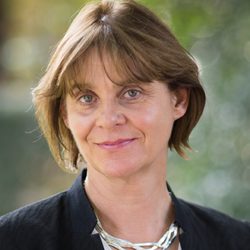
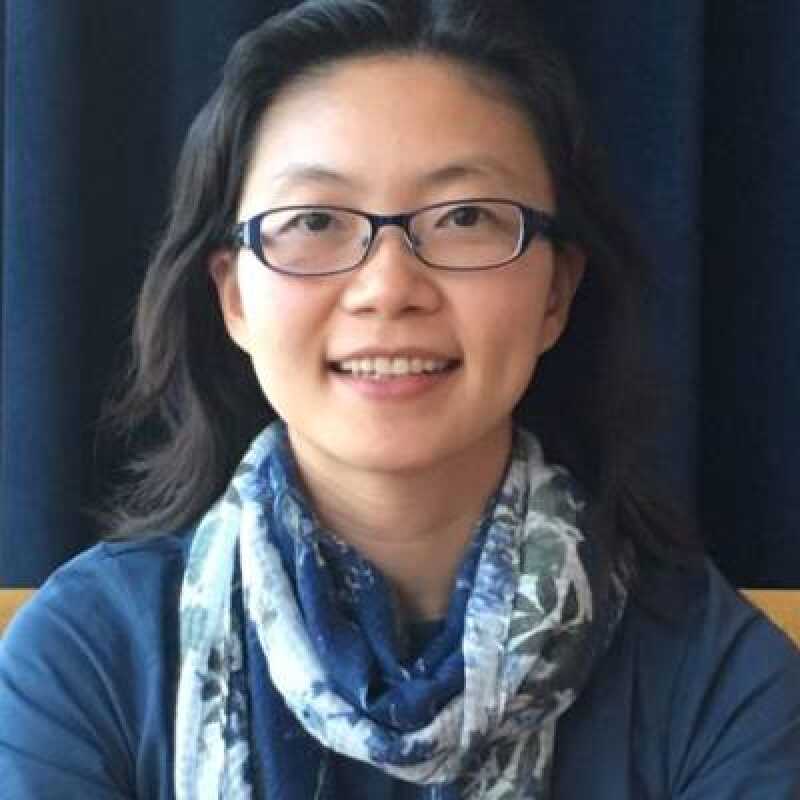
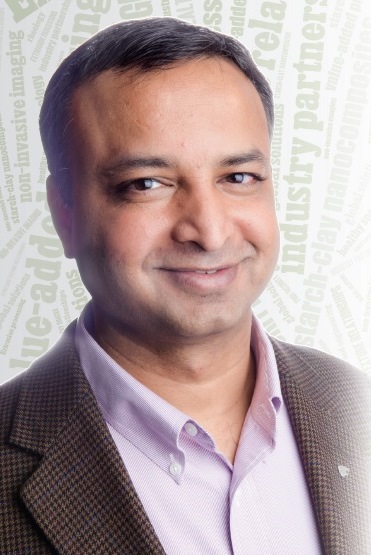
Prof. Walter Leal Filho is a distinguished academic and researcher holding professorial positions at Hamburg University of Applied Sciences (Germany) and Manchester Metropolitan University (UK). He is the founding director of the European School of Sustainability Science and Research (ESSSR) and the Inter-University Sustainable Development Research Programme (IUSDRP). With over 30 years of editorial experience, he has authored over 500 publications, focusing on sustainability, climate change, and environmental management. His research interests span Climate Change, Urban Resilience, Natural Resource Management, and Sustainability Education. He emphasizes interdisciplinary approaches to address global challenges, such as space debris mitigation and bio-based materials for sustainable packaging. His work bridges policy, education, and practical solutions for sustainable development. Prof. Leal Filho’s recent articles highlight trends in sustainable urban planning, space sustainability, and ecosystem conservation in the Amazon. He has been recognized as a Top Cited Scholar 2024, reflecting his impactful contributions. With 1,200+ co-authors and a global network, he collaborates widely, fostering international research and education initiatives. As director of ESSSR and IUSDRP, he leads programs advancing sustainability science and interdisciplinary research. His academic leadership and prolific publications underscore his role as a pivotal figure in global sustainability efforts.
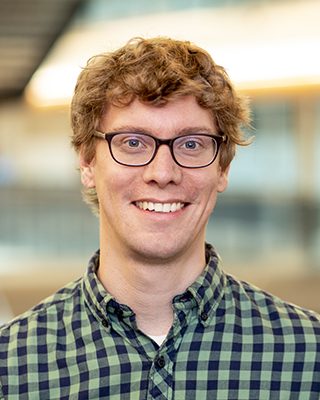
Tim Althoff is an Associate Professor at the Paul G. Allen School of Computer Science & Engineering, University of Washington, specializing in Artificial Intelligence and Human-Centered Computing. His research focuses on behavioral data science, combining Data Science Natural Language Processing Social Computing Human-Centered AI Ethics & Fairness to extract insights about health and well-being. Recent publications highlight advancements in: Mental health support through AI Wearable sensor health monitoring Online community analysis Reproducibility in data science Public health interventions with notable papers in ACL, Nature Machine Intelligence, and NeurIPS. Scientific recognition includes: ACL 2023 Outstanding Paper Award WWW 2021 Best Paper Award Double ICWSM 2021 Best Paper Awards SIGKDD Dissertation Award 2019 Fulbright Scholarship German National Merit Foundation Actively mentoring postdoctoral researchers and seeking PhD students in areas like neural representation learning, NLP applications to psychology, and mobile health technologies through his Behavioral Data Science Group .
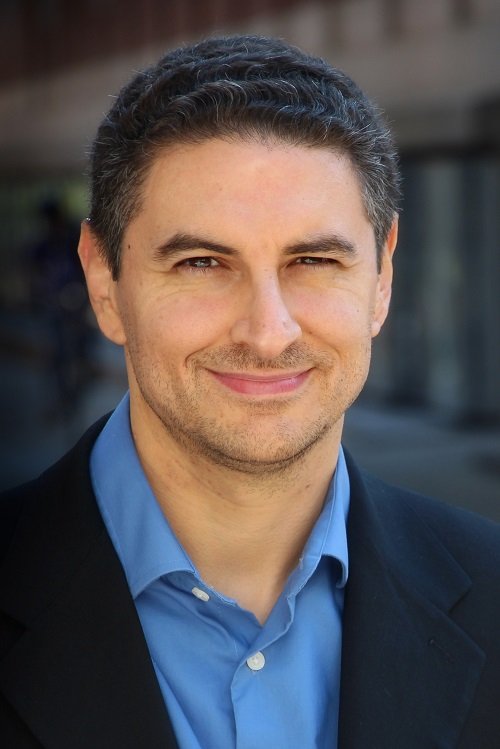
Michael McAlpine is a Professor in the Mechanical Engineering department at the University of Minnesota . He also holds affiliations with the Biomedical Engineering and Electrical and Computer Engineering departments. His research focuses on 3D printing functional materials & devices , Nanoscale inks , Biomedical devices , Bioelectronics , and Flexible Microsystems . Research Interests : 3D Printing, Biomedical Engineering, Nanotechnology, Flexible Electronics, Microfluidics Labs : ME 361/363 Contact : mcalpine@umn.edu , (612) 626-3303, ME 117 Recent Research Trends include 3D Printed Biomedical Devices , Flexible Electronics , and Bioprinting Applications . His work spans from Spinal Organoid Formation to Programmable Drug Release Capsules . Scientific Award : Circulation Research 2020 Best Manuscript Award
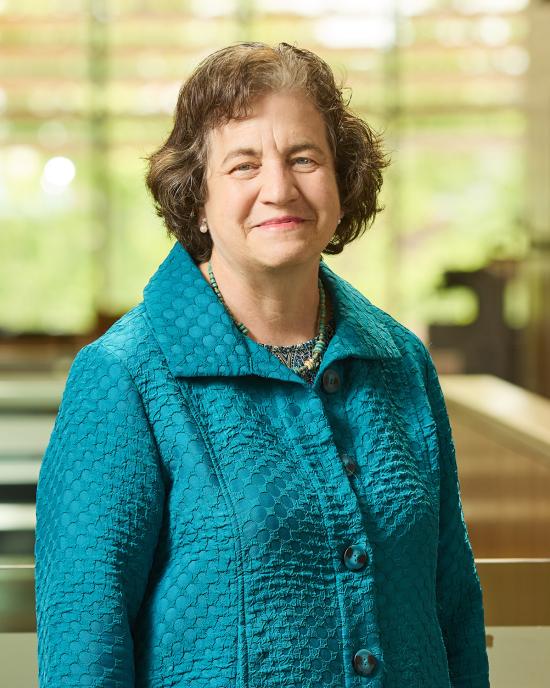
Marian Chertow is the Manufacturer’s Association Professor of Industrial Ecology at Yale University and Director of the Center for Industrial Ecology at the Yale School of the Environment. She holds an appointment at the Yale School of Management (SOM) and previously taught at the National University of Singapore (NUS) for 20 years, contributing to the development of their Master’s of Environmental Management program. Her research focuses on industrial ecology, circular economy, and industrial symbiosis—the study of material, energy, and byproduct exchanges among businesses. She pioneered frameworks for understanding industrial ecosystems and their resilience, emphasizing collaboration among firms for environmental and economic benefits. Her work spans global case studies, including China, India, and Singapore, and explores urban metabolism, resource reuse, and policy innovation. Chertow has received prestigious awards, including recognition from the U.S. EPA, the CT Women’s Hall of Fame, and the International Society for Industrial Ecology (ISIE). She advises organizations like Trane Technologies and chairs initiatives like the Industrial Symbiosis Research Symposium. Beyond academia, she founded a theater company staging Greek tragedies and teaches a course linking environmental themes to theater. Her research integrates complex adaptive systems theory, social network analysis, and policy design to address sustainability challenges in emerging economies. Current projects include analyzing waste management in China and urban resource flows in Singapore. Chertow’s interdisciplinary approach bridges environmental science, economics, and management to advance sustainable industrial practices globally.
Karoline Faust is an Associate Professor at KU Leuven, affiliated with the Laboratory of Molecular Bacteriology (Rega Institute) and the Faculty of Medicine . She contributes to the iSi Health and Leuven One Health institutes, and serves on senior academic councils. Her research spans microbial systems biology, focusing on community dynamics and network analysis. Education: PhD in bioinformatics (2010, KU Leuven) Affiliations: KU Leuven, ISME Journal editorial board, Belgian Society for Microbiology Her research investigates microbial community dynamics , systems biology approaches to microbiomes, and bioinformatics tool development . She specializes in modeling human gut microbiota , synthetic microbial communities , and environmental microbiomes (e.g., microplastic impacts on Daphnia microbiomes). Her work integrates metabolic modeling , network analysis , and experimental systems to understand microbial interactions. Recent publications highlight her contributions to microbial network inference , 16S rRNA sequencing protocols , microfluidics , and ecological modeling of microbiomes. She develops tools like manta , miaSim , and CoNet to analyze community structures. Teaching: Karoline co-teaches courses in microbiology, bioinformatics, and network analysis at KU Leuven, and has contributed to international workshops on microbial network inference. Scientific Engagement: She serves as Senior Editor at ISME Journal and Secretary of the Belgian Society for Microbiology .
Ashwani K. Gupta is a Distinguished University Professor at the University of Maryland, holding the Minta Martin Professorship in Engineering. He serves as Professor in the Department of Mechanical Engineering, Professor at the Institute of Physical Science and Technology, and Affiliate Professor in the Department of Aerospace Engineering. With over 45 years of experience in combustion engineering since graduating from Southampton University in 1970, Gupta has established himself as a leading authority in advanced combustion technologies. Dr. Gupta earned his Ph.D. from the University of Sheffield in 1973, followed by a D.Sc. from the same institution in 1986 and another D.Sc. from Southampton University in 2013. His academic journey includes six years at MIT as a research staff member and three years at Sheffield University as an independent research worker before joining the University of Maryland in 1983. Gupta's research focuses on revolutionizing combustion technology through innovations in swirl flows, high-temperature air combustion (HiTAC), and distributed combustion systems. His pioneering work on 'colorless distributed combustion' has enabled ultra-low emission combustion processes with significant applications in gas turbine engines and waste-to-energy conversion. His research spans biofuels, CO2 utilization, sulfur chemistry, waste conversion, and advanced laser diagnostics, addressing critical challenges in sustainable energy and environmental protection. Analyzing his recent publications reveals a strong emphasis on waste-to-energy conversion, biomass processing, and CO2-assisted technologies. Gupta's work demonstrates a clear trajectory toward sustainable energy solutions, with increasing integration of artificial intelligence for combustion optimization and emission control. His research bridges fundamental combustion science with practical engineering applications for cleaner energy systems. Among Gupta's numerous accolades are: Election to Fellowship of the Royal Academy of Engineering (2023) Honorary Fellowship of the Royal Aeronautical Society (2020) Recognition as one of the top 2% of scientists worldwide by Stanford University (2022-2024) Multiple prestigious medals from ASME and AIAA including the Soichiro Honda Medal (2018) and AIAA Air Breathing Propulsion Award (2014) Honorary doctorates from three international universities Gupta has secured substantial research funding throughout his career, resulting in over 850 technical papers, three books, 18 edited books, and 22 book chapters. He has delivered over 100 plenary/keynote/invited presentations at international conferences. His mentorship has shaped numerous graduate students who continue to contribute to the field of combustion engineering. Gupta directs the Combustion Laboratory at the University of Maryland, which serves as a hub for cutting-edge research in sustainable combustion technologies. The Combustion Laboratory, under Gupta's leadership, has become a center of excellence for advanced combustion research, particularly in distributed combustion systems, waste-to-energy conversion, and alternative fuels. The lab maintains strong collaborations with industry partners and international research institutions, facilitating technology transfer and practical implementation of research findings. Gupta's team employs state-of-the-art diagnostics and computational tools to advance fundamental understanding while developing practical engineering solutions for cleaner energy systems.
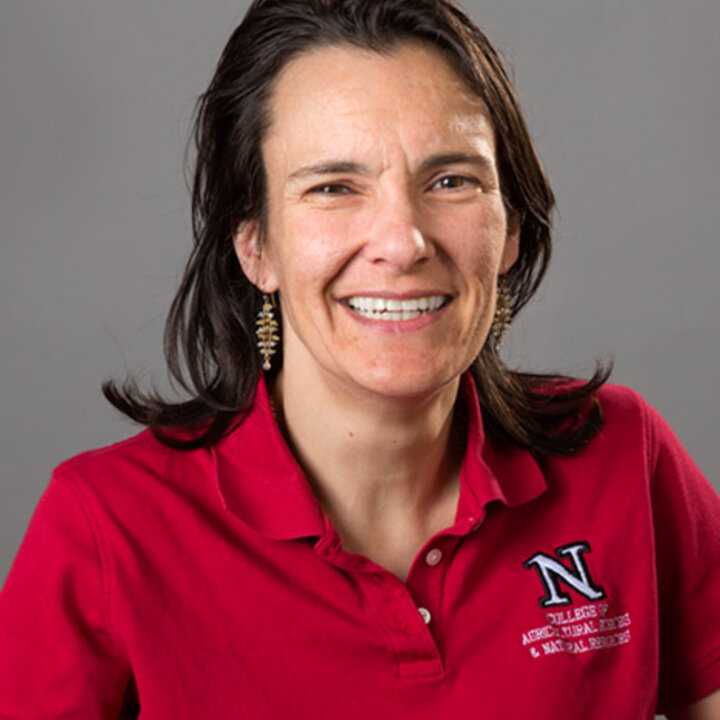
Jennifer L. Clarke is a Professor in the Department of Statistics at the University of Nebraska–Lincoln and Director of the Quantitative Life Science Initiative. She holds leadership roles in enabling big data integration across the University of Nebraska system through collaborative research programs. Her affiliations include the Institute of Agriculture and Natural Resources (IANR) and the College of Agriculture and Natural Resources. Dr. Clarke's research focuses on statistical methodology for high-dimensional data, computational biology, bioinformatics, and bacterial genomics. Her work bridges statistical innovation with applications in oncology, microbiome analysis, and agricultural phenomics. Key areas include predictive modeling, machine learning, and genomic/metagenomic data integration. Her recent publications span cancer biomarker discovery, plant phenotyping methodologies, and microbial community analysis, reflecting her interdisciplinary approach. Articles emphasize translational applications like therapeutic target identification and precision agriculture. Dr. Clarke leads initiatives fostering collaboration between statisticians and domain scientists, including the Quantitative Life Science Initiative and contributions to the Agricultural Genome-to-Phenome Initiative (AG2PI). Her work advances data-driven solutions for healthcare and food security challenges. Notable projects include developing statistical tools for microbiome studies, analyzing root architecture via 3D imaging, and investigating cranberry-derived compounds' cancer-inhibitory mechanisms. Her methodological contributions include hybrid clustering techniques and predictive model validation frameworks.
Sarah Harper is the Clore Professor of Gerontology at the University of Oxford and Director of the Oxford Institute of Population Ageing. She was appointed a CBE in 2018 for services to Demography and serves as Chair of HelpAge International. Professor Harper has held numerous influential positions including serving on the Prime Minister's Council for Science and Technology and as Director of the Royal Institution of Great Britain. Her educational background includes an MA from Cambridge and a DPhil from Oxford. Prior to her academic career, she trained with the BBC as a News and Current Affairs Reporter and Producer. She subsequently held academic positions at the University of London and the University of Chicago before returning to Oxford to found the Oxford Institute of Population Ageing. Professor Harper's research focuses on demographic change, particularly the implications of falling fertility and increasing life expectancy. Her work examines life course factors in healthy ageing, social and economic drivers of health and well-being, with emphasis on life transitions. She has conducted significant research on eldercare in China, fertility patterns in sub-Saharan Africa (revealing that ideal family size remains high despite girls' education), and demographic changes in Vietnam and Myanmar affecting agricultural production and food security. Her publication record demonstrates consistent focus on global demographic trends, with recent work increasingly addressing the intersection of population change with environmental challenges. She has authored influential books including 'How Population Change Will Transform Our World' (Oxford University Press, 2016) and is working on a new book for Cambridge University Press on Population and Environmental Change. Scientific Awards and Honors CBE (Commander of the Order of the British Empire) in 2018 for services to Demography Royal Society for Public Health: Arts and Health Research Award (2011) Fellow of the Academy of Medical Sciences Fellow of the Royal Anthropology Institute Professor Harper has supervised numerous PhD students across diverse topics from biodiversity conservation in Southeast Asia to intergenerational solidarity in Turkey. Her advisory work extends globally, having served on the Scientific Advisory Board of Natural England, the Royal Society's Working Group on Population and Environment, and as an advisor to governments including the UK, Malaysia, Singapore, and the European Commission. She has received research funding from organizations including the US National Institutes of Health, which supported the founding of the Oxford Institute of Population Ageing. As Director of the Oxford Institute of Population Ageing, Professor Harper leads a multidisciplinary team examining demographic trends and their societal implications. The Institute serves as a hub for international collaboration on ageing research, working with organizations including Population Europe and the International Association of Research Universities. She also serves as founding editor of the Journal of Population Ageing and editor of the Handbook of Ageing and Public Policy.
Professor Joy Y. Zhang is a British sociologist and medical doctor specializing in global science governance, epistemic justice, and the sociology of risk. She holds the position of Professor of Sociology and Founding Director of the Centre for Global Science and Epistemic Justice at the University of Kent. Previously affiliated with institutions like LSE and EHESS (Paris), her work bridges sociology, science policy, and global development. She has advised bodies such as the Royal Society and China’s National Health Commission, and her research emphasizes decolonizing knowledge systems and advancing science diplomacy. Education: PhD in Sociology, London School of Economics (2010) MSc in Sociology, LSE (2006) Medical Degree from Peking University Health Science Centre Research Focus: Explores transnational governance of emerging sciences, epistemic justice, and the rise of Global South actors. Key themes include science diplomacy, citizen science, and environmental politics. Her work challenges Western-centric frameworks, advocating for inclusive global governance models. Grants & Recognition: Secured funding from British Academy, Wellcome Trust, ESRC, and others. Member of prestigious networks like the Human Practices Committee of iGEM and UNESCO’s Inclusive Policy Lab. Noted for integrating art into sociological inquiry, including solo photo exhibitions on bioethical themes. Labs & Initiatives: Leads the Centre for Global Science and Epistemic Justice and co-founded the BioGovernance Commons (UK-China-US collaboration). Her work on ‘genomic solidarity’ and ethical science governance has influenced policy frameworks globally.
Jakob Klein is a faculty member in the Department of Anthropology and Sociology at SOAS University of London. His research focuses on the anthropology of food, with emphasis on Chinese and Asian culinary cultures, ethical consumption, heritage politics, and the interplay between state policies and market forces in shaping food systems. Klein's work explores themes such as: Culinary modernity and identity in China State-led food security initiatives (e.g., potato promotion) Heritage commodification of regional foods Buddhist vegetarianism and changing meat consumption Alternative food movements in postsocialist contexts His publications demonstrate consistent focus on: Cultural adaptation of global food trends Political economy of dietary change Ethnographic analysis of food practices across urban/rural divides He has supervised doctoral research on food tourism in Istria, gastronomic reinvention in Bulgaria, and cultural capital in Chinese leisure industries.
Pamela Ronald is a Distinguished Professor of Plant Pathology at the University of California, Davis, affiliated with the Department of Plant Pathology within the College of Agricultural and Environmental Sciences. Her research focuses on understanding and enhancing crop resilience, particularly in rice, through genetic and molecular mechanisms. Key areas include plant immunity against pathogens, climate adaptation, and sustainable agricultural practices. Education and Background: Details on her academic qualifications are not explicitly mentioned in the provided text, but her career trajectory suggests advanced training in plant genetics and pathology. Research Interests: Ronald’s work centers on engineering disease-resistant crops, studying plant-microbe interactions, and developing climate-resilient varieties. Notably, she has contributed to identifying genes like XA21 that confer resistance to bacterial infections and pioneered methods to reduce methane emissions in rice. Her studies also explore the role of sulfated peptides in pathogen virulence and host defense mechanisms. Publications Trends: Her recent articles emphasize molecular mechanisms of plant immunity, genetic engineering applications, and sustainability challenges. Themes include directed evolution of immune receptors, machine learning in genotype-phenotype prediction, and mitigation of agricultural greenhouse gases. Awards and Recognition: While specific awards are not listed here, her leadership in plant genetics and advocacy for evidence-based biotechnology policies reflect significant recognition in her field. Grants and Advising: Ronald has led projects funded by agencies like the U.S. Department of Energy, focusing on bioenergy crops like switchgrass. She collaborates globally on initiatives such as the Rice Protein Tagging Project and the AI Institute for Next Generation Food Systems. Labs and Teams: She directs the Crop Genetics Innovation Lab at UC Davis, fostering interdisciplinary research in crop improvement and sustainable agriculture.
Zackary Johnson , the Juli Plant Grainger Associate Professor of Biological Oceanography and Marine Biotechnology at Duke University, leads interdisciplinary research at the intersection of marine microbiology and biogeochemical innovation. Affiliated with the Nicholas School of the Environment and based at the Duke Marine Laboratory , his work spans microbial ecology, algal biotechnology, and climate mitigation strategies. Education: Ph.D. in Marine Science (Duke University, 2004), B.S. in Biology (MIT, 1994) Research Interests focus on marine microbial communities, particularly the model phytoplankton Prochlorococcus , algal cultivation for sustainable bioproducts, and the ecological impacts of ocean acidification. His lab investigates microbial interactions across diverse environments—from coastal estuaries to open-ocean gyres—and develops technologies for carbon-negative aquaculture systems. Publications highlight expertise in microbial biogeography, algal biofuels, and climate-resilient marine food webs. Recent work explores drone-based ocean color sensing, Gulf Stream eddy microbiomes, and the role of Labyrinthulomycetes protists in carbon export. Scientific Awards: Juli Plant Grainger Associate Professorship DOE and NSF-funded projects Grants include high-profile initiatives like the Marine Algae Industrialization Consortium (MAGIC) and REU Site program for coastal research training. His lab maintains a dedicated research site for studying microbial dynamics and sustainable algal cultivation.
Xian Wu, Ph.D., serves as a Research Assistant Professor in the Department of Pharmacology & Toxicology at East Carolina University's Brody School of Medicine. Her research leverages human stem cell models to investigate developmental vulnerabilities to environmental contaminants in cardiovascular and neural systems, with emphasis on epigenetic mechanisms and disease modeling. Dr. Wu's academic credentials include: Ph.D. in Toxicology from the University of Georgia M.S. in Biomedicine from East China Normal University B.S. in Biotechnology from Anhui University Her postdoctoral training comprised a Fellowship at the National Institute of Environmental Health Sciences and an ORISE Fellowship at the U.S. Food and Drug Administration. Research focuses on creating human stem cell-derived organoid systems to model developmental toxicology, particularly examining cardiac and neural development under chemical exposure. The laboratory employs fluorescence reporter systems and RNA-seq to identify critical vulnerability windows during early development, with recent work targeting Parkinson's disease mechanisms through dopaminergic neuron models and cardiac fibrosis via advanced organoids. Methodological innovations include high-content imaging for neurogenesis quantification and epigenetic pathway analysis. Publication trends (2016-2025) demonstrate consistent advancement in stem cell-based toxicology testing, with increasing emphasis on micro/nanoplastics risk assessment, arsenic neurotoxicity mechanisms, and doxorubicin cardiotoxicity modeling. The work bridges environmental health, epigenetics, and regenerative medicine through interdisciplinary approaches. Scientific recognition includes: 2025 SPARC Award (ECU) 2024 Top Abstract Award (Developmental Origins of Health and Disease Society) 2024 NIEHS P30 Center Travel Award 2023 ECU Research and Creative Activity Award Dr. Wu actively mentors graduate researchers including Ph.D. candidate Cate Duncan and M.S. students Kamilah Muhammad and Bailey Skeen, alongside undergraduate Bryce Tilghman. Former trainees McKyrah Brown and Monica Cross completed honors theses in the laboratory. Current grants include ECU's SPARC Award funding stem cell model development for environmental contaminant testing. The BSOM 6S-11 laboratory maintains specialized capabilities in cardiac and cerebral organoid generation, fluorescence-based toxicity screening, and RNA-seq epigenetic analysis. Collaborative networks include the National Institute of Environmental Health Sciences and ECU's Center for Human Health and the Environment, supporting translational research on developmental vulnerability periods.
Dr. Sajid Alavi is a Professor in the Department of Grain Science and Industry at Kansas State University. He joined the faculty in 2002 after earning his Ph.D. in Food Science/Food Engineering from Cornell University (2002), M.S. in Agricultural and Biological Engineering from Penn State (1997), and B.S. in Agricultural Engineering from IIT (1995). His research focuses on extrusion processing in food, pet food, and feed applications, with expertise in rheology, food microstructure imaging, and process sustainability. He leads global projects in Africa, Brazil, India, and beyond, emphasizing sustainable food technologies and AI-driven processing innovations. Dr. Alavi is a recipient of the 2010 Young Research Scientist Award from the Cereals & Grains Association. He teaches GRSC 620 (Intro to Extrusion Processing) and GRSC 820 (Advanced Extrusion Processing), and has trained over 1,000 industry leaders through his renowned 'Extrusion Processing: Technology and Commercialization' short course. His work bridges food science and engineering, addressing challenges in plant-based meat analogs, nutrient bioavailability, and food aid product development. Key facilities associated with his work include the BIVAP Feed Quality Assurance Lab and Hal Ross Flour Mill. His research spans sensory analysis of meat alternatives, fiber utilization in pet food, and sustainability assessments of novel crops like intermediate wheatgrass. Recent studies explore insect protein in pet food, AI-driven extrusion optimization, and iron bioavailability in fortified foods. Dr. Alavi’s contributions span academic, industrial, and global food security domains, reflecting a commitment to innovative, scalable food solutions.
Paul Dodds is Professor of Energy Systems at University College London's Bartlett School of Environment, Energy & Resources, where he holds joint appointments at the UCL Energy Institute and the Institute for Sustainable Resources. He serves as the Faculty Graduate Tutor for the Bartlett Faculty of the Built Environment, overseeing all doctoral research programs. His academic progression at UCL has been steady, moving from Research Associate (2011-2014) to Senior Research Associate (2014-2015), Lecturer (2015-2016), Senior Lecturer (2016-2018), Associate Professor (2018-2020), and finally to Professor. His educational background includes a PhD from the University of Leeds (2010) focused on climate change and agriculture in Senegal, where he developed a new crop model for adaptation research and created detailed meteorological datasets for West Africa. He also holds a Master of Natural Science (Honours) from the University of Nottingham (2000). Dodds specializes in energy systems modelling with particular expertise in hydrogen and bioenergy systems, and the importance of energy storage. His research examines the interactions between society and the environment, with a focus on energy and food systems. He has developed the UK TIMES energy systems model, which has replaced the UK MARKAL model and is now co-developed with the UK Department of Business, Energy and Industrial Strategy (BEIS). This model has provided underpinning evidence for the UK's Clean Growth Strategy and Net Zero Strategy. His methodological contributions include formalizing a theoretical approach to analyzing the evolution of energy system models using 'model archaeology'. Analysis of his recent publications reveals a strong focus on hydrogen energy systems, with multiple papers examining hydrogen trade pathways, integration methods, and environmental impacts. His work increasingly addresses the geopolitical dimensions of energy transition, as seen in studies about Russian gas pivots to Asia and global energy scenarios. He maintains expertise in energy system modeling techniques while expanding into practical applications for policy development, particularly regarding the UK's net-zero transition. Dodds has supervised 15 PhD students at UCL, with eight under his primary supervision. His professional activities include serving as the UK Alternate Delegate to IEA Hydrogen since 2017, acting as a PhD External Examiner at the University of Edinburgh, and participating in the EPSRC Peer Review College. He has contributed to multiple government initiatives, including the UKERC Future of the Gas Networks workshop and representing the UK Government at IEA ETSAP meetings. He teaches an undergraduate module on 'Energy and Environmental Systems Modelling' and guest lectures on several MSc courses. His research group focuses on energy system modeling, with particular emphasis on the UK TIMES model development and application. His work often involves collaboration with government bodies, particularly BEIS, and he has coordinated significant projects like seven reports on overshoot pathways for the UK Government.