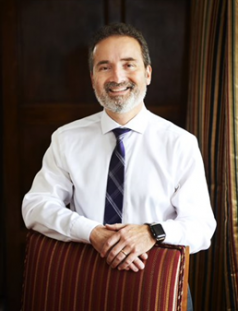
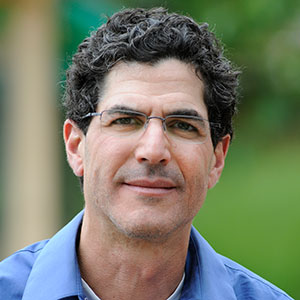
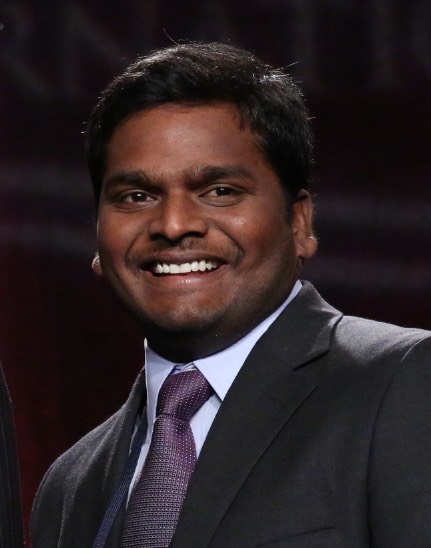
Dr. Gary Brewer is a Professor in the Department of Entomology at the University of Nebraska-Lincoln, with a 60% research and 40% teaching appointment. He has served as department head at NDSU (1997-2006) and UNL (2006-2018). His research focuses on field crops entomology, IPM of pasture cattle flies, salt creek tiger beetle conservation, and pollinator health. He has pioneered a push-pull strategy using coconut oil-derived repellents and led curriculum design for Rwanda’s Conservation Agriculture program. Education: B.S. in Zoology, University of Nebraska-Lincoln (1974) M.S. in Entomology, University of Nebraska-Lincoln (1978) Ph.D. in Entomology, Kansas State University (1984) Research Interests: Brewer’s work spans insect ecology, pest management, and conservation. Key areas include stable fly and horn fly control, pollinator protection, and endangered species recovery (e.g., Salt Creek tiger beetle). His lab develops natural product-based pest repellents and evaluates biopesticides for sustainable agriculture. Grants & Contributions: $362,150 USDA grant for undergraduate research in beneficial insect protection (2018) $325,000 USDA grant for multi-tactic stable fly control (2017) NE Game and Parks funded salt creek tiger beetle reintroduction programs Labs & Teams: Brewer’s team collaborates with industry (e.g., Vestergaard Frandsen) and international partners to advance IPM strategies. His work bridges field research with applied solutions for farmers and conservationists.
Dr. Cristina Rosell is a Professor and Head of the Department of Food and Human Nutritional Sciences at the Faculty of Agricultural and Food Sciences, University of Manitoba. Her research focuses on grain-based food innovation, starch properties, and sustainable bakery processes. Education: PhD and BSc in Pharmacy from Universidad Complutense de Madrid, Spain Dr. Rosell specializes in cereal science, enzymatic food modification, and gluten-free product development. Her current projects include optimizing bakery processes with computational tools, tracing rice supply chains via blockchain, and integrating bioactives into gluten-free foods. Her work bridges food chemistry, nutritional science, and industrial bakery technology. Her recent research trends emphasize gluten-free bread using legume and root starches, starch-plant compound interactions , and sustainable food processing via microwave-assisted extraction, high-pressure treatments, and fermentation. Key subfields include dough rheology, polyphenol bioactivity, and techno-functional ingredient development. Dr. Rosell’s teaching includes graduate seminars in food science (HNSC 7130). She supervises graduate students in breadmaking, starch hydrolysis, and functional food design. Her lab explores grain quality, enzymatic treatments, and bakery product optimization through interdisciplinary approaches combining chemistry, nutrition, and process engineering.
Pamela Ronald is a Distinguished Professor of Plant Pathology at the University of California, Davis, affiliated with the Department of Plant Pathology within the College of Agricultural and Environmental Sciences. Her research focuses on understanding and enhancing crop resilience, particularly in rice, through genetic and molecular mechanisms. Key areas include plant immunity against pathogens, climate adaptation, and sustainable agricultural practices. Education and Background: Details on her academic qualifications are not explicitly mentioned in the provided text, but her career trajectory suggests advanced training in plant genetics and pathology. Research Interests: Ronald’s work centers on engineering disease-resistant crops, studying plant-microbe interactions, and developing climate-resilient varieties. Notably, she has contributed to identifying genes like XA21 that confer resistance to bacterial infections and pioneered methods to reduce methane emissions in rice. Her studies also explore the role of sulfated peptides in pathogen virulence and host defense mechanisms. Publications Trends: Her recent articles emphasize molecular mechanisms of plant immunity, genetic engineering applications, and sustainability challenges. Themes include directed evolution of immune receptors, machine learning in genotype-phenotype prediction, and mitigation of agricultural greenhouse gases. Awards and Recognition: While specific awards are not listed here, her leadership in plant genetics and advocacy for evidence-based biotechnology policies reflect significant recognition in her field. Grants and Advising: Ronald has led projects funded by agencies like the U.S. Department of Energy, focusing on bioenergy crops like switchgrass. She collaborates globally on initiatives such as the Rice Protein Tagging Project and the AI Institute for Next Generation Food Systems. Labs and Teams: She directs the Crop Genetics Innovation Lab at UC Davis, fostering interdisciplinary research in crop improvement and sustainable agriculture.
Linda J. Harris, Ph.D., is a Distinguished Professor of Cooperative Extension in Microbial Food Safety at the University of California, Davis, within the Department of Food Science and Technology. She served as Department Chair from 2016 to 2021. Her research focuses on microbial food safety, particularly in fresh produce and tree nuts, emphasizing pathogen behavior, antimicrobial treatments, and standard microbiological methods validation. She collaborates with food producers, processors, and government agencies to address food safety challenges. Dr. Harris earned her Ph.D. in Food Science from North Carolina State University in 1991. Her work integrates laboratory studies with extension activities to ensure practical applications in food safety. Key areas include evaluating pathogen survival on produce, developing sanitation protocols, and assessing risks associated with low-moisture foods. Her research trends highlight advancements in pathogen detection (e.g., MALDI-TOF technology), contamination prevention in postharvest handling, and consumer practices affecting food safety (e.g., homemade nut-based products). Recent articles address Salmonella and Listeria survival on produce, irrigation impacts on pathogens, and validation of pathogen reduction processes. Awards: 2021 AAAS Fellow 2018 Institute of Food Technologists Fellow 2004 Elmer Marth Educator Award Her advising and grants focus on low-moisture food safety, extension education, and industry partnerships. She leads initiatives like the Scientific Integrity Consortium and collaborates on national food safety guidelines. Dr. Harris is affiliated with the Robert Mondavi Institute for Wine and Food Science at UC Davis.
Bryan Brown is an Adjunct Assistant Professor at the School of Integrative Plant Science , Horticulture Section , and an Integrated Weed Management Specialist with Cornell Integrated Pest Management . His work focuses on minimizing agricultural and environmental risks through innovative weed control strategies. Ph.D., University of Maine, 2017 B.A., Colby College, 2009 Dr. Brown’s research emphasizes integrated weed management informed by weed species biology, including weed seedbank dynamics and culturally appropriate extension . His projects explore ecologically-based solutions like stacked cultivation, electrical weed control, and cover cropping to address herbicide resistance and labor shortages. He also investigates the interplay between weed management and soil health or economic viability in organic and conventional systems. Dr. Brown’s extension efforts prioritize farmer collaboration through on-farm demonstrations , educational media , and slow-motion analysis of cultivation tools. His outreach includes addressing glyphosate-resistant waterhemp in New York State and clarifying public health risks through the Into the Weeds podcast.
Professor Ingrid Undeland leads the Marine research group at the Division of Food and Nutrition Science, Department of Life Sciences at Chalmers University of Technology. She is a distinguished researcher with expertise spanning marine food science, lipid chemistry, and blue biorefining, having established herself as a leading figure in sustainable seafood research and marine biotechnology. Her educational background includes food science studies from Linnaeus University and a PhD in bioscience from Chalmers University of Technology and SIK (now RISE). Between 1999-2002, she was a post-doctoral fellow at University of Massachusetts Marine Station, which significantly shaped her research trajectory in marine food science. Professor Undeland's research focuses on pioneering next-generation seafood through innovative value chains from seaweed, small pelagic fish, fish side streams, mussels, and microalgae. Her specialized expertise lies in marine lipids and proteins, particularly their stabilization, isolation from complex sources, and nutritional properties including digestibility. She has extensive experience with antioxidant strategies using plant-derived side streams or extracts and fundamental studies of fish hemoglobins as pro-oxidants. Her work also encompasses innovative technologies for biomass fractionation and nutrient recycling to build blue biorefineries, along with in vitro digestion models and general seafood analytics. Beyond marine research, she explores filamentous fungi as sustainable alternative food protein sources. The trends in her recent publications reveal a strong emphasis on valorizing marine resources through advanced processing techniques. Her work increasingly focuses on sustainable extraction methods for seaweed proteins, particularly Ulva fenestrata, and developing antioxidant strategies using berry side streams to stabilize fish proteins. There's a growing interest in understanding the nutritional properties and digestibility of alternative marine proteins, along with environmental assessments of processing technologies. Her research consistently bridges fundamental science with practical applications for creating sustainable seafood value chains. Swedish representative in Nordic Lipidforum, WEFTA, and EuCheMS Editorial board member of Journal of the Aquatic Food Product Technology Member of the National Committee for Nutrition and Food Science at the Royal Swedish Academy of Sciences Co-founder of the startup company AquaFood H-index of 47 according to Google Scholar Professor Undeland has an extensive record of academic mentorship, having supervised or currently supervising 23 PhD students, 14 postdoctoral researchers, and examining over 25 MSc students. Her research is supported by numerous grants, including the WaSeaBi Project which focuses on valorizing seafood side-streams through holistic value chain design. She collaborates with various industry partners and academic institutions across Europe. Her laboratory includes technicians Dr. Karin Larsson and Dr. Rikard Fristedt, and she leads a dynamic research team working on multiple projects related to marine biorefining and sustainable seafood development. Her research group operates within well-equipped facilities at Chalmers University, with specialized laboratories for marine food analysis, protein extraction, lipid oxidation studies, and in vitro digestion modeling. The team also maintains cultivation systems for seaweed and filamentous fungi, enabling integrated research from raw material production to final product development.
Paul Dodds is Professor of Energy Systems at University College London's Bartlett School of Environment, Energy & Resources, where he holds joint appointments at the UCL Energy Institute and the Institute for Sustainable Resources. He serves as the Faculty Graduate Tutor for the Bartlett Faculty of the Built Environment, overseeing all doctoral research programs. His academic progression at UCL has been steady, moving from Research Associate (2011-2014) to Senior Research Associate (2014-2015), Lecturer (2015-2016), Senior Lecturer (2016-2018), Associate Professor (2018-2020), and finally to Professor. His educational background includes a PhD from the University of Leeds (2010) focused on climate change and agriculture in Senegal, where he developed a new crop model for adaptation research and created detailed meteorological datasets for West Africa. He also holds a Master of Natural Science (Honours) from the University of Nottingham (2000). Dodds specializes in energy systems modelling with particular expertise in hydrogen and bioenergy systems, and the importance of energy storage. His research examines the interactions between society and the environment, with a focus on energy and food systems. He has developed the UK TIMES energy systems model, which has replaced the UK MARKAL model and is now co-developed with the UK Department of Business, Energy and Industrial Strategy (BEIS). This model has provided underpinning evidence for the UK's Clean Growth Strategy and Net Zero Strategy. His methodological contributions include formalizing a theoretical approach to analyzing the evolution of energy system models using 'model archaeology'. Analysis of his recent publications reveals a strong focus on hydrogen energy systems, with multiple papers examining hydrogen trade pathways, integration methods, and environmental impacts. His work increasingly addresses the geopolitical dimensions of energy transition, as seen in studies about Russian gas pivots to Asia and global energy scenarios. He maintains expertise in energy system modeling techniques while expanding into practical applications for policy development, particularly regarding the UK's net-zero transition. Dodds has supervised 15 PhD students at UCL, with eight under his primary supervision. His professional activities include serving as the UK Alternate Delegate to IEA Hydrogen since 2017, acting as a PhD External Examiner at the University of Edinburgh, and participating in the EPSRC Peer Review College. He has contributed to multiple government initiatives, including the UKERC Future of the Gas Networks workshop and representing the UK Government at IEA ETSAP meetings. He teaches an undergraduate module on 'Energy and Environmental Systems Modelling' and guest lectures on several MSc courses. His research group focuses on energy system modeling, with particular emphasis on the UK TIMES model development and application. His work often involves collaboration with government bodies, particularly BEIS, and he has coordinated significant projects like seven reports on overshoot pathways for the UK Government.
Mark S. Hoddle is a Professor of Entomology and Biological Control Specialist at the University of California, Riverside (UCR), where he has headed research in his laboratory since 1997. He serves as the Director of the Center for Invasive Species Research and is a Principal Investigator focusing on biological control of invasive pests. His work bridges academic research with practical applications for California agriculture. Education: D.Sc. Zoology (2018), University of Auckland, New Zealand Ph.D. Entomology (1996), University of Massachusetts, Amherst M.S. Zoology (1991), University of Auckland, New Zealand B.S. Zoology (1988), University of Auckland, New Zealand Dr. Hoddle specializes in biological control, the intentional use of host-specific natural enemies to suppress pest populations. His research focuses on identifying pest problems amenable to biological control, locating and releasing natural enemies, and evaluating their impact on pest population growth. He works extensively with invasive species affecting California agriculture, particularly pests of citrus, avocado, palm trees, and other crops. His approach combines field evaluations with laboratory studies of pest and natural enemy biology and behavior. Analysis of Dr. Hoddle's recent publications reveals a strong focus on invasive species threatening California agriculture, particularly the Asian citrus psyllid, red palm weevil, and brown marmorated stink bug. His research integrates field and laboratory approaches, with emphasis on phenology modeling, natural enemy evaluation, and innovative control methods. Much of his work addresses the economic and ecological impacts of invasive pests on specialty crops. Scientific Awards: Entomological Society of America, Pacific Branch Entomology Team Leader Award (2023) UC-ANR Distinguished Service Award for Outstanding Research (2022) Fellow, Entomological Society of America (2018) California Department of Pesticide Regulations IPM Achievement Award for Asian Citrus Psyllid Biocontrol (2018) IOBC Distinguished Scientist of the Year (2015) Multiple awards from the Entomological Society of America (2007, 2012, 2013, 2014) Dr. Hoddle has mentored numerous students and researchers throughout his career, including postdoctoral scholars and specialists who contribute to his laboratory's work on invasive species. His research has been supported by various granting agencies, private institutions, and commodity boards, enabling extensive international projects focused on identifying and implementing biological control solutions for invasive pests. He has facilitated the Harry Scott Smith Scholarship Fund to support graduate students in biological control. Dr. Hoddle directs the Center for Invasive Species Research at UCR and leads a productive laboratory team that includes postdoctoral scholars, specialists, and students. The lab conducts research on multiple invasive species threatening California agriculture and natural ecosystems, with particular emphasis on citrus, avocado, and palm tree pests. Current projects include proactive biological control of the spotted lanternfly and research on invasive palm weevils, avocado pests, and other emerging threats.
Gregory Michael Peck is an Associate Professor and Director of Undergraduate Studies for the Plant Sciences Major at Cornell University's School of Integrative Plant Science, Horticulture Section. His research focuses on sustainable tree-fruit production, particularly in organic apple systems , cider apple germplasm evaluation , and crop-load management through pollen tube growth modeling . Award-winning educator (2021 Cornell Teaching, Advising & Mentoring Award) 2018 Grower Advocate of the Year (American Cider Association) Active in outreach through field days, extension publications, and social media Peck's work spans tree-fruit physiology , soil health , and mechanization of orchard practices . He co-teaches Cornell's popular cider appreciation course with microbiologist Kathy Arnink, combining apple production science with fermentation expertise. His research explores phenolic development , nitrogen management , and yeast interactions in cider production systems. Recent publications highlight collaborations in rootstock effects , compost applications , and fermentation chemistry . Peck's career has included work in California, Washington, New York, and Virginia, with training spanning horticulture, plant physiology, soil science, and agricultural economics.
Lina Bernaola is an Assistant Professor in the Department of Entomology at Texas A&M University AgriLife Research. She holds a Ph.D. in Entomology and an M.S. in Agronomy from Louisiana State University, alongside a B.S. in Biology from Universidad Nacional Mayor de San Marcos (Peru). Her research focuses on plant-insect interactions, particularly rice pests, and explores the role of arbuscular mycorrhizal fungi (AMF) in enhancing plant defense systems. She develops sustainable pest management strategies integrating agronomy, biochemistry, and ecology. Her expertise spans Host Plant Resistance, Plant-Microbe-Insect Interactions, and Integrated Pest Management. Recent work includes studies on rice delphacid control, biocontrol mechanisms, and the ecological impacts of mycorrhizal symbiosis. She is recognized for her leadership, becoming the first Latina president of the Entomological Society of America (ESA). Education: B.S. Biology, Universidad Nacional Mayor de San Marcos M.S. Agronomy, Louisiana State University Ph.D. Entomology, Louisiana State University Awards/Honors: Incoming President, Entomological Society of America (2023). Her research bridges fundamental and applied entomology, aiming to improve crop resilience through multidisciplinary approaches. Collaborations emphasize translational science for practical agricultural solutions.
Dr. Mario Tenuta is a Senior Industrial Research Chair in 4R Nutrient Management and Professor of Soil Ecology at the University of Manitoba's Faculty of Agricultural and Food Sciences. His research focuses on soil ecology, nematology, and mitigating greenhouse gas emissions from agricultural systems. He leads the Applied Soil Ecology Lab, conducting impactful studies on nutrient management, soil health, and crop-nematode interactions. Dr. Tenuta holds a PhD from the University of Western Ontario and has held the Canada Research Chair in Applied Soil Ecology (2006–2017). **Education**: Post-Doctoral Fellowship (Nematology), UC Davis, USA PhD (Plant Science), University of Western Ontario, Canada MSc (Soil Science), University of Guelph, Canada BSc (Botany & Physical Geography), University of Toronto, Canada **Research Interests**: His work addresses soil ecology challenges such as nitrogen cycling dynamics, cover crop effects on emissions, and nematode management in crops like soybean and potato. Key projects include 4R nutrient management practices, fall nitrification inhibition, and surveying pest nematodes across Canadian prairies. **Key Publications**: Recent work explores green ammonia applications, nitrous oxide emission reduction via 4R practices, and nematode distribution in Manitoba. Over 200 peer-reviewed articles highlight his contributions to sustainable agriculture and climate science. **Awards**: - Senior Industrial Research Chair (University of Manitoba) - Canada Research Chair (2006–2017) - Pioneering research recognized globally in soil science and environmental policy. **Labs & Teams**: Directs the Applied Soil Ecology Lab, collaborating with industry partners on projects like the NICCEE Living Lab Green Ammonia initiative. His team develops diagnostic tools for crop diseases and integrates field surveys with molecular analyses.
Rene Van Acker is a Professor in the Department of Plant Agriculture at the Ontario Agricultural College (University of Guelph). Currently serving as Interim President of the University of Guelph, he previously held the Dean and Associate Dean External positions at OAC, and chaired the Department of Plant Agriculture. With a B.Sc. and M.Sc. from University of Guelph and a PhD from University of Reading , his leadership has transformed OAC through strategic initiatives like Our Shared Priorities and OAC Space Visioning Plan . Co-founded Arrell Food Institute and Guelph Centre for Urban Organic Farming Established over 20 externally funded chairs and raised $90M+ for OAC Led creation of B.Sc. in Indigenous Environmental Science and other innovative programs His research focuses on agroecology , organic farming systems , weed science , and temperate forest garden systems . Recent publications examine herbicide effects on crops, microbial community dynamics in agroforestry, and novel crop establishment methods. Key projects include evaluating compost applications and woodchip mulching impacts on apple orchard productivity and soil microbial abundance . As an active faculty member, he supervises graduate students , co-teaches OAC capstone courses , and serves on university committees including Budget Committee and Micro-credentials Committee . Externally, he contributes to Rural Ontario Institute and leads the Deans Council (Agriculture, Food & Veterinary Medicine).
Andrew Riseman serves as an Associate Professor in the Department of Applied Biology within the Faculty of Land and Food Systems at the University of British Columbia. His academic work bridges sustainable agricultural systems, plant breeding, and educational innovation, with particular emphasis on integrated crop-livestock models and urban farming applications. His educational background includes: PhD from Pennsylvania State University (1997) MSc from Pennsylvania State University (1990) BSc from Pennsylvania State University (1984) Riseman's research program investigates plant genetics for sustainable production systems, focusing on intercrop interactions, nutrient use efficiency, root physiology, and biotic/abiotic stress resistance. He develops germplasm specifically for multi-trophic production environments and urban agriculture contexts. Complementing his biological research, he actively engages in the Scholarship of Teaching and Learning and Community Based Action Research, with interests in critical thinking pedagogy and technology-enhanced educational environments. Analysis of his 2011-2015 publications reveals consistent investigation into intercropping dynamics (wheat-bean, barley-pea), nutrient cycling, and water management across diverse cropping systems. Key contributions include evaluations of organic production methods, root architecture variation, and sustainable rice intensification techniques, demonstrating a systems-oriented approach to agroecological challenges. No scientific awards or honors were documented in the provided source material. As a graduate supervisor, Riseman mentors students in UBC's Integrated Studies in Land and Food Systems and Plant Science programs. His research portfolio includes funded projects on bioactive agricultural formulations, plant genetics in intercropping systems, and nitrogen source evaluations in organic production. Educational grants have supported his development of computer simulations for plant breeding education and scaffolded experiential learning initiatives within Land and Food Systems curriculum. Riseman maintains active affiliation with the Centre for Sustainable Food Systems at UBC Farm and the Diversified Agroecosystem Cluster. He champions the UBC Farm as a vital academic resource for sustainable food system research, teaching, and community outreach, viewing its continued evolution as essential to advancing land and food systems scholarship.
J. Christopher Brown is a Professor of Geography and Environmental Studies at the University of Kansas. He specializes in human-environment interactions, focusing on sustainable development in the Amazon Basin. His research integrates ecological, political, and socio-economic dimensions to address deforestation, agricultural expansion, and NGO-mediated rural development. Affiliations: Department of Geography, University of Kansas; Collaborator with Brazil's Embrapa Agricultural Research Agency Key Projects: Amazonian NGO dynamics and political impacts Soybean and sugarcane expansion impacts Spatial analysis of deforestation and land use Research interests include political ecology, biogeography, and the interplay between global and local scales. He employs remote sensing and interdisciplinary methods to study environmental governance and policy outcomes. His work on NGOs reveals how funding shapes political behavior in Brazil, with findings published in Comparative Political Studies and Political Geography . Recent studies highlight the edge effects of land-use changes and biodiversity impacts on pollinators like orchid bees. Awards: 2016 George and Eleanor Woodyard International Educator Award (University of Kansas) Brown's research bridges academic inquiry and policy, examining how development policies interact with ecological systems in Latin America. Current projects address soy moratorium efficacy, sugarcane expansion in the Cerrado, and the MST landless movement's political influence.
Kaliramesh (Kali) Siliveru is an Associate Professor and University Outstanding Scholar in the Department of Grain Science and Industry at Kansas State University. His work focuses on grain processing, food safety, and process modeling , with expertise in milling technologies, particle mechanics, and material handling. He holds a B.S. in Food Science from Acharya N.G Ranga Agricultural University, India, and a Ph.D. in Grain Science from Kansas State University. Dr. Siliveru’s research has produced 75+ peer-reviewed articles, 13 book chapters , and impactful studies on reducing microbial contamination in wheat-based products, optimizing pulse processing, and advancing nonthermal technologies like cold plasma. He has received prestigious awards including the ASABE Early Career Engineer of the Year and the University Distinguished Faculty Award for undergraduate mentoring. He teaches GRSC 310 (Materials Handling) , GRSC 810 (Particle Technology) , and GRSC 840 (Advanced Grain Processing) . His lab affiliations include the BIVAP Feed Quality Assurance Lab and Hal Ross Flour Mill, where he explores milling efficiency, microbial control, and sustainable food processing . Current projects address novel applications for minor millets and engineering solutions for safe, nutritious food production.