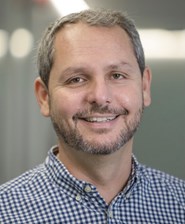
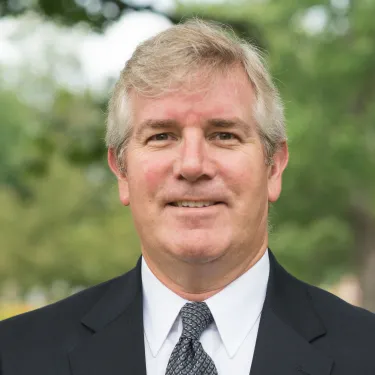
Răzvan Sandu ENOIU is a Professor at the Department of Motor Performance, Faculty of Physical Education and Mountain Sports, Transilvania University of Brașov. His work focuses on sport training methodologies, physical education innovation, and the integration of technology in athletic performance analysis. He is affiliated with the university’s research initiatives and has contributed to interdisciplinary studies bridging sports science with educational technology. Research Interests: Sport training programming and periodization Applications of wearable sensors and modern technology in sports Optimization of athletic performance through data-driven approaches Impact of extracurricular activities on motor skills development His publications explore topics such as Alpine skiing performance analysis, vital sign monitoring in athletics, and the sociological effects of technology during the pandemic. Recent work includes advancements in javelin throwing biomechanics and balance training methodologies using Bosu balls. Professor ENOIU collaborates with international journals and contributes to conferences on sports science and child development.
Prof. Dr. Eling de Bruin is a Lecturer at the Department of Health Sciences and Technology (D-HEST) at ETH Zurich. His research focuses on developing and evaluating exergame-based interventions targeting neurocognitive disorders, motor-cognitive training for aging populations, and stroke rehabilitation. He leads studies on personalized exergame protocols (e.g., PEMOCS framework) and their impact on cognitive function, gait recovery, and fall prevention. His work integrates wearable sensor technology, biofeedback systems, and clinical assessment tools to improve outcomes for chronic conditions like stroke, diabetes, and sarcopenia. Key areas include exergame design, hybrid training modalities, and biomarker validation (e.g., heart rate variability for neurocognitive screening). His research also explores sports biomechanics in youth athletes and injury prevention strategies for alpine skiers. Collaborative projects involve interdisciplinary teams from rehabilitation medicine, biomedical engineering, and computer science to create user-centered exergame solutions. Current initiatives emphasize home-based interventions and tele-rehabilitation to enhance accessibility for older adults and long-term care residents. Methodological contributions include validation of motor-cognitive assessment systems using virtual reality and inertial measurement units.
Prof. Dr. Katrien De Bock is a Full Professor and Deputy Head of the Department of Health Sciences and Technology at ETH Zurich. Her research focuses on angiogenesis, metabolic crosstalk in muscle microenvironments, and the impact of exercise on muscle regeneration. She leads a team investigating cellular interactions in skeletal muscle, particularly how metabolic signals regulate blood vessel growth and muscle repair. Key areas include understanding fibroadipogenic progenitors' role in muscle physiology, the role of histamine in exercise responses, and age-related muscle decline. Her work integrates molecular biology, single-cell transcriptomics, and computational approaches to dissect mechanisms underlying tendon pathologies, ischemic muscle injury, and metabolic adaptations to exercise. She supervises Master's programs in Human Movement Science and collaborates on projects involving muscle stem cell therapies and vascular engineering. Prof. De Bock also explores interventions like NAD+ precursors to counteract age-related sarcopenia and promotes translational research in regenerative medicine. Research Interests: Exercise-induced metabolic pathways in muscle repair Angiogenesis regulation in health and disease Hypoxia signaling in tendons and muscles Epigenetic modifications during tissue regeneration Stem cell fate determination in muscle microenvironments Notable Projects: Developing AI-driven histologic analysis for tendinopathy diagnosis Mapping the human brain vasculature at single-cell resolution Testing sulfur amino acid restriction to enhance exercise capacity
Sophie Steenstrup is an Associate Professor at Oslo Metropolitan University's Faculty of Health Sciences, Department of Rehabilitation Science and Health Technology – Physiotherapy. Her research focuses on sports injury prevention, biomechanics, and emergency response protocols in extreme sports. Specializes in head trauma epidemiology in skiing, snowboarding, and football Develops community CPR/AED training programs (e.g., "Saving lives together in sport" pilot) Collaborates with FIS, IOC, and Norwegian sports organizations Expert in video analysis of injury mechanisms Her work includes biomechanical analysis of head impact velocities, regulatory impact assessments for ski equipment, and feasibility studies for post-concussion exercise therapy. She contributes to international sports safety conferences and Norwegian dissemination projects.
Apostolos Theos is an Associate Professor at Umeå University's Department of Community Medicine and Rehabilitation , where he serves as Head of the Sports Medicine Section. He is also affiliated with the Umeå School of Sport Sciences as Director of its Sport Science Division. PhD in Molecular Exercise Physiology (University of Athens, 2012) Deputy Head of Department since 2022 Director of Studies role His research focuses on: Hormonal and metabolic responses to exercise in children Development of test batteries for athlete performance prediction Muscle physiology and training adaptations Key research trends from his publications include: Pediatric physiological adaptations to resistance training Individualized performance prediction models in alpine skiing Exercise interventions for chronic disease populations Cross-transfer effects of resistance exercise Molecular mechanisms of exercise-induced tissue remodeling Current projects include Hip and groin problems in elite ice hockey players (2024-2029).
Hasan Ali TEKİN serves as a Lecturer at Trakya University's Kırkpınar Faculty of Sports Sciences, a position he has continuously held since March 25, 1985. His three-decade academic career focuses on empirical sports science research and diverse pedagogical delivery across athletic disciplines. His educational foundation includes a Master's Degree from Marmara University Health Sciences Institute (1990), where his thesis addressed Facility Policy for the Promotion of Mass Sports (Edirne Application) , establishing his early focus on sports infrastructure policy. Dr. TEKİN's research traverses multiple interconnected domains: physiological responses to exercise timing, socialization effects of physical education, performance determinants in adapted sports, and institutional comparisons of sports facilities. His work consistently employs empirical methodologies with student and athlete populations, revealing practical insights for sports pedagogy and health promotion. Notable patterns include longitudinal tracking of student development (2009 socialization study), circadian physiology investigations (2005 blood parameter research), and comparative analyses of sports ecosystems (2005 school facility study). His publication record demonstrates steady scholarly contribution through national and international conference proceedings (2005-2017), though primarily within Turkish academic venues. The research trajectory shows consistent emphasis on measurable outcomes in sports education settings, with increasing complexity from basic facility comparisons (2005) to interdisciplinary entrepreneurship-physical activity linkages (2017). Teaching responsibilities reflect remarkable breadth across 12 distinct subjects including Volleyball (theory and practice), Alpine Skiing, Chess, Theatre Techniques, Health First Aid, and Cultural Heritage studies. This diverse instructional portfolio underscores his commitment to holistic sports education beyond conventional athletic training.
Professor Roald Bahr is a leading figure in sports medicine at the Norwegian School of Sport Sciences (NIH), where he holds a professorship in sports medicine and directs the Center for Sports Injury Research. He concurrently serves as chief physician at Olympiatoppen (Norwegian Olympic Sports Centre) and leads the Aspetar Sports Injury & Illness Prevention Programme in Doha. A medical doctor with a PhD from the University of Oslo (1991), Bahr is an authorized sports physician by the Norwegian Society of Sports Medicine and a fellow of the American College of Sports Medicine. His affiliations extend to national and international roles including team physician for the Norwegian Volleyball Federation and membership in the IOC's Medical & Scientific Expert Group. Bahr's research spans sports injury epidemiology, prevention strategies, and physical activity health outcomes, with particular focus on football, volleyball, and winter sports. His work drives major initiatives like #ReadyToPlay (injury prevention in women's football) and the IP 2 NetWork for professional football. He has pioneered methodologies for injury surveillance across multiple sports, emphasizing data-driven risk management and consensus-based reporting standards. His 450+ publications demonstrate consistent leadership in sports medicine, with recent work analyzing tendinopathy outcomes, ACL rehabilitation timelines, and injury mechanisms through video analysis. Key trends include longitudinal studies of elite athletes, multimodal prevention programs, and cross-sport epidemiological comparisons. His editorial leadership includes the IOC Manual of Sports Injuries (7 languages) and Handbook of Sports Injury Prevention (4 languages). Professor Bahr's scientific recognition includes the Prince Philip Medal (2008) awarded at Buckingham Palace for advancing sports medicine knowledge, and the Nordiska Medicinpriset (2015) shared with international colleagues for research in sports medicine and physical activity. His contributions to consensus statements and surveillance methodologies have reshaped international sports medicine practices. He has supervised 38 PhD candidates to completion and currently mentors multiple doctoral students. His research is supported by extensive grants including the #ReadyToPlay projects and Aspetar collaborations. The Center for Sports Injury Research operates as a hub for international collaborations with FIFA, IOC, and national Olympic committees, focusing on translating research into practical prevention tools for athletes worldwide. Beyond academia, Bahr is a former Norwegian national volleyball player (58 caps) and coach, bringing practical athlete perspective to his work. His ongoing projects address neurodegenerative risks in former athletes, youth development pathways, and pandemic-related injury patterns in professional football.
Joanne C. Gerstner is a Lecturer and Brandt Fellow in the College of Communication Arts and Sciences at Michigan State University (MSU), serving as coordinator of the Sports Journalism program. She teaches intermediate/advanced sports journalism courses, directs the Paris-Rome study abroad initiative, and participates in the MSU Athletics Department Faculty Council. Specializes in sports media, concussion research, women's leadership, and athlete mental health Author of 6 books including 2017 Clarion Award winner Back in the Game 2019-2023 Fulbright Specialist in journalism leadership Pioneering 2015 Jacobs Foundation neuroscience fellow Detroit Chapter Headliner Award winner Research Focus: Interdisciplinary examination of sports through neurological, sociological, and media lenses. Key areas include concussion impacts on youth athletes, gender equity in sports leadership, and media's role in mental health advocacy. Recognitions: 2021 Michigan Journalism Hall of Fame induction 2017 Faculty Impact Award winner 2020 Oakland University Distinguished Alumni 2014 Ann Miller Award for advancing women in media 2021 Brandt Fellowship for creative scholarship Industry Contributions: Regular expert commentary for CNN, BBC, and NPR. Former AWSM president and 2012-13 Knight-Wallace concussion researcher at University of Michigan.
Prof. Fatih Kıyıcı is a distinguished academic at Atatürk University's Faculty of Sports Sciences, Department of Coaching Education, with a career spanning over two decades. A former National Ski Team athlete, he progressed from Research Assistant (2002) to Professor (2020) and founded the Sports Sciences Application and Research Center. He has held leadership roles in Turkish and International Ski Federations and contributed to winter sports development in Turkey. Education: Doctorate in Physical Education and Sports from Gazi University (2009) Management: Director of Sports Sciences Application and Research Center (2020–present) Global Engagement: Technical Delegate at International Ski Federation (2010–present) His research focuses on exercise physiology, winter sports, and biochemical responses to training. Over 145 WoS-indexed publications examine topics like energy systems, oxidative stress, and winter sports performance. He supervises numerous theses on sports physiology and winter sports. Recent article trends analyze bioenergetic pathways in sprints, virtual reality training effects, and pandemic impacts on athlete physiology. He leads laboratories in Exercise Physiology and Athletic Performance.
John Rosene is a Clinical Professor in the Exercise and Sport Performance Department at the University of New England's Biddeford Campus. With a Doctor of Physical Education from Springfield College and certifications as an athletic trainer (ATC), strength and conditioning specialist (CSCS), and exercise physiologist (EP-C), his research focuses on physiological aspects of human performance, injury prevention, and recovery. Current investigations examine head impacts in athletics and their connection to concussions, along with interventions like vision training to reduce injuries. Rosene's applied expertise extends to athletic training and strength conditioning for football, alpine skiing, and ice hockey teams. His laboratory employs sports science methodologies to improve player safety, enhance performance conditioning, and inform return-to-play decisions. Research areas include thermoregulation, hydration strategies, and nutritional supplementation for athletic performance optimization.
BEKİR ÇOKSEVİM is a Professor at Bilecik Şeyh Edebali University , holding roles as Head of the Department of Basic Medical Sciences and Faculty Board Member. His academic journey includes positions at Erciyes University, including Rectorate Commissioner and Director of Junior College. His research focuses on exercise physiology, metabolic disorders, neurological conditions, and regenerative medicine. His teaching spans undergraduate and postgraduate courses in Exercise Physiology, Cardiovascular Physiology, Environmental Physiology , and Scientific Research Methods . He has supervised 33 theses, emphasizing physiological responses to exercise, stem cell therapies, and sports performance in elite athletes like swimmers and alpine skiers. Key Research Themes: Neurological repair (e.g., sciatic nerve regeneration), metabolic impacts of exercise, and hormonal effects of dietary supplements. Notable Projects: Investigated boric acid and mesenchymal stem cells in nerve repair, vitamin B effects on diabetic Parkinsonian models, and exercise protocols for athletes. His managerial roles include leading departmental operations and contributing to academic governance at both Bilecik and Erciyes Universities. He has advised students across multiple disciplines, including medicine, sports science, and biomedical research.
Fahriye Esra BAŞYİĞİT GÖNENDİ is a Researcher at the Faculty of Sports Sciences, Suleyman Demirel University , with ongoing academic duties since 2018. She holds a Doctorate in Physical Education and Sports from Burdur Mehmet Akif Ersoy University (2024) and has administrative roles like Chairman of the Research Officials Council (2024-2025) and Member of the Faculty Board of Directors (2019-2025). Licence: Sports Sciences , Suleyman Demirel University (2014) Master: Sports Sciences , Suleyman Demirel University (2018) Doctorate: Physical Education and Sports , Burdur Mehmet Akif Ersoy University (2024) Her research spans Skiing , Physiology , and Health Studies , with publications on athlete health, team cohesion, and sports infrastructure. Recent works include dermatoscopic analysis of skin cancer in athletes (2022) and digital leadership perceptions in sports administration (2024). Articles highlight interdisciplinary trends in: Sports Medicine (skin cancer risk, athlete health) Psychology (team cohesion, body image) Infrastructure Analysis (ski resorts, facility management) Adaptive Research (autism and physical activity)
Fuat ERDUĞAN is an Associate Professor at Trakya University's Kırkpınar Faculty of Sports Sciences, specializing in Physical Education and Sports Science. He earned his PhD in 2019 through a joint program between Düzce and Kocaeli Universities, following an MSc at Trakya University and a BSc at Ege University. His research focuses on the intersection of exercise and mental health , including conditions like orthorexia nervosa and exercise addiction, as well as e-learning in sports education and student attitudes toward physical activity. Education: BSc (Ege University, 2008), MSc (Trakya University, 2014), PhD (Düzce-Kocaeli, 2019) Administrative Roles: Head of the Department of Physical Education and Sports Science (2023–2024), Farabi/Erasmus/Mevlana Coordinator (since 2022) His recent work explores the psychological impacts of exercise , including a 2024 study on orthorexia and addiction in sports science students. He has published extensively in journals like Research in Sports Science and presented at international conferences, including the International Health Science Congress (2023). His scientific awards include the Ahmet Piristina Education Scholarship (2008). ERDUĞAN has supervised master’s theses on topics such as Life Kinetic Training effects on agility and motivational factors in archery . He has also served as a guest speaker on 'Exercise and Mental Health' at Konstantin Preslavsky University (2024). His peer-review activities span journals like the Turkish Journal of Sport and Exercise and SporTrak Journal.
Anne Marte Pensgaard is a Professor at the Department of Sport and Social Sciences at the Norwegian School of Sport Sciences, with an additional 20% position at the Department of Sport Psychology at the Norwegian Olympic Training Center (Olympiatoppen). She serves as the program director for the bachelor education of Coaching and Sport Psychology. Her research focuses on motivational factors related to coping with stress in extreme situations, the importance of the coach-athlete relationship for performance, and mental health in elite sports among athletes and coaches. She has extensive experience working with mental processes in ball games (particularly football and handball) as well as individual sports such as snowboard, freeskiing, orienteering, and rifle shooting. Her work is closely linked to her daily contact and guidance of elite-level practitioners. Her recent publications demonstrate a strong focus on mental health in elite sports, coach-athlete relationships, talent development mindsets, and the intersection of mental health with Relative Energy Deficiency in Sport (REDs). There's a clear trend toward interdisciplinary research connecting psychology with sports medicine, particularly in understanding how psychological factors influence injury risk and overall athlete well-being. Anne Marte Pensgaard has been actively involved in mentoring students and guiding research projects, particularly in the areas of sport psychology and mental health in elite sports. Her work with the Norwegian Olympic Training Center provides practical applications of her research findings to support elite athletes. She leads research projects on mental health in elite sports and simulation training in alpine skiing, among others. Her work often involves collaboration with multidisciplinary teams including sports medicine specialists, coaches, and other sport psychology researchers.
Tron Krosshaug is a Professor at the Norwegian School of Sport Sciences , focusing on sports injury prevention and biomechanics. He leads the Oslo Sports Trauma Research Center and teaches strength/endurance training, biomechanics, motion analysis, and functional anatomy. Education : PhD thesis on "Video analysis of the mechanisms for ACL injuries" (2006) Entrepreneurial Work : Founder of Muscle Animations , developing 3D strength training animations and apps downloaded by >35,000 Norwegians Research Interests include biomechanical analysis of ACL, ankle, and head injuries in team/alpine sports, with emphasis on motion analysis, risk factor identification, and machine learning applications for injury prediction. His work explores cutting technique, knee abduction moments, and real-time feedback systems. Key Scientific Contributions involve debunking myths about knee motion as injury predictors, validating laboratory simulations against real-world injury mechanics, and quantifying the impact of footwear and training interventions on ankle/knee biomechanics.